People often imagine that becoming an artist begins with inspiration.
More often, it begins with uncertainty.
With leaving one path before knowing where the next one leads.
There’s a particular kind of courage in that. Not the dramatic, cinematic kind. The quieter kind, where someone simply decides to stop pretending that the road they’re on is the right one, and starts walking in a direction they can’t yet see clearly. No guarantees. No map. Just a decision, and then another one after that.
This is the story of someone who made that choice, and what he built because of it.
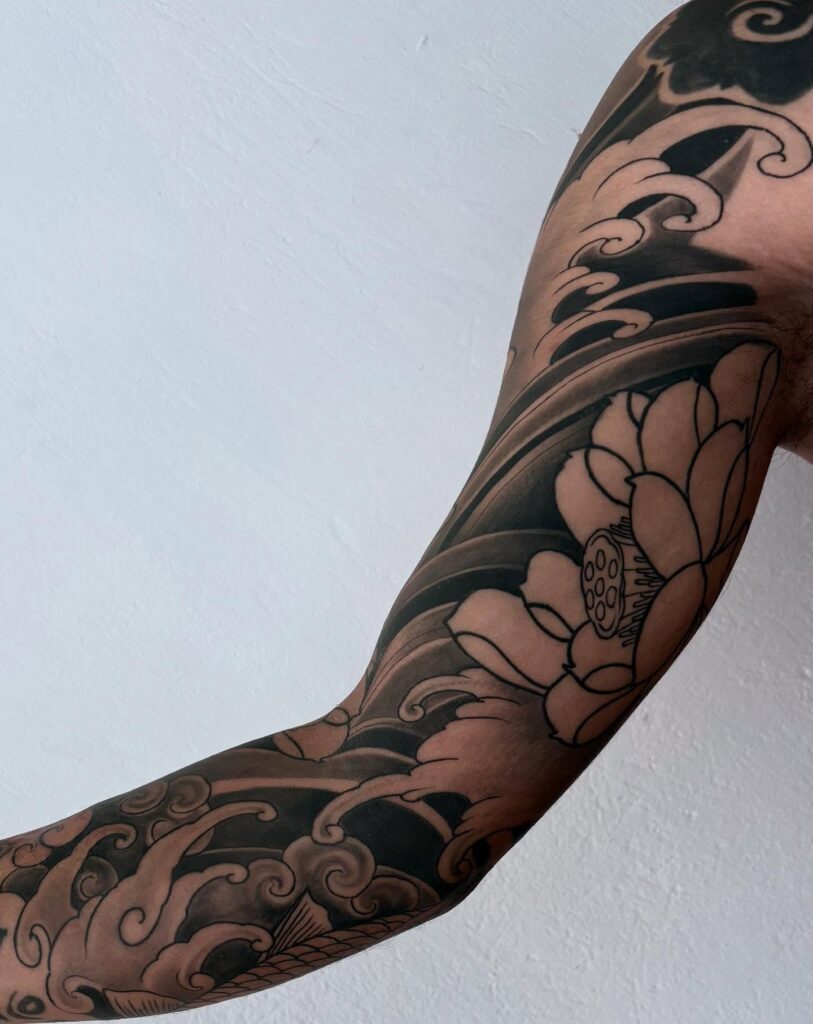
Choosing the Unknown
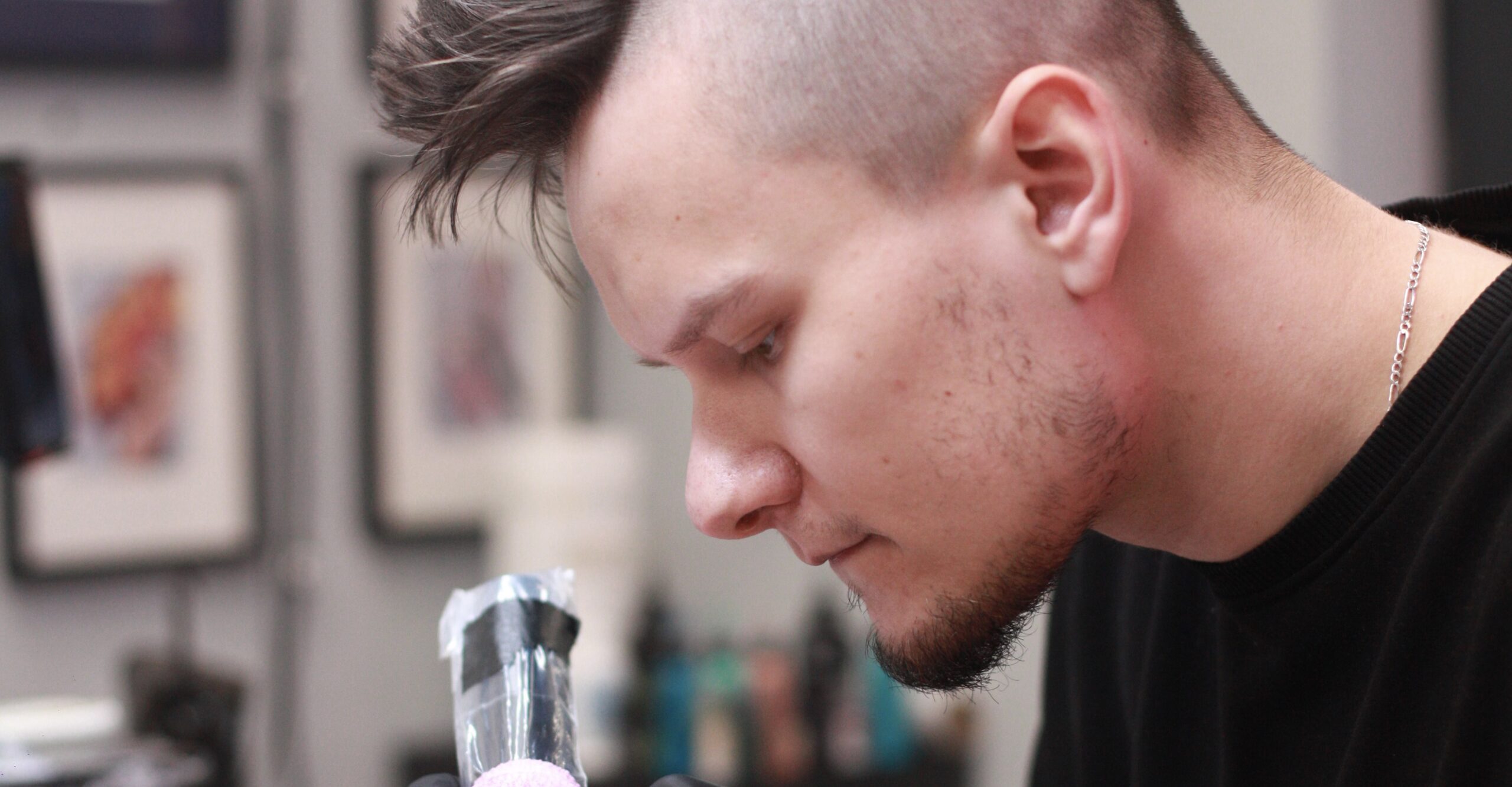
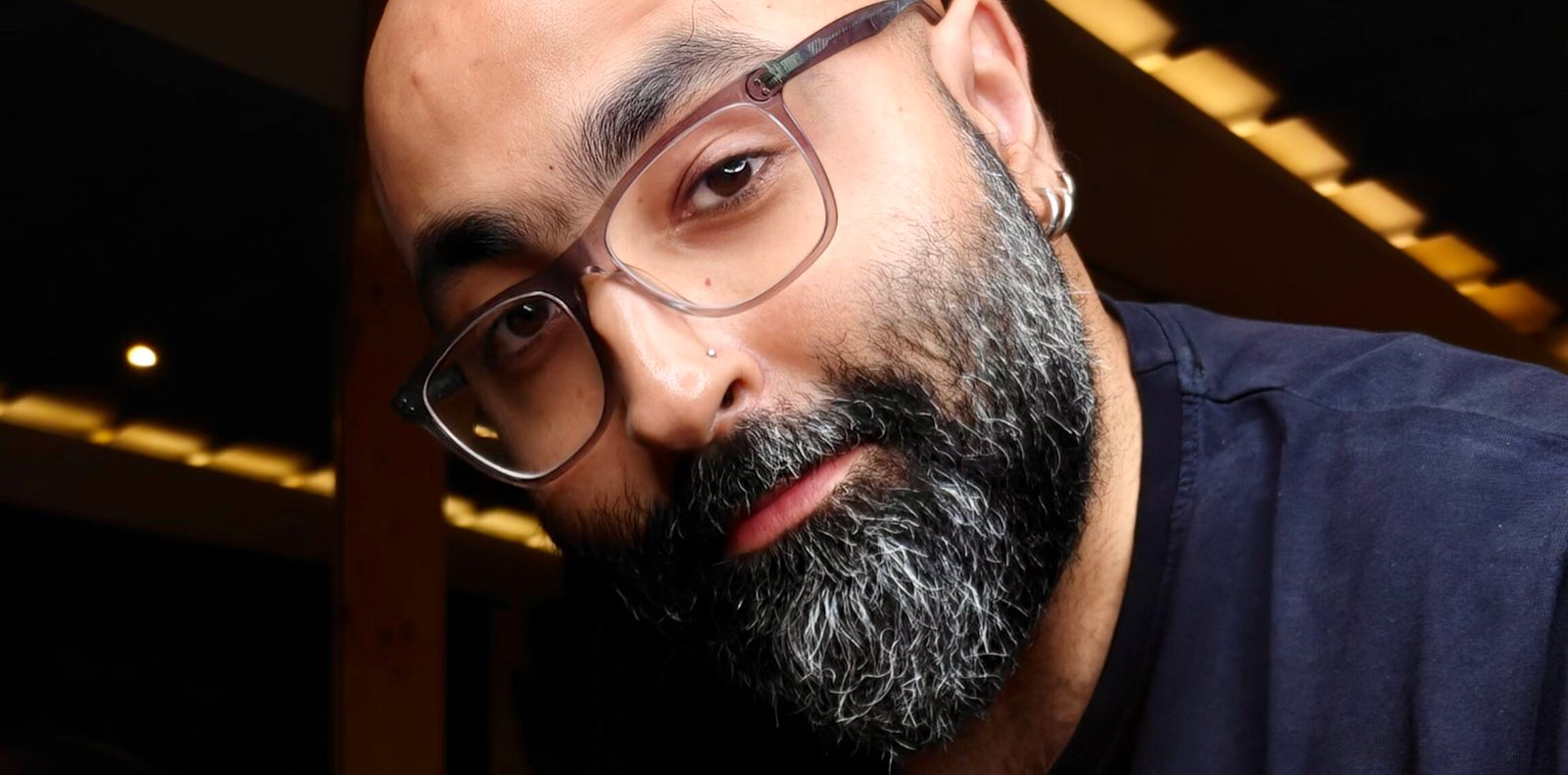
Donboklang Khongwir grew up in Shillong, a city known for its music, its mist, and a creative energy that tends to find its way into the people who are raised there. But creative cities don’t always make the path of the artist obvious. They still ask you to figure it out on your own.
For Donboklang, the figuring out came through movement.
“I thought I might just go to Delhi and try out tattooing and see where it leads,” he says.
It’s a sentence that sounds simple. But inside it lives an entire philosophy: try something, stay open to what it tells you, and keep moving.
He had already recognized what wasn’t working.
“Academics was not for me,” he says, without apology or drama. Just clarity. The kind that only comes after honest self-reflection. And when tattooing finally clicked, that clarity deepened into something more certain. “I knew this was it!”
Sometimes purpose isn’t something you plan for. It’s something you stumble into when you’re brave enough to stumble at all.
Learning More Than Tattooing
What separates a formative experience from just an experience is usually the person standing next to you during it.
Donboklang found that person early. His mentor, Sam, didn’t just show him how to hold a machine or read a design. The relationship went further than that. “Sam mentoring me not just about tattoo but about life in general,” Donboklang reflects.
That distinction matters. Craft can be taught in steps. But the way to carry yourself as a creative person, how to think about your work, how to treat the people around you, how to keep showing up when things get hard, that’s a different kind of education. The best mentors understand this. They know that teaching someone a skill without teaching them how to live with that skill produces a person who is technically capable but spiritually unmoored.
Donboklang was lucky to find someone who understood both.
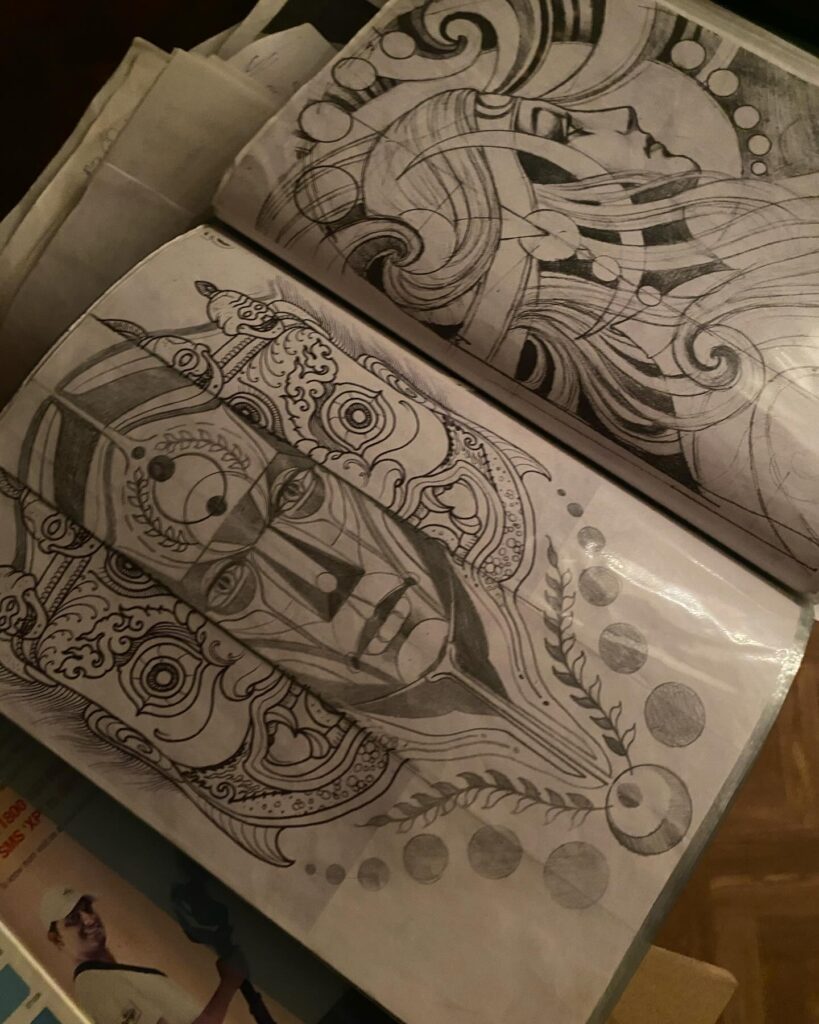
Coming Home
There’s a version of success that looks like leaving and never looking back. A bigger city, a wider stage, a more prestigious address.
Donboklang chose differently.
Returning to Shillong wasn’t a retreat. It was a deliberate choice, shaped by something that no career trajectory could account for: family. Home. A pace of life that allows for presence rather than just productivity.
“There is no better feeling than that,” he says, of being back.
That kind of contentment is quietly radical. It pushes back against the idea that moving away is always moving forward. For some artists, the conditions that allow them to do their best work are found close to the people they love most. Proximity to family isn’t a compromise. It can be the foundation everything else is built on.
Success, in this reading, sometimes means moving closer rather than farther.
Every City Teaches Something Different
Before returning home, Donboklang spent time working in Kolkata, and the experience shaped him in ways that Shillong alone couldn’t have.
Different cities carry different energies. Different clients arrive with different expectations, different cultural references, and different ways of asking for what they want. Each encounter asks something new of an artist. Each conversation in a studio, whether in the lanes of Kolkata or the quieter streets of Shillong, is a small education in human nature.
What Donboklang took from those years wasn’t just technical range. It was perspective. The understanding that an artist doesn’t exist in a vacuum, that the world around them, its people, its pace, its particular way of seeing, leaves fingerprints on the work.
Places shape artists. Not always loudly. Sometimes just through accumulation.
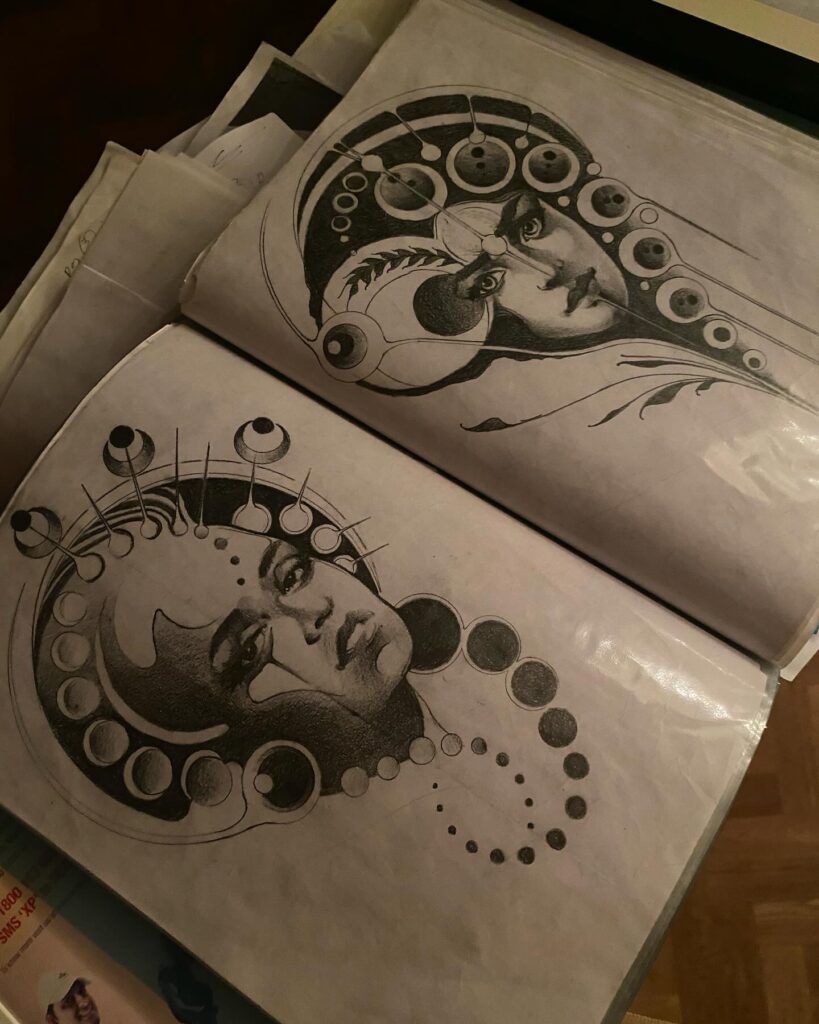
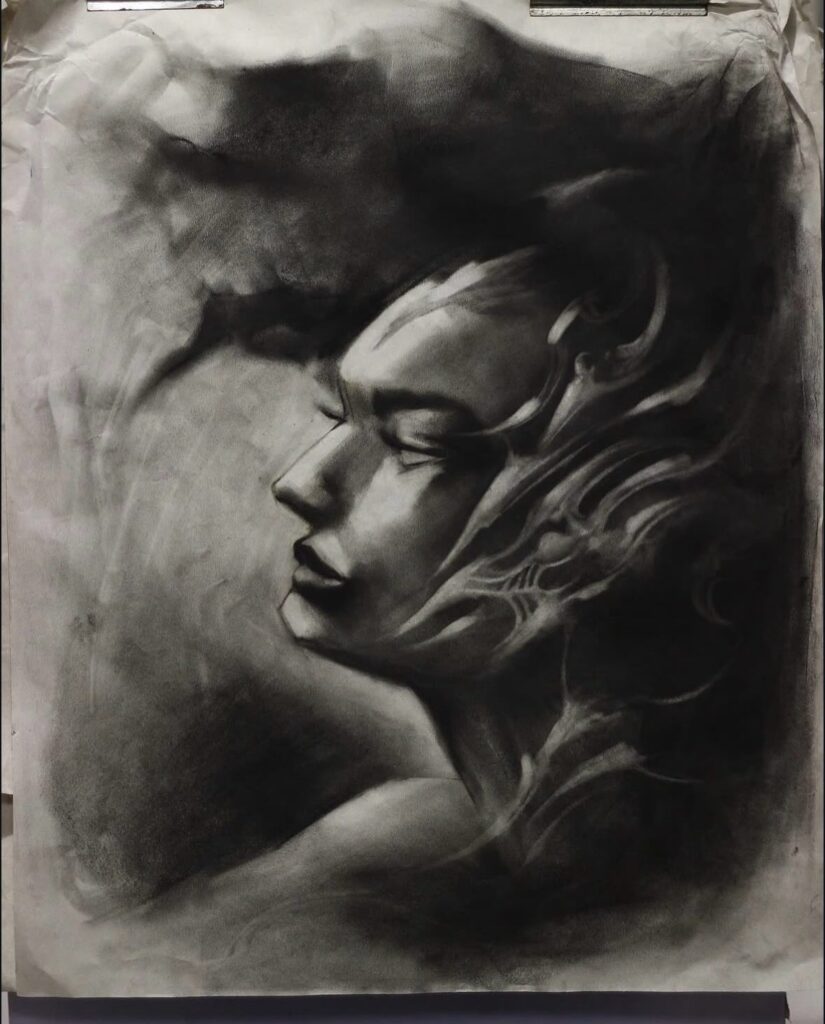
The Side of Art Nobody Sees
There’s a version of the creative life that gets told often enough to feel true: the artist who simply makes things, unbothered by the practical, sustained by passion alone.
That version is incomplete.
“It was also about making a living,” Donboklang says plainly. Art that can’t sustain the person making it eventually stops being made. This is the reality that most romantic narratives about creative life conveniently skip over. Donboklang doesn’t.
As his practice grew, so did his responsibilities. Managing a studio means managing people, managing energy, managing expectations. “I better be a good boss,” he says, with the kind of self-awareness that comes from taking leadership seriously rather than assuming it naturally. And threading through it all is a clear-eyed understanding of what the work is for: to “fund my art.”
That phrase is worth sitting with. It doesn’t mean selling out. It means building a structure that allows the creative work to keep happening. Discipline, in this sense, isn’t the enemy of creativity. It’s what keeps creativity alive.
Never Stop Learning
There’s a particular kind of artist who reaches a certain level of skill and quietly stops growing. The work becomes reliable. Safe. Technically solid but no longer searching.
Donboklang seems uninterested in that destination.
“Ready for new challenges,” he says. And then, simply: “Never stop learning.”
These aren’t motivational poster sentiments when they come from someone who has already built something real. They’re a practice, a daily decision to stay uncomfortable enough to keep improving. Growth stops feeling like a phase you go through at the beginning of a career and starts feeling like the career itself.
The artists who sustain long, meaningful creative lives tend to be the ones who never fully arrive. They keep treating each new project like it has something to teach them.
The Trust Behind Every Tattoo
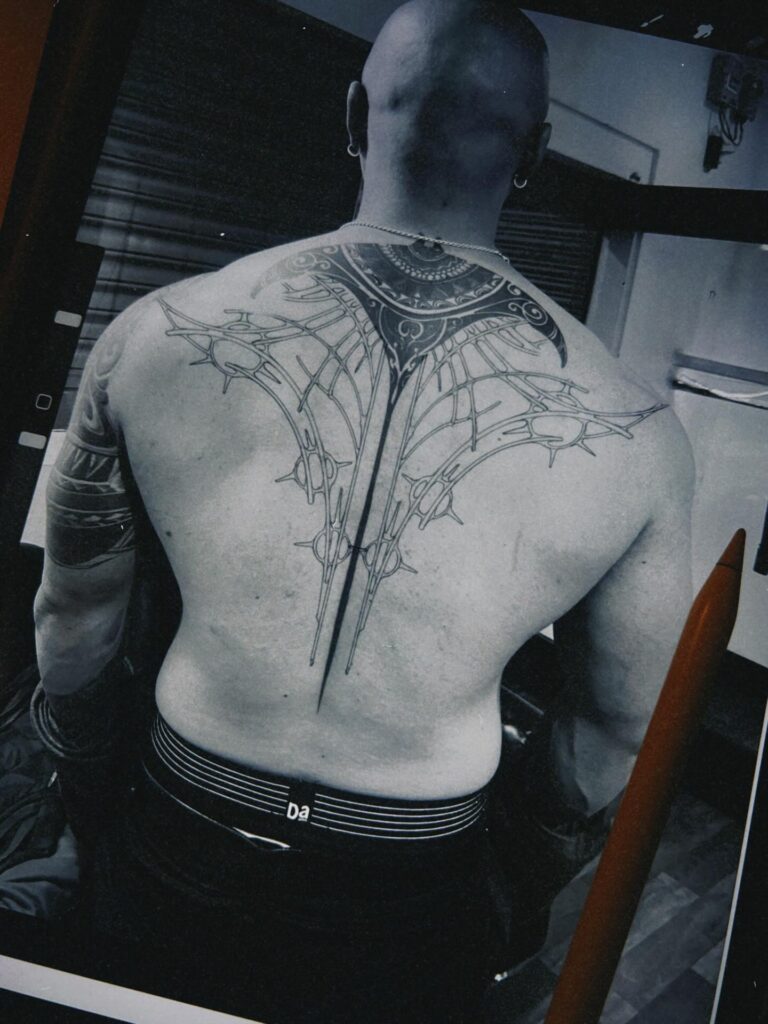
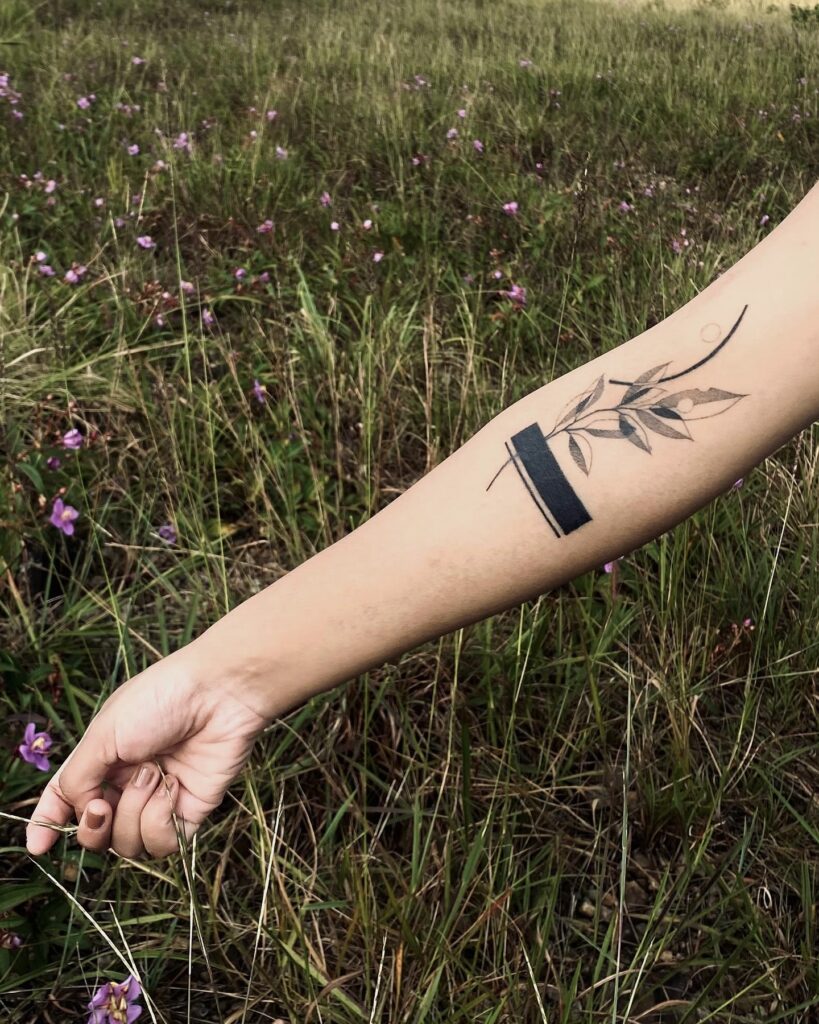
Tattooing, unlike most art forms, takes place on a person’s body. This changes the nature of the relationship between artist and subject entirely.
People arrive carrying stories. Grief, love, memory, hope. Sometimes they can articulate exactly what they want. Sometimes they bring only a feeling and trust the artist to translate it.
Donboklang holds that trust carefully. “Every client is special,” he says. And the weight behind that simplicity becomes clear when you consider what he’s describing: people “giving their skin” to someone, trusting not just their taste but their hands, their attention, their care.
Technique can be measured. Trust has to be earned. The two are related, but they’re not the same thing. The best artists in any discipline understand that the relationship with the person receiving the work is as important as the work itself.
Legacy Can Wait
Ask most artists about their legacy and you get one of two things: either an anxious monologue about being remembered, or a carefully rehearsed statement about impact and influence. Donboklang gives you neither.
“Legacy will come later I guess,” he says, as if it’s an afterthought, as if it’s simply not the thing he spends his days thinking about.
What does he think about? “I just hope,” he begins, and what follows is a person focused on the present, on the work in front of him, on getting better, on showing up for the people around him.
“Anything is possible,” he says. And from someone who moved cities, changed paths, built a business, and came home on his own terms, it doesn’t land as a cliché. It lands as something earned.
The best artists often do this: they focus on the work, and let the meaning accumulate on its own.
Building a Life That Can Hold Art
Perhaps building a creative life isn’t about chasing inspiration every day.
Perhaps it’s about creating a life where inspiration has the chance to stay.
Donboklang Khongwir’s story doesn’t follow the familiar arc of the artist who sacrifices everything for their work. It follows something quieter and, maybe, more honest: the story of someone who learned early what he needed, worked to build it, stayed humble enough to keep learning, and came home.
That’s not a small thing. That’s the whole thing.
Follow Donboklang Khongwir on Instagram
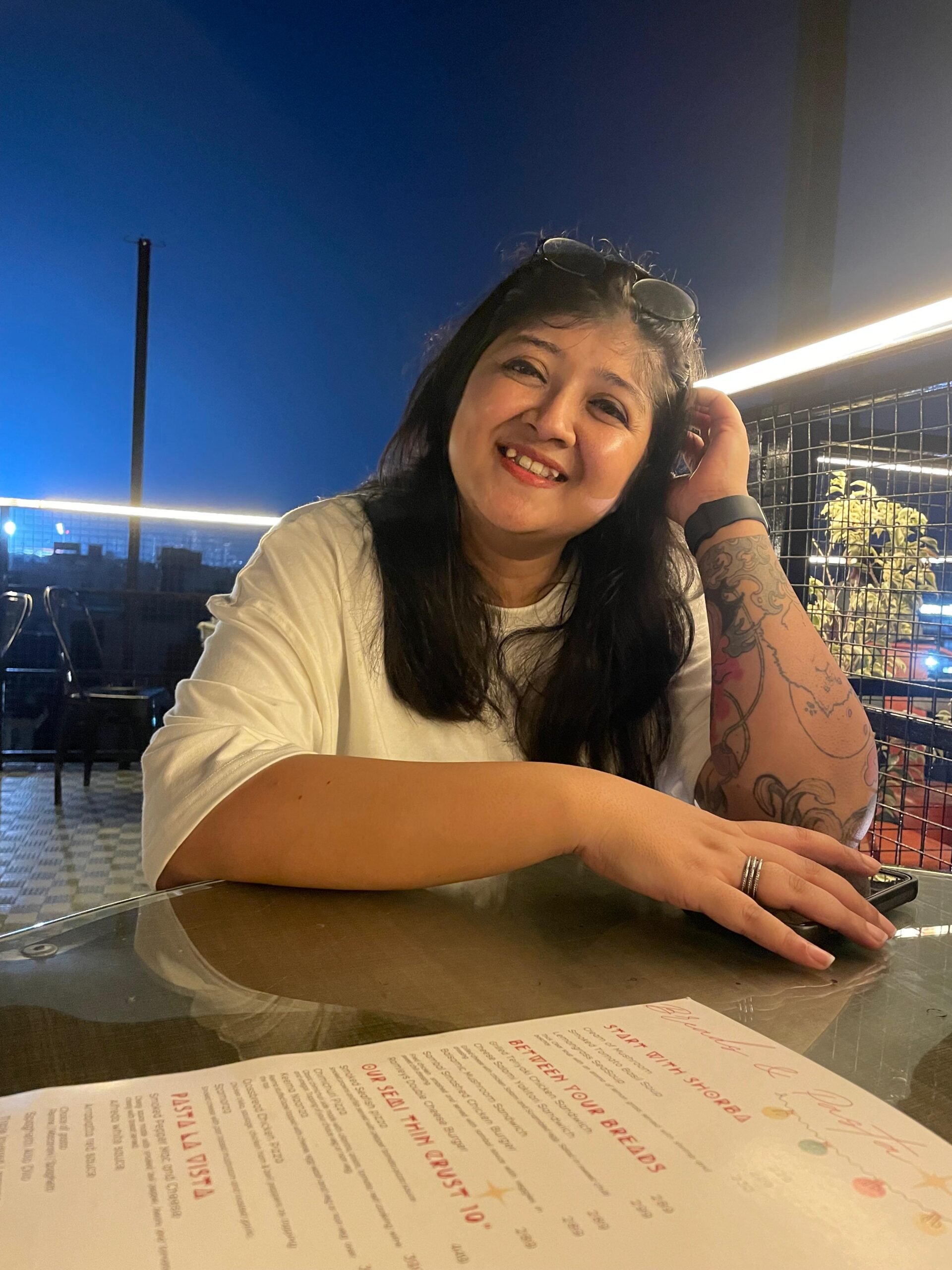
Oeshi B Lyndem is a visual artist, tattoo artist, graphic designer, and entrepreneur with a foundation in graffiti and street culture. Rooted in hands-on craft and making, her practice moves fluidly across illustration, street art, design, and experimental creative processes. With lineage from Shillong—often regarded as India’s rock capital—she carries a distinct cultural influence into her work. At Goofy Owl, she curates and leads the street and hip-hop culture segment through an intuitive, deeply creative, and entrepreneurial lens.