Most people think they remember a concert because of the artist. They think of the flashing lights, the carefully curated setlist, or the crowd singing in unison. But what they are actually remembering is how it felt. That intense physical sensation in your chest during a bass drop or the crystal clarity of an acoustic guitar solo does not happen by accident.
That feeling is engineered. The experience is meticulously calculated by people you will never see, working in the shadows of the arena. They are not chasing fame or social media clout. They are chasing the perfect translation of an emotional state.
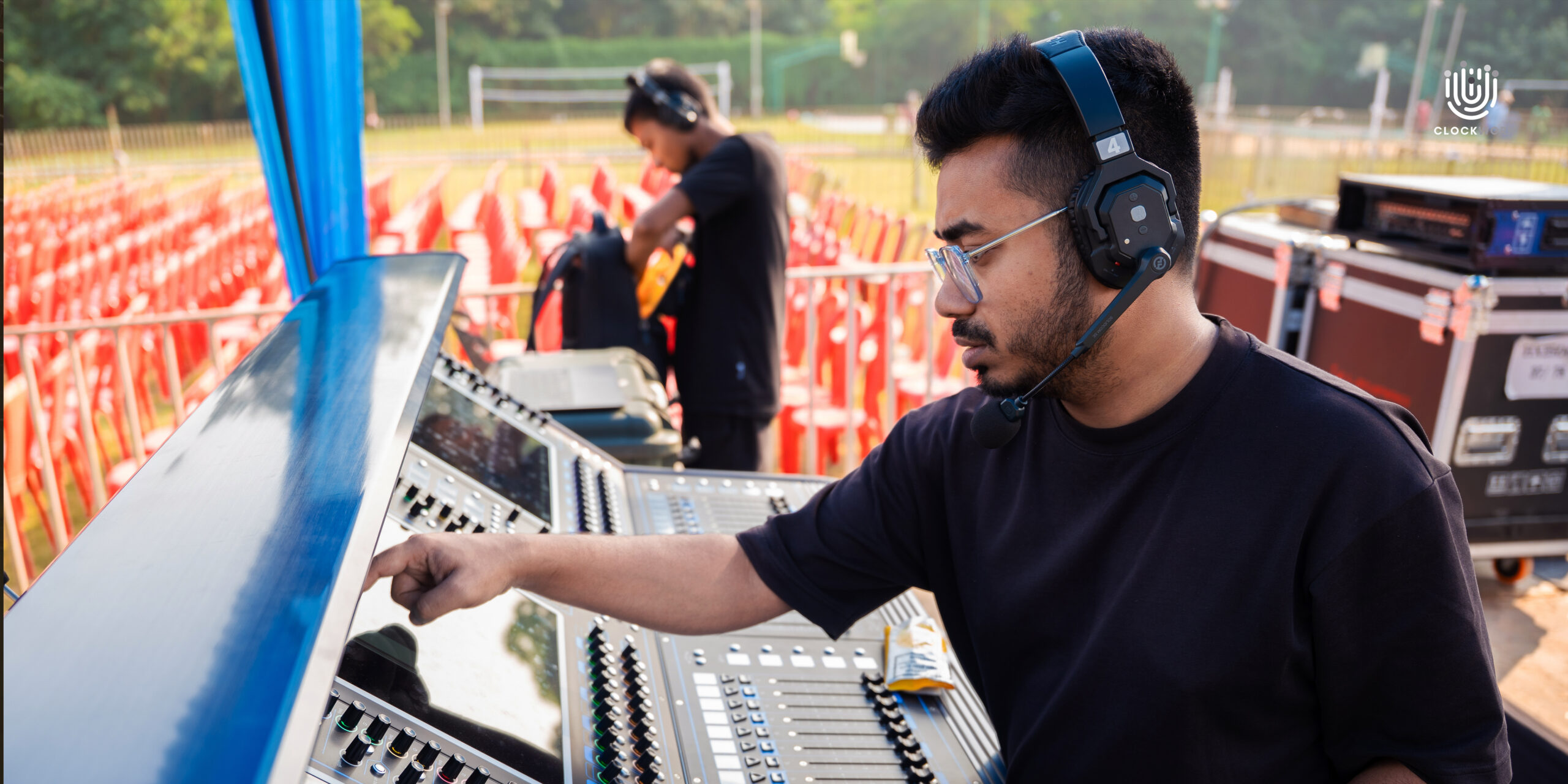
When we go to a live show, we surrender our senses to the illusion of the stage. We assume the magic simply flows from the performer directly to our ears. Yet between the microphone and your eardrums lies a massive, invisible infrastructure of networks and acoustic math. This is the world of the Systems Engineer. Their work is the quiet architecture of human emotion.
The Sound You Don’t See
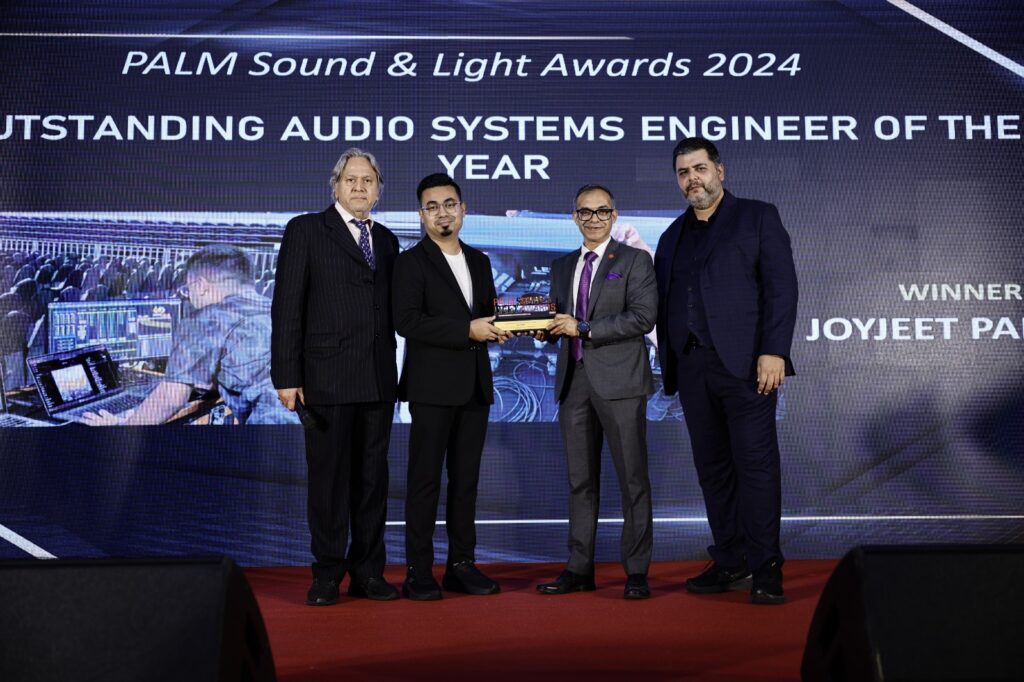
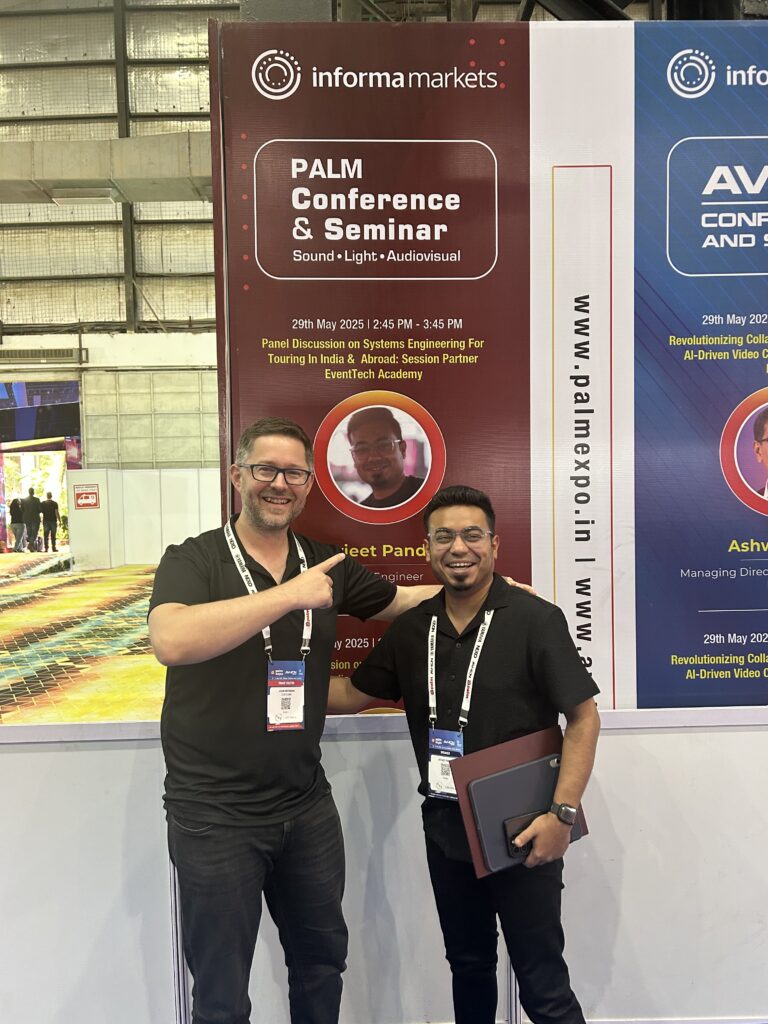
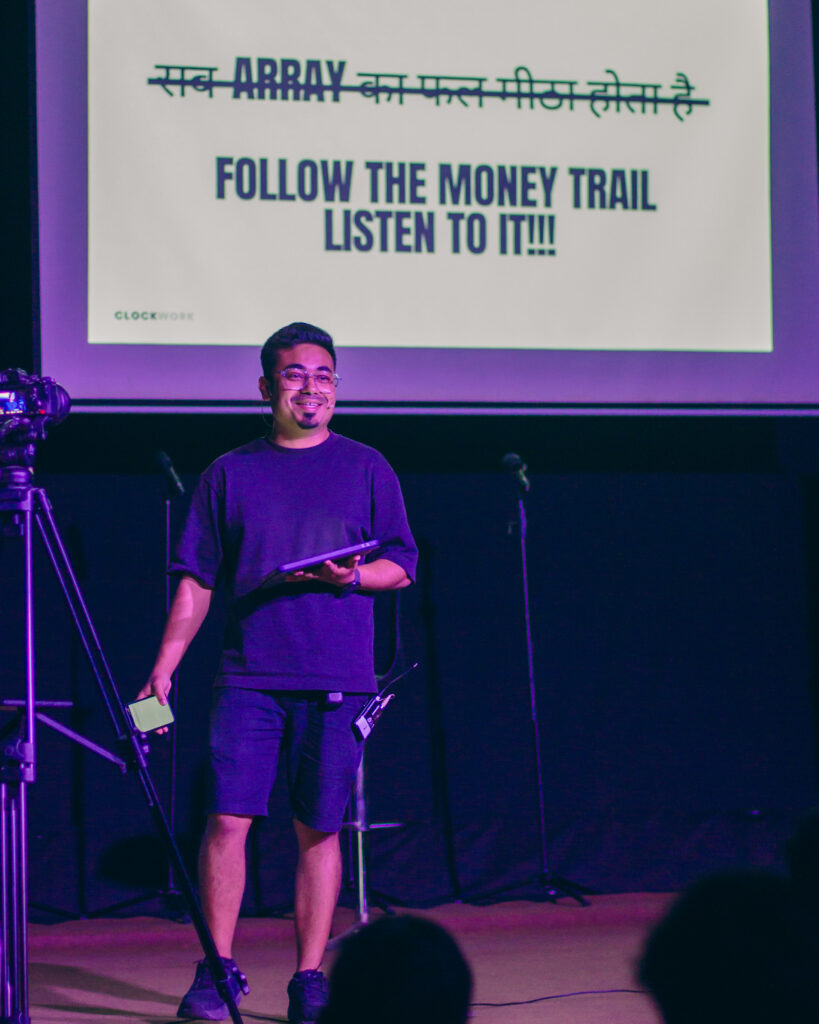
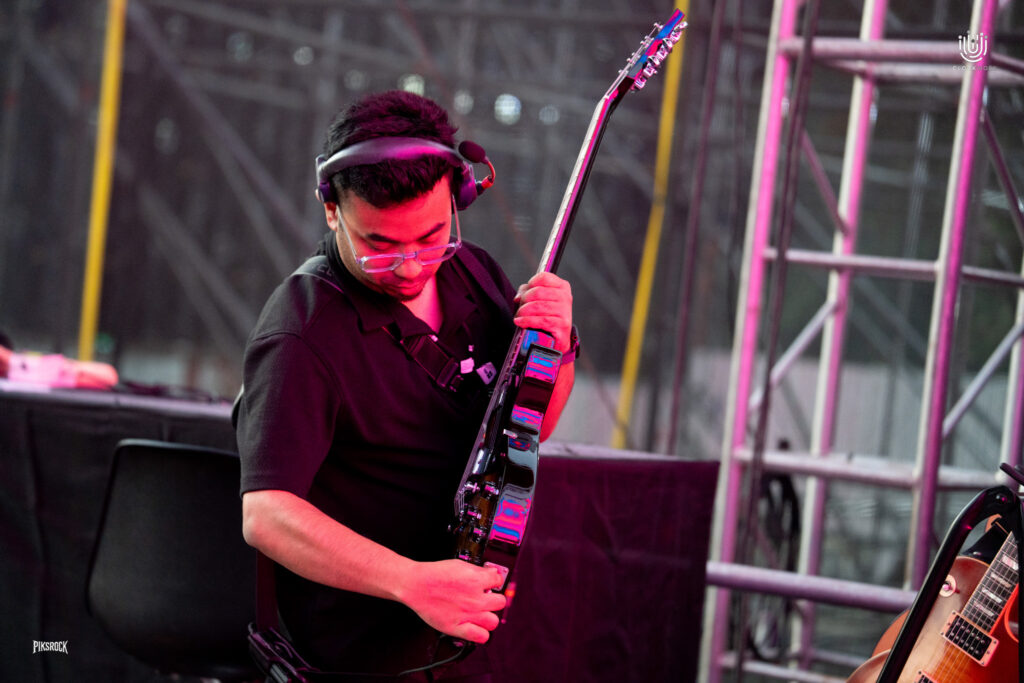
The best technical minds in the music industry rarely start their journey with a textbook. They start in the trenches of the local scene. For Joyjeet, an award-winning Systems Engineer, the path to building massive concert infrastructures began with a guitar in his hands.
“I wouldn’t be in this industry if I weren’t a musician first,” he shares.
His early days were spent playing in metal bands, a genre that requires absolute precision just to be heard clearly.
The live environment leaves absolutely no margin for error. The transition from artist to engineer is born out of a desperate need to protect the integrity of the art itself.
“If one piece of the chain is off, the entire performance falls apart into what I call ‘sonic turd.'”
This lived experience shapes how he views his current role. He understands the profound heartbreak that happens when an artist pours their soul into a performance, only for the audience to hear a muddy, distorted mess. The best engineers know what it feels like to be on stage, and they carry that ghost with them into every system they build.
When Engineering Becomes Emotion
We often mistake systems engineering for a purely mathematical job. We picture endless spreadsheets and complicated software. But the reality is deeply tied to human psychology.
“we design the listening experience at the gig” is a far more accurate description of the job. The entire process begins with a single question about the artist. What emotion are they trying to invoke? The technical team then builds a vessel for that exact feeling.

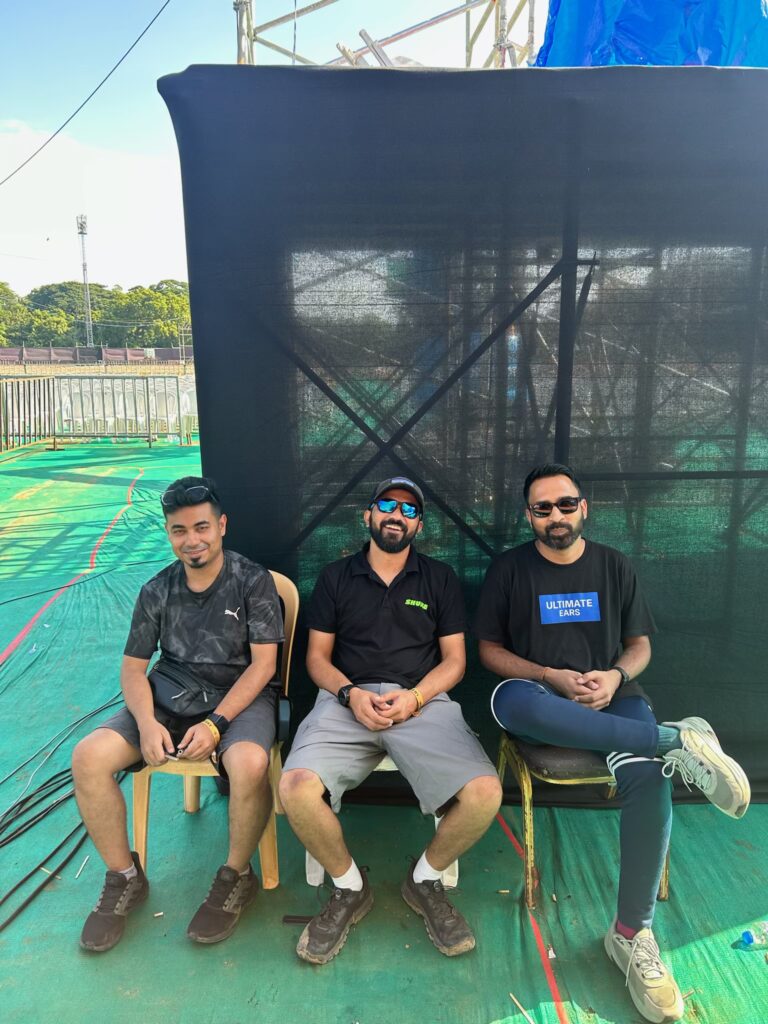
It helps to think about the relationship between the front of house mixer and the systems designer as a collaborative art project. The mixer is the one choosing the colors and shaping the aesthetic of the sound. The systems engineer builds the physical space where that art lives.
As Joyjeet puts it, “The FOH Engineer paints the picture. We are the one who builds the gallery, lights it correctly, and ensures the walls are straight.”
The infrastructure determines how the art is perceived. If the gallery is poorly lit or the walls are collapsing, the painting loses its impact entirely.
There Is No Undo Button
When you step into the corporate world or a digital design space, mistakes are easily fixed. You can delete a line of code or rewrite an email. Live events do not offer that luxury.
The pressure is absolute. “there is no ‘Undo’ button” when fifty thousand people are waiting for a beat to drop. If a network switch fails or a power line trips, the entire illusion breaks.”
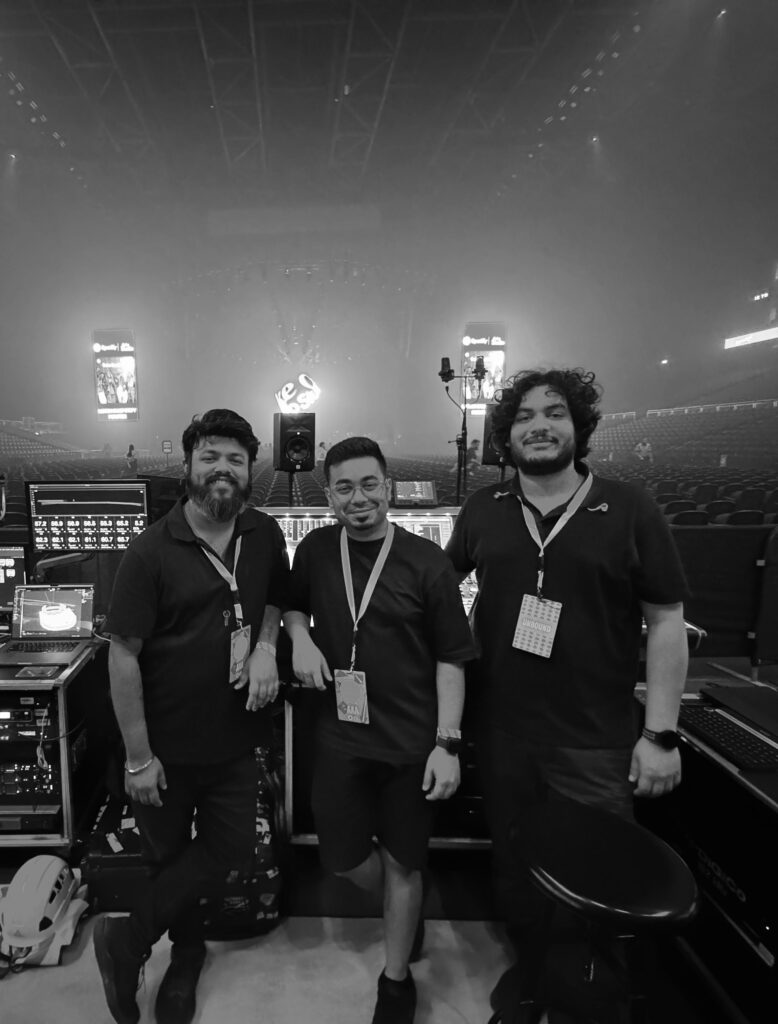
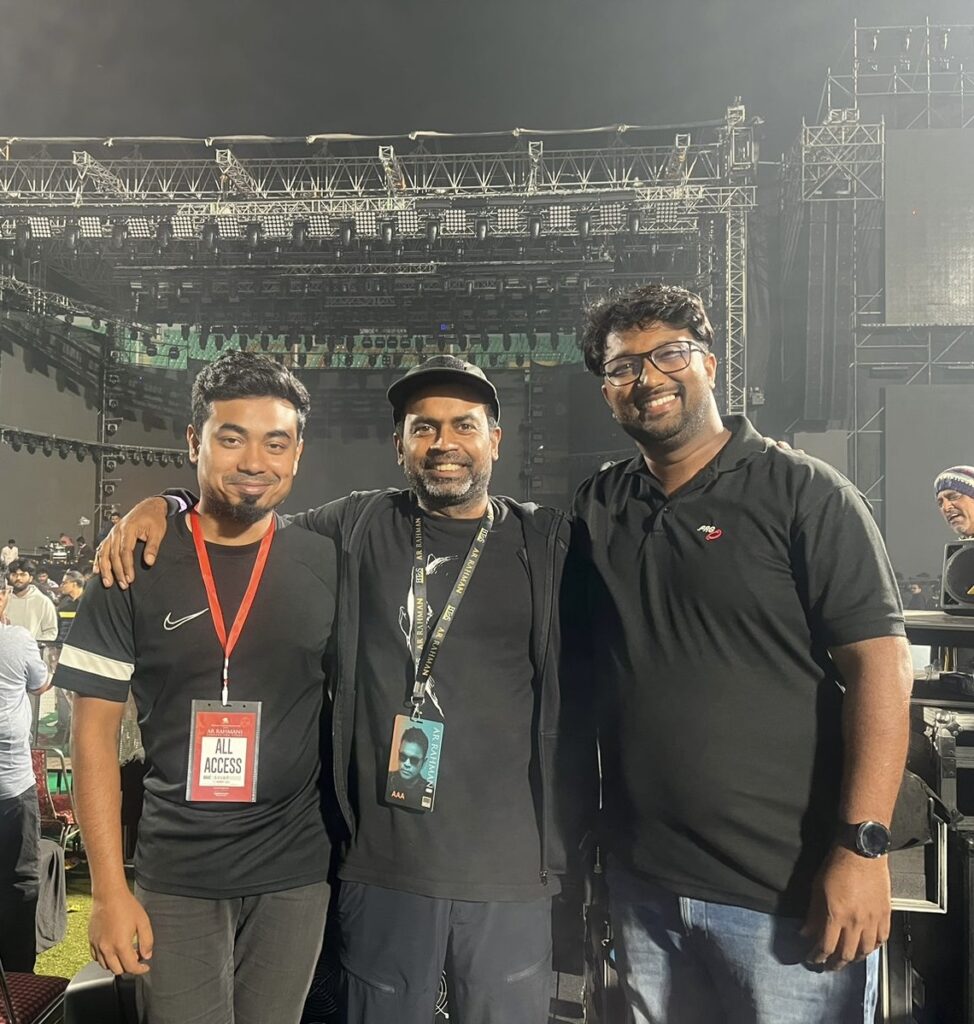
This environment forces a specific kind of mastery. True authority on a tour does not come from a fancy title on a laminate pass. It comes from resilience and the ability to pivot instantly when everything inevitably goes wrong. You build an arsenal of skills by hauling cables, setting up stages, and learning how every single department functions.
The System Behind the Feeling
In an industry filled with subjective opinions, technical literacy is the only safety net. Having a great ear for music is important, but it is not enough to survive in the modern touring landscape.
While a musical background acts as a compass, “technical literacy is the engine” of the entire operation. You have to understand complex networking protocols and physics to build a system that works consistently across different stadiums and arenas.
But science alone cannot create a perfect show. A system can be technically flawless by the textbook, yet still feel completely sterile. The ultimate goal is to balance the science with a human spark. When that balance is struck, the technology simply vanishes from the mind of the listener.
“that’s when you’ve moved from technical engineering to MAGIC”
Designing the Last Row
Perhaps the most philosophical aspect of audio engineering is the concept of audience equity. For decades, the best audio experience at a concert was reserved for the people who could afford the most expensive tickets near the front. The fans in the back rows were left with a thin, echoing version of the performance.
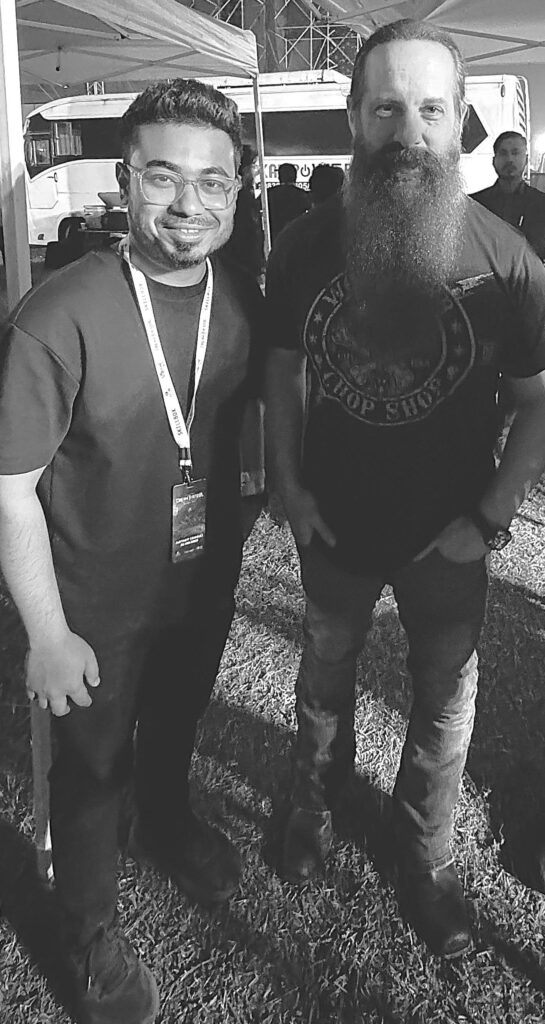
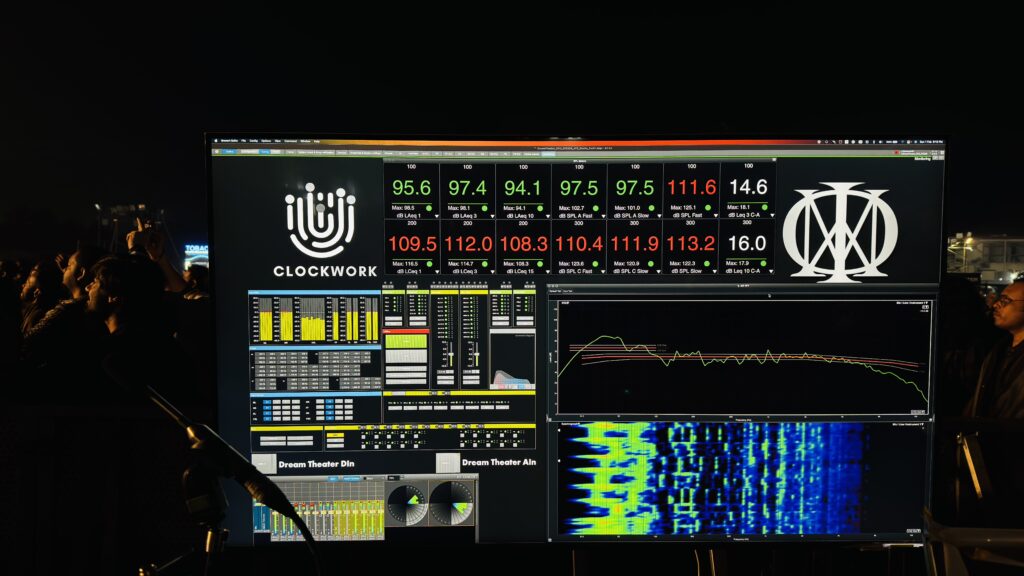
During a recent Dream Theater concert in Kolkata, Joyjeet and their team at ClockworkAV made it their mission to change this reality. They utilized advanced delay towers and flown subwoofers to ensure the physical punch of the music reached the very last seat.
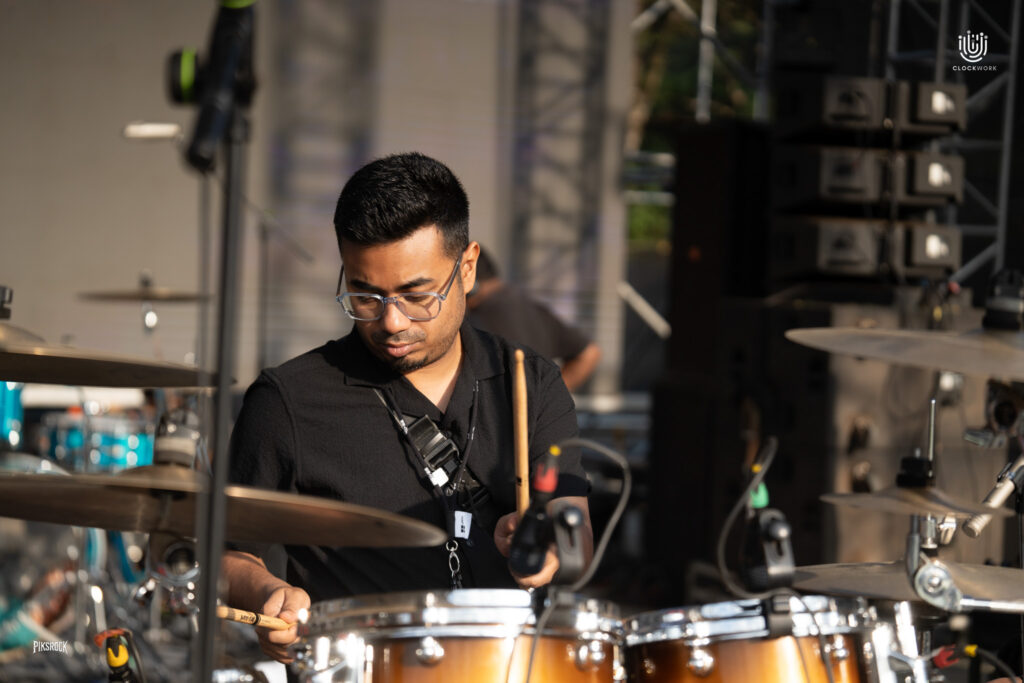

This was not just a technical flex. It was a moral decision. Using technology to provide fairness ensures that a kid in the cheapest seat feels the exact same emotional resonance as the VIP in the front row.
Designing the Lasting Realization
Young creatives often ask how to survive in an industry that feels so overwhelmingly complex and competitive. In a world obsessed with viral moments and instant gratification, the answer is surprisingly quiet.
“Focus on curiosity over ego.”
Reliability will always outlast raw talent. The people who build the longest careers are the ones who show up early, learn the physics behind the gear, and solve problems without seeking applause.
The live event industry is currently evolving. Innovators are attempting to fix a fragmented ecosystem where the artist’s vision often gets lost in poor execution. They are even pushing boundaries with immersive audio setups that create an entirely new spatial playground for the mind. They recently designed a system for a classical Indian music concert that successfully “drowned the audience in an immersive bubble.”
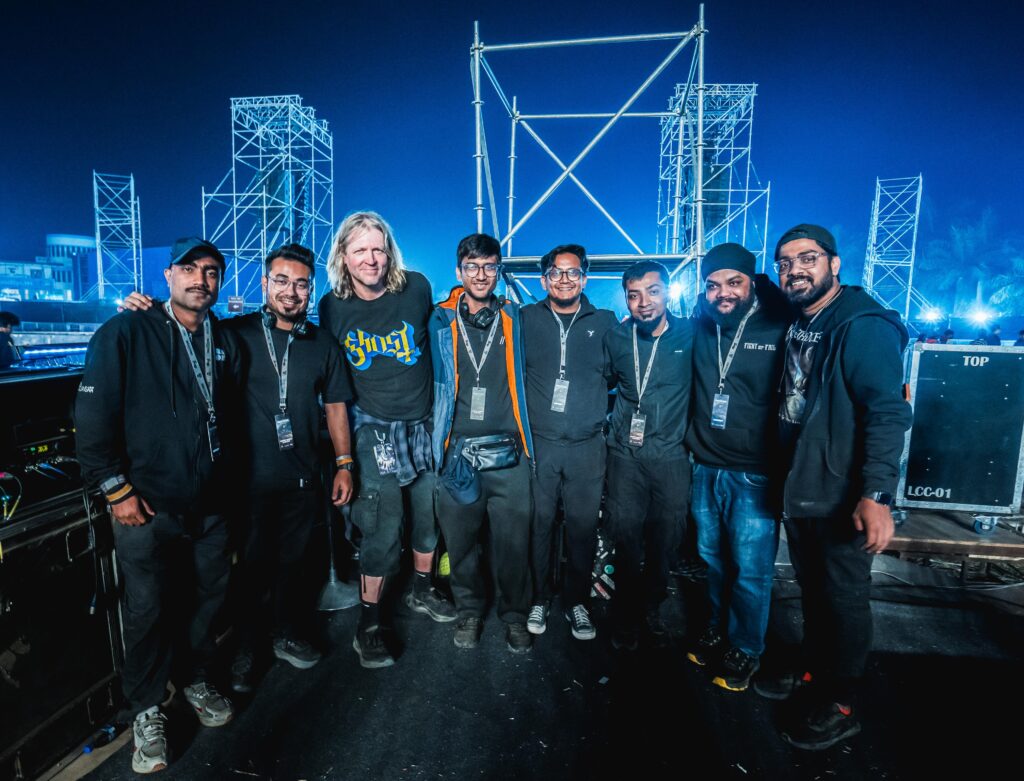
But the core truth of this profession remains unchanged. The most profound experiences you will ever have are built by people who do not want you to know they are there. The ultimate sign of a perfectly designed system is its complete disappearance. You simply feel the music, completely unaware of the invisible hands that guided it directly to your soul.
Follow Joyjeet on Instagram

Lubdhak Biswas is a musician, entrepreneur and a tattoo artist based out of Kolkata (India).
He documents underground culture at the crossroads of tattooing and music.
His work focuses on craft, tools, ethics and the real working realities of creative industries.