Most bands do not last a decade. The statistics are brutal and the reasons familiar: creative differences, financial pressure, the slow erosion of momentum, the gradual discovery that passion alone cannot sustain a project through years of uncertainty. Longevity in independent music is genuinely rare, and for bands operating outside India’s major metropolitan music hubs, it borders on extraordinary. To survive is, in many ways, the greatest success a band can earn.
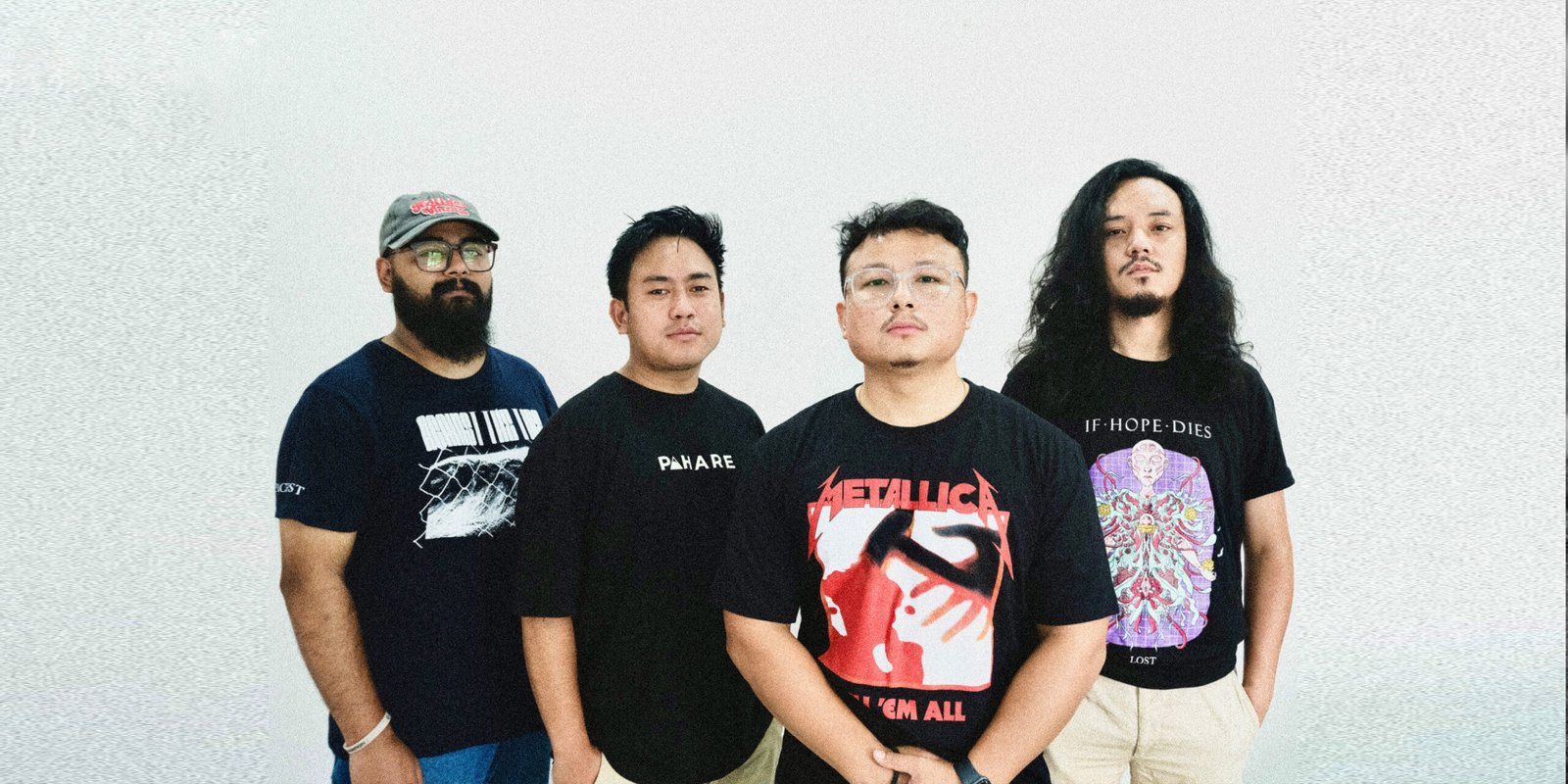
If Hope Dies, the metal outfit from Sukna in North Bengal, have been surviving and building for well over a decade. Not through compromise, not through chasing trends, and not by lowering the bar of what they expect from themselves. They have done it the hard way: through lineup changes, stretches of inactivity, logistical obstacles that would have broken lesser bands, and a quiet, unshakeable refusal to quit.
Where It Began
Sukna is a small town at the base of the Himalayan foothills, a place not typically associated with the machinery of India’s independent music scene. There are no established label offices nearby, no circuit of venues feeding a regular touring calendar, and no ecosystem designed to nurture heavy music. What Sukna does have, as If Hope Dies discovered early, is a particular kind of hunger.
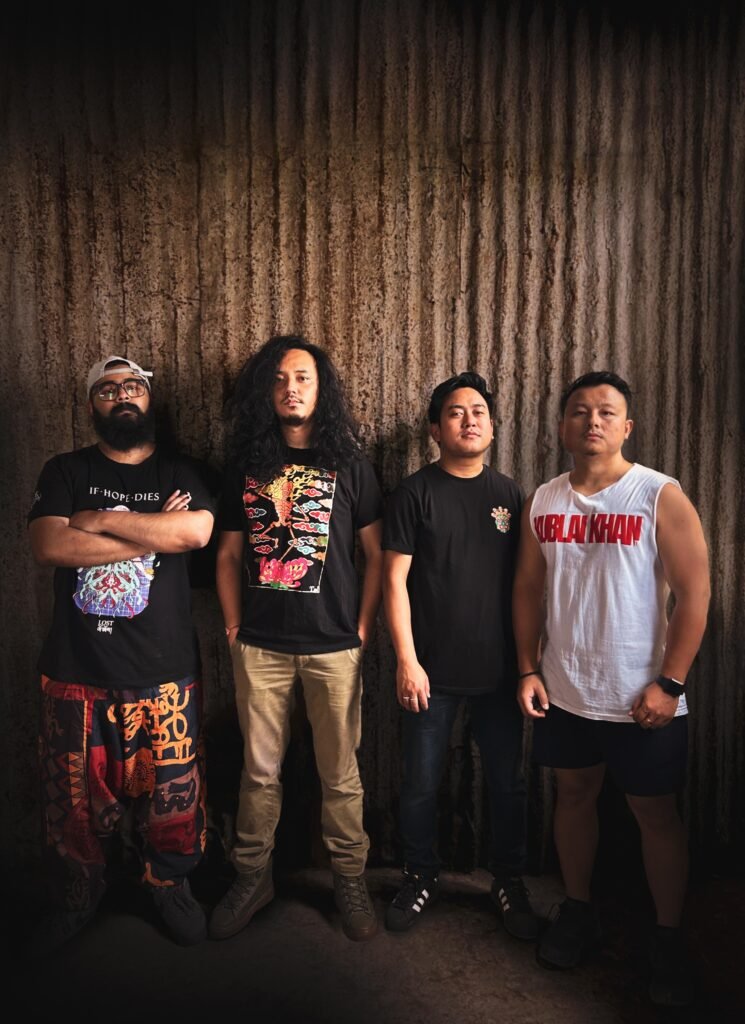
That DIY mentality was not a choice so much as a necessity. The region is home to immense musical talent, but the infrastructure to support that talent has always lagged behind. Distances are vast, touring costs are prohibitive, and opportunities are infrequent. For bands from North Bengal and the broader Northeast, every opportunity earned feels genuinely hard-won.
“North Bengal and the Northeast in general, has always had incredible talent,” the band reflects. “Growing up here taught us to be resilient and gave us a strong DIY attitude. Since metal gigs don’t happen as often as they do in bigger cities, we learned to stay prepared so that when an opportunity comes, we’re ready to give it everything.”
This geography shaped If Hope Dies in fundamental ways. It cultivated patience and an understanding that building something real takes longer when you are doing it from the margins. It also instilled an honesty about what the work actually demands.
The Years That Tested Them
No honest account of If Hope Dies can avoid the years of difficulty. The band has experienced significant lineup changes throughout its history, the kind of disruptions that tend to fracture a band’s identity and drain its energy. They also went through extended periods of inactivity, with the band inactive for almost three to four years at one point, stretches where the project existed in name but not in motion.
“We have been through multiple lineup changes, our fair share of drama, and plenty of ups and downs,” the band says. “Looking back, every opportunity and every challenge has played a part in shaping who we are today. Exposure and experience can come in many forms and we’ve learned something valuable from every chapter of this journey.”
What matters is not that these things happened. They happen to almost every long-standing band. What matters is what If Hope Dies chose to do on the other side of each disruption. The most significant turning point came with the arrival of the current lineup, with Pradhyum on bass and Thupden on drums.
“Everything changed when the current lineup came together,” the band explains. “They brought new energy, took responsibility and it felt like we picked up right where we left off. We’re all on the same page now, and it feels like a real family. I can proudly say this has been the biggest turning point in the history of IHD.”
The thread that has run through every chapter, through every departure and every new beginning, is determination.
“If there’s one thing that has remained untouchable through all these years, it’s our determination and our will to keep moving forward. No matter what came our way, we never gave up on the band or what it stands for.”
What the Music Is Built From
If Hope Dies write from lived experience. Their lyrics are not constructed abstractions or genre exercises. They emerge from personal experience and observation, from the specific textures of their lives in North Bengal, and from an emotional honesty that gives the music its weight.
“It has always come from personal experiences and observations,” the band says. “I can’t write about random things if I don’t feel them or haven’t been through something myself. For me, the lyrics have to be real, that’s what gives the music its emotion and meaning.”
This commitment to sincerity sits alongside technically demanding compositions. The band does not treat accessibility and complexity as opposing forces. The goal is music that is emotionally true and technically accomplished, songs that hold up both as listening experiences and as performances.
Their most recent work, the release Whirlwind, marks a clear evolution in their approach. “We don’t follow any fixed songwriting process, we just write what feels right,” they explain. “That’s why Whirlwind turned out to be more hardcore and beatdown influenced. But the songs we have coming next don’t necessarily sound like Whirlwind. Every song has its own identity and flavour.”
The biggest shift, by the band’s own account, is confidence. “We’ve grown as musicians and songwriters. We’re more confident in experimenting and writing whatever feels natural instead of trying to fit into one specific sound.”
Brotherhood Over Everything
Ask If Hope Dies what the band means to them at this point in their existence, and the answer goes well beyond music. “It has never been just entertainment for us,” they say. “If Hope Dies is our safe haven, a place where the four of us can leave everything from our personal lives behind and focus only on the band and the music we create.”
Over more than a decade, that bond has become the band’s most durable foundation. And at the center of it is something specific: trust.
“More than anything, this band has taught us the value of trust,” the band says. “Trusting each other, trusting the process, and trust that no matter what comes our way, we’ll face it together. For us, trust is everything.”
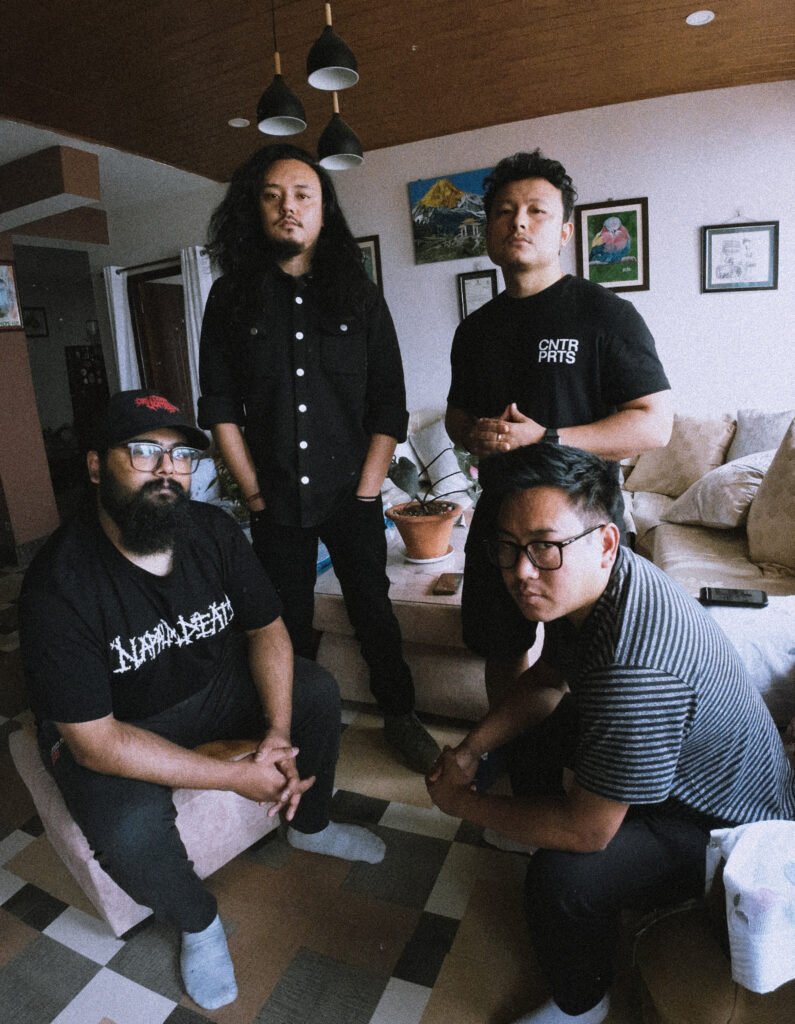
This matters particularly in the context of India’s independent metal scene, where the pressures are considerable and the rewards are rarely financial. The scene has grown, audiences have become more engaged, and the quality of independent releases has risen noticeably. But the economic realities remain stark, and If Hope Dies are candid about them.
“The reality is that touring is expensive, travelling is expensive, and even practice spaces cost a lot,” the band says plainly. “Unless you’re backed by something much bigger, most metal musicians still need a day job to keep doing what they love. That’s just the reality of the scene, and there’s nothing wrong with that.”
What they also push back on is the idea that building a sustainable career means chasing attention. “We never worry about competing for attention. If you create honest music and put in the effort to promote it, it will eventually reach the right people.”
What Comes Next
The band is currently completing their full-length album, the most ambitious project they have undertaken.
“Right now, our focus is on finishing our full-length album and continuing to release music consistently,” they say. “If we can keep creating music we’re proud of and share it with people, that’s success for us.”
Beyond the album, there are bigger festivals to play and continued releases to plan. A forward momentum that feels, by their own account, more genuine and more grounded than at any previous point in their history.
Success, for If Hope Dies, is not measured in streaming figures or festival slot sizes. “Our definition of success has always been simple, write good music and keep releasing it. And playing in front of people. That’s always been our main goal.”
It is an unfashionable definition in an era dominated by metrics and algorithmic visibility. It is also, arguably, the only definition that makes sense for a band playing the long game.
Still Standing
There is something instructive about a band that has been through what If Hope Dies have been through and arrived at this point not diminished, but more certain of what they are. The years of uncertainty did not narrow their ambitions. The lineup changes did not break their identity. The geography that made everything harder also made them more self-reliant, more honest, and ultimately more durable.
“With our current lineup, I can confidently say we’re here to stay,” they say. “This is the strongest lineup we’ve ever had. More importantly, we’re all on the same page, both musically and personally, and that chemistry has taken the band to another level.”
Longevity in independent music is not glamorous. It does not announce itself. It is built quietly, in rehearsal rooms and long drives and hard conversations, in the decision to keep going when stopping would be far easier. If Hope Dies have been making that decision for more than a decade, and the music they are making now is the clearest evidence yet that it was always worth it.
Follow If Hope Dies on Instagram

Lubdhak Biswas is a musician, entrepreneur and a tattoo artist based out of Kolkata (India).
He documents underground culture at the crossroads of tattooing and music.
His work focuses on craft, tools, ethics and the real working realities of creative industries.