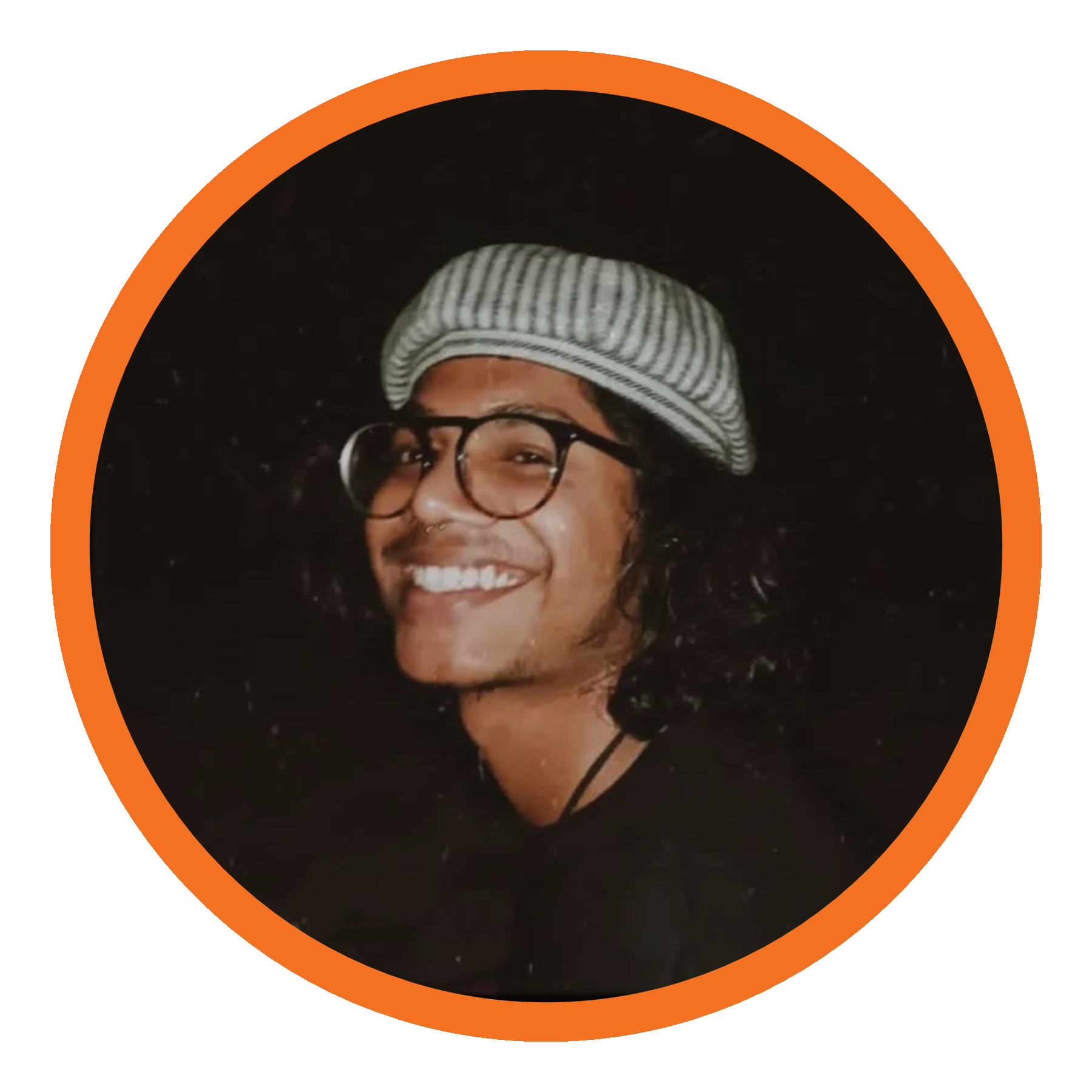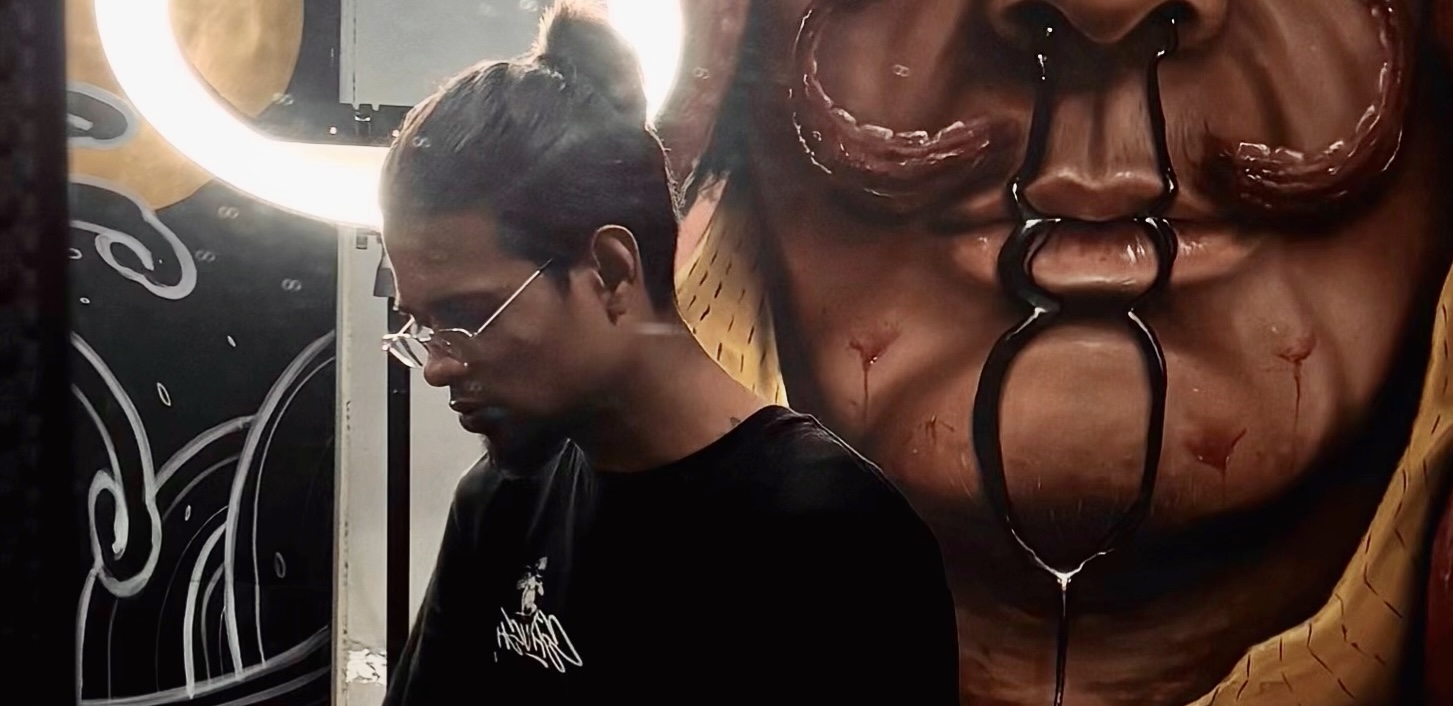
Artists spend years trying to define their style.
Others spend years trying not to.
There is a particular kind of discipline in resisting definition. It requires trusting that the work knows something the artist doesn’t yet. That curiosity, left alone long enough, will eventually become a language. That the act of searching is not a sign of being lost, it is the practice itself.
This is the kind of artist worth paying attention to.
Before There Was Tattooing
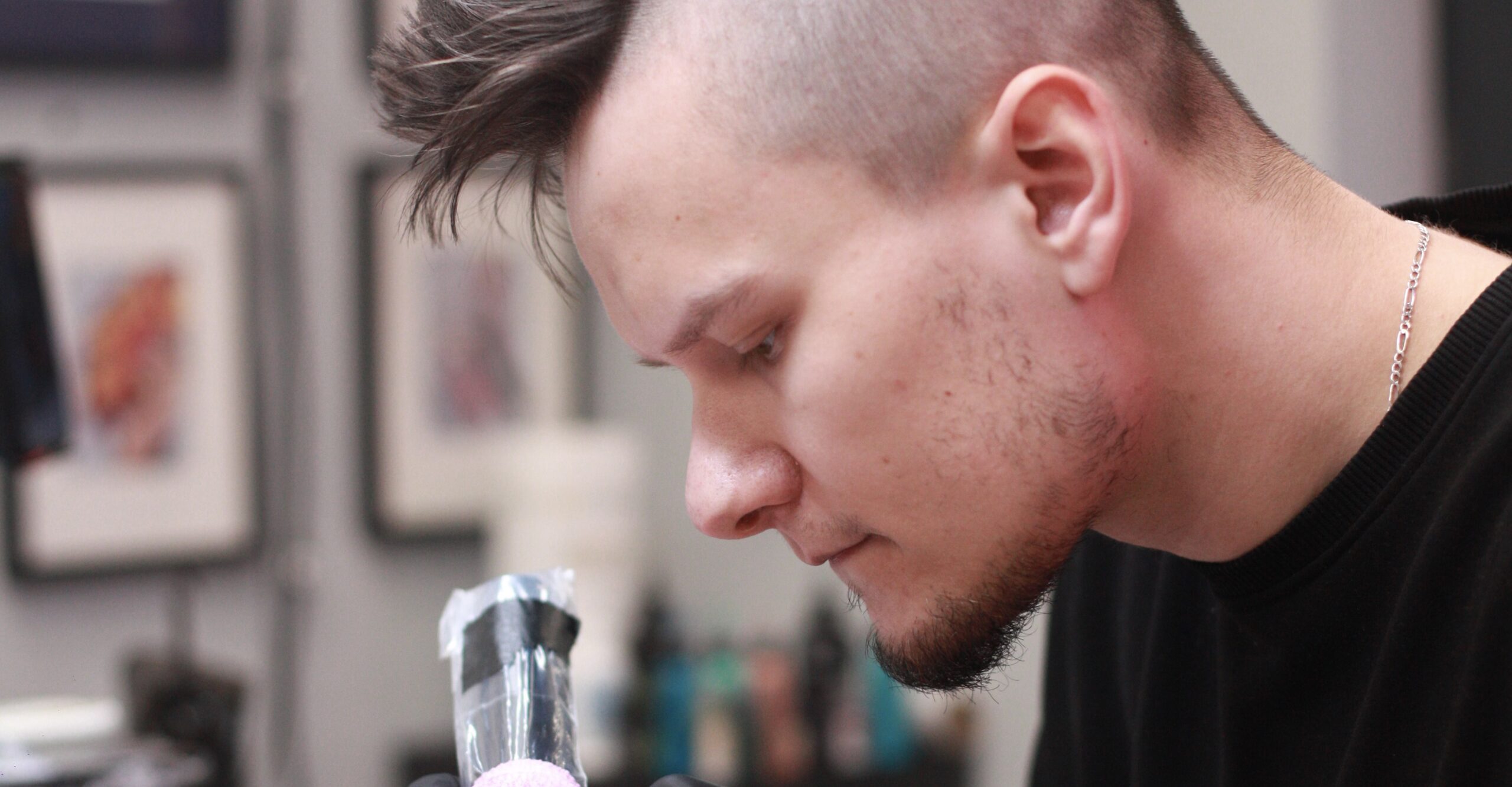
Rajdeb has been making things since childhood. Long before tattooing entered the picture, before machines and needles and skin, there was the simpler, quieter habit of putting marks on paper.
“I have been sketching and painting since I was a kid,” he says.
What’s interesting is how he holds that history. He doesn’t wear it as a credential. He doesn’t use it to position himself. Instead, he keeps a careful distance from the word most people would reach for.
“I don’t really like to call my paintings or sketches as ‘ART’.”
That resistance is telling. Labels create expectations. They draw a border around something that is still growing, still shifting, still figuring out what it wants to be. For Rajdeb, leaving the work unnamed keeps it alive.
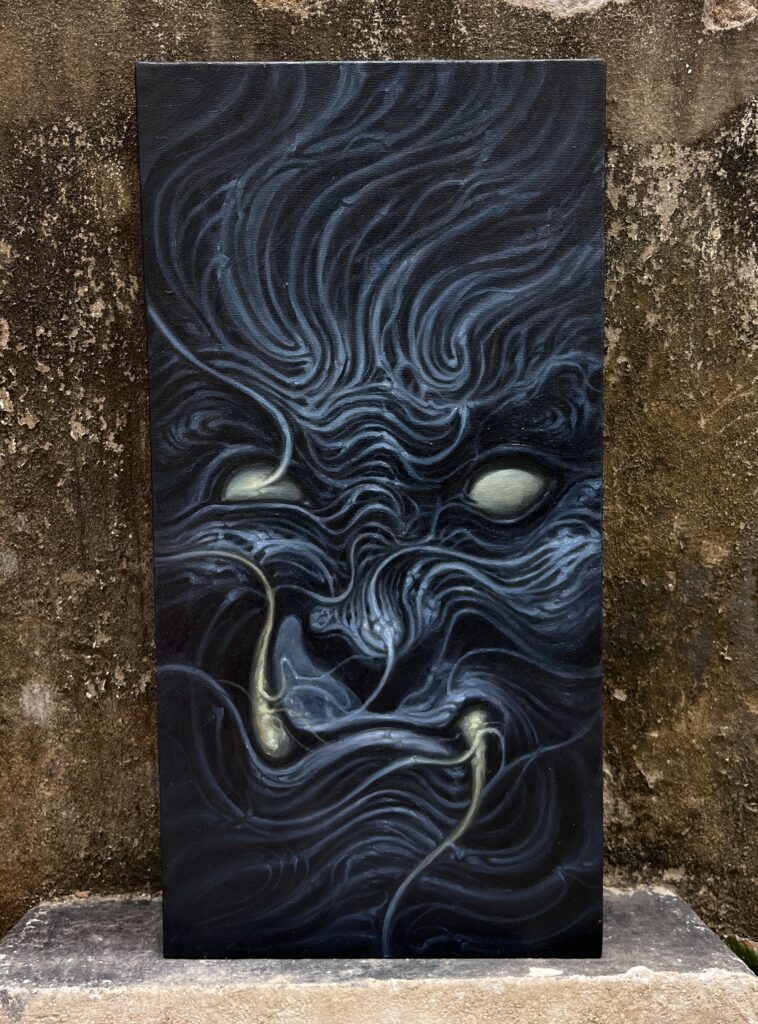
Falling Into Tattooing
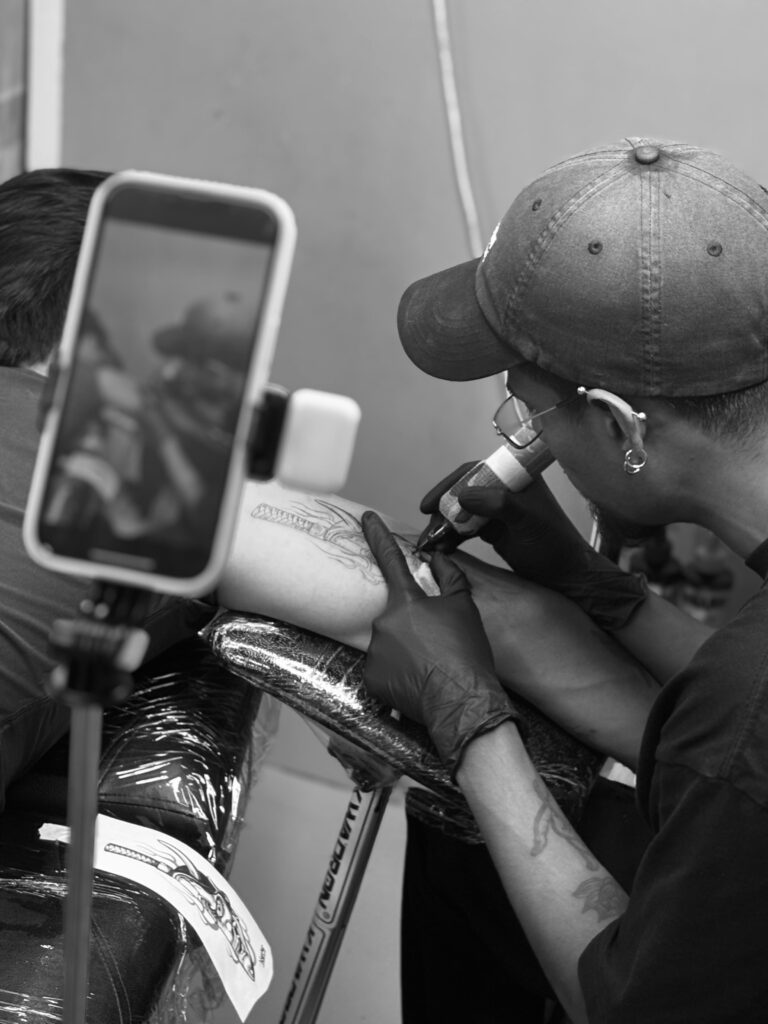
Creative journeys rarely begin the way people imagine. There is no single moment of revelation, no clean origin story. More often, there is just a teenager in Standard 7, curious enough to build a tattoo machine from scratch and use it on erasers.
That is where it started for Rajdeb. Curiosity. Experimentation. The desire to understand how something works by making it work. From homemade machines and eraser skin, the path eventually led to a formal apprenticeship, and then to a first tattoo on an actual person.
None of it was planned. It unfolded the way most genuine things do, through play, through persistence, through a willingness to find out what happens next.
Still Searching
Ask Rajdeb about his style and he will not give you the answer you expect.
“I don’t really have any.”
Three words that would make most artists flinch. In an industry where personal brand and aesthetic signature are treated as professional currency, saying you have no style sounds like an admission of something. But Rajdeb doesn’t say it apologetically. He says it honestly.
“I am still searching.”
This is not false modesty. A style is not something you decide. It slowly reveals itself through accumulated choices, recurring obsessions, the things you keep coming back to without fully understanding why. The searching is not a problem to be solved. It is the work.
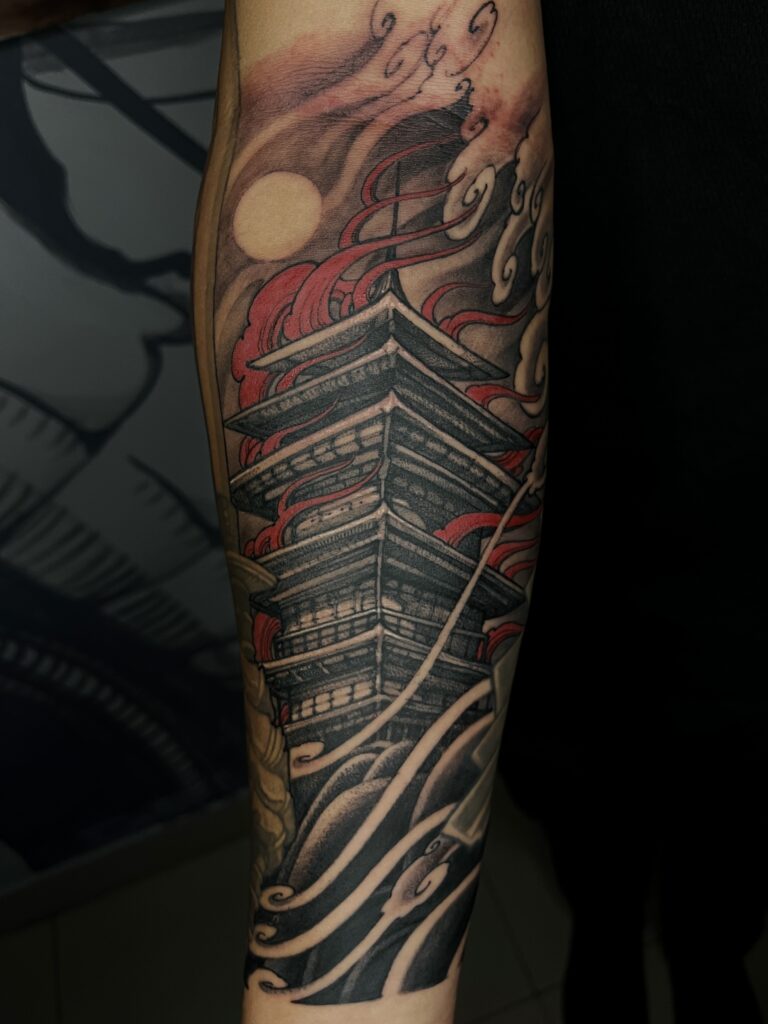
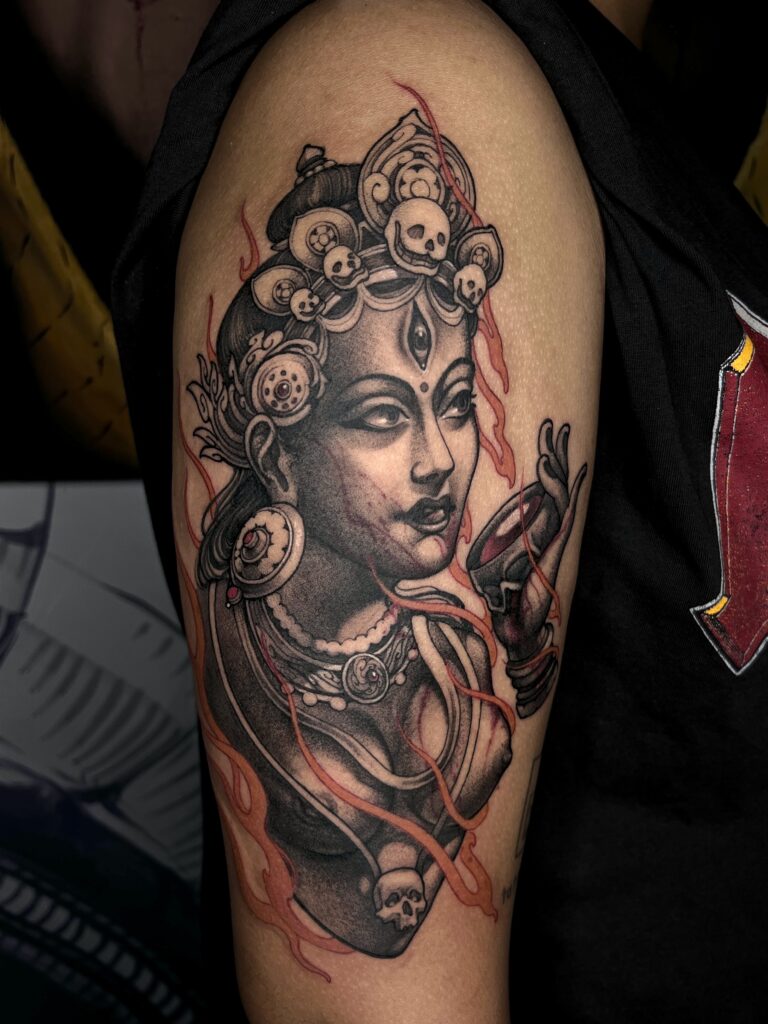
Why Skulls Keep Returning
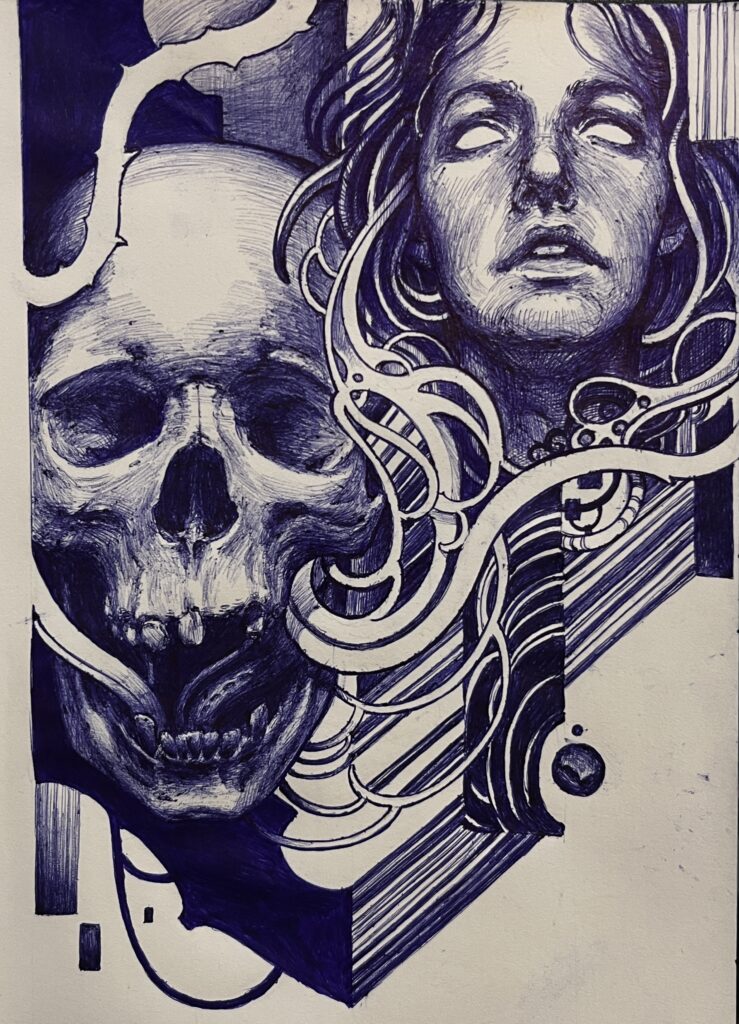
Certain images follow an artist across years and mediums. They show up uninvited, settle in, and refuse to leave. For Rajdeb, the skull is one of those images.
“I like drawing skulls.”
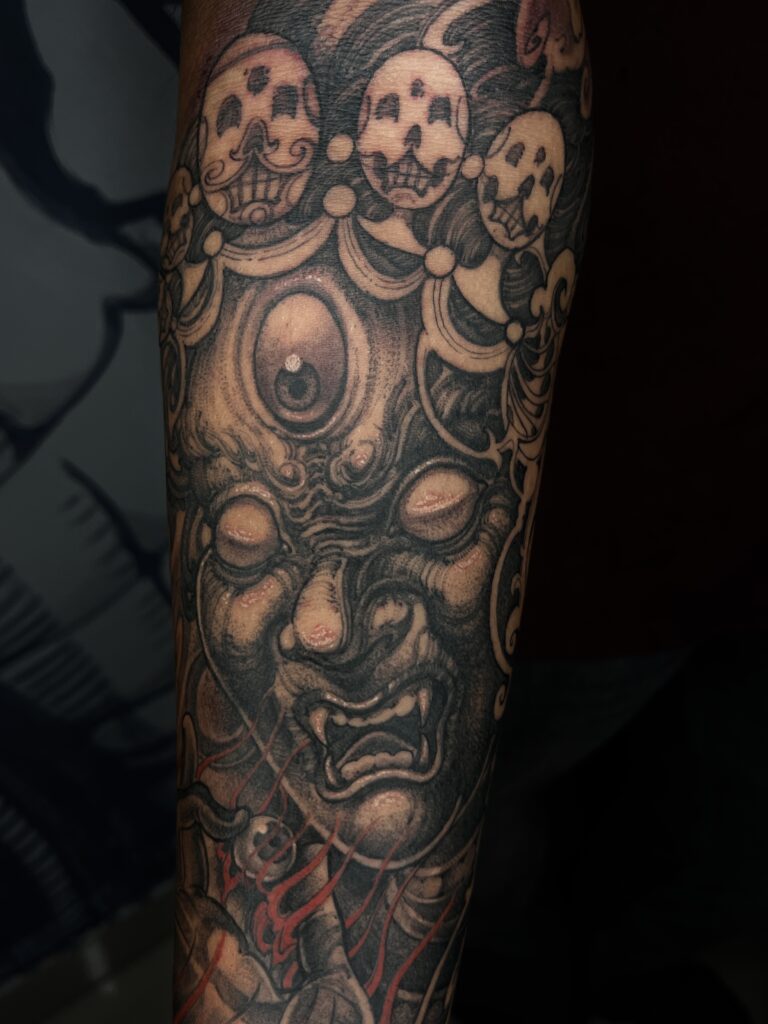
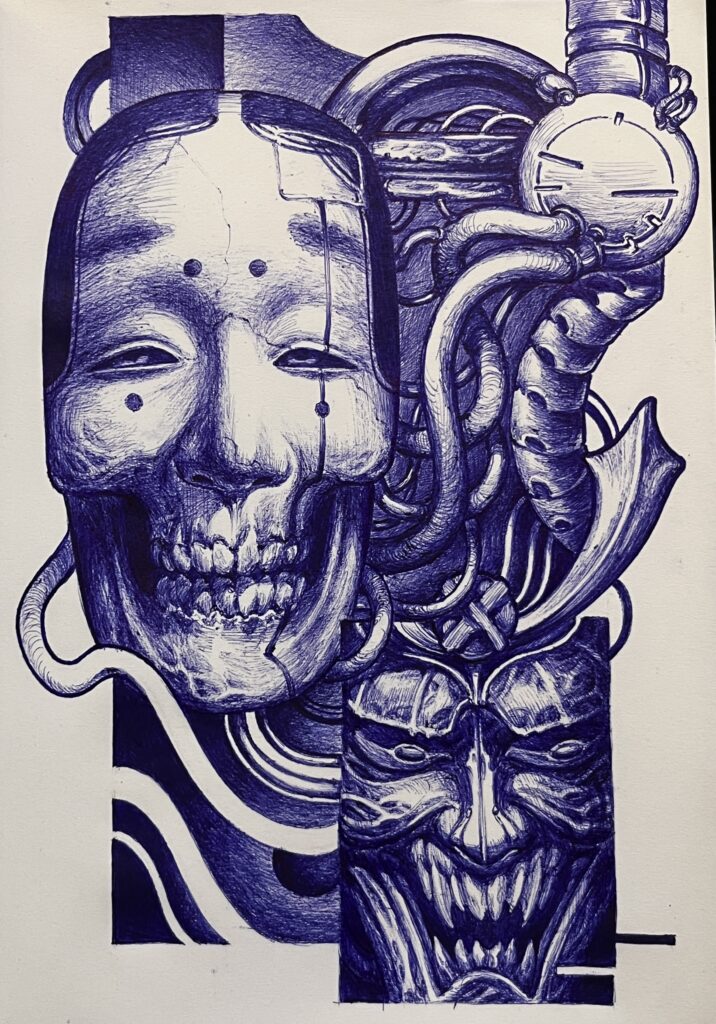
He doesn’t over-explain it. But one image in particular carries something more personal. The Hannya mask, a figure from Japanese Noh theatre, a face contorted between grief and fury, has become something almost autobiographical for him.
“Hannya mask somehow resembles my face.”
And then, more directly: “It’s like a self portrait.”
Symbols often become autobiographical without the artist intending it. You return to an image enough times and eventually it starts returning something back, a reflection, a recognition, a version of yourself you hadn’t consciously claimed. The skull, the mask, the face that holds contradiction. There is something in that tension that keeps drawing Rajdeb back.
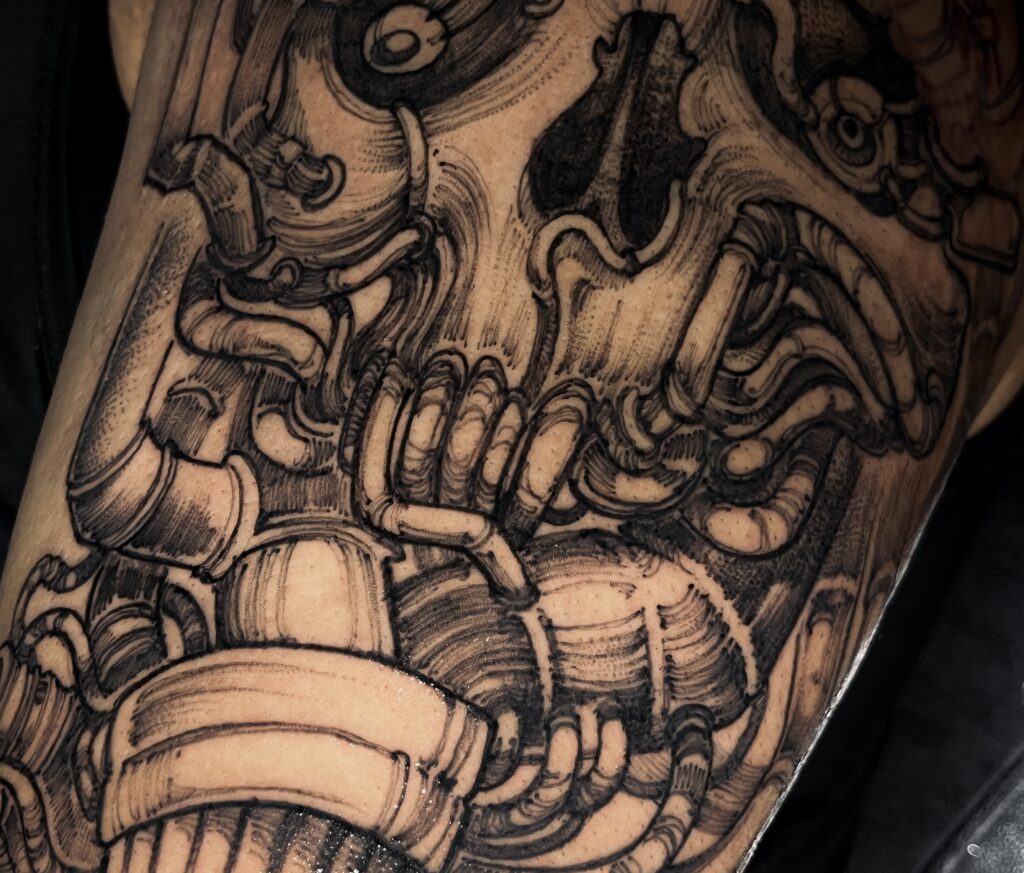
Drawing Through Feeling
There are artists who plan composition methodically, who map every line before committing. Rajdeb works differently. The feeling comes first. The form follows.
“I love the flowy nature…”
What he describes is a kind of physical knowledge, the sense that the body understands how a line wants to move before the mind has finished thinking about it. The composition doesn’t get calculated. It gets felt.
“I don’t really do it consciously.”
That phrase deserves to sit for a moment. Not consciously. Not as a performance of spontaneity, but as a genuine description of process. The hand moves. The image emerges. The intention is there, but it lives somewhere below the level of deliberate thought.
Freehand as Trust
Working freehand on skin is, at its core, an act of trust. Trust in the surface. Trust in the moment. Trust that the image will find its shape without being forced into one.
“I mostly freehand it,” Rajdeb says.
The language he uses to describe this process is worth noting. He doesn’t reach for words like precision or mastery. He reaches for something more playful.
“I like to flow and draw something on the skin like a kid.”
Like a kid. Before self-consciousness. Before the internal critic shows up. Before the weight of expectation turns a mark into a statement.
And for the moments when the right direction isn’t immediately clear? He has a phrase for that too.
“I ‘fuck around and find out’ what suits the skin best.”
Improvisation requires confidence. Not the confidence that comes from certainty, but the kind that comes from having made enough marks to trust that something good will emerge from the uncertainty.
Why Commercial Work Doesn’t Last
There is a version of a creative career built entirely around giving people what they ask for. Rajdeb understands that version. He has also understood, clearly, that it is not the version he wants.
“My sketches are like a journal of my emotions.”
That is a different relationship to making things. When work is a journal, it carries something private inside it. It records not just an image but a moment, a feeling, a state of mind that existed on a specific day. That kind of work cannot be manufactured on demand.
“I don’t like the essence of commercial things.”
The reason, when he gives it, is simple and unequivocal.
“It’s soulless for me.”
Art becomes meaningful when emotion leads the process. When the work begins with a feeling rather than a brief, something different gets made, something that carries a trace of the person who made it, long after the moment of making has passed.
Saying No
Protecting a creative identity sometimes means protecting clients from their own impulses. Trends move fast. What feels urgent in one year can feel regrettable in three. Rajdeb has learned to navigate that space carefully, to talk clients through decisions, to help them understand what they actually want versus what they think they want right now.
It is not about control. It is about care. The best version of this kind of work is collaborative, but the artist brings something to the collaboration that the client cannot always bring for themselves: a longer view, a steadier eye, and the willingness to say no when no is the right answer.
Protecting artistic identity also protects the person wearing the work for the rest of their life.
Fifty Years Later
There is a particular way Rajdeb talks about his early sketches that stays with you.
“My sketches were an imitation of nature.”
And then, the phrase that gets at something deeper about how all of this began, and where it is still going.
“How I imagine stuff in my head.”
Artists rarely control what people remember about their work. They don’t get to choose which image lodges itself in someone’s memory, which sketch gets passed around, which piece ends up meaning something to a stranger decades later. They simply leave traces of how they saw the world. The nature they imitated. The things they imagined.
What remains is not the intention. It is the looking.
What the Work Already Knows
Perhaps finding a style isn’t about deciding who you are.
Perhaps it’s about trusting your instincts long enough for your work to answer that question on its own.
Rajdeb is still searching. He says so openly, without embarrassment or apology. And in that search, in the freehand lines, the recurring skulls, the journal-like sketches, the refusal to let commercial pressure hollow the work out, something is already visible. Something that doesn’t need a label to be recognizable.
The shape of instinct, it turns out, has been there all along.
Follow Rajdeb on Instagram

Mishuk is a digital marketer by profession and a storyteller at heart. He crafts narratives through content marketing, blending strategy with culture. When he’s not building campaigns, you’ll find him immersed in music, martial arts, and all things creative. Yes he also designed the website you’re reading right now.