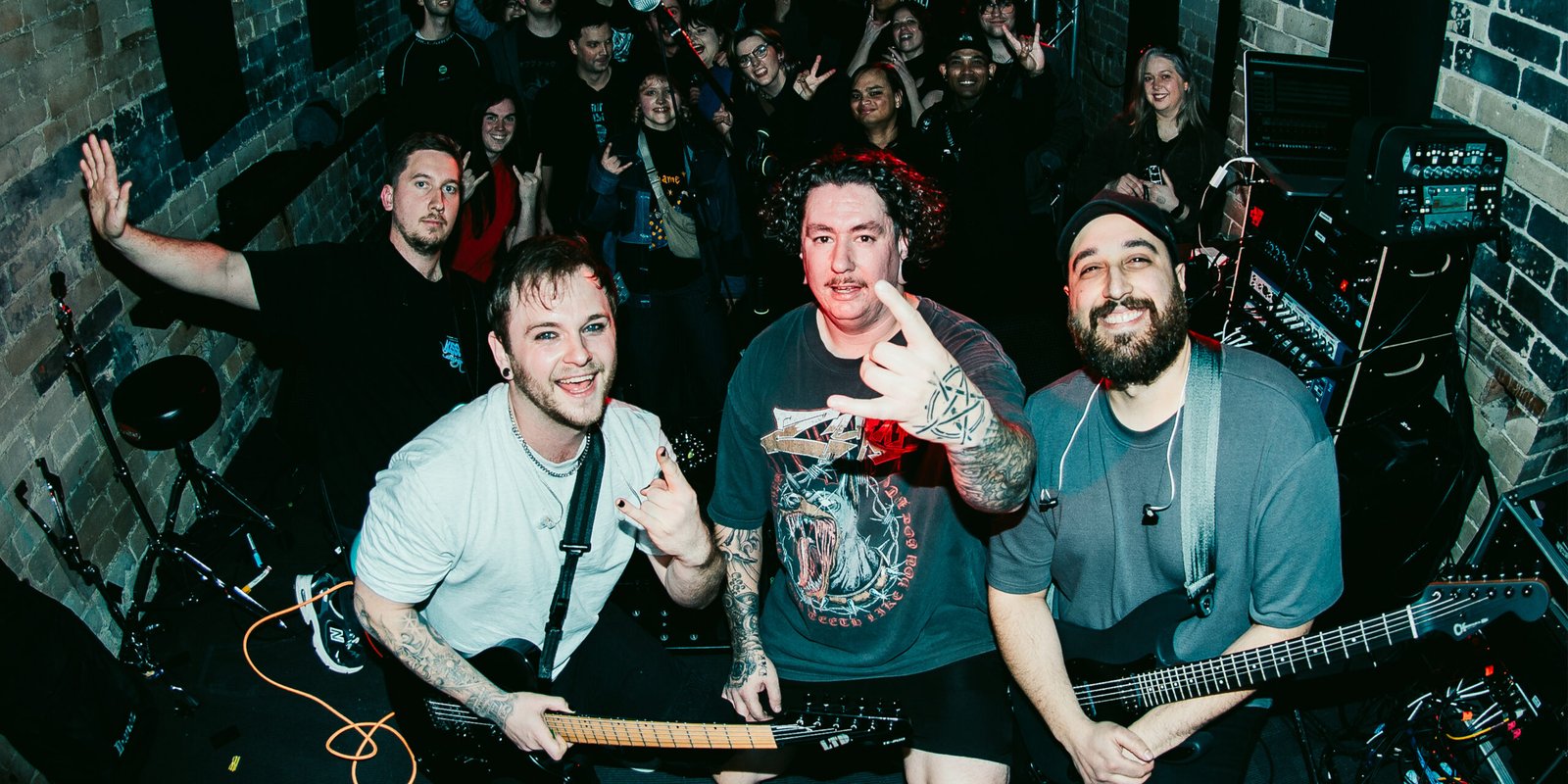
The best bands rarely arrive fully formed. They accumulate, piece by piece, person by person, until the thing breathing in the room is something none of its members could have built alone. For Melbourne-based metalcore outfit Duality of Us, that slow accumulation was never a weakness. It was the whole point.
Formed not through auditions or industry introductions but through chance encounters on Bandmix and Reddit, the band represents something increasingly rare in heavy music: a creative unit assembled not around a brand, but around a belief. That belief being that music, at its most powerful, tells the truth about what it means to be human.
How Duality of Us Came Together
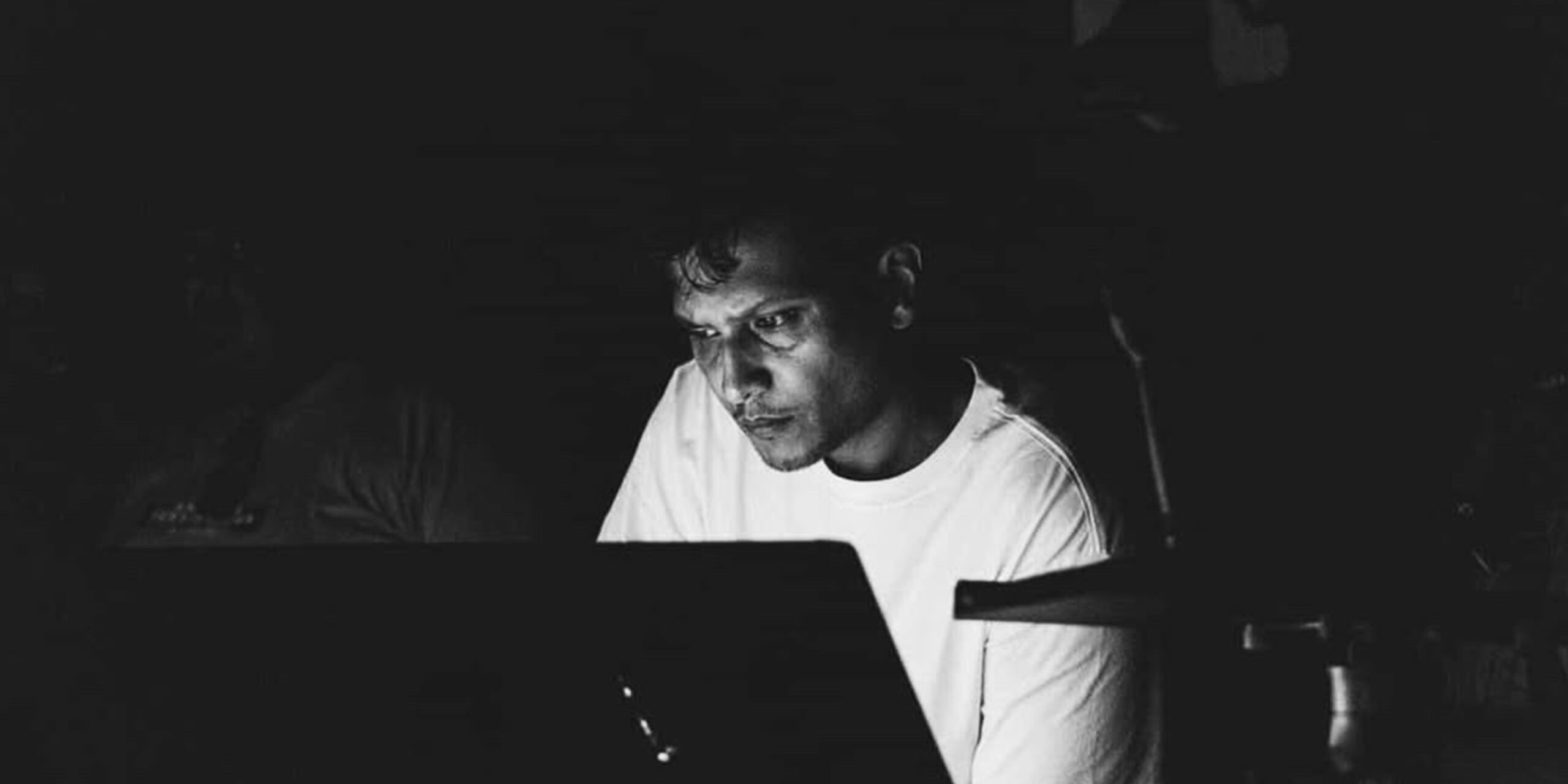
The story begins with vocalist and producer Terence, whose solo project quietly laid the foundations of what would eventually become Duality of Us. Determined to understand every dimension of his craft, Terence committed himself to learning music production from the ground up.
“Duality of Us started as a solo project,” Terence explains. “I wanted to teach myself music production to start a business as a music producer. After putting out a few singles and producing a few clients on the side, I eventually met our guitarist Eddy through Bandmix. That whole process shaped how the band came together.”
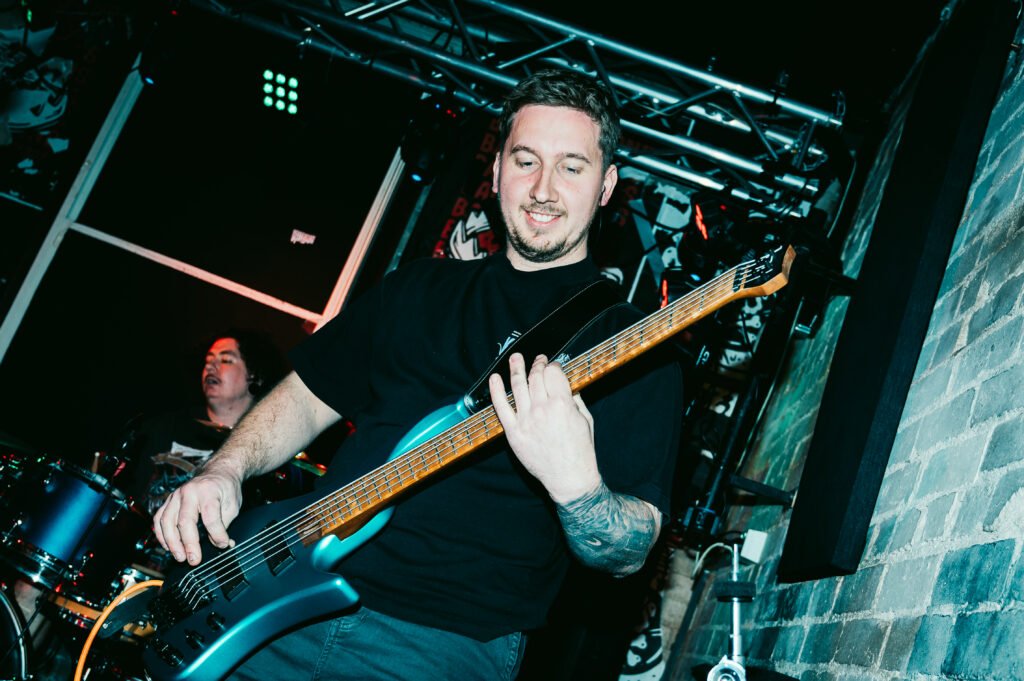
That decision would shape not only his own artistic output but the creative language the band would later share. What followed was a gradual, organic process of assembly. Through online platforms and unexpected digital connections, each member found their way in. There was no grand recruitment drive, no fixed aesthetic to conform to. People arrived because the music called to them, and because the values behind it felt familiar. By the time the lineup settled, Duality of Us had become less a band built to a specification and more a community of like-minded people who happened to make heavy music together.
The Philosophy Behind the Name
The name itself carries the full weight of what the band is trying to say. Rooted in the concept of “the duality of man,” it acknowledges something most people spend enormous energy avoiding: the fact that human beings contain contradictions.
“All of us are creatively driven people that want to create music as an art form to express ideas and sentiments about life, trauma, political stances, and being human,” Terence says.
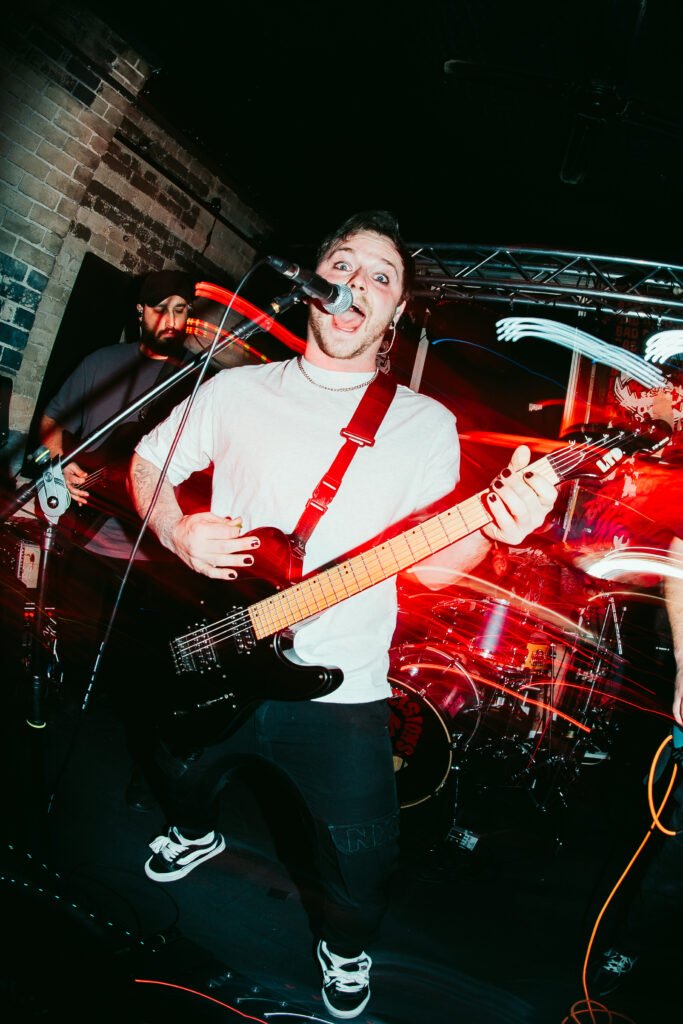
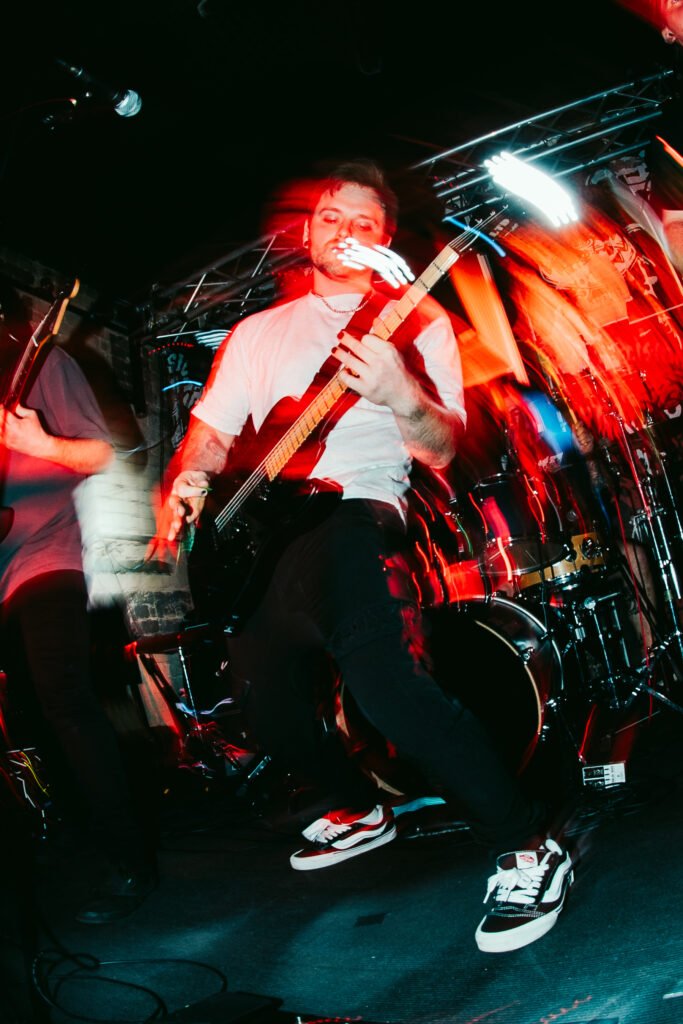
“This is heavily reflected in the choice of name for our band. Duality of Us is a statement about the duality of man. The duality of people, the duality of the human race. And how we divide and disagree, but still survive, some die and others thrive.”
That grief and rage can share the same breath. That political conviction and personal failure can exist within the same person. That love and trauma are rarely strangers to one another. This philosophical foundation shapes everything Duality of Us creates. Their songs do not arrive neatly packaged with resolutions. They sit inside the difficult space between who someone is and who they wish they were, and they do so without flinching.
Aggression and Melody as Emotional Architecture
What separates Duality of Us from bands that simply alternate between heavy and soft sections is the intentionality behind every musical decision. Aggression and melody are not deployed as contrast for contrast’s sake. They are tools of emotional architecture, each one earned by the weight of the subject matter it carries.
“It’s very intentional,” Terence says. “The heavy weight of the things that are being written about are reflected in the way the music is crafted. We are people who feel deeply, and express ourselves through music. And the currently released music has been almost entirely written by me.”
When a song demands brutality, it is because the experience at its core demands honesty about pain. When melody surfaces, it is not relief so much as recognition, a moment where the emotional narrative opens up rather than withdraws. This approach demands discipline. It means every riff, every passage, every shift in dynamic has to justify itself against the story being told.
SLAVE, TERMINAL VELOCITY, and the Personal as Universal
That commitment to emotional specificity is perhaps most visible in tracks like SLAVE and TERMINAL VELOCITY, both of which draw from deeply personal experiences before expanding into something more universally resonant.
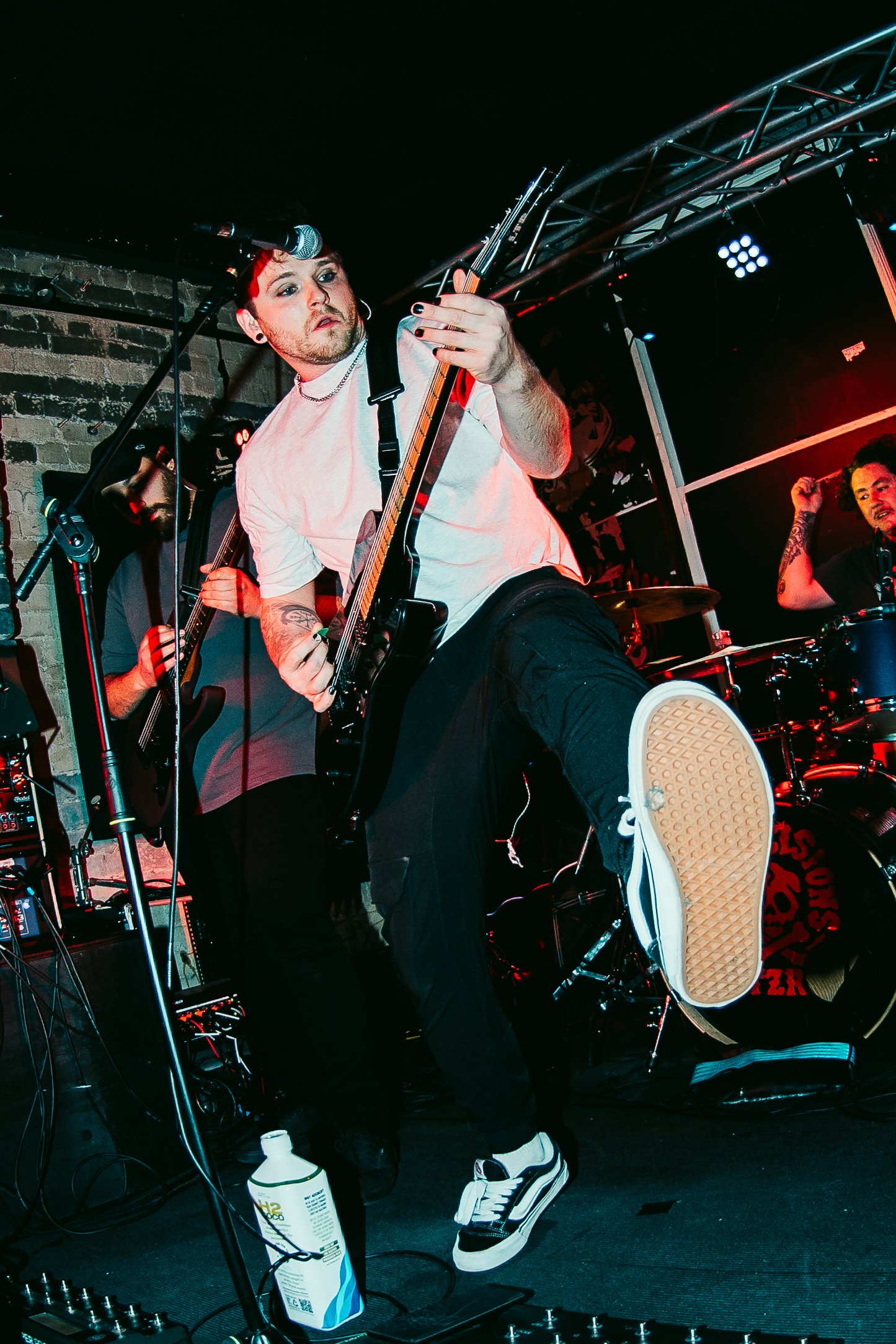
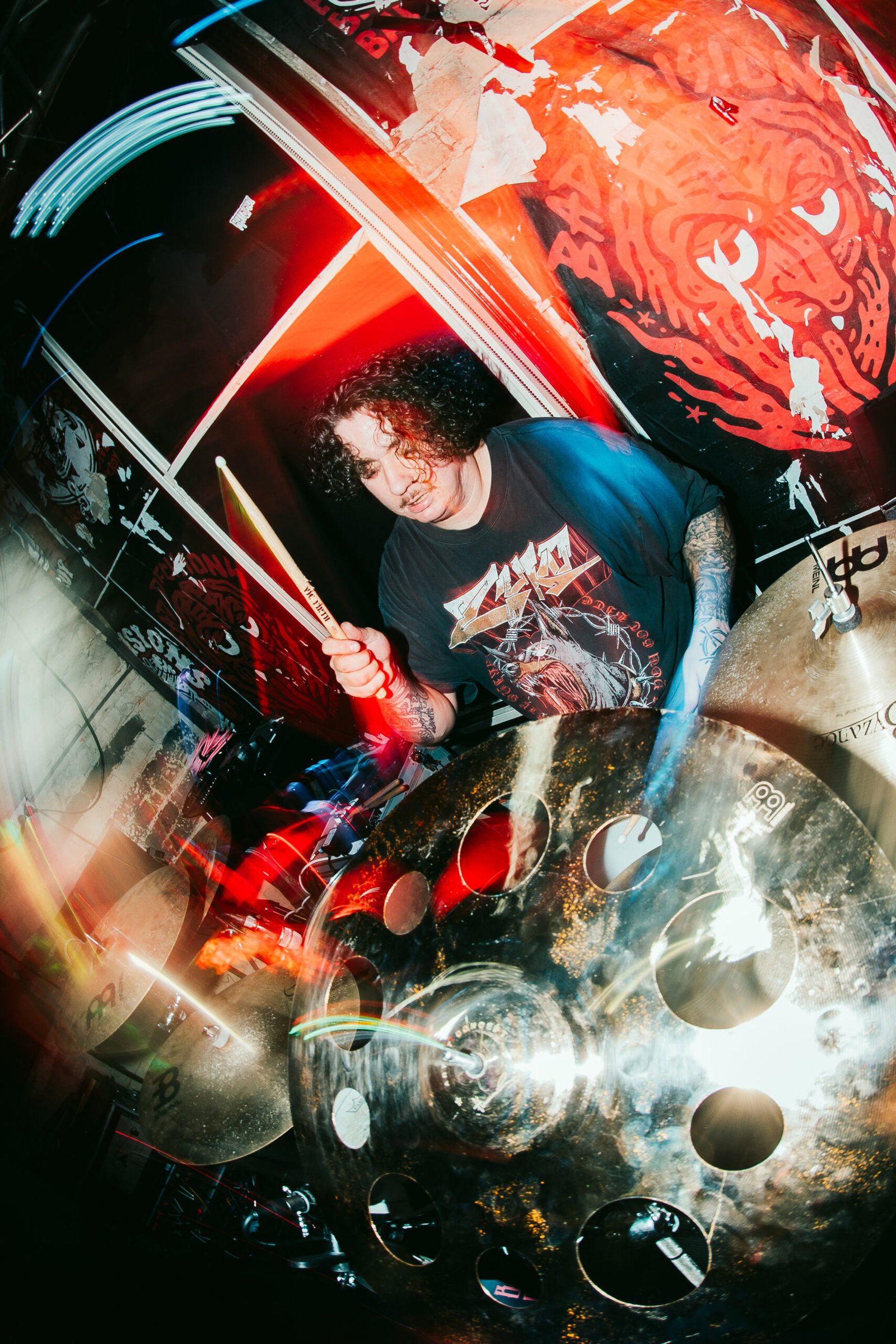
“Those songs are written very specifically about interpersonal relationships with people that soured with time,” Terence explains. “For better or worse. They started with demos of older ideas that were changed to fit the narrative of the new melodies and lyrics as I started re-writing them. The original version of SLAVE was actually written when I was 16 or 17 years old.”
This is one of the quieter talents running through the band’s work: the ability to begin in the particular and arrive somewhere that a stranger might recognise as their own. Older musical ideas have also been revisited and reshaped across the band’s development. Rather than discarding early material, Duality of Us has allowed those ideas to evolve alongside the band itself, testing them against a more refined artistic identity and keeping only what still rings true.
The Australian Heavy Music Scene
Australia has produced some of the most technically accomplished and emotionally intelligent heavy bands in the world. Parkway Drive, Polaris, and Make Them Suffer are not just national success stories; they are reference points for an entire generation of musicians who grew up understanding that heavy music could be literate, layered, and devastatingly human.
“Honestly, the Australian scene is awesome in regards to the talent and the bands that are growing out of the woodwork here,” Terence says. “But I have to say, it’s a cutthroat industry. No one really wants to support you until you ‘make it’.
There is an air of tall poppy syndrome that subtly disperses over our culture and drops into most things people do. But it’s not all bad, there are still pockets of genuine people who are trying to be the change they want to see in the industry. That being said, we still have Parkway Drive, Polaris and Make Them Suffer, all of which have been massive influences recently in some way shape or form.”
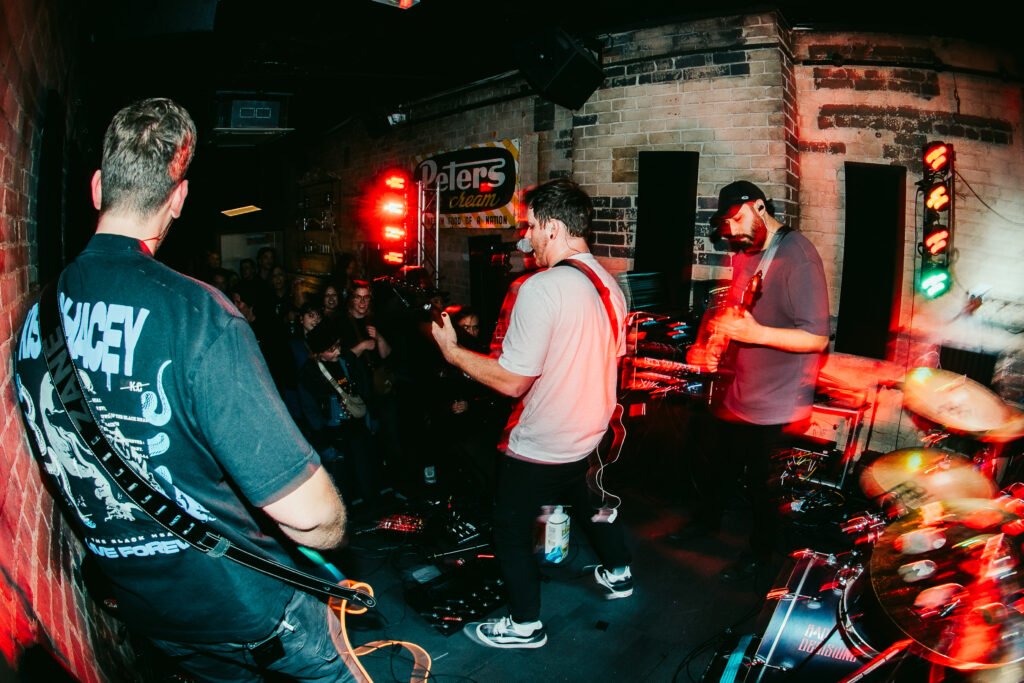
For Duality of Us, those bands were formative, alongside influences drawn from American metalcore that helped fill out the sonic palette they now draw from. Yet the Australian heavy music scene is also fiercely competitive, and the path from passionate project to sustained career is neither straight nor guaranteed. Rather than be discouraged by that reality, Duality of Us absorbed it. The difficulty of the landscape sharpened their work ethic and reinforced the importance of having something genuine to say, because in a scene this crowded, sincerity is one of the few things that cannot be faked for long.
Why Duality of Us Aren’t Chasing Trends
There is a particular pressure in modern heavy music to be legible, to fit the current cycle, to position yourself cleverly within whatever is trending across playlists and algorithms. Duality of Us are uninterested in that conversation.
“Honestly, I don’t really think of it in regards to pushing the genre at all,” Terence says. “We just want to write and make music that we enjoy. Part of it is also therapy, getting lyrics out of my head and heart and onto the page, turned into melody. We love experimenting with sound textures and heavy hitting riffs and dynamics, and we’re just going to keep doing that and hoping people keep connecting with it.”
This is not conservatism or an aversion to change. Experimentation, as far as the band is concerned, should happen organically, driven by the emotional requirements of the music rather than by market forces. When growth comes, it will come because the songs demanded it, not because someone decided it was strategically necessary. That clarity of purpose keeps the work honest in a way that trend-chasing rarely can.
Still Finding Their Voice, and Fine with That
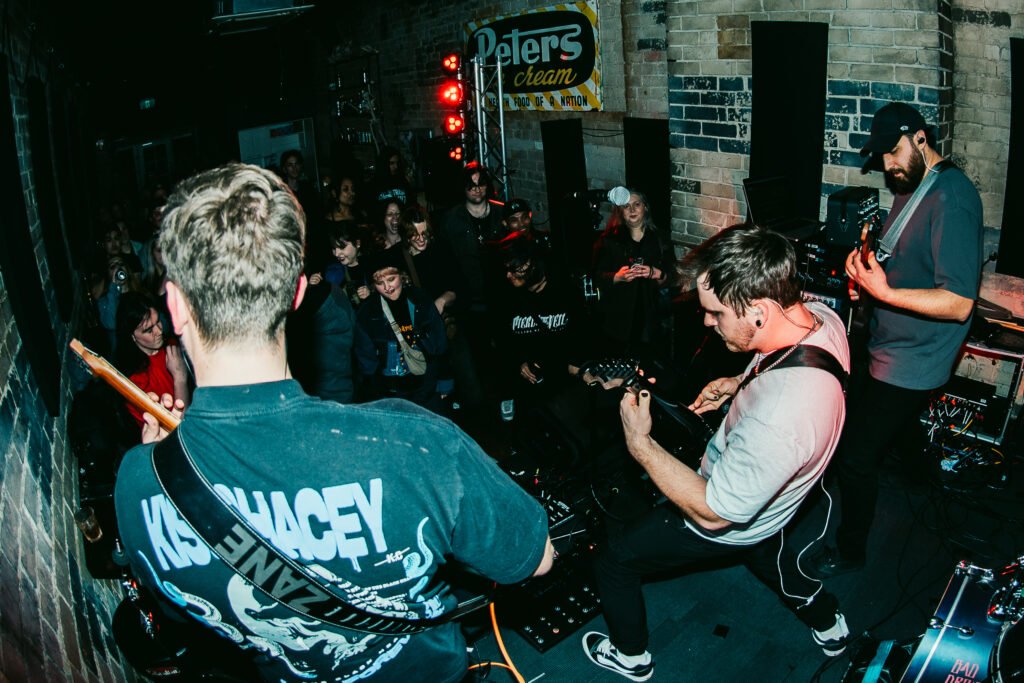
Duality of Us are candid about where they are in their development. They are still discovering exactly what they sound like at their most fully realised, and they have made peace with the fact that this is not a problem to be solved but a process to be respected.
“I still feel like we are somewhat finding our voice, but that voice is also subject to change,” Terence says. “As we all continue to grow as people our voices will probably find different avenues of expression. But I think we will always gravitate to things that are emotional and heavy. Music that has an impact. Be it in the way it is said, screamed or sung. Or in the way the guitars and drums evoke a feeling within the listener.”
Artistic identity is not delivered fully formed. It is earned through iteration, through the songs that work and the ones that reveal what still needs refinement. What remains constant throughout that process is emotional honesty. Whatever the band’s sound becomes as it continues to evolve, the commitment to expressing the contradictions of being human will not waver. That is the foundation, and it is not going anywhere.
The Road Ahead
Looking forward, Duality of Us carry ambitions that extend well beyond Melbourne. The desire to take their music to audiences around the world is real and growing, and there is a sense within the band that they are building toward something larger without rushing the process.
“We want to push this thing as far as we can,” Terence says. “If we are truly daydreaming about the future, we want to play shows all around the world.”
What matters most to them is arriving on those stages, wherever they may be, with music that still means something. Not music that was engineered to travel, but music that travels because it connects. That distinction is everything to a band whose entire creative philosophy rests on the idea that what is genuinely felt will find its way to whoever needs it.
In heavy music and beyond, that remains the most durable thing a band can offer: not a carefully managed brand, but a body of work that refuses to pretend being human is anything other than complicated. Duality of Us are not trying to simplify that. They are leaning into it, and doing so with their whole sound.
Follow Duality of Us on Instagram

Mishuk is a digital marketer by profession and a storyteller at heart. He crafts narratives through content marketing, blending strategy with culture. When he’s not building campaigns, you’ll find him immersed in music, martial arts, and all things creative. Yes he also designed the website you’re reading right now.