The greatest storytellers are rarely defined by the tools they reach for first. What distinguishes them is something quieter and harder to name: a commitment to the feeling they want to leave behind. Ritaban Dass, Indian story artist, illustrator, and singer-songwriter, understands this instinctively. His practice spans animation, illustration, and music, yet none of these disciplines sits in a separate box. They are, for him, different routes to the same destination.
What Dass creates is not content. It is atmosphere. Every frame he draws and every song he writes carries the same intention: to place a viewer or listener inside an emotional world and hold them there long enough that it means something.
“I like to tell stories through my art, what excites me, and I hope the viewers feel the same when they see my work,” Dass says.
Building Stories From Emotion, Images, and Music
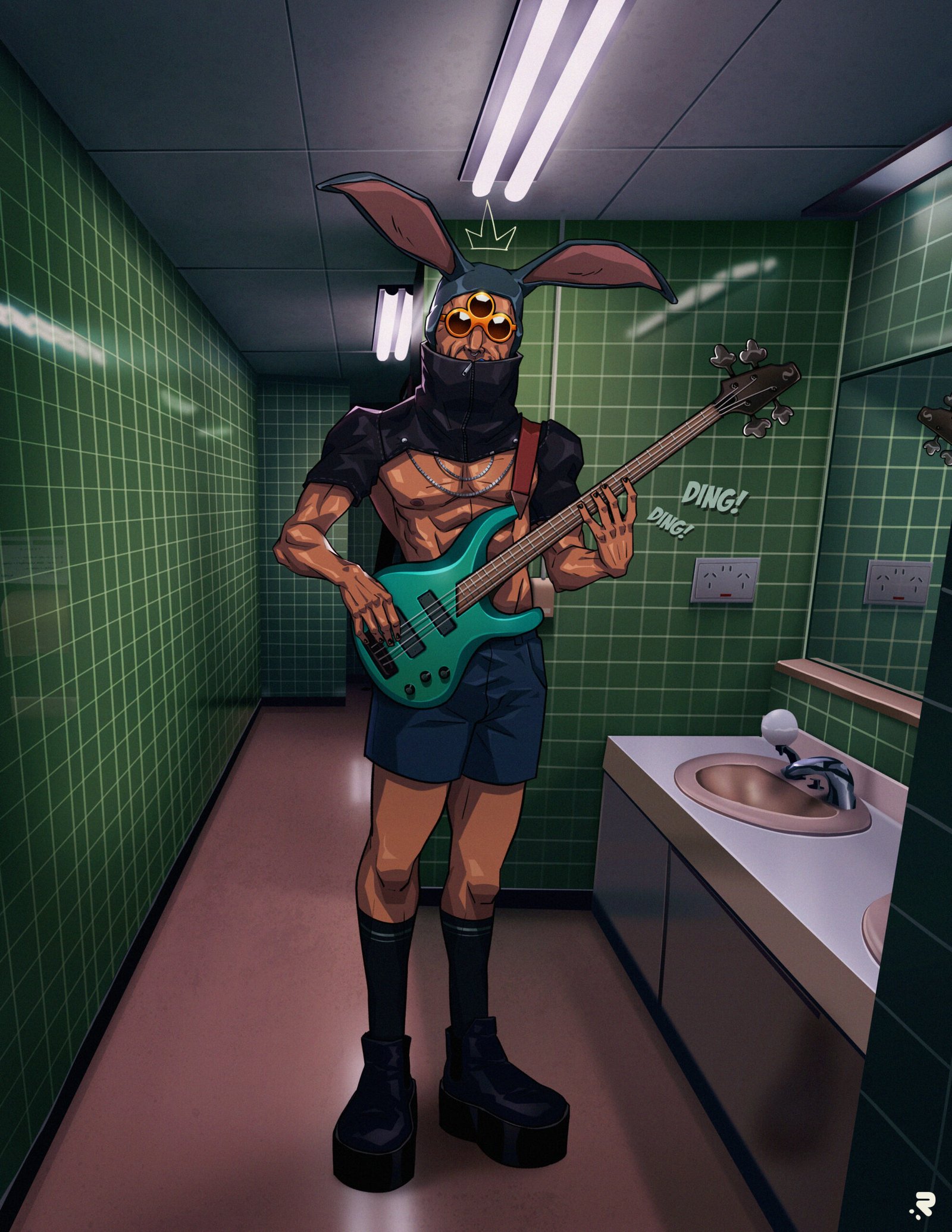
Ask Dass where a story begins, and the answer shifts depending on the day. Sometimes it is a character whose personality arrives fully formed before the narrative does. Sometimes it is a mood or a single striking image that refuses to leave. Other times, it is music.
“Often it’s all three, one way or another,” he says. “Sometimes a story begins with a compelling character, sometimes with a strong emotion, and other times with a single striking image that sparks curiosity. As the idea develops, these elements naturally come together. There is no single right starting point. The important thing is finding the spark that inspires the story.”
This absence of a fixed formula is not uncertainty. It is method. Dass has learned to follow the thing that sparks genuine curiosity, trusting that the rest of the story will assemble itself around that initial pull. Music occupies a particular place in this process, functioning less as background and more as a kind of emotional cartography.
“The mood, rhythm, and atmosphere of a piece of music can trigger emotions, images, or scenes that grow into characters, worlds, and entire narratives,” he says.
Between India and Canada
Moving from India to Canada did not simply expand Dass’s geography. It expanded what he had to say. The exposure to new cultures, environments, and ways of living gave him material he could not have encountered otherwise, but more significantly, it gave him new questions.
“Moving from India to Canada offered me a broader perspective by exposing me to different cultures, people, and ways of life,” he says. “Experiencing a new culture, different people, and a different environment inspires me to explore themes of identity, isolation, belonging, and human resilience more deeply.”
Those themes began to surface more consistently in his work. The emotional tone did not necessarily lighten, but it grew more layered. “Even though my stories may remain dark in tone, they often become more layered and emotionally nuanced, shaped by experiences from both cultures,” he says.
The Invisible Architects of Animation
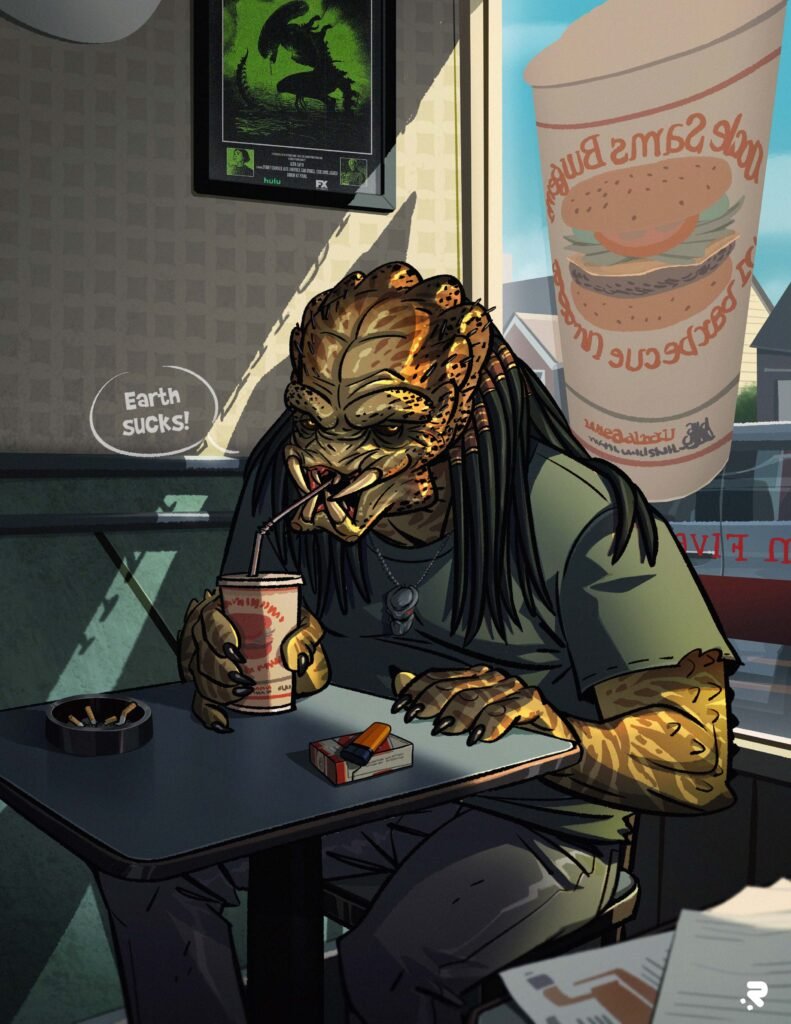
Story artists occupy one of the most significant and least visible roles in animation production. Long before the final frames are rendered, story artists are already shaping the emotional logic of a scene: deciding where the camera sits, how a character moves through grief or fear or joy, what the audience feels before they understand why.
“Even though our work happens behind the scenes, we help define the characters, emotions, pacing, and visual flow that bring a world to life,” Dass says. “My greatest satisfaction comes from knowing that my ideas form the foundation of scenes that audiences connect with, even if viewers never realise who helped build them.”
For Dass, the satisfaction is genuine and not diminished by the anonymity the role often involves. The work is foundational, and he knows it.
Learning From Distinctive Visual Voices
Every working artist carries a library of influences, and Dass is unusually specific about the ones that shaped him. Alberto Mielgo’s work on Jibaro and The Witness taught him what it looks like when a director commits so fully to a visual language that the film becomes unmistakable from a single frame. Robert Valley’s Pear Cider and Cigarettes demonstrated that animation could carry the weight of a literary short story. Genndy Tartakovsky, through Primal and Samurai Jack, showed him how much storytelling can live in silence and movement.
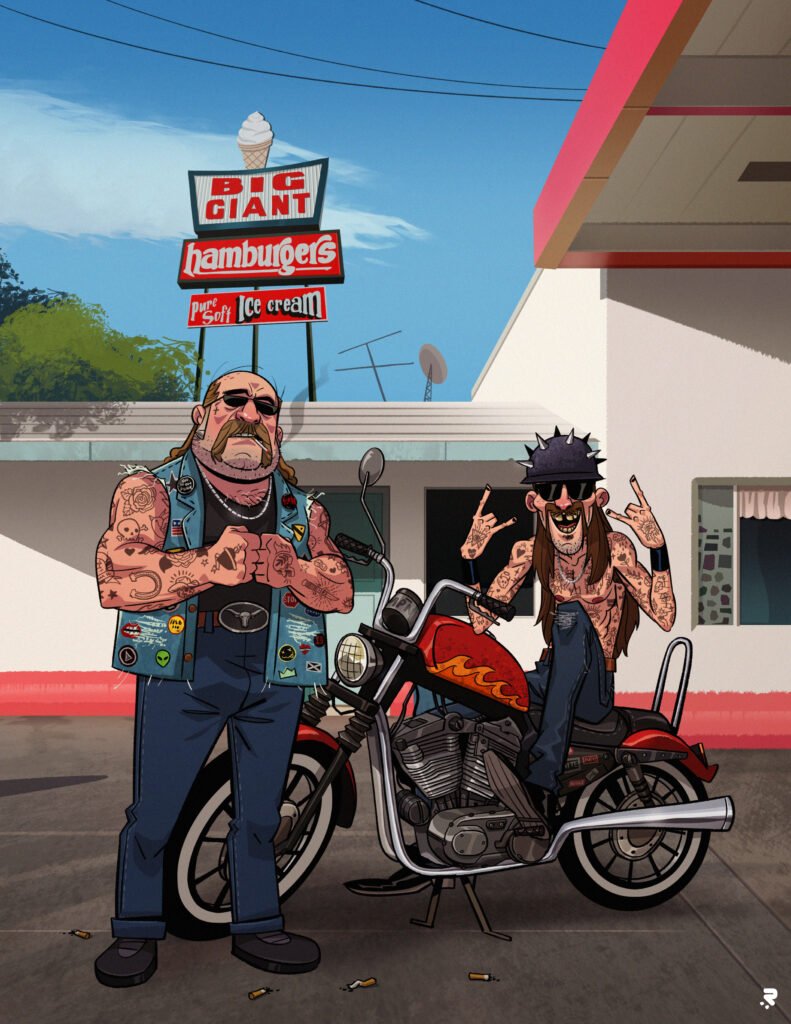
“I’m a huge admirer of Alberto Mielgo, Robert Valley, and Genndy Tartakovsky, and I’ve learned a lot from their bodies of work, especially in storytelling, shot framing, and animation style,” he says. “Studying their work certainly improves my own storytelling skills and encourages me to make more thoughtful creative decisions.”
Working at House of Cool added a professional dimension to this education. Being inside a studio where those standards were applied daily shifted his understanding of what thoughtful filmmaking actually demands in practice.
A Major Learning Curve at House of Cool
Between 2021 and 2022, Dass worked as a storyboard artist on The Unicorn Academy, the Netflix animated series produced at House of Cool in Canada. For him, the opportunity was more than a professional credit. It was a turning point.
“I was fortunate to be surrounded by some great artists, directors, and supervisors,” he says. “I feel that was a major learning curve for me in my professional career.”
He had begun to feel a ceiling forming in India, a sense that the creative standards available to him locally had reached their limit. Arriving in a Canadian studio surrounded by experienced directors, supervisors, and artists pushed that ceiling upwards considerably.
“It has always been my dream to work on an exciting project in a foreign animation studio, and House of Cool gave me that opportunity, so I’m really grateful for that,” Dass says. “It’s a challenging, complex, yet fun show, and while working with the directors and supervisors here, I learned so many new things about storytelling and filmmaking.”
The Projects That Stay With You
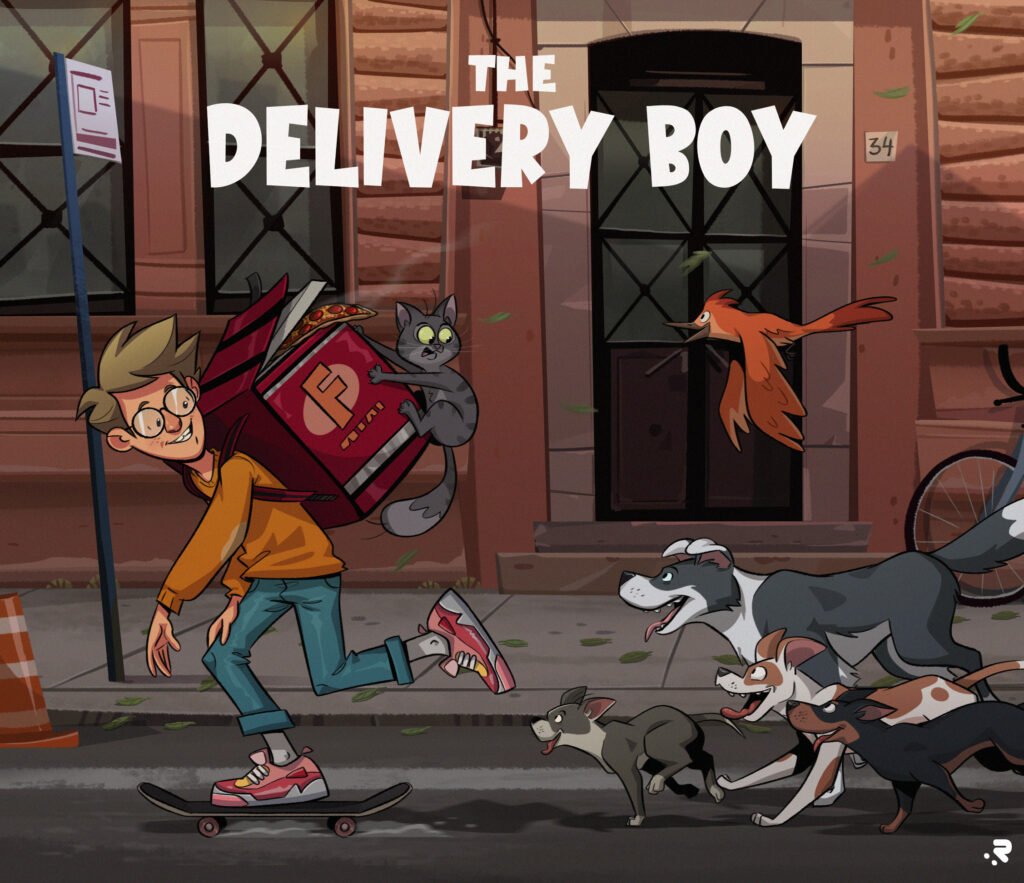
Before House of Cool, while still working in India, Dass boarded a small section of an episode from Rick and Morty season two. On paper, it was a minor contribution to a brief moment in a long series. In practice, it has never entirely left him.
“I got to board a small section of an episode from Rick and Morty season 2, so that will always be special,” he says.
The contrast between that experience and The Unicorn Academy is instructive. The former was a single point of contact with something much larger. The latter was a sustained period of growth, the kind that only comes from being pushed consistently beyond what you already know how to do.
“The Unicorn Academy was very unique for me because that was the first show I’ve worked on in a Canadian studio with some crazy talented people here,” Dass says.
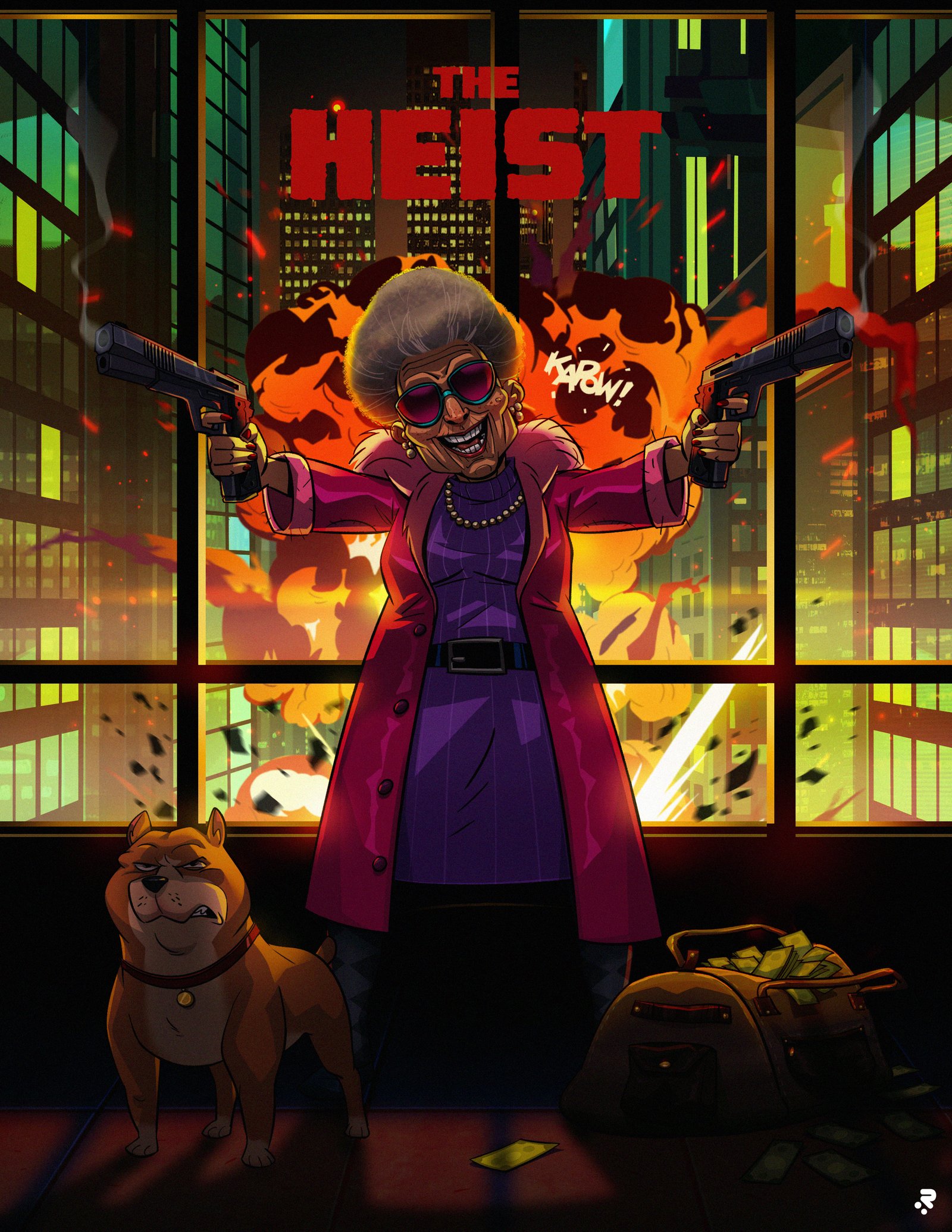
When Music and Illustration Speak the Same Language
Dass does not approach music as a hobby that runs parallel to his visual work. He approaches it as a second language that describes the same interior landscape. Both music and illustration are concerned with emotional truth. They simply deliver it through different mechanisms.
“Music tells a story over time, using melody, rhythm, tempo, and harmony to build emotions and guide the audience through a beginning, middle, and end,” he says. “It often leaves the visuals to the listener’s imagination.”
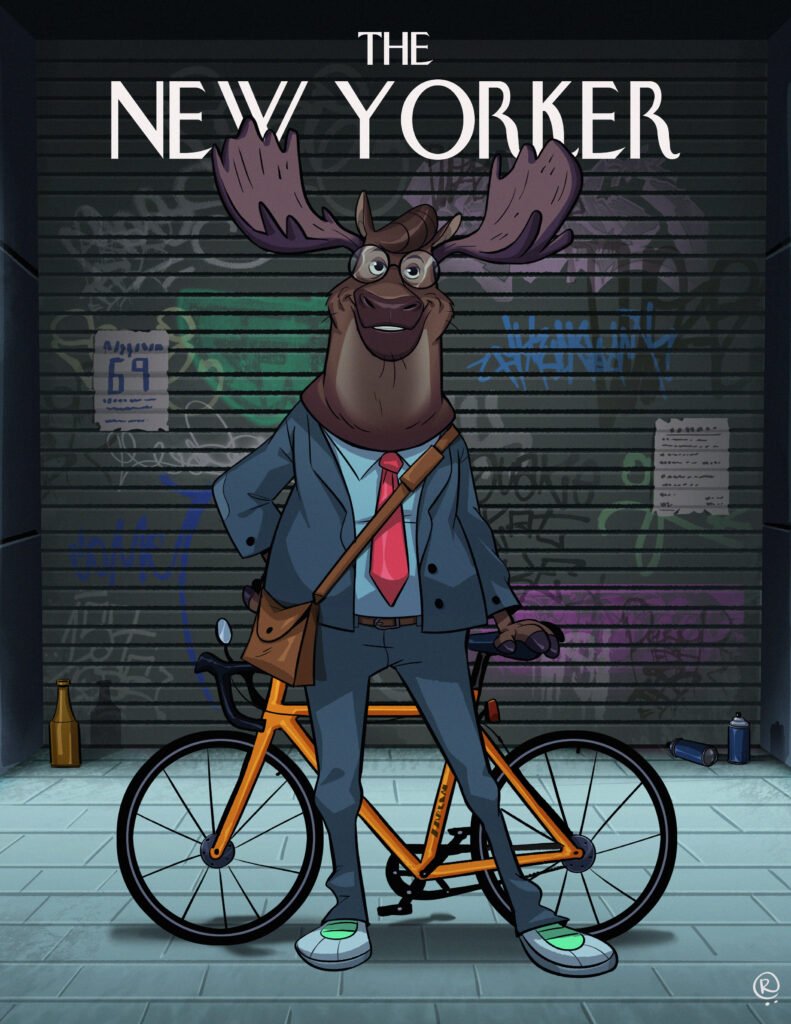
Illustration works differently.
“Illustration tells a story through a single image or sequence of images,” he says. “It uses composition, colour, lighting, facial expressions, and details to capture a moment and hint at what happened before and what might happen next.”
In animation, the two converge. Sound and image combine in a way that neither can fully achieve alone, and Dass brings both perspectives to that collision. “Music and illustration are complementary languages,” he says. “They share storytelling principles, especially in animation, where they work together to create stories that are both visually and emotionally powerful.”
The Everyday Stories Animation Overlooks
One of Dass’s stronger convictions is that animation has consistently underestimated the emotional range of ordinary life. “There’s room for heartfelt stories about teachers, nurses, office workers, retirees, or neighbours navigating everyday life, much like intimate live-action dramas,” he says.
The potential is significant. Intimate stories do not require spectacle to earn their place. They require emotional precision and a willingness to treat the subject as worthy of attention.
Histories Beyond the Familiar
The same logic applies to history. Ancient African kingdoms, Southeast Asian maritime civilisations, Indigenous societies before colonisation: these are rich, visually distinctive, emotionally complex worlds that animation has barely touched. They are not obscure. They are simply outside the canon that studios have historically considered safe.
“There are historical stories outside the usual eras, like stories set during the rise of ancient African kingdoms, Southeast Asian maritime civilisations, or Indigenous societies before colonisation,” Dass says. “Animation has the same potential, yet many studios still gravitate toward fantasy adventures, superhero action, or comedy.”
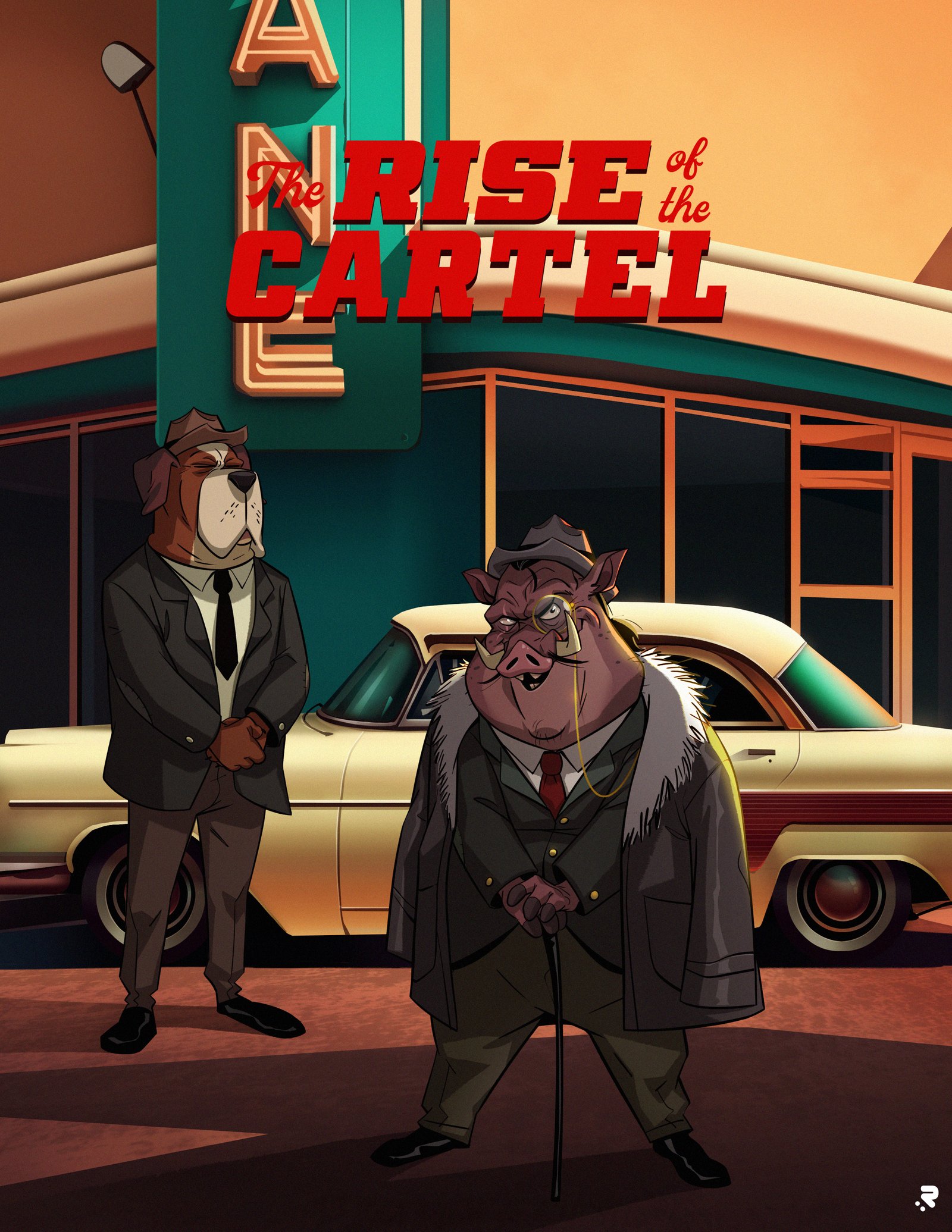
Rethinking Adult Animation
The phrase “adult animation” has become a shorthand for a fairly narrow set of expectations: crude comedy, extreme violence, fantasy settings, genre entertainment. Dass finds this limiting.
“In many cases, adult animation is associated with crude humour or violence, but there’s enormous room for mature romances, mysteries, literary adaptations, and thoughtful character dramas,” he says.
Mature romances, courtroom dramas, literary adaptations, intimate character studies, mysteries set in recognisable domestic worlds: these are the forms that live-action television explores freely and that animation has yet to treat as natural territory.
Imagining Optimistic Futures
Dystopia comes naturally to animation. The collapsed world, the surveillance state, the technology that turns against its creators: these are familiar shapes. Optimistic futures are rarer, and Dass thinks the imbalance matters.
“Stories based on optimistic futures where humanity has solved major problems but still faces meaningful personal challenges are relatively rare and can be just as compelling,” he says.
A world in which humanity has resolved its largest crises is not a world without conflict. Personal stakes remain. Relationships remain. The interior life of every character remains. Optimism and dramatic tension are not mutually exclusive.
Animation Is Not a Genre
This is, finally, the point that ties everything else together. Animation is a medium, not a genre, and the failure to treat it as such has constrained the kinds of stories it tells and the audiences it reaches.
“Live action spans everything from intimate dramas to courtroom thrillers to historical epics,” Dass says. “Animation has the same potential, yet many studios still gravitate toward fantasy adventures, superhero action, or comedy.”
The limitation, Dass argues, runs deeper than genre. “I think the biggest gap isn’t a genre but a mindset,” he says. “Animation is still too often treated as a medium for specific audiences rather than one capable of telling any kind of story.”
The Spark Is Always the Beginning
Return, at the end, to where all of this begins: a feeling, an image, a character, or a piece of music that arrives before anything else and refuses to be ignored. That is the constant across everything Dass does, whether he is boarding a scene for an animated series, completing an illustration, or writing a song. The medium changes. The impulse does not.
His practice asks a simple question, again and again, in different forms: what is the thing that makes this story worth pursuing? Once that question is answered, everything else can be built around it. The spark, wherever it comes from, is always the place to start.
Follow Ritaban on Instagram
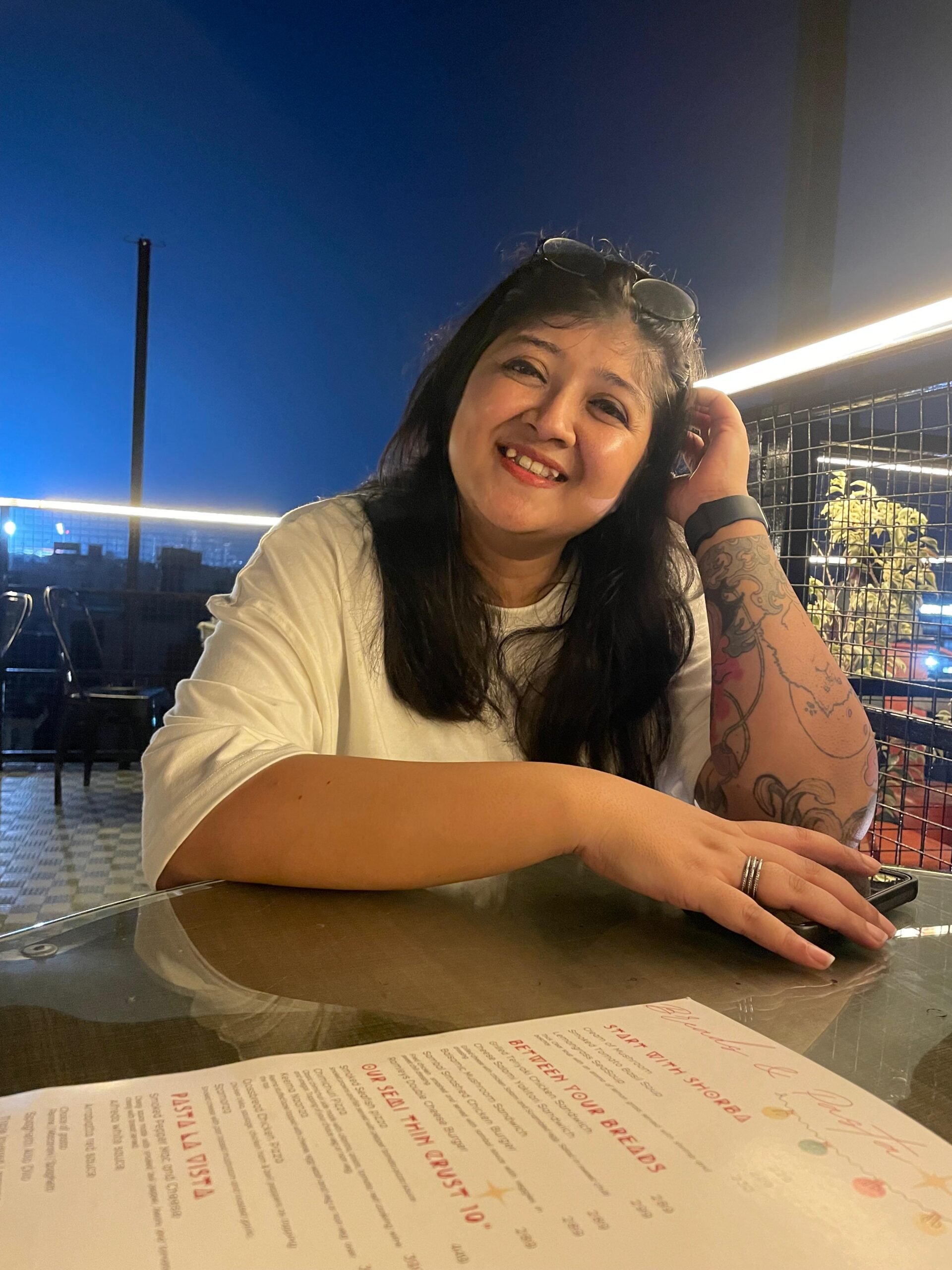
Oeshi B Lyndem is a visual artist, tattoo artist, graphic designer, and entrepreneur with a foundation in graffiti and street culture. Rooted in hands-on craft and making, her practice moves fluidly across illustration, street art, design, and experimental creative processes. With lineage from Shillong—often regarded as India’s rock capital—she carries a distinct cultural influence into her work. At Goofy Owl, she curates and leads the street and hip-hop culture segment through an intuitive, deeply creative, and entrepreneurial lens.