We spend our lives trying to curate our surroundings, manage our image, and force our environments to bend to our will. But some crafts teach the exact opposite. They teach that freedom comes from understanding the surface instead of trying to dominate it. True mastery requires a willingness to adapt, to listen, and to accept the permanence of every mark you make.
This is a quiet truth understood by those who work entirely without a safety net. When you strip away the guidelines, the stencils, and the undo buttons, you are left with nothing but instinct and repetition. You learn to trust your own hands. You learn that taking a risk is the only way to build real confidence.
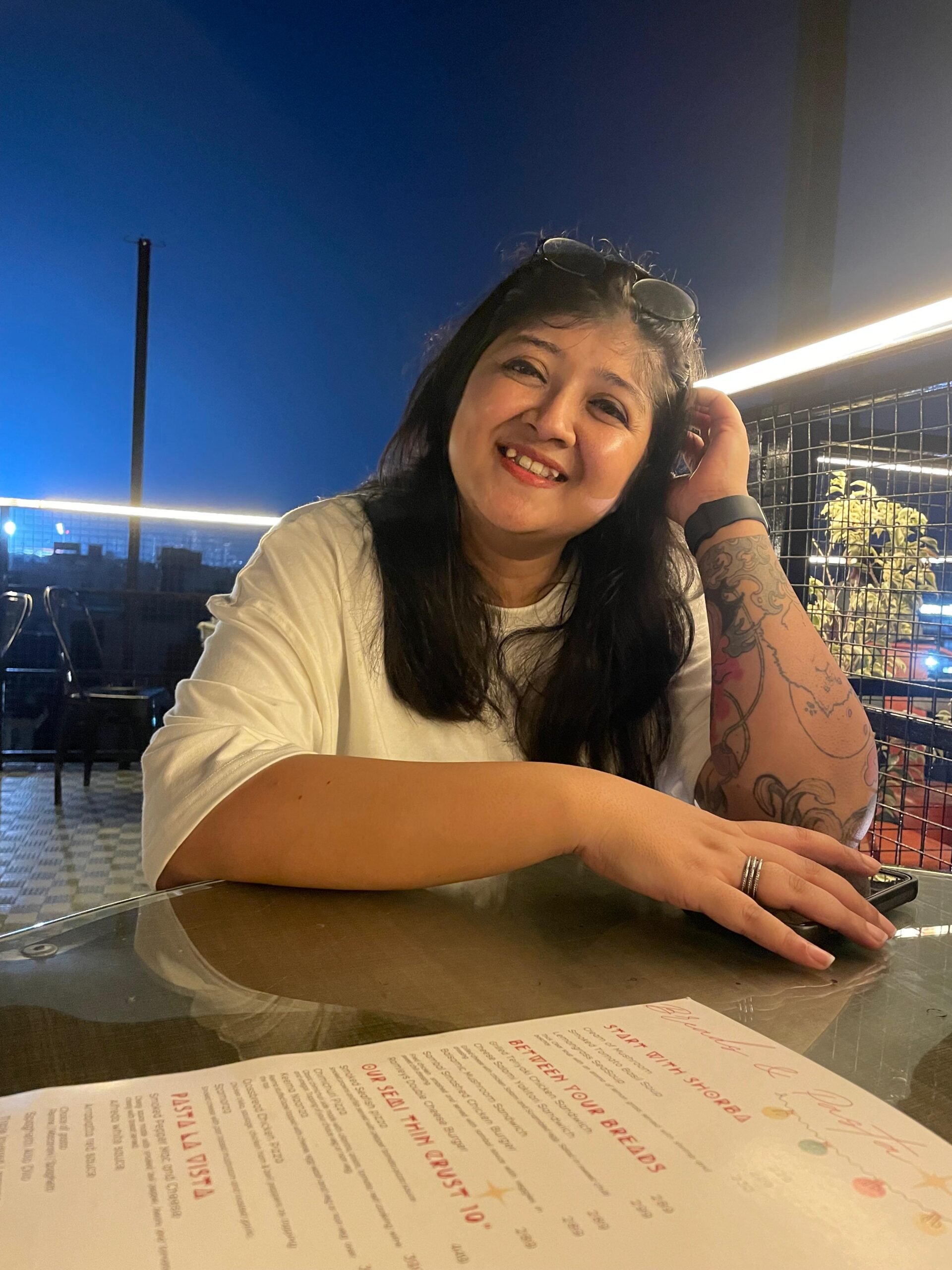
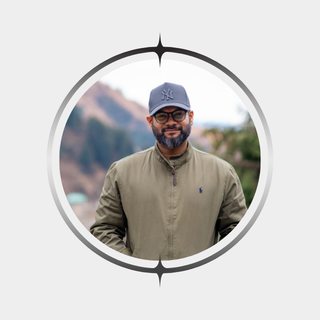
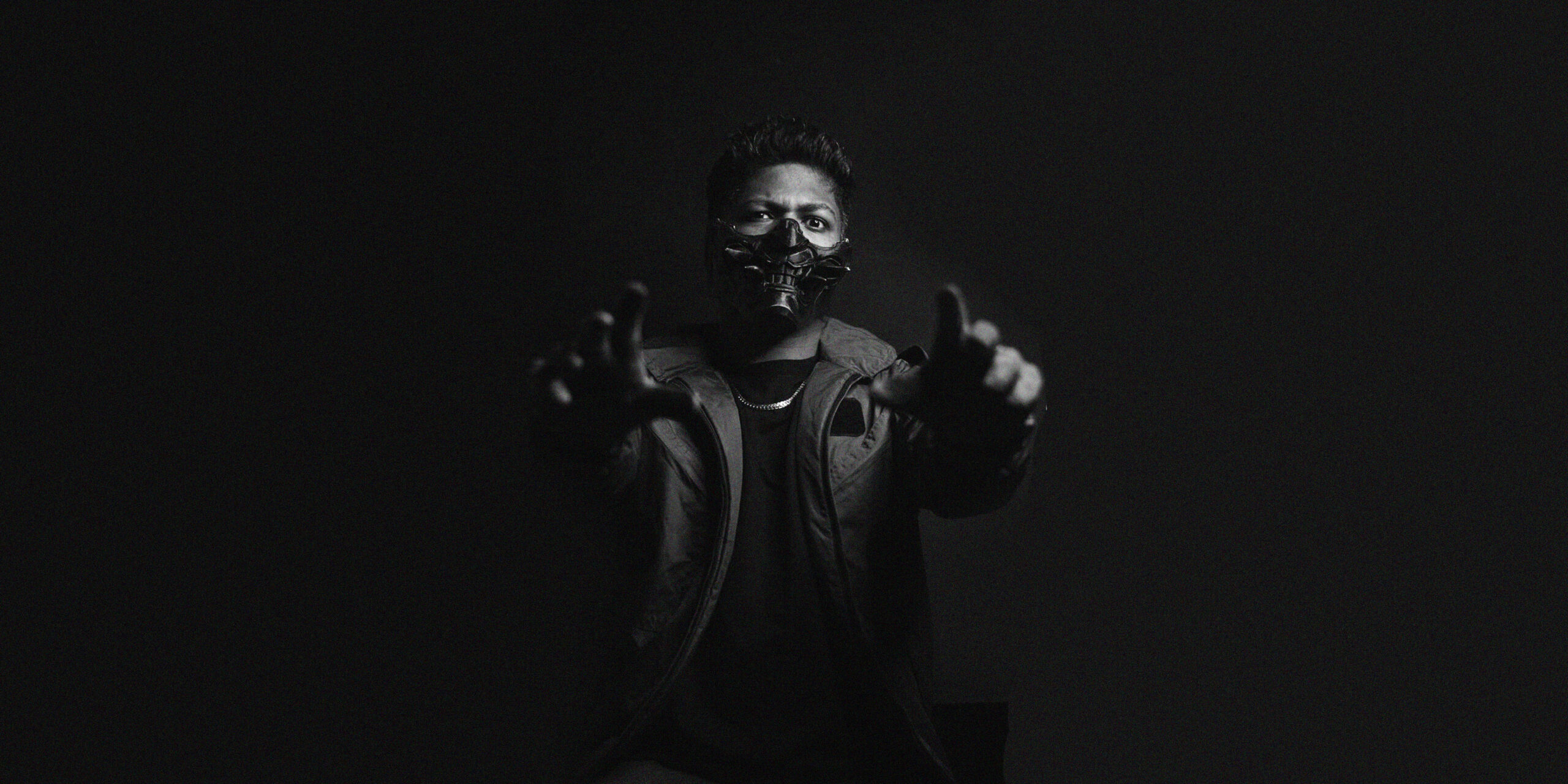
Amey Acharya, known in the community as Tattoolordz, has spent over fourteen years navigating this exact reality. Based in Mumbai, Amey has built a fiercely respected identity within India’s tattoo scene. But his journey is not a story of overnight viral success. It is a story of physical endurance, deep observation, and a relentless commitment to freehand creativity.
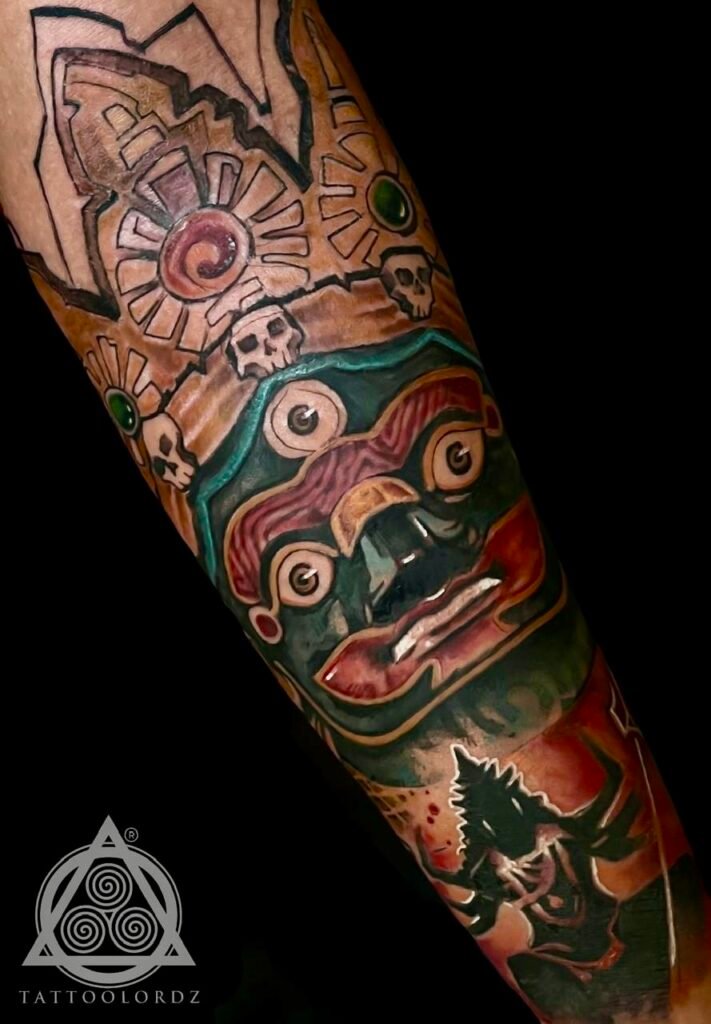
Learning Without Infrastructure
Building a craft requires tools, but sometimes the tools simply do not exist. Scarcity has a strange way of filtering out those who are only mildly interested, leaving behind only those who are genuinely obsessed.
“Around 2008–09, access to professional supplies and reliable vendors was nearly nonexistent,” Amey recalls. “Everything I learned and built came from relentless research and a deep, almost obsessive engagement with the engineering side of tattooing.”
Without a clear roadmap, the early days of India’s modern tattoo industry required immense resilience. Scarcity forced pioneers to build their knowledge from absolute scratch.
When Freehand Became a Language
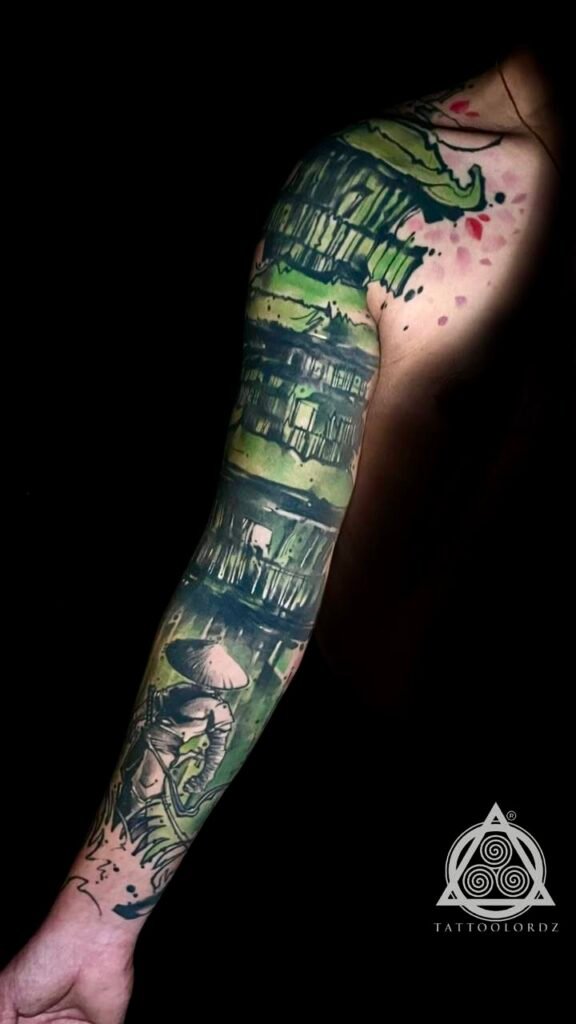
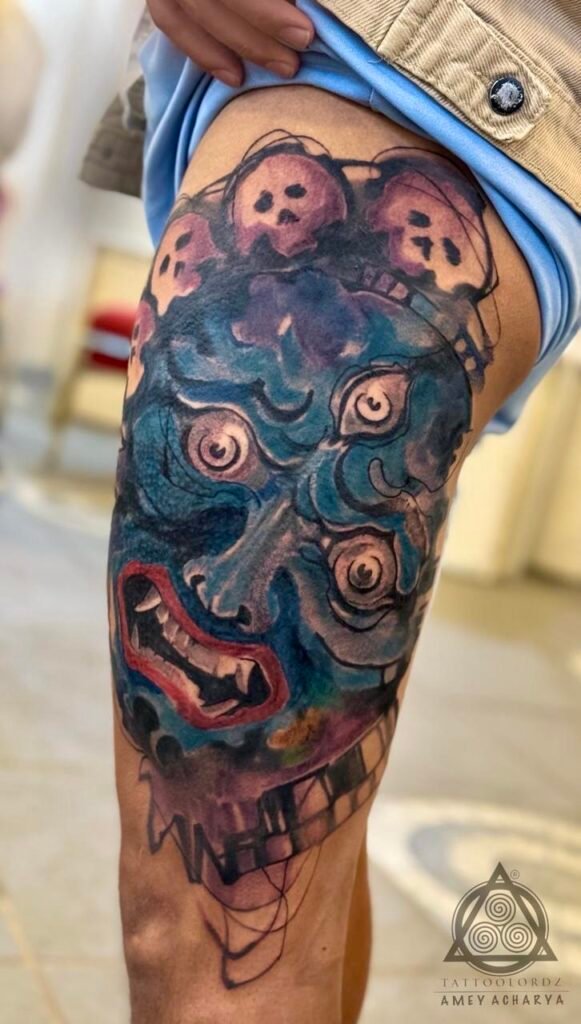
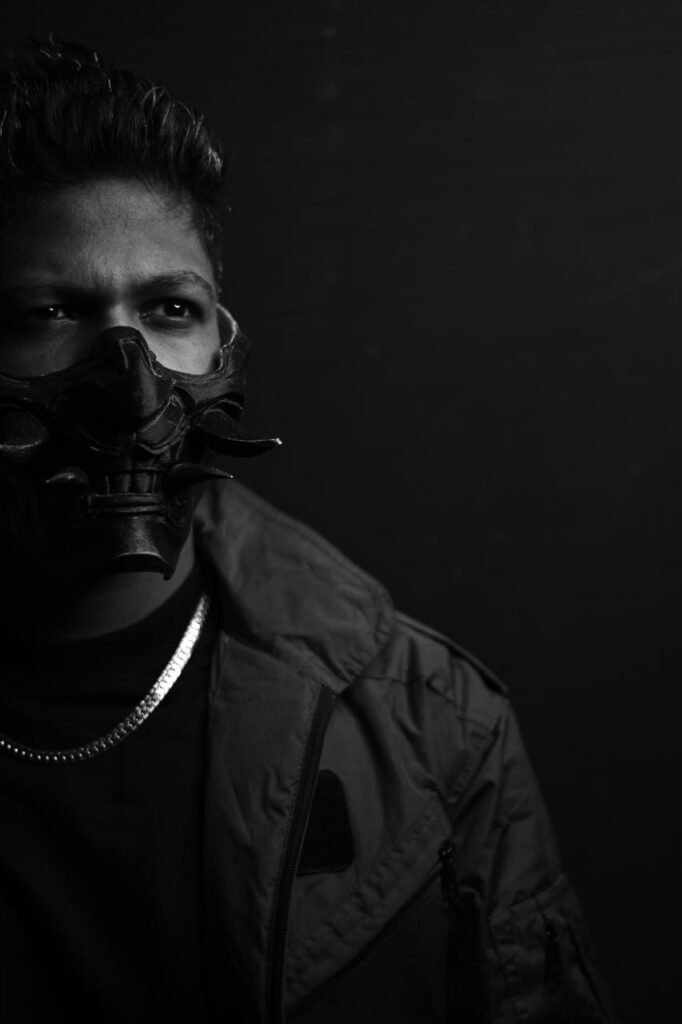
Sometimes, our most defining characteristics are born from necessity rather than intention. Lacking access to proper stencil papers and carbon transfers, Amey simply adapted to the environment. He started drawing directly onto the skin.
“What started as a workaround gradually became my signature,” he explains.
Over time, this survival tactic evolved into a highly specialized skill set. Freehand tattooing shifted from a mere method of application to a distinct form of communication.
The Body as a Living Canvas
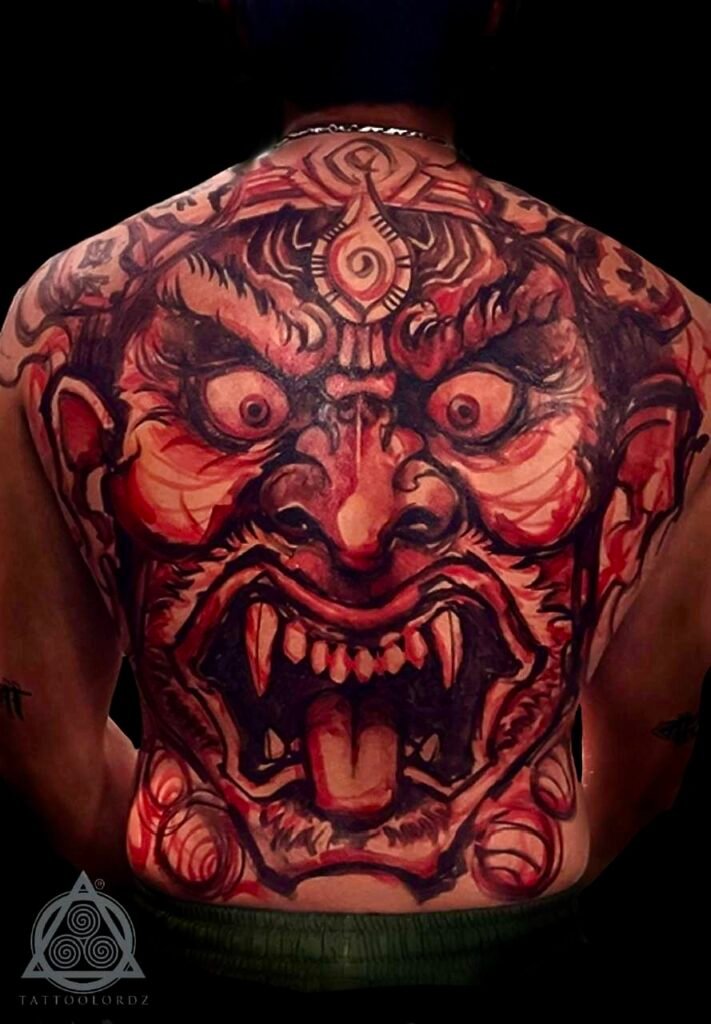
Working freehand fundamentally changes the design process. The human body is no longer just a passive surface; it becomes an active participant in the composition.
“No two bodies are the same, and that uniqueness enables me to create designs that flow with precision, harmony, and individuality,” Amey says.
“Each piece becomes a one-of-one composition, tailored not just visually but anatomically.”
Permanence Beyond Ink
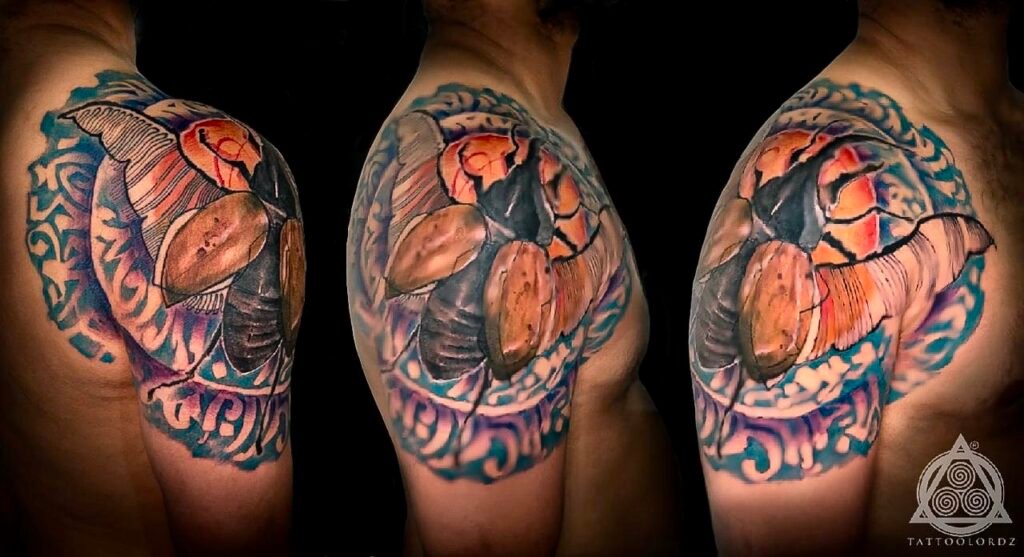
A tattoo carries a heavy physical weight, but the emotional weight is often much heavier. Marking a body is an intensely personal act, bridging the gap between aesthetics and profound meaning.
“To me, permanence isn’t just about ink on skin, it’s about the continuity of energy, something that transcends the physical,” he shares.
Why Freehand Keeps Ego Grounded
You might assume that mastering a difficult skill creates an unshakeable sense of certainty. In reality, deep mastery often creates profound humility. The closer you get to the core of a craft, the more you realize how much is left to uncover.
Even after a decade and a half of dedicated practice, Amey remains a student of his environment.
“Every piece reminds me that there is always more to learn, more to understand.”
Mastery often deepens humility instead of confidence. The craft constantly reveals how much is left to discover.
Listening Before Creating
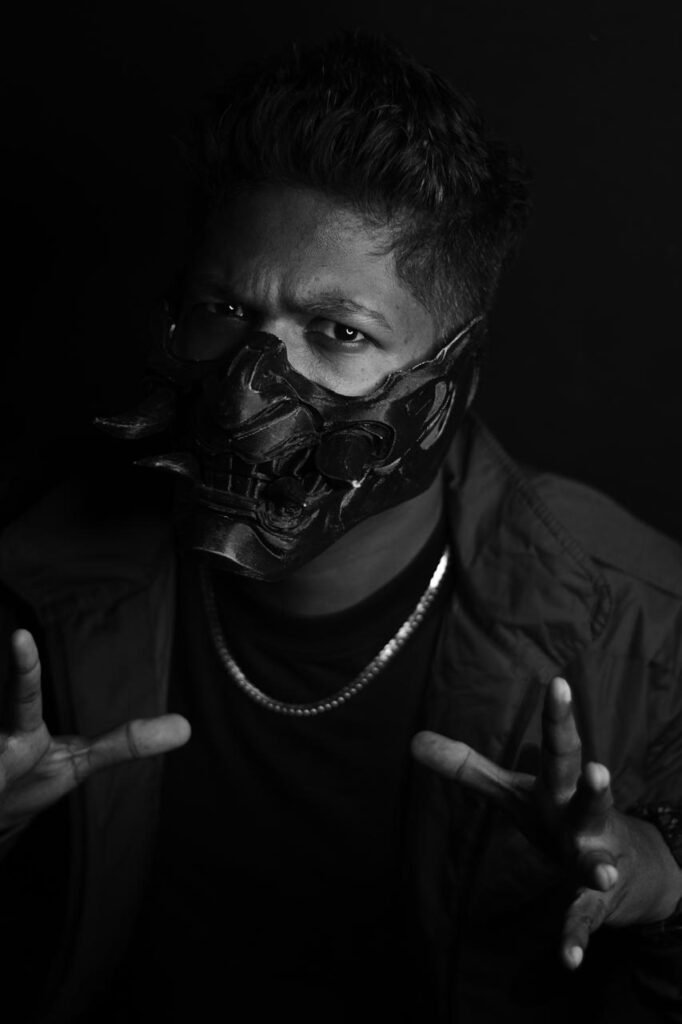
Tattooing is rarely a straightforward transaction. Clients arrive carrying heavy personal stories, grief, joy, and complex emotions, but they do not always know how to articulate them visually. The process must begin with careful interpretation before a single drop of ink is poured.
“Most aren’t trained to think in highly visual or creative frameworks,” Amey notes. “The process of watching someone धीरे धीरे open up, express themselves, and find clarity in their own thoughts is something I genuinely value.”
Transformation Through Tattooing
A successful tattoo changes the physical appearance of the skin, but a truly meaningful experience changes the person underneath it. The collaboration between client and creator often shifts emotional identities long before the skin fully heals.
“When a client walks out of the studio, there’s often a visible shift, an uplift in confidence, a stronger sense of self.”
Motorcycling and Tattooing as Parallel Worlds
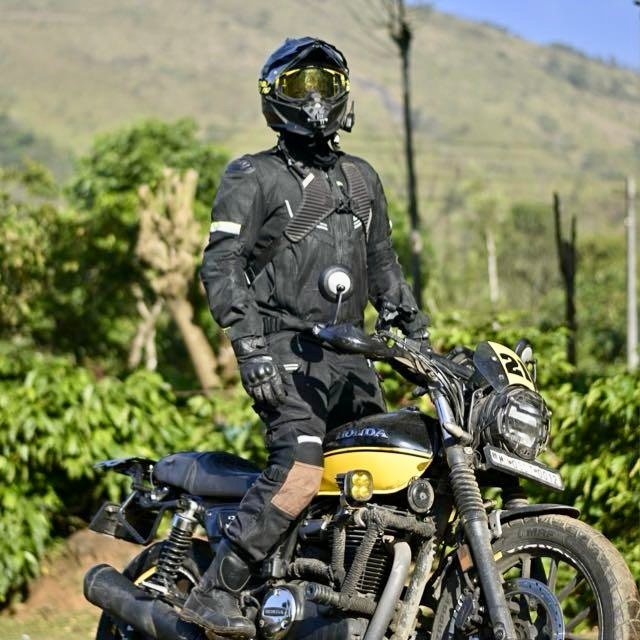
Outside of the studio, Amey is an avid endurance motorcyclist. Riding across remote, unmapped regions of India demands the exact same focus and resilience required during a grueling tattoo session.
Both pursuits require a deep acceptance of the environment.
“You cannot change the surface to suit your comfort, but you can understand it, adapt to it, and elevate your skill to perform at your highest level.”
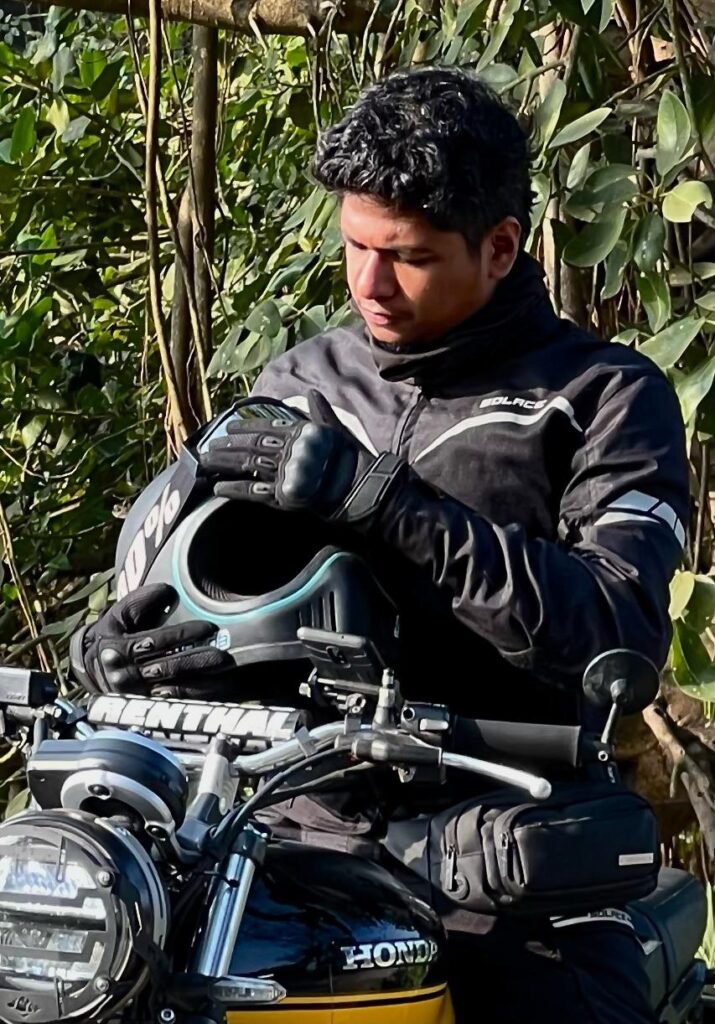
Freedom arrives through adaptation, never through control.
Mistakes as Artistic Education
Confidence on the skin begins with a willingness to fail on paper. You cannot develop a strong aesthetic voice if you are constantly terrified of making an error.
“Over time, I’ve become completely comfortable with ‘ruining’ paper and canvas in the pursuit of expression,” Amey admits.
Fear only disappears after failure becomes a familiar, expected part of the educational process.
Recognition as a Byproduct
In a hyper-connected culture, it is easy to confuse attention with achievement. But true longevity grows from quiet consistency, not external validation.
“I live by a simple principle: be honest, stay relentless, and keep creating, even when no one is watching,” he states firmly.
Old-School Values in a Digital Era
Social media provides an incredible tool for exposure, allowing artists to reach global audiences instantly. However, attention can quickly fade if there is no genuine substance backing it up. Craftsmanship creates a foundation of trust that an algorithm can never replicate.
“Social media and marketing can amplify what you do, but they can’t replace the foundation,” Amey warns.
The Advantage of the Hard Path
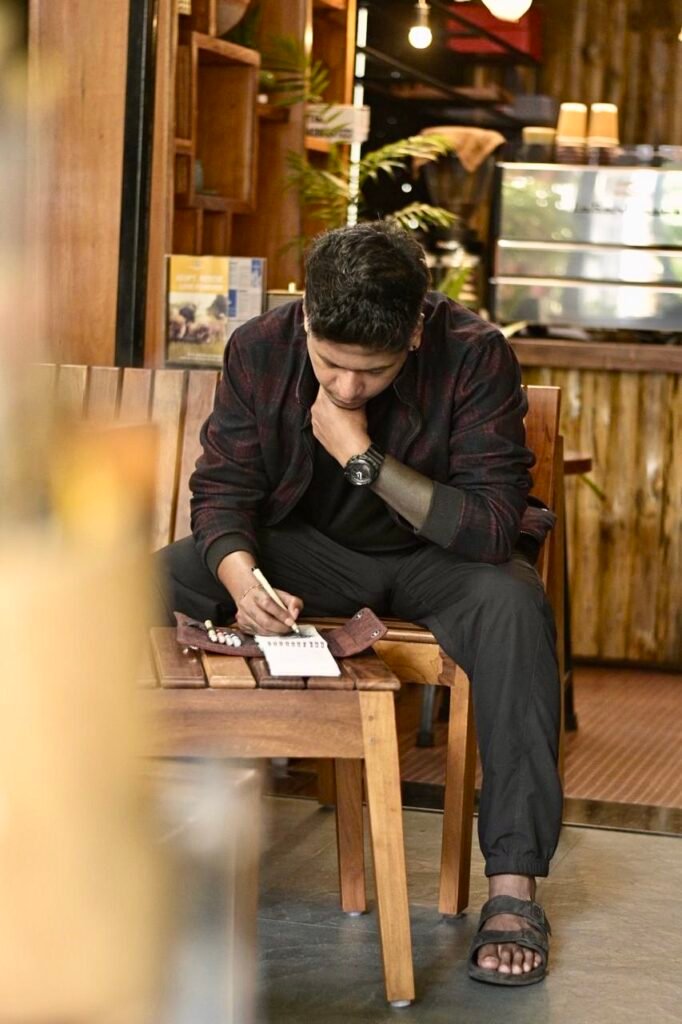
Early in his career, Amey wondered if choosing commerce over a formal art school education was a mistake. Today, he views that lack of structured academic training as a vital asset.
“Not having that structured art background became my biggest advantage. It forced me to learn everything the hard way, through observation, repetition, failure, and instinct.”
Self-taught individuals often build instincts institutions cannot teach, developing a grit that protects their authenticity.
Football, Endurance, and Discipline
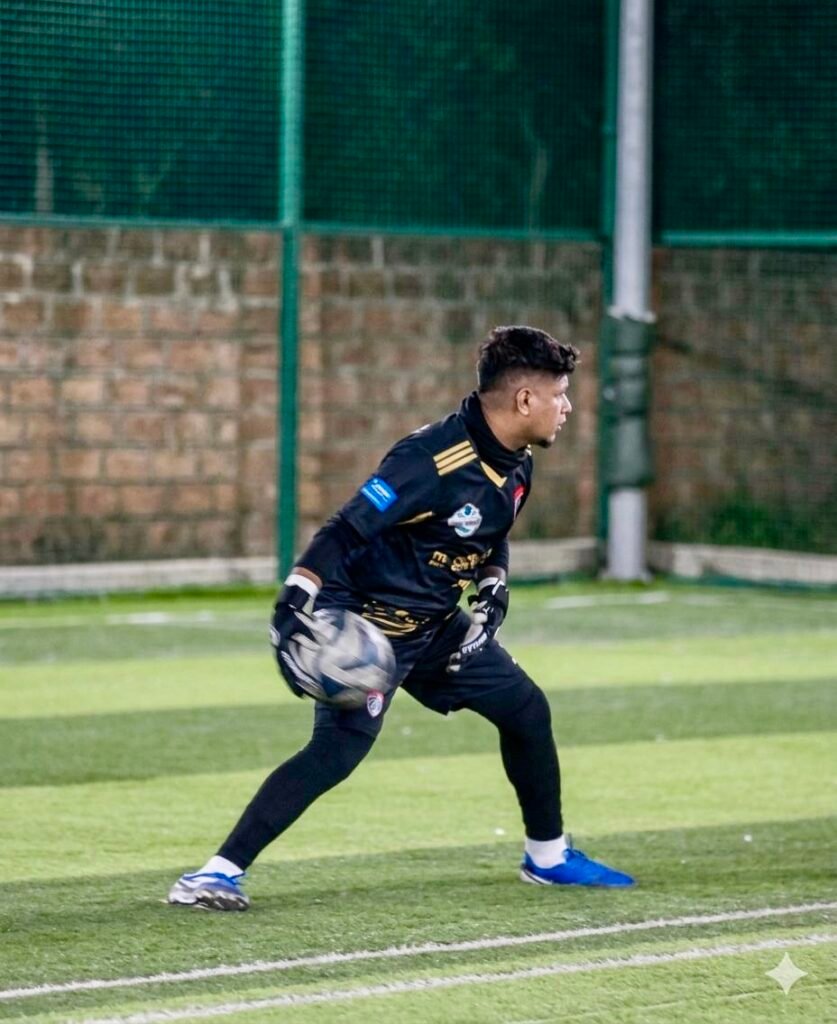
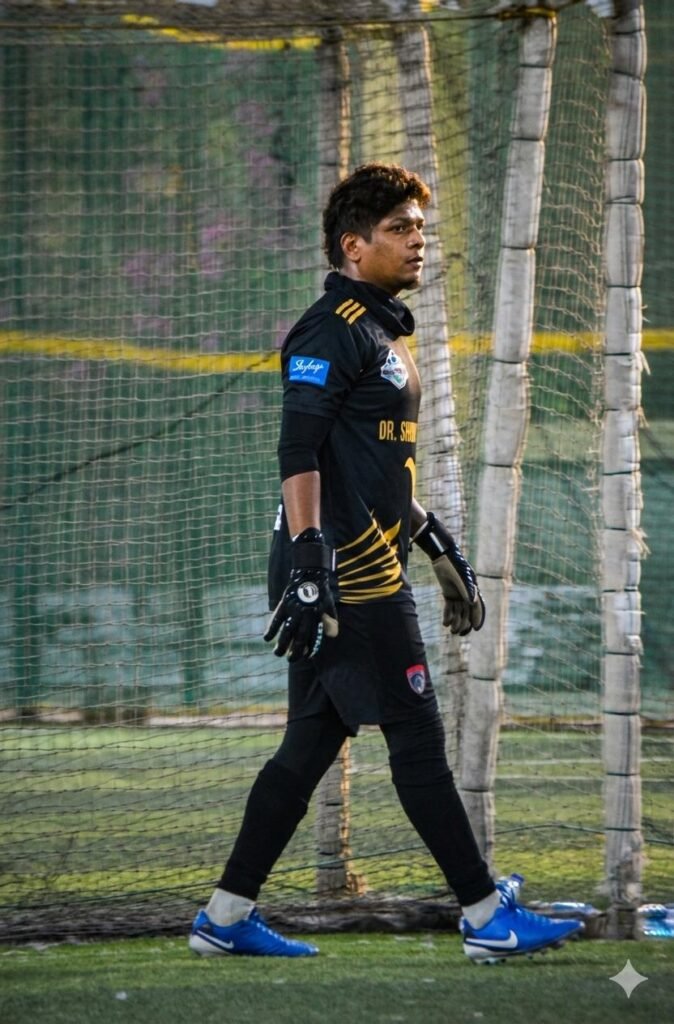
Before tattooing, Amey played professionally as a goalkeeper in the Indian football league. The grueling physical demands of professional sports laid the groundwork for his current career. Discipline transfers seamlessly between entirely different worlds.
“Long sessions require focus, stability, and stamina, and I owe a lot of that resilience to my years on the field,” he reflects.
Discipline transfers between worlds. The ability to endure long, demanding sessions is a physical manifestation of mental fortitude.
Advice for the Next Generation
For those looking to build a lasting, meaningful career, the blueprint requires looking away from the screen and focusing deeply on the tangible work. Trust will always outlive visibility.
Amey offers a clear directive to the upcoming generation:
“Make your work powerful enough that people come to you for what you create on skin, not just what you showcase on a screen.”
Maybe mastery was never about becoming fearless. Maybe it was about learning how to keep creating even when fear never fully disappears.
Follow Amey on Instagram
Lubdhak Biswas is a musician, entrepreneur and a tattoo artist based out of Kolkata (India).
He documents underground culture at the crossroads of tattooing and music.
His work focuses on craft, tools, ethics and the real working realities of creative industries.