As humans we believe that choosing one path means leaving another behind.
A lawyer can’t also be an artist.
A filmmaker can’t also be a public servant.
A storyteller can’t also belong inside institutions.
But perhaps those are only labels we inherit. Labels handed down by school systems, family expectations, and a culture that still finds comfort in people who are easy to file away. The poet. The professional. The dreamer. The doer. We absorb these categories young, and spend the better part of adulthood either fitting ourselves into them or quietly dismantling them from the inside.
What happens, though, when someone refuses the category altogether? Not out of rebellion, but out of something quieter. A recognition that the thread running through every version of themselves was never a job title to begin with.
One Purpose, Many Careers
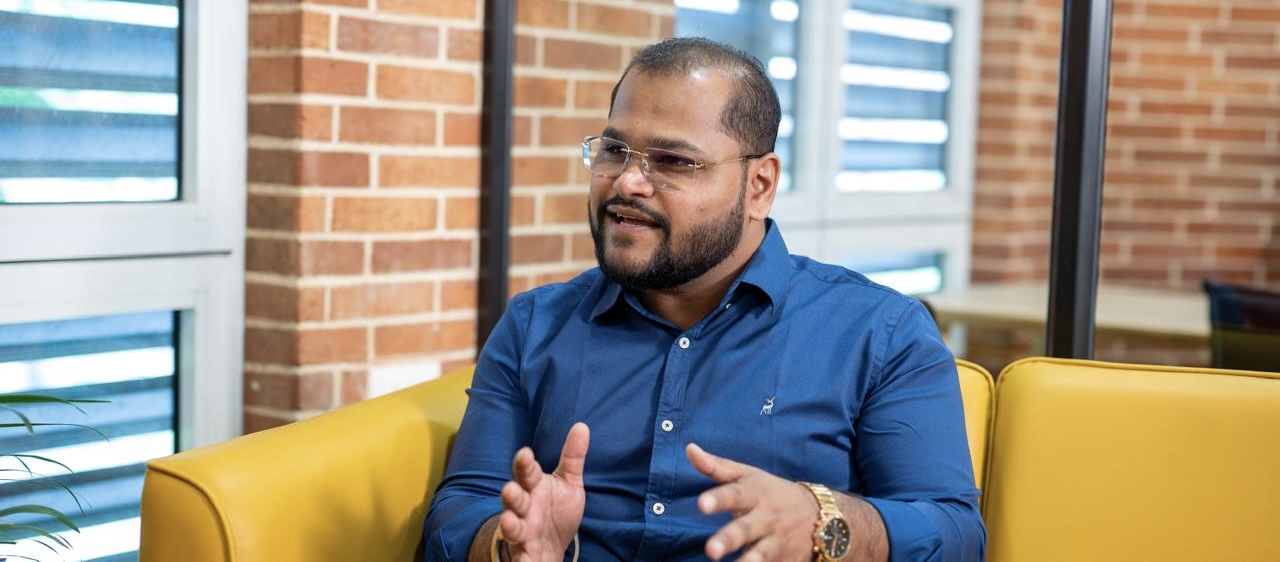
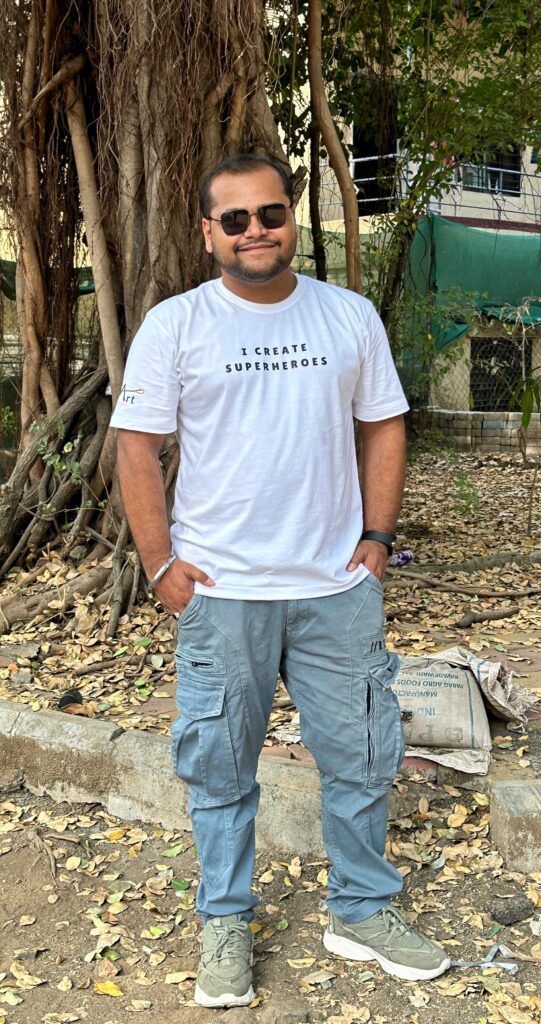
Virat Vilas Pawar doesn’t announce himself as a brand. He arrives as a person with a long history of choosing things that mattered to him, and a clear sense of why each choice made sense at the time.
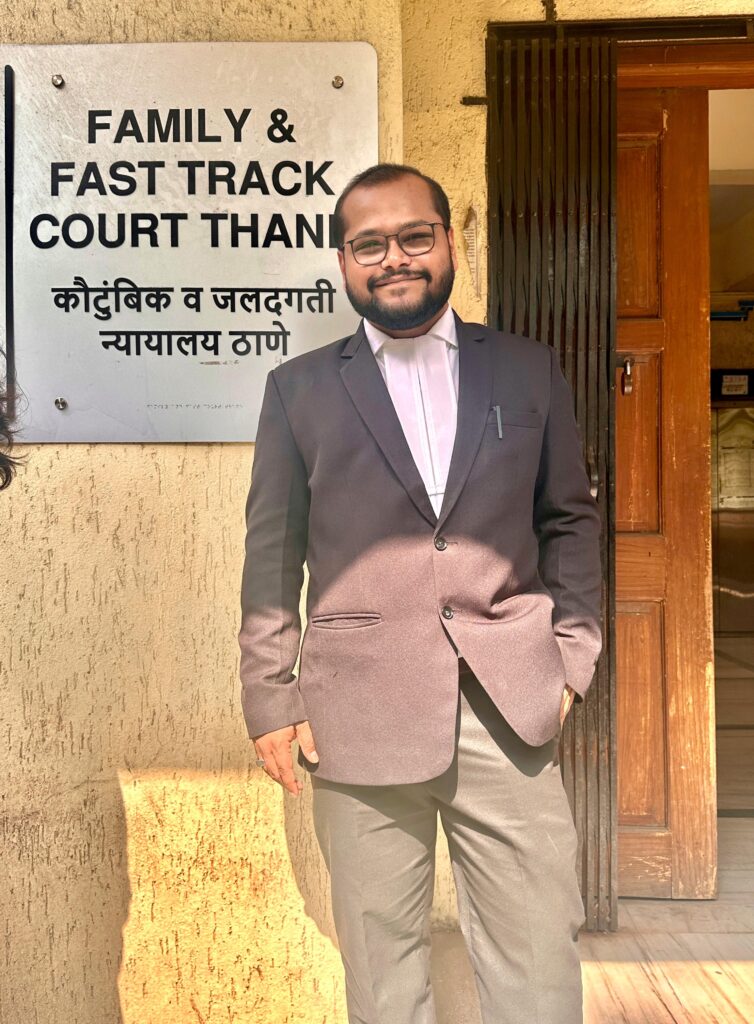
His relationship with law, for instance, is not transactional. “I would want them to know the reason I became a lawyer: to help people.” That sentence carries no performance. It holds no elevator pitch. It’s the kind of clarity that tends to come only when someone has spent time sitting with their own motivations.
And yet Virat is not only that. There’s another version of him that exists in the same body, at the same time.
“Meet me by day, and we will talk about work; meet me by night, and we will make art!”
The two aren’t in conflict. They share the same owner. Purpose, when it’s genuine, doesn’t require exclusivity. It asks only that you keep returning to it, in whatever room you happen to find yourself.
Finding Meaning Through Community
Before the courtrooms and the client briefs, there was a community. A creative one. The kind that forms around shared language, shared struggle, and the particular electricity of people who believe they can make something from nothing.
Virat speaks about that period with real warmth. “It gave me a deep sense of purpose.” Not fame, not recognition. Purpose. The distinction matters. Purpose is quieter than success. It tends to arrive when you’re doing something that feels necessary, not just impressive.
That experience also gave him something else. A recalibration of what was possible. “I realized early on that I can do the impossible.” Again, there is no bravado in this. It reads less like a motivational declaration and more like a personal record. Something he noticed about himself, filed away, and carried forward.
Creative communities do that. They hold up a mirror at an angle most institutions never do. They show you what you’re capable of before the world has officially certified you.
Stories Were Never the Side Project
If there is a single thread connecting every chapter of Virat’s life, it isn’t ambition or restlessness. It’s story.
“Stories were always the core of it all.”
What shifts across careers is the medium, the setting, the audience. The instinct stays the same.
“Hip-hop was about telling a story.” And when he describes the law, the framing is strikingly similar. “Law is about fighting for a true story.”
Both involve voice. Both involve representation. Both ask their practitioner to stand in service of something that deserves to be heard. The person doing that work may carry a mic in one life and a brief in another, but the orientation remains unchanged.
This is what makes Virat’s journey feel less like a pivot and more like a deepening. He didn’t leave one world for another. He kept following the same instinct until it led him somewhere new.
Reality and Imagination
There’s a line Virat offers that deserves to sit with you for a moment.
“Law pays my bills, and art gives me the feels!”
It’s said lightly, but it points to something real. The false war between practicality and imagination has claimed a lot of creative lives. People who gave up one because they believed it threatened the other. People who chose stability and quietly grieved the version of themselves they left behind.
Virat doesn’t accept the premise of that war. “Dreams and real life can absolutely coexist.” Not as a compromise, not as a careful negotiation, but as a genuine truth he has tested and confirmed. The two don’t diminish each other. They fill in what the other can’t reach.
Letting Go of a Name
Reinvention, when it’s honest, involves loss. Even when the change is chosen, even when it’s necessary, something gets left behind. A name. A reputation. An identity that took years to build.
When Virat transitioned from hip-hop artist to advocate, the shift wasn’t only professional. It was nominal. “‘Virat Vilas Pawar THHM’ was officially rebranded to ‘Adv. Virat Vilas Pawar.'” A different suffix. A different public face.
He doesn’t pretend that was entirely painless. “Yes, I won’t lie.” The acknowledgment is small, but it matters. It’s what separates a genuine account from a polished one.
What followed, though, was intentional. “I decided to build my personal brand around it.” The transition wasn’t something that happened to him. It was something he shaped, deliberately, with awareness of what he was choosing and what he was releasing.
That is its own kind of artistry.
Values Don’t Require New Names
Here is what Virat understood that many people discover only much later: the work changes. The values don’t have to.
“Hip-hop, sci-fi, law—everything is about fighting for what’s right, voicing your opinions, and helping the weak.”
Read that again slowly. Three vastly different worlds, mapped onto a single ethical core. The specifics shift, the culture shifts, the daily rituals shift. But the reason for showing up? Constant.
“The core culture remains the exact same; only the place of work has changed.”
This is not a small thing to realize about yourself. Most people spend enormous energy trying to reconcile the different versions of who they’ve been. Virat seems to have found peace in recognizing that those versions were never really in competition.
Everything Connects Back to Story
There’s something freeing in the way Virat thinks about his own future. Not foreclosed. Not fixed.
“I always feel that everything is connected to my core idea of stories and people.” And then, with a particular lightness: “Even if I get into interior designing tomorrow…”
The sentence trails off, but the point lands cleanly. Whatever comes next will connect. Not because he’s forcing continuity, but because the core is stable enough to hold whatever gets added to it.
For some people, storytelling is a medium. A genre. A skill to list on a resume. For Virat, it appears to be something closer to a way of seeing. A lens that doesn’t change when the subject does.
The Thread That Survives Every Version
Perhaps the most interesting thing about identity isn’t how often it changes.
It’s how quietly purpose survives every version of ourselves.
Virat Vilas Pawar has worn different names, carried different tools, stood in different rooms. What he seems to have held onto, through all of it, is a reason. A reason for becoming a lawyer. A reason for making art. A reason for showing up, in whatever form that takes on a given day.
That’s not a brand strategy. That’s not a career plan.
That’s a person who knows what they’re for.
Follow Virat Vilas on Instagram
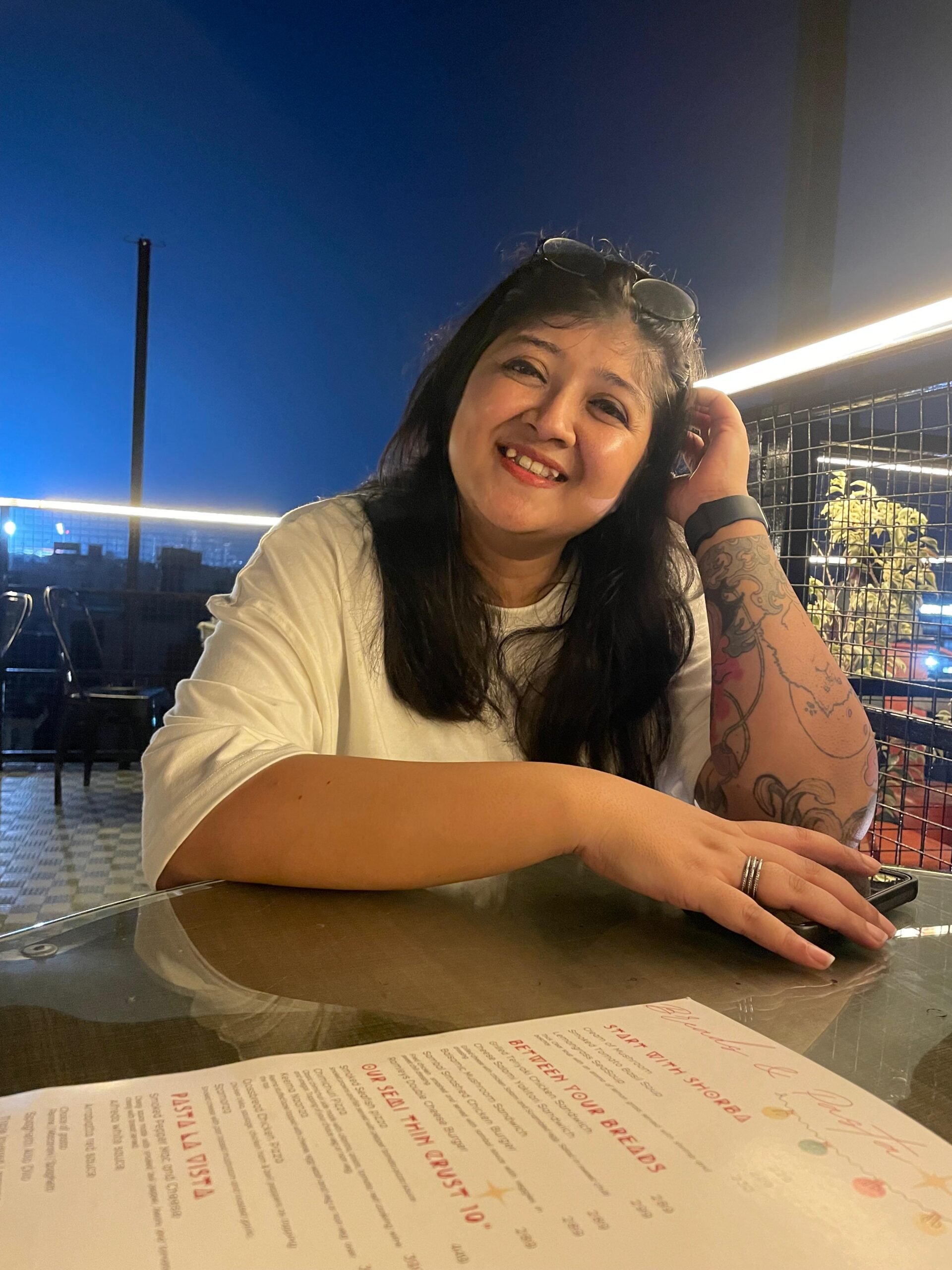
Oeshi B Lyndem is a visual artist, tattoo artist, graphic designer, and entrepreneur with a foundation in graffiti and street culture. Rooted in hands-on craft and making, her practice moves fluidly across illustration, street art, design, and experimental creative processes. With lineage from Shillong—often regarded as India’s rock capital—she carries a distinct cultural influence into her work. At Goofy Owl, she curates and leads the street and hip-hop culture segment through an intuitive, deeply creative, and entrepreneurial lens.