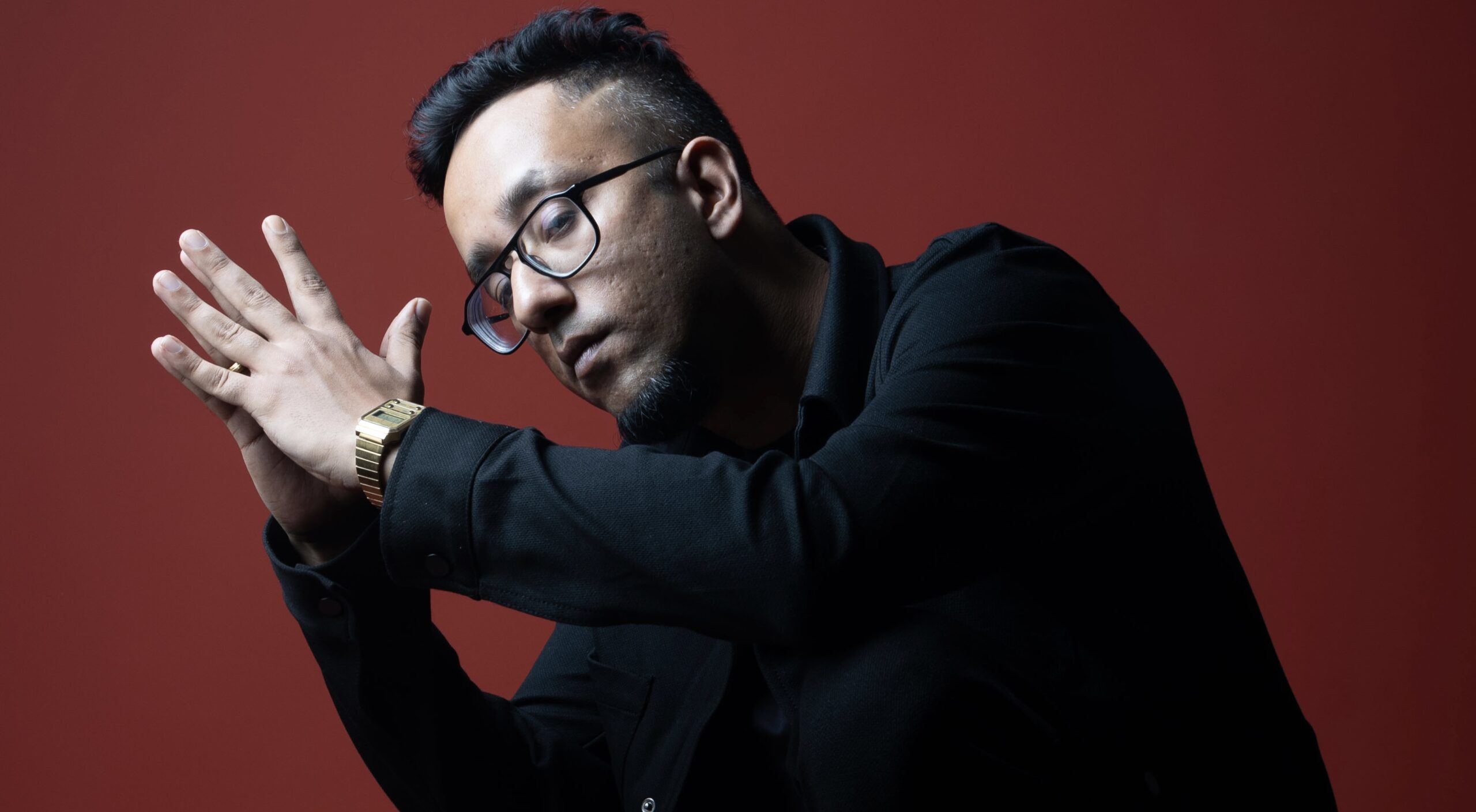
We tend to listen to a rapper and demand to know exactly where they fit.
Perhaps the better question is what they’re still trying to discover.
There is something quietly radical about an artist who resists the urge to arrive. Who treats every song, every word, every collaboration not as a destination but as a direction. Curiosity, when it becomes a creative practice, stops being a personality trait and starts being a method. It shapes what you make, how you make it, and perhaps most importantly, why you keep making it at all.
This is the space EPR occupies. Not a fixed point on a genre map, but a moving one.
Beyond Labels
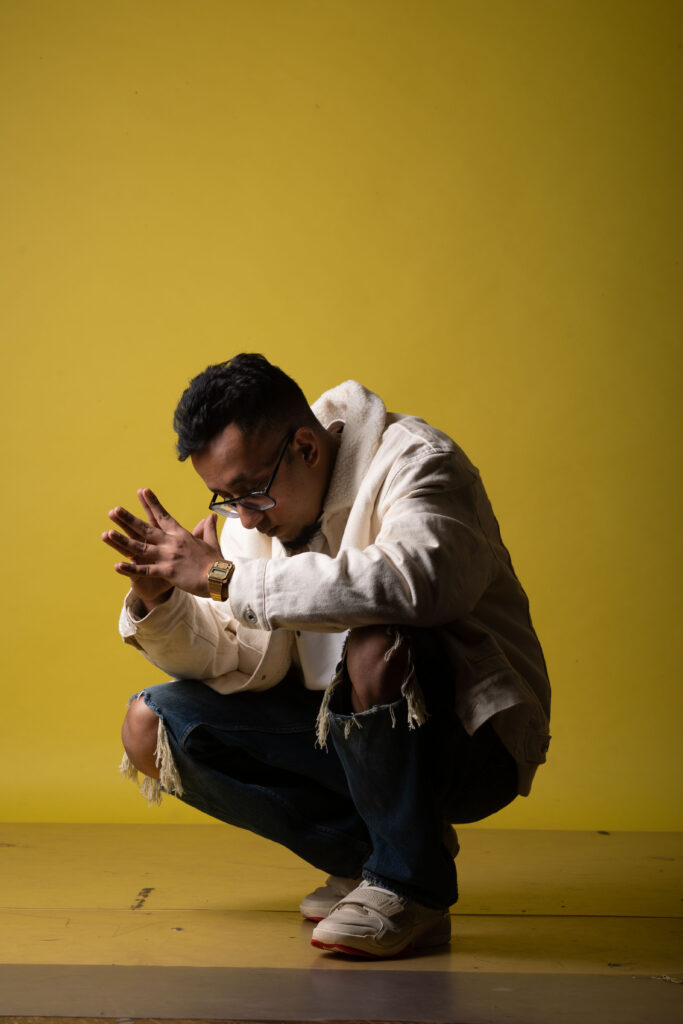
The first thing EPR will tell you is what he is not. Or more precisely, what he refuses to be reduced to.
“I’ve never believed in confining myself to a singular genre,” he says, and the statement carries the weight of something lived rather than simply decided. It speaks to a kind of creative restlessness that isn’t about inconsistency. It’s about refusing to let a label do the thinking for you.
His guiding principle is deceptively simple: “Expressing before impressing.” Three words that quietly dismantle the entire architecture of performance-as-approval. So much of what gets made in music, in art, in writing, is built for the audience first and the maker second. EPR inverts that order. Expression comes first. The impression it leaves is secondary.
Labels simplify artists. Artists, at their most alive, complicate themselves.
Expression Before Impression
“My poetry is rooted in exploration,” EPR says, and that framing matters. Not craft. Not technique. Exploration.
There’s a difference between a writer who sets out to prove something and one who sets out to find something. The first writes toward a conclusion. The second writes to see what happens when language meets feeling at an unexpected hour. EPR falls clearly into the second category, where “experimentation meets expression.”
What makes this philosophy durable is that it doesn’t age. Performance, by nature, is tied to moment and reception. Expression survives longer because it belongs to the maker before it belongs to anyone else. A poem written from genuine curiosity holds its meaning even when the applause fades.
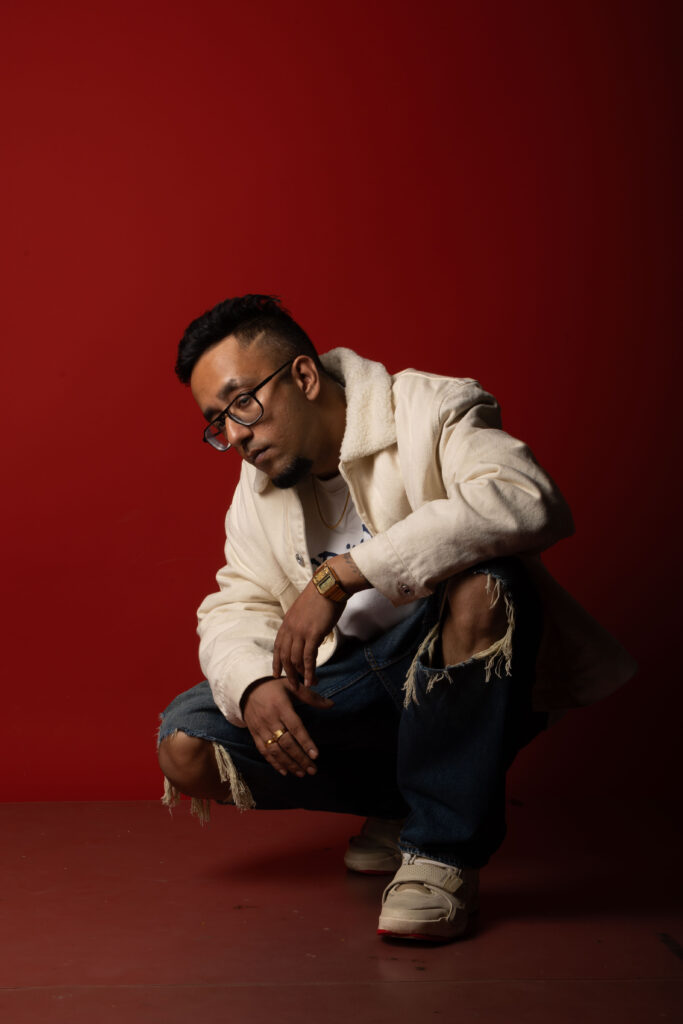
Where Does a Verse Begin?
Ask EPR where a piece of work begins and his answer is almost cosmological.
“It all stems from an idea,” he says, before the thought expands outward, describing images that scatter “like stars across the vastness of space” before finding their shape as “constellations of meaning.”
That progression, from scattered spark to formed pattern, is not just poetic language. It describes something true about the creative process. Ideas don’t arrive fully formed. They arrive as fragments, as impulses, as images that don’t yet know what they’re connected to. The work of the artist is to sit with those fragments long enough to find the constellations hiding inside them.
Ideas grow through association rather than certainty. EPR seems to understand this at an almost cellular level.
Kolkata as a Teacher
Geography leaves its marks on the people who grow up inside it.
“Kolkata has definitely taught me a great deal,” EPR reflects, and it’s worth pausing on what kind of education a city offers. Not the kind you find in a syllabus. The kind that accumulates slowly, through architecture and argument, through the particular light of a particular afternoon, through the weight of art and literature that a place carries in its walls.
Kolkata is a city with a literary consciousness, a city where magical realism feels less like a genre choice and more like an accurate description of daily life. Its heritage is one of storytelling that refuses easy categories, of writing that bleeds across borders between the political, the spiritual, and the sensory.
For an artist interested in exploration, it is less a hometown than a collaborator. Cities, when they shape you deeply enough, become that.
Why Every Genre Belongs
“The desire to venture into the unknown” is how EPR describes what pulls him toward new creative territories, and that phrase tells you everything about how he understands genre.
Most conversations about genre treat it as identity. You are what you make. EPR treats it as transportation. A genre is a vehicle, not a destination. It gets you somewhere new, and once you’ve arrived, you look for the next vehicle.
This isn’t about being eclectic for its own sake. It’s about understanding that curiosity, genuine curiosity, doesn’t stop at genre lines. Fences are for people who already know where they’re going.
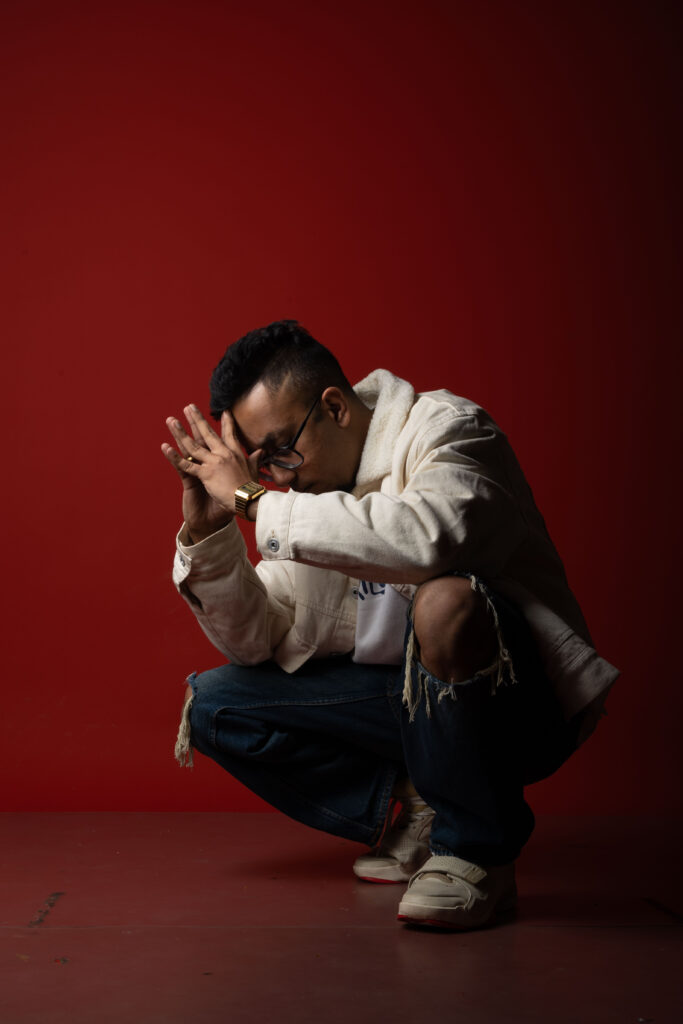
The Performance That Changed Everything
Sometimes a single piece of work reorganizes how an audience hears everything else.
For EPR, “Srini Bana EPR” appears to have functioned that way. It “opened the door for listeners” in a way that went beyond reach or reception. It created a new listening context. Before a door opens, audiences hear what they expect. After it opens, they hear what’s actually there.
That shift, from expectation to attention, is one of the most generous things an artist can offer. It asks the listener to come back to the work fresh, without the shortcuts of genre assumption or prior categorization.
Collaboration as Perspective
“Art remains one of the most powerful forces on earth,” EPR says, and it’s a statement he has chosen to test against experience rather than simply assert.
His collaborations, with artists across the landscape of Indian music, from Scorpions to Fossils, from Raftaar to Arijit Singh, read not as a list of achievements but as a series of perspectives deliberately sought out. Each collaboration is a different pair of eyes. A different set of questions asked of the same creative material.
There is intellectual humility in that approach. The assumption that your imagination, however well-developed, has edges. That other artists can help you see past them. Collaboration, practiced this way, doesn’t just expand your work. It expands your imagination of what work can be.
Reinvention Never Stops
EPR’s curiosity doesn’t stop at the edges of music.
Tamil music, acting, music direction, fitness, each represents not a detour but an extension of the same underlying impulse. The desire to understand something from the inside, by doing it, by failing at it, by getting better at it slowly.
“Today, I can confidently say that I’m in the best shape of my life,” he says, and the statement resonates beyond the physical. It sounds like someone who has learned to treat the whole self as a creative project. Not in the self-optimization sense that makes everything feel like a performance metric, but in the sense that growth, real growth, is always holistic.
You cannot split the artist from the person. When one evolves, so does the other.
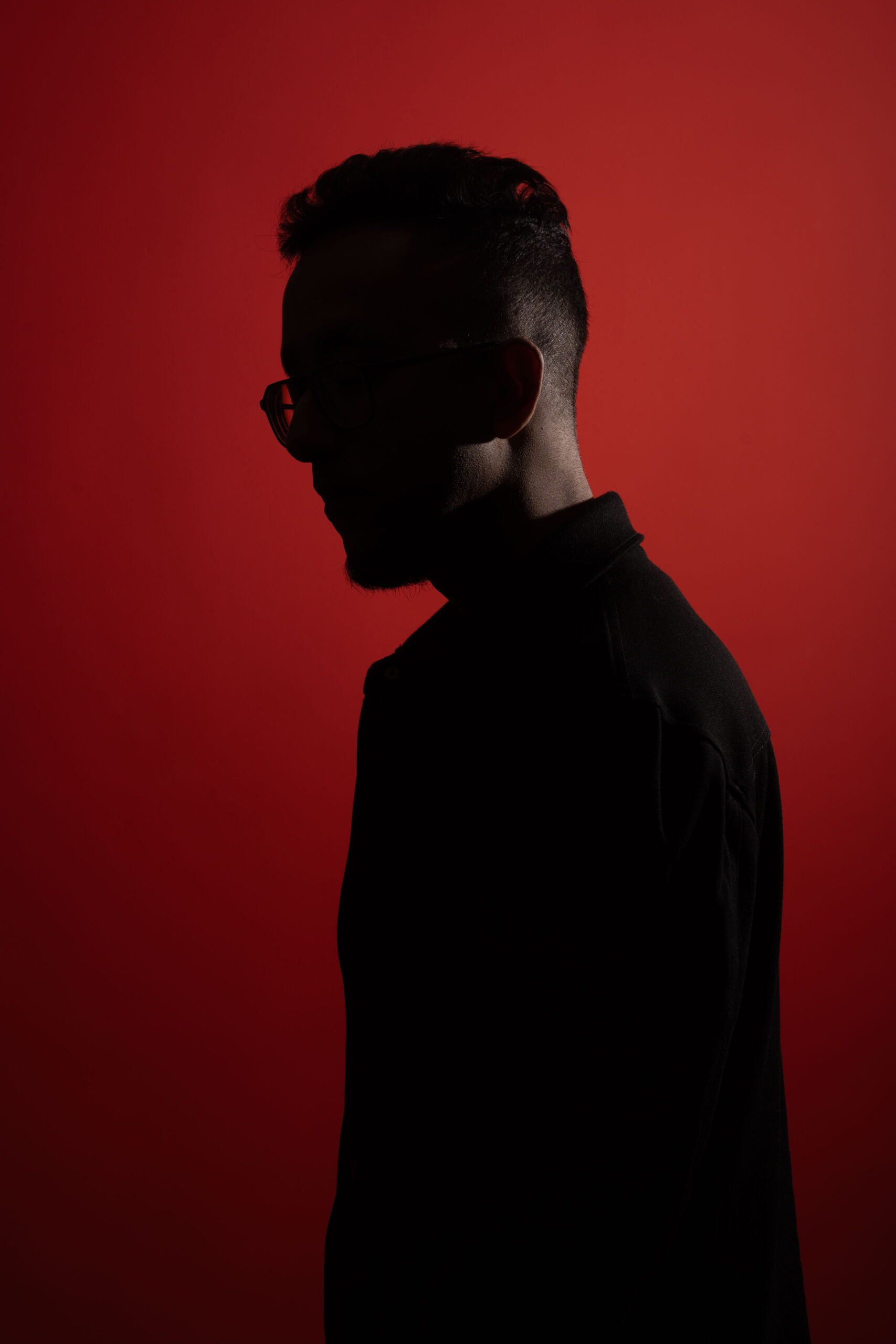
Music Doesn’t Need Answers
There’s a particular kind of artist who approaches a song as a problem to be solved. Find the conflict, resolve it, deliver the conclusion.
EPR describes something quieter and, ultimately, more honest. “I’m capturing a thought,” he says. “Preserving a feeling.” “Documenting states of being.”
These are the words of a chronicler, not a resolver. Someone who understands that art doesn’t exist to tidy up the complexity of being alive. It exists to record that complexity faithfully enough that someone else, somewhere else, recognizes themselves in it.
Art doesn’t solve life. It records it. And in the recording, it becomes a kind of companionship.
What Curiosity Leaves Behind
The most interesting thing about EPR is not his range, though it is considerable. It is not his collaborations, though they are illuminating. It is not even his output, though it is generous.
It is the consistency of his method. Ask, explore, express, repeat. Never arrive. Never declare the work finished in any permanent sense. Keep the question alive.
Perhaps the most enduring artists aren’t the ones with all the answers. They’re the ones who never stop asking better questions.
Follow EPR on Instagram
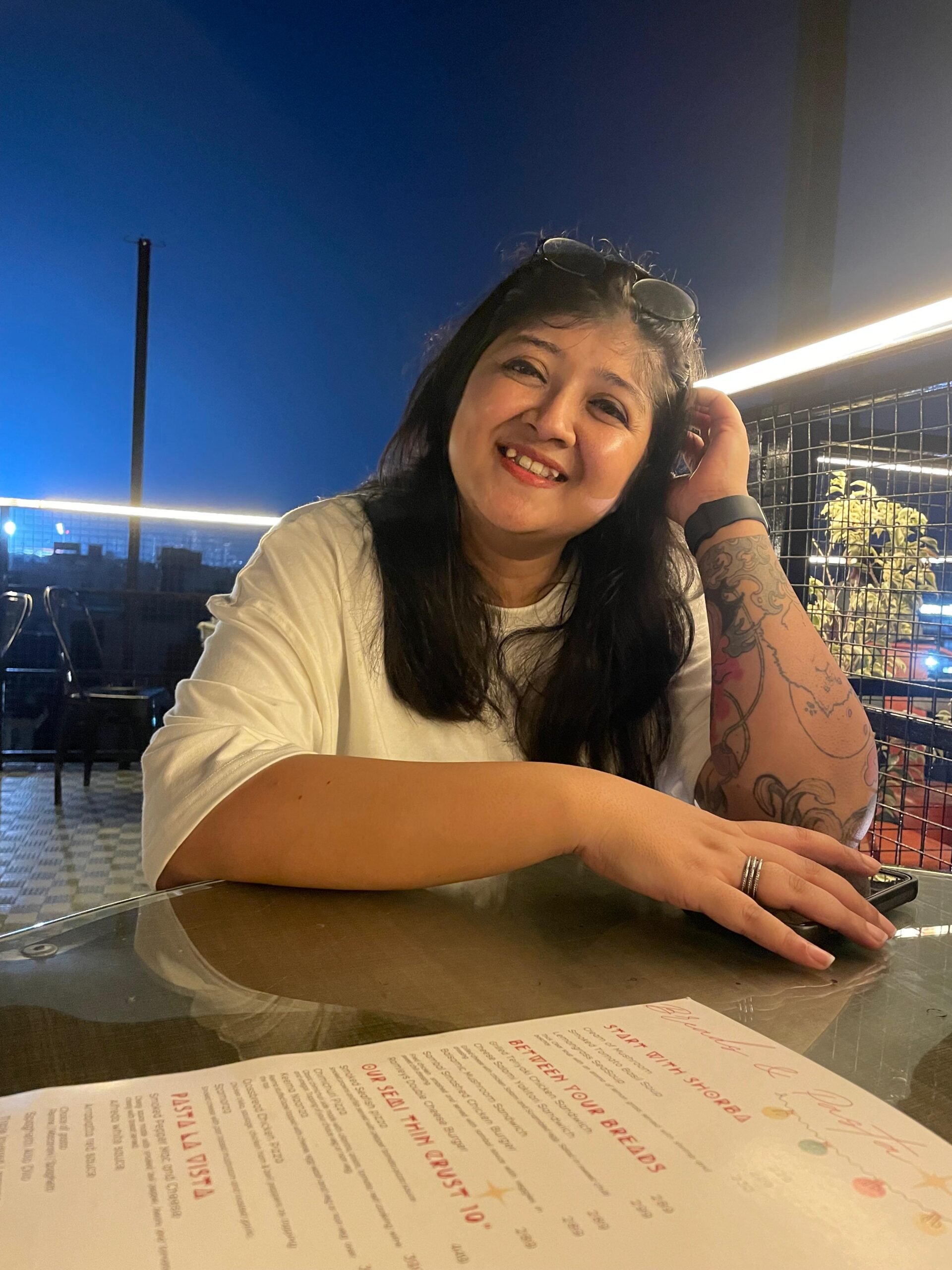
Oeshi B Lyndem is a visual artist, tattoo artist, graphic designer, and entrepreneur with a foundation in graffiti and street culture. Rooted in hands-on craft and making, her practice moves fluidly across illustration, street art, design, and experimental creative processes. With lineage from Shillong—often regarded as India’s rock capital—she carries a distinct cultural influence into her work. At Goofy Owl, she curates and leads the street and hip-hop culture segment through an intuitive, deeply creative, and entrepreneurial lens.