People often think longevity comes from staying relevant.
But the artists who last the longest usually spend far less time chasing relevance than they do protecting their curiosity.
There’s a particular kind of staying power that doesn’t announce itself. It doesn’t come with a dramatic reinvention or a calculated pivot toward whatever the moment demands. It arrives quietly, sustained by something more stubborn than ambition: a genuine love for the work, a willingness to keep learning, and the humility to understand that no creative life is built alone.
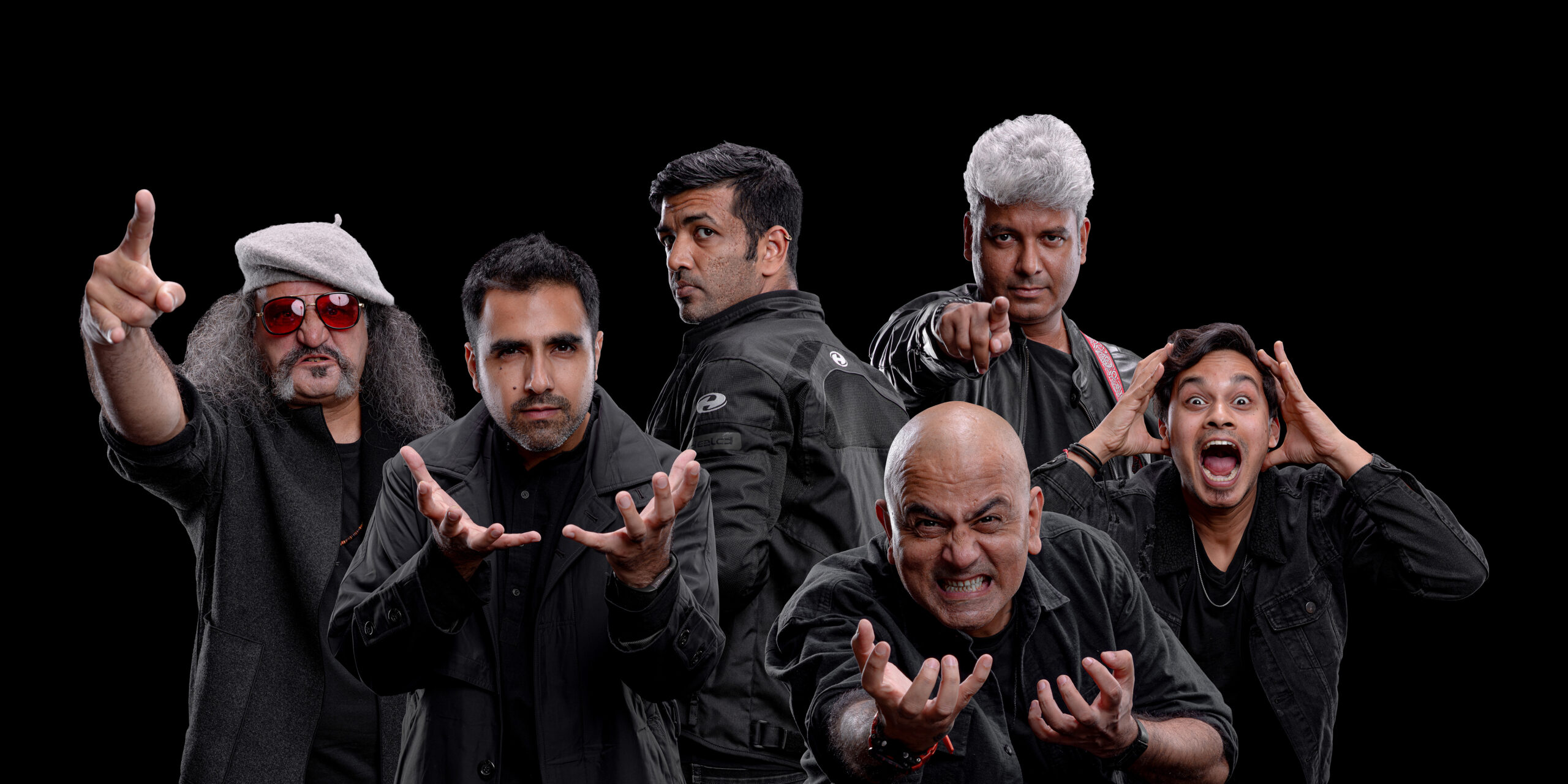
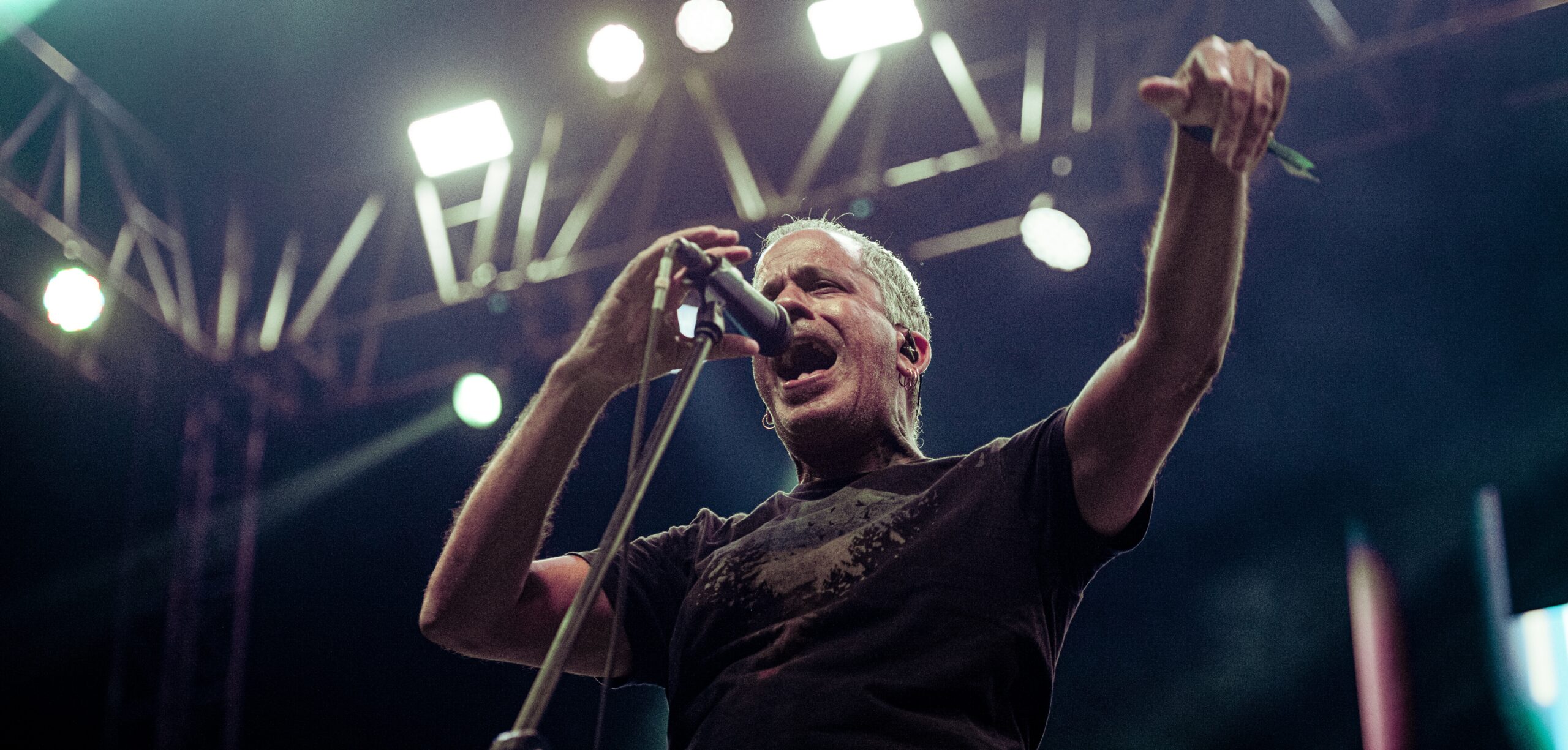
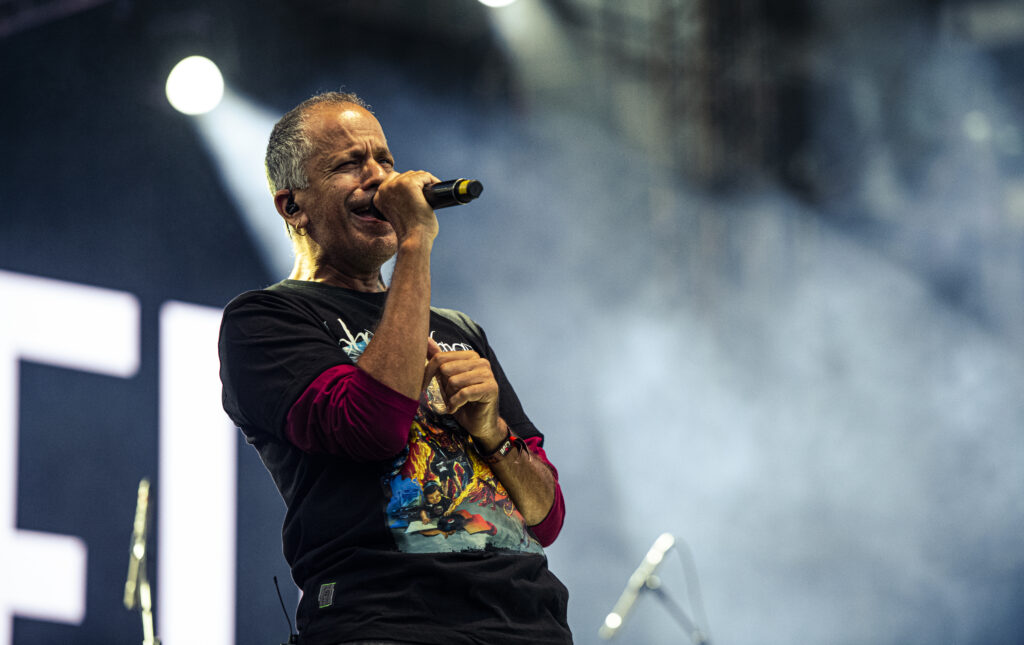
Uday Benegal has spent over four decades making music in India. As the frontman of Indus Creed, he helped shape a generation of rock in a country where the genre had no commercial blueprint and no guaranteed audience. The band found one anyway. But spend any time in conversation with Uday, and the accolades feel like the least interesting part of the story. What’s more compelling is how he thinks about creativity, community, and what it actually means to last.
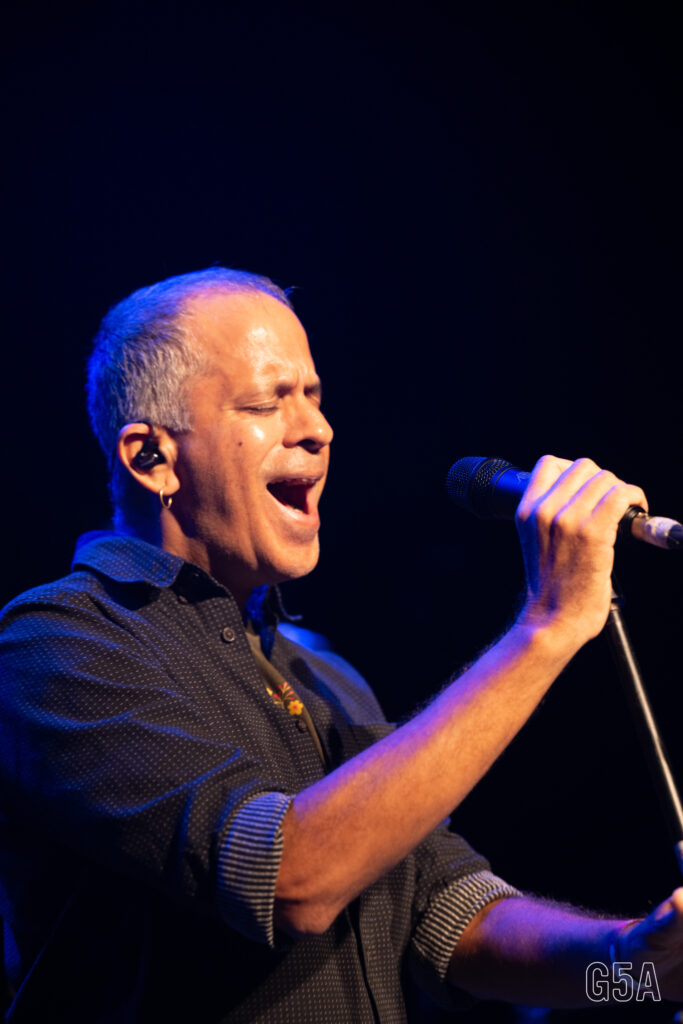
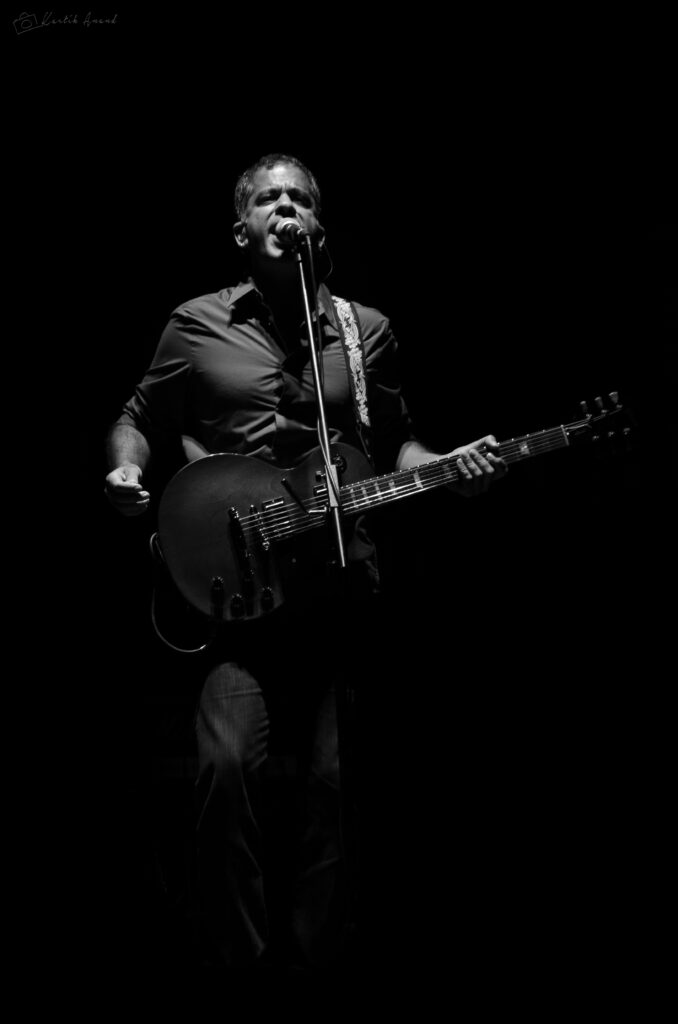
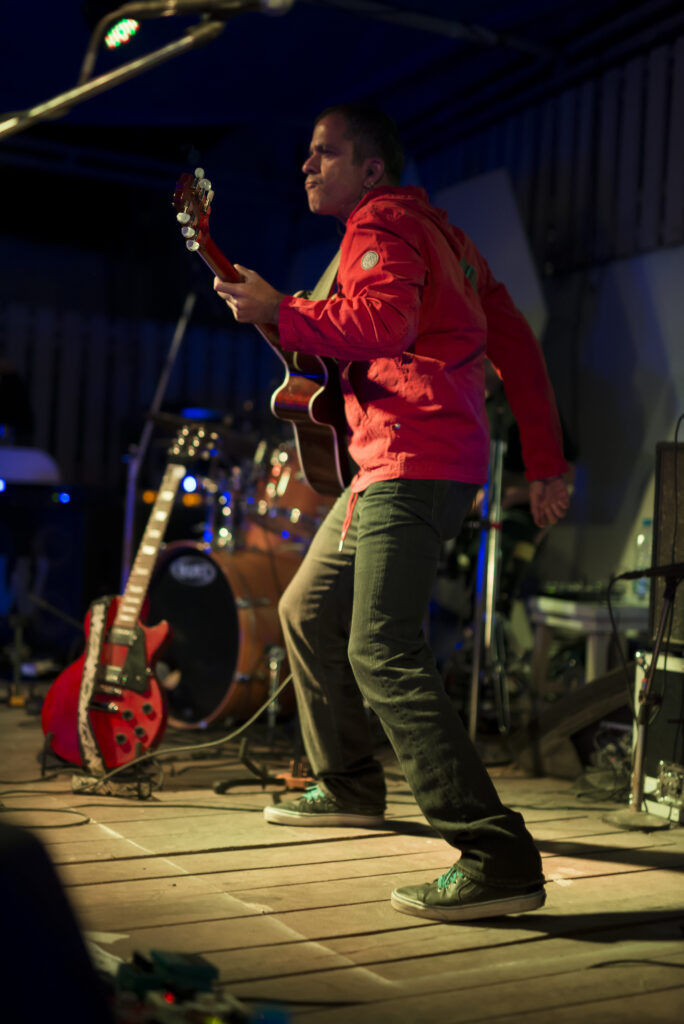
Picture Credits: G5A | Kartik Anand | Tonmoy Saha
Success Was Never Individual
The mythology of the solo genius, the singular visionary who wills a movement into existence, is one of the most persistent and misleading stories in creative culture. Uday doesn’t buy it.
“I’m a believer in the idea of ‘my success is your success, and vice versa'” he says.
It’s a deceptively simple statement, but the philosophy it contains runs deep. Success, in this frame, isn’t a finite resource to be competed over. It’s something that expands when it’s shared.
He applies the same logic to Indus Creed’s place in the broader arc of Indian rock. “We were and remain wheels amongst other wheels in this movement.” Not drivers. Not architects. Wheels. The image is worth sitting with. A wheel doesn’t claim the road. It contributes to motion.
Movements are never built by one person, or even one band. They’re built by everyone who shows up, consistently, and keeps going.
Building Before There Was an Industry
Indus Creed didn’t emerge into a ready-made infrastructure. There was no established touring circuit, no mainstream radio support, no industry template for what they were doing. And yet, they weren’t starting entirely from scratch either.
“We were not the first to do it,” Uday acknowledges.
That clarity matters. It resists the vanity of claiming origin, and instead positions the band as part of something continuous, something larger than their own story.
What kept them going wasn’t the promise of immediate reward. It was something more unglamorous. “We were stubborn and kept going.” In creative life, stubbornness often gets undervalued. We celebrate inspiration and talent, but the artists who endure are usually the ones who simply refused to stop.
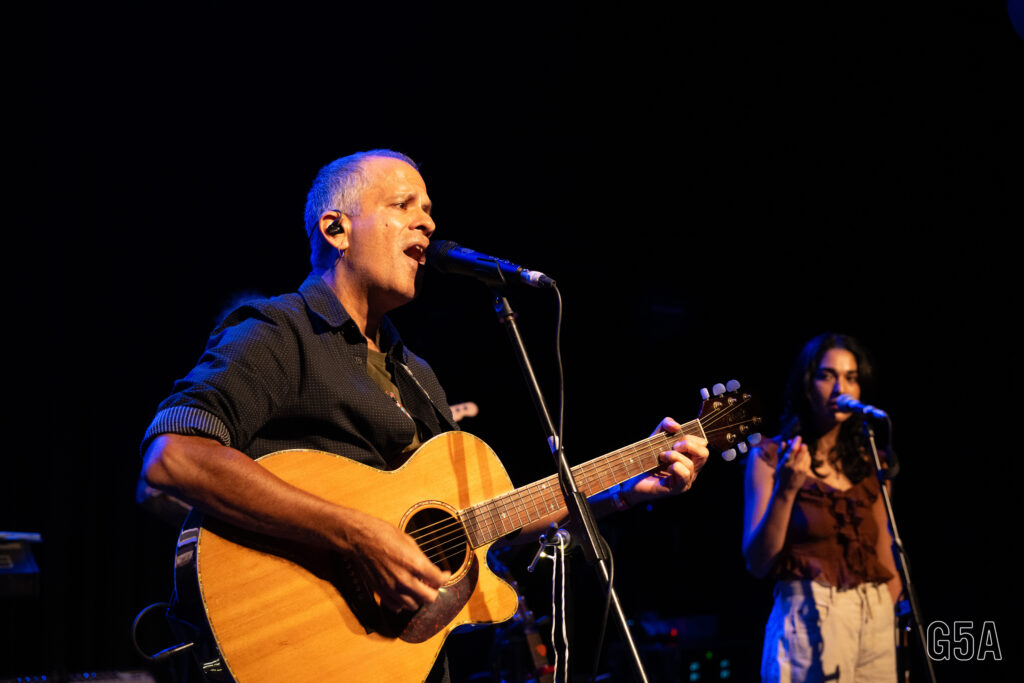
Picture Credits: G5A
Why Craft Still Matters
Somewhere in the noise of content creation and personal branding and audience-building, the conversation about craft has grown quieter. Uday brings it back.
His advice is direct: “Learn your craft.” And then, more specifically: “Learn your instrument really well.” But he doesn’t stop at the technical. The third instruction is the most searching of all: “Get to know yourself even better.”
It’s a sequence worth following. Technical skill without self-knowledge produces competence without voice. And creative work without a distinct voice is just noise, however polished. The two forms of learning, the external and the internal, grow together. One without the other is incomplete.

Picture Credits: Siddharth Samanth
Ignore Trends
This one feels almost radical in the current creative climate, where algorithms reward timeliness and relevance is measured in engagement metrics and shelf life is shrinking.
“Stop paying attention to trends,” Uday says plainly. The reasoning is just as clear: “Your own voice is far more powerful than the transience of fads and flavours.”
Trends, by definition, pass. They’re designed to. The artists who survive them are not the ones who chased each wave but the ones who were already committed to something deeper, something that belonged to them specifically and couldn’t be replicated by simply following the same playbook.
Authenticity isn’t just an aesthetic choice. It’s a survival strategy.
Life Is the Greatest Teacher
There’s a tendency, especially in the early stages of a creative career, to treat success as the primary education. But Uday points elsewhere.
“Life is the greatest teacher,” he says. “Especially the heartaches.” He doesn’t romanticize the pain, but he doesn’t dismiss it either. “That’s the fount of creativity.”
It’s worth sitting with that word: fount. Not source, not origin, but fount. Something that flows continuously. Difficulty, loss, confusion, grief. These aren’t detours from a creative life. For many artists, they are the substance of it.
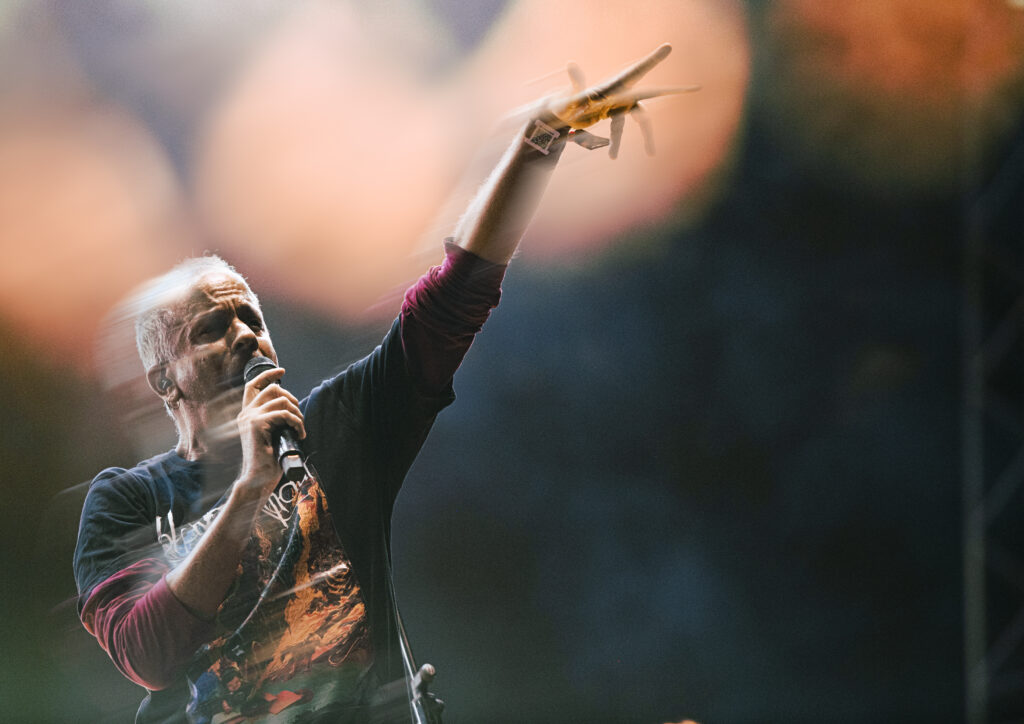
Picture Credits: Vismaya
Rethinking Longevity
Most conversations about longevity focus outward. Staying relevant to audiences, adapting to markets, maintaining visibility. Uday reframes the whole question.
“As long as you are relevant to yourself, the road will never end.”
That shift from external to internal validation changes everything. It removes the dependency on an audience’s approval as the measure of a creative life’s worth. It places the artist in conversation with themselves, first and always. The audience becomes secondary, not because they don’t matter, but because the work must mean something to its maker before it can mean something to anyone else.
Picture Credits: Vismaya
Professionalism as Respect
Uday speaks about professionalism not as a corporate value but as an ethical one. “Being professional is one,” he says, before unpacking what that means in practice: “Respecting other people’s time and space.” And then, practically: “Learn your parts before you get to rehearsal.”
That last instruction is specific enough to feel instructive beyond music. Showing up prepared, not just present, is an act of respect. For collaborators, for the process, for the work itself. Professionalism, understood this way, is a form of generosity.
Humility Never Stops Teaching
Talent, experience, and recognition all have a common risk: they can close you off. The more you accumulate, the easier it becomes to stop listening.
Uday is clear about the antidote. Of all the things experience might bring, “they will never be more important than being humble.” And he identifies one concrete effect of that humility: “It does lead you to listen more.”
Listening more. In music, in conversation, in creative life generally. The willingness to keep receiving, rather than only transmitting, is what keeps growth possible.
Music Is Play
Somewhere along the way, many artists start treating their work like labor, all pressure and output and optimization. Uday pushes back against that.
“Don’t take it all so seriously,” he says. “Music is play, not work.” And then, perhaps the clearest distillation of his philosophy: “Do what you love and love what you do.”
It sounds simple. It’s actually one of the hardest things to maintain across decades. Joy is not the default state of a long creative career. It has to be protected, returned to, chosen repeatedly. But when it’s present, everything else follows more naturally.
Human Be
Uday’s recent EP carries a title that reads less like a project name and more like an instruction. Human Be.
“It is my response to a world that seems to have terribly lost its way,” he says. The music circles around values that feel both timeless and urgently needed: “Love, compassion and empathy.” And at its philosophical core: “We are each and all sovereign souls.”
After four decades, the message has not grown smaller or more comfortable. It has grown more personal, more direct. More necessary.
Never Knowing What’s Next
Ask Uday what comes after, and the answer is honest in a way that most public figures resist. “I have no clue what’s ahead.”
Not a deflection. Not false modesty. A genuine openness. The healthiest creative careers leave room for surprise, for the unexpected turn, for the project or collaboration or idea that couldn’t have been predicted. Certainty can be a form of closure.
Perhaps the secret to a long creative life isn’t holding onto yesterday.
It’s remaining curious enough to keep discovering tomorrow.
Follow Uday Benegal on Instagram
Lubdhak Biswas is a musician, entrepreneur and a tattoo artist based out of Kolkata (India).
He documents underground culture at the crossroads of tattooing and music.
His work focuses on craft, tools, ethics and the real working realities of creative industries.