Most people hear metal before they try to understand it. And because of that, they often mistake intensity for emptiness.
We live in a hyper-curated culture that loves to place art into neat, easily digestible boxes. When a subculture does not fit those polite boundaries, society tends to look the other way. We dismiss anything that sounds too loud or looks too aggressive. It is much easier to write off an entire movement as noise than to sit with the discomfort and figure out what the noise is actually trying to say.
But what happens when we look closer? Beneath the distorted guitars and the dark imagery lies a deep, intricate space where people find their voice, build their identities, and process their collective anxieties.
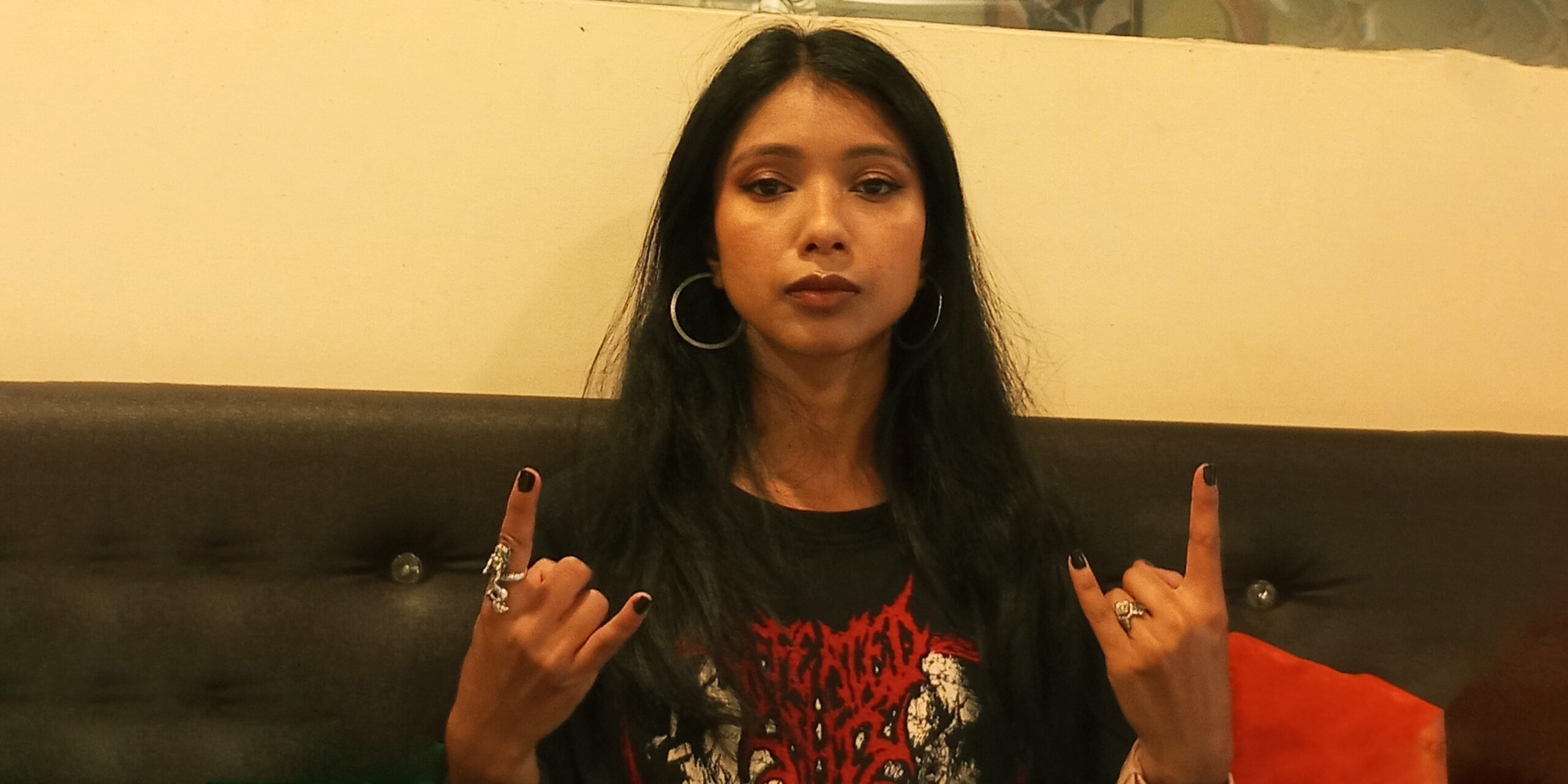
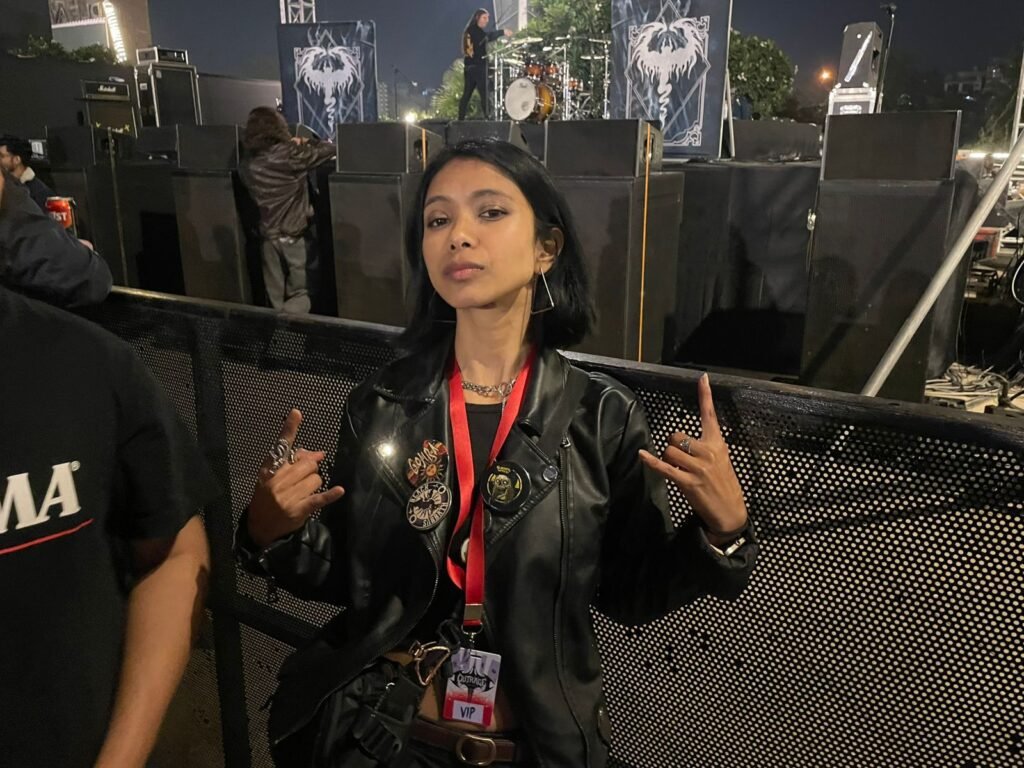
Genuica Majaw, a folklorist, writer, and academic from Meghalaya, understands this better than anyone. Through her doctoral research into metal music, she explores the intersection of indigenous folklore, oral traditions, and the cultural landscape of Northeast India. Her work challenges us to stop viewing metal merely as an aesthetic preference. Instead, she asks us to see it for what it truly is: a living, breathing cultural framework.
When Passion Becomes Inquiry
Sometimes the things closest to us become the most intellectually important. For a long time, the music we connect with most deeply exists separate from how we analyze the world. We participate in the scene, we go to the shows, and we find a sense of belonging without overthinking the mechanics of it.
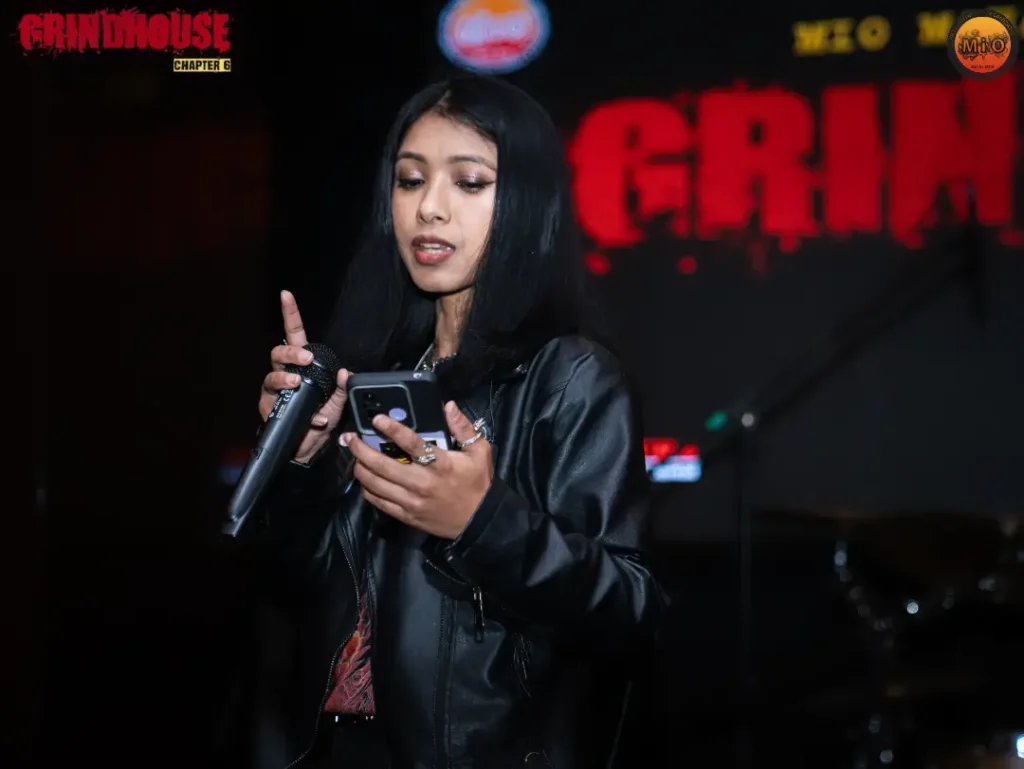
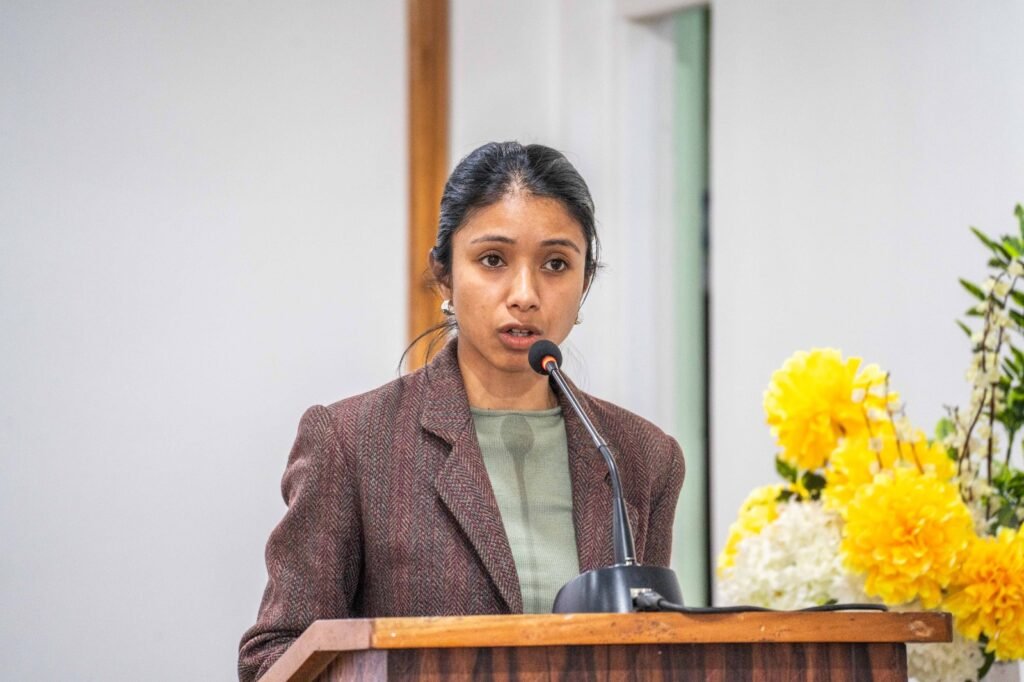
Image Credits: Mio Management | Kerme Lamare
For Genuica, moving from a devoted listener to an academic researcher was not a sudden decision. The shift occurred gradually, born out of the friction between lived experience and the way institutions view that experience.
“The shift from engaging with metal as a listener to formalizing it as a doctoral subject is rarely a single ‘moment’ and more often an accumulation of intellectual tensions that eventually demand articulation,” she explains.
That tension arises when a vibrant music culture is constantly pushed to the margins of serious conversation. Eventually, this dynamic “transforms passion into a research problem.”
The Problem With How Metal Is Seen
Cultural bias shapes what academia considers worthy of study. While genres like classical and jazz have successfully transitioned into the realm of high art and serious study, metal is still fighting to be taken seriously.
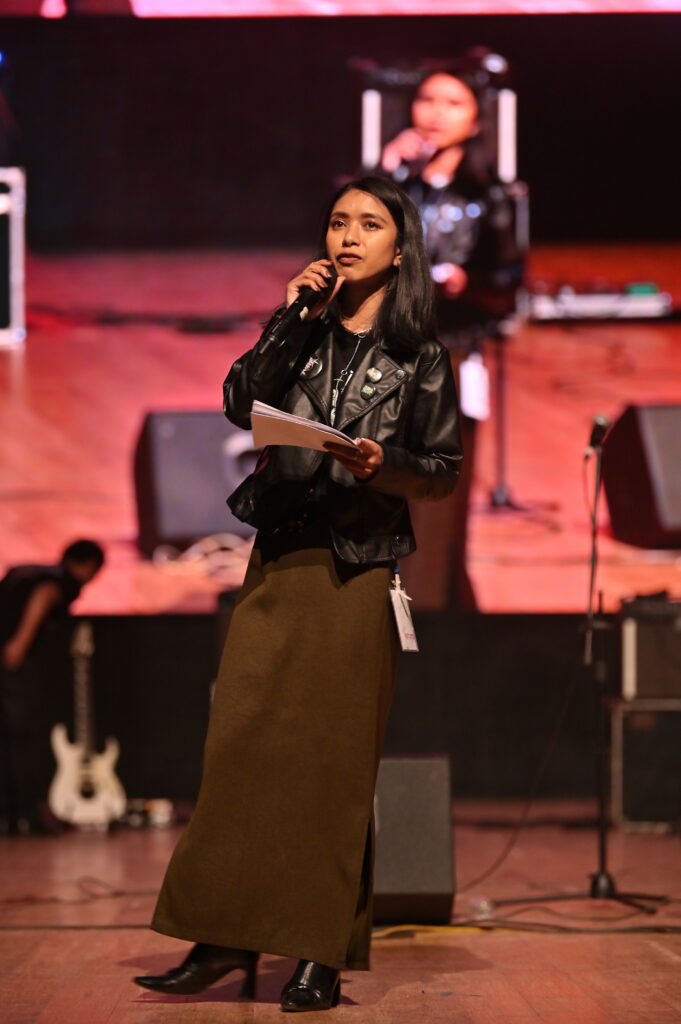

Image Credits: Zion Photography
This bias prevents people from seeing the intricate architecture of the subculture. The sound and the style act as a barrier to entry for those unwilling to look past the surface. Genuica recognized that this specific artistic space remains significantly underexplored, especially within the Indian subcontinent.
“For many, it is dismissed as merely loud, aggressive, or chaotic and such perceptions obscure its structural complexity, cultural depth, and expressive power,” she notes.
The refusal to engage with the genre honestly is a failure of cultural observation.
Metal as a Cultural System
When you step past the misconceptions, you realize that metal functions far beyond music. It provides a space where people negotiate their self-worth, find their tribe, and express their most authentic feelings.
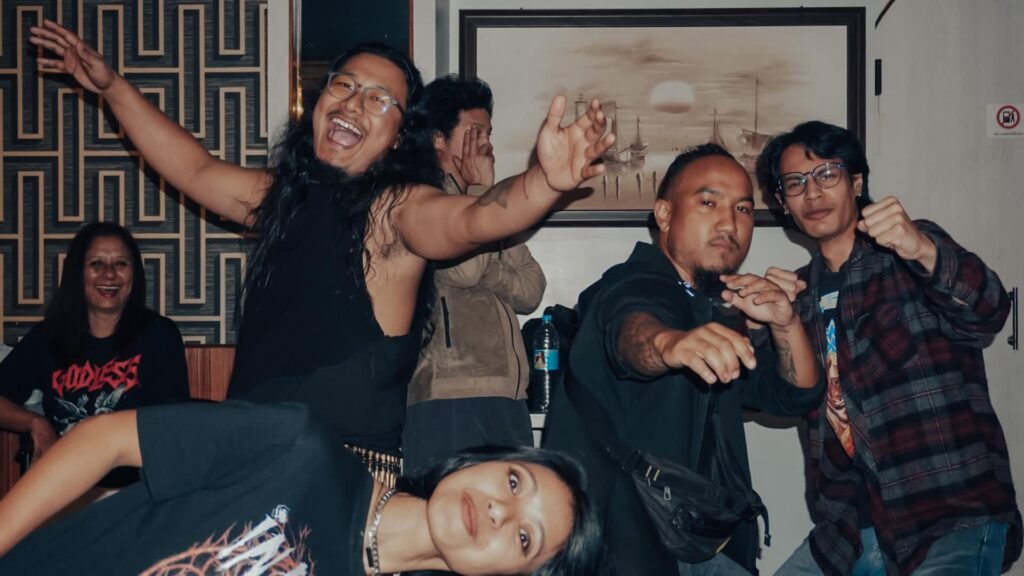
Image Credits: Nathaniel Raymond Wahlang
By applying the principles of Cultural Studies and Folklore Studies, the scope of the music expands dramatically. We can begin to “reinterpret metal not merely as music, but as a form of expressive culture, something that is complete with its own rituals, symbols, narratives, and modes of identity formation.”
The Local Inside the Global
Global genres survive through localization. A song written in a completely different hemisphere can resonate deeply with someone in a small provincial town, simply because the emotional core translates perfectly. But to truly thrive, the local culture must inject its own blood into the music.
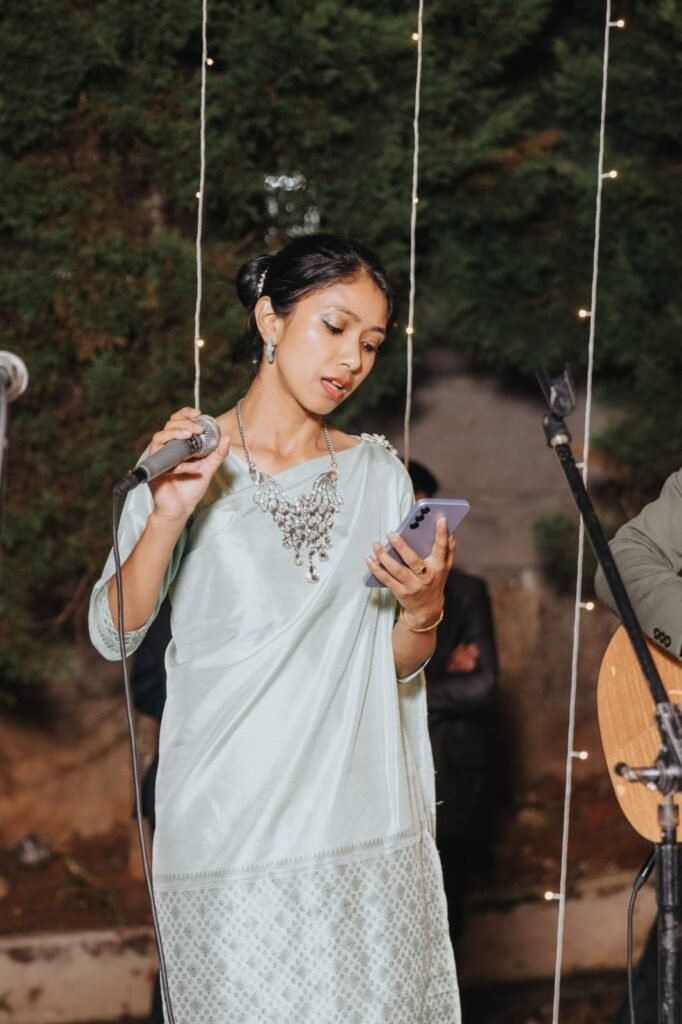
Genuica observed this happening in her own backyard. Bands in Meghalaya were taking a global sound and weaving in their own language, folklore, and indigenous instruments.
“This creates a productive tension,” she points out. “How does a global form like heavy metal become a vehicle for local identity? That question alone can sustain a doctoral inquiry.”
Myth, Folklore, and Collective Memory
We often think of folklore as dusty stories from the past. Yet, human beings never stopped creating myths; we just changed the instruments we use to tell them. Metal operates very much like modern folklore, continuing a long tradition of oral storytelling.

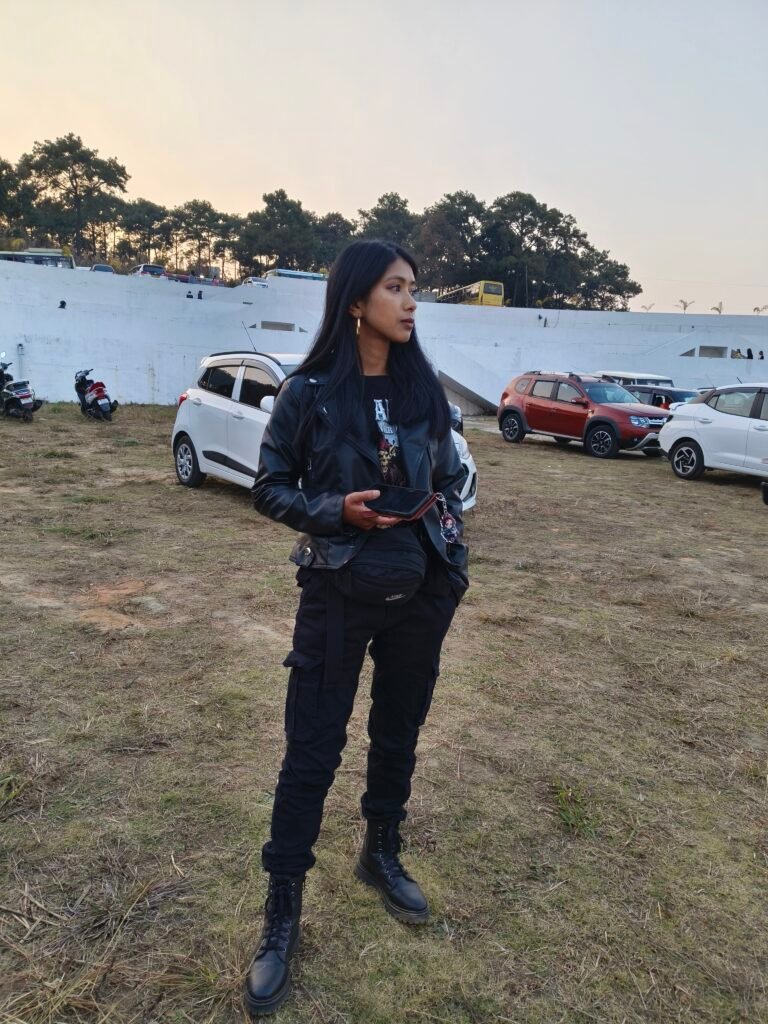
Image Credits: Hamarbabiang Myrthong
The recurring themes of survival, chaos, and heroism are not random. They serve a profound psychological purpose. The music creates a “contemporary mythopoetic space where listeners and performers collectively negotiate existential questions.” The songs become vessels, carrying cultural memory and offering listeners a way to face their internal battles.
Symbolism Beyond Shock Value
Extreme imagery often encodes cultural anxieties and existential themes. To an outsider, the visual language of metal—skulls, darkness, and apocalyptic visions, might seem like a desperate cry for attention or pure shock value.
But through the lens of a folklorist, this imagery carries weight. These elements function as “symbolic language.” They give people a way to articulate fears and moral tensions that polite society refuses to acknowledge. Instead of running from the darker aspects of human existence, the subculture creates a safe environment to confront them head-on.
Performance as Ritual
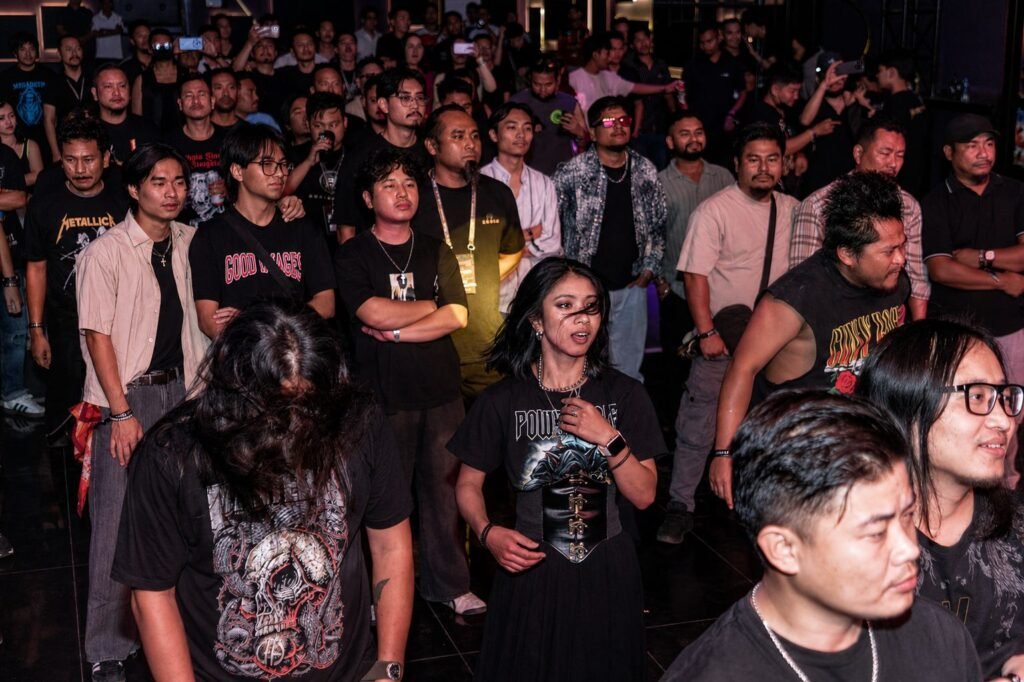
Music is rarely meant to be consumed in total isolation. The true power of any subculture lies in the physical spaces where the community gathers. Metal is experienced collectively, not individually.
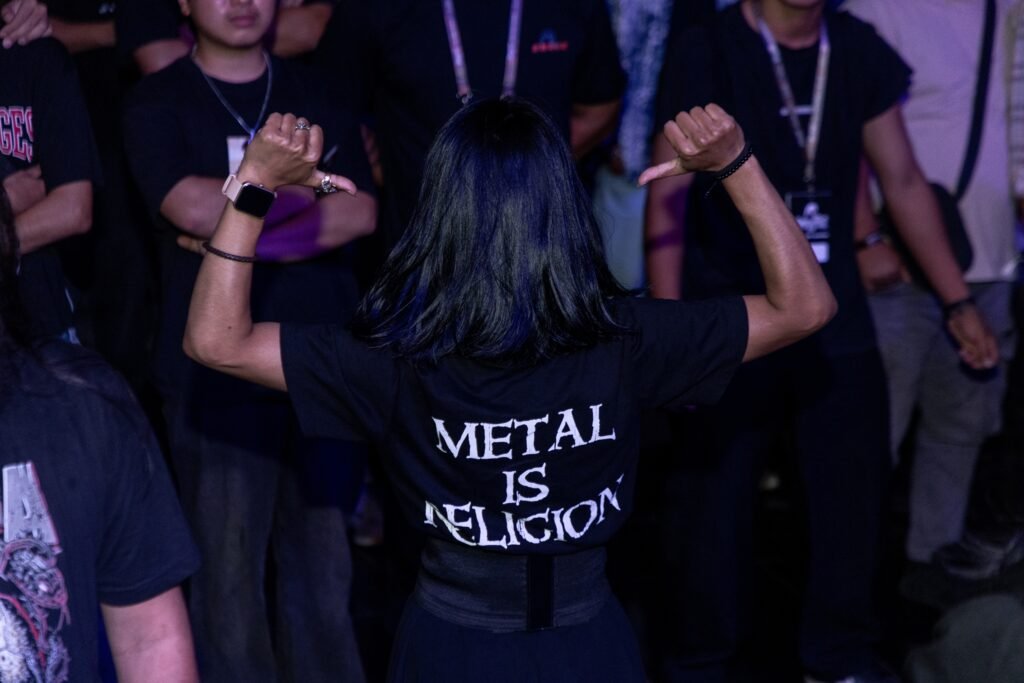
The energy of a live show serves a deeply human need. The concerts, the mosh pits, and the shared iconography all act as modern gatherings. They resemble what researchers call “participatory or communal rituals.” In these packed rooms, personal identity is enacted and reaffirmed alongside hundreds of like-minded souls.
Why Metal Changes Across Cultures
When a subculture travels across borders, it faces a challenge. How does it adapt to a new environment without losing the essence of what made it special in the first place?
The answer lies in the way local musicians interpret the aesthetic codes. The foundational elements of the music remain intact, but the vocabulary changes to fit the landscape. Genuica explains that “metal becomes a medium through which local identities are articulated in a globally intelligible form.”
In other words, the music “adapts through translation rather than transformation.” It holds onto its intense core while allowing the specific language and cultural memory of the region to shape the final product.
Challenging Western-Centric Narratives
Non-Western scenes are not derivative. They are highly generative. Yet, academia often places Euro-American experiences at the absolute center of the conversation.
This narrow focus erases the rich, complex histories of music scenes in places like India and Northeast India. These local movements are deeply intertwined with their own unique histories and traditions. By focusing her research here, Genuica aims to correct the narrative. Her work pushes back against the assumption of a homogeneous culture, fighting the tendency of “non-Western scenes being treated as derivative rather than generative.”
The Fear of Sterilizing Culture
Some subjects lose their meaning when they are over-explained. There is an inherent danger in bringing raw, lived culture into the sterile halls of academia. If you dissect a living thing too thoroughly, you risk killing the very spirit that made it beautiful.
When asked how she maintains analytical rigor without reducing the music to a lifeless subject, Genuica offered a refreshingly honest pause.
“I think I shall refrain myself from answering this question as I am also trying to make sure that metal is not reduced to a sterile subject,” she answered. “And that in itself has been quite a task cause the first one who is going to suffer if I fail would be me since I hardly enjoys other forms of music.”
Rewriting the Framework
The goal of observing a subculture should never be to force it to assimilate. Metal should be understood as a dynamic cultural system, completely valid on its own terms.
Genuica’s research serves a dual purpose. It aims to elevate the understanding of a deeply misunderstood community, but it also points a mirror back at the institutions that judge art. The ultimate ambition is to “use metal to challenge the boundaries of academia itself.”
Maybe the real question was never why metal matters. Maybe the real question is why certain forms of expression are denied seriousness until institutions approve of them.
Follow Genuica Majaw on Instagram

Lubdhak Biswas is a musician, entrepreneur and a tattoo artist based out of Kolkata (India).
He documents underground culture at the crossroads of tattooing and music.
His work focuses on craft, tools, ethics and the real working realities of creative industries.