Some bands are built around performance. Others are built around honesty.
We spend so much time hiding our softer edges, especially in spaces that demand volume. For women in alternative music, the expectation is often to wear armor, demanding a tough, impenetrable exterior. True resonance rarely comes from a hardened shell, though. It stems from the quiet courage of emotional vulnerability.
There is a unique friction in finding softness inside a heavy sound. It requires an environment where emotional honesty can breathe freely, allowing artists to strip away the noise of expectations. This kind of expression thrives on deep collaboration. It requires artists to root their work in trust rather than ego, navigating the messy reality of modern life together.
When we look at the underground music culture of Kolkata, one collective beautifully embodies this delicate balance. Through their distinct approach to art and community, Aste Ladies reflects how we navigate our own paths of self-discovery and collective belonging.
A Band Built From Different Energies
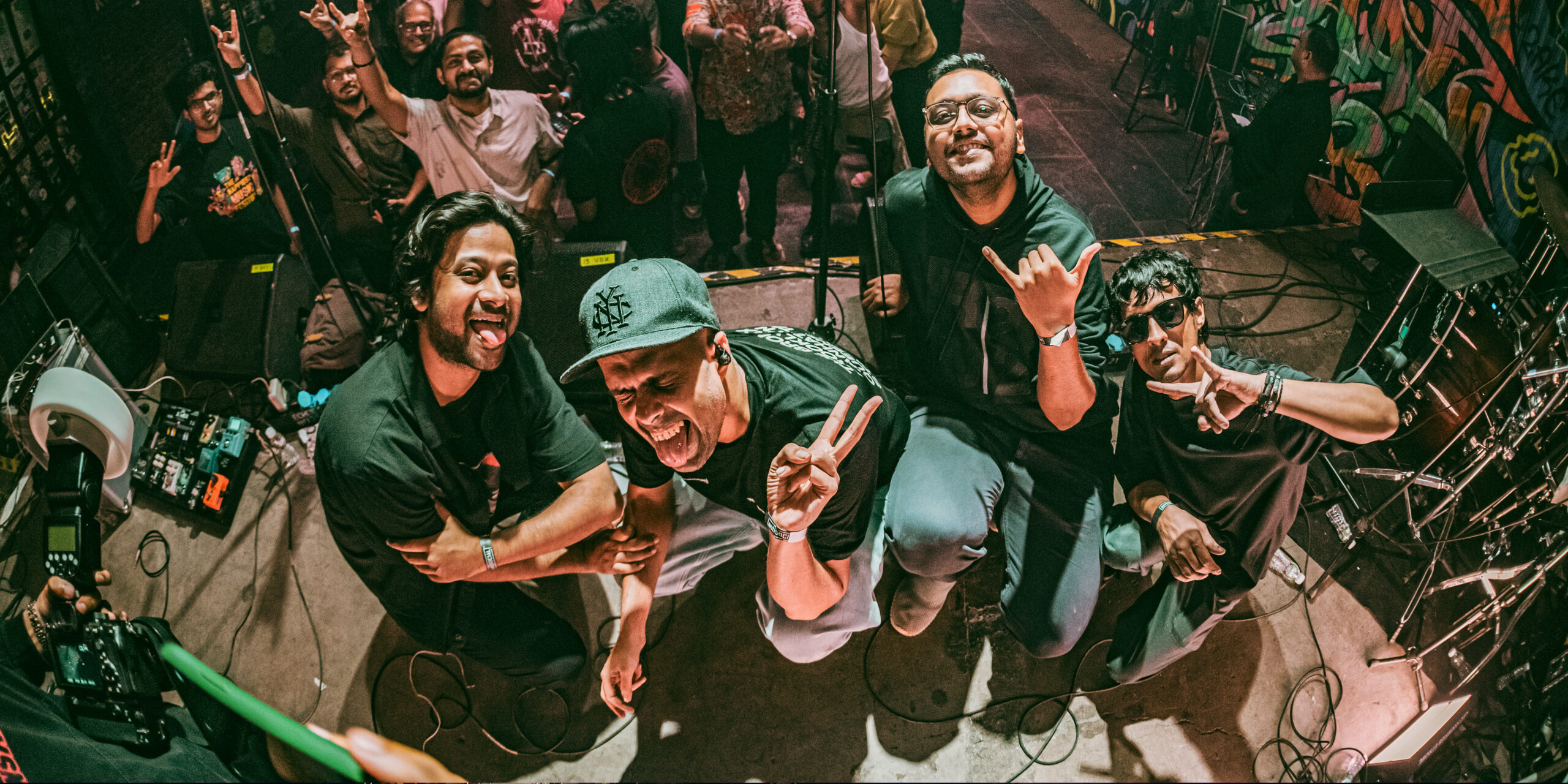
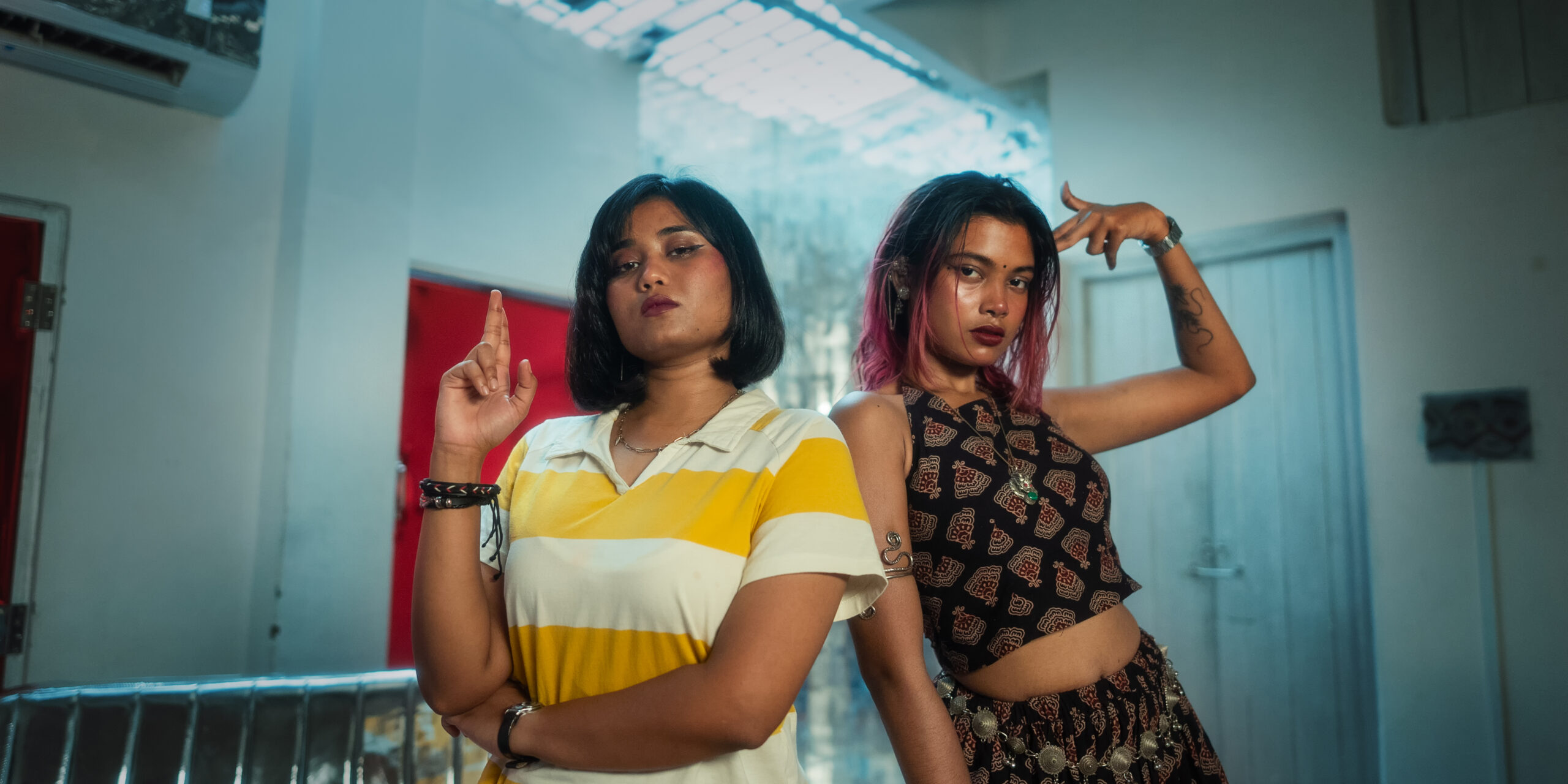
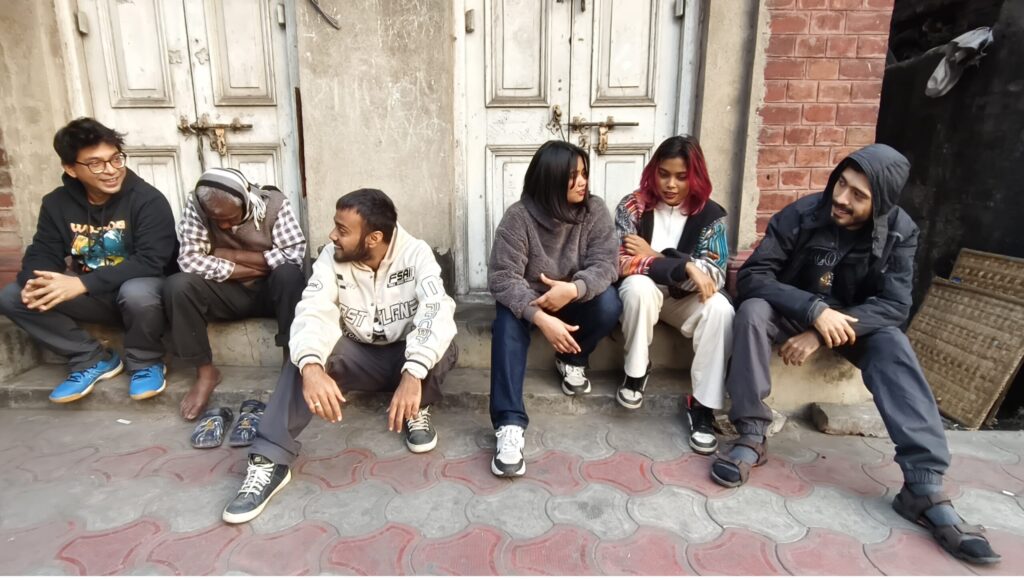
Aste Ladies operates as a unified force, yet their strength lies in their distinct individual parts. The crew features MC Disha and Rialan delivering sharp raps, Pagla Dashu laying down the rhythms on drums, Jatiyo Poshu crafting guitar compositions, and Cizzy handling production, melodies, and vocals.
Together, they form a vital piece of a growing local community aiming to foster a genuine, supportive culture. It is an ecosystem “where artistes collaborate, support each other and create independently together.”
“We’re also part of #thekverse, a growing community trying to build a “band of bands” culture where artistes collaborate, support each other and create independently together.”
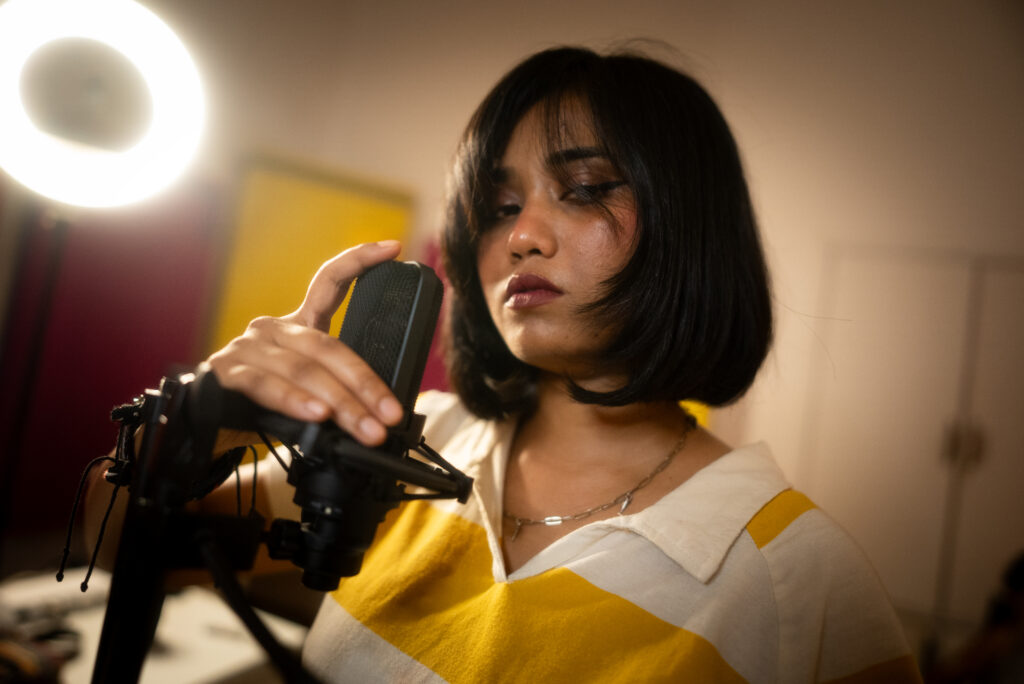
When you listen to their tracks, you immediately understand that identity can exist collectively without disappearing individually. No one has to shrink so the group can take up space.
Softness Inside Contemporary Bangla Hip-Hop
The sound they produce defies easy categorization. They weave together elements of hip-hop, alternative pop, R&B, and live instrumentation. But the genre labels quickly fall away once you listen to the emotional depth driving the tracks. Genres matter far less than emotional truth.
As the band notes, “Aste Ladies is contemporary Bangla hip-hop where we speak about things happening around us ; socially, politically and personally.”
They tackle heavy subjects, like the tragic bombing of a girls’ school in their song Minaab, while maintaining the freedom to create high-energy tracks. The music shifts fluidly between raw reflection and vibrant release.
Building a Sound Through Collaboration
Creating this kind of dynamic music requires a specific kind of environment. When artists gather in a room, the process has to remain fluid. Music becomes stronger when ego leaves the room, allowing ideas to shape themselves naturally.
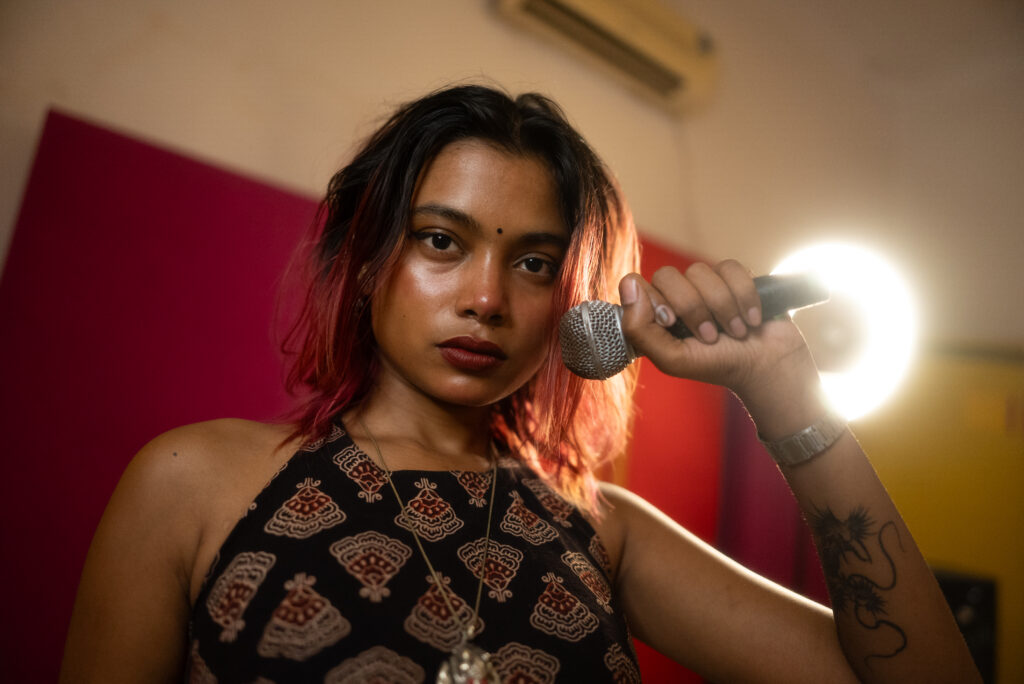
The early days of their creative process were raw and unforced. It involved “Jatiyo Poshu bringing in guitar ideas, Pagla Dashu shaping rhythms on drums, Cizzy working on sequences, melodies, lyrics and vocals, while the ladies wrote raps around those ideas.”
Sometimes a track blossomed from a rhythmic groove, and other times it poured out from a deep emotional well. That creative freedom allowed them to build a sound rooted entirely in shared human experience.
More Than Just a Women-Led Band
Representation becomes strongest when it feels natural instead of performative. The collective did not set out to become a marketing talking point. They simply wanted to make music that felt real to their everyday lives.
Even their name stems from a mundane, daily interaction.
“The name comes from something people hear every day in Kolkata buses — “Aste Ladies.” It sounds harmless, but it reflects how women are often seen as fragile or weaker.”
Instead of accepting that perception, they chose to “take that everyday phrase and turn it into something powerful through music.” They claimed the narrative on their own terms.
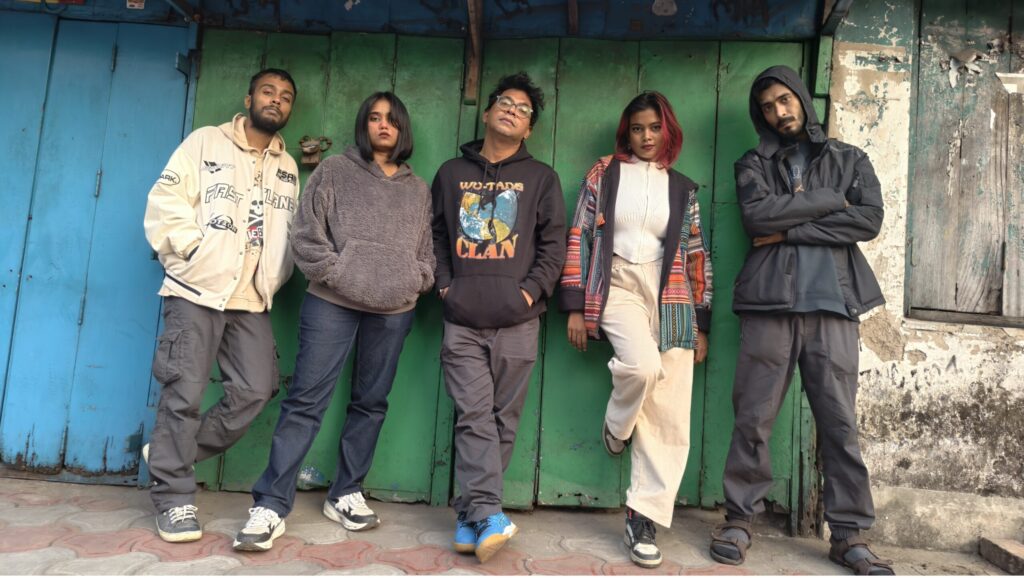
Vulnerability as Strength
We frequently confuse softness with weakness. We are taught to guard our feelings, fearing that openness will leave us exposed. But articulating your lived experience requires immense bravery.
For the members of Aste Ladies, leaning into this project offered a pathway to deeper personal clarity.
“It made us more fearless about expressing ourselves,” they observe.
Being part of a collective that champions open dialogue helps individuals grow into stronger, more secure versions of themselves.
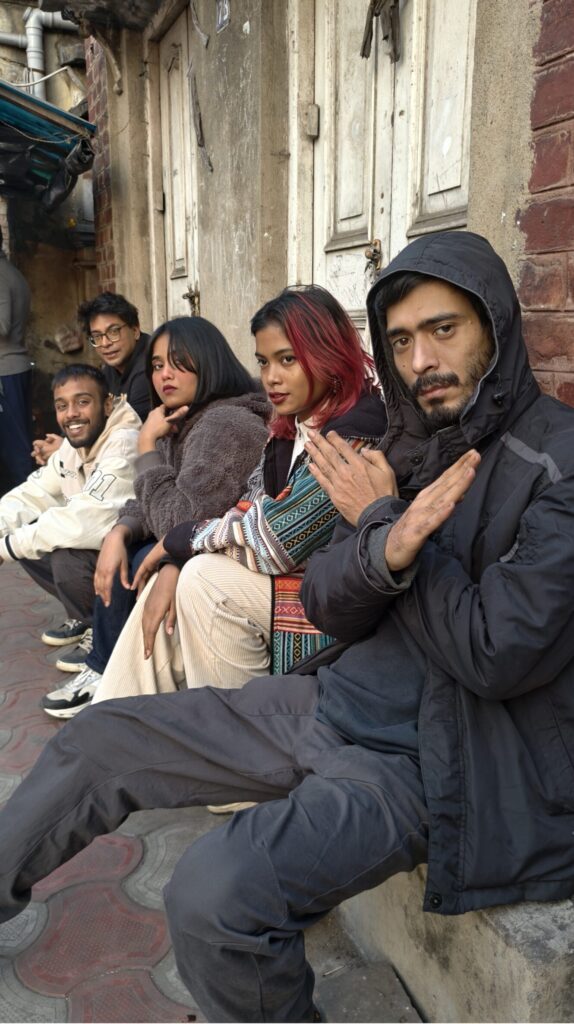
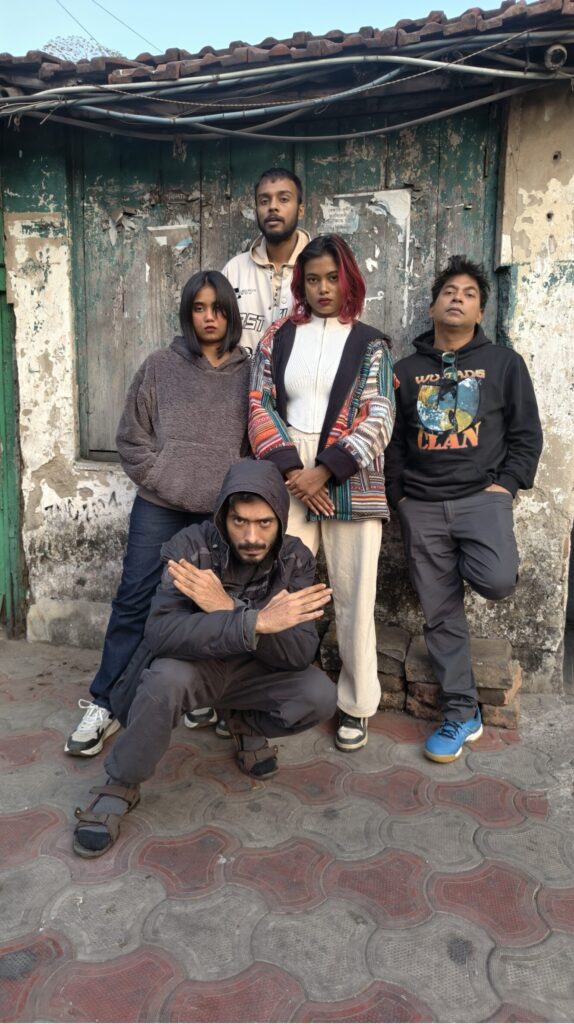
When People Started Connecting
Art exists in a vacuum until it reaches an audience. The moment private emotion becomes collective experience alters an artist’s trajectory forever.
This realization hit the band during a live show at 5 Mad Men, where they performed tracks addressing labor rights and severe social injustices. The energy in the room shifted entirely.
“Seeing people react emotionally and scream the lyrics back at us made us realise the connection was much bigger than music.” That shared catharsis bridges the gap between the stage and the floor, creating a sanctuary for everyone present.
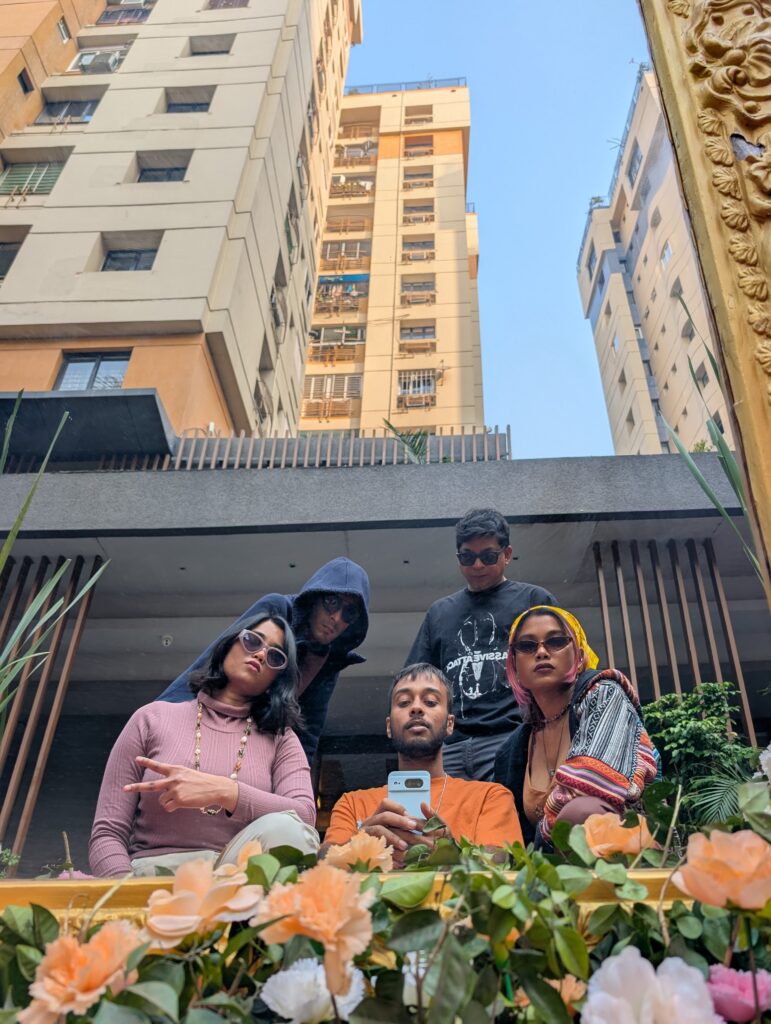
Misunderstood Presence
Women who speak directly and passionately in alternative music are routinely misunderstood. When artists tackle heavy subjects with conviction, audiences sometimes misread their intensity.
“Some people think we’re angry all the time because we speak directly,” the band explains. “But our music also comes from love, vulnerability and personal experiences. It’s not just aggression ; it’s honesty.”
That emotional directness is a gift. It invites listeners to confront their own feelings without the pressure to constantly smile or soften their edges for someone else’s comfort.
Existing Between Intimacy and Performance
Navigating the stage requires a delicate balance between putting on a show and maintaining emotional transparency. Aste Ladies manages this by staying entirely grounded in their collective reality.
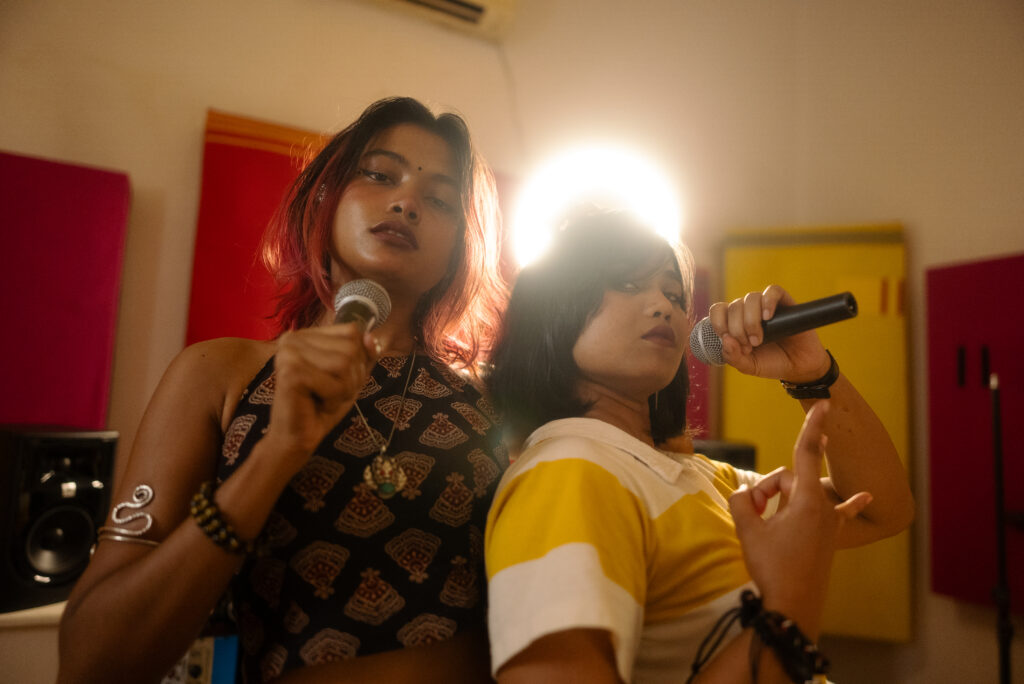
Their live performance energy is not a theatrical act. It is a real-time processing of the world around them. When they perform, their stage presence commands attention precisely because it lacks artificial polish. They allow the audience to see them sweat, feel, and breathe.
Building Slowly Without Losing Identity
Sustainable artistry grows through honesty, not speed. In a highly curated digital landscape, the pressure to go viral often fractures a group’s foundation.
Aste Ladies avoids this trap by leaning on their unique individual strengths. “Each person brings their own style, personality and influences, and that difference is actually what makes the group stronger.”
By nurturing their independent growth within the underground culture, they ensure that their collective output remains authentic. They are building a house with deep roots, brick by honest brick.
What Aste Ladies Represent Beyond Music
Ultimately, the collective stands for something far larger than an engaging setlist. They represent a fundamental shift in how women and alternative artists occupy underground spaces.
They are actively working to build “a space where people can speak openly without pretending.” It is an environment where fearlessness and realness are the only entry requirements.
By demanding space on their own terms, they give permission for others to do exactly the same. They remind us that the most radical thing you can do in a noisy world is to be entirely, unapologetically yourself.
The Human Element
We spend a lot of time trying to project the most polished versions of ourselves. We curate our lives, hoping to appear larger and more flawless than we actually are. But true connection relies on the cracks in the armor.
When artists embrace their softer edges and voice their deepest fears, they create a roadmap for the rest of us.
Not every band is trying to sound bigger.
Some are trying to sound more human.
Follow Aste Ladies on Instagram
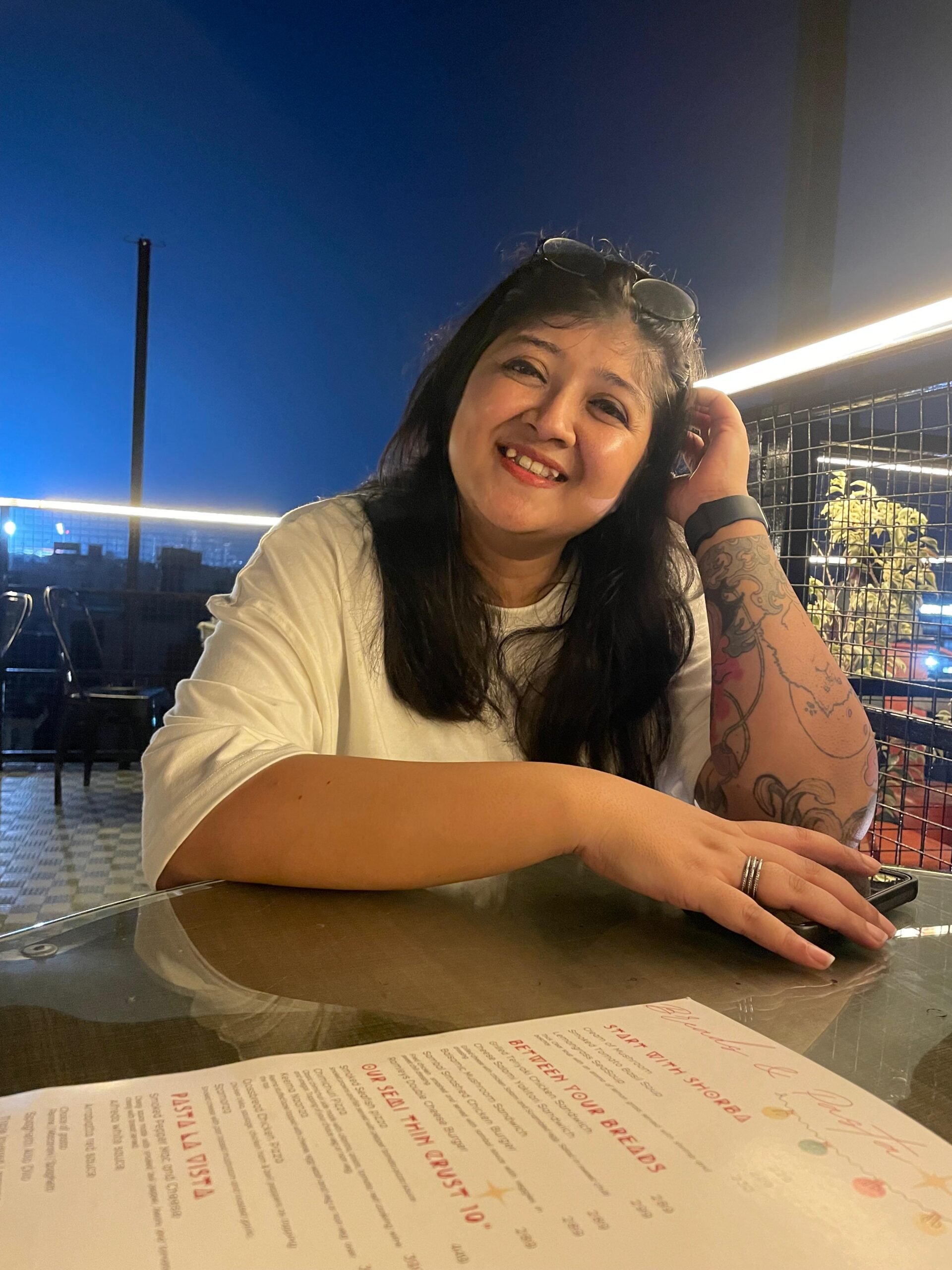
Oeshi B Lyndem is a visual artist, tattoo artist, graphic designer, and entrepreneur with a foundation in graffiti and street culture. Rooted in hands-on craft and making, her practice moves fluidly across illustration, street art, design, and experimental creative processes. With lineage from Shillong—often regarded as India’s rock capital—she carries a distinct cultural influence into her work. At Goofy Owl, she curates and leads the street and hip-hop culture segment through an intuitive, deeply creative, and entrepreneurial lens.