Some reunions are performances. They dress up nostalgia and sell it back to you at full price. You sit in the crowd, smiling at familiar songs, and somewhere underneath the warmth is the quiet awareness that what you loved is gone and this is just a well-produced memory.
Parashpathar’s return is not that.
The Bengali rock band, one of the most beloved acts to emerge from Kolkata’s independent scene, is back after years of silence. And if you are wondering whether the music held up, whether the chemistry survived, whether it still means something, the short answer is yes. The longer answer is what makes this story worth telling.
Coming Home
There is a specific kind of feeling that hits when something you thought was over turns out to still be alive. Rishi Chanda felt it the moment the band walked back on stage.
“Honestly, it feels like coming home after a long, hard journey and finding your room exactly how you left it. It feels like magic,” he says. “When we stepped away in 2005, we thought we were closing a chapter. We didn’t know that for thousands of people, those songs were still living their lives. They played at college fests, during breakups, on overnight train rides, at addas that went till sunrise. We paused. But the music didn’t.”
For Ayan Banerjee, the return carried a different kind of weight, a recognition that something had grown in the silence.
“It is a very evolved version,” Ayan Banerjee says. “The songs remain the same, but the intricacies of the arrangements have changed. I feel the music has become more mature and evolved. When we left off, we were not making music with this level of maturity. But in a way, it still feels like we have started again from exactly where we had left.”
That balance, starting fresh while picking up from a familiar place, is harder to achieve than it sounds. Most reunions either lean too far into recreation or try too hard to modernize. Parashpathar seems to have found the middle ground almost naturally.
Why They Connected
Ask anyone who came of age in Bengal in the early 2000s and the name Parashpathar will pull something out of them. A specific song. A specific night. A specific person.
Rishi Chanda’s explanation for why the connection ran so deep is direct and unromantic in the best way.
“Simple. We were them. We weren’t rockstars. We were college kids with broken amps, pocket money problems, and quite often, one-sided love. We gave our chaos a tune.”
He remembers the road that built them. Driving for hours in a broken van, setting up in the sun, playing college stages like everything depended on it.
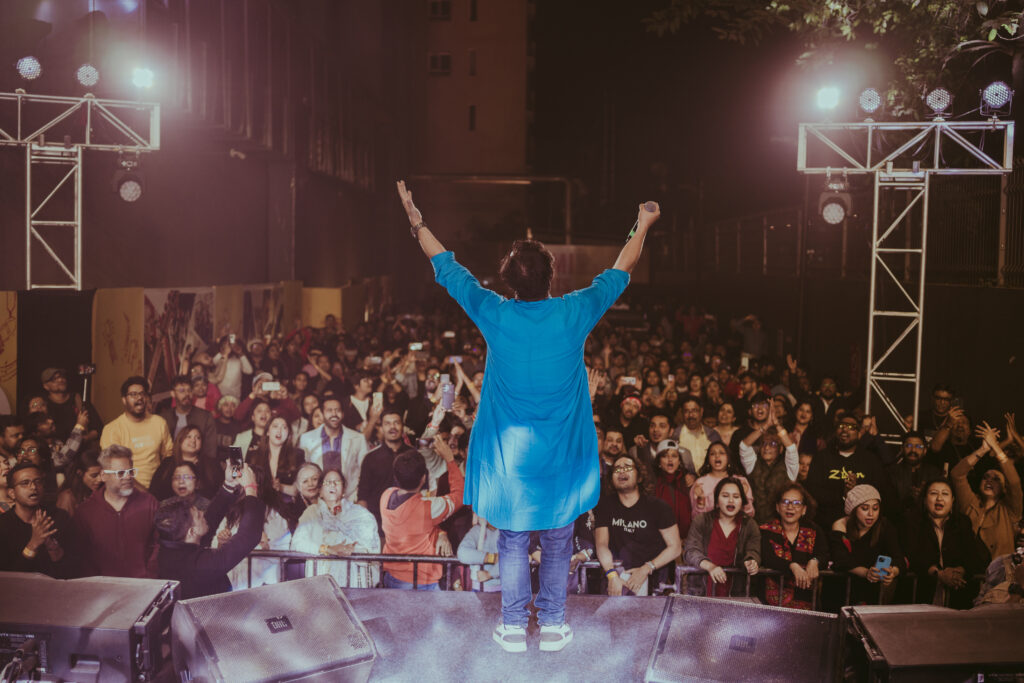
“That raw energy, that sweat, those amp blasts echoing off JU or Presidency walls, you can’t fake that. It was real blood and chords, not marketing. And we screamed in Bangla. The same language the audience cried in.”
Ayan Banerjee frames the connection a little differently, but arrives at the same truth.
“Our songs were original, melodious, and had a sweet rock-and-roll quality. If there are people who still have an ear for that soundscape, they will listen to us again.” He points to the richness of the current scene with genuine appreciation. “From Kolkata to Kakdwip to Cooch Behar, there are fantastic bands everywhere making original music.”

Songs That Were Never Calculated
Part of what made Parashpathar’s music feel so specific and so universal at once was that it never felt engineered. The nostalgia, the romance, the texture of everyday Bengali life woven through their lyrics, it always felt like it came from somewhere real.
It did.
“Never crafted,” Rishi Chanda says flatly. “We were just trying to survive our twenties. We wrote what was in front of us. We only promised one thing: never lie in a song. If we didn’t feel it, we didn’t play it.”
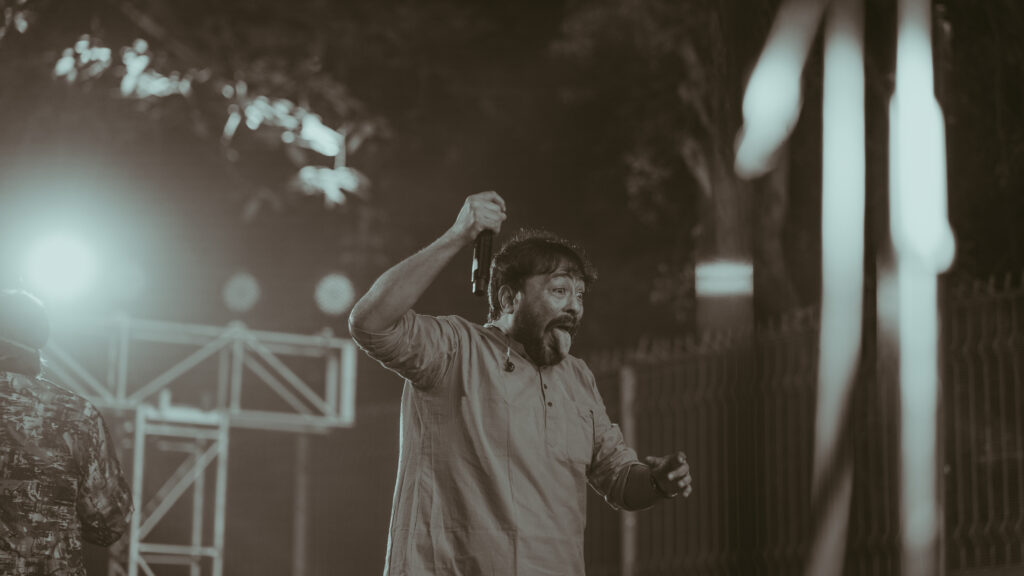
Ayan Banerjee echoes that instinct completely.
“It was completely natural. That is why we are still banking on the same naturalness. It was spontaneous and impulsive. We never thought, ‘Let us consciously make this kind of song so it becomes a hit.’ That has never happened in our unit.”
He talks about the way life feeds writing without the writer intending it. Everyday struggles, small observations, the way things feel at 2 a.m. when you are not sure what you want. All of it eventually shows up in the songs.
“Sometimes even nonsense lyrics come, and we let them remain that way. We do not forcibly add modern terminology just to make a song more popular.” He mentions a suggestion someone once made, to drop words like Facebook and Instagram into a song to chase virality. They passed.
“We believe the song should remain honest.”
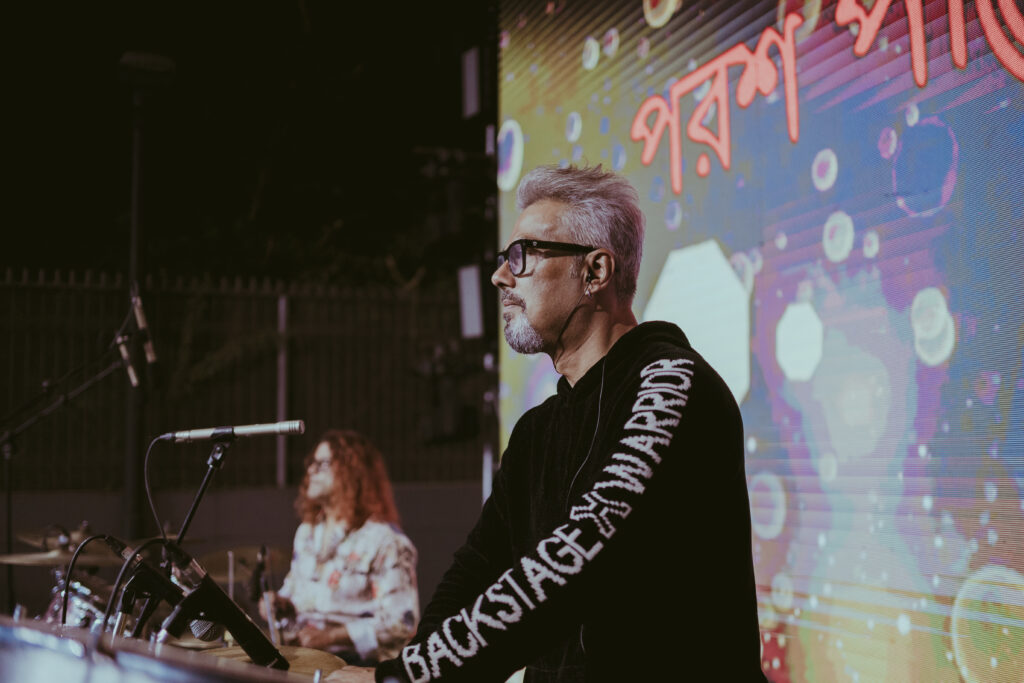
The Chemistry That Survived
One of the things that cannot be faked is chemistry. You can rehearse it, you can arrange it, but the real thing is either there or it is not.
Rishi Chanda talks about how time changed the dynamic inside the band, and not in the way you might expect.
“In our twenties, we were chaos. Five, six guys fighting to be heard in the same song. We’d argue over one chord for hours. Now? We’ve lived separate lives. Marriage, kids, jobs, loss, failures that had nothing to do with music. We came back quieter. Less ego, more ears.”
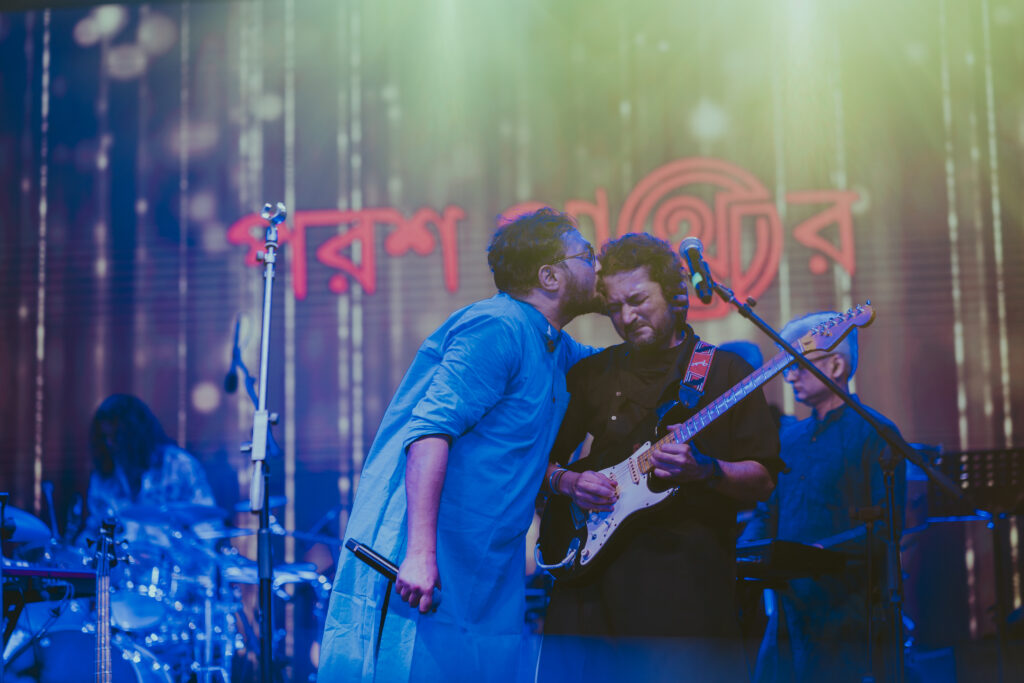
He describes the difference in feel.
“Back then it was gasoline and a match. Explosive, but messy. Now it’s precise. We throw something into the air and trust the other guy will catch it and make it gold. We’re not trying to be the band we were. We’re finally good enough to be the band we always wanted to be.”
Ayan Banerjee places himself in that story with characteristic self-awareness.
“I was always the most effervescent one in the group, almost like the outer-circle electron, always reacting to things. The others were more grounded and level-headed. Back then, it was a story of how they accepted me. Even now, I see that same brotherhood.”
And that brotherhood is still visible in the day-to-day of being a band.
“We still joke, we still fight, and when we sit together, the music still happens beautifully. We recently did a few tours, travelled together, performed shows, and even shot some videos. There were nights with almost no sleep, but everyone had the same level of enthusiasm. That is amazing.”
A Changed Landscape, and an Unchanged Approach
The world Parashpathar is returning to looks very different from the one they left. Bengali youth who once bonded over their songs at college fests now scroll through thirty-second reels between lectures and commutes. Attention is fragmented. Algorithms decide what reaches people and what disappears.
Rishi Chanda names the shift without nostalgia.
“Today, the stage is in everyone’s pocket. Reels, algorithms, lakh views from a bedroom production. The tools are magic. The reach is insane.” But he is not threatened by it. “Music isn’t content. It’s connection. Different road, same destination.”
He reaches for a Pink Floyd line to anchor the thought: “The sun is the same, in a relative way, but you’re older.”
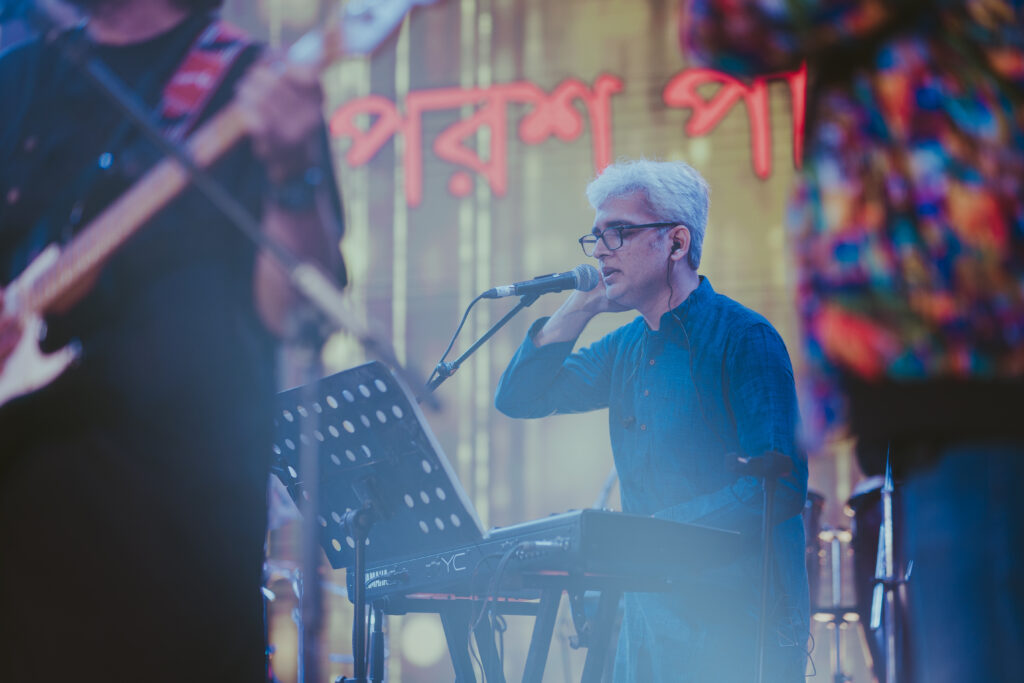
Ayan Banerjee is equally clear-eyed about the new terrain, and equally uninterested in chasing it.
“Personally, I cannot force myself to fit into what exists today. If reels do not choose me, I cannot force myself to become a ‘reel’ person.”
He is also honest about what streaming has taken away.
“The album culture has changed. Earlier, an album had an inlay, literature, artwork, everything could be experienced in a concentrated way. On Spotify, that experience is different. That is definitely a disadvantage.” But he points to live performance as the path through. “We are staying organic and spontaneous. We believe that through live shows, we will slowly reach that space again.”

Comeback or New Chapter?
The word “comeback” gets used a lot when a band returns after years away. It implies a return to something previous. Parashpathar seems to resist that framing.
Rishi Chanda is direct about it.
“It’s a new chapter. Same pen, different ink. We’re not reviving the past. We’re dragging the past into the present and asking, ‘Does this still help?’ If it does, we play it. If it doesn’t, we write something new.”
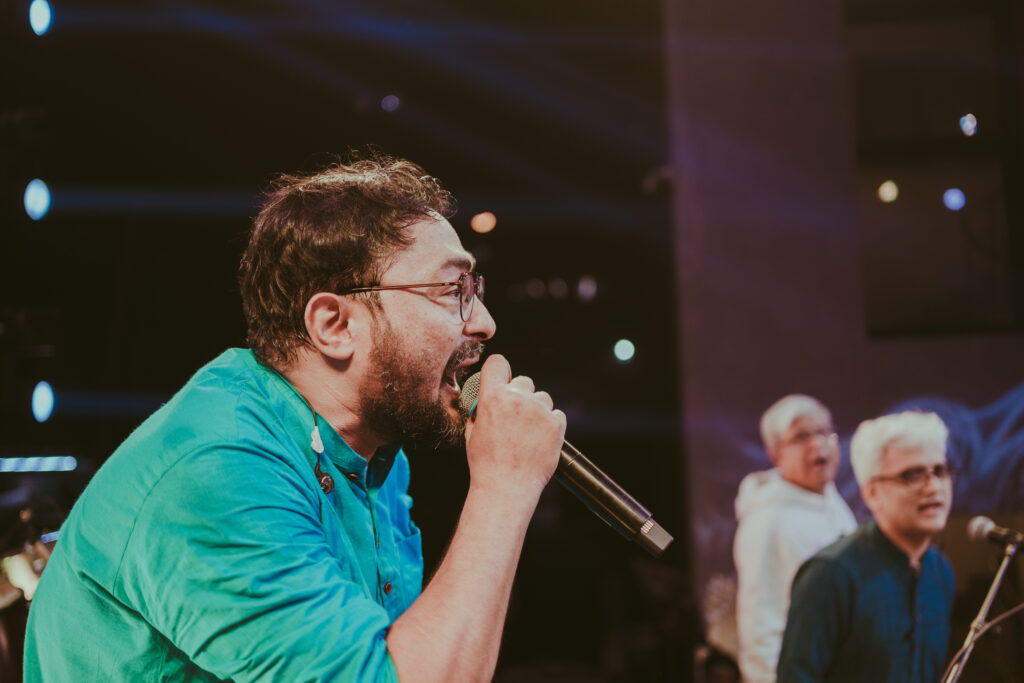
He describes the version of the band that audiences will meet now, not the wide-eyed twenty-somethings who built their name on sweat and college stages, but something more considered.
“You’ll hear the old songs, because they’re part of us. But you’ll meet the band we are today. Scarred, clearer, grateful. Call it evolution. Call it survival. We call it being honest again.”
Ayan Banerjee’s framing is quieter but points in the same direction.
“The songs remain the same, but the intricacies of the arrangements have changed.” The foundation is identical. What changed is everything layered on top of it, and everything the musicians themselves have lived through since.
Not Just for Old Fans
There is a particular trap that reunion-era bands fall into: playing exclusively to the nostalgia of people who already love them. Parashpathar seems uninterested in that limitation.
Rishi describes what he saw from the stage at a recent show with a kind of disbelief that has not fully worn off.
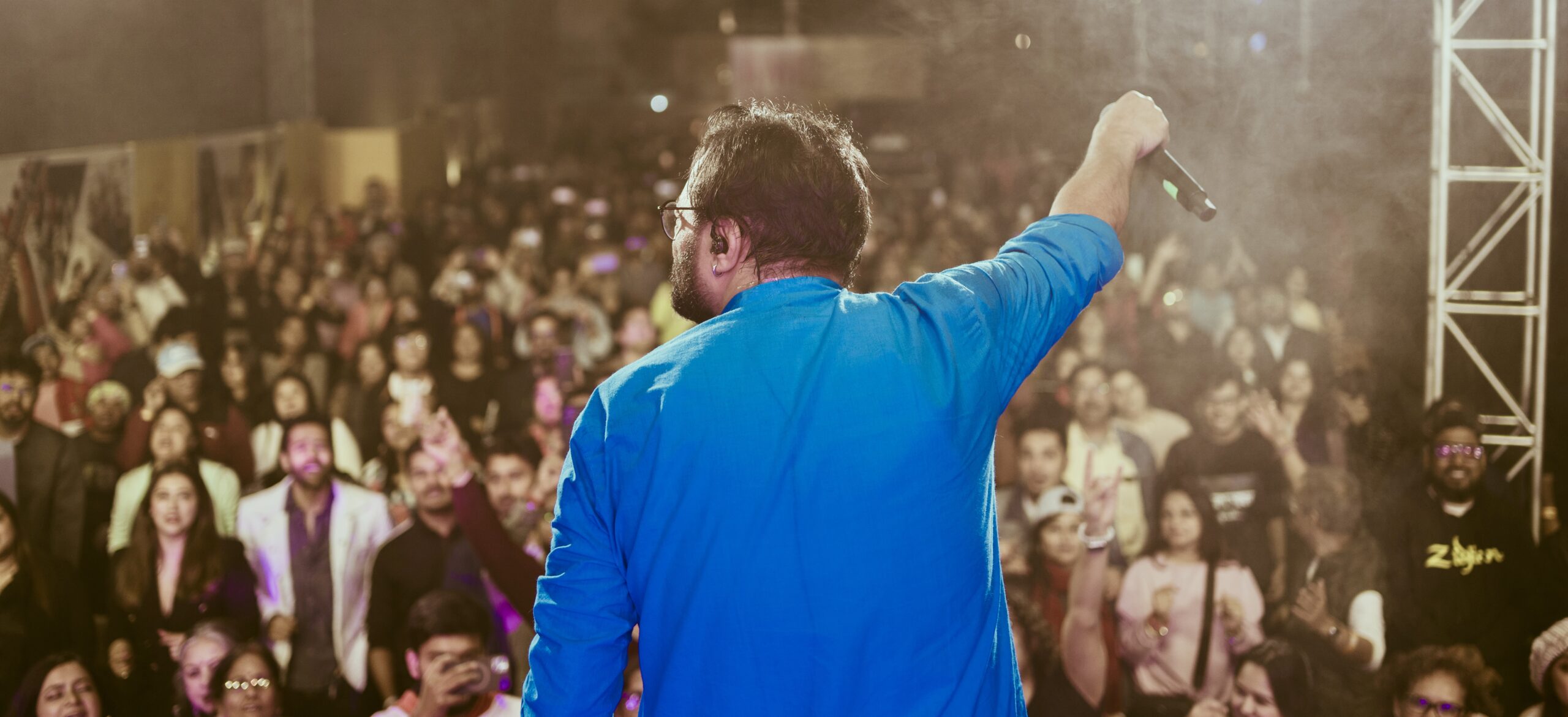
“We saw 40-year-olds with the same fire in their eyes, and sometimes tears, that they had at 17. We saw 20-year-olds who weren’t even born when we last played, but they knew every line.”
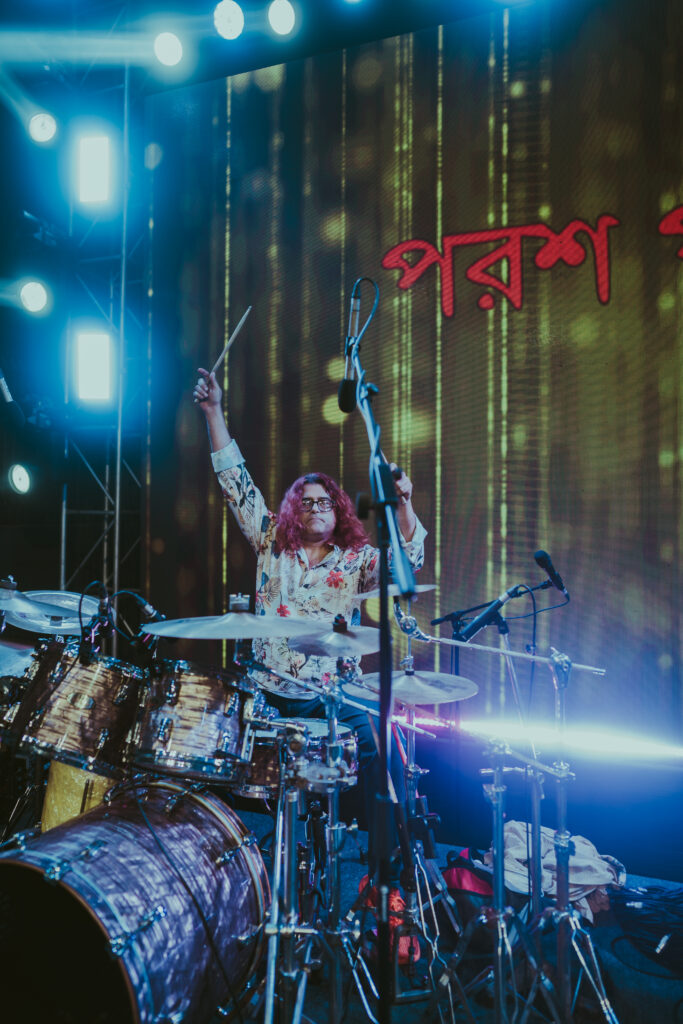
That image, a front row of both, is what the band is actually playing to.
Ayan Banerjee reframes the entire concept of the fanbase.
“I do not really believe in the word ‘loyal fan’ in that sense. We always say Parashpathar does not have a fan club. What we have is a larger Parashpathar. The people who sing along with us and love our songs are not just fans. They are part of a greater Parashpathar.”
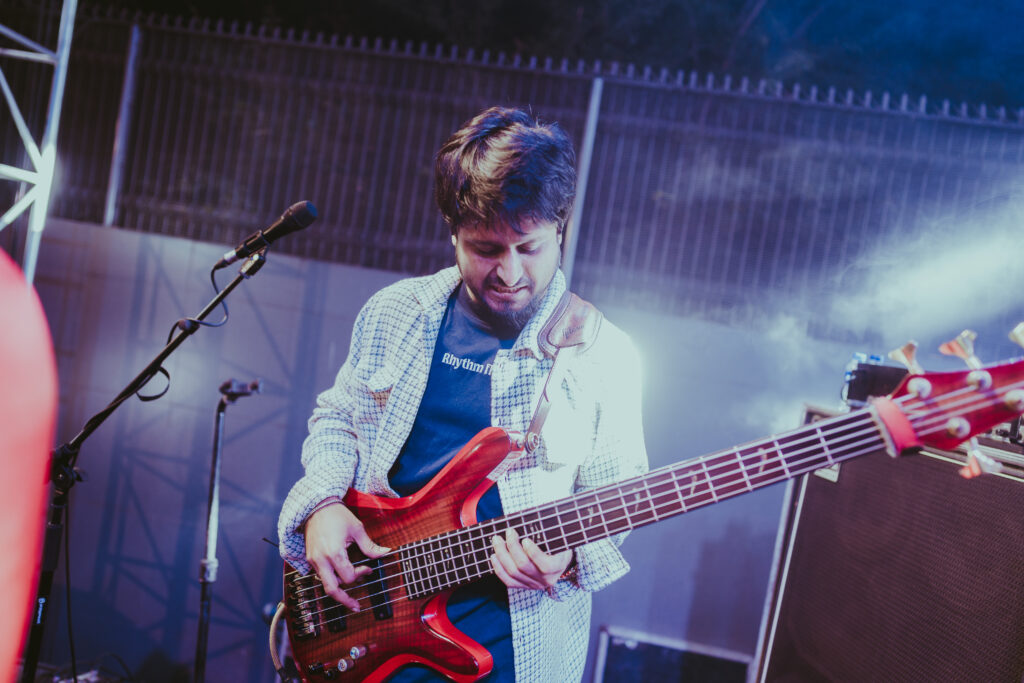
For listeners who are encountering the band for the first time, there is no separate strategy. No onboarding. No curated playlist designed to convert newcomers.
“We are simply making the best music we can. We hope they will love it.”
What It Feels Like in the Room
Ask either of them what it actually feels like to perform now, and the answers land in the same place, even if they arrive differently.
Rishi Chanda talks about the weight of what the crowd carries in with them.
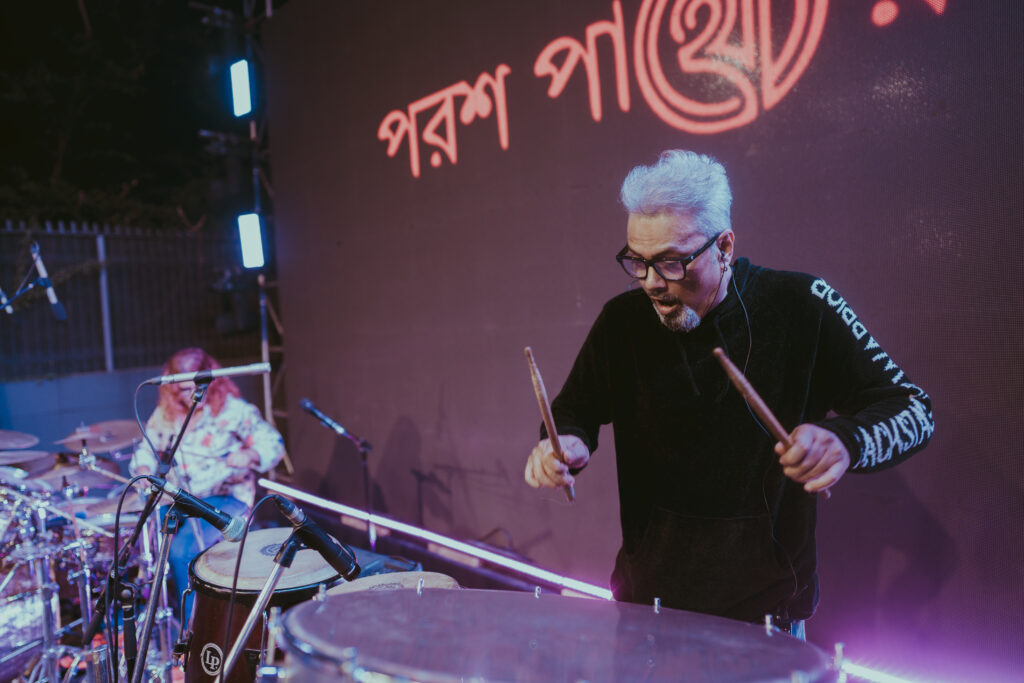
“These aren’t just fans. These are people who grew up with us. That connection is heavier than any stadium light. It’s terrifying and humbling. Because you realize you were never just making songs. You were holding memories.”
He does not take that lightly. “Returning now, we don’t feel like legends. We feel responsible.”
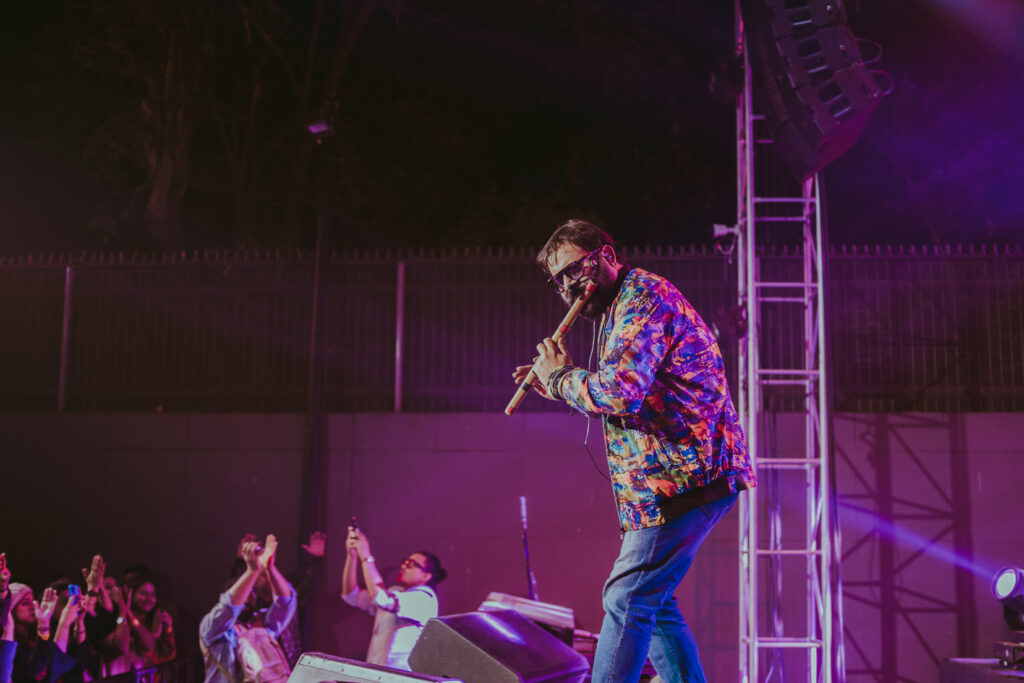
Ayan Banerjee extends an invitation that is almost a dare.
“The best way to understand that is to come to one of our live shows. You will feel that you have missed nothing. The same chemistry is there. The same musicianship, the same quality, the same finesse, the same fun.”
And then, simply: “When you are there, your own internal emotional meter will hit one hundred in every zone.”
Still Here
Parashpathar’s return is not a nostalgia tour. It is not a victory lap or a farewell. It is a band that took time away, grew in the silence, and came back with more to say.
The songs are the same. The arrangements are richer. The brotherhood is intact. And the honesty that made people fall in love with the music in the first place has not been traded for relevance or reach.
As Rishi Chanda put it, the crowd is not here for nostalgia alone.
“They’re here because the heartbreak still hurts, the friendships still matter, and college life still needs a soundtrack. The fact that they trust us to write the next one, that’s the real comeback.”
If you have loved them before, you have missed nothing. If you are hearing them for the first time, you are arriving at exactly the right moment.
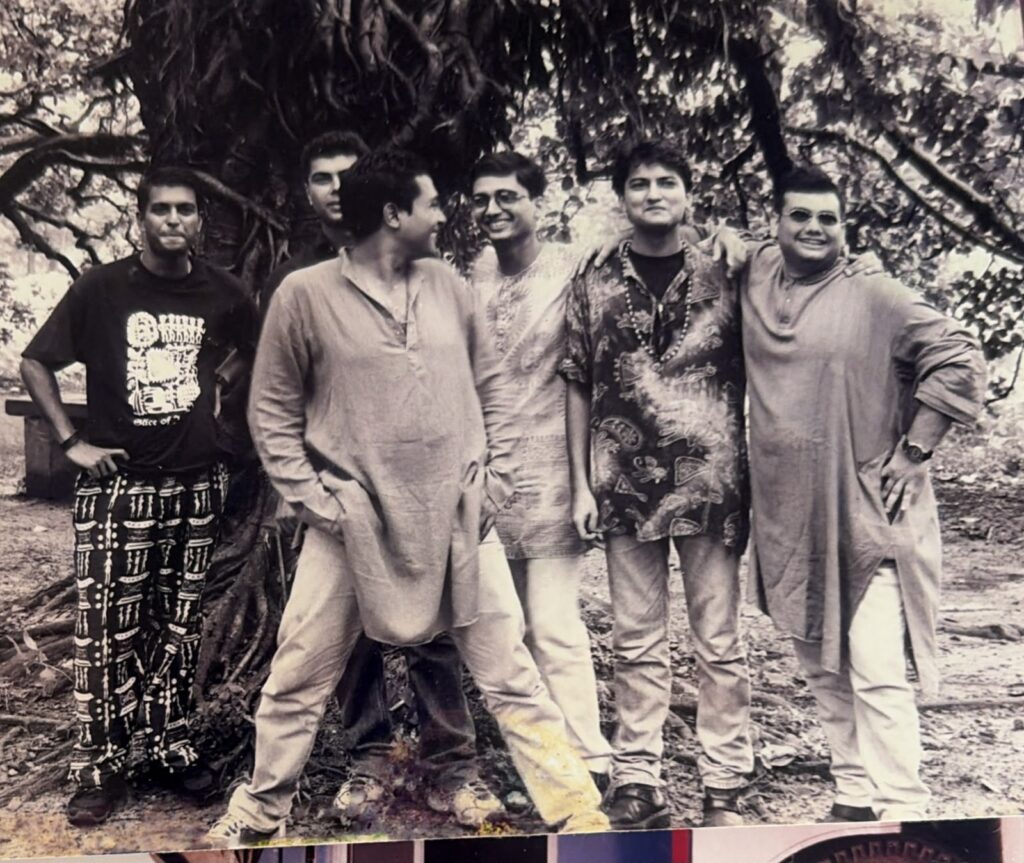
The band, Ayan Banerjee, Rishi Chanda, Chiradeep Lahiri, Raja Narayan Deb, Kingshuk Chakraborty, Nirmalya Humtoo Dey, Sudipto Buti Banerjee, Arnav Chakraborty and the rest of the Parashpathar unit, are making music again. And from the sound of it, they are just getting started.

Mishuk is a digital marketer by profession and a storyteller at heart. He crafts narratives through content marketing, blending strategy with culture. When he’s not building campaigns, you’ll find him immersed in music, martial arts, and all things creative. Yes he also designed the website you’re reading right now.