When we put on a pair of headphones, we are often looking for an escape. We want to find a space that reflects our inner landscape. The most compelling music does not just offer a catchy chorus or a heavy riff. It constructs a living, breathing atmosphere. It offers emotional immersion, turning sound into a complete environment. This kind of music explores heaviness beyond mere aggression, creating a psychological experience that demands our full attention.
To understand this phenomenon, we have to look at artists who treat sound as architecture. They use tension, noise, and pacing to shape our perception. They build worlds.
More Than a Band
Some creative projects grow beyond traditional categories. They refuse to be boxed in by the simple label of a “band.” Instead, they function as multimedia experiences, combining audio, visual art, and conceptual depth.
This is exactly how NIVID operates.
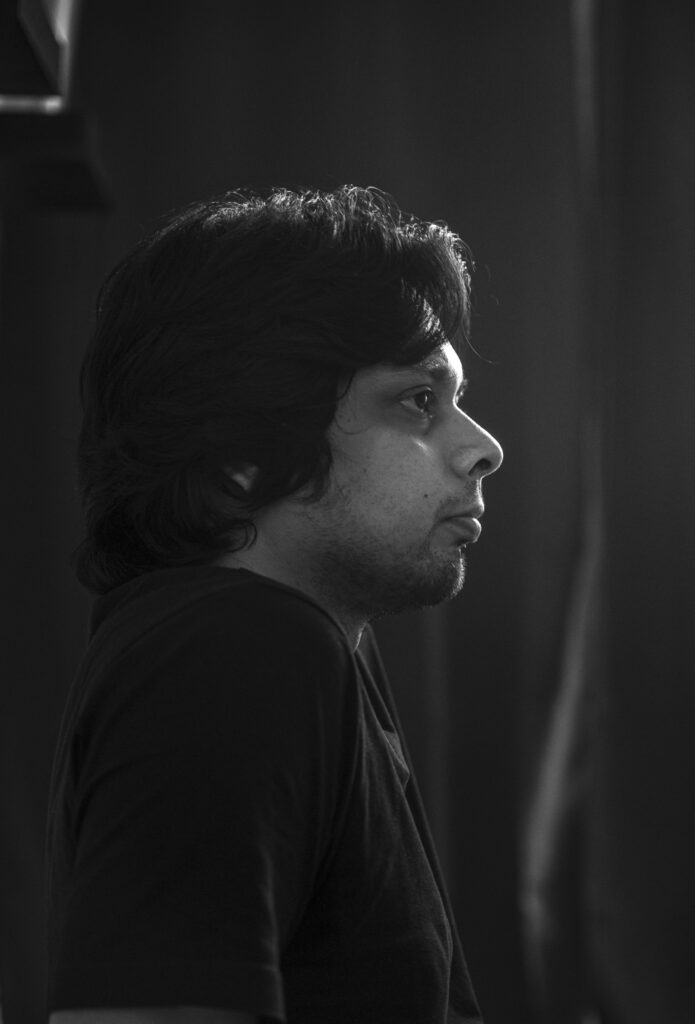
“NIVID was never conceived as a band,” the artist explains. “Music was always central, but the intention from the outset was to build a cohesive artistic world. The project is the sum of everyone involved, not a singular unit.”



Building Through Collaboration
Strong artistic identity often comes from contrasting personalities working toward one vision. When different creatives pool their specific talents, the resulting work carries a unique emotional depth.
For NIVID, the environment is shaped by a trusted circle of collaborators.
“That includes Arcanum I Fallet, who has shaped much of the visual identity through posters, logos, and artwork, as well as mastering engineer Justin Weiss,” they note.
“Over time, the project has expanded through collaborations with visual artists such as Varun Desai, Mayank Dhasmana, Kerry Porter, who shot our first video in San Francisco and Nudo Films, the collective founded by my late friend Abhilaash Sahu, who directed the video for ‘Reet.'”
Visual Thinking Inside Music
Some musicians compose emotionally before technically. They think in terms of cinematic sound and visual atmosphere, crafting a mood before they ever write a lyric. When visual components are introduced, they serve the song’s internal logic rather than providing a literal storyline.
Discussing the video for “Reet,” the artist notes:
“The video reflects the internal nature of the track. While there are elements of cityscape, the focus remains on an individual experience. A stripped-down, visceral presentation felt more aligned with the emotional core of the song than a layered or symbolic narrative.”
Emotional Heaviness Beyond Aggression
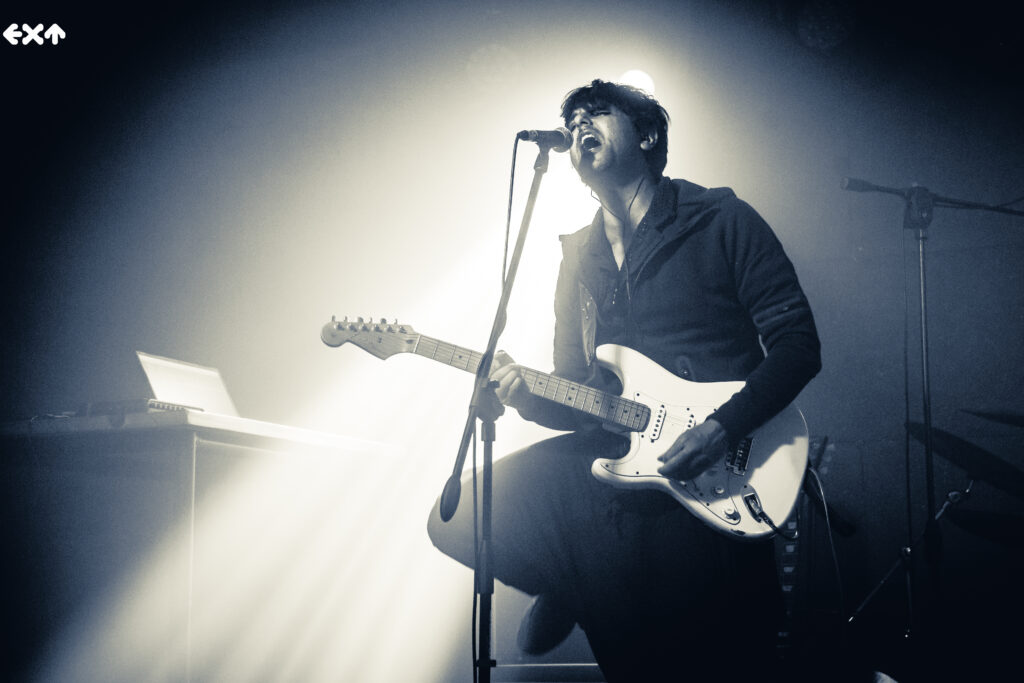
The strongest heavy music creates tension psychologically, not just sonically. It is music that sits under your skin. Instead of relying purely on loud guitars or fast drums, this kind of art forces the listener to confront difficult truths. It asks us to examine our own role in the chaos around us.
“The central idea is consequence,” the artist says. “Destruction is not externalized, it is participatory. If you burn the world around you, you burn with it.”
The Importance of Discomfort
Art becomes immersive when it refuses emotional safety. Sometimes, the only way to understand a problem is to step directly into the perspective of the antagonist. By exploring uncomfortable ideas and emotional tension, artists can hold up a mirror to our own contradictions.
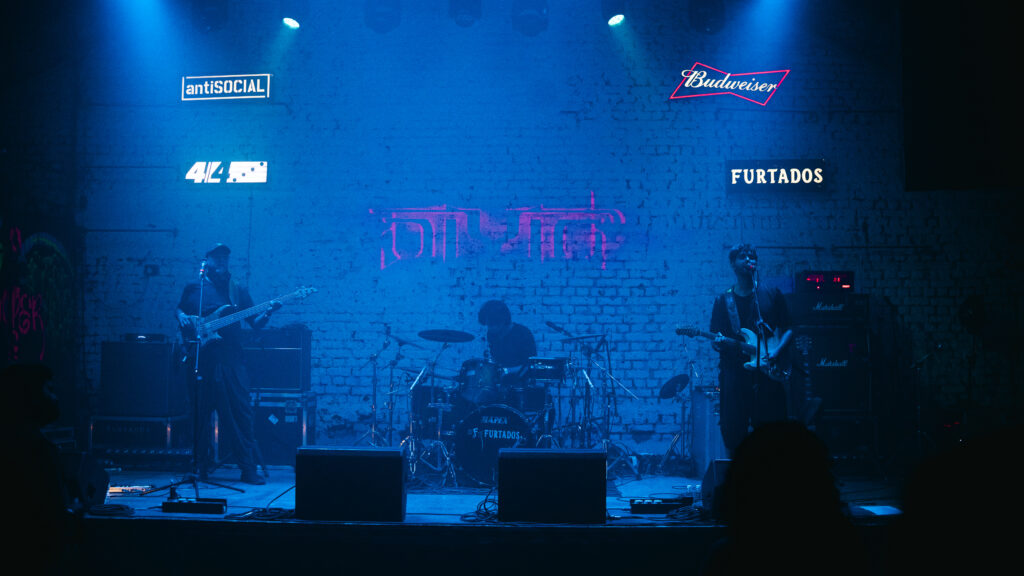
“Satire has been embedded in NIVID from the beginning,” they explain.
“That often involves stepping into the perspective of the antagonist to examine uncomfortable ideas. Tracks like ‘Charasi’ and much of the first album ‘Merna’ are written from that vantage point. Framing something as ‘humanity is doomed’ invites resistance, whereas presenting the illusion that we are functioning well exposes a deeper contradiction, one that most people already recognize.”
Starting With Emotion Instead of Structure
Emotion often arrives before form. Instead of planning out a complex song structure on paper, immersive music frequently begins with a simple, raw feeling. It starts with an impulse and allows the composition to guide itself.
“The writing process is driven by sound rather than a predefined emotional arc,” the artist reveals. “It often begins with something elemental, like a drum pattern, and evolves organically from there.”
The Role of Atmosphere
Atmosphere works best when it feels organic instead of manufactured. If a musician tries too hard to force a specific mood, the listener will immediately sense the artificiality. True atmosphere develops as a natural result of the creative process.
As the artist points out, “The emotional shift is less constructed and more a byproduct of how the sound develops.”

Identity Beyond Genre
Subcultures evolve when artists stop trying to fit categories. When we obsess over labels, we limit our creative potential. True innovation happens when musicians define their own space, completely ignoring the boundaries of existing genres.
For NIVID, the term “GrindCircuit” became a useful descriptor, but never a strict rulebook.
“There was never a clear alignment with any one genre,” they state. “‘GrindCircuit’ emerged from a conversation with Vishal J Singh, who described the sound in those terms. The name stayed, but the approach itself was never about fitting into an existing framework.”
Influence Without Imitation
Artists become distinct when influences are absorbed emotionally instead of copied stylistically. You can love a certain band or a specific film, but true creativity means translating that love into your own unique vocabulary.
“The influence comes from artists who have built immersive worlds through sound,” the artist shares. “Trent Reznor’s work with Nine Inch Nails is a major reference point, as is Brian Eno’s broader sonic philosophy. David Bowie, Karnivool, Archive, and the post-rock movement of the 2010s have all contributed to that perspective. Beyond music, cinema and video games, titles like Sekiro, Doom, Assassin’s Creed, and Far Cry, have been equally influential, particularly in how they construct atmosphere and immersion.”
Why Immersion Matters
Modern music increasingly functions as an emotional world instead of isolated songs. Listeners want visual environments. They want careful emotional pacing and layered sound design. They want an audience experience that feels entirely encompassing. When an artist focuses on immersion, they offer their audience a profound space for self-discovery.
Sound as Emotional Architecture
Music shapes perception physically and emotionally. It is a constant push and pull between tension and release, ambient space and psychological movement. In the studio, this often requires a delicate handling of chaos.
“That tension emerges naturally in the process,” the artist notes. “The studio approach is often about disruption, breaking structure, introducing instability, and allowing synthetic elements to interact unpredictably. It is less about balancing precision and volatility, and more about letting both coexist until something cohesive forms.”
The Ultimate Experience of Sound
Ultimately, atmosphere-driven art and immersive creativity change how we interact with media. This type of cinematic sound design demands a collective creative identity. It requires us to engage actively, rather than consuming passively.
Maybe the most powerful music was never meant to simply be heard.
Maybe it was meant to be inhabited.
Follow NIVID on Instagram

Souvik Dey writes at the intersection of music, memory, and modern life.
A consultant by training and a storyteller by instinct, he explores how culture shapes identity and longing.
His work blends introspection with sharp observation, often lingering in silences others overlook.
When not writing, he is usually reading, listening, traveling or gaming.