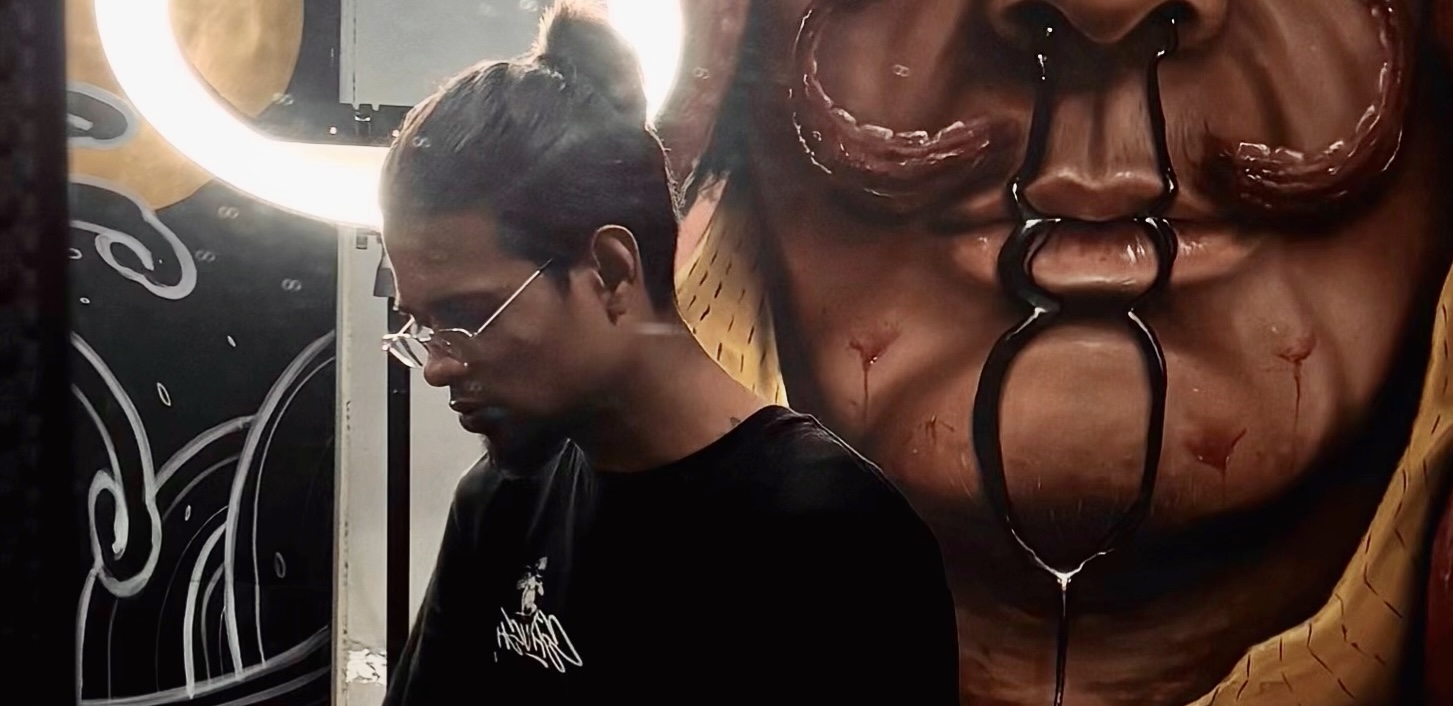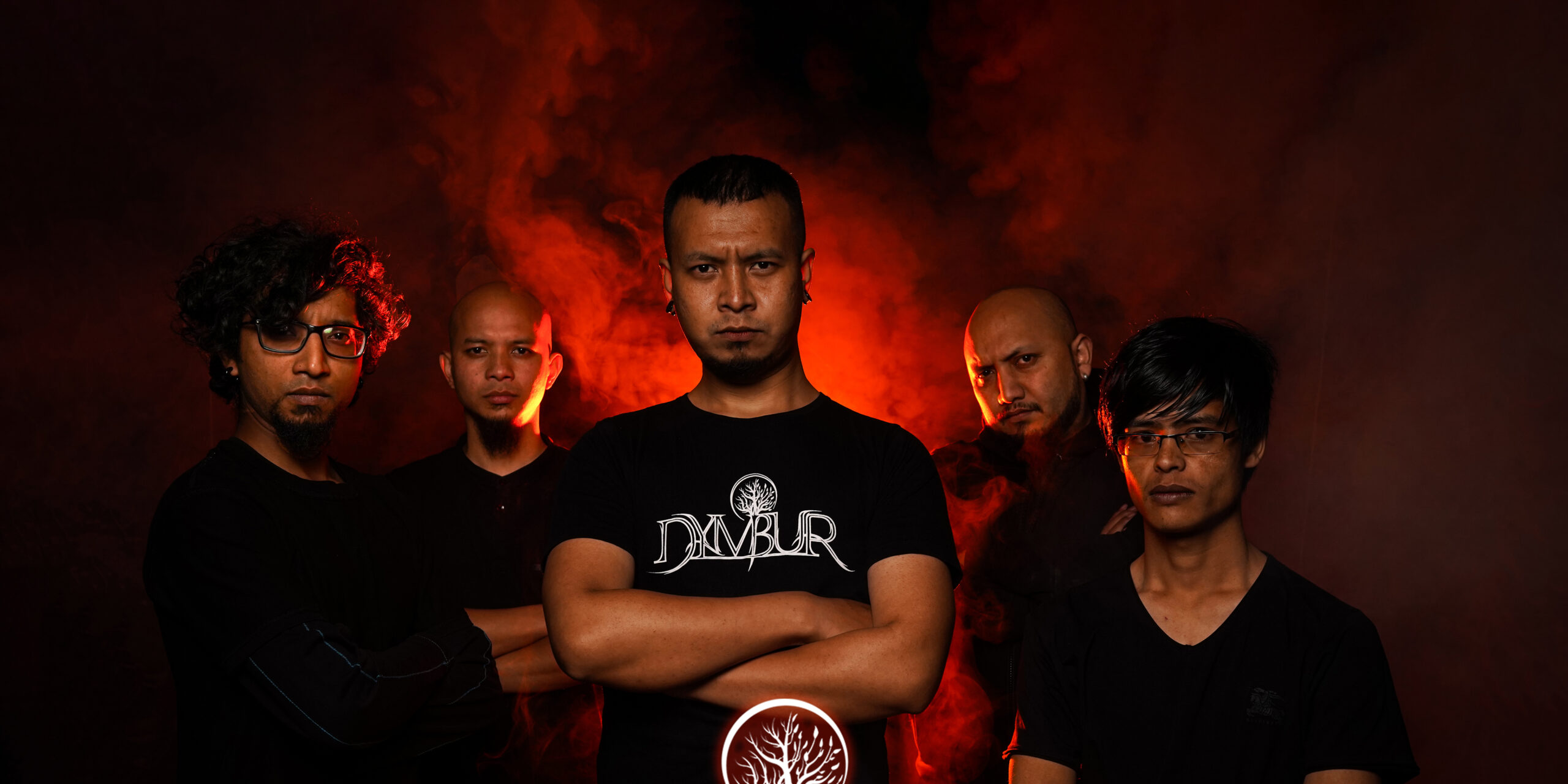
We all hit a point where we stop and ask ourselves: Who am I, really? Sometimes, it takes a global pause to force that question to the surface. For Dymbur, a heavy metal band from the misty hills of Shillong, Meghalaya, finding their true voice meant digging deep into the soil of their ancestors.
Formed in 2012, the band spent their early years playing djent and progressive metal. They were aggressive, fast, and complex. But in 2020, they realized they needed something more. They needed a sound that mirrored their heritage. This realization gave birth to “Khasi Thraat Folk Metal,” a genre they built from the ground up.
We sat down with the band to explore their journey of self-discovery, the cultural weight of their music, and what it means to stay fiercely rooted in a shifting world. If you are navigating your own identity and looking for a spark of raw authenticity, Dymbur’s story will resonate with you.
The Deep Roots of the Fig Tree
Names hold power. When the band first chose the name “Dymbur,” which translates to “fig tree” in the Khasi language, they simply wanted a strong cultural identifier. It felt natural. It belonged to their land and their story.
But as the band evolved, the name took on a profound personal meaning. In Khasi culture, the fig tree symbolizes rebirth and evolution. A fig tree does not grow overnight. It expands slowly. Its roots dig deep to adapt to the environment, surviving brutal storms to stand firm.
For the band members, this became a mirror for their own journey. Through lineup changes, struggles, and massive sonic transformations, the name became a statement of resilience. It represents the ability to shed old skin and come back stronger. Today, Dymbur is not just a name. It is a daily reminder of where they come from and exactly who they are becoming.
A Pandemic Awakening
For years, Dymbur was deeply embedded in Shillong’s legendary rock and metal scene. They followed the progressive metal frameworks they loved. But when the COVID-19 pandemic brought the world to a standstill, it forced them to step back. It gave them the space to reflect on what their sound could be beyond existing scenes.
That quiet period changed everything. They decided to fuse the heavy, complex structures of metal with traditional Khasi instruments. Taking something so deeply personal and blending it with aggressive music was a massive risk.
But the moment they started writing, they felt an undeniable shift. The music finally sounded like them. It was no longer just another band in the local scene; it was a distinct voice. This experimentation marked the moment they stopped following paths and started carving their own. They rooted themselves in tradition while remaining fearless about their evolution.
Finding Power in the Mother Tongue
Dymbur did not start out singing in Khasi. Their early music channeled pure frustration and raw emotion through complex off-timings. However, as they transitioned into folk metal, they experimented with a Khasi verse in their track “Rape Culture.”
The real turning point for their lyrical identity came with “U Tirot Sing.” The song tells the story of a legendary Khasi freedom fighter. For a track carrying such heavy historical weight, singing in their native language felt absolutely essential.
By writing in Khasi, the band resists ignorance and injustice. They protect their culture and their stories. Their music provides a platform to speak openly about truths that people often ignore. It is a powerful reminder that our authentic voices are often the ones we inherited.

Milestones Built on Sweat and Passion
Growth is rarely a straight line. For Dymbur, winning Meghalaya Icon in 2014 was the initial catalyst that made them take the project seriously. But the moment they felt their hardest work paying off happened a few years later.
On January 11, 2018, Dymbur opened for Veil of Maya in Guwahati. They were already creating a buzz in the Northeast metal scene, but sharing a stage with a band that deeply inspired them felt surreal. It was not just about the size of the crowd. It was the realization that their art was part of a much larger conversation.
They built this momentum entirely on their own. They managed their own releases and booked their own gigs. Handling the business side of their art was exhausting, but it made every milestone feel fully earned. It taught them that true growth requires taking ownership of your own narrative.
The Magic of the Live Experience
Live music is where Dymbur truly connects with their community. Stepping onto bigger stages taught them the crucial importance of energy, timing, and genuine human connection.
A live show is unpredictable. Technical issues happen. Mistakes happen. But dealing with these hiccups on stage only makes the band tighter and more focused. It teaches them resilience. They learn to read a crowd and give every ounce of their energy to the moment.
They balance their Khasi identity with wider audiences by staying intensely authentic. They never compromise who they are just to gain visibility. By playing bigger shows, they discover which cultural elements resonate the most with diverse crowds, allowing them to share their heritage in a highly accessible way.
Feeling the Weight Before the Words
If you hear Dymbur for the first time, the band hopes you feel the emotion long before you understand the Khasi lyrics. They want the sheer weight and energy of the music to make you pause.
Authenticity does not always require translation. It just requires an open heart. If their music hits you, makes you feel something real, or sparks a change in your own life, they have achieved their goal.
So, what is next for Dymbur? They are continuing to build their unique sonic world, staying fiercely independent, and refusing to fall—just like the fig tree they are named after. Take a moment to listen to their work, and ask yourself: What roots are you ready to water in your own life?
Follow Dymbur on Instagram
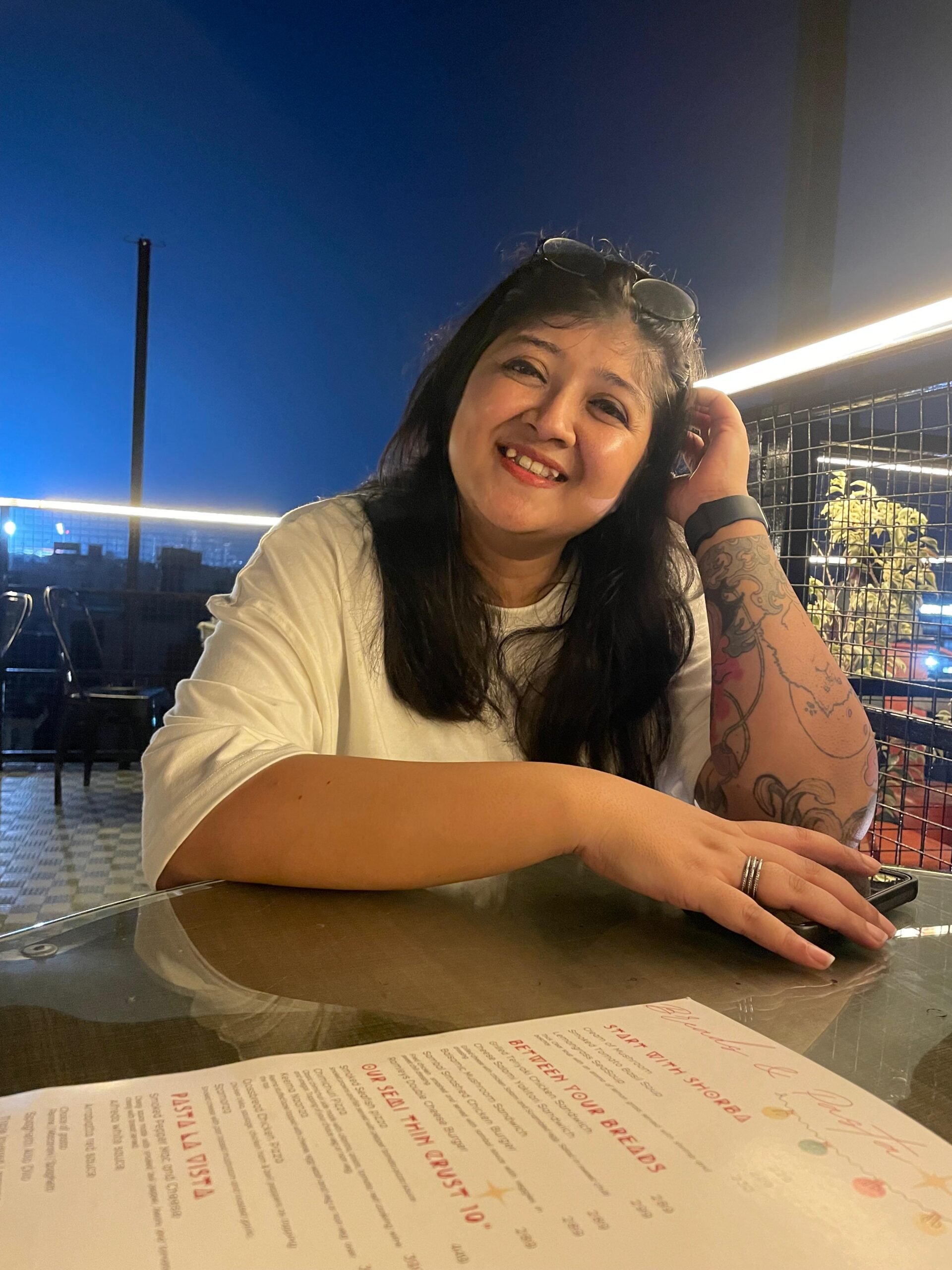
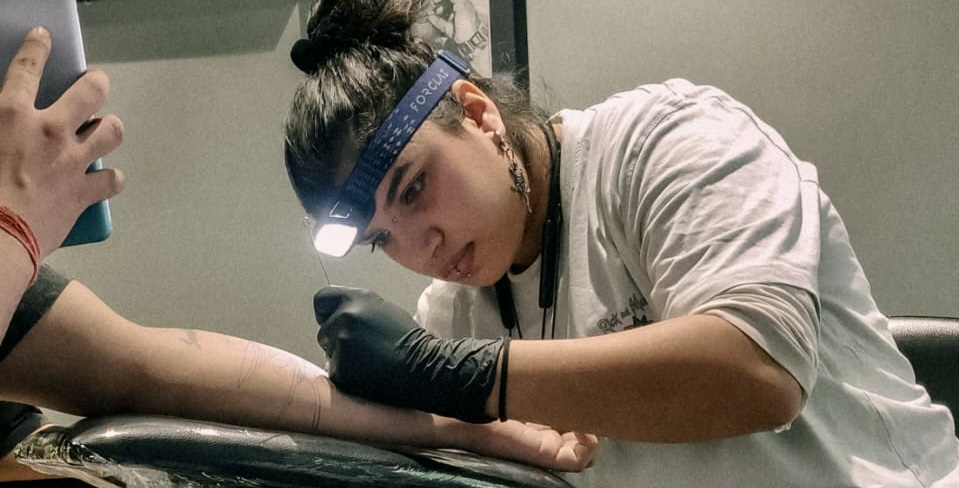
Oeshi B Lyndem is a visual artist, tattoo artist, graphic designer, and entrepreneur with a foundation in graffiti and street culture. Rooted in hands-on craft and making, her practice moves fluidly across illustration, street art, design, and experimental creative processes. With lineage from Shillong—often regarded as India’s rock capital—she carries a distinct cultural influence into her work. At Goofy Owl, she curates and leads the street and hip-hop culture segment through an intuitive, deeply creative, and entrepreneurial lens.