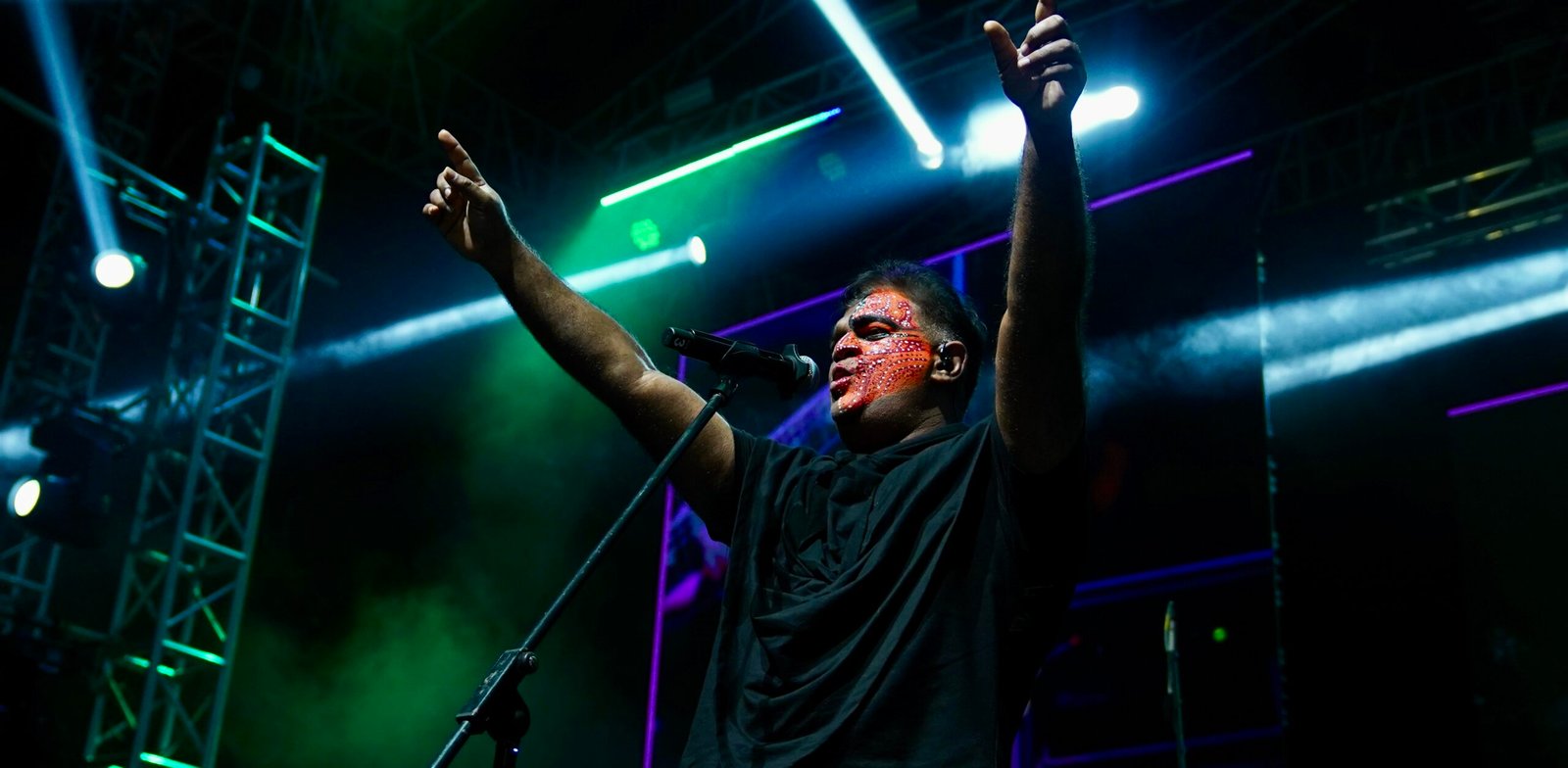
There’s a word in Persian that means “fate” or “what is written.” Motherjane carved it into Indian rock history with their 2007 album, Maktub, and a generation never quite got over it. That record didn’t just play, it stayed. It asked questions you weren’t sure you were ready for, and somehow, it still does.
Now, 18 years later, Suraj is back with Dobareh, Farsi for “again.” The symmetry feels intentional. So does the timing. Motherjane’s return has been met with the kind of anticipation that only builds when a band truly means something to people. Not hype. Not nostalgia.
Something closer to longing, the feeling you get when a part of your story comes back around.
We sat down with Suraj to find out what changed, what stayed, and what he hopes you take away when the last track fades out.
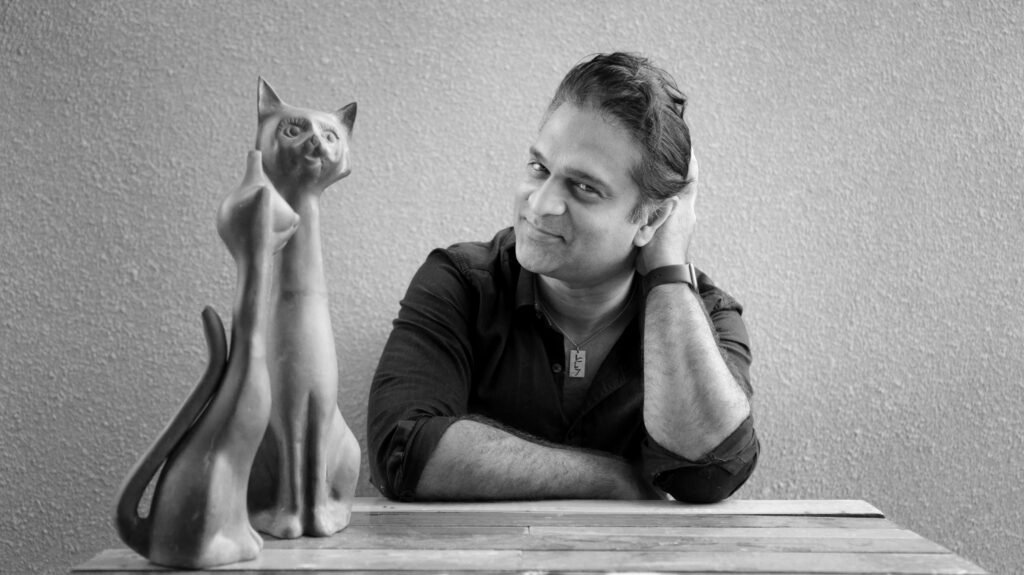
From Maktub to Dobareh: What 18 Years Can Do to a Person
Q: Motherjane has returned with Dobareh after a long journey. Looking back, what changed within you as a songwriter and as a person between Maktub and this record?
Suraj: If there’s one thing I’ve realised, it is that it’s hard to go through life and always be in the right. If you’ve ever played pool and billiards, you will appreciate what I’m saying — given time/distance, errors tend to magnify. Maktub was 18 years ago and much has happened to me since then. More good than bad and I’m happy about that. And just because it is such a human tendency to focus on and rectify what went wrong, I’m grateful to have my second chances.
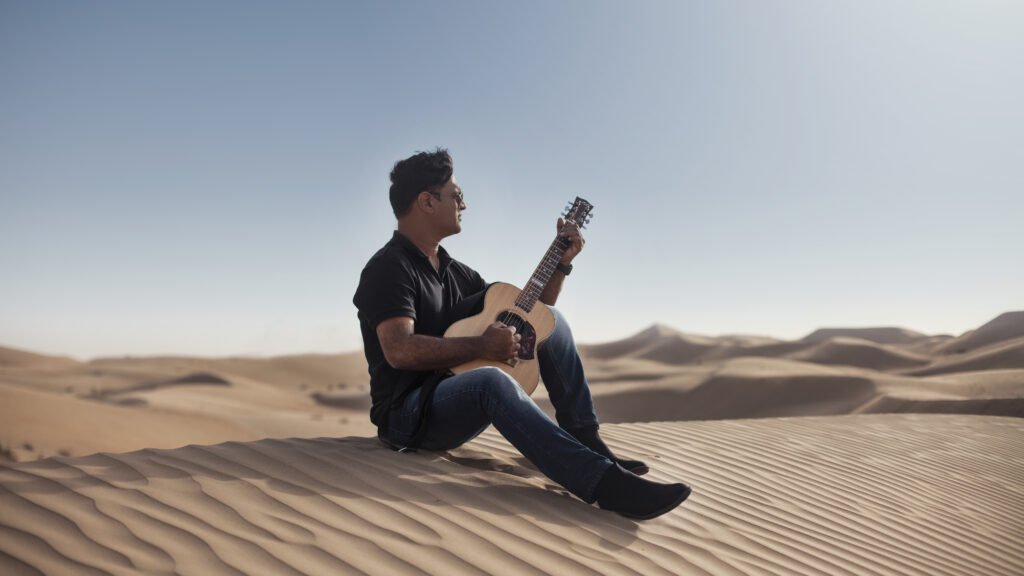
The Philosophy Behind the Album: Second Chances and Self-Return
Q: Dobareh revolves around the idea of second chances. In your experience, do second
chances come from life itself, or do they only exist when we’re willing to become a different version of ourselves?
Suraj: Honestly I first thought that it’s about being a different version of ourselves and then I slowly moved towards the thought that maybe we are just trying to return to the truest, most honest version of ourselves. Let me leave you a private voice note for your consideration:
Q: Your work has always invited listeners to look inward rather than simply consume a song. With Dobareh, what is the conversation you hope people have with themselves after the music ends?
Suraj: I hope you become more loving to yourselves. My wish is that you accept that if you’re living a life worth living, then some flaws appearing and rising to the surface is inevitable. The kintsugi philosophy of filling your break lines with something stronger and beautiful is something I think humans should adopt for themselves. On some metaphorical level, we are all walking, talking kintsugi. We are art made by the Gods — the upkeep is in our hands.
On the Indian Rock Scene: Curation, Technology, and What Gets Lost
Q: Indian rock has gone through several cycles of growth, decline, and reinvention. Having witnessed those shifts firsthand, what do you think today’s artists are getting right, and where do you feel the scene still has room to grow?
Suraj: I don’t worry so much about art or artists or audiences as much as I question today’s
curation. I loved my youth where humans curated my art for me and I wonder if an algorithm is not a poorer substitute. I think it’s great when technology amplifies our humanness. It’s not so great when it relegates what humanness means to the backdrop.
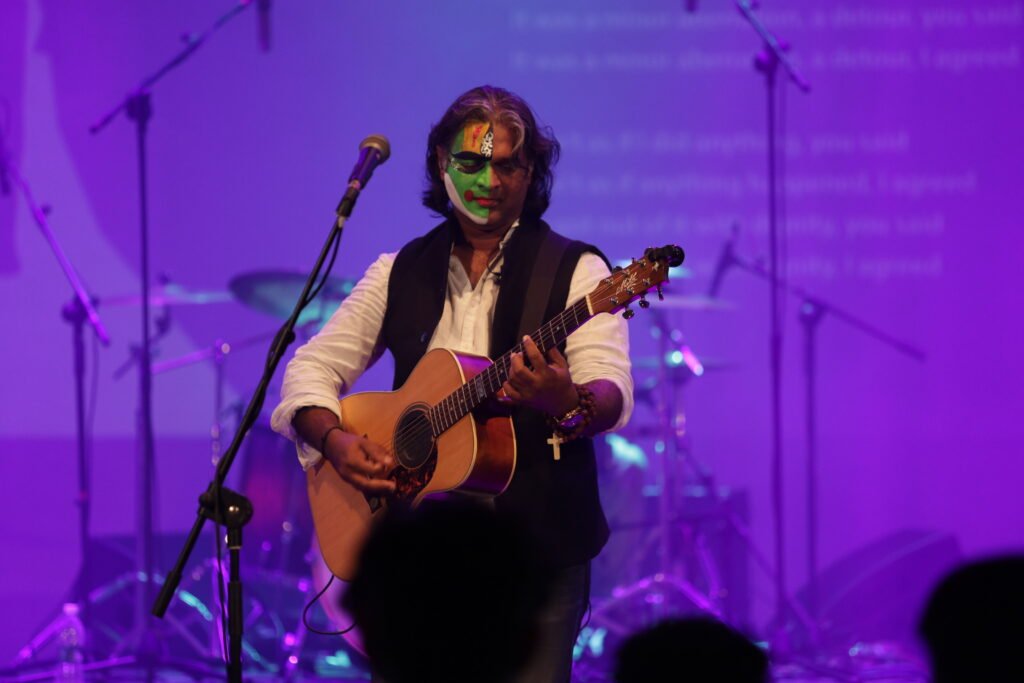
On Living Many Roles and Blooming Constantly
Q: You’ve balanced life as a musician, entrepreneur, and creative thinker. How have those different roles influenced one another, and what have they taught you about creativity, leadership, and longevity?
Suraj: That seems like an answer for a book. How does one answer a question like this?! How about the thoughts I penned from yesterday?
I Bloom Constantly
I bend to better
And I’m a better me
Wherever efforts count for very little
Attachment is perfidy
80% of life unfolds
Without my energy
I turn up for the twenty.
I participate.
I bloom constantly.
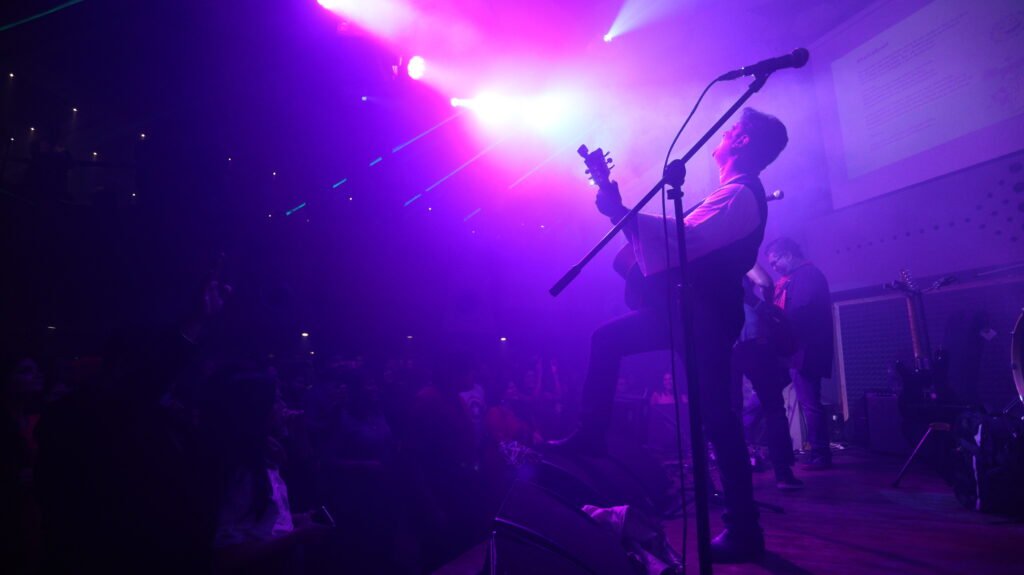
What Maktub Left Behind
Q: Maktub is often regarded as one of the defining albums in Indian rock. When you look back at that period today, what do you remember that listeners may have never seen or fully understood?
Suraj: I think that by the number of people who have come up to me and said it is a part of their lives, they may have understood more than I have conveyed. It’s lovely when you have an audience that elevates your work. I try to write what I honestly believe in and to phrase it in a manner that invites conversation. I believe that there are a billion conversations still heading my way with the people out there.
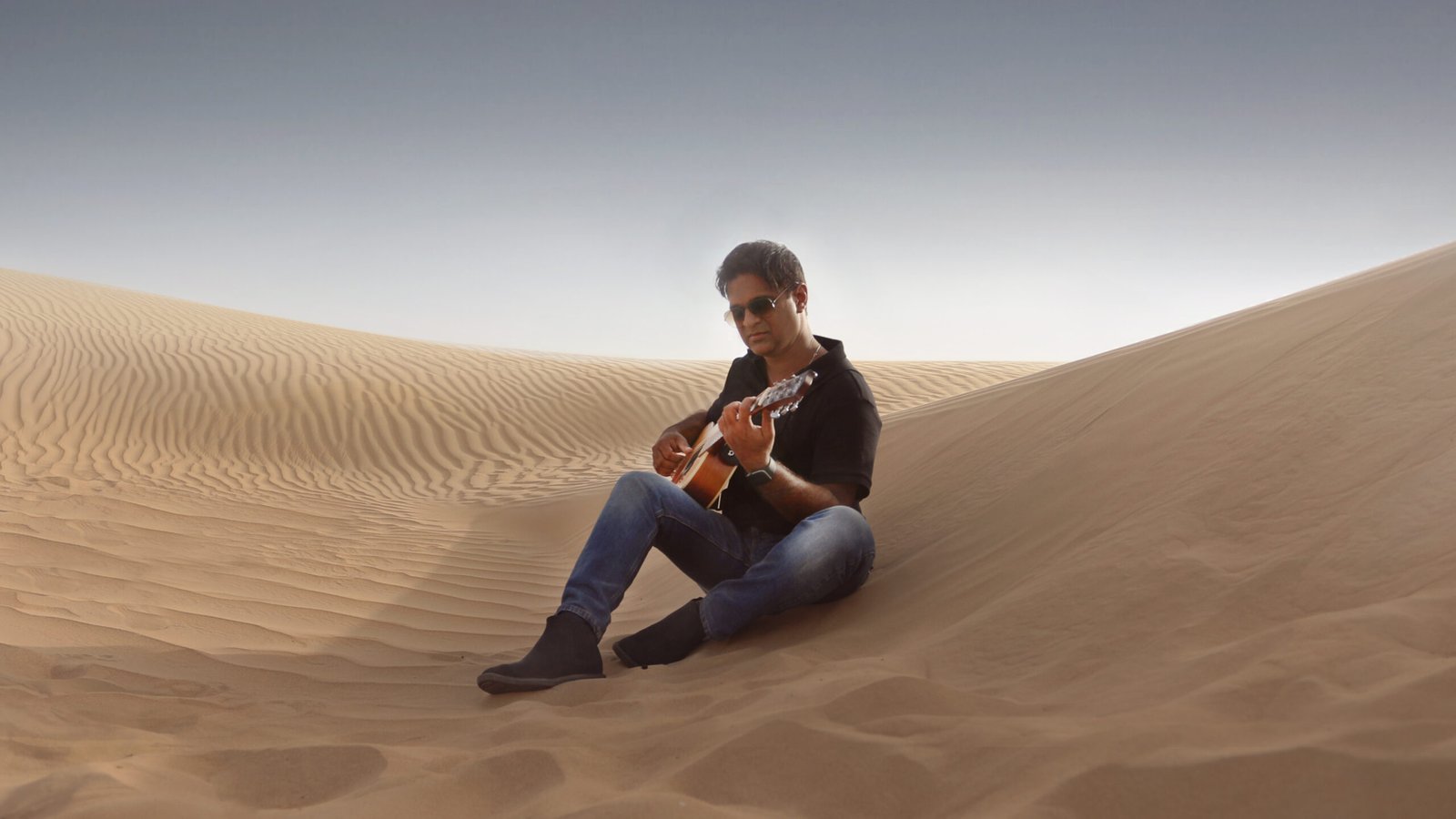
The Road Ahead: For the Band, and For You
Q: With Dobareh marking a new chapter for Motherjane, what excites you most about the road ahead for the band, for yourself, and for the future of progressive rock in India?
Suraj: Every album is a reward in itself. And Dobareh is something that has already lent me direction to life forward. The unfathomable excitement is the conversations yet to come with
the people out there. I recently saw a speech which said that it’s not the destination, it’s not the journey, it’s the company that matters. I look forward to that. Above all else.
Here’s to you and me. Again. Dobareh.
Follow Suraj on Instagram
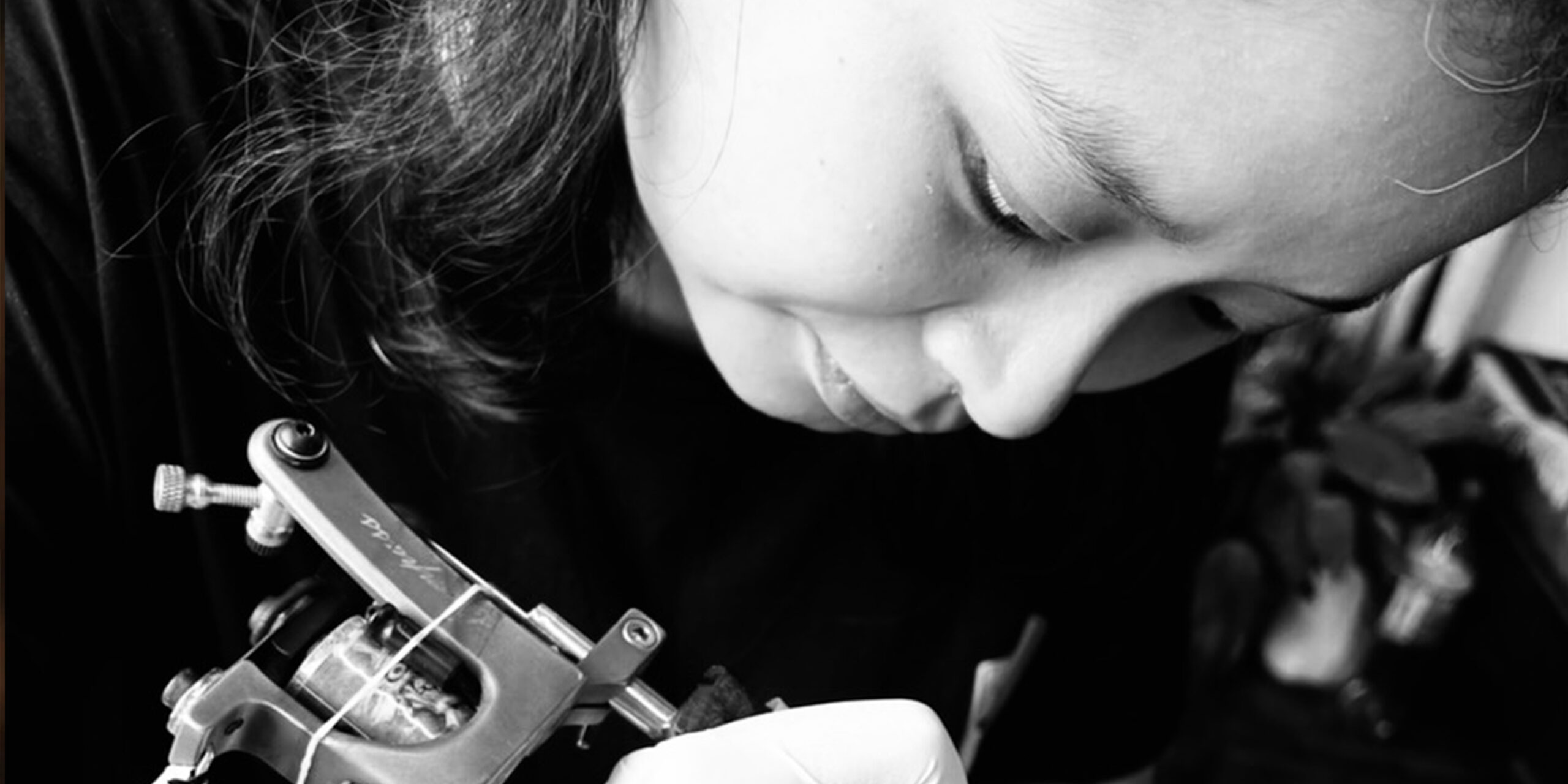
Lubdhak Biswas is a musician, entrepreneur and a tattoo artist based out of Kolkata (India).
He documents underground culture at the crossroads of tattooing and music.
His work focuses on craft, tools, ethics and the real working realities of creative industries.