Some artists perform to become someone else. Others perform because it’s the only place they feel fully themselves.
We constantly navigate a hyper-curated world, wondering what is real and what is just an aesthetic built for consumption. We watch musicians curate entire personas to match a sound, slipping into characters to shield their actual identities from the public eye. Being seen online often feels entirely separated from being authentic. But sometimes, creativity is just instinct. Sometimes, the art we consume is the direct, unfiltered output of a person trying to make sense of their own emotional landscape.
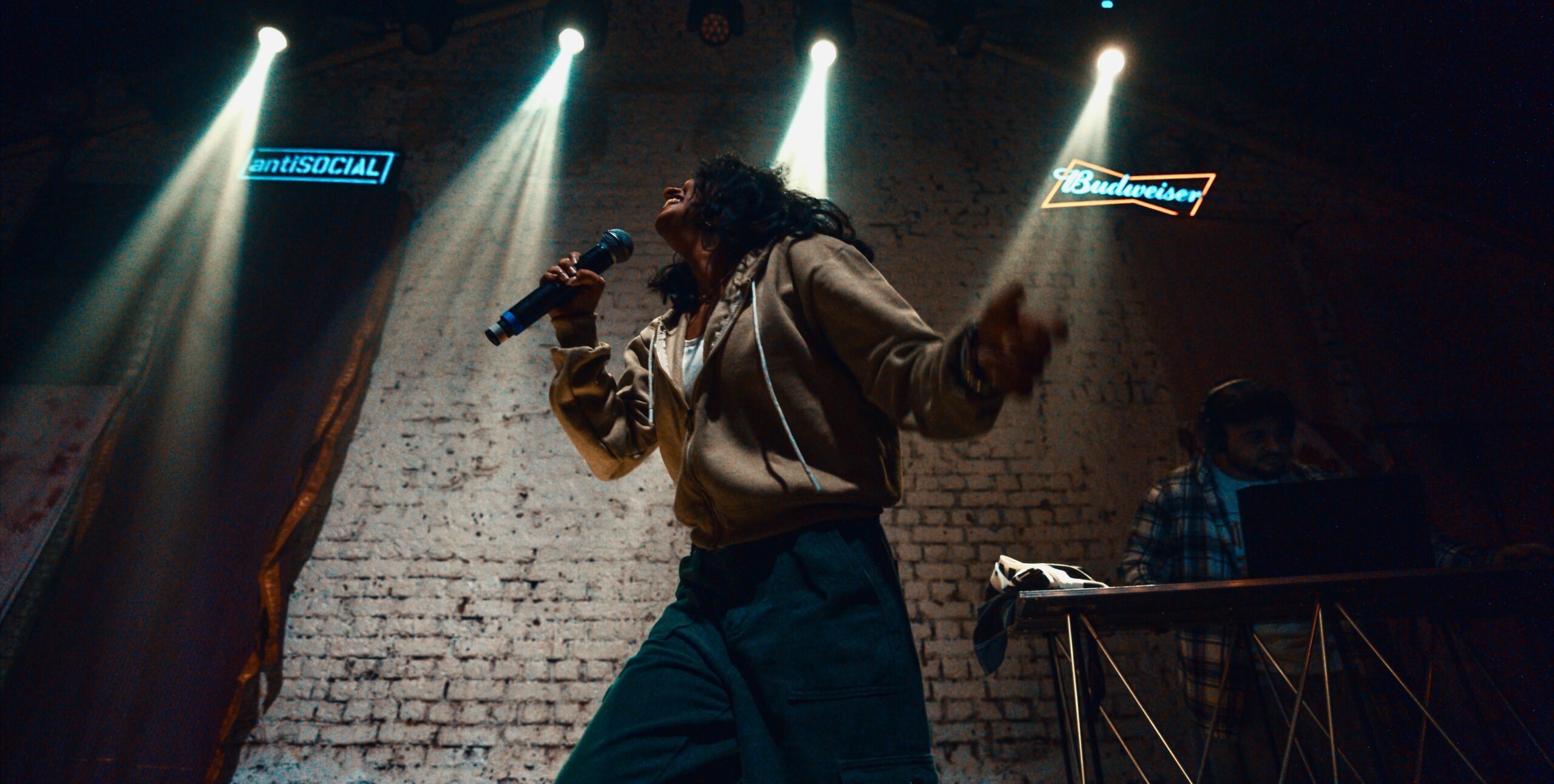
This brings us to Gamak Sinha. A Pune-based creator navigating the intersections of music and digital culture, she offers a distinct perspective on what it means to be visible today. Gamak serves as a compelling lens to explore larger ideas around performance, identity, and the reality of internet-era artistry.
Beyond Labels
It is tempting to put people into neat, easily digestible boxes. We want to know if someone is a rapper, a singer, a lyricist, or a performer. Gamak occupies all these spaces, yet her foundation lies elsewhere. Traditional foundations often evolve into modern forms of self-expression.
When asked how she introduces herself, she strips away the modern titles: “Just a classical vocalist and dancer discovering show can do more with this power and skill by blending it with her own creativity .” It is a quiet reminder that the most compelling contemporary artists often build their houses on very old, disciplined foundations.

Loving the Process Before the Outcome
We live in a culture obsessed with the final product. We want the polished track, the perfect music video, the flawless aesthetic. But real creativity often starts before perfection becomes possible.
Gamak’s music feels emotionally raw while maintaining a visual presence that catches the eye. Yet, her focus remains deeply grounded in the act of creation rather than the final sheen. She explains her perspective on this balance:
“The fun in making . I wouldn’t say I’m making the visuals that are top notch considering I’m still a growing artist financially as well . But I love doing what I do without thinking of the quality of out come as of now . Just loving the process of making it ”
Performance as Identity
The word “performance” usually implies a level of deception. It suggests putting on a mask for an audience. But some performers are not acting — they are revealing.
For Gamak, the concept of performing is entirely inverted. It is not about becoming a character to entertain a crowd.
“I think performing something has to make you someone else first . Make you a character first . I don’t think I’m performing at all . I’m just in my element and being truly myself which tells my story or showcases my skill set not always a story ”
The Internet Changed Musicianship
Decades ago, musicians were separated from their audience by distance, physical media, and industry gatekeepers. Today, modern artists are no longer separated from their audience by distance. Social media demands a constant presence, which many artists find exhausting.
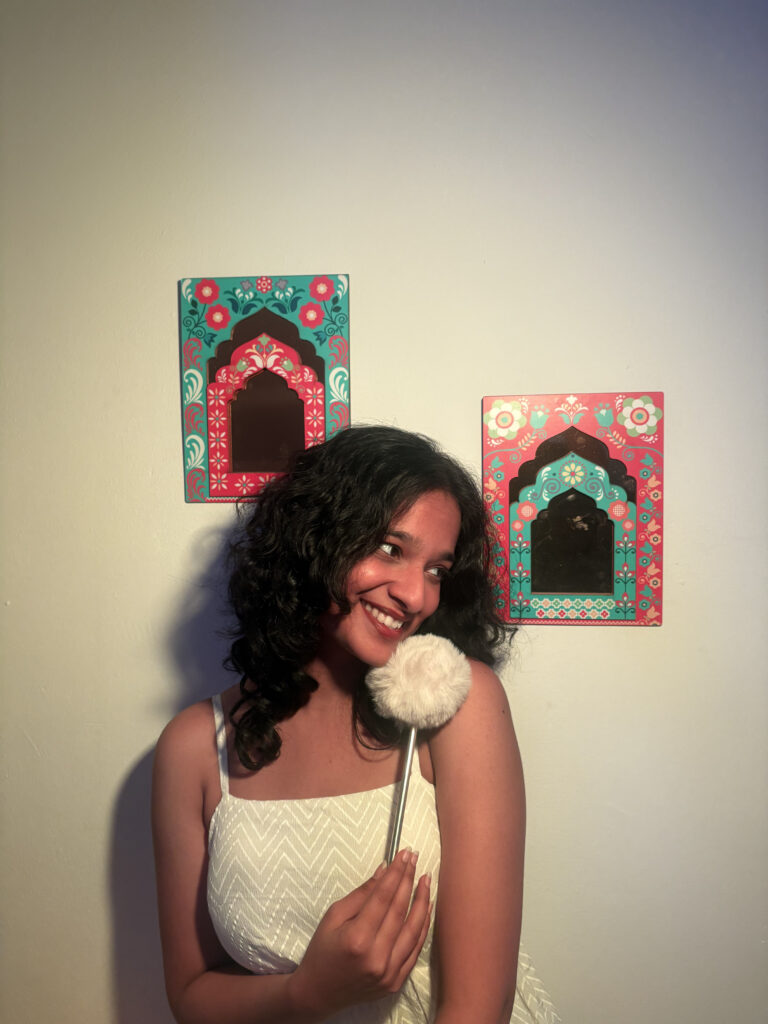
Gamak, however, views this digital reality differently. “I think I understand a lot of musician’s perspective of not being very interested in making content . But I personally think it’s my hobby if I weren’t a musician would have probably been a vlogger which I am right now as well. It definitely helps that I like doing it or else it actually is an important part of being a musician now and I understand why it can be burdensome ”
Emotion vs Skill
There is a strange assumption in music that raw emotion and technical skill cannot coexist. We often believe that if something is highly technical, it must be sterile. Conversely, if something is deeply emotional, we assume it lacks structural discipline. Authenticity and technical ability are not opposites.
When asked what inspires her writing — the late-night energy, chaos, or loneliness; Gamak gives a refreshingly grounded answer.
“None . Mostly just me being in an artistic skill state and the vocabulary flows technically . Yes I do pour emotion into it which makes it genuine. But I don’t forget that i am a good lyricist which always has to show the skills behind it . ”
Existing Comfortably Online
The pressure to constantly document your life can fracture a person’s sense of self. The internet demands endless feeding. Yet, not every artist experiences visibility as pressure.
Because Gamak approaches her digital presence as an extension of her actual interests, the friction disappears.
“I would have felt the pressure if I didn’t enjoy even one of these acts . But I love doing all . So no . I love being online ”
Collaboration and Frustration
Independent scenes survive through community. They thrive when creatives pool their limited resources to build something larger than themselves. But that survival is rarely smooth.

Gamak sees both the beauty and the friction of the current independent landscape clearly.
“What excites me is the collaborative power it contains where 2 or more people can come together understand the situation and business and work cohesively . What frustrates me is people’s expectation to have a particular quality of work while an artist is still growing or in an early stage . ”
The Problem With Audience Expectations
Audiences often consume art without understanding the realities behind creating it. As Gamak notes, listeners expect radio-ready production from artists who are still finding their footing and funding their own studio time. It is a symptom of a culture that wants the finished product without respecting the messy, vital years of development.
Unreleased Work and Future Identity
When we discover an artist, we usually judge them on the work that currently exists on their streaming profiles. But artists are often most connected to work the world hasn’t heard yet. The music that represents their true identity is usually sitting quietly on a hard drive.
When asked which piece of work truly represents her, Gamak points to the future.
“These pieces of work are still unreleased and and people will know of it when the right time comes. I’ll just say watch out for some new sounds from sound of Gamak.”
Finding the Center
Gamak Sinha represents a fascinating shift in how we view modern artistry. She shows us that performance can be an act of profound self-expression, not just a theatrical distraction. She proves that emotional transparency and internet-native artistry can comfortably coexist. By blending a disciplined classical foundation with a contemporary, hyper-visible identity, she navigates the complexities of the digital age with remarkable ease.
We often assume that to survive the intense scrutiny of the internet, you have to build a shield. You have to invent a persona that can take the hits while your real self stays hidden. But watching Gamak maneuver through music, visuals, and digital community suggests a different path entirely.
Maybe the most powerful performers aren’t the ones pretending hardest.
Maybe they’re the ones closest to themselves.
Follow Gamak Sinha on Instagram
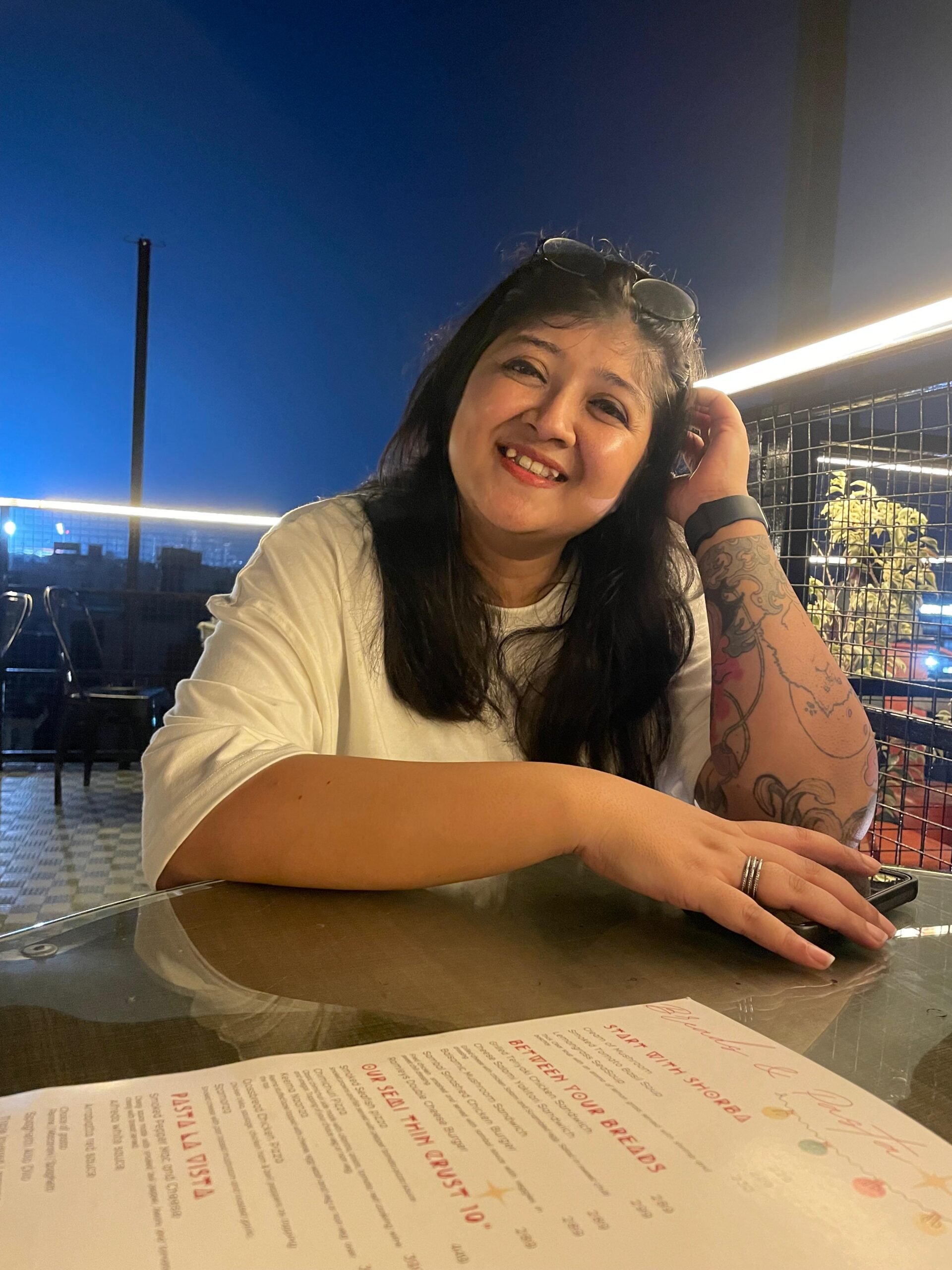
Oeshi B Lyndem is a visual artist, tattoo artist, graphic designer, and entrepreneur with a foundation in graffiti and street culture. Rooted in hands-on craft and making, her practice moves fluidly across illustration, street art, design, and experimental creative processes. With lineage from Shillong—often regarded as India’s rock capital—she carries a distinct cultural influence into her work. At Goofy Owl, she curates and leads the street and hip-hop culture segment through an intuitive, deeply creative, and entrepreneurial lens.