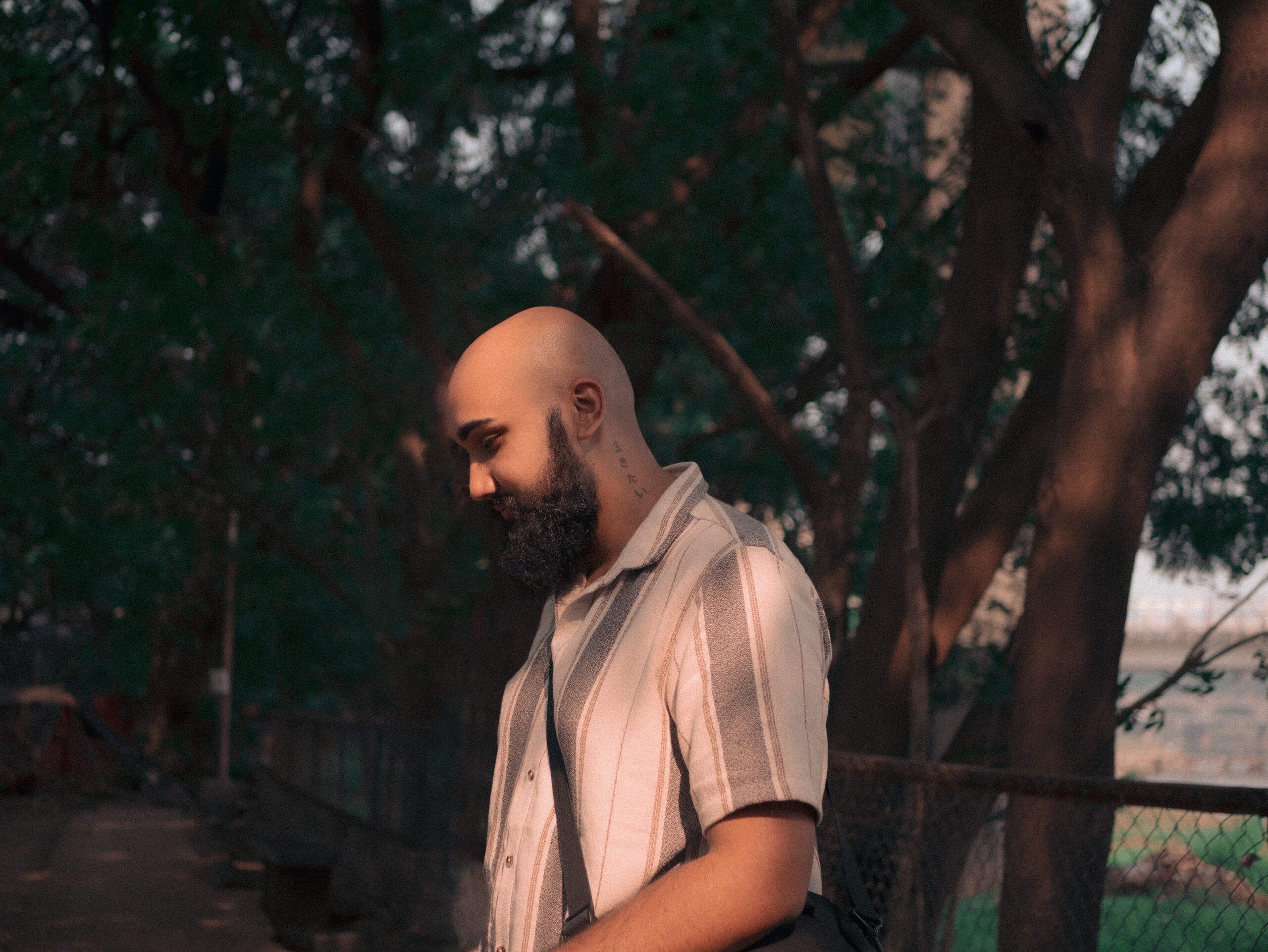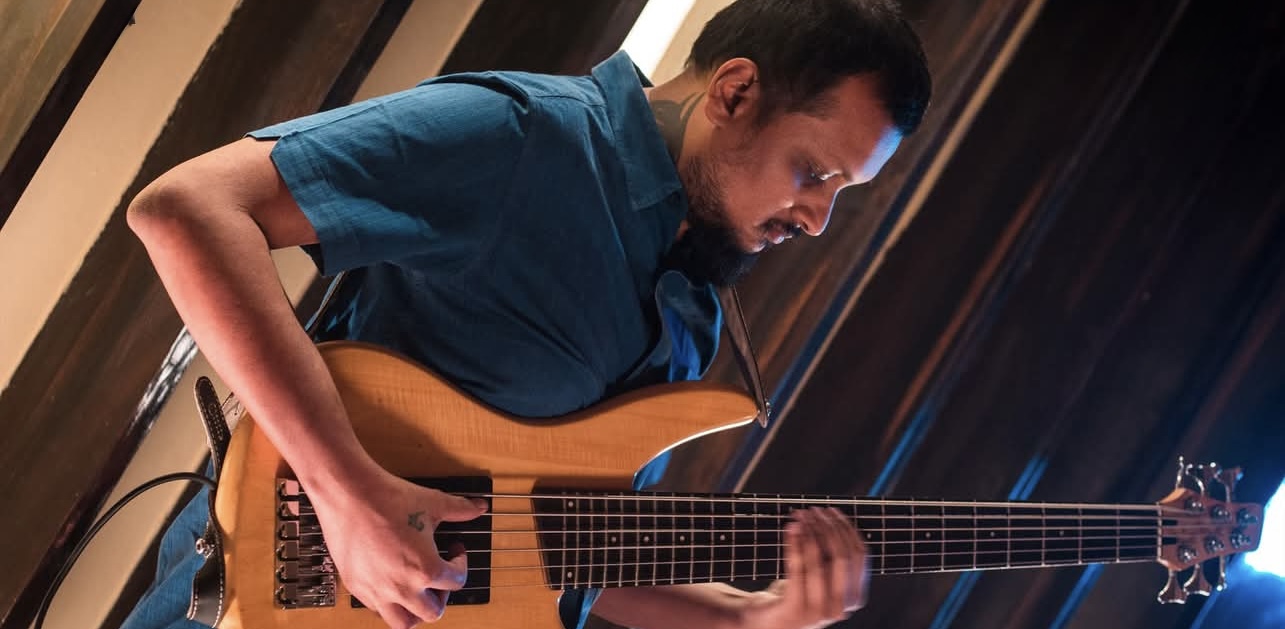
Before you hit play on your next favorite track, consider this: somewhere behind the music you love, there’s an engineer who’s been obsessed with sound since the age of five. And that person is Tirthankar Ray. A Kolkata-based musician, bassist, sound engineer, and producer, he built Blue Monk Inc. from the ground up into a studio that has shaped the work of over 600 artists. From rigging cassette decks together in the ’90s to experiencing being part of a live sound crew for A.R. Rahman, Indian Ocean, Pentagram and more to mixing bands live and in studio, Ray has spent three decades doing one thing: following sound wherever it leads.
Most people listen to music. Tirthankar listens to everything. Every sound in the human auditory spectrum fascinates him. Be that the hiss of a cassette tape rewinding. The hum of a room before a concert starts. The clatter of a handloom machine in a Gujarat village. That’s not a hobby. That’s an obsession. And it’s exactly what separates someone who plays songs from someone who spends 30 years studying how sound shapes the human brain.
Tirthankar collects titles the way he collects sounds: Musician. Bassist. Sound engineer. Producer. Founder of Blue Monk Inc., the Kolkata studio now 13 years strong and counting. But strip away every label and you find the same thing at the center: a kid who grew up glued to tape recorders, vinyl players, learning western classics on the Hawaiian slide guitar from his father and the sound of his mother’s classical music drifting through the house. He never stopped being that kid. He just leveled up.
What Does Sound Mean to Tirthankar Ray After Decades Behind the Console?
Ask Tirthankar what sound means to him today, after decades of recording, mixing, and producing, and he doesn’t reach for anything grandiose. He goes somewhere much more personal.
“I’d call it my oldest pillow,” he says. “Cuz it’s a comforting hobby/interest/passion that has stayed with me through decades and that excitement level has been equally at a high point since day one.”

That’s a telling comparison. Not a weapon. Not a career ladder. A pillow. Something you return to. Ray says his curiosity for analyzing sound, whether it’s “environmental, industrial or musical,” hasn’t dimmed since childhood. Three decades in, he’s still listening the way a kid listens the first time they hear their own voice played back.
How Did a Cassette Tape Obsession Become a Career in Sound Engineering?
His relationship with sound started at age five, listening to recordings ranging from Hindustani classical and Gazal concerts to classics of Nat King, Engelbert Humperdinck and others. That early exposure to a wide spectrum of music shaped his ear for years afterward, grounding him in tonal discipline long before he ever touched a mixing console.
By his teens, Tirthankar was already engineering. He just didn’t know it yet. He and a friend needed a medley tape for a dance performance, so they rigged together two, then three, cassette decks from different houses to cut, cross-fade, and re-record a 78 song mix. No software. No tutorials. Just trial, error, and cello tape.
“That was 1997-98,” Ray recalls. “So my interest started peaking even more.”
Around the same time, he was learning piano and picking up bass guitar, eventually sessioning with bands across Kolkata and Mumbai as a keyboardist and bassist. But life took its usual detour: four years in a corporate IT job. It didn’t stick. “There wasn’t much compelling needed,” he says of leaving IT behind. “I was always sold to the idea of being a lifelong student of sonic arts.”
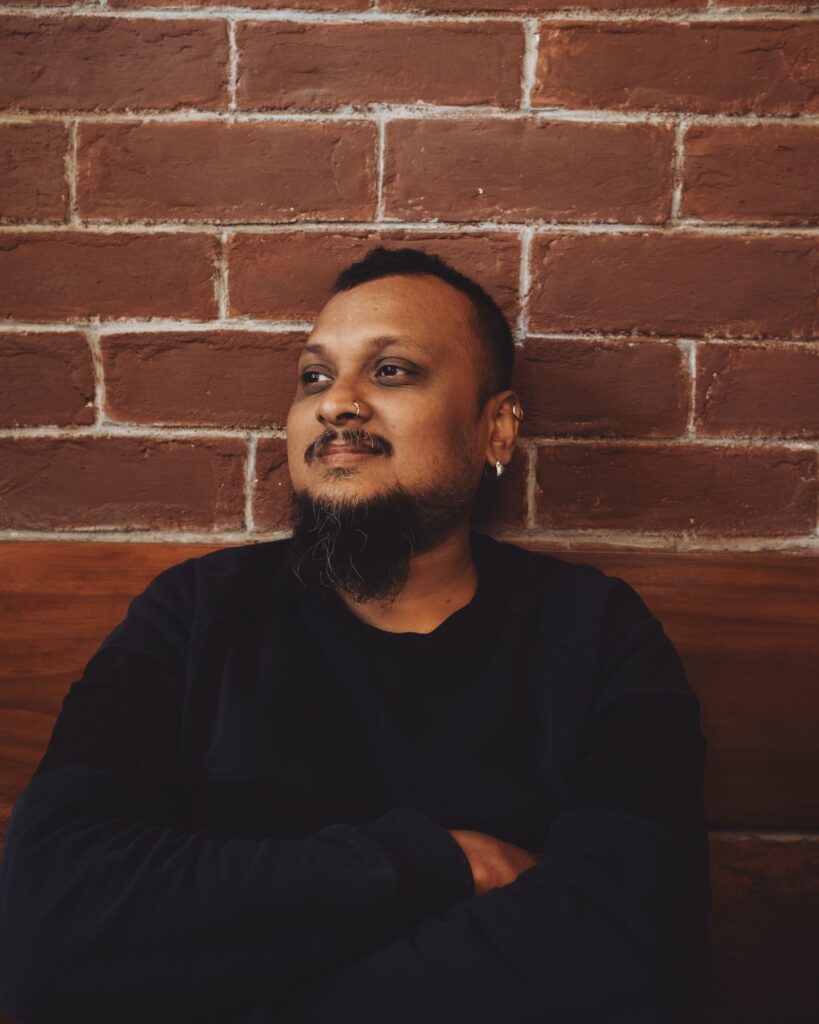
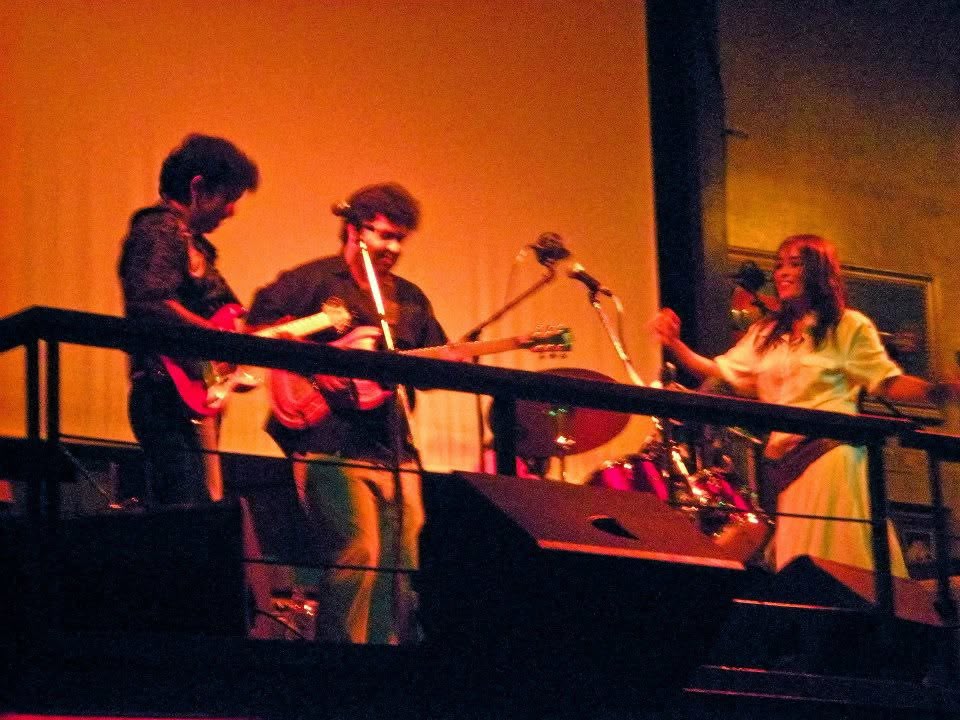
That conviction led him to formal sound engineering training in Mumbai, and eventually landed him in Sound.com in 2010-2011 where he cut his teeth learning to be a live sound engineer, and work alongside some of the best people to learn from. During that stretch Ray worked crew side with A.R Rahman, Pentagram, Shair n Func, Indian Ocean, Agnee, Joshua Rodman, Trilok Gurtu, Soulmate, Sivamani, Airport, Black Strat Blues, Pink Noise, Larry Coryell and practically every artist/band the company worked with.. It was a crash course in handling pressure, big stages, and bigger egos, all before he turned 30.
How Does Being a Musician Shape the Way Tirthankar Ray Engineers Sound?
Here’s something most audio engineers won’t admit: the artist in the room is often more fragile than they let on. Ray gets it, because he’s been that artist. Years spent as a bassist and keyboardist taught him to listen first and judge never.
“I told myself that I’d focus on being a recording engineer to begin with, not give unwanted or unasked advice to the artists that may break their own flow,” he explains.
He spent his early studio years practicing pure, active listening, resisting the urge to direct. It took three or four years before he let himself speak up in sessions, and only when he recognized an artist spiraling into self-doubt or over-production.
“We all, as artists, struggle with the same things almost,” he says.
That empathy, paired with sharpened genre analysis and tonal vocabulary, eventually nudged Ray into producing. On a limited scale at first, then increasingly as artists began trusting him with more than just the knobs.
What Has Blue Monk Inc. Taught Him About Kolkata’s Independent Music Scene?
Blue Monk Inc. isn’t just a studio. It’s a 13-year front-row seat to Kolkata’s independent music scene. Through it, Tirthankar has recorded and mixed for more than 600 artists across genres.
What has that taught him? That Kolkata has never lacked talent, only visibility.
“Kolkata always has unique thinkers, rebels, politically aware youth,” he says, “has had a culture and history of so much poetry and music.”
The creative flow is there. What’s missing, in his view, is marketing savvy and a habit of showing up for each other’s gigs, something he admits struggling with himself, especially among millennial artists.
But he sees change coming, driven by community builders: Gaboo pushing the Bangla band culture, Cizzy building the “Bangla’r Thek” community. Sourjo’s of Dindun holding open mics promoting fresh artists and the Priyonath Manna Bastee Community Kitchen where academics, theatre artists, musicians, nurses and mountaineers all share the same space which is supported by theatre artist Joyraj Bhattacharjee and his friends/family.
“Art, diversity in art, cannot exist in a vacuum,” Tirthankar says. “It needs a community to thrive.”
When Did Sound Become Art, Not Just Music, for Tirthankar Ray?
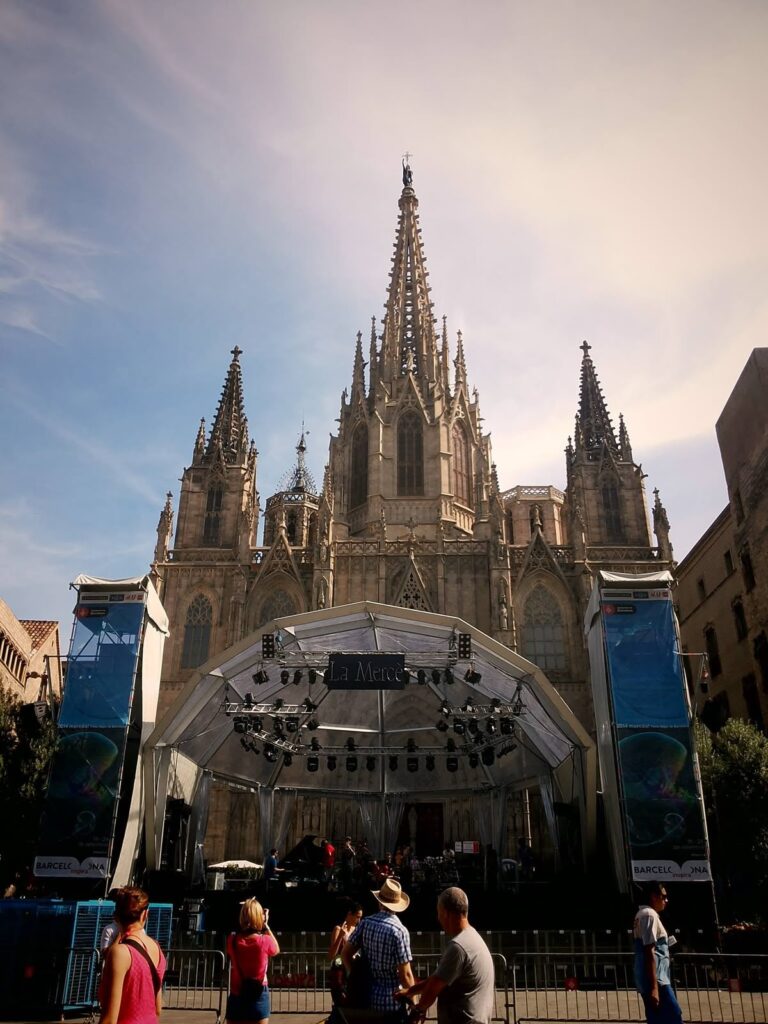
For most of his career, Tirthankar worked within music’s familiar boundaries: bands, studios, live shows. Then, in 2014, a trip to Spain to handle sound for a music-meets-dance project cracked something open. He encountered interdisciplinary artists blending sound design with movement and visual art for the first time.
“It was new, quite free-ing and interesting to observe,” he says.
That exposure sent him down a new path. In 2017, back in Kolkata, he designed sound and musical elements for a friend’s Butoh performance piece, a 30-minute production that eventually toured venues across India and festivals in Germany. Two years later, a visit to the Kochi-Muziris Biennale 2019 opened his eyes even further, showing him how artists from wildly different disciplines could weave their work into a single, cohesive installation.
Underneath all of it sits his fascination with psycho-acoustics, specifically how environment, headphones, and room acoustics change the way we physically experience the same sound.
“Music and sound cannot live in isolation,” he says.
It’s a belief that now shapes everything from his studio mixes to his sound-art installations.
What Are the Moments Tirthankar Ray Will Never Forget?
Every career has its defining scene. For Tirthankar, it’s a gig at Hard Rock Cafe, Lower Parel, in 2010. It was his first time as chief sound engineer, running the console solo for the band Soulmate. Warren Mendonsa of Blackstratblues showed up to lend a hand, and the gig turned out, in Ray’s words,
“fantastic.”
He still has the photos he snapped from behind the console that night.
Then there was the day Amit Kilam of Indian Ocean sat him down and patiently taught him how to tune a drum kit. A quiet lesson in craft that stuck for life.
And then there’s Blue Monk Inc. itself, now 13 years deep.
“Not an incident,” Tirthankar says, “but many that would always remain etched in my memory forever.”
What’s Next for Tirthankar Ray, and What Should the Next Generation Know?
Tirthankar’s advice to the next generation of sound explorers is refreshingly unglamorous: be passionate, because the technical grind will test you, but modern tools make the climb easier than ever.
“Be curious, be fearless, explore, ask,” he says. “Definitely ask questions!”
He’s taking his own advice. Ray recently traveled to Bhuj, Gujarat, where he built simple microphones and a hydrophone to capture the sound of a handloom machine in motion. He layered in a Tangaliya woman’s village song, building an entire sonic archive around the region’s textile history. Part field recording, part sound art, part cultural preservation.

He’s also several songs deep into a new project: Free School Street, an ambient/drone band he plays bass and live sound design for alongside Koustuv, Dwaipayan, and Taishi. Their debut gig happened in May. Days later, the band went straight into the studio and live-recorded five tracks, blending African, Sufi, and jazz-inspired improvisation. The songs are set to land on Bandcamp this month.
What’s left on the list? Collaborations across black metal, folk, doom/shoegaze, and in his own words,
“Indian classical/ folk meets ambient/noise/glitch.”
With more than 600 artist credits to his name and a studio that has outlasted most trends, Tirthankar Ray has little left to prove. Yet he continues to push into the unknown, building microphones from scratch and exploring sounds that others haven’t thought to create.
The Sound Never Stops, and Neither Does He
Thirty years in, Tirthankar Ray is still the same kid pressing record on a cassette deck, just with better gear and a longer résumé. His story isn’t really about studios or sessions. It’s about what happens when curiosity never runs out of road.
If you want to hear where that curiosity is headed next, keep an eye on Bandcamp for Free School Street’s upcoming release. And don’t be surprised if Ray’s next project involves a microphone nobody’s thought to build yet.
Who Is Tirthankar Ray?
Tirthankar Ray is a Kolkata-based musician, bassist, sound engineer, and music producer. He is the founder of Blue Monk Inc., a recording studio that has worked with over 600 artists across genres.
Follow Tirthankar on Instagram

Lubdhak Biswas is a musician, entrepreneur and a tattoo artist based out of Kolkata (India).
He documents underground culture at the crossroads of tattooing and music.
His work focuses on craft, tools, ethics and the real working realities of creative industries.