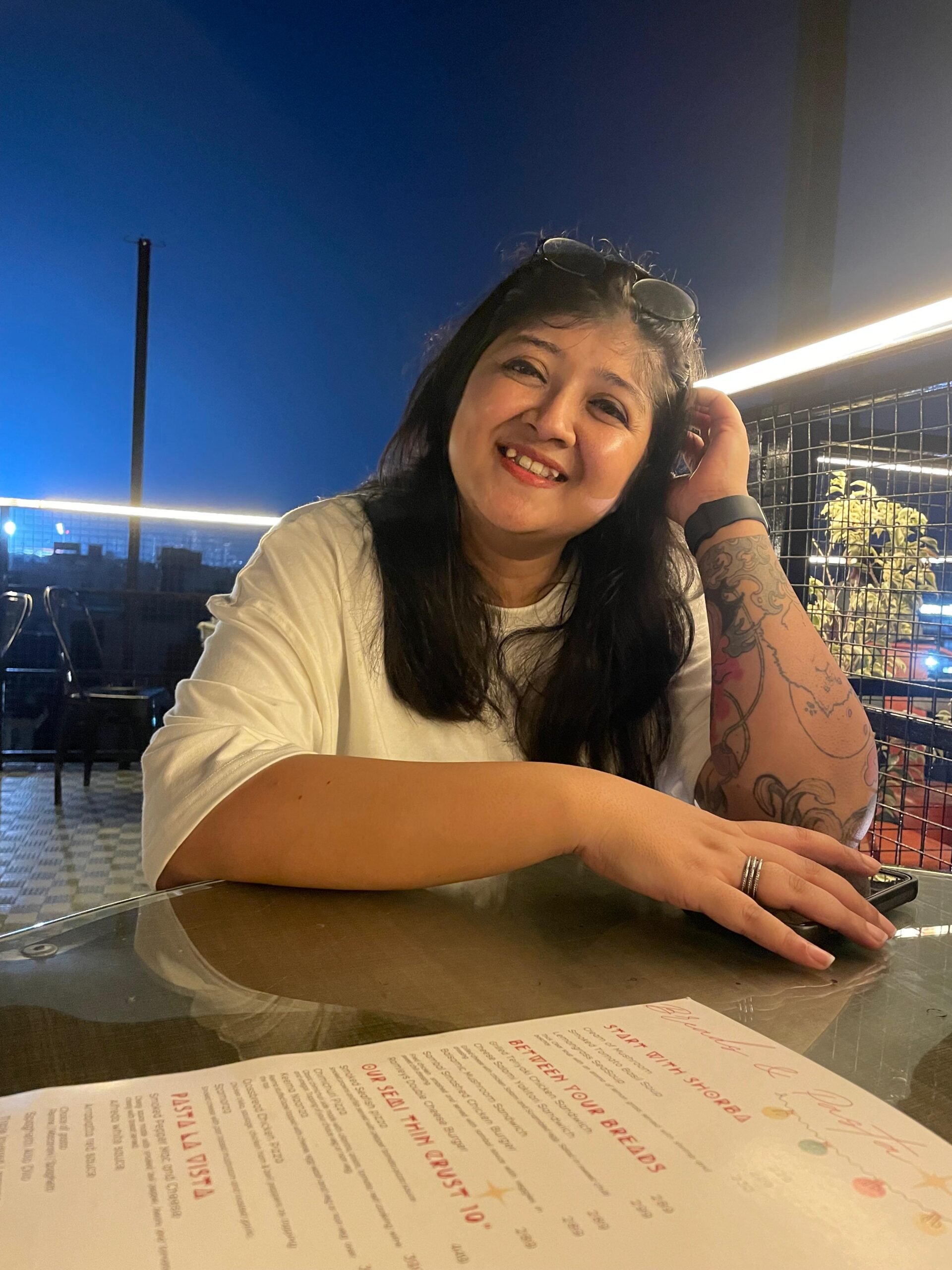
Siri Hebbale: Where Screams and Scales Share the Same Soul
Bangalore vocalist Siri Hebbale merges metal screams with classical roots. Read how she found her voice across genres and why she believes all music is one.
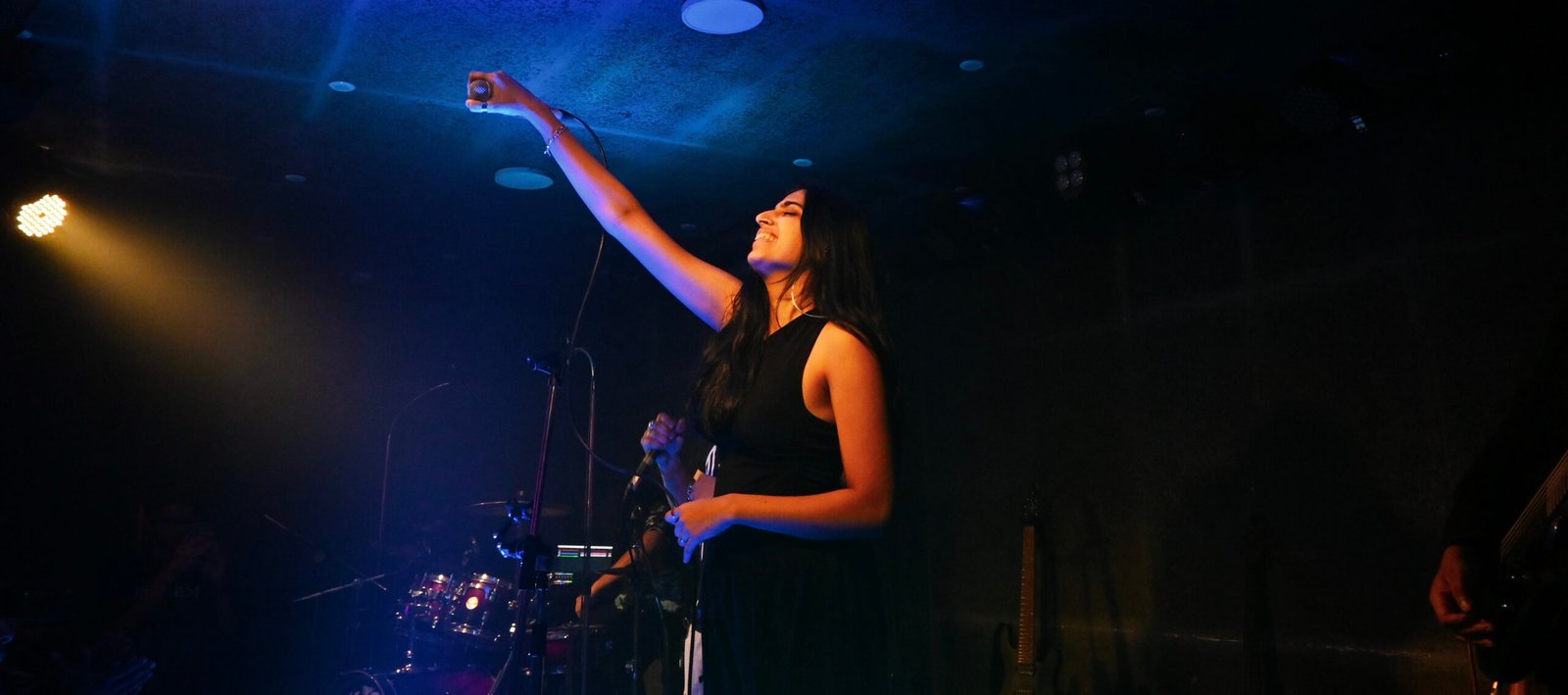
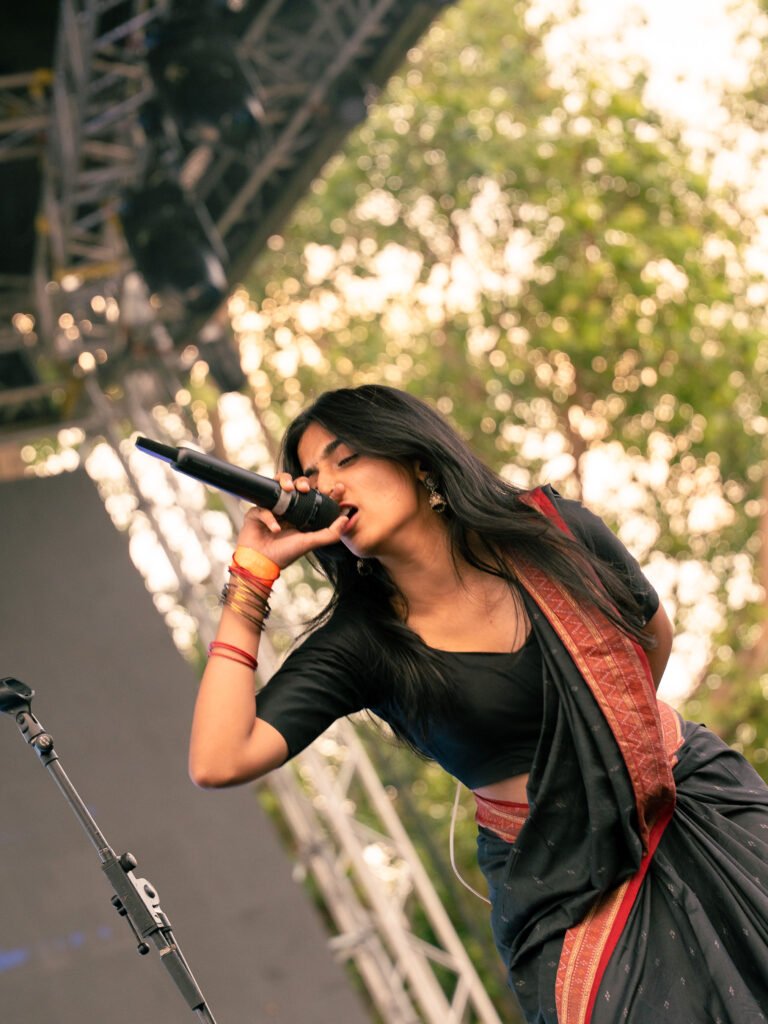
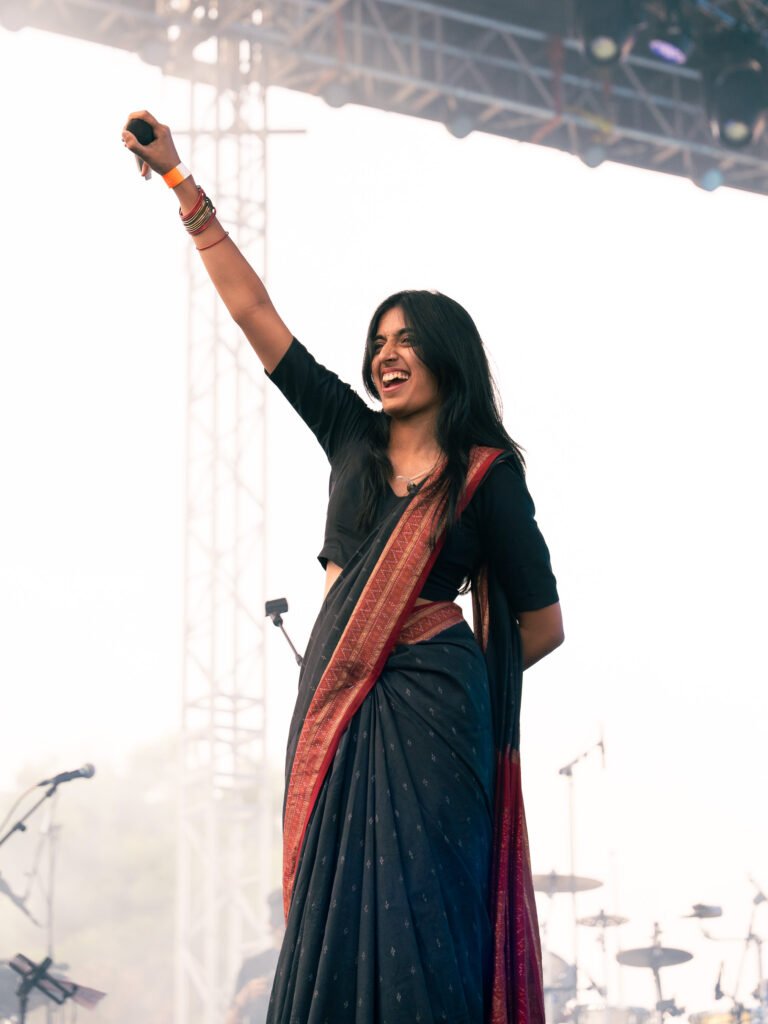
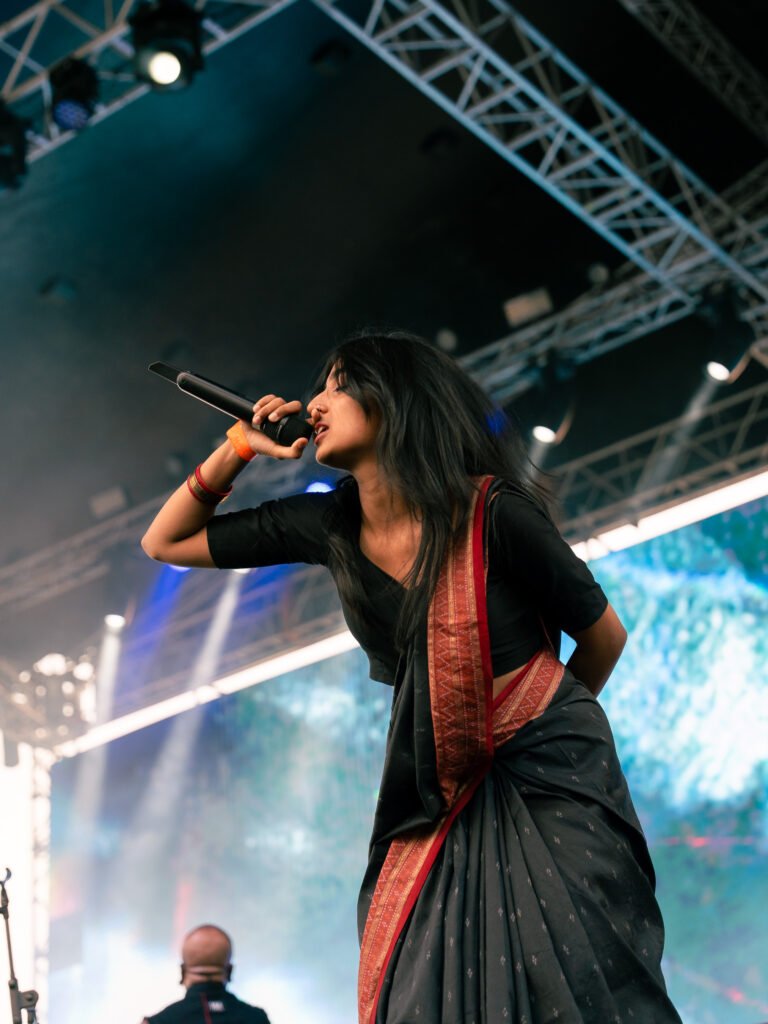
Siri Hebbale is a Bangalore-based metal vocalist drawing inspiration from Kannada folk music, prog rock and folk rock. Her work sits at the intersection of extreme vocals and melodic singing, shaped by a philosophy that treats genres as different lenses on the same human experience, and music as a personal, evolving diary rather than a performance.
There’s a version of Siri Hebbale you might hear first: warm, layered, stacking harmonies over harmonies until a song feels like it’s breathing. Then there’s the other version: raw, gritty, unguarded. What makes Siri compelling isn’t that these two voices exist in her. It’s that she refuses to let either one apologize for the other.
Born and raised in Bangalore, Siri’s relationship with music started early, in a school choir, under the guidance of a teacher who, as Siri describes it, “nurtured my learning experience for the coming decade.” That foundation in harmony and layering, in treating the voice as an instrument rather than just a vehicle for melody, became the bedrock of everything that followed.
Her brother brought the next chapter. Through him, she discovered heavy metal, and her entry point was Thrash.
“What specifically spoke to me,” she says, “is the way the leads harmonized with each other and did most of the ‘singing.'”
Other sub-genres opened her eyes to something else: the capacity of vocals to carry raw, unfiltered grit. System of a Down sealed it.
“It felt like these artists were speaking a different language,” she recalls. “It was unapologetic, expressive, and honest. It never pretended to be something it’s not.”
What Does It Feel Like to Hold Two Voices at Once?
The duality in Siri’s music isn’t a stylistic choice made for impact. It’s something closer to a mirror.
“The same duality that everybody feels in their day-to-day life is the one that sits in this type of music,” she says. Melodic singing and extreme vocals aren’t opposites she’s managed to reconcile. They’re two honest expressions of the same emotional reality.
She started learning to scream in 2023, through YouTube tutorials, practicing in her college hostel room with the door locked. It’s an image that says something important: this wasn’t a performance-ready skill she unveiled. It was something she worked out alone, privately, because she needed to.
“There’s something really raw and vulnerable about creating that sound with your own body and moulding an expression with it,” she says.
The harder work, she’ll tell you, wasn’t learning the technique. It was figuring out how to make both voices feel like they genuinely belong together, not one style decorated with hints of another.
“I’ve always been interested in developing a relationship to stay true to both styles, rather than treating one as an add-on to the other.”
Siri grew up surrounded by different genres of music, and what she describes next reveals a lot about how she listens to and processes the world.
“An open mind, a little reading, and the willingness to sit with it was always transformational.”
That willingness to sit with the unfamiliar, to let it change the way you listen, seems to run through everything she does. For Siri, music is a way of experiencing the world.
“In classical and Kannada folk music, music isn’t just about the song itself, but about the culture, the message, and how it carries across generations.”
Music as cultural memory. Music as something that carries meaning across time, not just across a setlist.
This shapes how she thinks about genre altogether. Where many musicians describe moving between styles, Siri talks about genres as “different perspectives, different philosophies, different lenses through which you can have a human experience.” The lens changes. The humanity underneath doesn’t.
Her Covers Aren’t Recreations. They’re Conversations.
When Siri chooses a song to cover, she’s not hunting for something she can do better. She’s looking for space, room to let her own voice interact with itself.
“I have this habit of stacking harmonies simply because I love how huge something can sound,” she says. “I’m trying to let both versions of my own voice sit inside it in a way that feels natural and adds another dimension.”
Her clean vocals often function less like a lead and more like a background instrument, building ambience, thickening the texture, creating a sense of space that the original might not have had. The original and her interpretation don’t compete. They coexist. It’s a quiet but distinct artistic statement: a cover doesn’t have to erase what came before it to say something new.
On Being a Musician: Listen First, Create Second
There’s a line Siri offers that deserves to be heard slowly: “Being a musician is more about being a good listener than about just writing or producing music constantly.”
It sounds simple. But it’s actually a rebuke of the pressure, particularly for emerging artists, to be constantly producing, constantly visible, constantly releasing. For Siri, listening is where the real work happens. Every genre, she says, expresses not just a feeling but a technique. And absorbing those techniques, across languages, styles, and traditions, is what changes how you sing, how you write, and ultimately how you understand music at all.
“Every genre has its own lens,” she says, “and the more you spend time with it, the more it gives you a new ear.”
Where She Is Right Now
Siri describes herself as early in the process of defining her sound, and she says this without apology.
“I don’t know if that process ever really ends, because there’s always more music to listen to and more things to learn from.”
What she does know is what she wants her music to be, even if the shape of it is still forming.
“I want my music to feel like a record of my evolution… a kind of diary of the different things I’ve listened to, learned from, and absorbed over time.”
She’s candid, too, about the self-directed nature of it:
“I’m a little selfish in how I approach music, in the sense that I’m doing this mostly for myself, because it’s an expression of my spiritual love for the art and the process.”
That honesty, placing the creative act in service of personal truth rather than audience approval, is, paradoxically, exactly what makes her music resonate.
What She Hopes to Leave Behind
Ask Siri what she wants people to associate with her name, and she doesn’t reach for genre labels or accolades. She talks about dissolving rigidity.
“The whole of music truly is one,” she says, “and even momentarily dissolving the rigidity between sub-genres might help people realise that we all truly do have the same devotion, just in different fonts.”
That’s the invitation embedded in her music: not to pick a side between the melodic and the heavy, between the classical and the contemporary, between Kannada folk and Thrash metal.
But to recognize that these are all fonts, as she puts it, different ways of writing the same devotion. A devotion to feeling something, expressing something, and being heard.
Siri Hebbale isn’t trying to be a bridge between worlds. She’s pointing out that the bridge was always there.
Lubdhak Biswas is a musician, entrepreneur and a tattoo artist based out of Kolkata (India).
He documents underground culture at the crossroads of tattooing and music.
His work focuses on craft, tools, ethics and the real working realities of creative industries.