Discipline Before Style: Finding True Visual Individuality
Explore how tattoo artist Dave Paulo used architecture, discipline, and fine art influences to build a deeply authentic and recognizable visual language.
Many artists chase a unique style, while others build the discipline to sustain one.
We often think of artistic expression as a sudden burst of pure emotion. However, true visual identity rarely comes from chaos. It relies on structure and discipline. When an artist focuses on realism, that precision acts as an anchor. It gives them a set of rules to follow. Over time, artistic evolution requires a delicate balance. A creator must weigh technicality against pure expression. Finding your true visual language means understanding these rules deeply enough to eventually break them.
This process of self-discovery takes time, patience, and observation. Through the lens of tattoo artist Dave Paulo, we can examine how maturity, structure, and a refusal to chase trends shape a lasting creative identity.
Starting Late Without Starting Behind
Maturity changes how artists approach learning. When you enter a new field later in life, you bring a wealth of prior knowledge. You do not have the luxury of aimless wandering, but you do have a sharper focus.
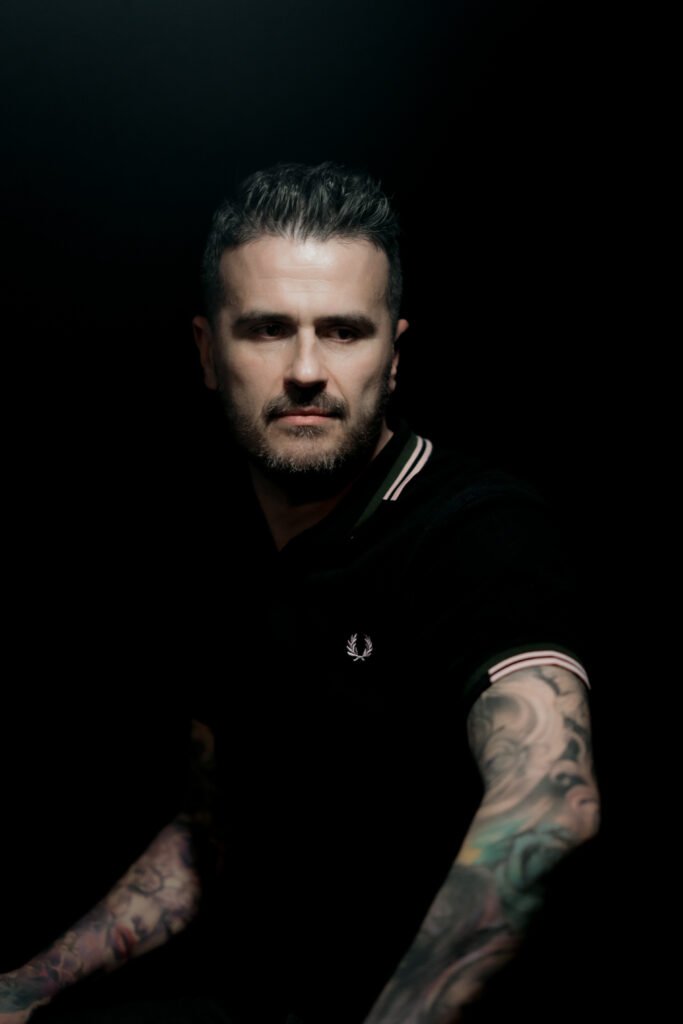
Entering the tattoo industry well into his thirties, Paulo leaned on his previous career.
“I started tattooing when I was 35, and I have to say that my background in architecture gave me a solid foundation to enter the tattoo world,” he explains. That delay was not a setback. It was an incubation period that allowed him to enter a crowded space with an established mindset.
Architecture as a Mental Framework
Technical systems often become invisible foundations in creative work. We do not always see the grid beneath a painting, but it holds the composition together. For Paulo, the tools of architecture translated seamlessly into skin.
He notes that “architecture also gave me an important sense of discipline and structure, which allowed me to approach compositions differently from the start.” Furthermore, he adds,
“I was already familiar with tools like Photoshop and Illustrator, which helped me a lot in the beginning.” This structured approach gave him a massive advantage in navigating complex designs.
Fluidity Over Rigid Planning
Control and improvisation can coexist. While a strong foundation is necessary, holding onto a plan too tightly can choke a piece of art. The most authentic work often happens when an artist allows the piece to breathe.
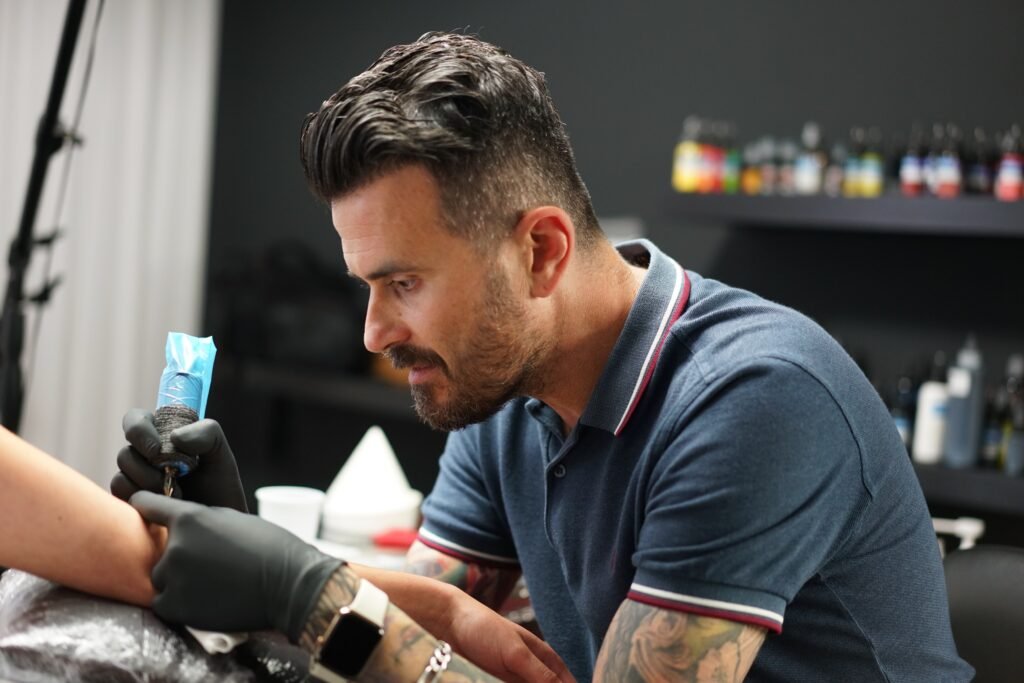
Despite his structured background, Paulo does not map out every single detail beforehand. “my creative process in tattooing remains quite fluid and adaptable,” he notes. This willingness to pivot during a session keeps the art feeling alive and deeply human.
Combining Realism and Graphic Language
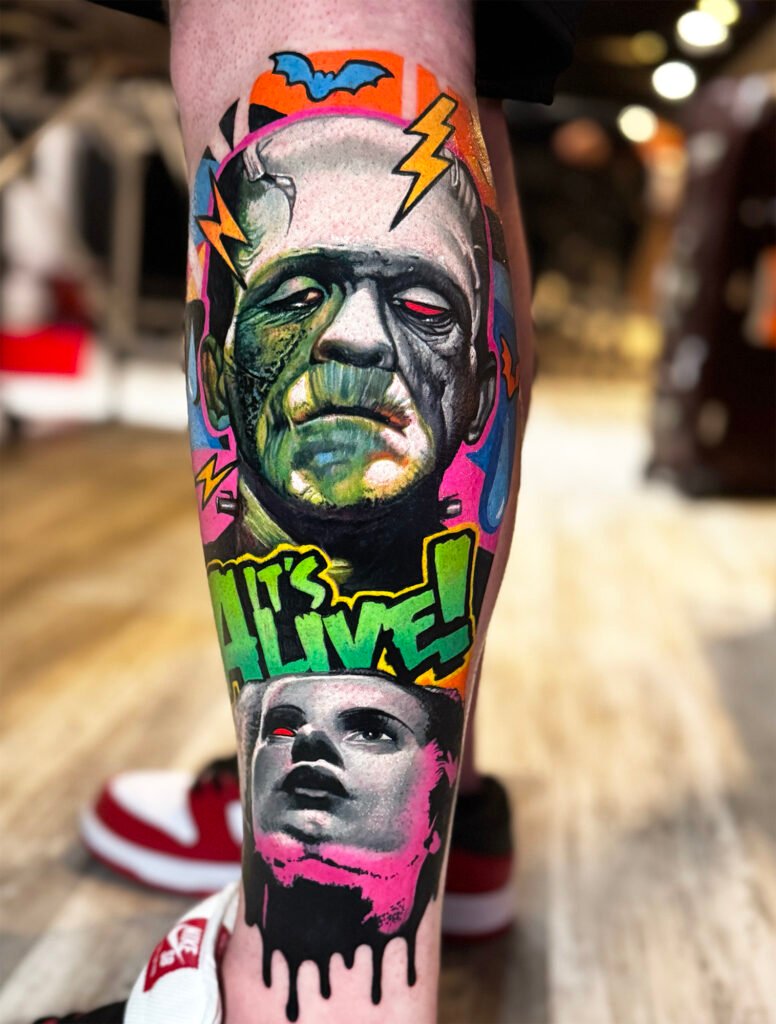
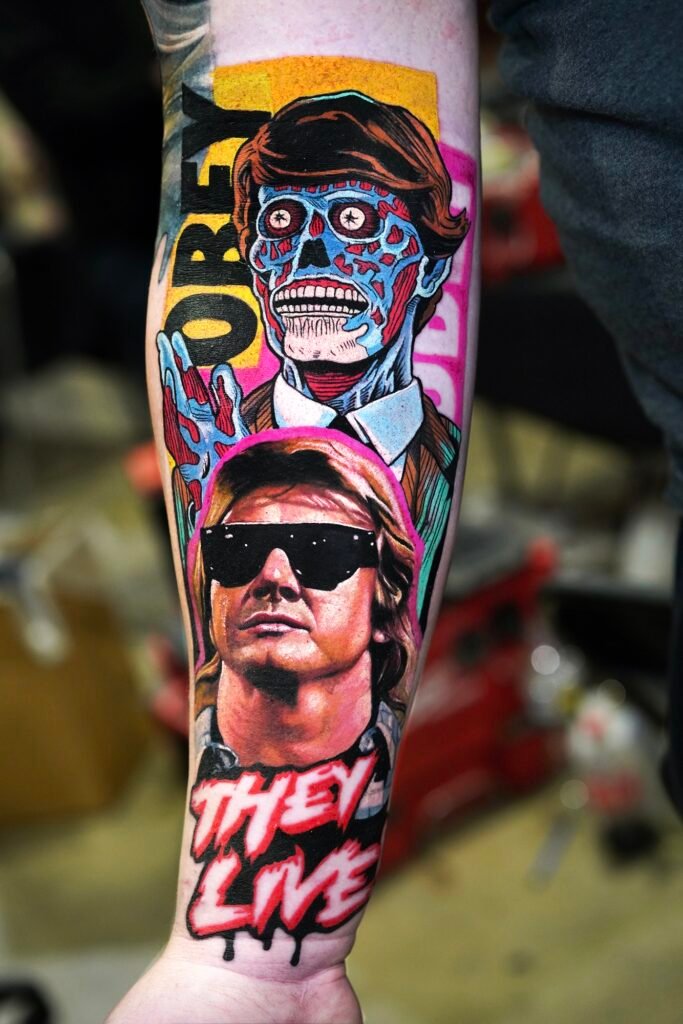
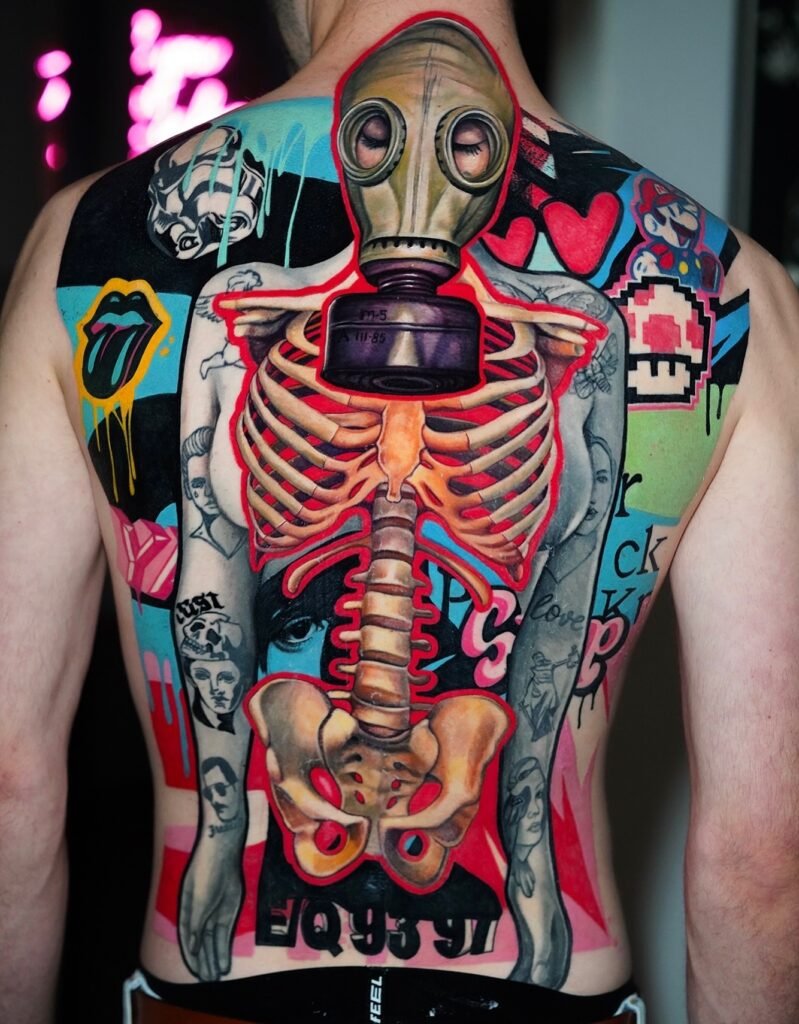
Strong visual identity often comes from the tension between opposites. When you place a highly rendered portrait next to flat, bold shapes, the eye is forced to reconcile the two.
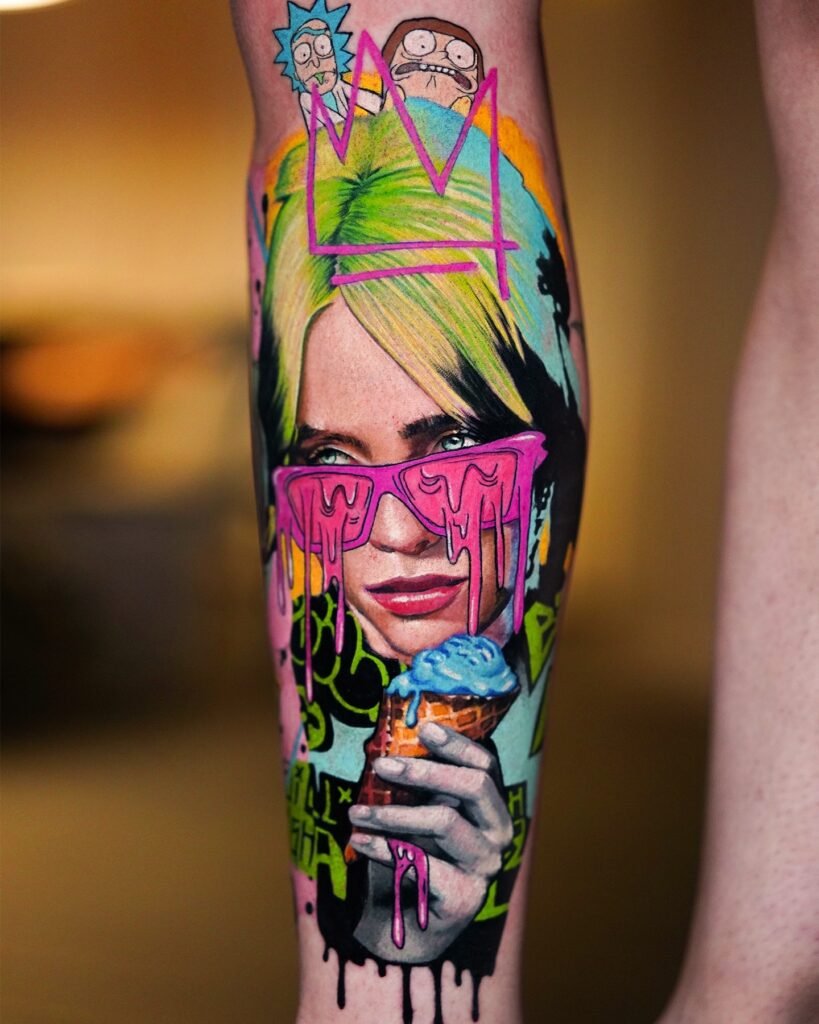
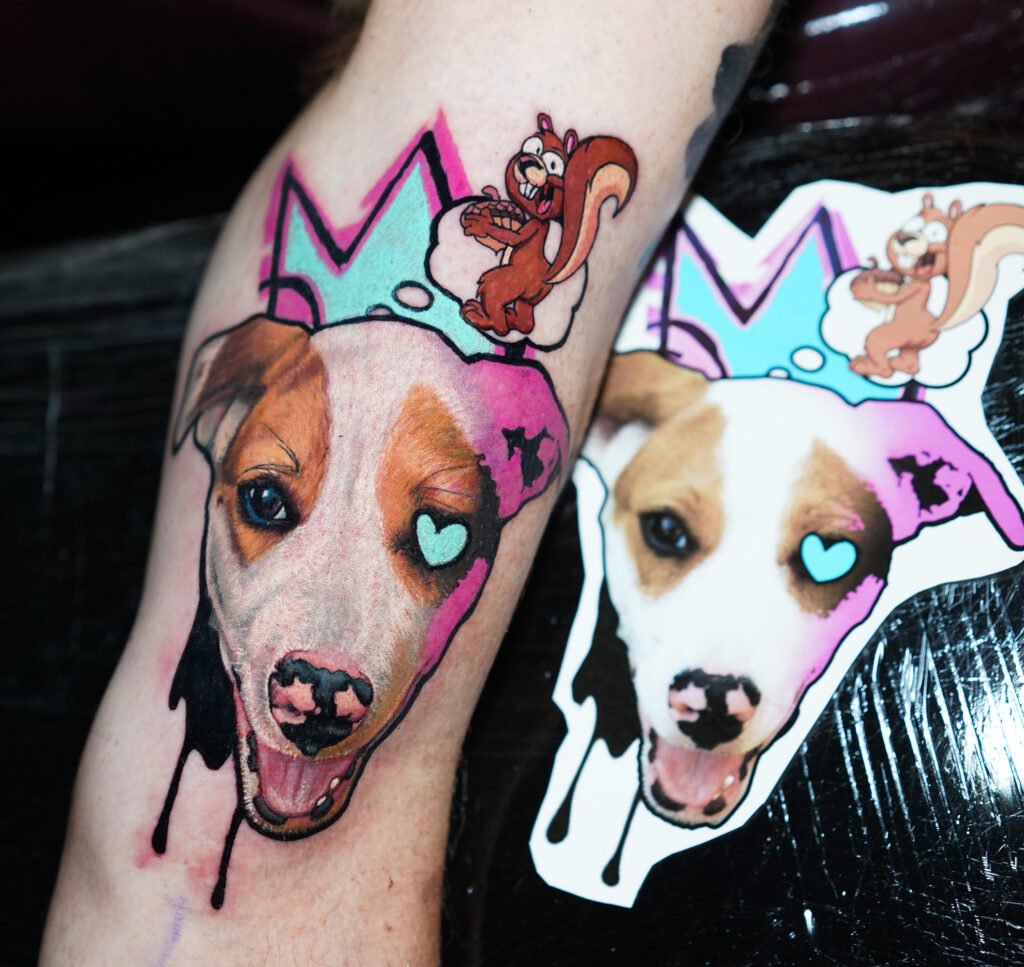
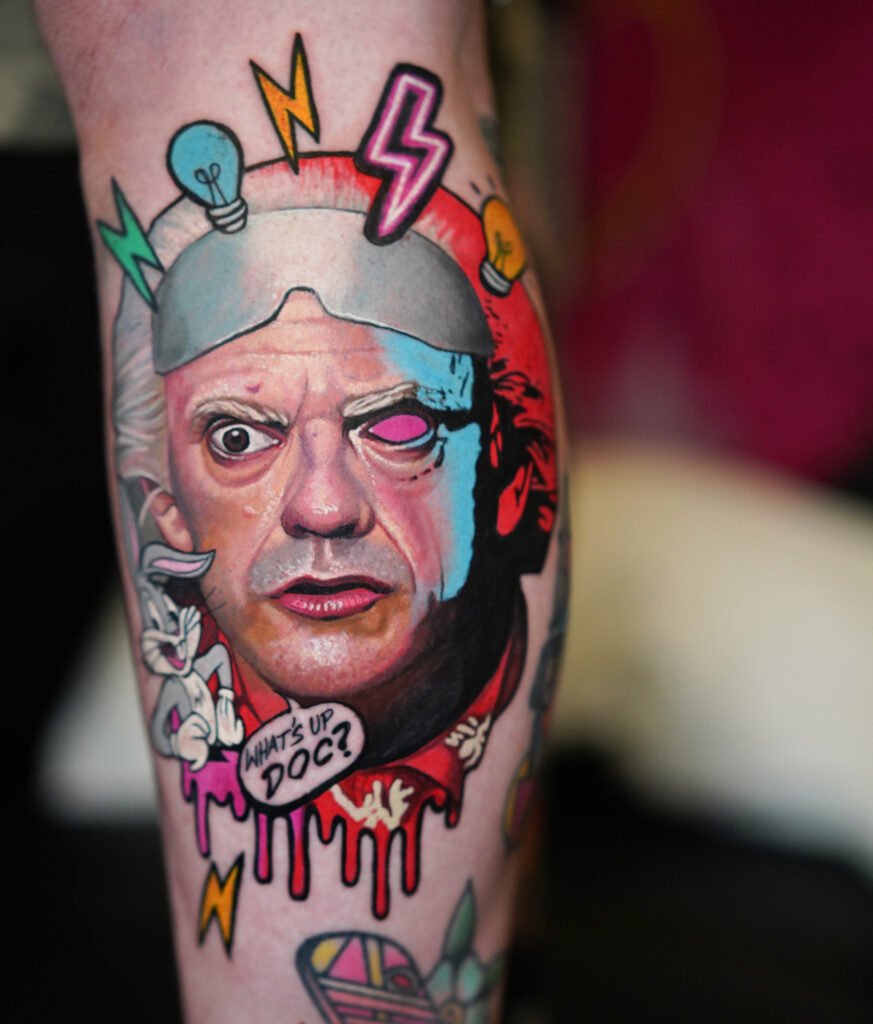
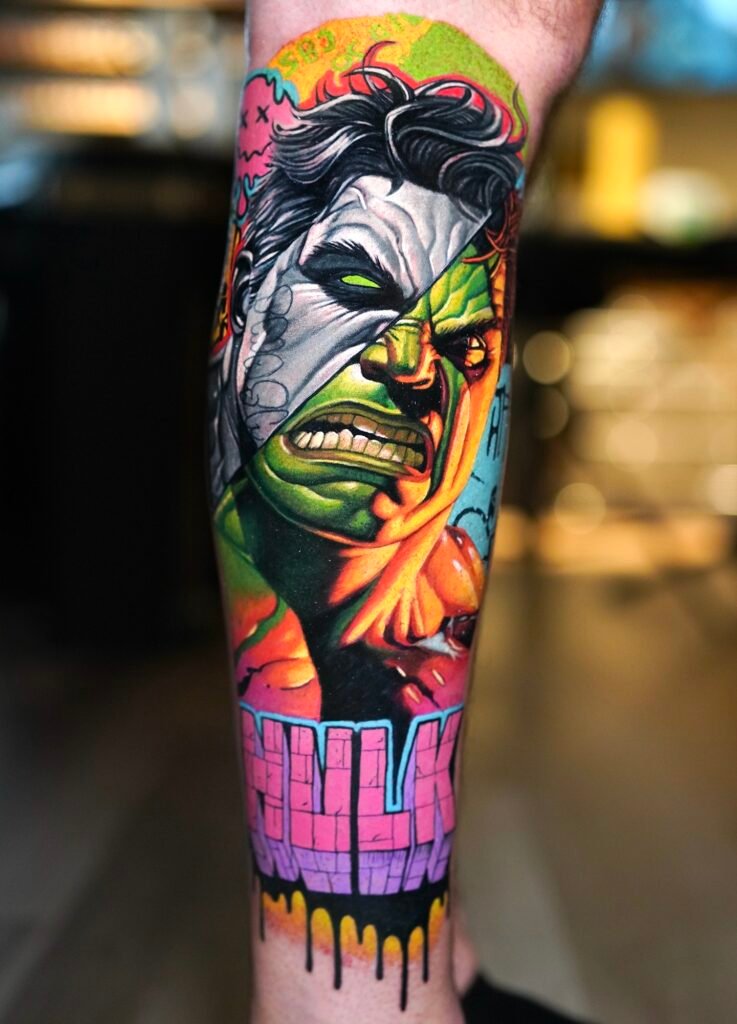
Paulo navigates this intersection by focusing on color theory. “For me, it’s really about how everything is combined, contrast, complementary colors, and the overall harmony of the palette,” he says.
This deliberate friction between styles creates a distinct aesthetic that feels entirely his own.
Why Faces Must Remain Sacred
Respecting realism requires immense restraint. It is tempting to push boundaries and distort reality, but certain elements demand respect. The human face carries too much emotional weight to be treated carelessly.
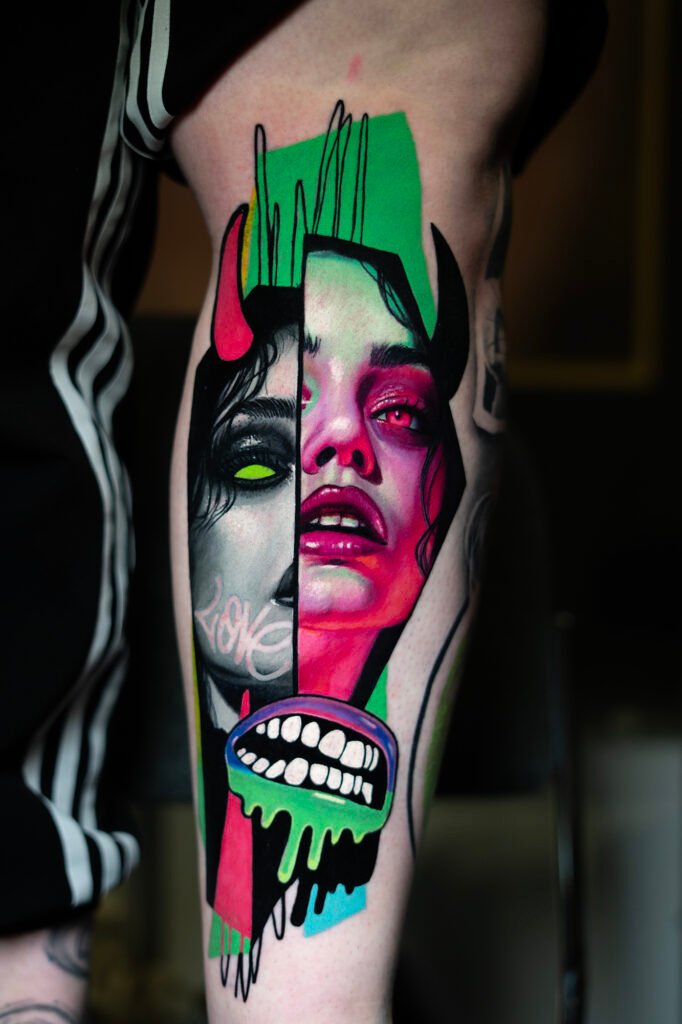
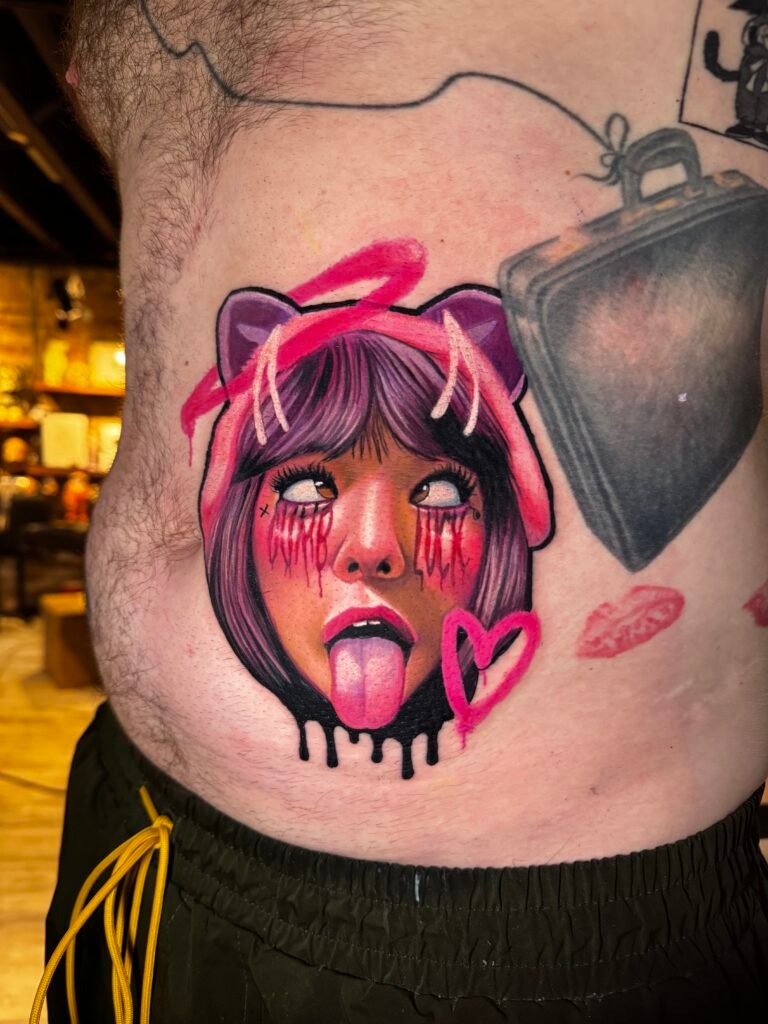
“The face should never really be changed, what I play with instead are the colors around it and the colors that build it,” Paulo explains.
By leaving the core features intact, he preserves the humanity of his subjects while still leaving his artistic mark.
The Difficulty of Color Realism
Realism exposes technical weakness immediately. There is no place to hide when you are trying to replicate reality. A bold graphic tattoo can forgive a slightly wobbly line, but a realistic portrait demands absolute precision.
“Reproducing a portrait with accuracy is extremely demanding, just a small mistake in a shadow or a poorly executed volume can easily distort a face,” Paulo observes. This high barrier to entry is exactly why discipline must precede style.
The Problem With Rushing Mastery
Modern visibility culture often rewards premature confidence. Social media pushes young creators to show off complex work before they fully understand the basics. This pressure to perform creates a fragile foundation.
Paulo sees this frequently. “The main technical mistake I see in younger artists is that many start doing portraits before they’re truly ready, often driven by the financial side of it.” Chasing the final result without enduring the difficult learning phase ultimately stalls true artistic growth.
Influence Beyond Tattooing
Artists grow when inspiration comes from outside their industry. If you only study your immediate peers, your work becomes an echo. True originality requires looking outward.
Paulo draws heavily from classical and fine art, studying the human forms created by Caravaggio, Gustav Klimt, Egon Schiele, and H.R. Giger. “Those artists have definitely influenced me as well. In general, I’ve always been drawn to artists who work with the human figure,” he shares.
The Street Art Turning Point
A single visual experience can reshape an artistic direction entirely. Sometimes, all it takes is a brief encounter with a different medium to unlock a new way of thinking.
For Paulo, this realization happened outside of the tattoo studio.
“There was a turning point when I saw a very well-known street art mural in New York. It gave me a kind of creative flash.” That moment allowed him to see how pop-art energy could be injected into his realistic foundations.
Building Signature Through Integration
Originality often comes from merging worlds that normally stay separate. You do not have to invent a completely new technique to stand out. You just have to combine existing elements in a way that feels honest to your personal background.
Reflecting on his diverse influences, Paulo says,
“I felt the need to combine both worlds – realism and graphic elements.” This integration became the cornerstone of his recognized visual language.
That merging of techniques became more than an experiment. It pointed directly toward his signature approach.
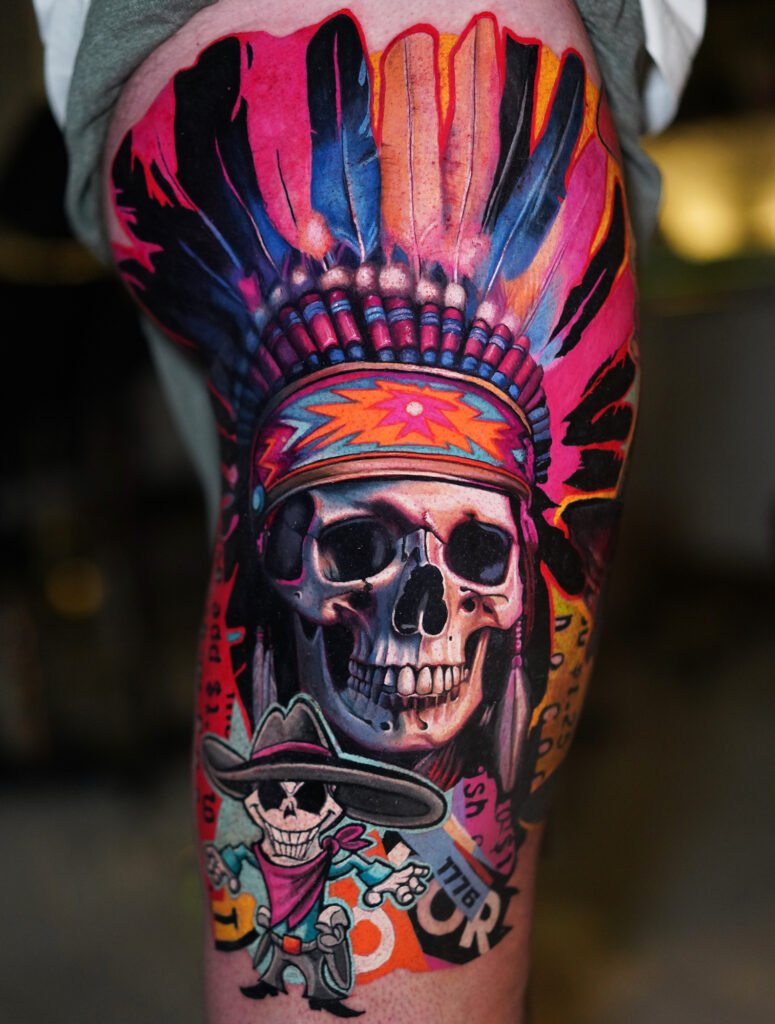
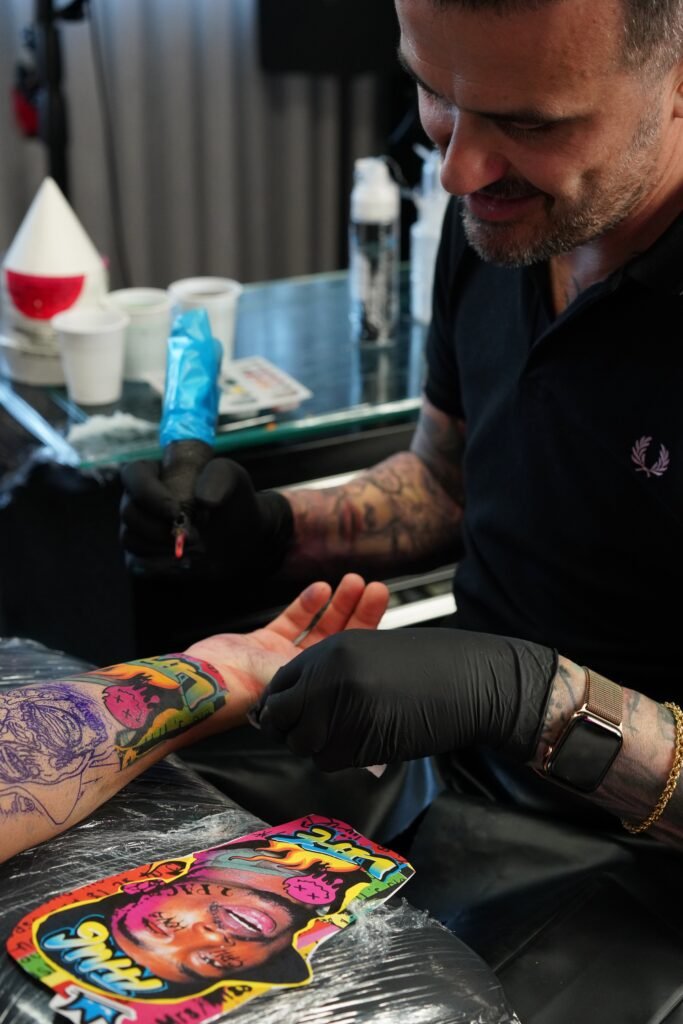
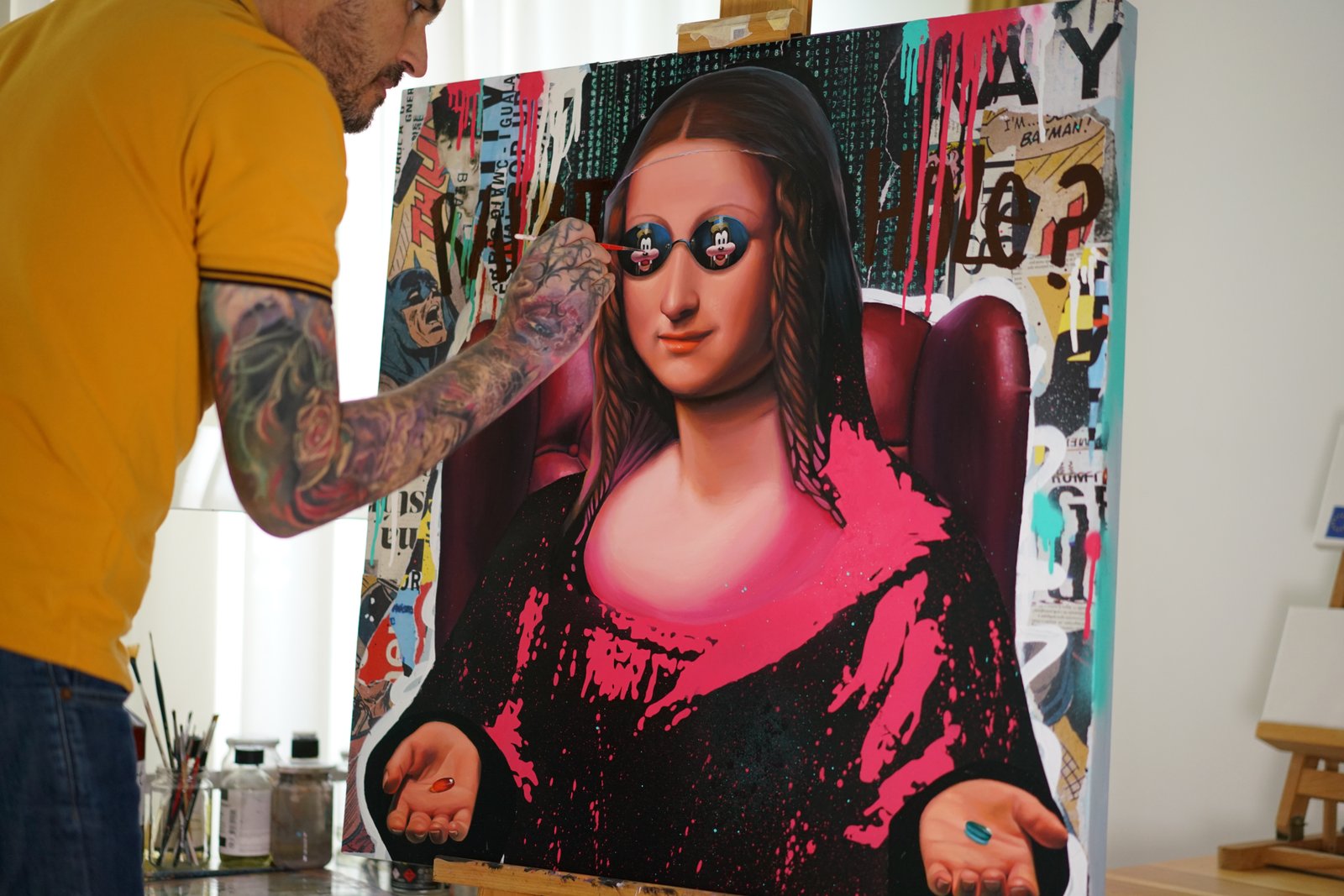
“After I combined both realistic elements and graphic elements, I found my style. Realistic Pop Art.”
Paulo was developing and refining this visual language at a point when very few tattoo artists were exploring it as a dedicated style. He was the first to create Pop Art in tattoos and before him, no one else was doing it. Over time, that personal direction became part of a broader visual conversation within tattoo culture, one that other artists eventually joined. For Paulo, it was never a calculated move toward something trendy. It was simply what emerged when his background in realism met his attraction to graphic language.
Painting and Tattooing as One Language
Artists rarely separate mediums emotionally. Whether they are working on skin, paper, or digital software, the underlying voice remains the same.
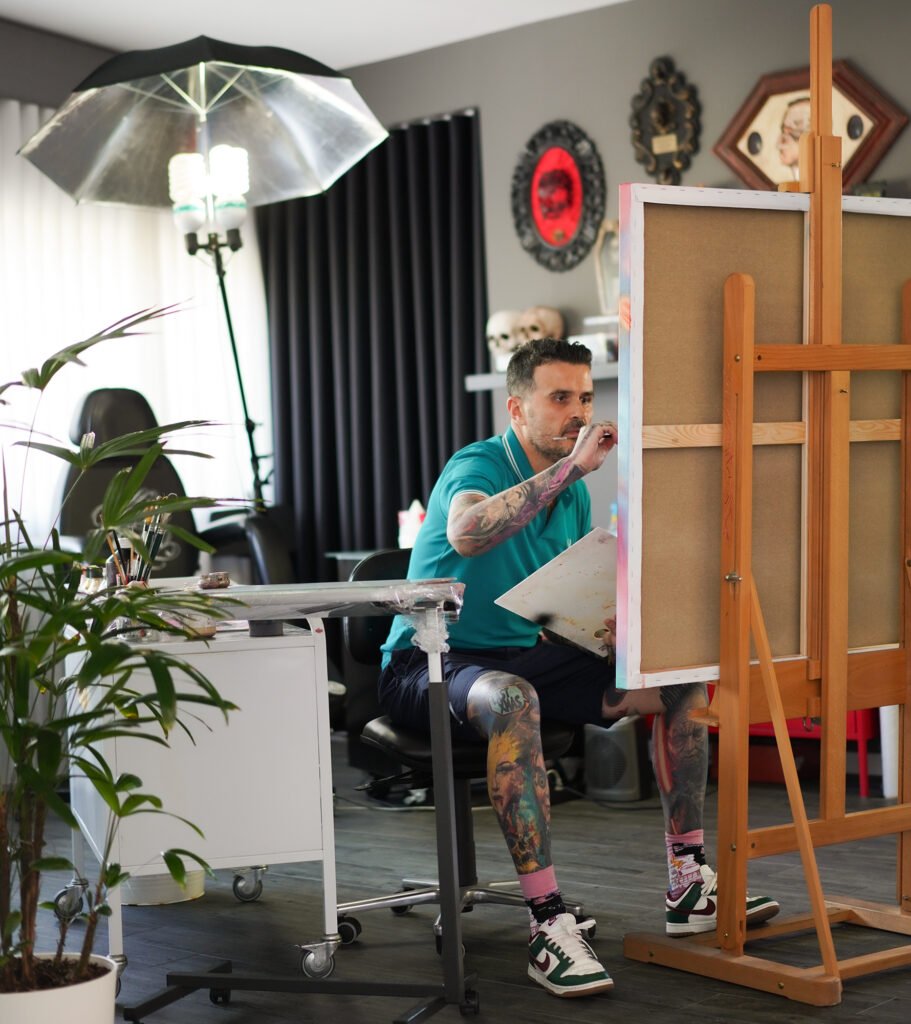
When Paulo transitions from tattooing to fine art prints, the core philosophy does not shift.
“What I create in my paintings is essentially an extension of what I do in tattooing, but on canvas,” he explains. The medium changes, but the identity stays intact.
Passion Before Trend-Chasing
Longevity comes from evolution, not imitation. Trends will always fade. If you build your career on what is currently popular, you will constantly be scrambling to keep up.
To survive and thrive, the motivation must remain internal. As Paulo simply states, “the goal should always be to create something unique.” That dedication to originality acts as a shield against creative burnout.
Learning Beyond the Industry
Creative isolation weakens artistic identity. The moment you stop being a student of the wider world, your work stagnates.
“I believe it’s important not to rely only on inspiration from other tattoo artists, but to look at other forms of art as well,” Paulo advises. By keeping his eyes open to the world around him, he ensures his work continues to grow.
The Reality of Artistic Growth
Maybe style was never something artists discover overnight. Maybe it’s something built slowly through discipline, observation, and years of refusing to stay predictable.
Lubdhak Biswas is a musician, entrepreneur and a tattoo artist based out of Kolkata (India).
He documents underground culture at the crossroads of tattooing and music.
His work focuses on craft, tools, ethics and the real working realities of creative industries.