Growing up often means choosing between leaving your past behind or carrying it into everything you build. In the search for our soul, it’s easy to think we must shed old identities to step into new ones. As we navigate shifting careers and changing cities, we might wonder if moving forward requires forgetting where we started.
For those trying to unlock their true potential, the answer is rarely found in erasing the past. True growth happens when you integrate your history into your present. It is about taking the raw, unfiltered parts of your youth and refining them into a space where others can gather, connect, and feel something genuine.
Reevu Wangdi, Co-Owner of Momo I Am and Soy Yum understands this balance perfectly. He transitioned from graffiti walls to restaurant spaces, building a community that bridges underground art with everyday dining. His journey shows us that creating a meaningful space is not about following a strict business manual. It is about anchoring your work in the culture that shaped you.
The Idea of Carrying Where You Come From
Our roots dictate how we perceive the world around us. A sense of identity is not just tied to a single location. It is woven through the miles we travel and the environments we absorb. When we explore different cultures, we gather fragments of inspiration that eventually form our unique creative voice.
For Reevu, that voice began in the hills and expanded across continents. The foundation of his identity relies heavily on this geographical movement.
“I come from Darjeeling . But have traveled extensively through out India due to my fathers army life. Then went to Australia for studies ,but life bought me back to my roots.”
This movement across places gave him a broad perspective. Yet, the gravitational pull of his origins remained undeniable. You can travel the globe, but the places that hold your earliest memories often call you back to create something tangible.
The Energy of the Streets
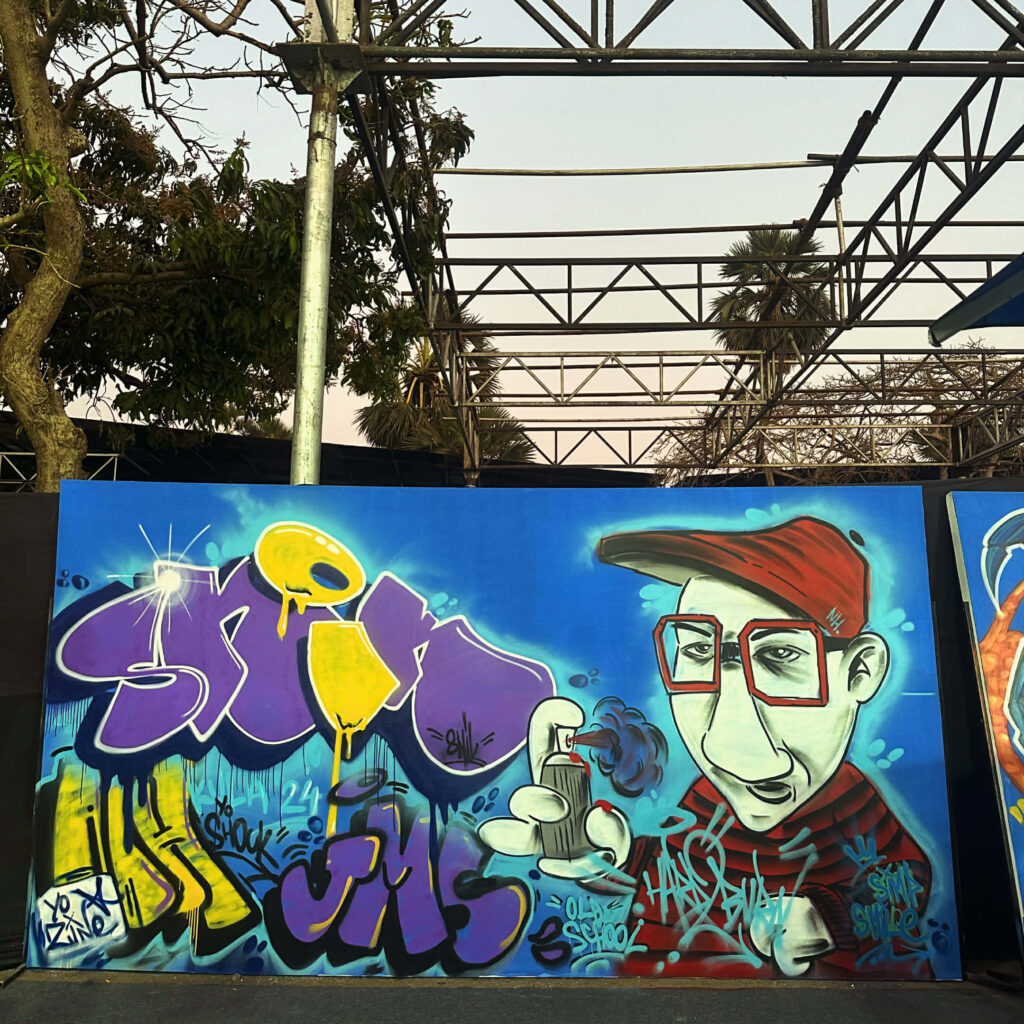
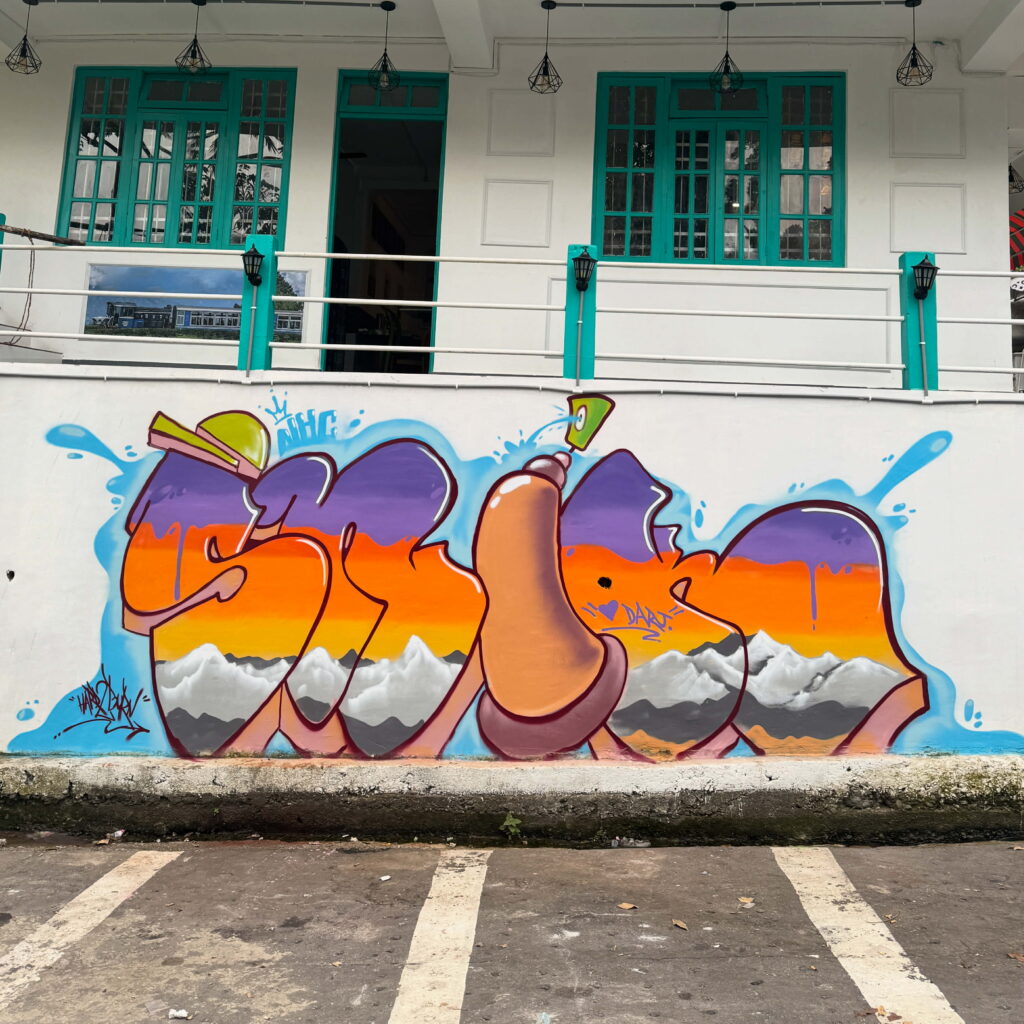
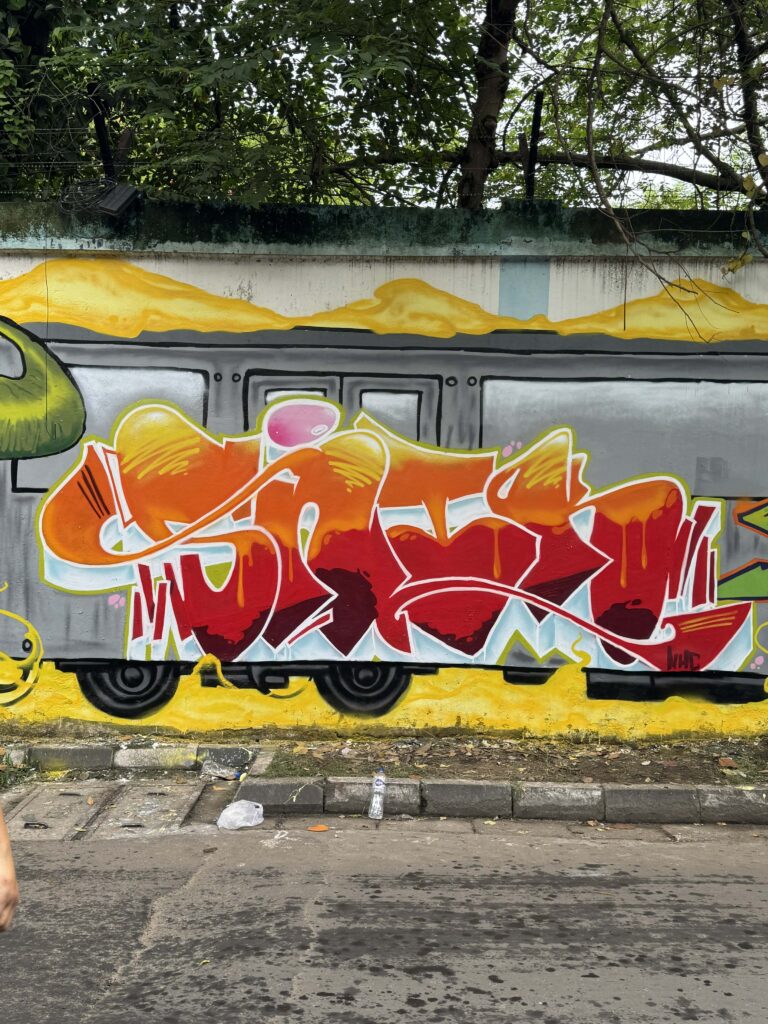
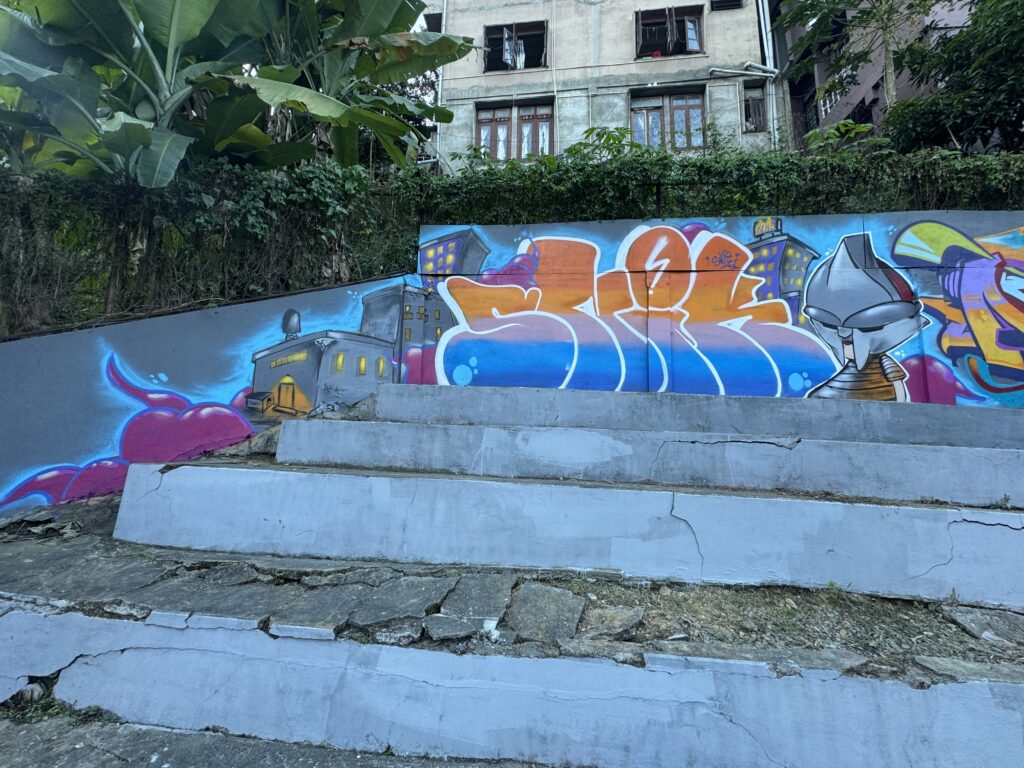
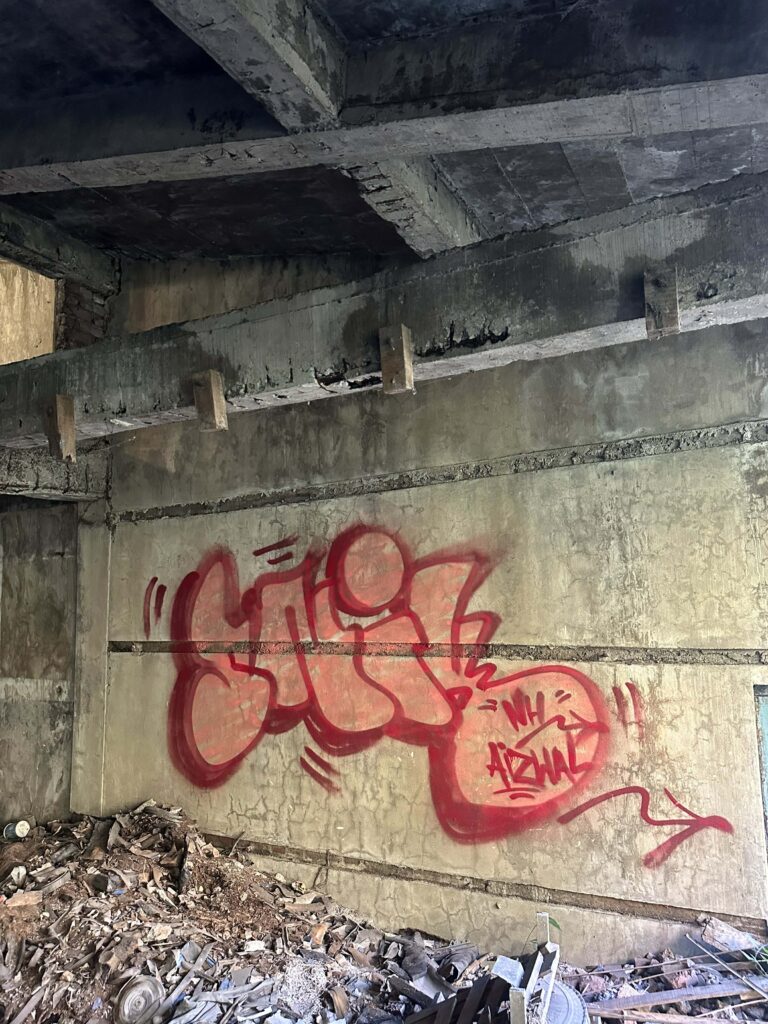
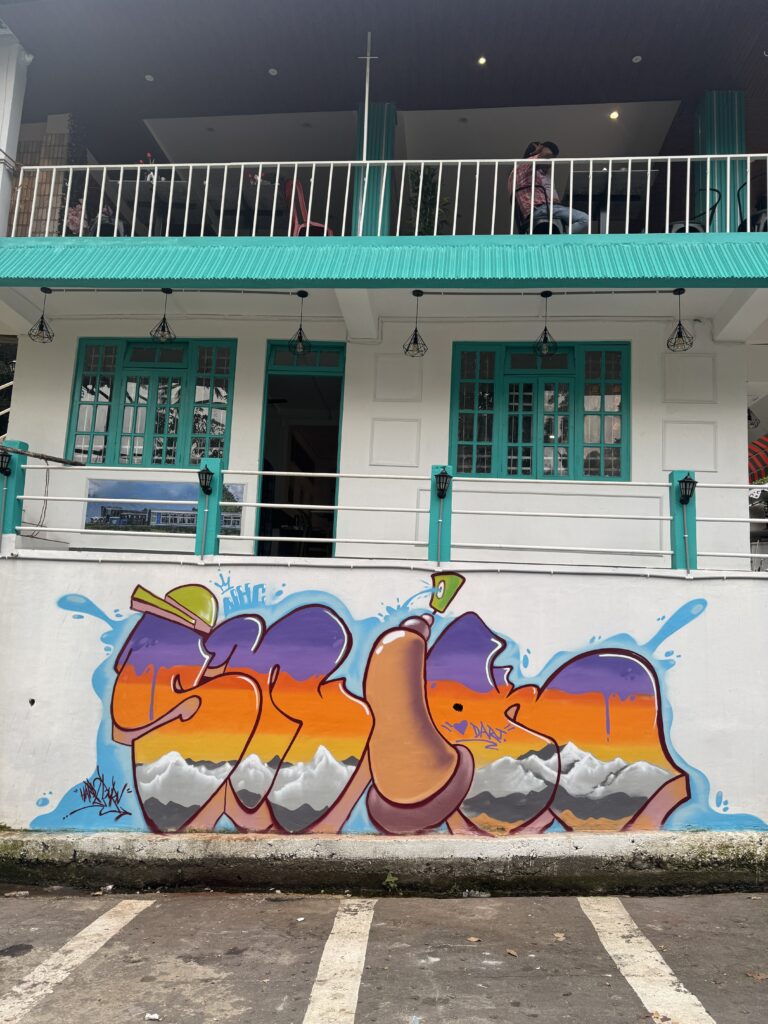
Before a culture can be monetized or packaged for the masses, it has to be lived. It starts in the streets, fueled by a collective need for expression. In the early days of Kolkata’s graffiti scene, the focus was never on building a brand. It was about pure, unfiltered existence and finding a tribe that shared the same artistic hunger.
Reevu recalls what that foundational era provided him. It was a time defined by movement and shared obstacles.
“The raw youthful energy. The community spirit. The many events. The hustle to get your hands on some good spray cans.”
Culture is built before it is monetized. The struggle to find basic supplies forged a bond among artists. They were not just painting walls. They were claiming space and building a community out of sheer necessity and passion.
Not Leaving, Just Expanding
Many creatives fear that stepping into the business world means selling out. There is a common anxiety that turning a passion into a profession will strip away its soul. We wonder if evolution requires abandonment.
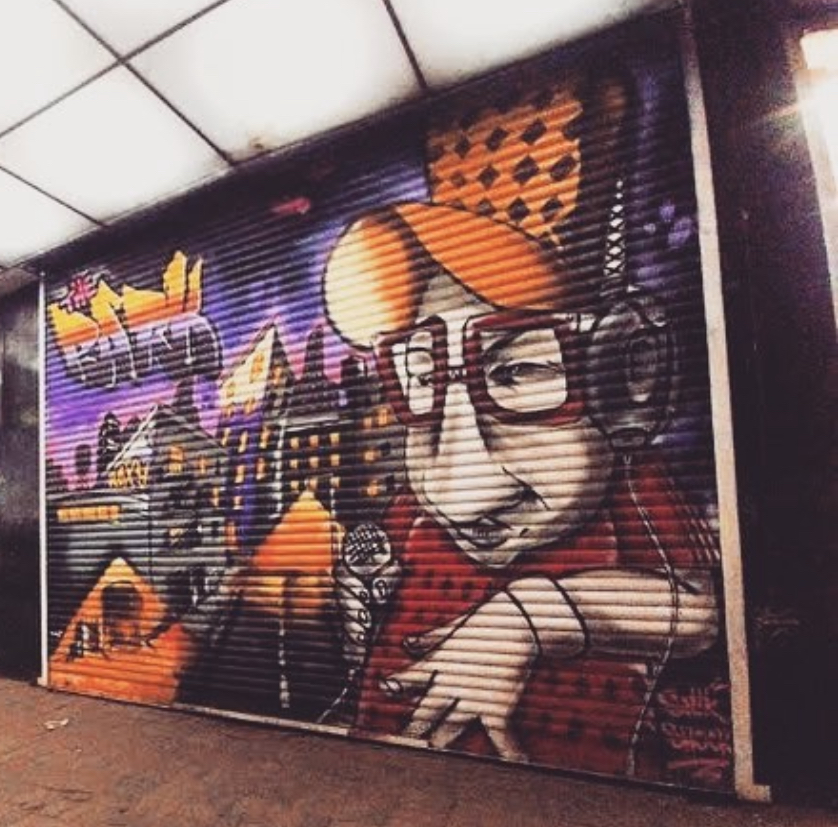
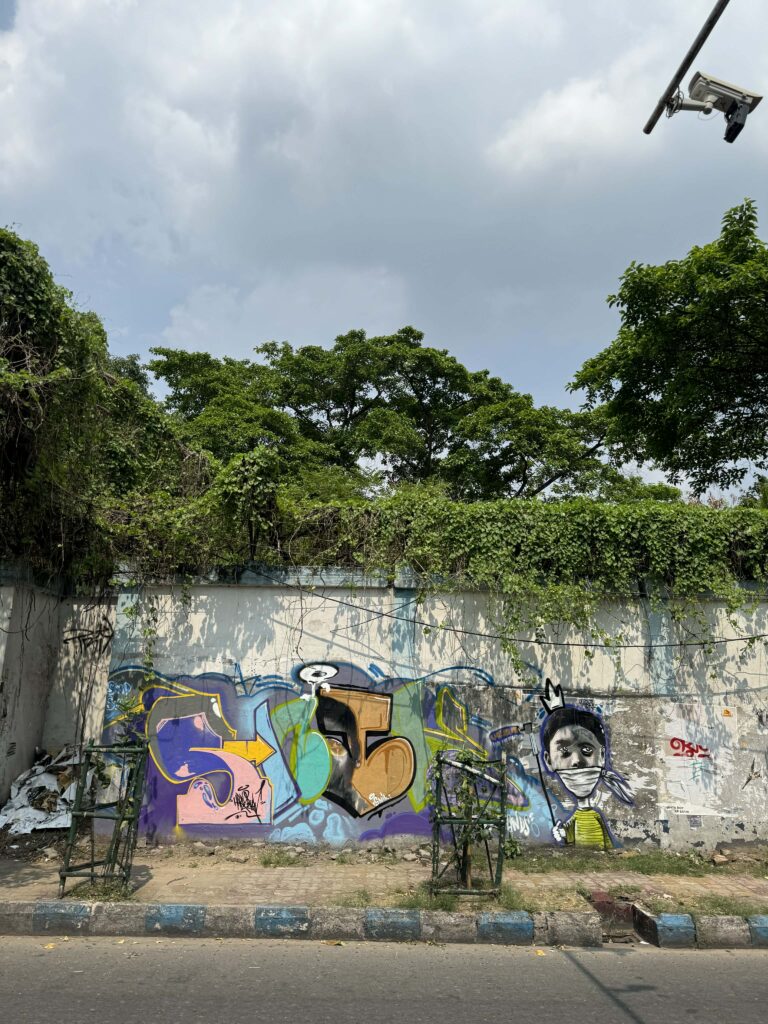
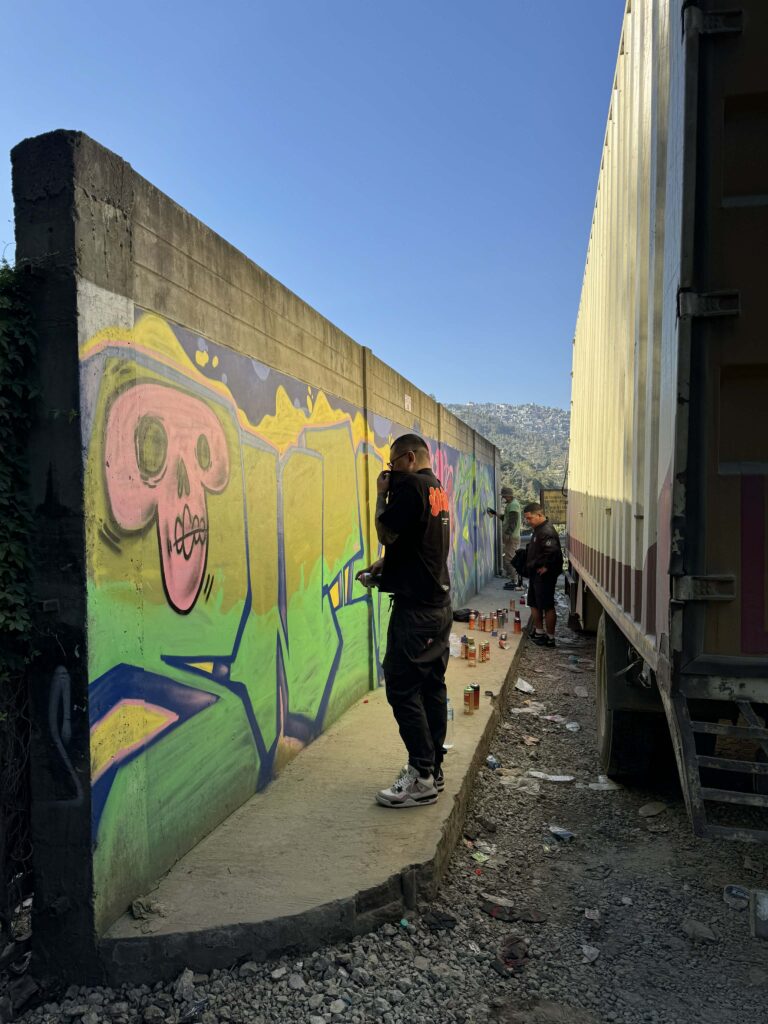
Moving from painting walls to running a restaurant is a massive shift in daily operations. However, it does not have to mean leaving the artist behind. Reevu views this transition as an expansion rather than a departure.
“I’ve always kept my business and my art together. But nowadays, because the business side has evolved, as well as my family life that focus on my art has been kept aside for a while. That said I still paint , although not as much as i used to.”
Life demands shifts in focus. Family and business require heavy attention, but the core identity of the artist remains intact. Evolution simply means making room for new responsibilities while keeping the original spark alive.
Structure vs Chaos
Graffiti thrives on chaos. It is raw, unfiltered, and spontaneous. Running a restaurant, on the other hand, demands rigid systems, precise timing, and constant management. Merging these two worlds seems impossible on paper. How does a street artist adapt to the relentless structure of the hospitality industry?
The secret lies in the approach. You do not have to force yourself into a rigid corporate mold. Adaptation does not mean losing identity.
“Just went with the flow, Adapted slowly, just lived the moment, Everything fell into place.”
By moving naturally through the challenges of business, Reevu allowed his operations to stabilize without forcing unnatural systems. Trusting the process allowed the structure to form around his authentic way of working.
Risk Before Stability
Society often pushes us toward the safest possible route. We are told to secure a stable job, avoid unnecessary risks, and follow the established blueprint for success. But safety rarely produces anything culturally significant. Building something truly unique requires stepping into the void.
When Reevu started out, he chose uncertainty over the predictable path. He leaned into the unknown, driven by the belief that his vision held value.
“Safe is boring when you are young . Now when I look back, I feel scared of some choices I had made . But that courage in the face of uncertainty is what makes or break a man.”
Courage defines direction. Looking back at early risks can be terrifying, but those unguarded moments of bravery are exactly what lay the groundwork for long-term fulfillment.
Designing Spaces That Feel Different
A restaurant is more than just a place to consume calories. It is an environment that dictates how people interact. Today, many spaces feel overly manufactured, designed by corporate teams looking to maximize aesthetics for social media. They lack a soul.
Reevu took a completely different approach to building his venues. He knew that culture cannot be outsourced to a third party.
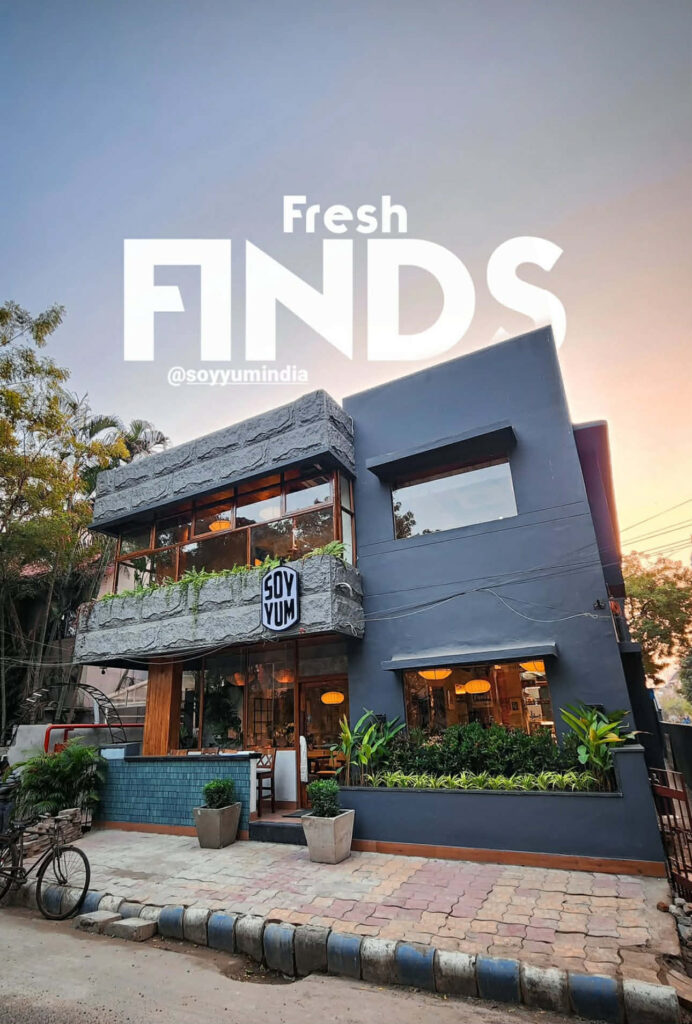
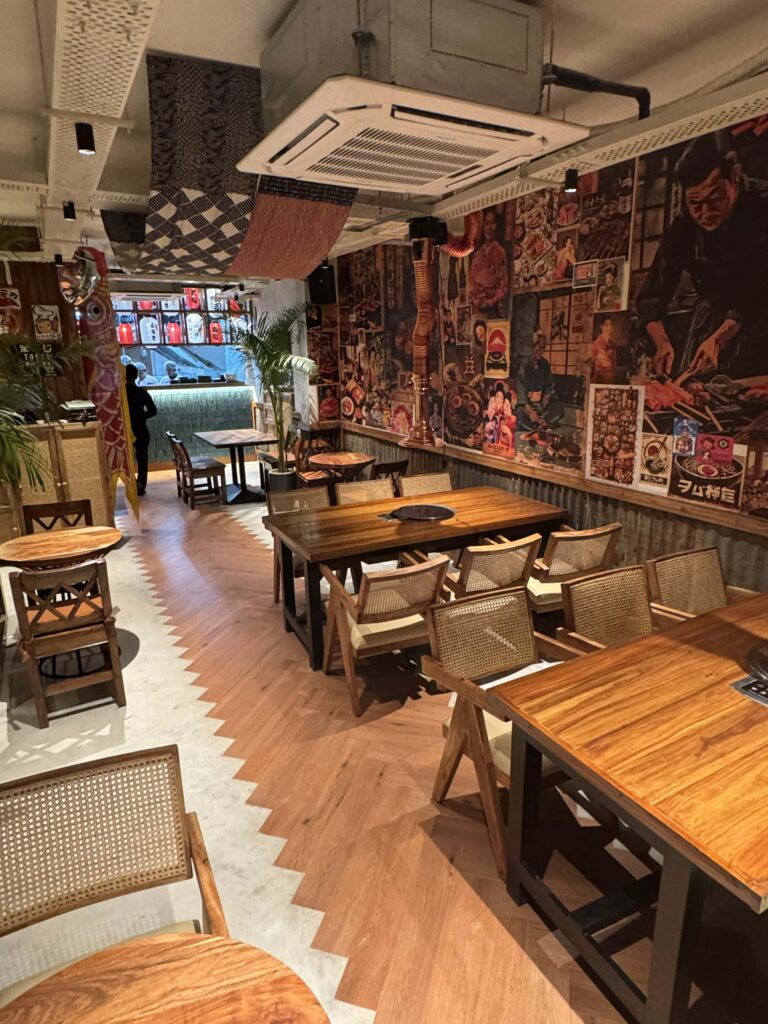
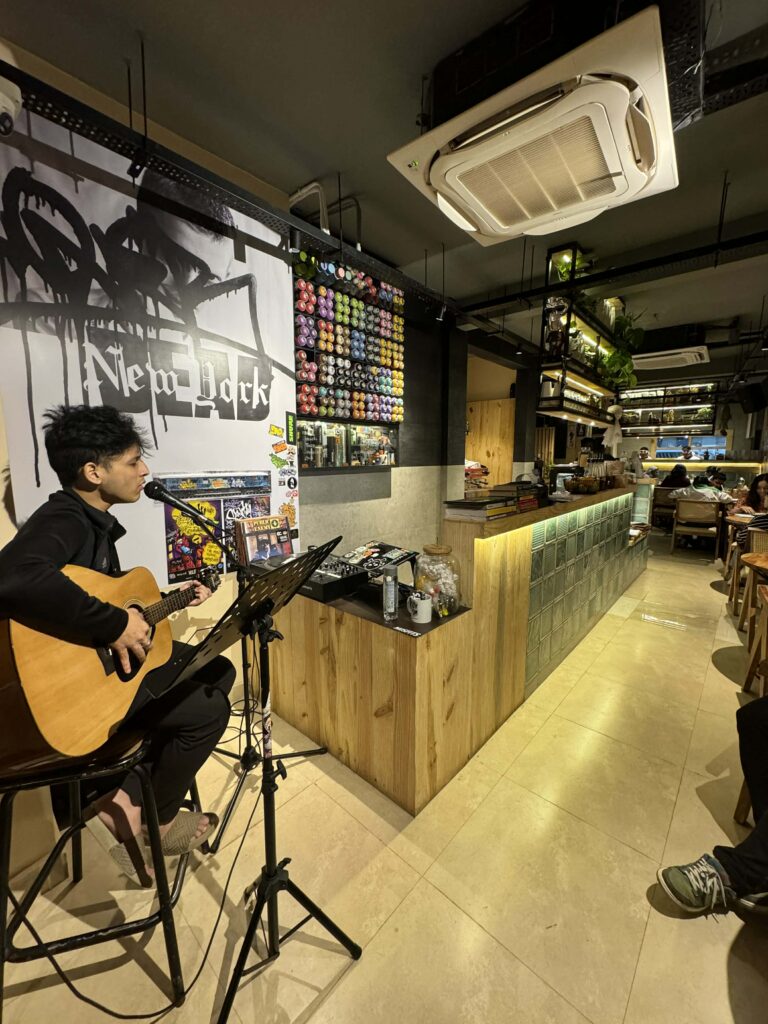
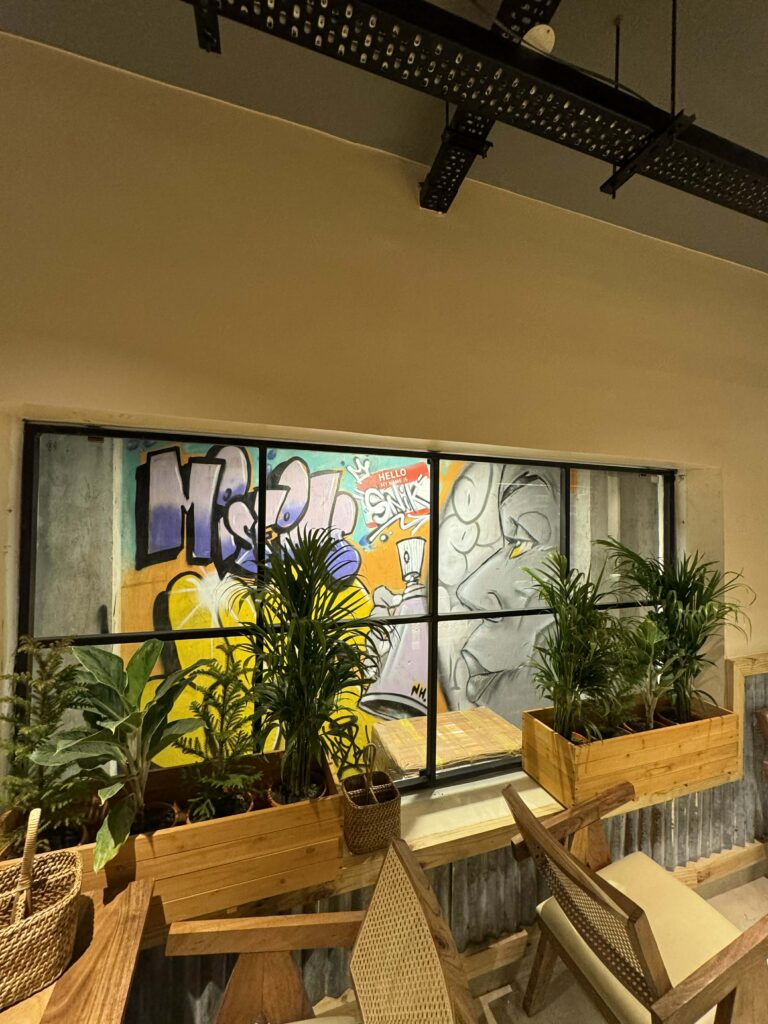
“It was very much our intention to bring character to our spaces. We have never used an interior designer. My partner and myself give personal touches that create these individual spaces which cannot be replicated and when you combined that with quality food great service it will always work well.”
By injecting their own personal history and artistic tastes into the walls, they created environments that feel lived-in and real. This authenticity resonates with patrons on a deeper, almost subconscious level.
Living Multiple Identities
We often force ourselves to choose a single label. You are either a creative or a business owner. You are an artist or an entrepreneur. But human beings are vast and capable of holding multiple identities at once.
Reevu has never viewed his different roles as conflicting forces. Instead of feeling pulled back toward an older version of himself, he embraces the complexity of his current life.
“Thankfully I have been able to make them work together and compliment each other. I’m a multitasker so i enjoy that aspect of my life.”
Embracing duality allows for a richer experience. The artist informs the business owner, and the business owner provides a platform for the art.
Building Something Bigger Than Business
Ultimately, a brand is just a logo and a product. A culture is a living ecosystem. When you look closely at Reevu’s trajectory from graffiti walls to restaurant spaces, it becomes clear that the food is simply the vehicle. The real objective is exposure and education.
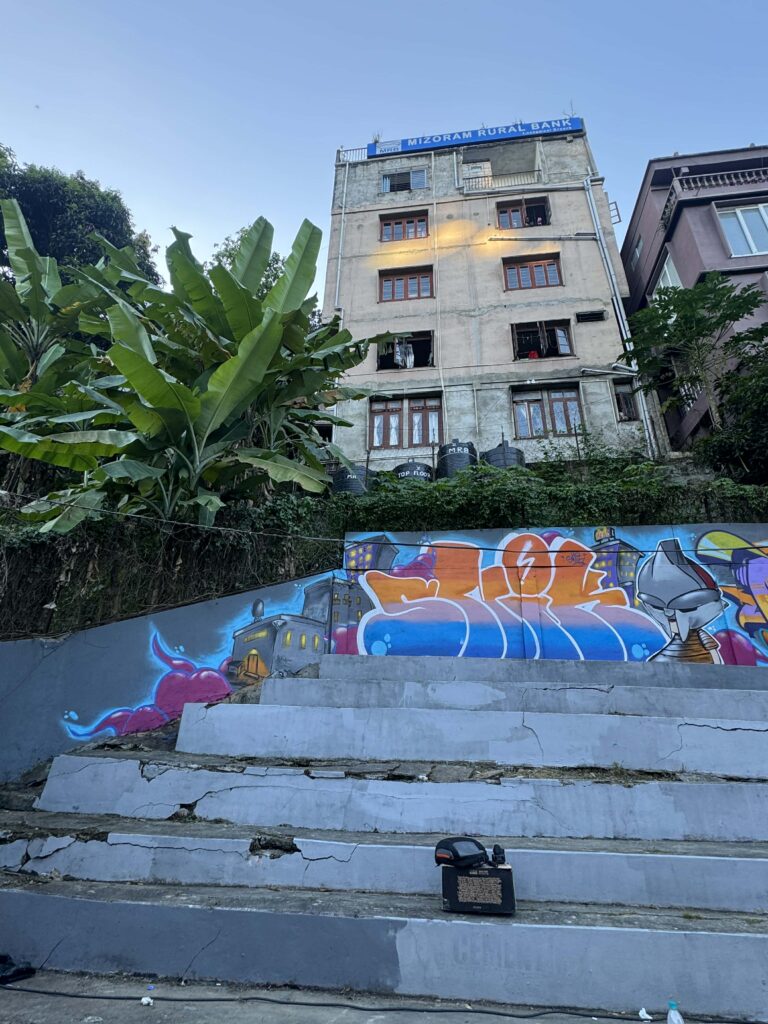
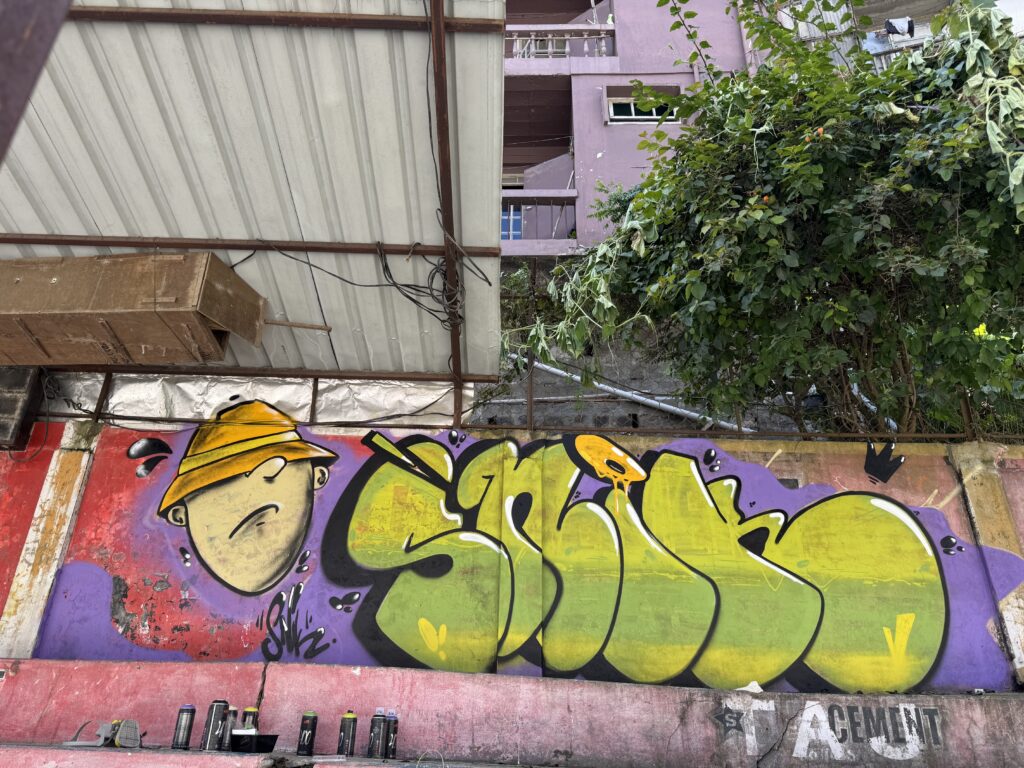
“Graffiti is just starting to evolve in India in the past decade or so therefore I want to build a gateway towards graffiti through food. When people come to my restaurants they get to experience certain aspects of the underground graffiti scene which they would have not necessarily known or come across.”
By blending these worlds, he introduces the mainstream public to a subculture they might never have explored otherwise. It is a quiet form of advocacy, served alongside a meal.
Giving Back to the Culture
The truest measure of success is not how much capital you accumulate, but how much access you provide to those coming up behind you. Real legacy is access. Remembering the struggles of his early days, Reevu decided to close the loop for the next generation of creatives.
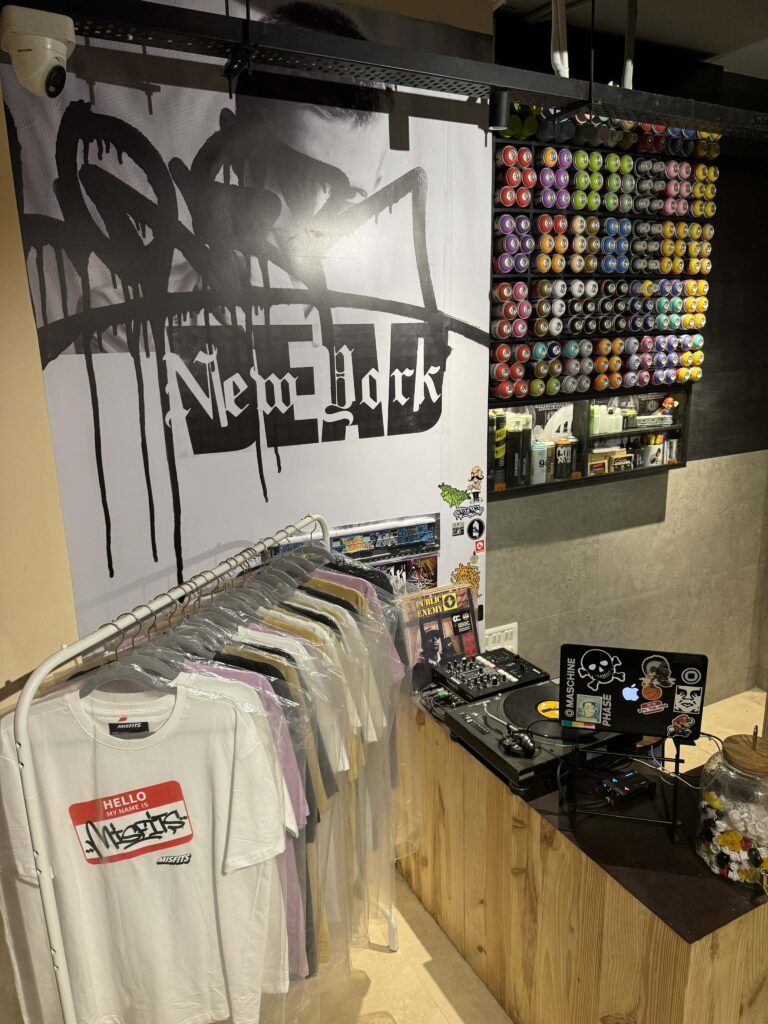
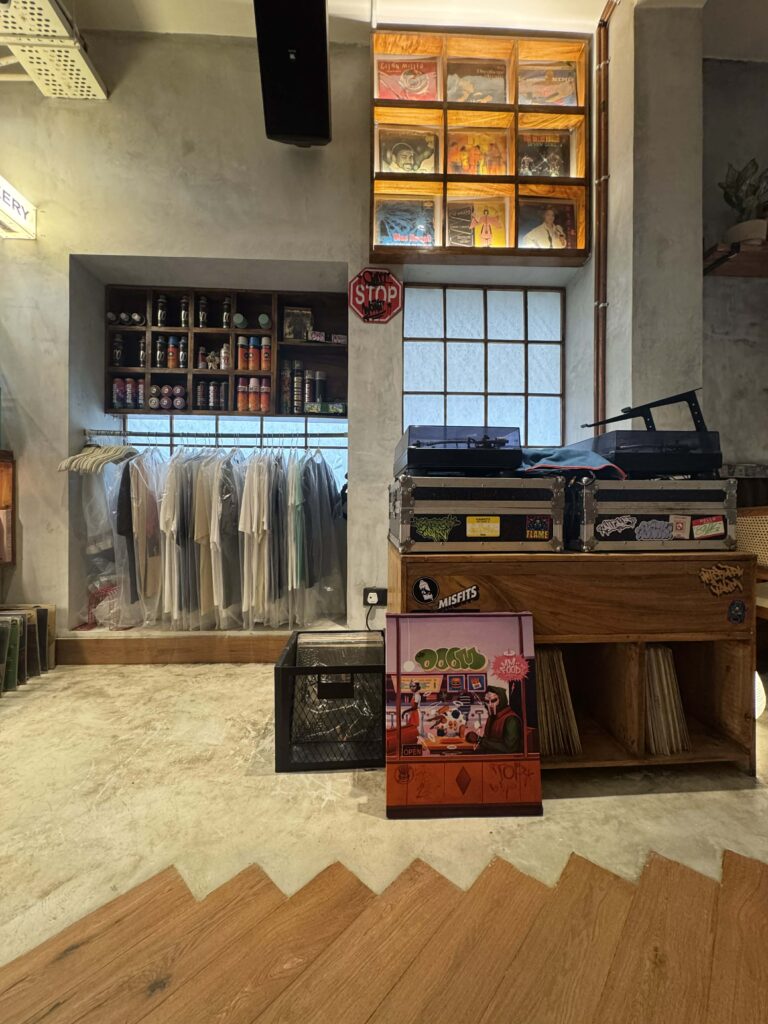
“I have set up India’s first cafe restaurant and graffiti supply store ‘Misfits’ in order to give younger artists in the city access to supplies which I had to struggle to get in my days. My small contribution to the culture that has done so much for me….”
Providing tools to younger artists ensures that the community continues to grow. It is a full-circle moment that turns a personal struggle into a public resource.
The Space Between Art and Commerce
Some people build businesses.
Some people build spaces.
And a few build cultures people didn’t know they needed.
Follow Reevu Wangdi on Instagram
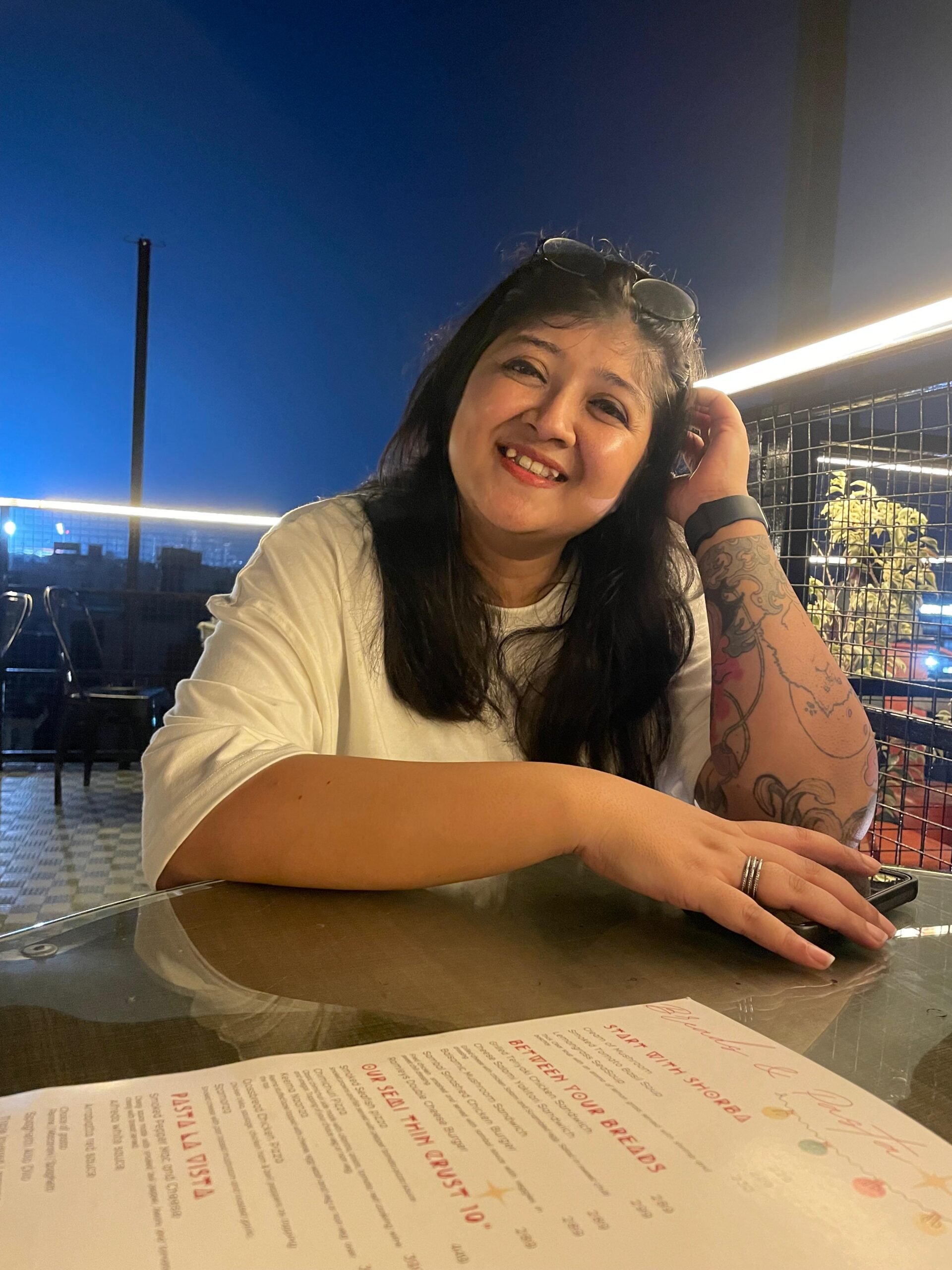
Oeshi B Lyndem is a visual artist, tattoo artist, graphic designer, and entrepreneur with a foundation in graffiti and street culture. Rooted in hands-on craft and making, her practice moves fluidly across illustration, street art, design, and experimental creative processes. With lineage from Shillong—often regarded as India’s rock capital—she carries a distinct cultural influence into her work. At Goofy Owl, she curates and leads the street and hip-hop culture segment through an intuitive, deeply creative, and entrepreneurial lens.