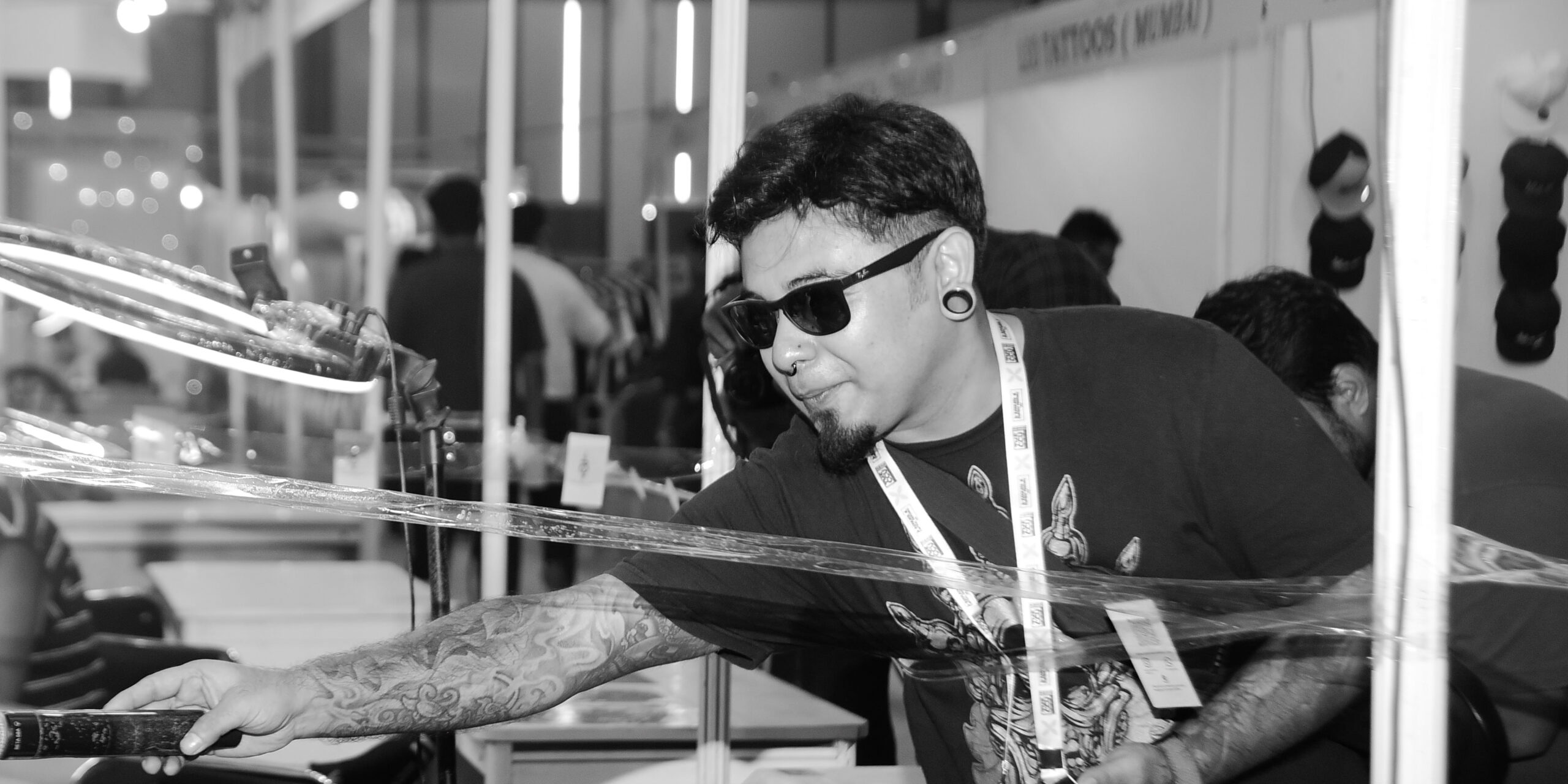
It’s a common belief that industries are built on trends. But real, lasting industries are built slowly, through standards, discipline, and people who think long-term. We spend so much energy looking for the next big wave, curating our feeds and tracking what goes viral. Yet the spaces that truly matter are constructed by individuals who look past immediate hype and focus on creating solid foundations.
When you look at any thriving creative ecosystem, you will find a quiet history of choices. Someone had to decide to treat the craft seriously. Someone had to establish a baseline of quality when no one else was watching. This patient dedication transforms a scattered group of enthusiasts into a structured community.
The evolution of the tattoo ecosystem in eastern India offers a perfect study in this kind of patient construction. It reveals what happens when intent takes precedence over rapid expansion.
The Myth of Individual Impact
We often want to credit a single visionary for shifting a cultural landscape. It is tempting to point to one person and claim they revolutionized everything. The reality of building culture is much more grounded. It requires a collective effort, shared experiences, and countless small interactions. Multiple forces govern the evolution of any art form.
“I’ve been fortunate to be part of Kolkata’s tattoo journey from its earlier days, but I try not to look at it in terms of what I changed,” says Niloy Das. “The city has evolved because of many artists, clients, and shared experiences coming together.”
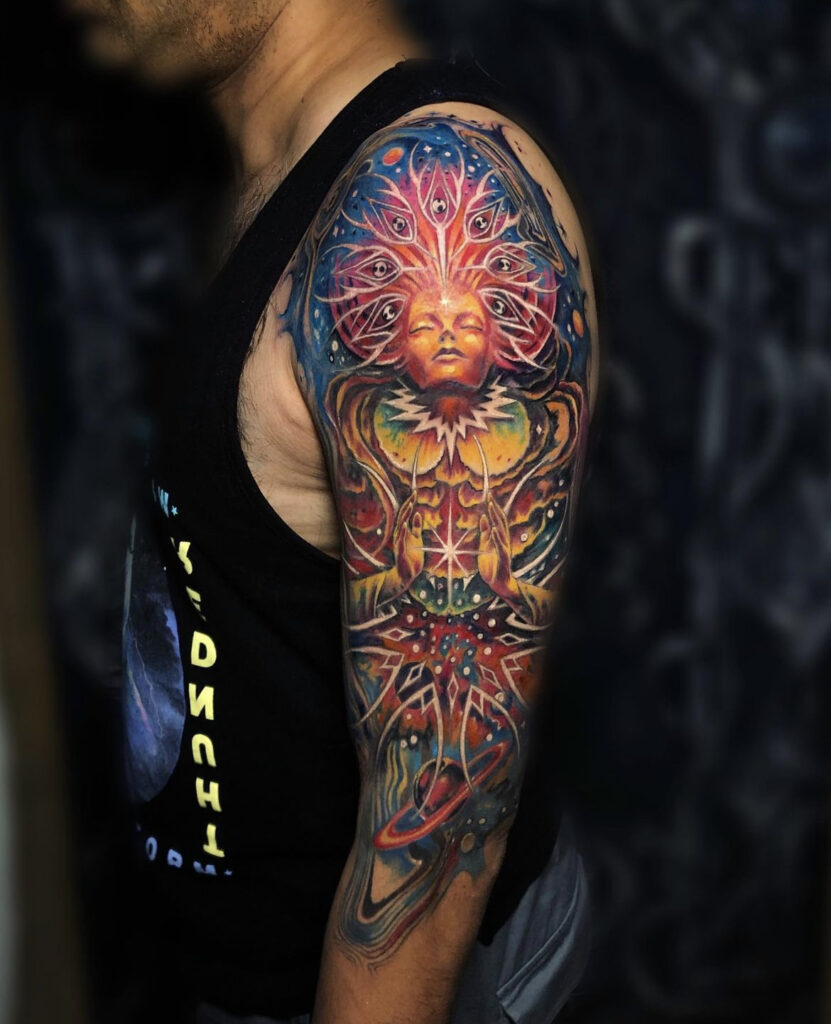
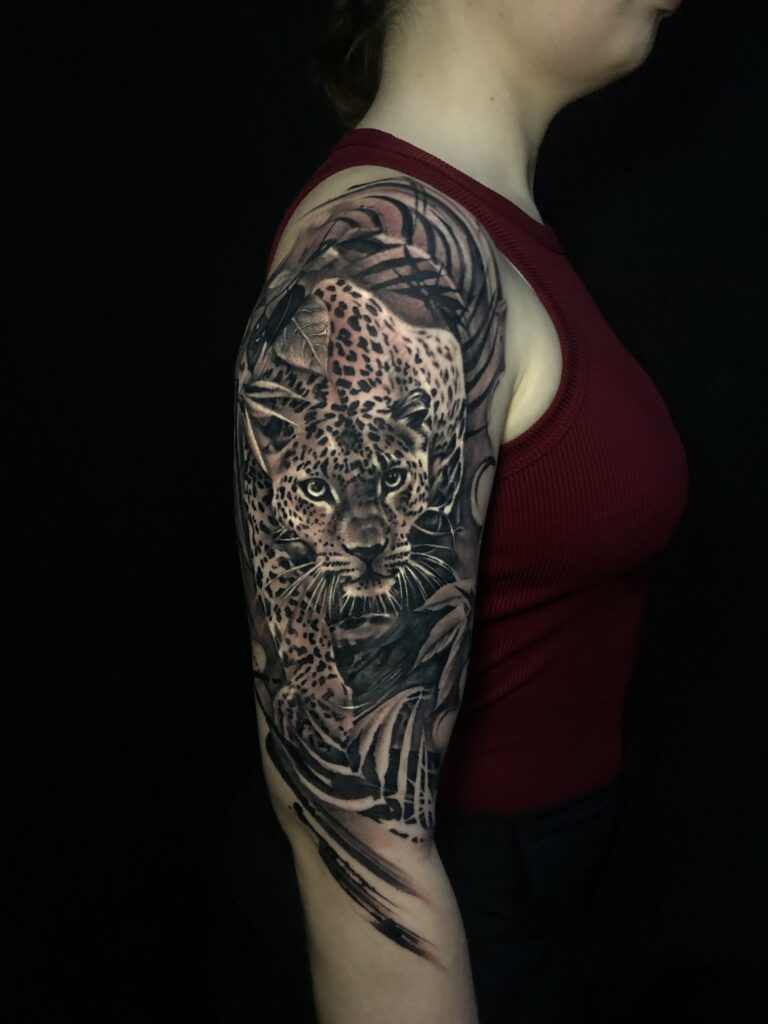
Tattooing Beyond the Surface
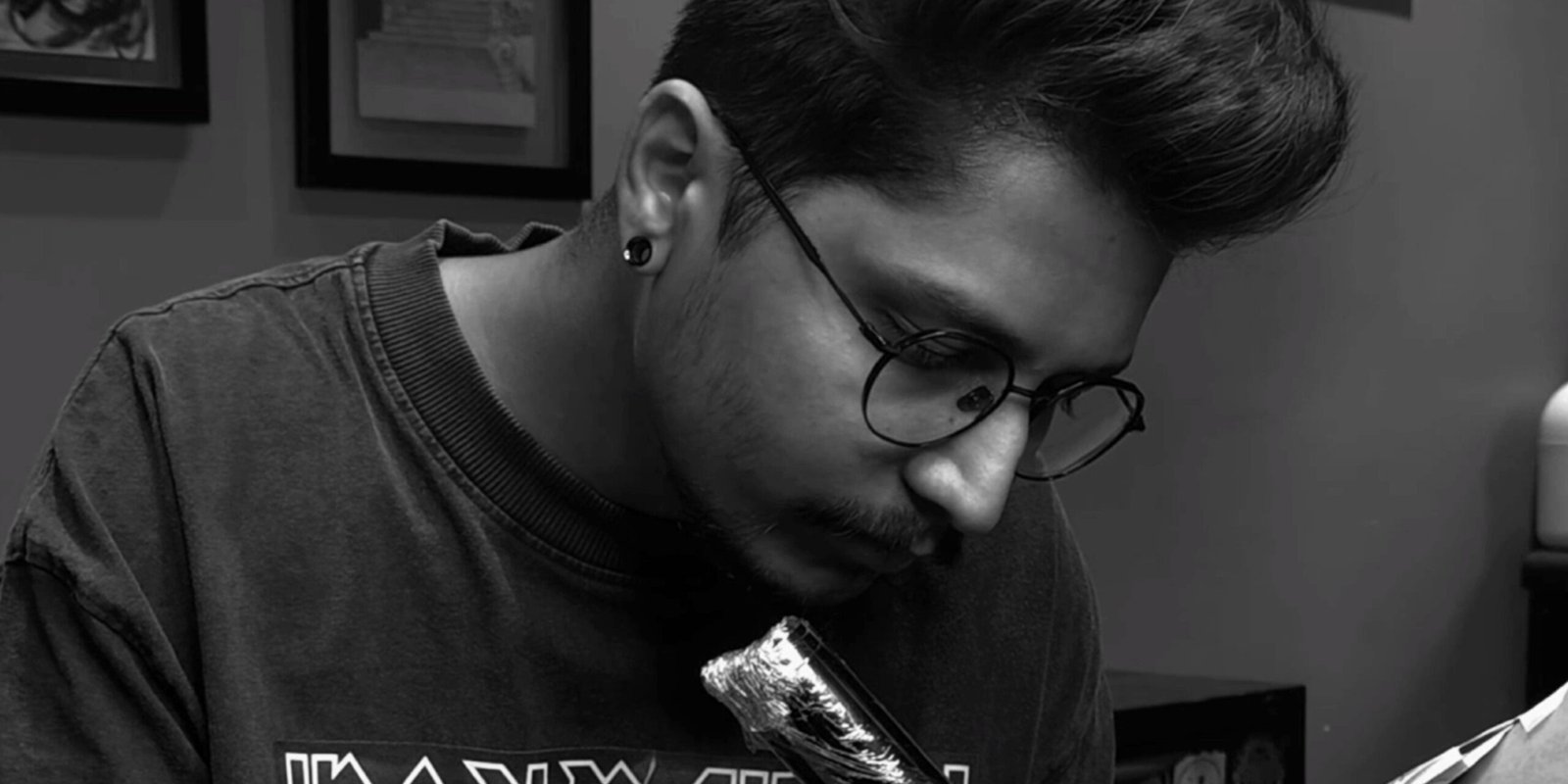
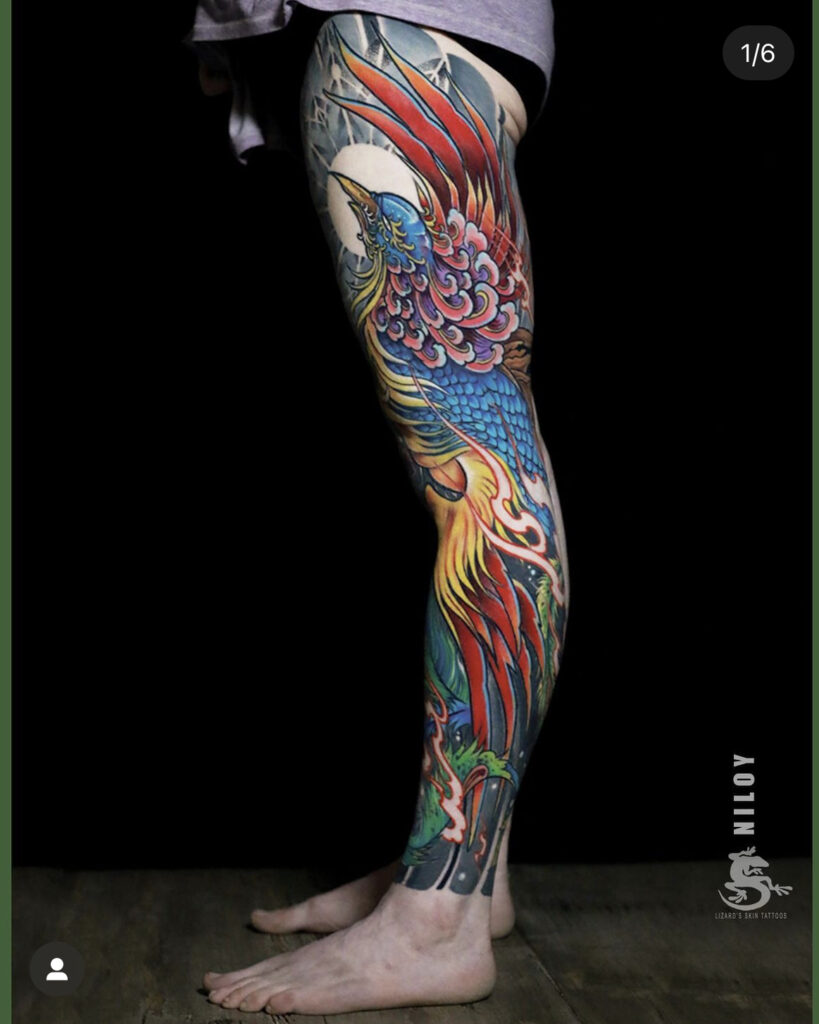
Niloy Das is the founder of Lizard’s Skin Tattoos and an early contributor to Kolkata’s tattoo ecosystem. He started his practice when the city lacked a defined structure for this specific medium. He sought to understand the profound responsibility of marking someone’s skin permanently.
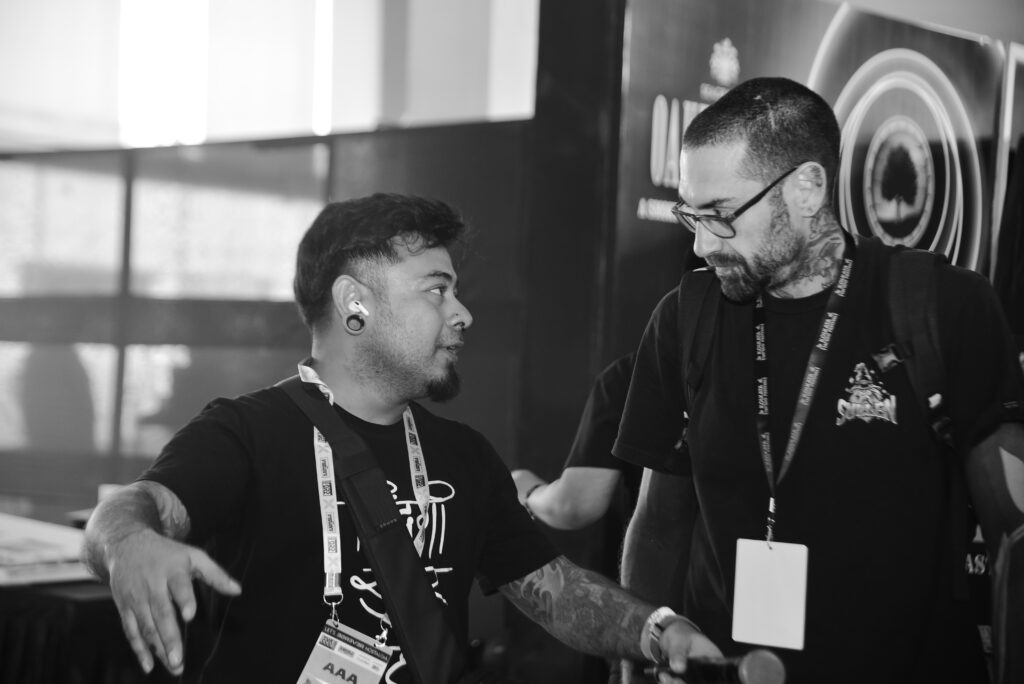
Finding your authentic voice in any medium requires you to strip away the superficial layers. Society often misunderstands tattoos as passing fashion statements. Niloy recognized early on that the medium carries a much heavier weight.
“Very early on, I realised that tattooing isn’t about glamour – it’s about identity,” he explains. “It’s about translating something honest and personal onto the skin, and that responsibility shaped how I approached my work.”
Breaking Stereotypes
Any art form risks becoming stagnant when it relies heavily on established tropes. For a long time, the public perception of body art was confined to a very narrow set of visuals. Pushing a culture forward means educating the public on what is actually possible. By choosing to experiment and broaden the visual vocabulary, artists invite clients to explore their own stories more deeply.
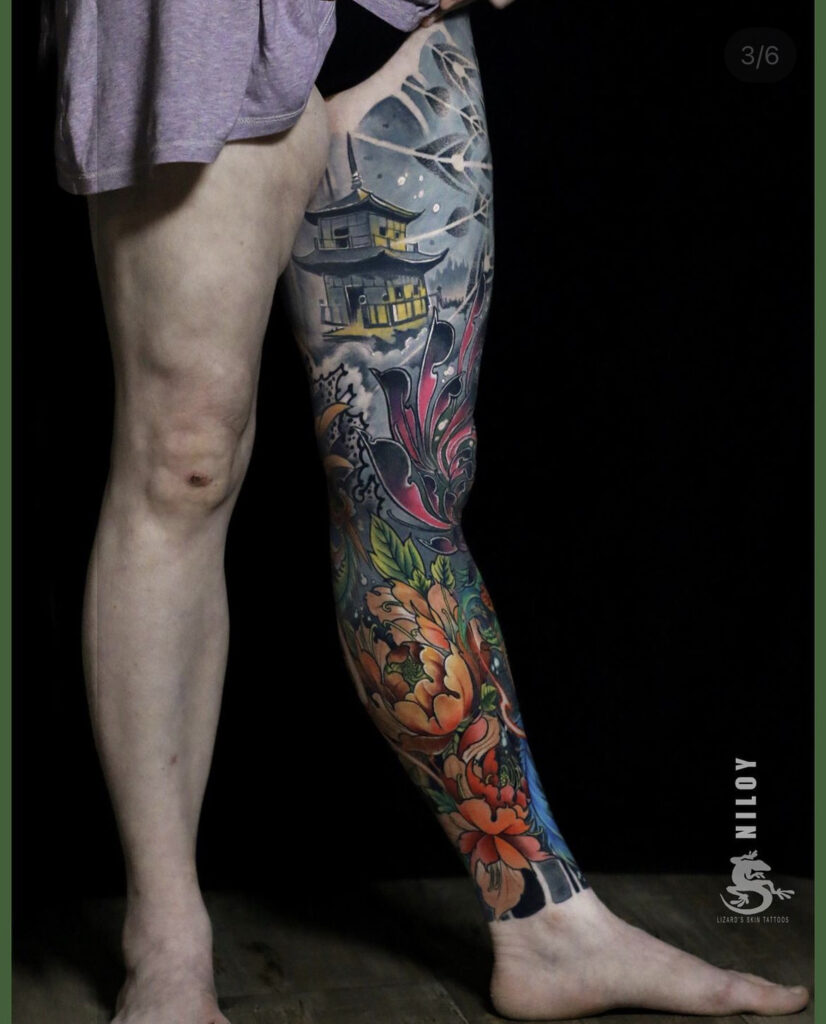
“I also consciously tried to break away from the stereotypical mindset that tattoos are limited to tribal, Maori, Polynesian patterns, skulls, or names,” Niloy notes. “There’s a much wider artistic language to explore.”
Building for Longevity
A focus on immediate gratification ruins long-term potential. In a hyper-curated world obsessed with instant results, it takes immense discipline to look decades ahead. Niloy embedded this philosophy directly into the foundation of his studio. He viewed the art form as an ancient practice that demands reverence.
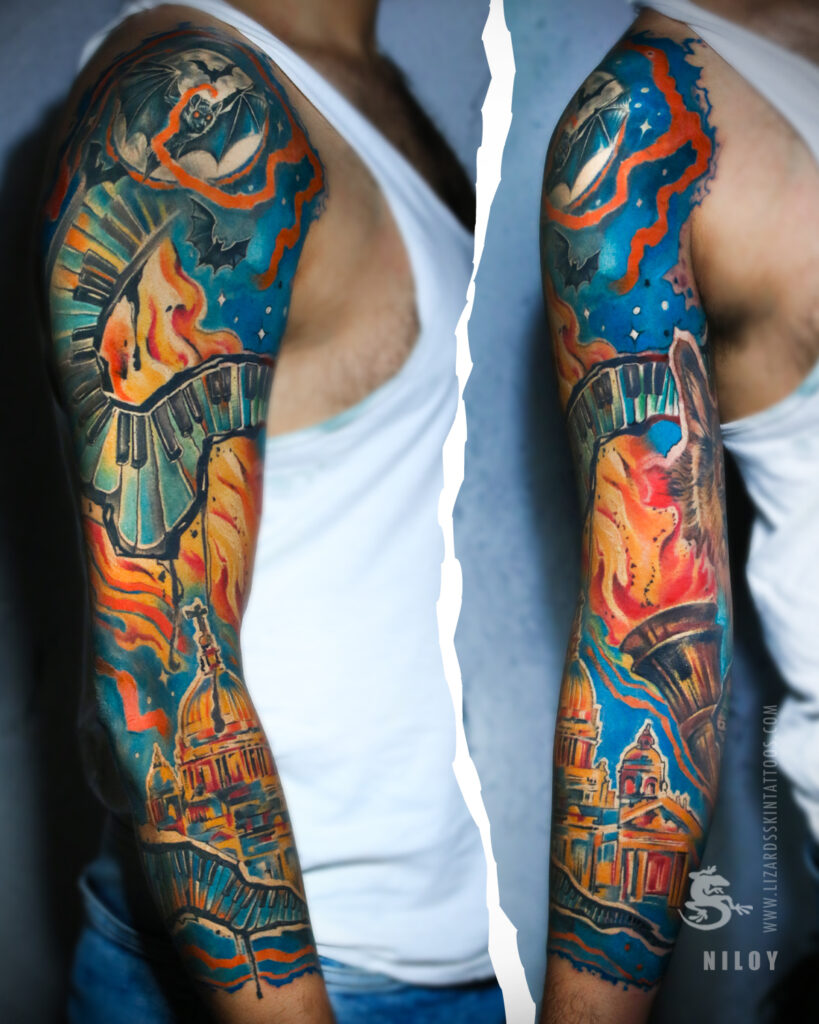
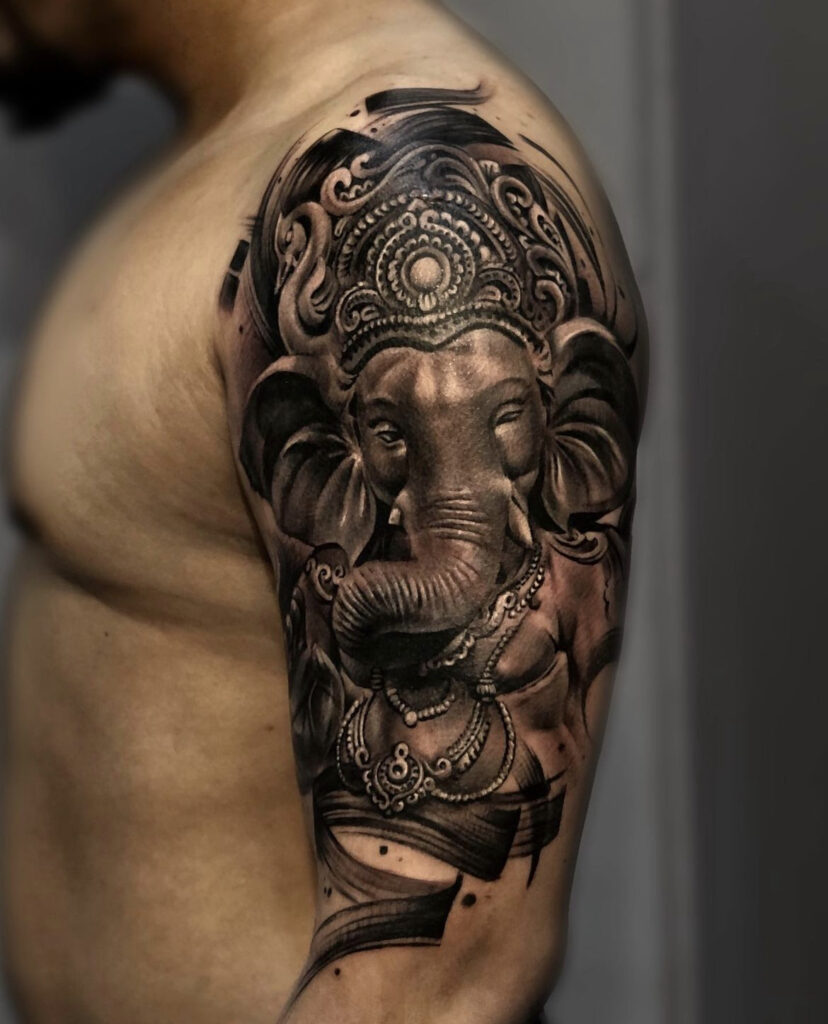
“From the very beginning, I believed tattooing is not a short-term culture, it has existed for thousands of years, and that perspective shaped everything I built at Lizard’s Skin Tattoos,” he says.
Saying No as a Principle
True standards are defined by what you are willing to decline. It is very easy to accept every project that walks through the door when you are trying to build a business. Protecting the integrity of your work requires a firm boundary. Niloy and his team prioritize client education and careful selection, ensuring every piece meets a rigorous ethical standard. Choosing honesty over a quick paycheck is an essential trait for sustainable growth.
“There have been many instances where I’ve refused tattoos – when I wasn’t confident about the design, when I felt it wouldn’t age well, or when the intent behind it didn’t feel right,” he shares.
From Artist to Ecosystem Builder
True professionals eventually look for ways to elevate everyone around them. Early in his career, Niloy faced a severe lack of accessible knowledge and mentorship. A pivotal moment occurred when he traveled outside his local bubble. Experiencing a wider community fundamentally changed his understanding of his profession.
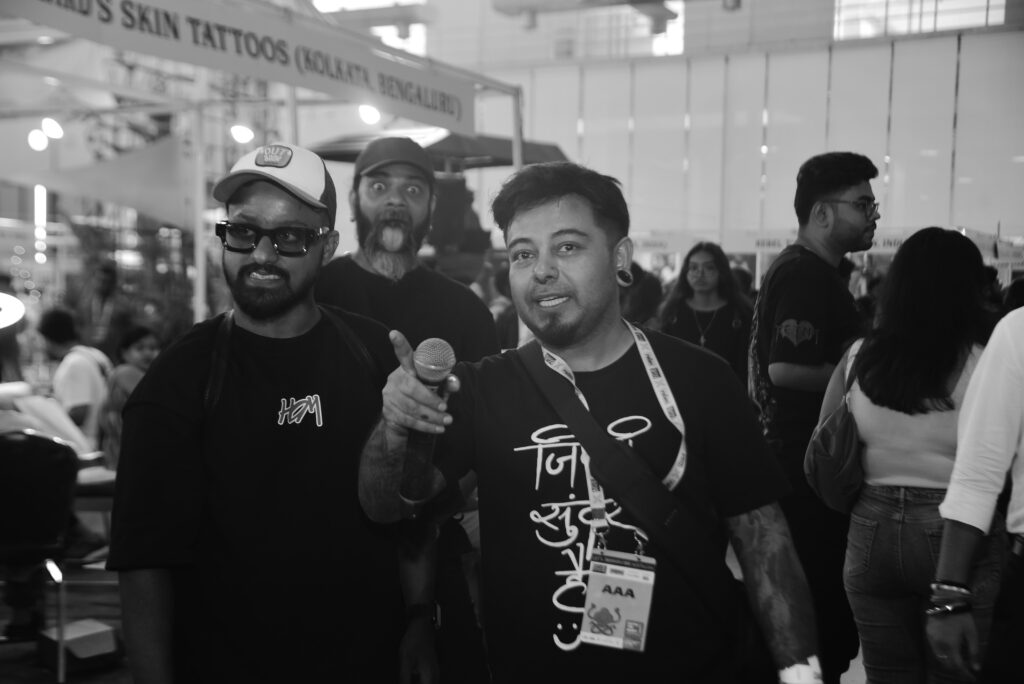
“About a year into tattooing, I got the opportunity to attend the Nepal International Tattoo Convention,” he recalls. “That experience completely shifted my perspective. I realised I had only been scratching the surface – what I thought was ‘tattooing’ was just a very small part of a much larger, deeper world.”
Building Platforms, Not Just Work
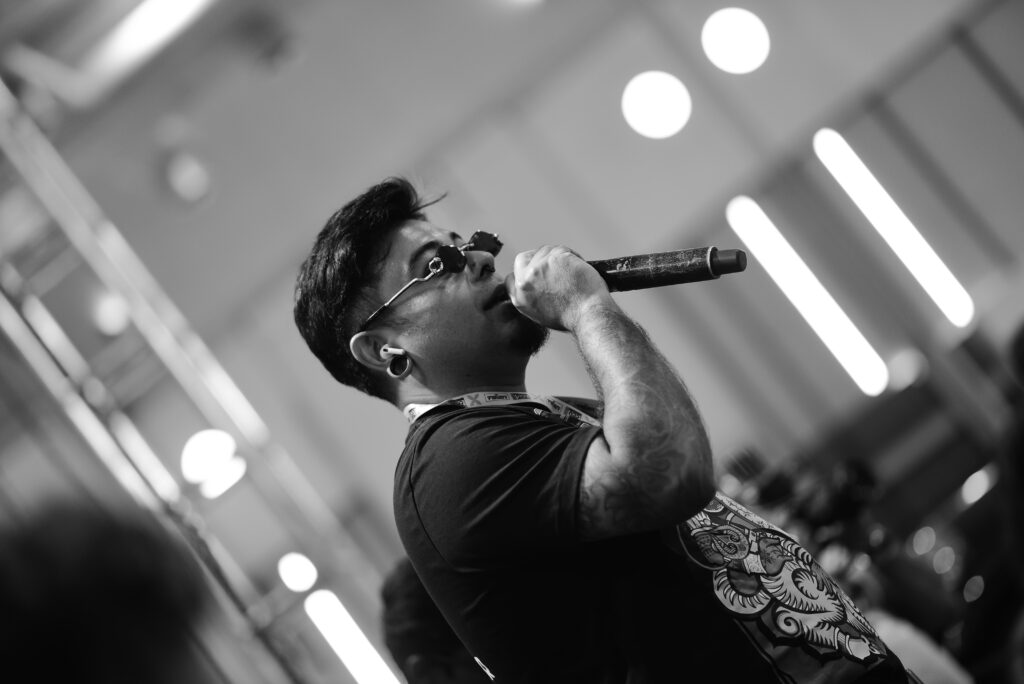
That realization sparked the creation of the Kolkata Tattoo Festival. The goal was to eliminate the isolation that new creators often feel. By organizing a massive gathering, Niloy aimed to connect local talent with global standards. Creating this infrastructure provides a physical location for community and shared growth.
“I wanted to create a platform where artists – especially newcomers – wouldn’t have to feel the same isolation or limitations I did,” Niloy explains.
The Reality of Building Culture
From the outside, large cultural events look highly profitable. People assume that hosting a massive convention guarantees financial success. The reality is a story of severe risk, heavy investments, and immense stress. Building a sustainable ecosystem requires an organizer to absorb these pressures.
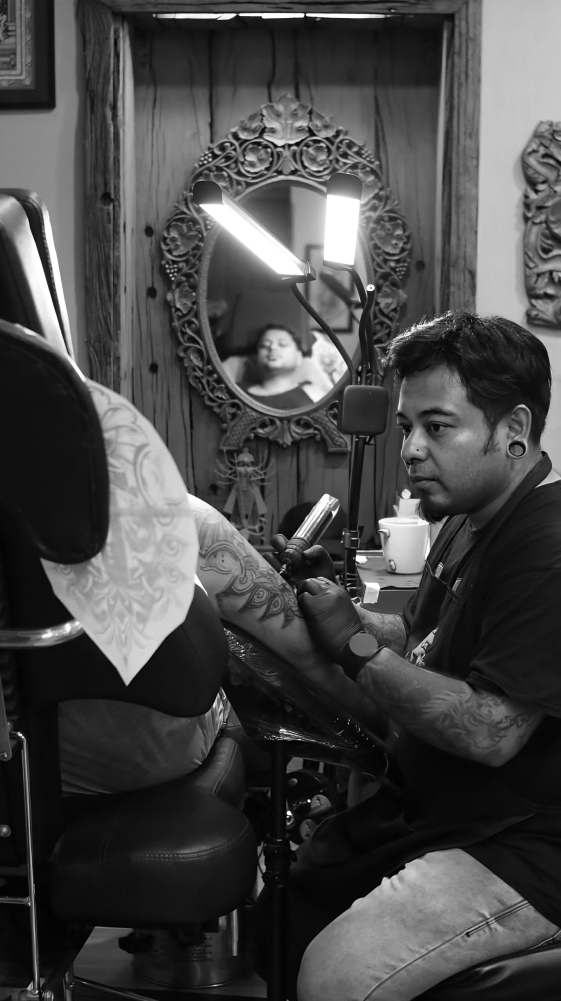
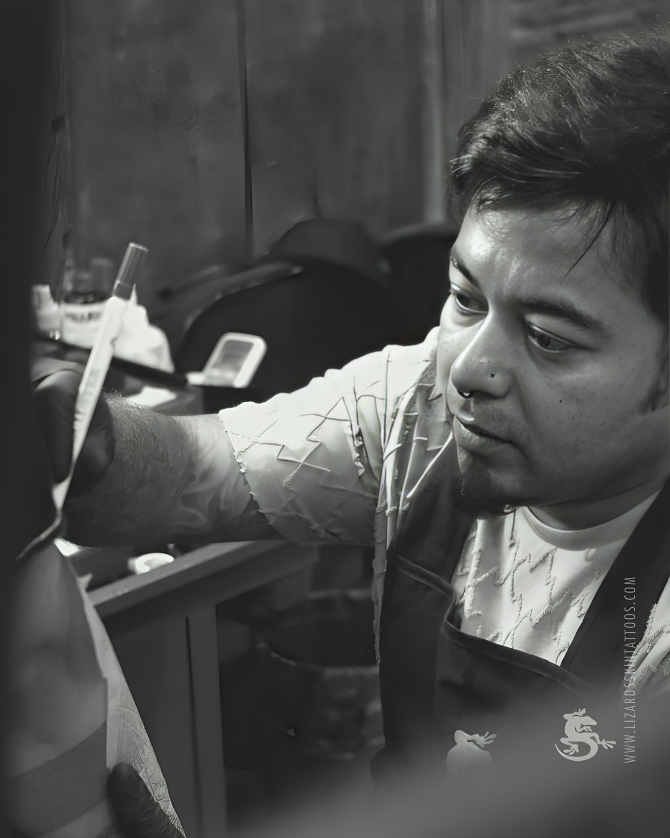
“One of the biggest myths people have is that a tattoo convention is a money-making machine – that the organiser makes a fortune,” Niloy states. “In reality, building culture has rarely been about profit, especially in the early stages.”
Managing People, Not Just Events
Logistics and finances represent a fraction of the challenge. The most taxing element of building any community is managing the people within it. A festival brings together highly individualistic creators, each with their own expectations and artistic egos. Balancing these personalities requires a deep well of empathy and patience.
“A big non-obvious challenge is managing human dynamics,” Niloy points out. “Balancing expectations and making sure everyone feels respected and valued can be emotionally exhausting. At the end of the day, you’re not just organising an event – you’re holding space for a community.”
What Makes an Artist Worthy
When curating talent for a major platform, organizers must look beyond technical perfection. Skill can be acquired through repetition, but a proper mindset is much harder to forge. The most valuable trait in any creative professional is how they view their relationship with their work and their clients.
“Anyone who truly respects tattooing as a lifelong practice is worthy of the platform,” Niloy says. “Technical skill, originality, and discipline are all important – but they can be developed over time. What matters first is the intent behind the work.”
Standards Without Control
You cannot force a culture to grow in a specific direction. Imposing strict rules or an aggressive agenda usually backfires. Leaders influence the landscape by setting an undeniable example of quality. By curating excellent work and providing a premium experience, an event naturally raises the baseline for everyone involved.
“I wouldn’t say I’m trying to control the direction of the culture, but I’m definitely conscious of the responsibility that comes with creating a platform like this,” Niloy reflects.
Average vs Authority
In a space flooded with new entrants chasing quick fame, longevity is rare. Many burn out quickly because their motivations are rooted in superficial rewards. Those who actually build lasting authority share a completely different operating system. They prioritize the work itself over the visibility it might bring.
“What separates average artists from those who build long-term authority is vision and intent,” Niloy notes. “Artists who are only chasing quick money or trends often plateau. But those who genuinely love creating, who are patient with their growth, and who think long-term – those are the ones who last.”
What Sustains Culture
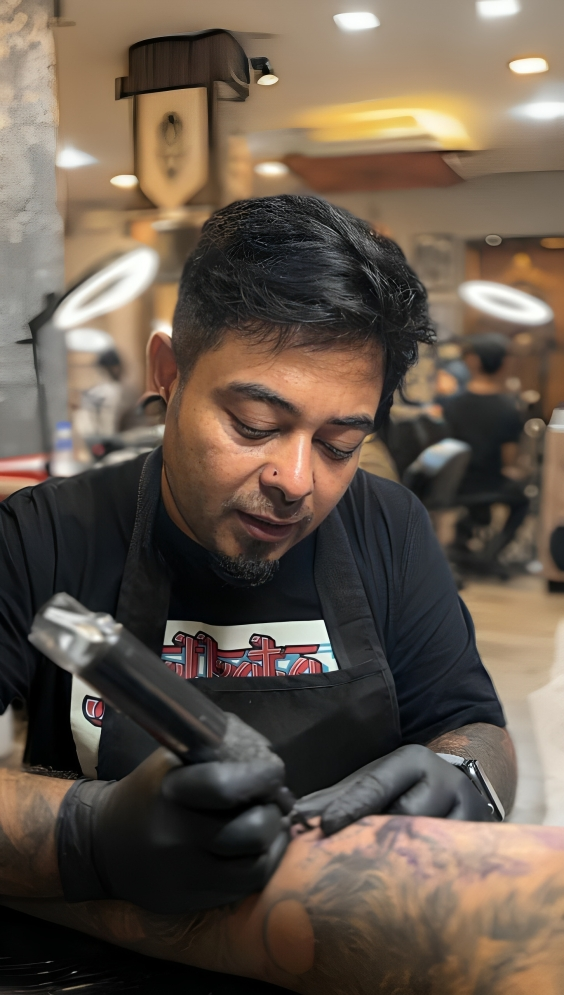
Attempting to build a cultural movement out of ego is a guaranteed path to failure. The variables are simply too complex and the stress is too high for superficial motives to survive. Only a genuine desire to create value can sustain a platform through the inevitable hardships.
“What’s non-negotiable, though, is intent and integrity,” Niloy concludes. “If the goal is genuinely to build culture, create opportunities, and raise standards, the foundation becomes strong. But if it’s driven by ego or short-term visibility, it won’t sustain.”
The Weight of Your Choices
Every creative community is shaped by the silent decisions of its participants. A strong foundation relies on professionals who refuse to compromise their values for the sake of convenience.
In the end, culture isn’t built by what you create once. It’s built by what you choose to stand for, again and again.
Follow Niloy Das on Instagram
Lubdhak Biswas is a musician, entrepreneur and a tattoo artist based out of Kolkata (India).
He documents underground culture at the crossroads of tattooing and music.
His work focuses on craft, tools, ethics and the real working realities of creative industries.