We often hear that an artist must suffer for their work. Society romanticizes the idea of the tortured creative, pushing the narrative that our darkest moments are the only things that give us depth. But what happens when you completely reject that idea? What if you decide that your trauma does not define you, and you choose to draw inspiration strictly from the light?
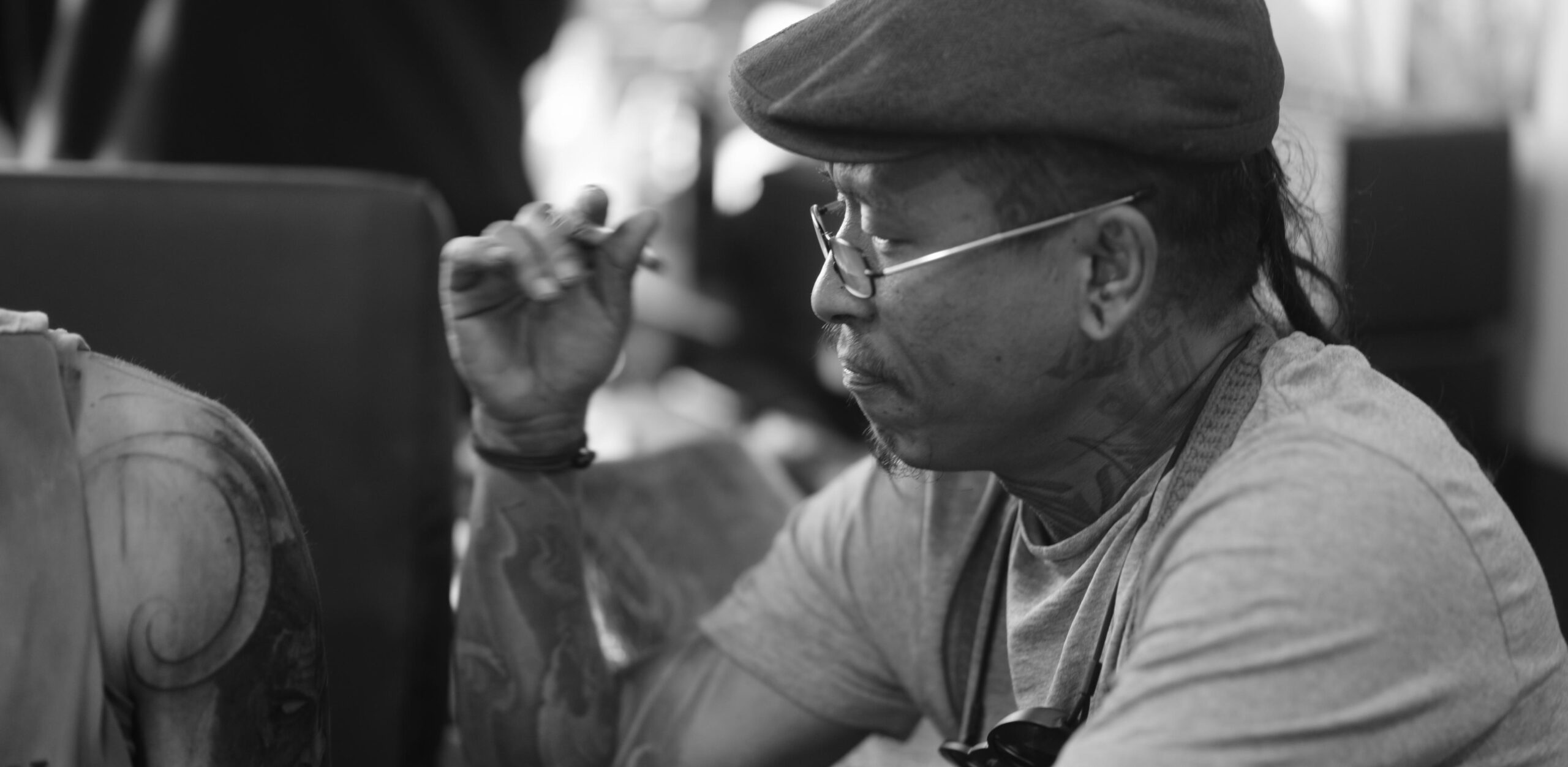
For Bimal Rai, a highly respected tattoo artist from Nepal widely known as “Eek Glass Pani,” this choice is a daily practice. His life is a profound testament to authentic living. From navigating a heavy, dark past that included prison and gang involvement, to becoming a guiding father figure in the tattoo community, Bimal’s path is anything but conventional.
We sat down with Bimal to explore his incredible journey. He shared his thoughts on the danger of rushing the creative process, why he refuses to let his struggles shape his art, and the beautiful philosophy of tattooing as an exchange of energy. If you want to unlock your true potential and step into your most genuine self, be inspired by real stories like his.
The Quirky Origin of “Eek Glass Pani”
When you are constantly hustling and trying to carve out a space for yourself, self-care is usually the first thing that gets left behind. During his early years, Bimal was so hyper-focused on his work that he constantly suffered from dehydration.
He knew he needed a reminder to take care of his body. At first, he considered tattooing the chemical formula “H2O” on his wrist. However, sitting with the idea, he realized it felt entirely too technical and rigid for his fluid way of life.
Instead of permanently altering his skin with a scientific formula, he made a much more playful choice. He simply named himself “Eek Glass Pani” (One Glass of Water). Whenever someone called out his new nickname, he would immediately rush to grab a glass of water. Over the years, the quirky moniker stuck, and the name and the artist became completely synonymous. It is a brilliant example of finding your authentic voice by embracing the unusual.
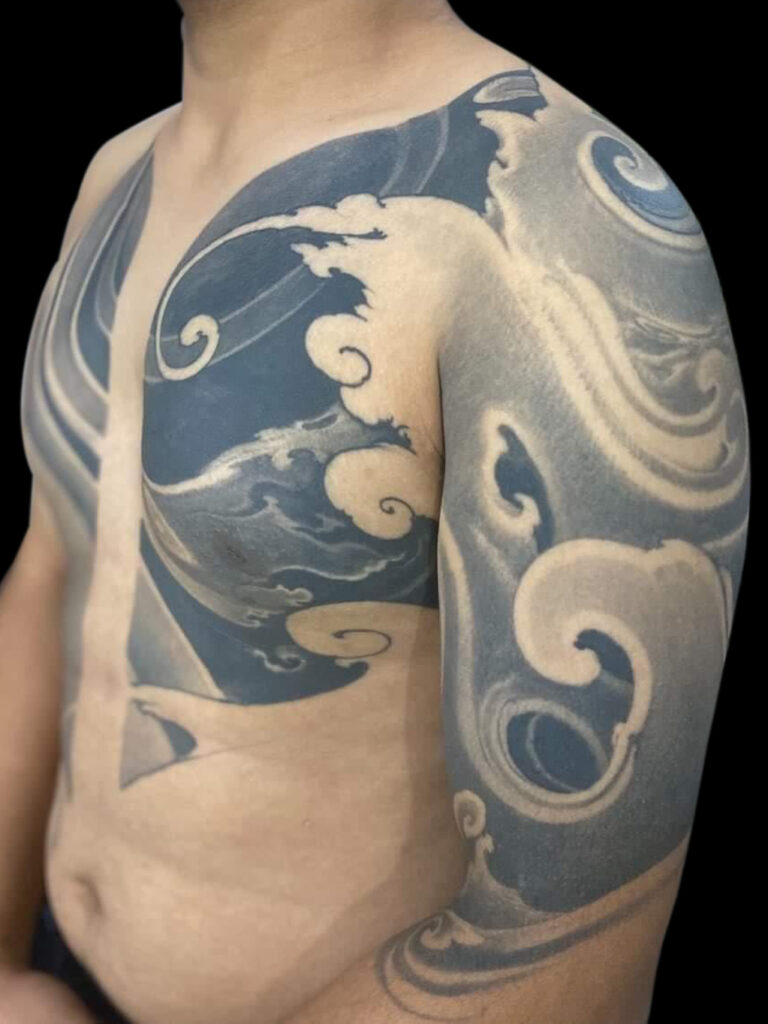
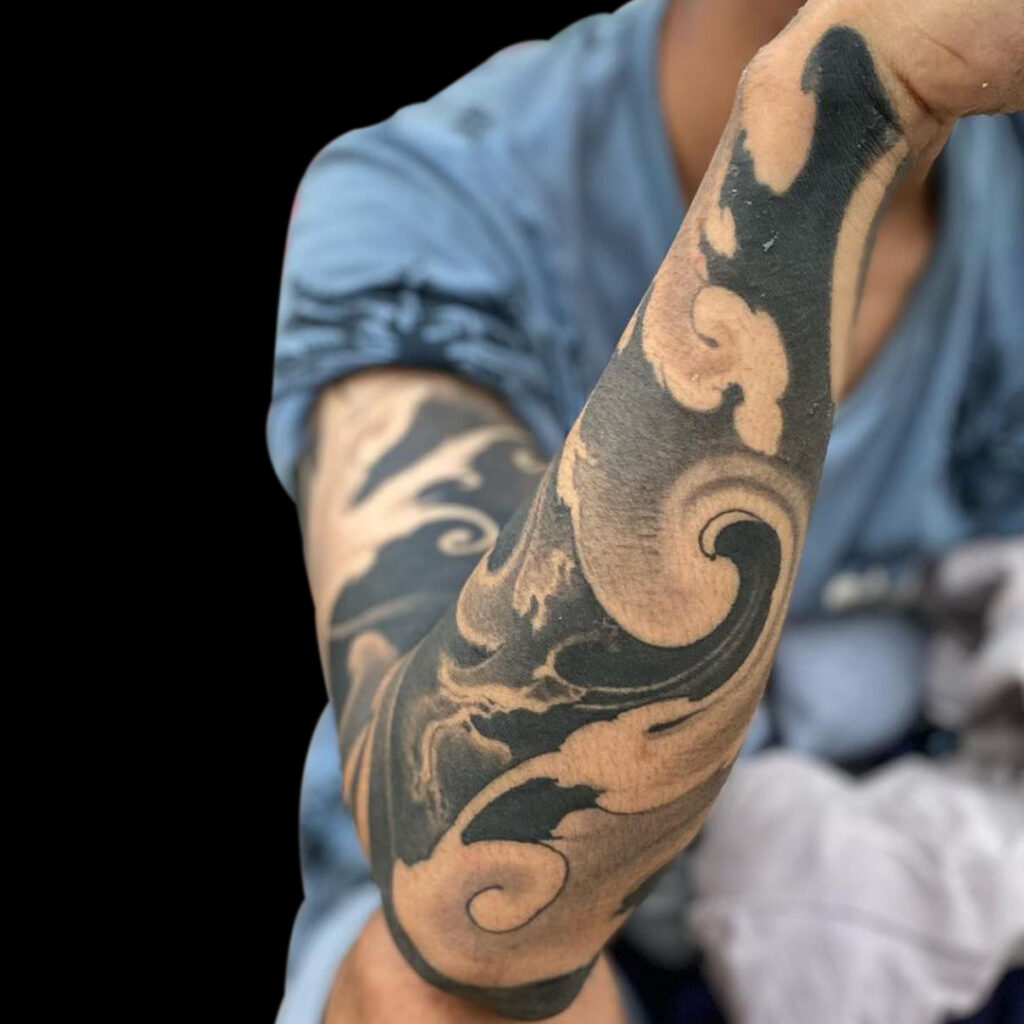
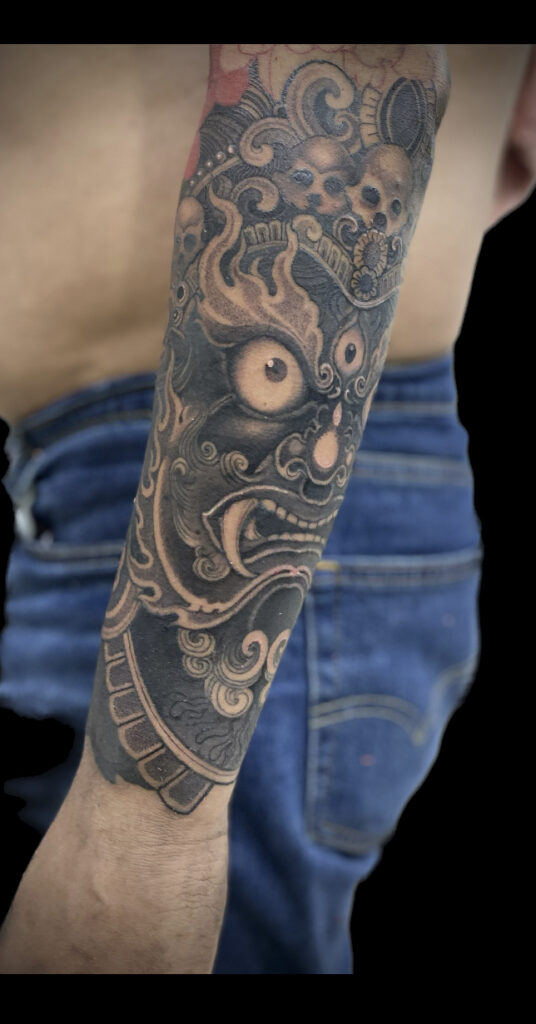
Refusing to Let Trauma Dictate Art
Many creatives lean heavily into their past struggles, letting pain fuel their output. Bimal radically challenges this perspective.
“I come from a very dark past,” Bimal explains. “Had that shaped my art it would have been very grotesque.”
Instead of letting the shadows dictate his creative vision, he actively chooses joy. He teaches his younger artists a completely different philosophy. He tells them to look around at the wonders of creation, draw inspiration from happy moments, and always strive forward with immense gratitude.
He acknowledges that the dark parts of life are profound places of learning. You absolutely must learn from them, but you do not have to draw your inspiration from them. By refusing to let his past define his current output, Bimal reclaims his power. If you are navigating your own identity and self-worth, this is a powerful reminder. You are allowed to leave your heavy baggage behind and build a life based on happiness.
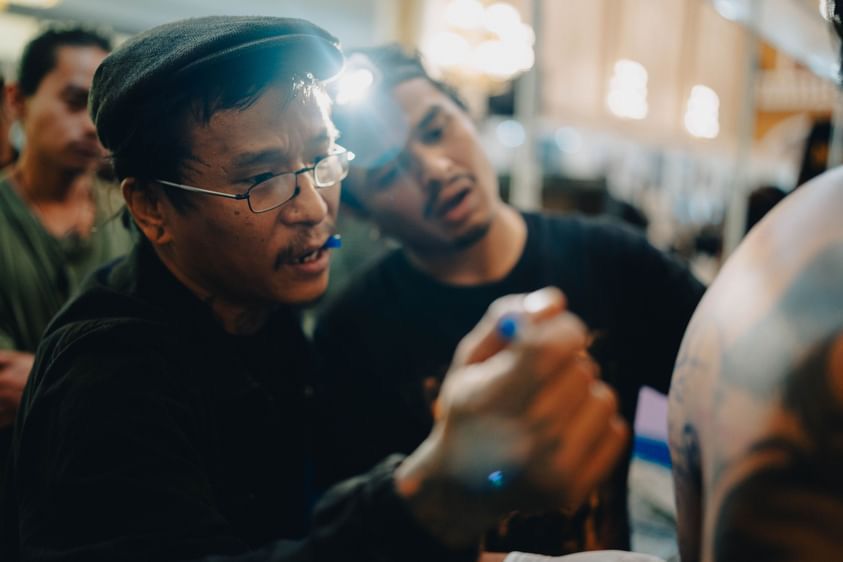
The Real Turning Point: Love Over Shadow
When you look back at a turbulent life, it is easy to assume that the hardest moments caused the biggest changes. Bimal’s youth was intense. Driven by pure curiosity, he found himself selling drugs, getting into fights, and running with a gang. This curiosity led him into a dark patch that slowly engulfed him before he even realized what was happening. He spent time in prison. He spent a year in a rehabilitation center, and later even operated and managed one.
But when asked what moment actually changed the trajectory of his life, his answer is incredibly soft and surprising. The hardship did not change him. The happy moments did.
Falling in love with his wife was a massive turning point. Random acts of compassion from total strangers helped pull him out of the dark alley. These bright, beautiful experiences shifted his perspective and saved his life. It proves that while discipline and grit are important, love and community are the ultimate catalysts for real transformation.
The Early Grind in Nepal’s Tattoo Scene
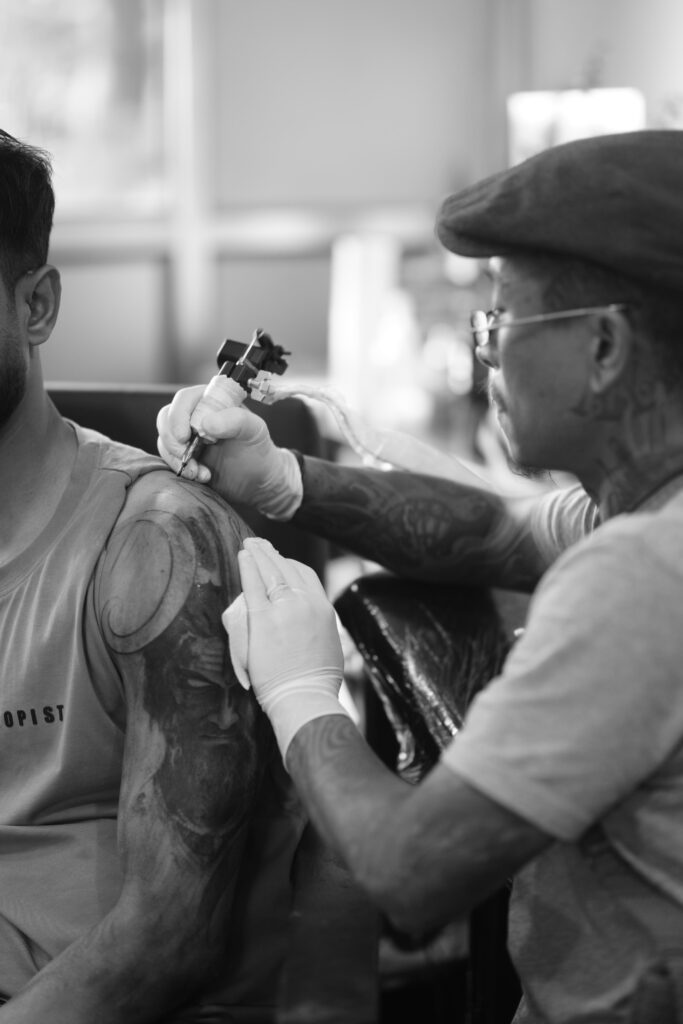
Building a career in the early days of Nepal’s tattoo scene required serious dedication. Today, we rely heavily on social media to find artists, book appointments, and connect with like-minded souls. When Bimal started, high-speed internet was not connecting everybody. Artists hardly knew each other. You only heard about other creatives through word of mouth, from friends of clients who managed to get a piece done somewhere.
It was a chaotic, unpredictable time. Bimal had limited knowledge about the tools of the trade. Sometimes, clients would get a full tattoo and then literally run away without paying.
Yet, he never viewed these hurdles as insurmountable challenges. Through this scattered network, he met Mohan Dai, a senior artist who guided him immensely. Bimal just saw the chaos as a series of experiences. He was deeply grateful for each day he got to hold a machine. He found joy in the messy, unfiltered reality of building a scene from scratch.
The Father Figure: Mentorship and the Danger of Fast Fame
Today, a new generation of artists looks up to Bimal. But he does not view himself simply as a mentor. He sees himself as their father. He feels a deep responsibility to nurture their raw talents and help them find genuine purpose in a noisy world.
We live in a hyper-curated era where everyone wants instant recognition. Bimal notices that many young artists today make the critical mistake of rushing their growth. They want to condense six to ten years of vital, practical experience into a few short months.
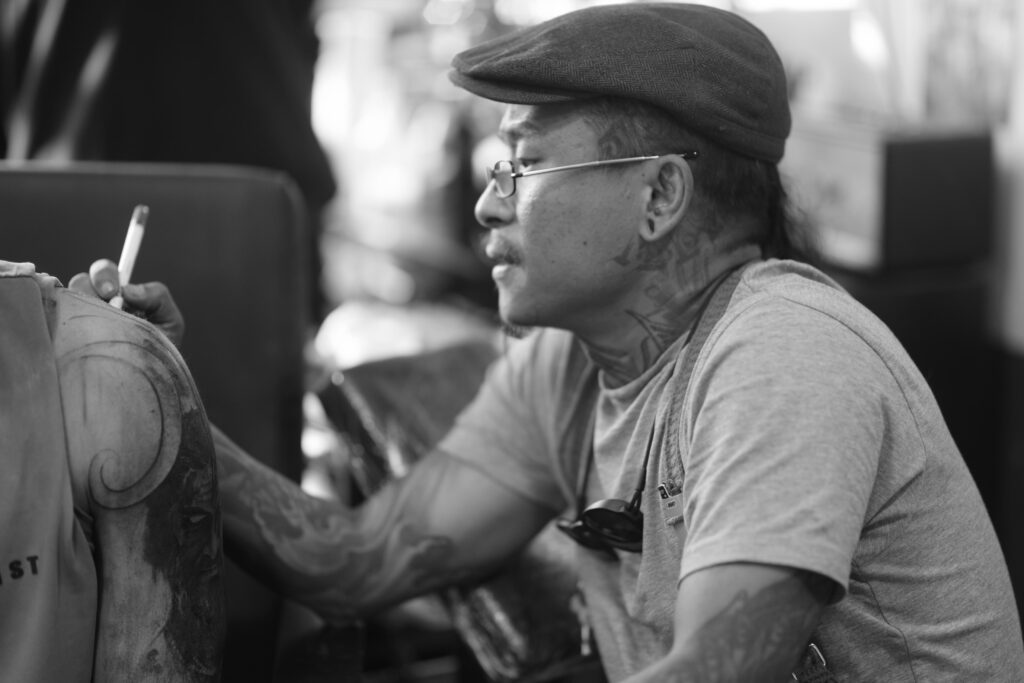
While he supports learning quickly, he warns against this frantic pace. Tattooing is not just about copying a design. It is about understanding how a breathing canvas reacts to pressure and trauma. You have to observe, learn, unlearn, and relearn. The exact same machine, voltage, and technique will produce entirely different results on two different people.
Becoming a great artist is a highly personal journey of self-discovery. You must be willing to give it time. You cannot hack the algorithm of human experience; you simply have to mature through age and practice.
The Energy of Surrendering: Why Humility Wins
If there is one fundamental lesson Bimal wants every young artist to understand, it is the absolute necessity of humility.
You can have a massive ego as a traditional painter or a musician. But in the world of tattooing, arrogance is a useless husk. Even if you are technically the best artist on the planet, if you act poorly, your client will find a reason to hate the tattoo. Human skin ages. Tattoos fade and blur over time. Remaining crisp and perfect forever is a physical impossibility.
“If you have a good bond with your client, you radiate humbleness, your clients will protect your art,” Bimal shares. “They’ll fight the world to safeguard your piece even if there is an error.”
Tattooing is entirely unique because it is an intimate exchange of energy. Two people must completely trust each other. In that sacred space, arrogance has no place. As Bimal beautifully puts it, “Tattooing is about the energy of surrendering.”
A Lifelong Love Affair
After surviving prison, overcoming addiction, and navigating the unpredictable waters of the early tattoo scene, Bimal Rai stands today as a master of his craft. But he does not view his work as a simple business transaction.
For him, tattooing is a lifelong love affair. It is his purest form of self-expression. He remembers tattooing fellow inmates in prison without gloves, using a handmade machine built from scavenged tools. He wiped the skin with whatever cloth was available and made his own ink out of a mixture of soot, water, and toothpaste.
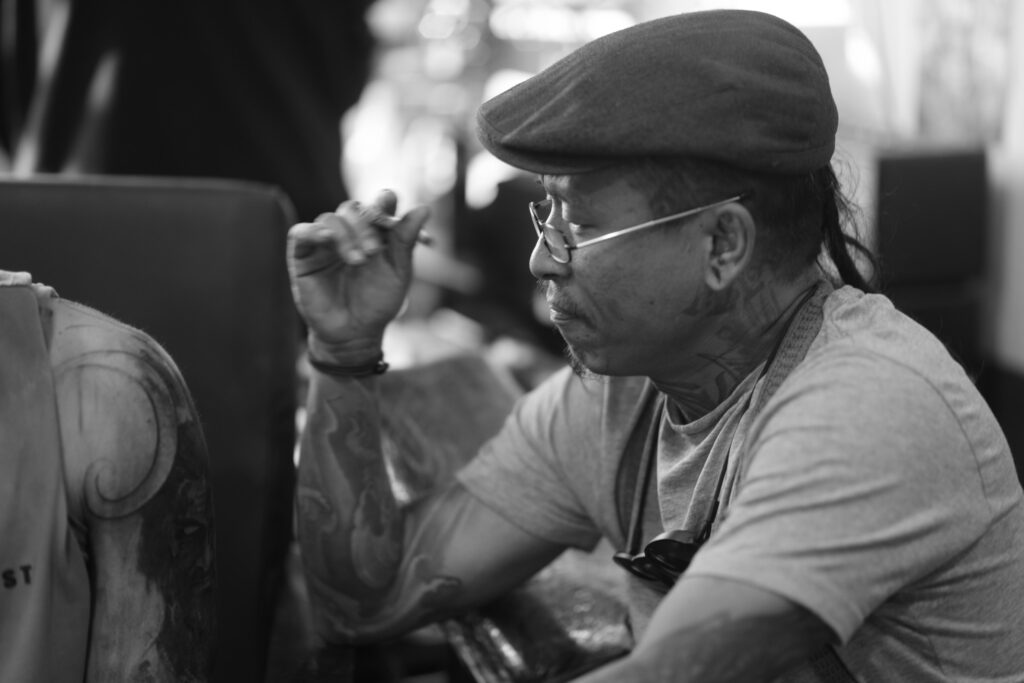
He went from inking inmates in a cell to inking dedicated clients who gladly pay significant amounts for his art. He jokes that people are either wise or mad to pay him for simply having fun.
But that is the magic of finding your true calling. When you strip away the ego, reject the trauma, and focus entirely on connection, your work transforms. Bimal Rai proves that you can always rewrite your story. Join the journey of self-discovery today. Drink a glass of water, embrace your happy moments, and step into the light.
Lubdhak Biswas is a musician, entrepreneur and a tattoo artist based out of Kolkata (India).
He documents underground culture at the crossroads of tattooing and music.
His work focuses on craft, tools, ethics and the real working realities of creative industries.