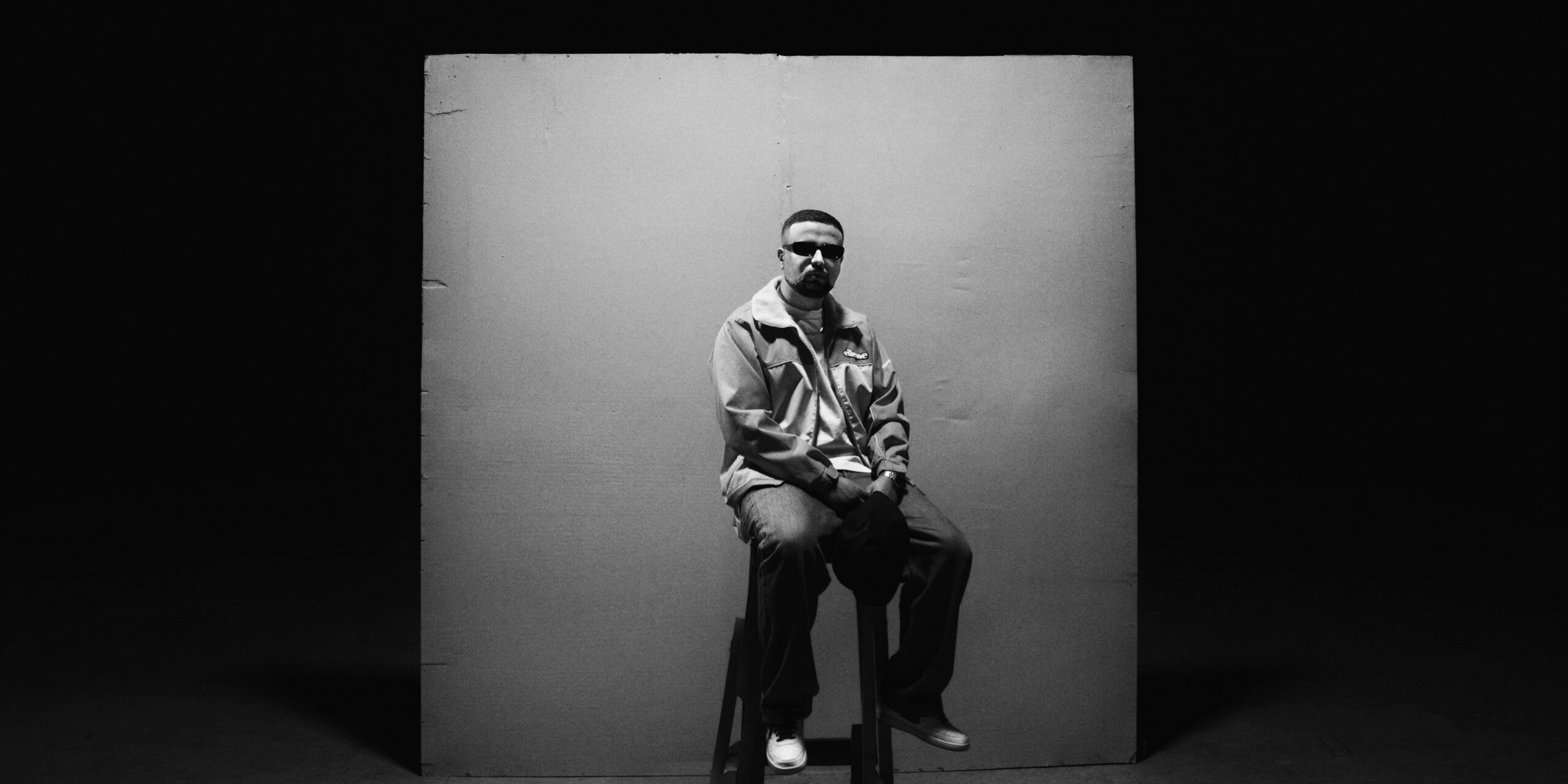
To many, freedom is a destination. But for some, it’s a constant struggle to hold on to what they have.
We spend a massive part of our lives trying to figure out who we actually are. The world demands that we play specific roles, adhere to cultural expectations, and fit neatly into predefined boxes. Navigating that pressure can feel suffocating. Sometimes, the only way to find your true voice is to create an entirely new version of yourself.
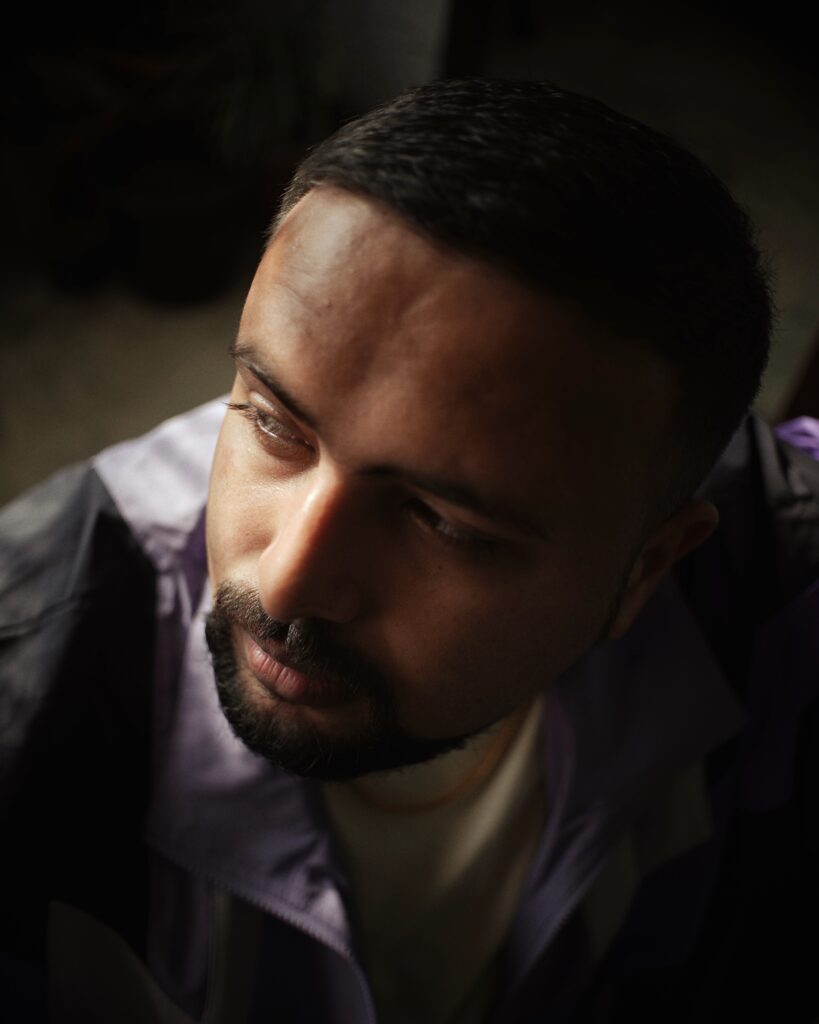
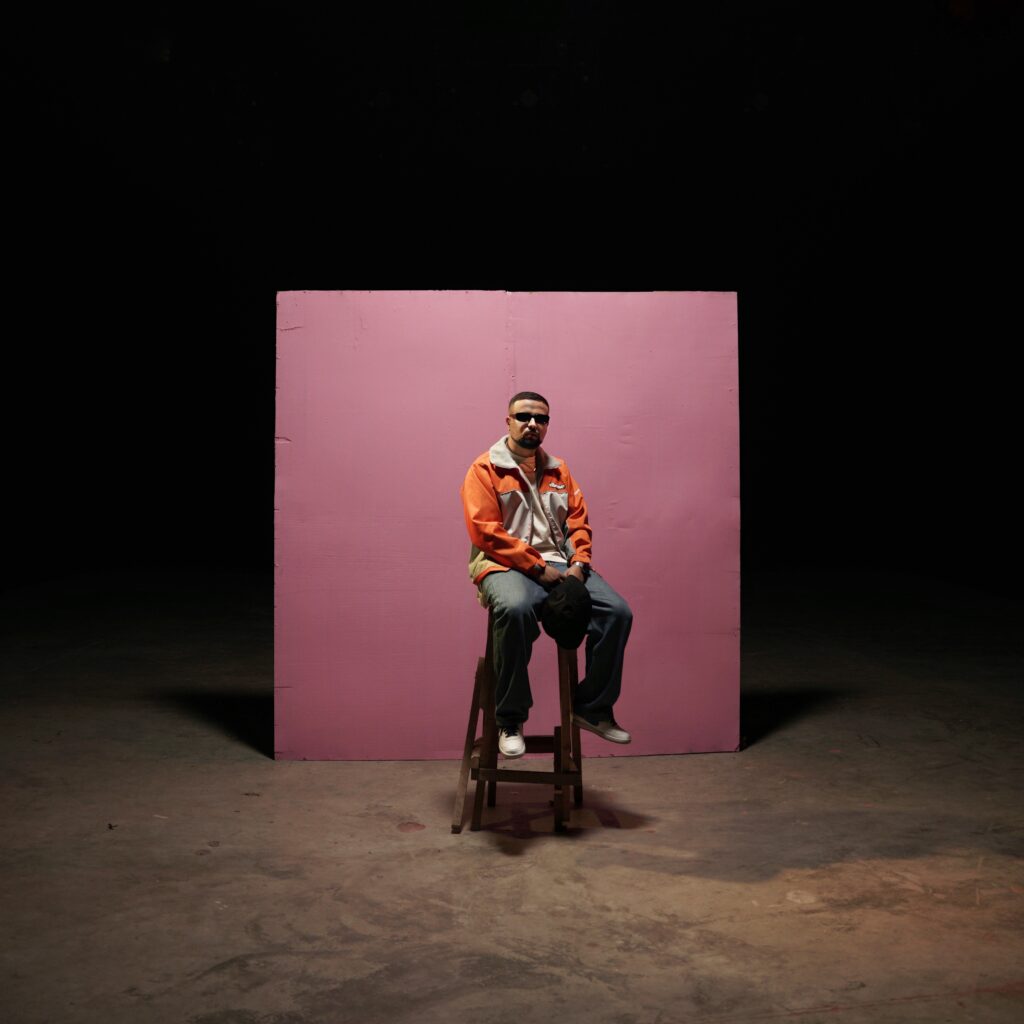
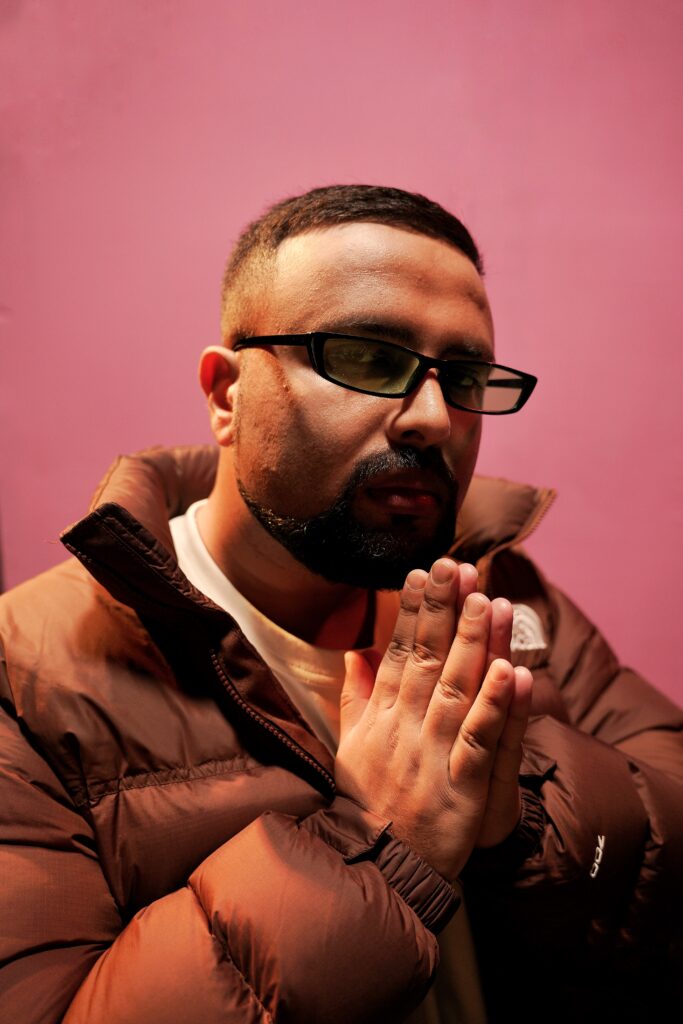
For the artist known as MOKSH, this search for an unique identity required a complete separation from the expectations of his daily life. Born Mrinal Paul, he realized early on that survival in a highly structured society often comes at the cost of personal expression.
The Idea of Liberation
When you grow up facing constant cultural and societal boundaries, finding a space to breathe becomes a survival tactic. You look for ways to unlock your true potential outside of the rules given to you.
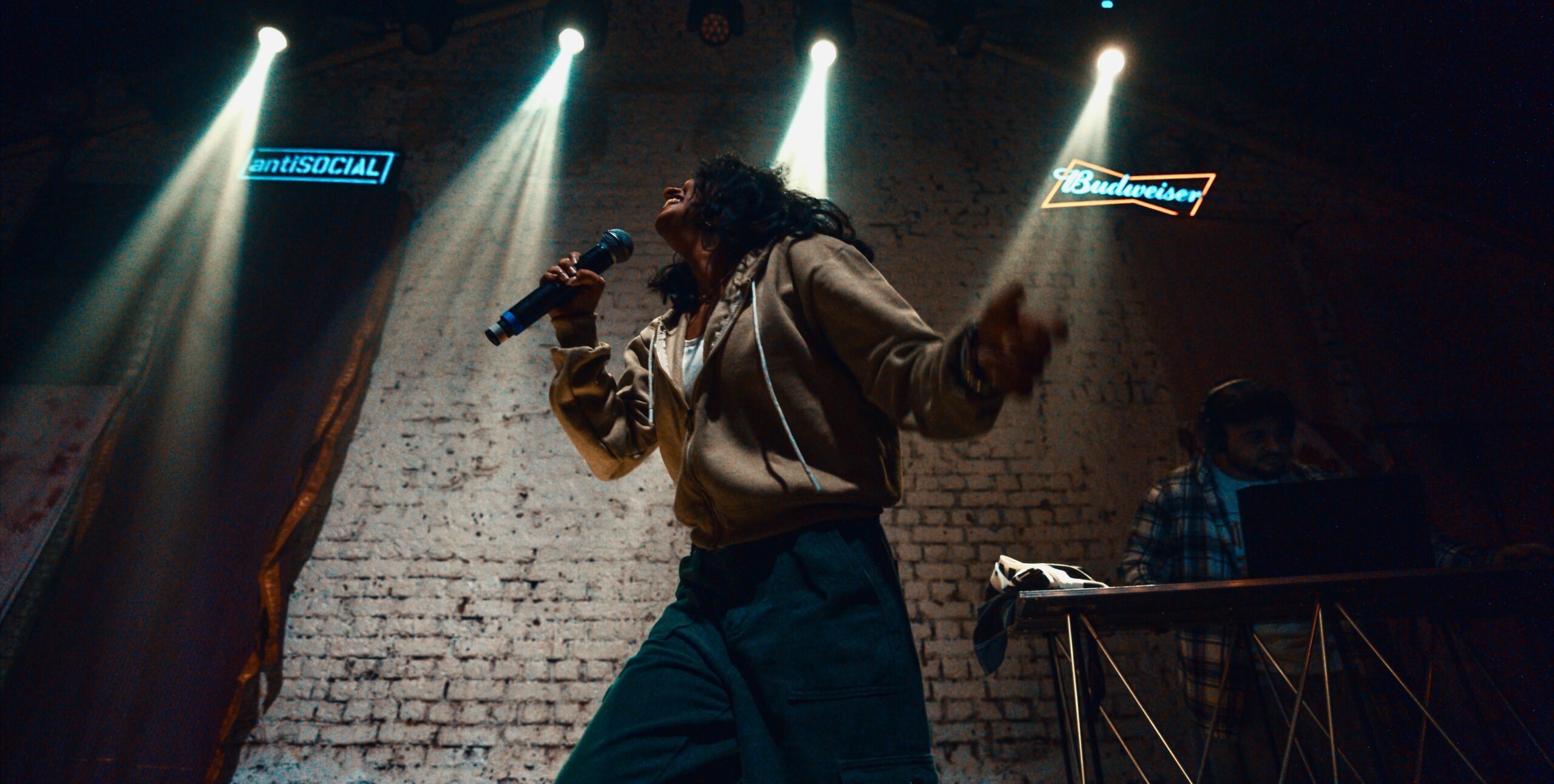
For Mrinal, that space became music. But the music did not come from a peaceful state of mind. It was a direct response to the friction of living in a world that constantly asks you to conform. To navigate this friction, he created an alter ego. This new persona allowed him to say and do the things that his everyday self could not.
“MOKSH is my alter-ego, my identity. Mrinal is binded by society, MOKSH is not. He is free to think, he is free to dress, he is free to express.”
This separation became a vital tool. The idea of moksha in traditional philosophy usually points toward ultimate spiritual release. But for a young creative trying to find a voice, it became a daily practice of separating the art from the mundane.
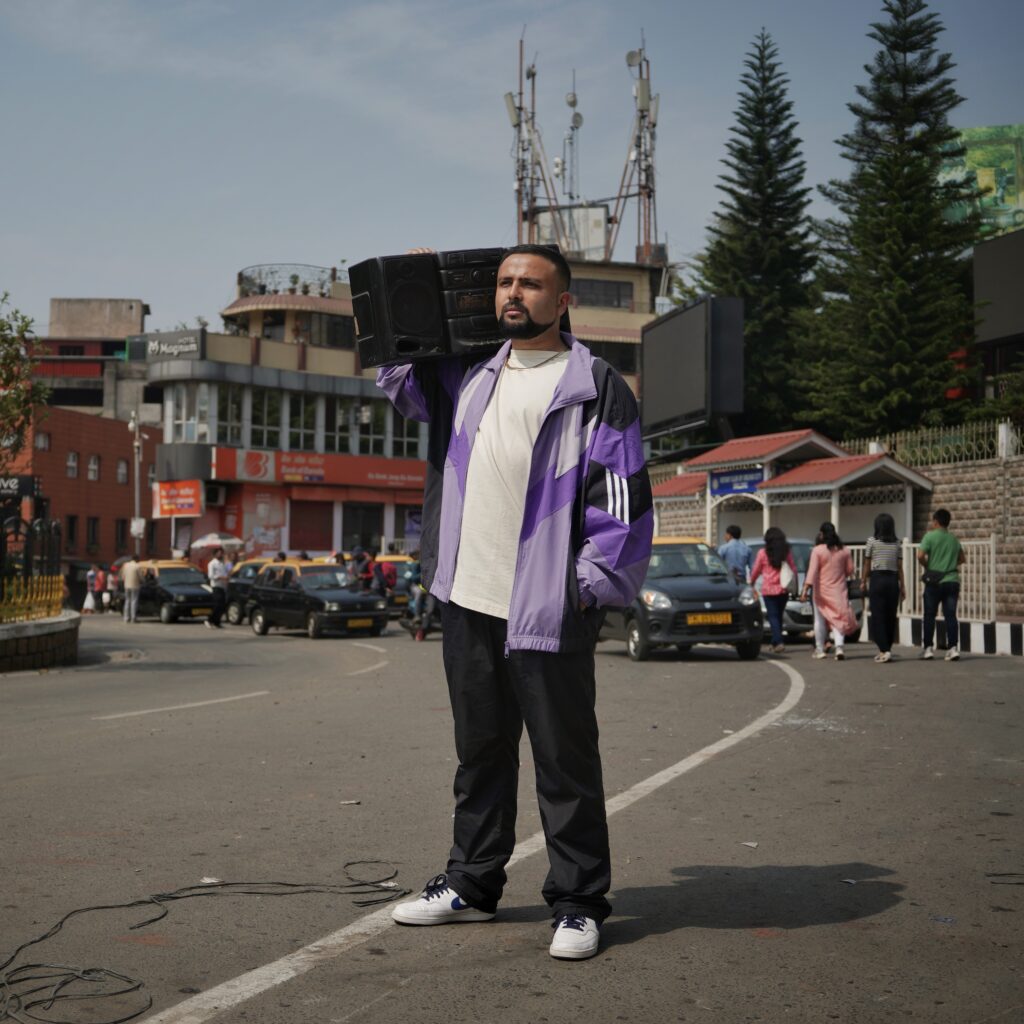
Two Identities in One Person
Living a double life creates a unique kind of tension. You have the person who clocks into work and the person who stands behind a microphone. Bridging that gap is rarely easy.
Mrinal uses MOKSH to process the things that cannot be easily spoken in polite company. It offers a raw, unfiltered outlet for emotions that would otherwise remain trapped. But managing these two identities requires a massive amount of energy. The creative freedom found on stage often clashes with the harsh realities of paying bills and surviving in a competitive industry.
The Cost of Staying in the Game
Chasing a dream is heavily romanticized. People love the idea of the struggling artist who eventually makes it big. But the day to day reality of that struggle is rarely glamorous. It is exhausting.
For nearly a decade, he has operated in an ecosystem that offers very little financial security. To fund his passion, he has maintained a completely separate professional life. This duality takes a heavy toll.
“In my case I have had to balance between a 9-5 day job and pursuing rap as a career. It’s been 8 years since I have been doing this and now it is starting to get mentally draining.”
The romantic vision of the music industry fades when faced with the cost of studio time, marketing, and production. Surviving requires either immense privilege or a relentless willingness to suffer for the craft.
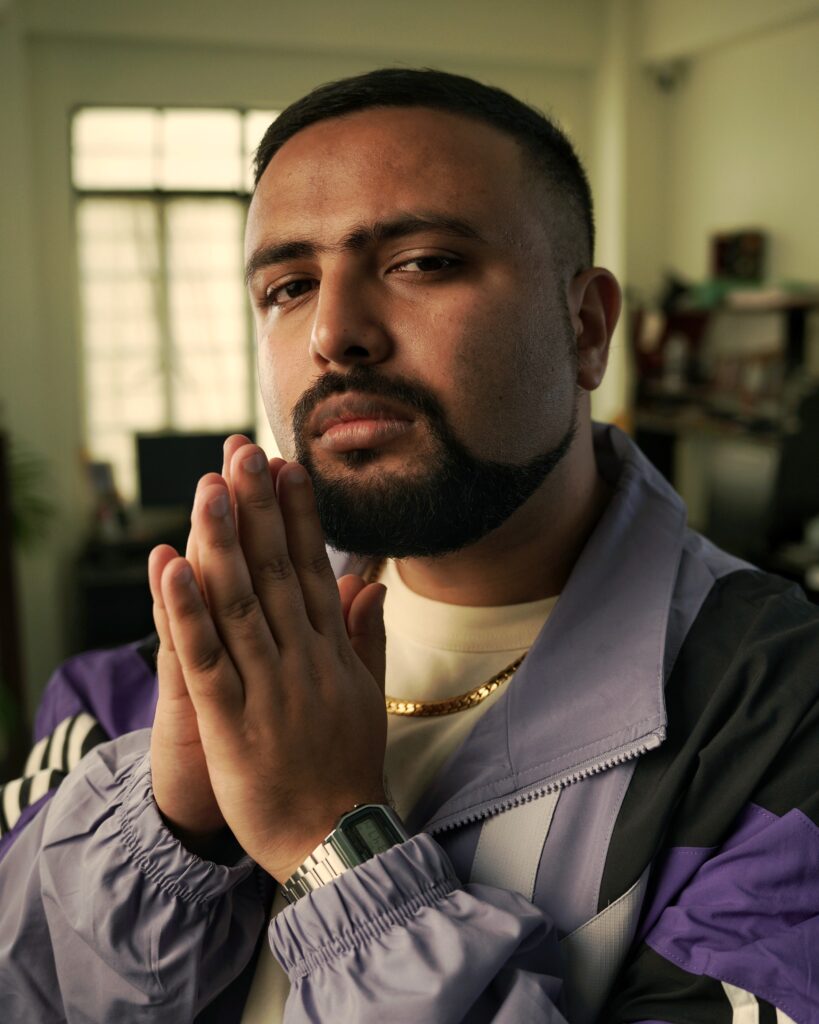
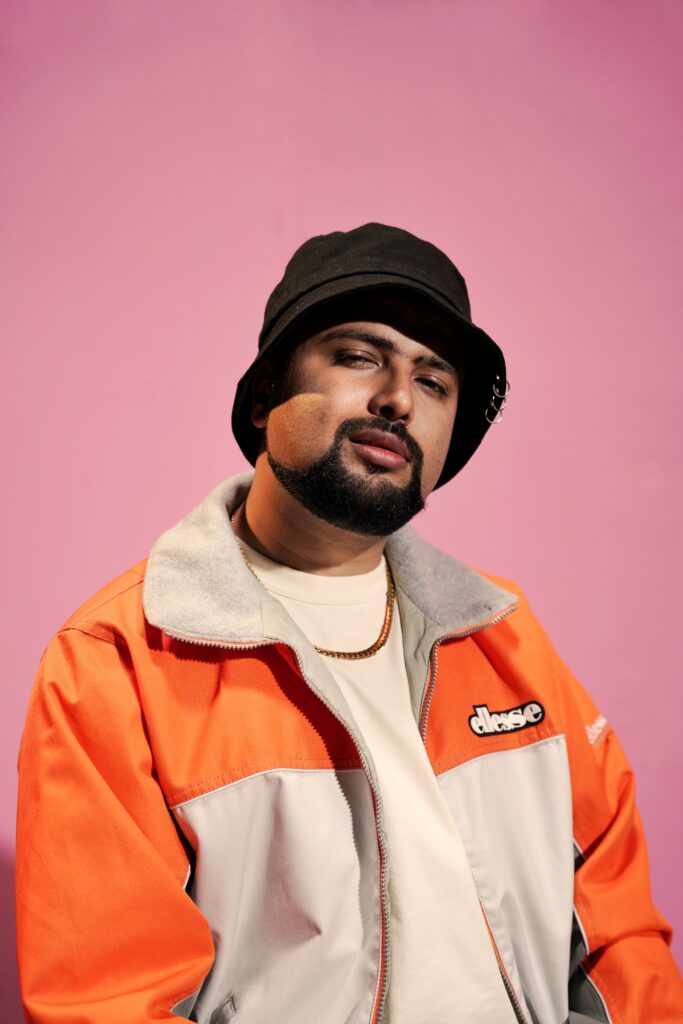
Creating Without Expectation
When the pressure to succeed begins to crush your love for the art, you have to take a step back. You have to remember why you started in the first place.
During the creation of his deeply personal project titled Almost There, he reached a breaking point. The constant need to validate his existence within the music scene had drained his spirit. He needed to create something that did not cater to external demands.
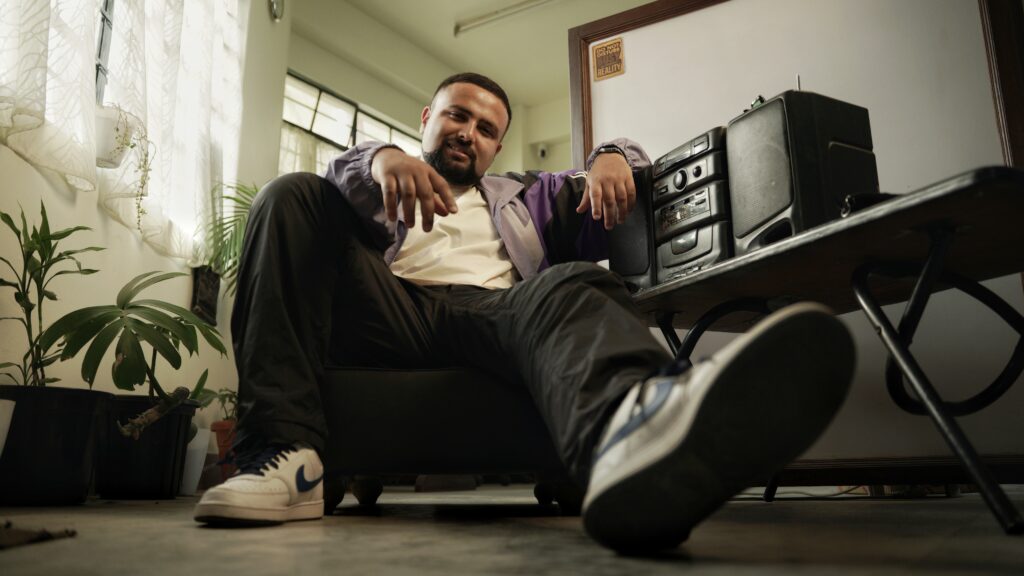
“I was exhausted from making efforts in carving my name in Shillong or Northeast’s hip hop scene. I wanted to do something for myself.”
He released the music without any expectation of a marketing push. It was a raw, vulnerable offering. By letting go of the need for validation, he ended up creating his most authentic work.
Identity Across Cultures
Our roots often pull us in multiple directions. Growing up in Shillong exposed him to a vast array of cultural shifts. Initially, he wanted his artistic persona to exist outside of any specific ethnicity. He wanted the art to speak entirely for itself.
But true self discovery eventually requires you to face where you come from. You cannot build a genuine future while ignoring your past. Recently, he began weaving his Sylheti roots back into his music.
“The motivation is simple: if I can’t accept who I am, how can I talk about changing the world?”
Accepting your cultural background adds depth to your voice. It transforms a generic message into a highly specific, lived experience that listeners can truly connect with.
The Insider Outsider Conflict
Belonging is a complex human desire. We all want to find a community that understands us. But in highly guarded creative circles, gaining access can feel impossible.
He found himself battling a deep sense of isolation. Earning respect for your skills is one thing, but gaining the industry access that comes with established connections is entirely different.
“Hip Hop in India is also very community driven, unfortunately there are not enough rap/hip hop enthusiasts in the Sylheti/Bengali community.”
This gap leaves him in a difficult position. He exists inside the culture as a creator, but outside of it as an individual. This conflict forces him to rely entirely on his own resilience.
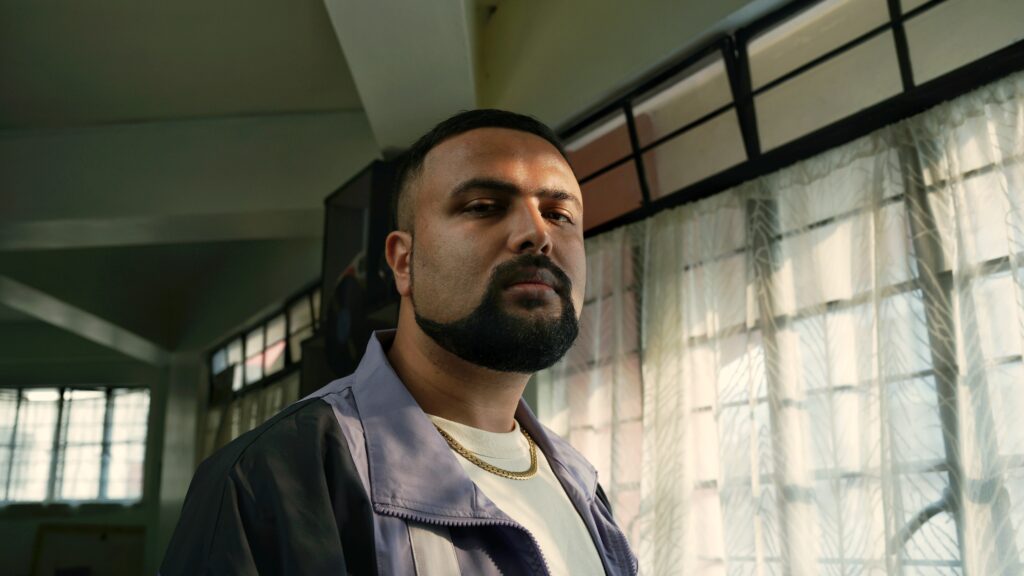
Building What Didn’t Exist
When you cannot find the space you need, your only option is to build it yourself. Waiting for gatekeepers to open doors is a fast track to bitterness.
Recognizing a massive lack of infrastructure in his region, he shifted his focus toward community building. He looked at the fragmented dance and music scenes around him and saw an opportunity for unification.
“We need something where all the elements of hip hop could unite in one place to celebrate the culture as well as to showcase their skills. That’s how Movement of Expression was born.”
By creating a platform for others, he helped legitimize the local culture. He took the very isolation he felt and used it to ensure the next generation would not have to fight the exact same battles.
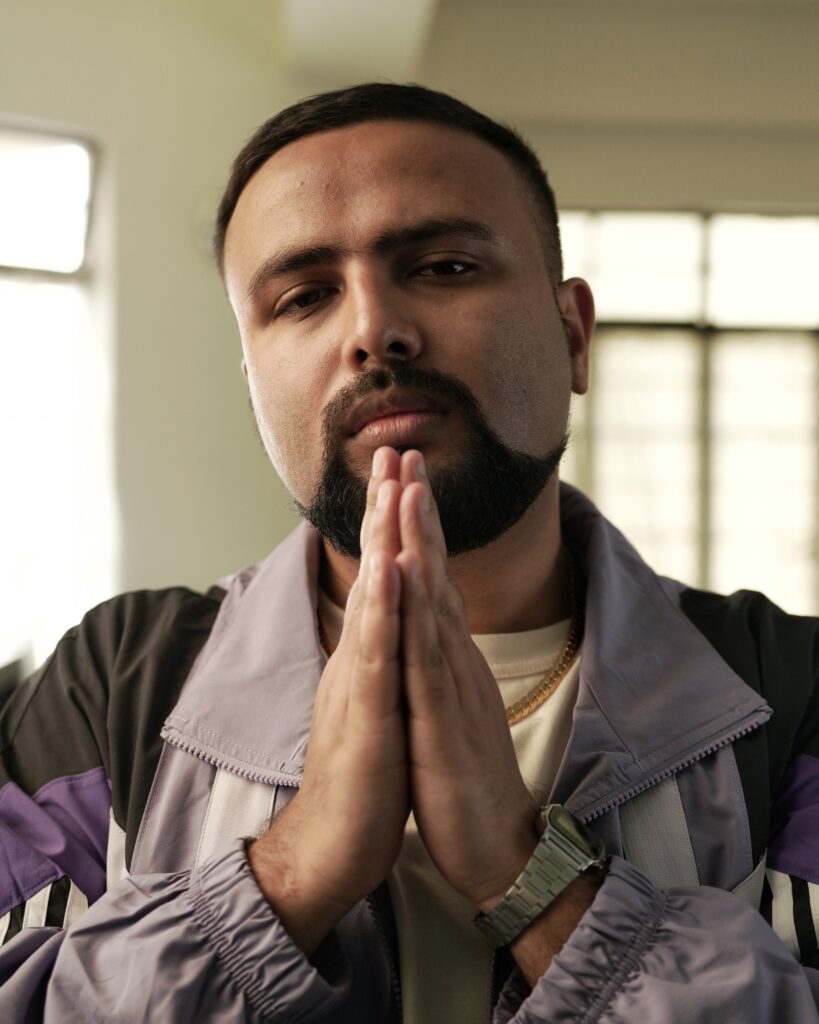
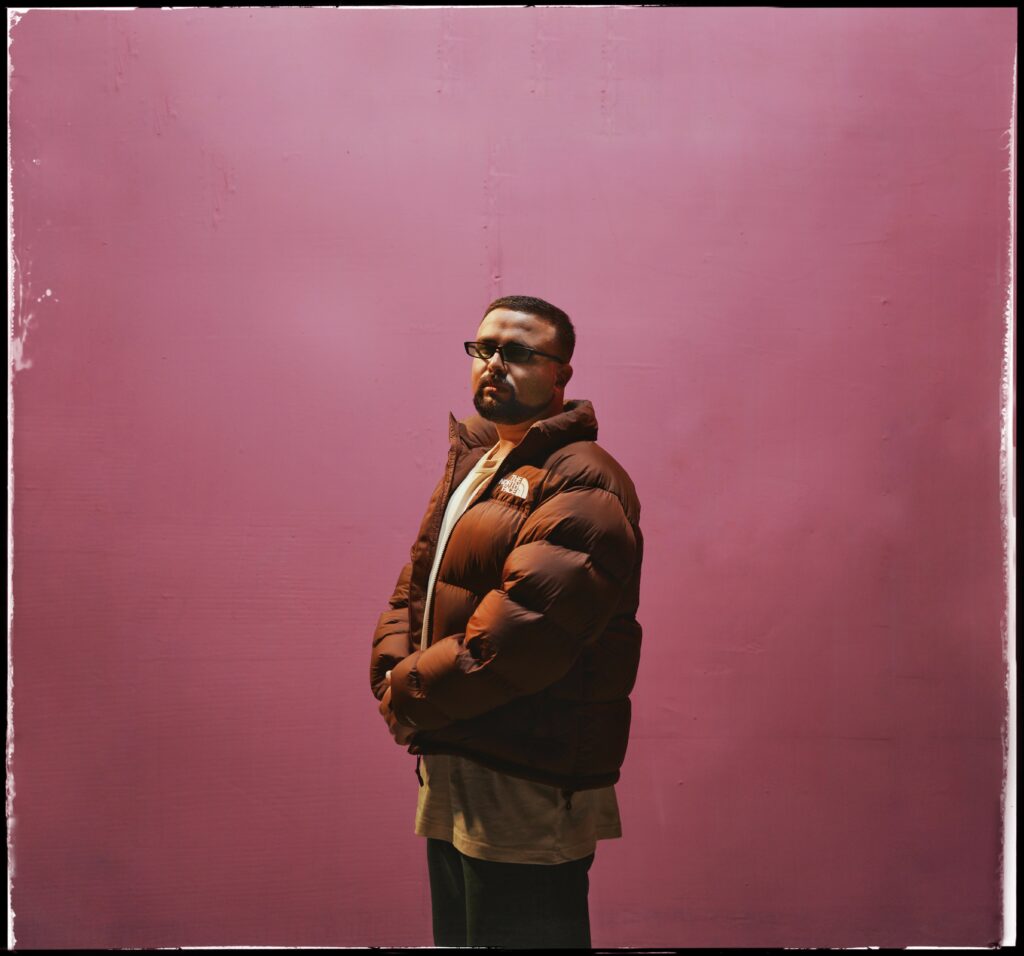
Chaos as a Creative Source
Environment shapes everything we do. The physical places we inhabit leave permanent marks on our psychology and our art.
Shillong provided the backdrop for his entire artistic awakening. It offered a raw, underground energy that fueled his early work. But a home can be both a sanctuary and a source of deep unrest.
“An inexplicable chaos brews in my mind every time I think of the city. But I am forever grateful for this is where I found my purpose and an identity to pursue it forward.”
You do not have to be completely at peace with your environment to draw inspiration from it. Sometimes, the friction of a place is exactly what forces you to create.
Legacy Beyond Music
At a certain point, the art has to become bigger than the artist. Chasing personal fame is a fragile goal. It can vanish overnight.
He recognizes that true impact lies in how you elevate the people around you. His vision extends far beyond stream counts or social media followers.
“I want hip hop to be seen as this powerful medium of expression which stands above any caste, creed or ethnicity.”
When you strip away the aesthetics and the posturing, what remains is the raw human ability to tell a story. That is the only thing that actually lasts.
Advice Without Illusion
For anyone trying to navigate their own creative path, the reality is stark. No one is coming to save you. You have to arm yourself with tangible abilities to survive the journey.
“Try learning as many skills as possible otherwise putting out music at a regular frequency is an expensive affair.”
Taking control of your own process is the ultimate form of self reliance. The more you know how to do yourself, the less power you have to hand over to someone else. It is a long, difficult road filled with moments of intense doubt.
Liberation is not something you arrive at. It’s something you keep choosing.
Follow MOKSH on Instagram
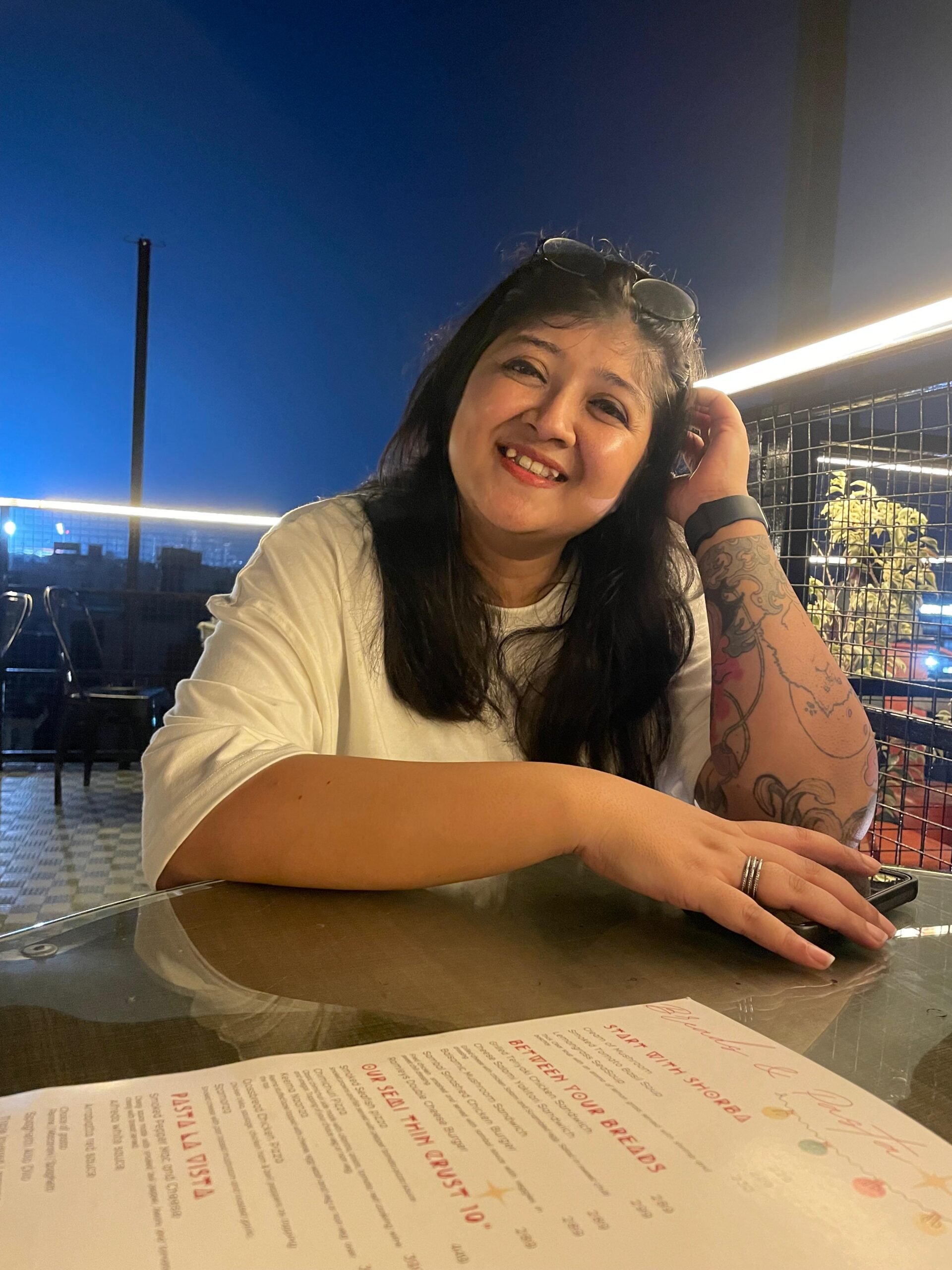
Oeshi B Lyndem is a visual artist, tattoo artist, graphic designer, and entrepreneur with a foundation in graffiti and street culture. Rooted in hands-on craft and making, her practice moves fluidly across illustration, street art, design, and experimental creative processes. With lineage from Shillong—often regarded as India’s rock capital—she carries a distinct cultural influence into her work. At Goofy Owl, she curates and leads the street and hip-hop culture segment through an intuitive, deeply creative, and entrepreneurial lens.