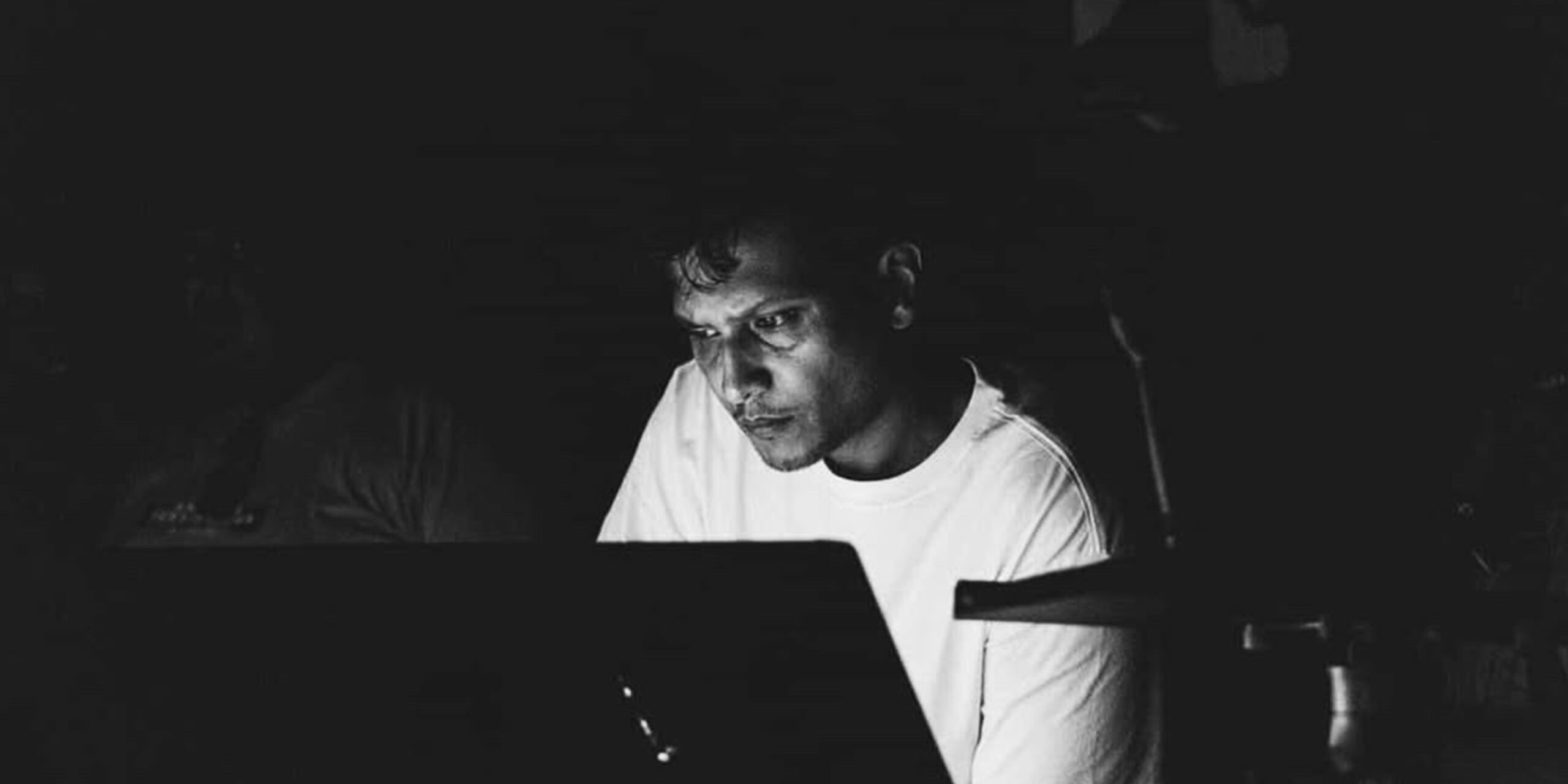
Have you ever stood in the middle of a crowd at a live show, feeling the bass rattle your ribcage, completely lost in the moment? We go to concerts to feel something authentic. We want to disconnect from our daily grind and connect with like-minded souls. But we rarely think about the person standing quietly behind the mixing desk, holding the emotional reins of the entire room.
For Ryan Baker, a sound engineer with over a decade of experience, sound is not just a technical job. It is an invisible, powerful force that controls human emotion. A single frequency shift can alter the entire mood of a song, turning a melancholic whisper into an aggressive roar.
We sat down with Ryan to explore his fascinating journey through the world of live audio production, system design, and the raw power of trusting your instincts. If you are navigating your own path and trying to find your authentic voice in a noisy world, Ryan’s story is a masterclass in mastery, resilience, and unshakeable confidence.
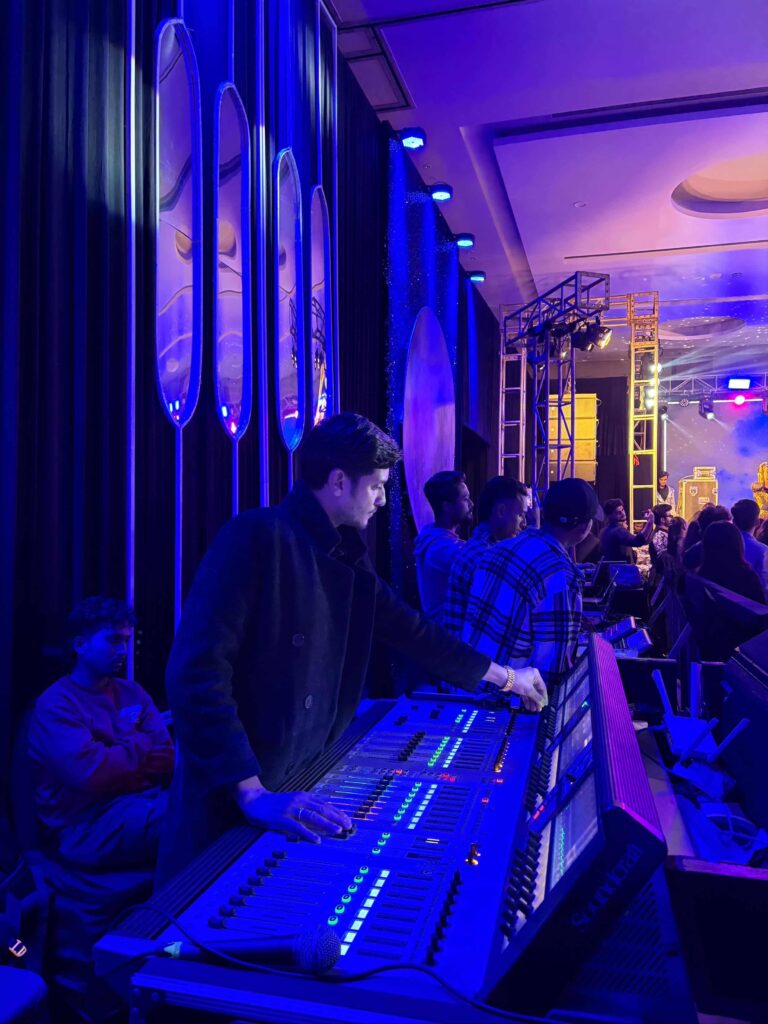
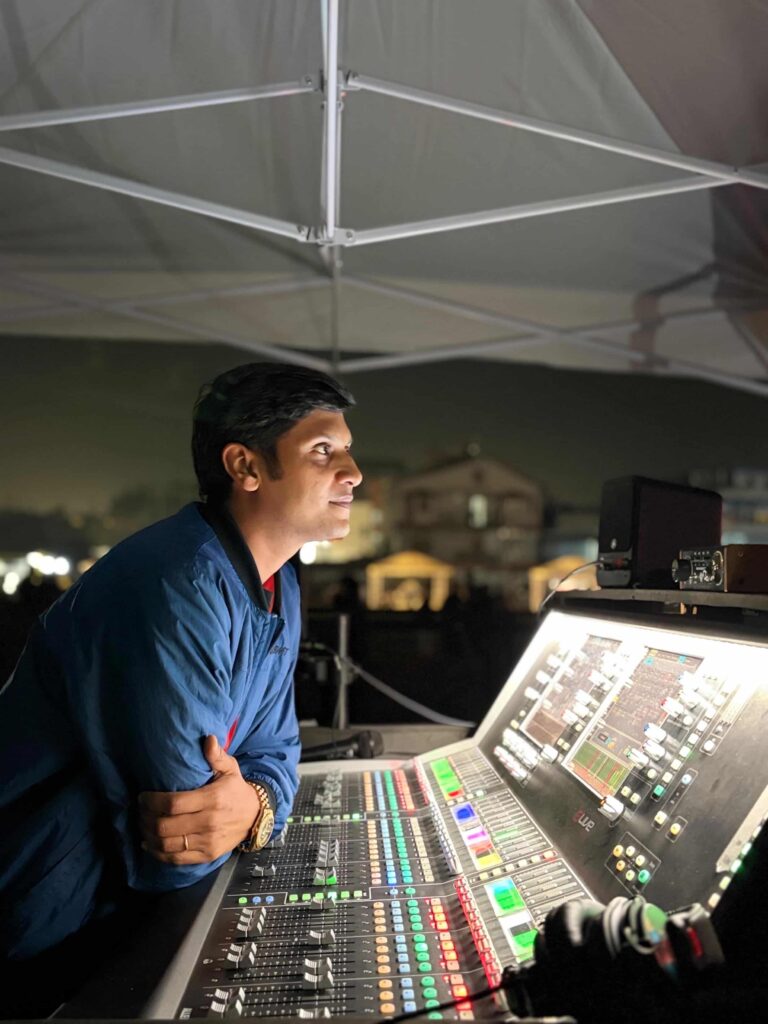
The Physics of Feeling
Ryan’s obsession with audio did not start in a glamorous recording studio. It started with pure curiosity. As a kid, he wanted to know why some stereo systems sounded warm and deep, while others felt flat and lifeless. That simple question sparked a lifelong pursuit.
He began building his own speakers, working with amplifiers, and diving deep into digital signal processing (DSP). He quickly realized that sound is a perfect collision of energy, physics, and human emotion. That delicate balance pulled him in for life.
“Only a sound engineer notices the micro details,” Ryan explains. While the audience gets swept up in the music, the engineer is actively hunting for invisible threats. A slight phase shift between speakers. A vocal microphone drifting off-axis. A low-mid frequency building up and clouding the mix.
“Most people hear the music. We hear the problems before they become problems.” It is a heavy responsibility, but it is exactly what makes the craft so addictive.
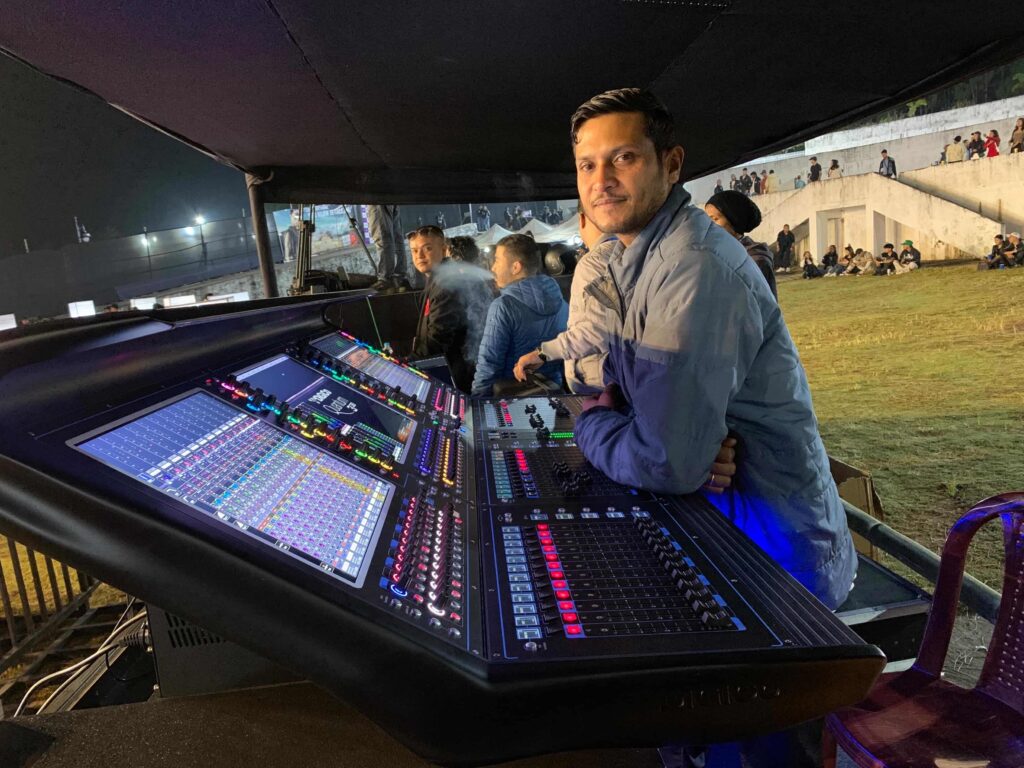
The Weight of the Room
Taking control of a massive live event for the first time is a terrifying, transformative experience. For Ryan, that moment came early in his career during a large-scale outdoor show.
When the artist walked on stage and struck the first note, the reality of his position hit him like a freight train. Every single decision he had made—the system alignment, the gain structure, the voicing—was actively defining the experience for thousands of people. That intense pressure fundamentally changed him. It made him more disciplined, more precise, and deeply aware of his impact.
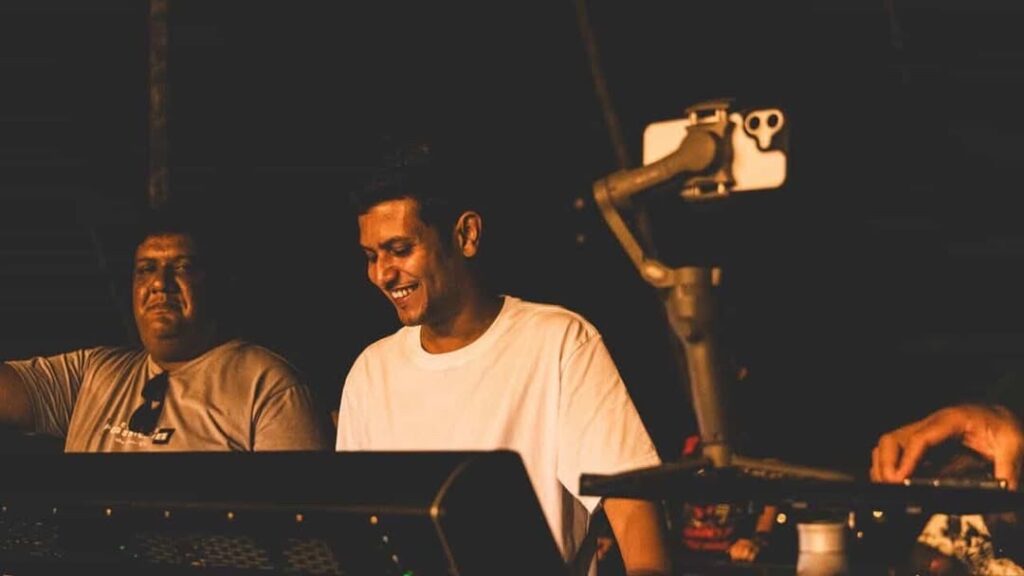
If his sound mixes had a personality, Ryan says he aims for “confident and intelligent.” He does not want the sound to be aggressive just for the sake of it, nor does he want it to be shy. Whether he is producing in a studio, designing DSP for a custom speaker system, or integrating massive government audio projects, his goal remains identical: clarity with authority.
When Things Go Wrong (And No One Knows)
We all face moments where everything seems to fall apart. For live sound engineers, these moments happen in front of thousands of people. Signal chains fail. Power grids fluctuate.
During one critical event, a vital audio channel dropped just minutes before the performance began. Panic is a natural human reaction, but in the audio world, panic gets you nowhere. Instead of freezing, Ryan immediately rerouted the signal, rebalanced the gain staging, and adjusted his system processing to compensate for the loss.
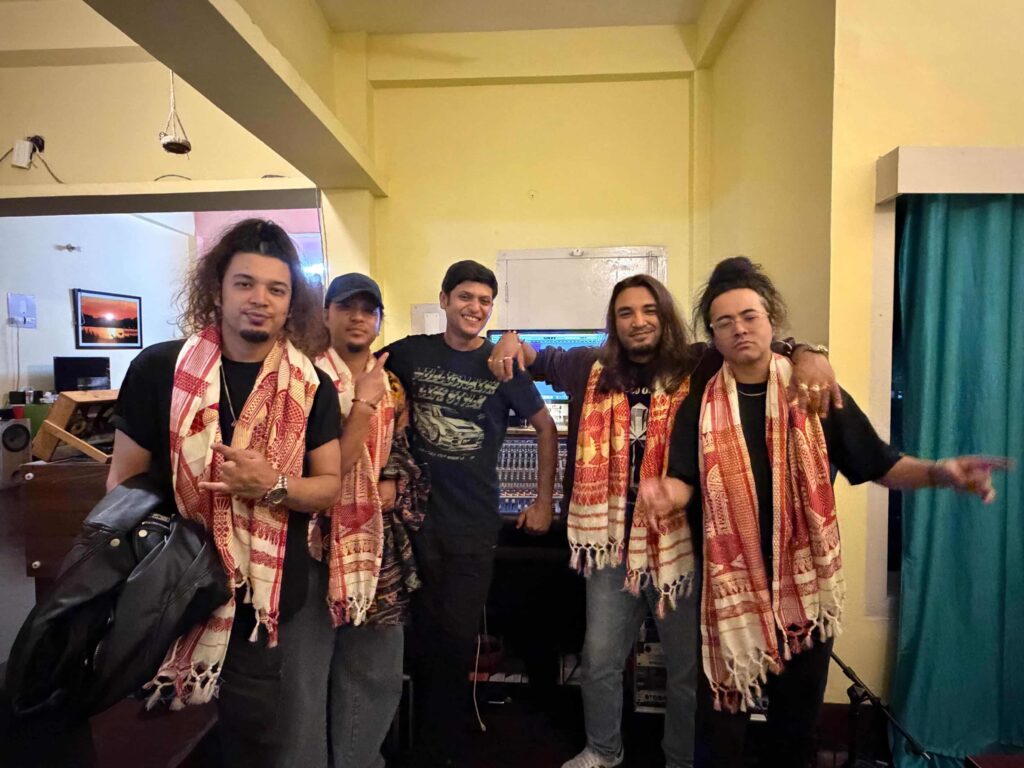
The audience never knew anything happened. The show went on flawlessly.
“That is part of the job,” Ryan notes. “When everything runs smoothly, no one notices the engineer. That is when you know you did it right.” It is a powerful lesson in resilience. When you unlock your true potential, you do not need external validation for every victory. Sometimes, the quietest wins are the most profound.
Trusting Your Gut Over the Data
We live in a world obsessed with metrics, analytics, and data. But data cannot measure the human soul.
Ryan recalls a massive live event where his system tuning did not feel right, even though his measurement software insisted the acoustics were technically perfect. He faced a choice: trust the computer, or trust his gut.
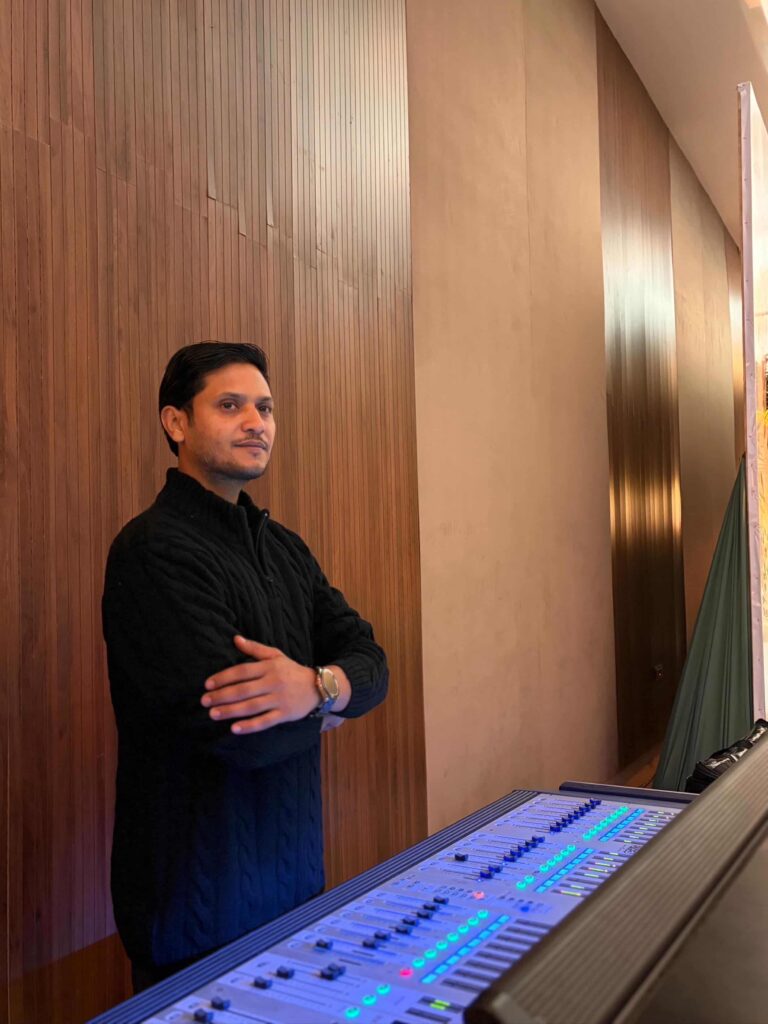
He chose his gut. He adjusted the voicing slightly to suit the physical space and the crowd’s energy. Instantly, the entire vibe of the room shifted. It became electric.
“Data guides you, but your ear makes the final decision,” he says. Training gives you the technical knowledge of frequencies and phase alignment. But instinct tells you when something finally feels authentic. “You cannot measure emotion on a spectrum analyzer.”
Building a Legacy of Excellence
Over the years, Ryan has engineered shows for major national and international artists. He has handled the high-pressure environments of the Ziro Music Festival, Hornbill Music Festival, and even high-security events for the Prime Minister of India.
His journey eventually led him to manufacture his own audio systems and tune them in real-world environments. Designing a speaker on paper is one thing; making it perform flawlessly across different venues is an entirely different beast. Putting his own brand out into the field taught him profound resilience. There was no room for excuses, only execution.
For the next generation stepping into any creative field, Ryan offers some grounded, hard-earned advice.
“Do not chase shortcuts or status. Chase mastery.” The stage might look glamorous from the crowd, but real growth happens in the quiet hours when no one is watching. It happens when you are testing, failing, and refining your craft.
If you want to reach the highest levels of your field, become someone people can rely on. Be disciplined. Be sharp. Be dependable under pressure. Your reputation will travel much faster than your resume, so make sure it speaks of excellence.
Follow Ryan Baker on Instagram
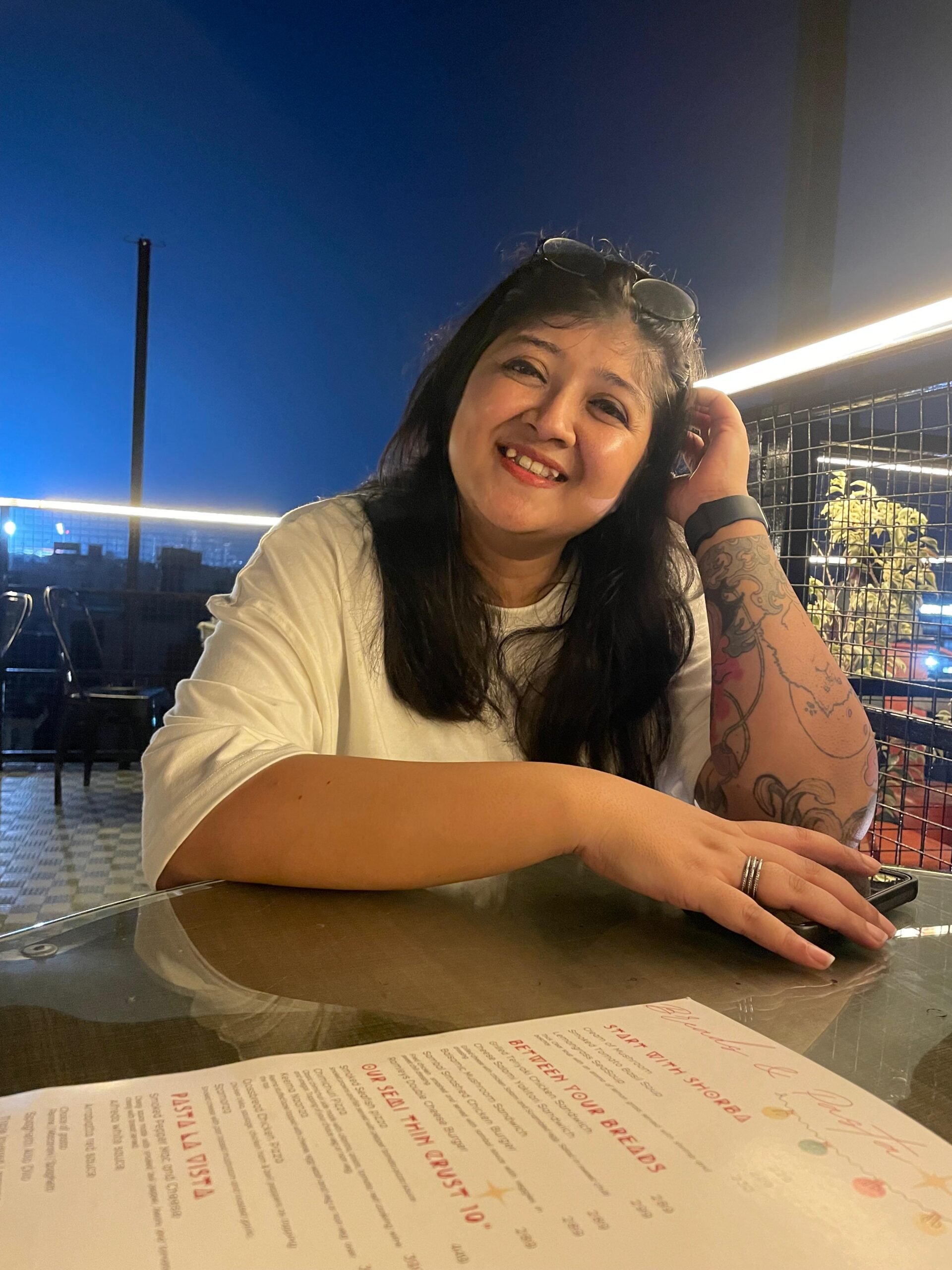
Oeshi B Lyndem is a visual artist, tattoo artist, graphic designer, and entrepreneur with a foundation in graffiti and street culture. Rooted in hands-on craft and making, her practice moves fluidly across illustration, street art, design, and experimental creative processes. With lineage from Shillong—often regarded as India’s rock capital—she carries a distinct cultural influence into her work. At Goofy Owl, she curates and leads the street and hip-hop culture segment through an intuitive, deeply creative, and entrepreneurial lens.