We all hit a wall at some point. You have a clear vision in your head, but the tools in your hands simply cannot bring it to life. For many of us, this is the moment we settle. We accept the limitations of what is available and compromise our art. But what happens when you refuse to compromise? What happens when you decide to build the solution yourself?
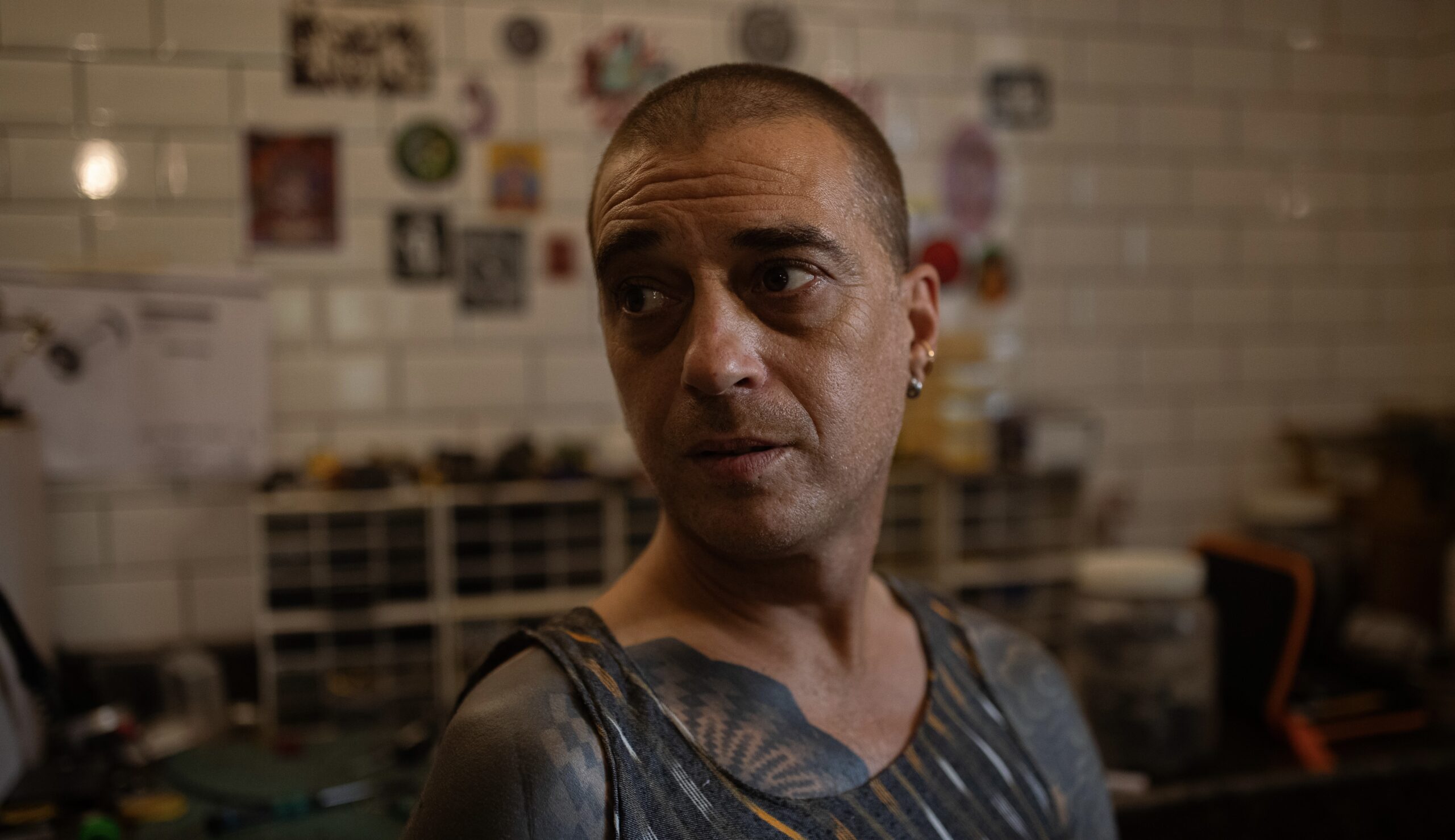
For Shyam, an Indian tattoo artist and custom machine builder, settling was never an option. Back in 2016, he was heavily focused on dot-work tattoos. He searched the market for a rotary machine that met his specific technical needs. He quickly realized that only one or two options existed, and they all had major design flaws.
Instead of adjusting his art to fit the machine, he decided to build a machine that fit his art.
We sat down with Shyam to explore his fascinating transition from a working artist to a pioneer in Indian tattoo equipment manufacturing. If you want to unlock your true potential and step off the conventional path, be inspired by real stories like this one. His journey is a powerful lesson in craftsmanship, problem-solving, and staying true to your roots.
From DIY Punk Roots to Precision Engineering
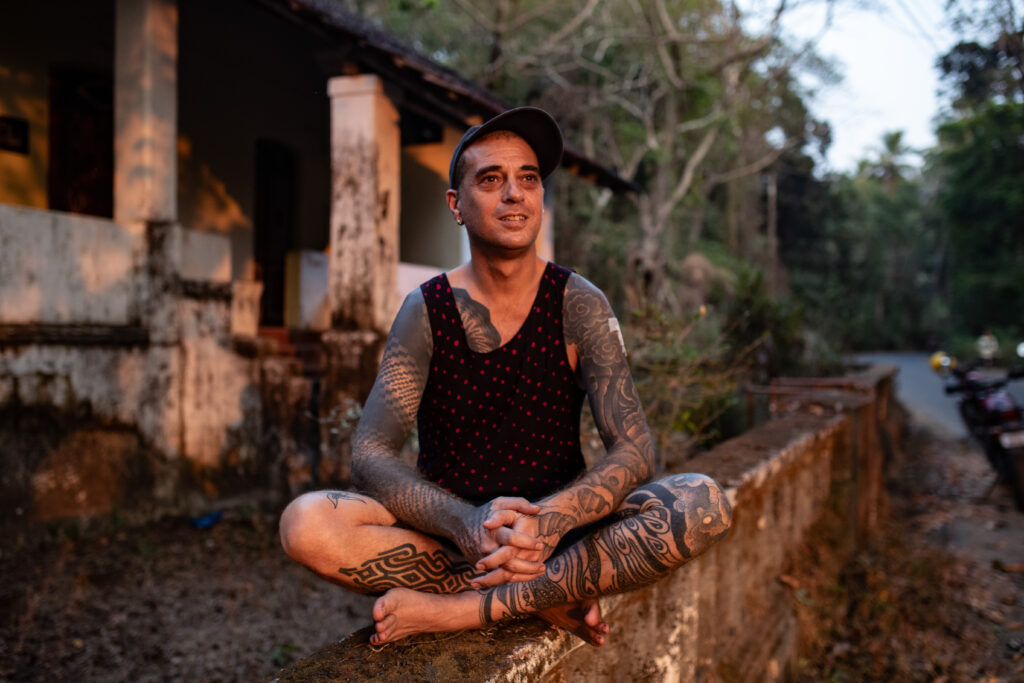
You do not just wake up one day and know how to build a complex mechanical tool. But Shyam had a secret weapon: a deep background in the Do-It-Yourself punk scene.
During his early years, he devoted a significant amount of his time to mastering metalwork, creating sculptures, furnitures and custom bicycles. He possessed an incredibly inquisitive mind. When he realized the tattoo industry lacked the proper tools for his style, he leaned directly into his DIY roots. He started researching, doing mathematical calculations, and pouring over manufacturer data sheets just to find the right motor, which would form the basis of his first successful build.
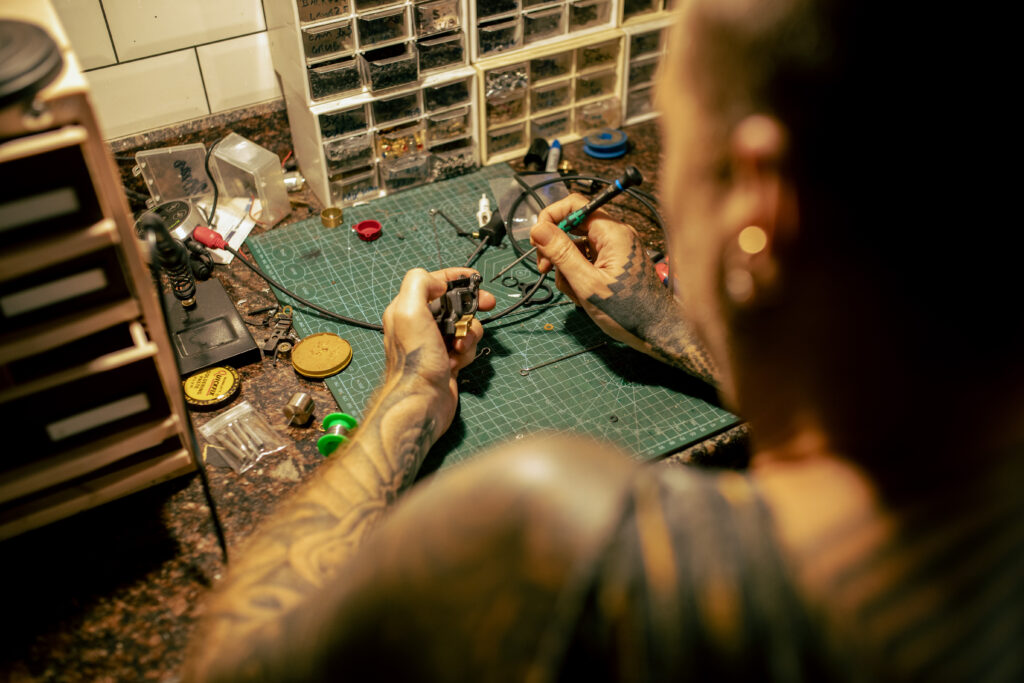
It was not a quick fix. It took four or five major iterations to get from his first crude prototype to a genuinely workable machine. While those early machines looked a bit rough around the edges, the core design was remarkably solid. Over the years, the fundamental mechanics have barely changed. He simply refined the manufacturing process to create a cleaner, highly precise final product.
The Hidden Mechanics of a Sustainable Career
We often judge our tools by how they look or perform in short bursts. But true craftsmanship considers the long-term impact on the human body. When you find your authentic voice as an artist, you want to make sure your body can physically sustain that expression for decades.
Shyam puts a massive amount of thought into materials and weight distribution. These are details that most everyday tattoo artists might completely overlook, but they drastically change how it feels to work every single day.
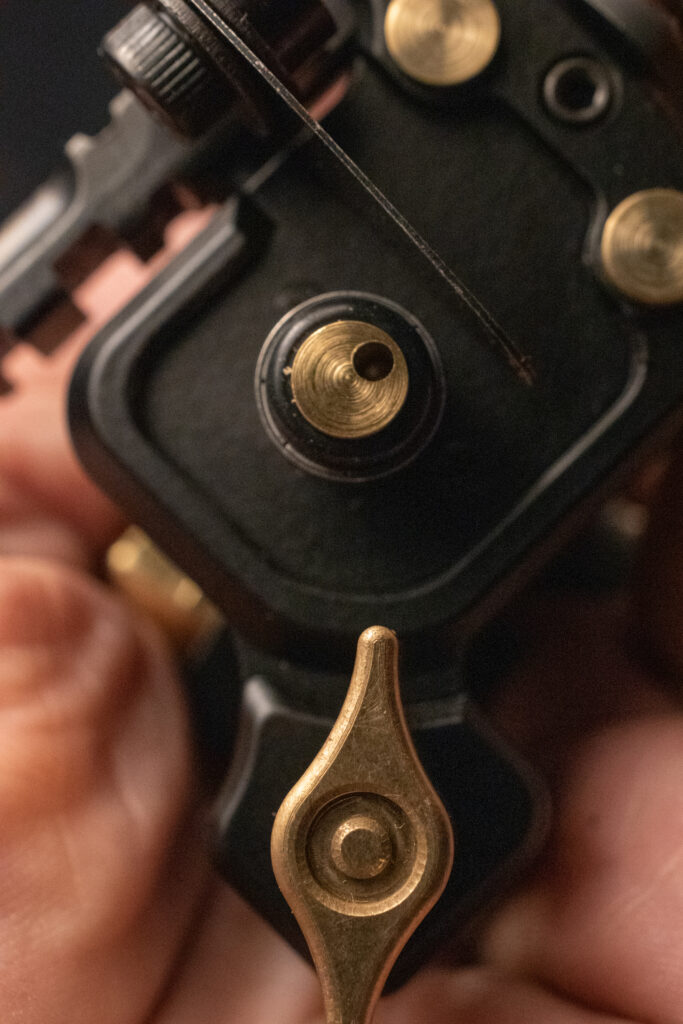
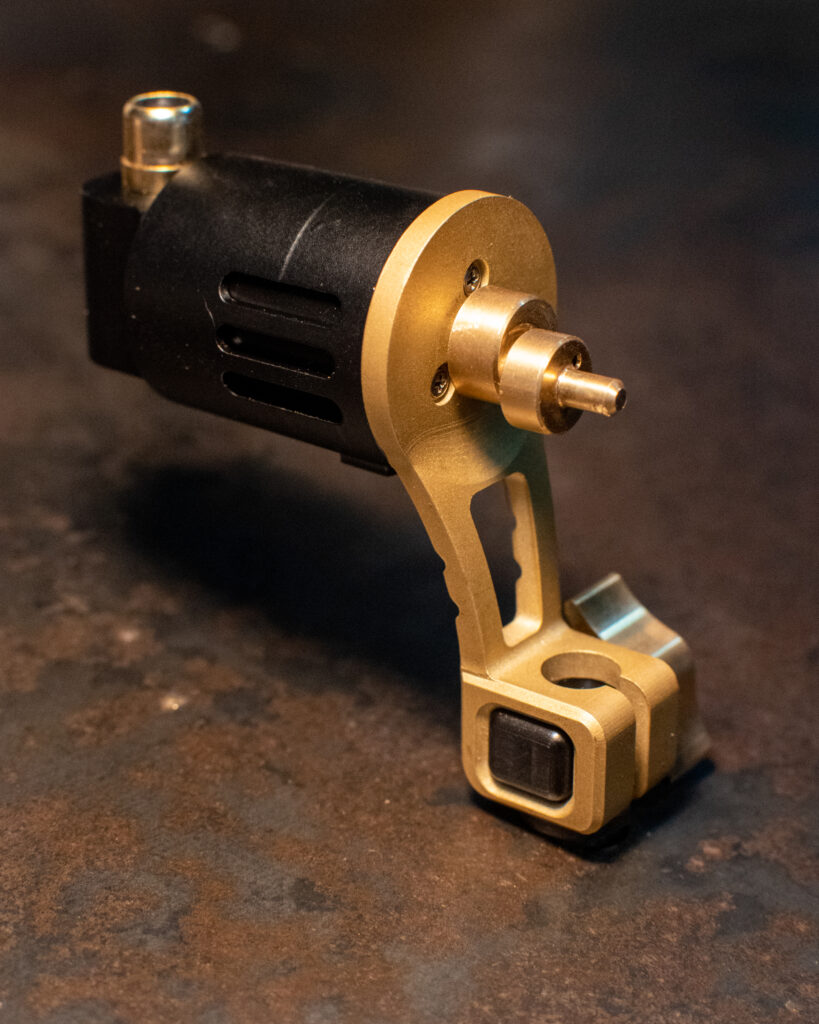
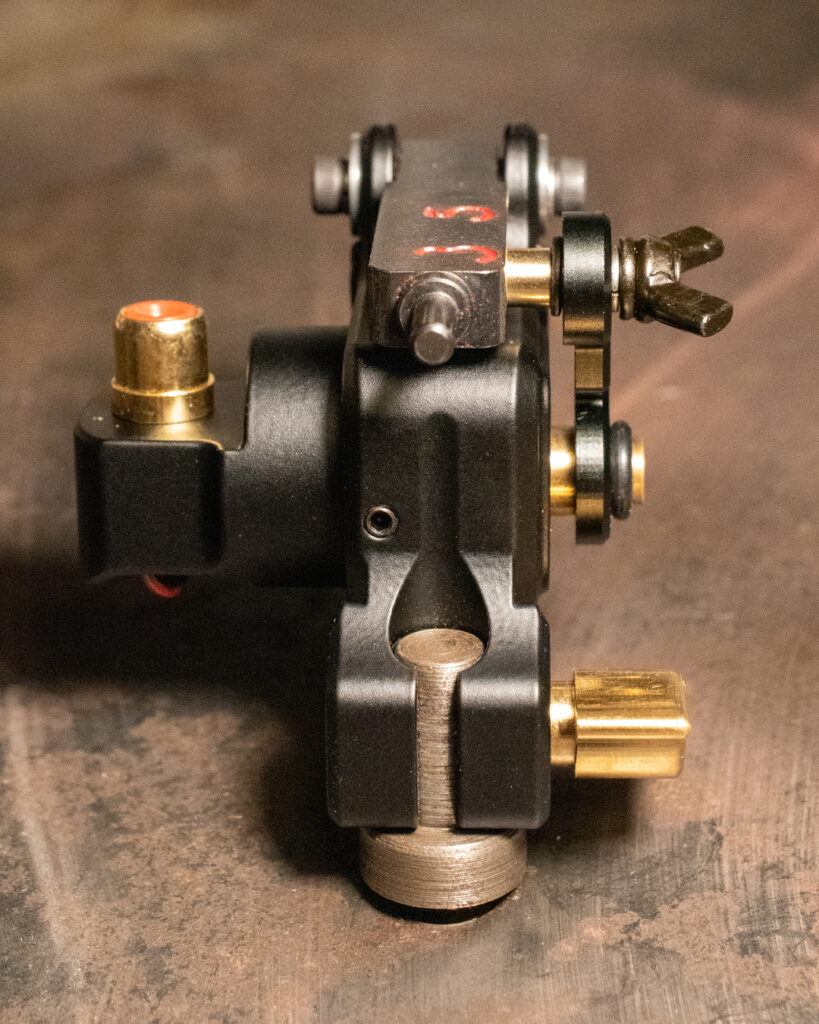
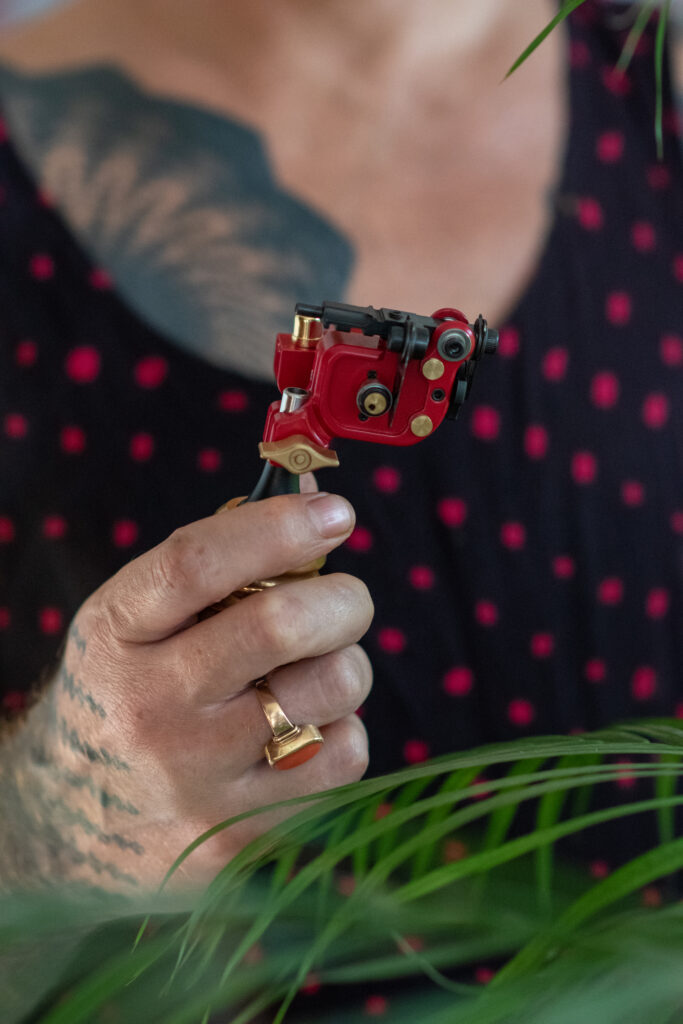
He builds most of his machines using either brass or aluminum. Aluminum is incredibly lightweight, but it transfers a lot of harsh vibration directly into the artist’s hand. Brass is much heavier, but it absorbs that vibration.
To protect artists from long-term wrist injuries, Shyam ensures his machines are slightly forward-weighted. Because the weight naturally pulls the needle toward the skin, the artist does not have to push as hard. This simple, thoughtful balance reduces daily stress on the wrist. He even machines custom grips in matching metals so artists can achieve the perfect, healthy balance.
Navigating the Hurdles of Building in India
Creating a homegrown brand that competes on a global stage comes with immense challenges. For Shyam, the single toughest technical hurdle in India was sourcing high-quality DC motors.
The local options were simply too poor in quality to meet his strict standards. To build a machine he actually believed in, he had to import his motors from overseas. This decision brought heavy courier charges and massive import duties. It is a frustrating reality for many independent creators trying to build hardware in the country.
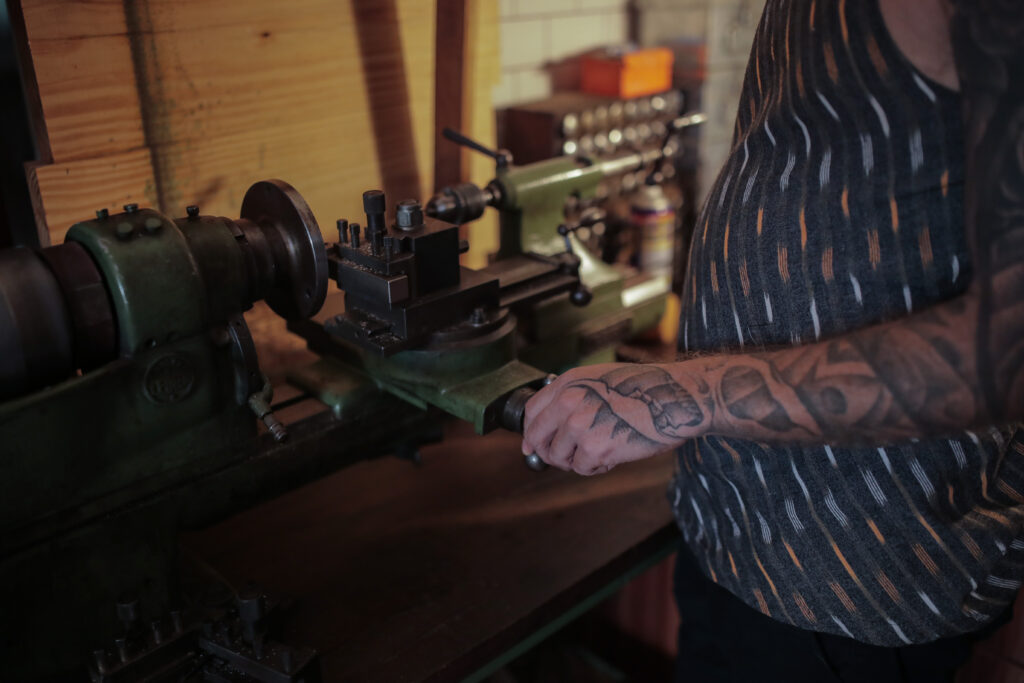
However, he managed to find excellent materials, hardware, and manufacturing partners locally. It just required patience. He spent countless hours researching online and making phone calls until he connected with the right people.
Finding the Sweet Spot of Power
Every serious maker has a graveyard of failed ideas. When you join the journey of self-discovery through art, failure is just a stepping stone.
Shyam openly shares the story of one major prototype that never reached the public market. He built a machine that was simply too powerful. In the hands of a highly experienced veteran artist, the machine worked beautifully. But he quickly realized the danger it posed in the wrong hands.
If an inexperienced artist used that much power, it would cause excessive pain and severe skin trauma. This leads to scarring and badly healed tattoos. Shyam realized that a tool must be practical for everyday use. He went back to the drawing board and refined the idea. He found the “sweet spot” of power, creating a machine that was safe, user-friendly, and highly effective for a wide variety of styles.
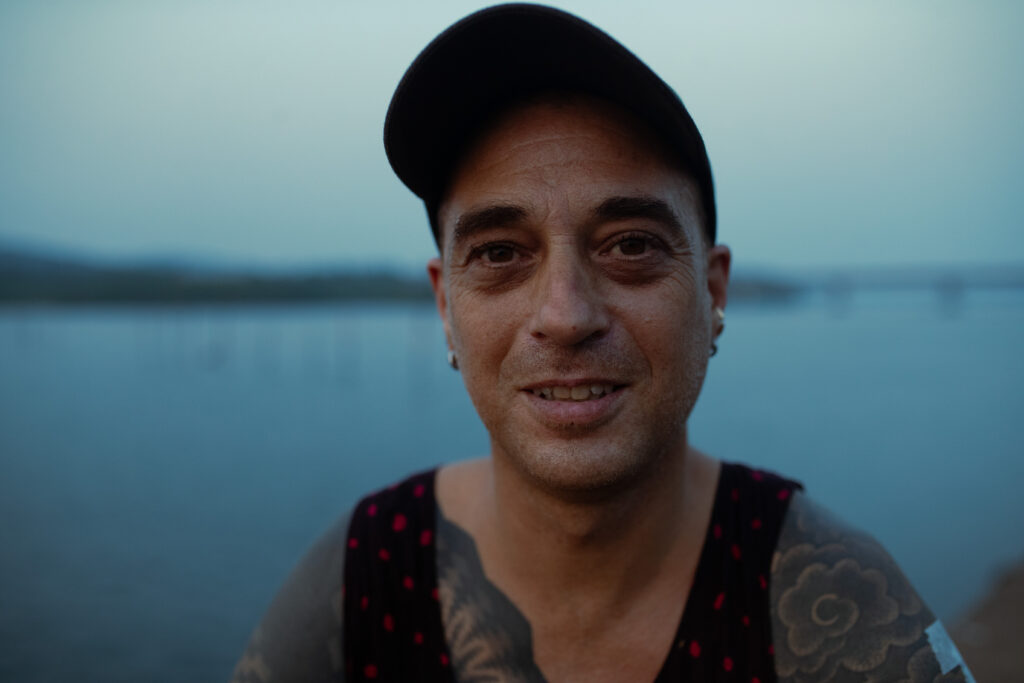
The Disappearing Art of the Apprenticeship
We live in an era of instant gratification. You can buy professional equipment online with a single click and instantly call yourself an artist. But Raksha sees a massive problem with this fast-paced approach.
Many younger artists lack a foundational technical understanding of their machines. In the past, you learned these skills through a long, grueling apprenticeship with a master artist. Today, people often skip that vital step entirely.
With the rise of simple “pen” style machines, many beginners do not know how to tune a traditional machine for optimum performance. To help bridge this gap in the Indian market, Shyam developed machines that are much easier to adjust. Because Indian suppliers mostly stock cartridge needles, he also makes sure his variations perfectly accommodate those specific setups.
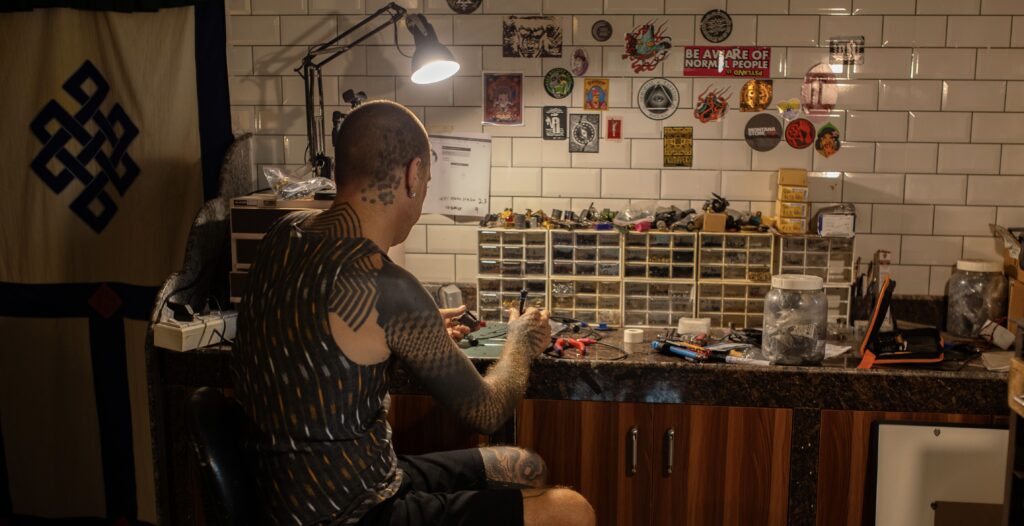
Still, he firmly believes that the artist must take responsibility for their craft. He rigorously tests his products with talented artists before any release. If a beginner messages him complaining that the machine is not giving good results, Shyam knows the hard truth. The problem usually lies with the artist’s lack of training, not the tool.
Craftsmanship Over Mass Production
When a brand starts to gain traction, the natural business instinct is to scale up immediately. Investors push for massive volume and maximum profit. Shyam completely rejects this mindset.
He intentionally makes limited numbers of machines, usually crafting only ten or twenty pieces at a single time.
Why? Because he wants to remain completely hands-on. If he scaled up his production, he would lose the capacity to physically assemble and test every single machine himself. By keeping his inventory small, he can constantly refine his ideas. If he invents an updated version, he does not have a warehouse full of outdated models holding him back. It is a beautiful example of prioritizing authentic living over blind corporate growth.
Shaping the Future of the Indian Tattoo Industry
The Indian tattoo industry is still in its absolute infancy. As it grows, Shyam sees a clear divide forming.
On one side, you have supply companies run strictly by businessmen. Their primary goal is maximizing profit. They flood the market with cheap, mass-produced imports that technically work, but lack true quality and longevity.
On the other side, you have companies run by actual artists. These creators put massive time and effort into refining products that give the best possible healing results. Overseas, there is already a deep appreciation for tools developed directly by tattoo artists. People gladly pay a slightly higher cost for gear that is not mass-produced in a distant factory.
Shyam believes this shift will soon happen in India. As the market matures, artists will naturally gravitate toward high-quality, thoughtfully designed products. By manufacturing, assembling, and testing all of his machines locally, Shyam proves that India can absolutely compete as a global craftsmanship hub.
He is laying the groundwork for the next generation. It is only a matter of time before more passionate creators step up with new ideas. If you are looking to connect with like-minded souls and build something that truly matters, take a page from his book. Focus on quality, protect your craft, and always build for the long run.
Follow Raksha Rotary on Instagram
Mishuk is a digital marketer by profession and a storyteller at heart. He crafts narratives through content marketing, blending strategy with culture. When he’s not building campaigns, you’ll find him immersed in music, martial arts, and all things creative. Yes he also designed the website you’re reading right now.