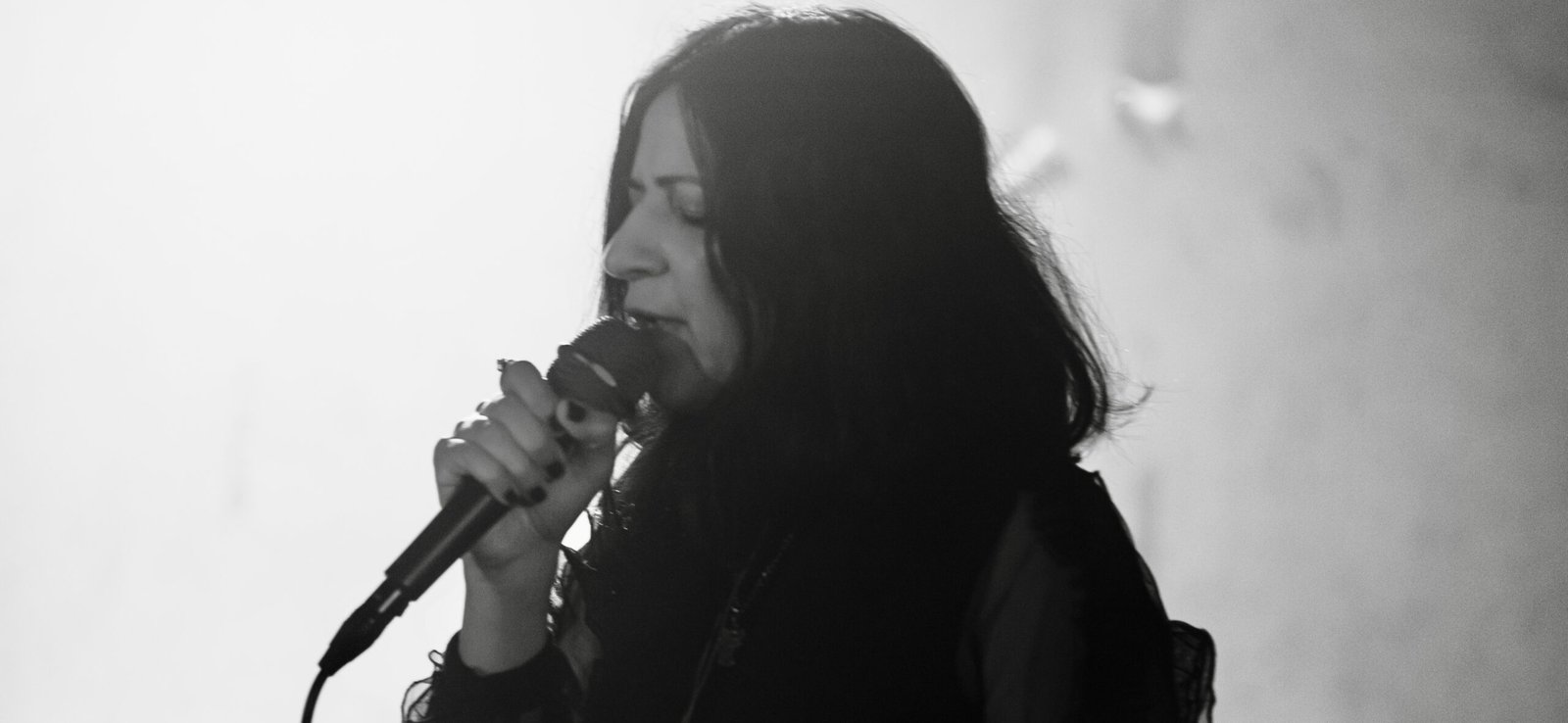
Riddhi is a Mumbai-based musician running two distinct projects, Dream Anatomy and Apocryphal, both rooted in gothic, cinematic, and introspective music. Shaped by Evanescence, Lacuna Coil, and Portishead, she builds music that explores the subconscious, existential struggle, and transcendence, treating sensitivity as a strength rather than a flaw.
It started with a TV and a debut. Riddhi was in 8th grade when VH1 aired “Bring Me to Life” for the first time. Something clicked, the kind of click that doesn’t ask for permission. “I knew this was it,” she says. “My kind of music.”
Before that moment, she had grown up on the pop canon of the late 80s and 90s: Michael Jackson, Ace of Base, Madonna, and a steady stream of electronic artists. It was a perfectly ordinary musical childhood. But the gothic layers and trip-hop textures she discovered in her
teens were something different. They weren’t just sounds she enjoyed. They were sounds she recognized. That distinction matters, and it explains everything that came after.
How a Late 80s Kid Found Her Sound in Gothic Rock and Trip-Hop
Riddhi spent time in bands during the late 2000s before stepping back from the active scene.
She kept playing, mostly cover gigs, but the itch for something more specific never left. The darker, more melodic music she had fallen in love with as a teenager stayed with her across the years, not as nostalgia but as direction.
Dream Anatomy was born from that accumulation. It is her solo project, and the one where she takes the most creative liberty.
“For Dream Anatomy, I take complete liberty in terms of arrangements, themes, and experimentation,” she explains. “It will also talk more about the metaphysical world, space travel, even aliens sometimes.”
Dream Anatomy is expansive. It reaches outward into the cosmic and abstract, giving Riddhi room to experiment without the constraints of genre convention or collaborative compromise.
Apocryphal, by contrast, came from an unexpected place.
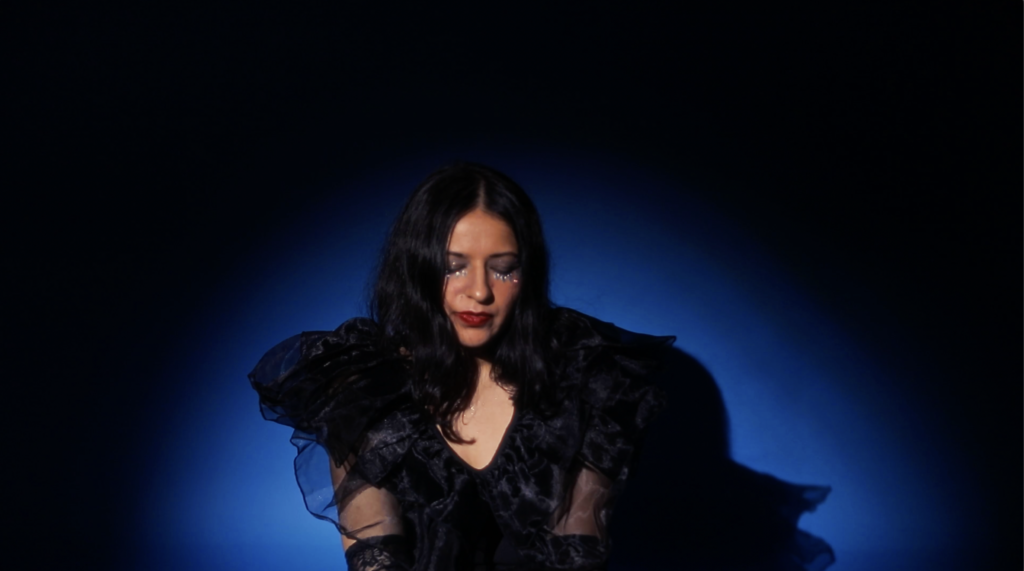
How Apocryphal Grew from a Single Collab into Something Much More
What began as a collaboration for one single evolved into a full creative identity.
“Apocryphal was supposed to be just a collab for a single,” Riddhi recalls, “but we were so drawn to the sound we were creating, and by the time we decided to make the second single, we knew Apocryphal would be much more.”
The two projects are not opposites. Riddhi is clear about this. They share the same pool of influences and the same sonic instincts. The difference is in what each project makes possible.
“With Apocryphal, I can really channel all the emotional intensity, rebellion, darker themes, inner conflict, and also get to work with gifted musicians.”
The collaborative dimension of Apocryphal adds something she values deeply: “I consider myself fortunate to play with musicians who are as passionate as me about creating music.”
What Amy Lee, Lacuna Coil, and Portishead Each Taught Riddhi About Making Music
Influences show up not just in sound but in philosophy, and Riddhi’s formative influences have shaped how she thinks about composition at a fundamental level.
From Amy Lee and Evanescence, she took more than just an ear for heavy, melodic
songwriting. She absorbed a lesson about resilience.
“From Amy Lee, I learnt it’s never easy to be a woman in rock and metal and how to keep on going despite that, besides learning variations, layering, harmonizing in compositions.”
Lacuna Coil gave her an understanding of balance, specifically the push and pull between
harsh and clean vocals, between tension and release. And Portishead did something different entirely.
“Portishead is someone who gives me complete creative freedom. No limits, no fears of sounding weird or crazy.”
That last lesson might be the one that surfaces most visibly in her work.
What “Dream Metalcore” Means and Why Apocryphal Had to Name Itself
When Apocryphal started performing live, they ran into a predictable wall. Nobody quite knew where to put them. Promoters said they didn’t fit lineups. Purists were unsettled by a sound that didn’t conform to established genre boundaries.
“When we decided to go live, nobody believed in us. They said we didn’t fit in lineups, genres,” Riddhi remembers. “Something about us was unsettling to many, especially purists.”
Their response was to lean into the difference rather than sand it down. “We decided not to fit in. I mean, that’s why we do metal music, right?” But they needed a name for what they were doing. Dream metalcore was the closest fit: a term that captures the cinematic texture and
orchestral weight of their sound without flattening it into something more conventional.
What separates them from standard metalcore bands, Riddhi says, is intention.
“We delve into themes much more seriously, we use orchestral elements a lot, and our songs sound much more, if I may say, ‘dreamier’.”
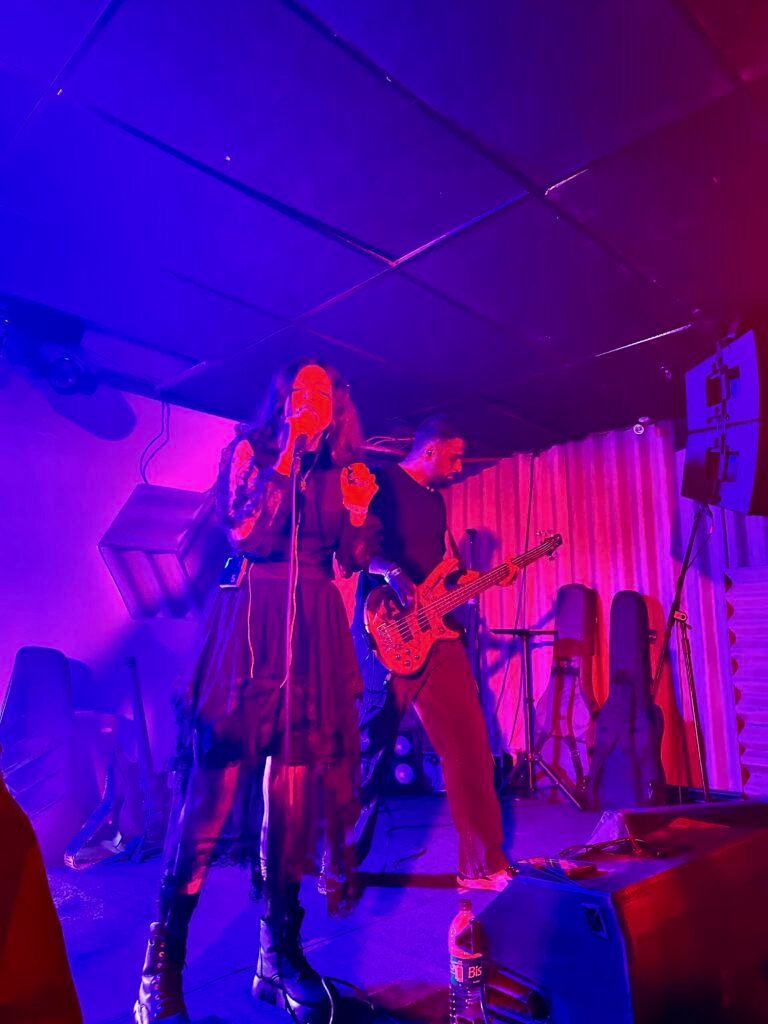
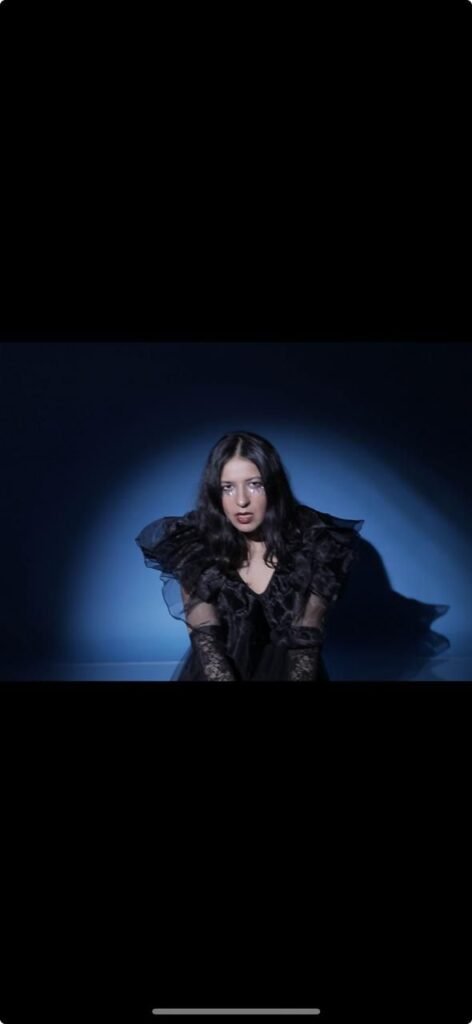
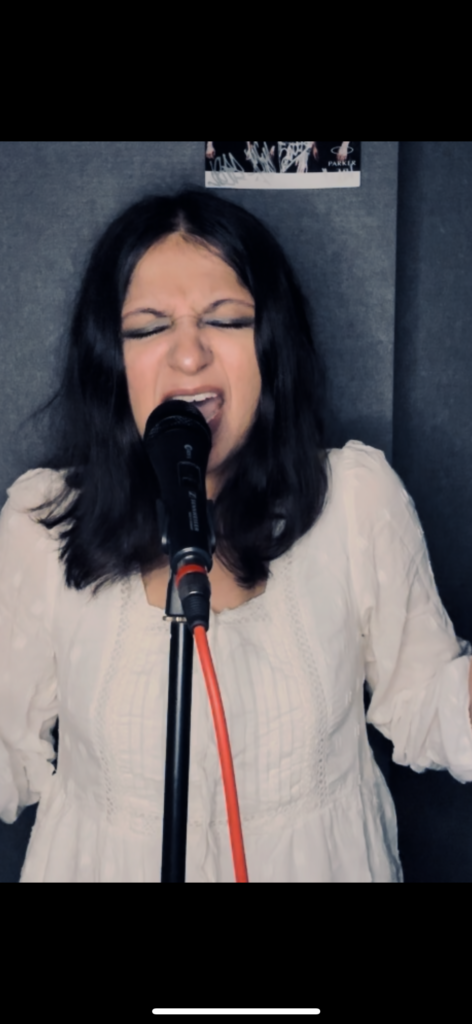
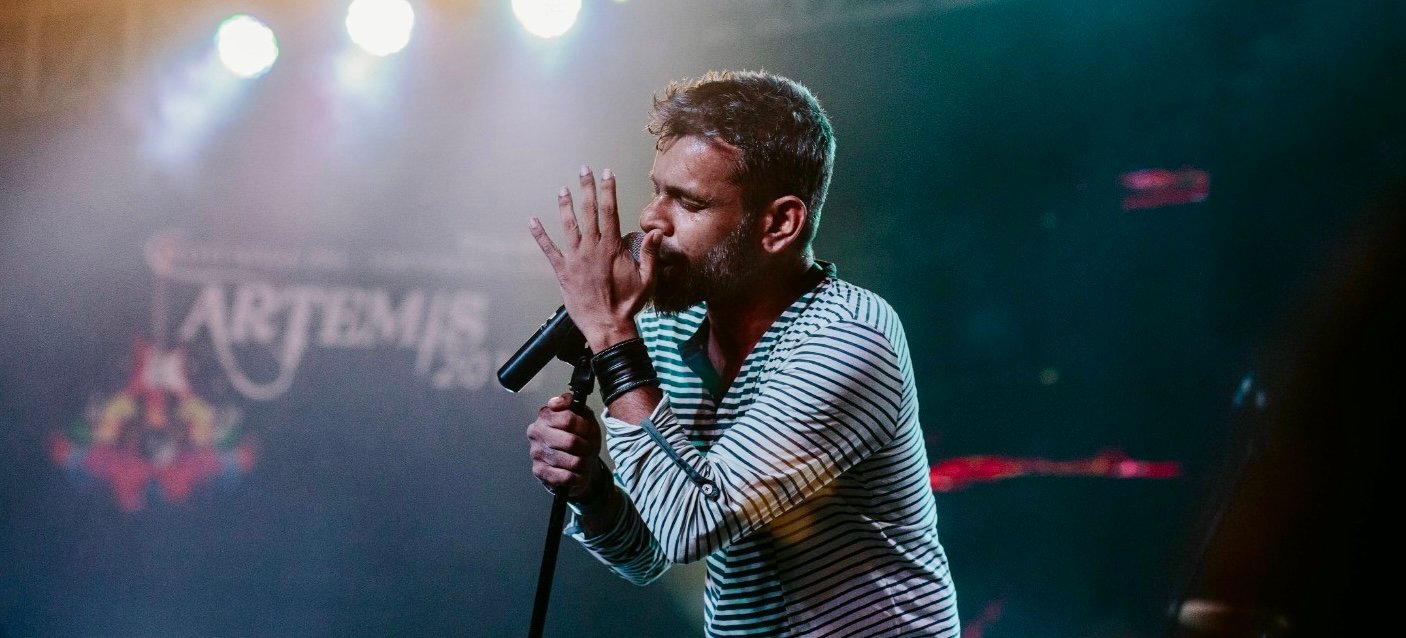
Image Credits: Yash Jagtap
Why Riddhi Returns to Existential Themes Across Both Projects
The subconscious runs through everything Riddhi makes. Across Dream Anatomy and Apocryphal, the recurring preoccupations are dreams, emotional depth, internal struggle, and transcendence. This is not a creative decision she had to deliberate over. It is simply where her music naturally goes.
“Music has always been something that travels to the subconscious for me,” she says. “It really is a way to say things you can’t talk about easily. Your dreams can be a reflection of your subconscious.”
There is also a values dimension here. Riddhi treats sensitivity and vulnerability not as liabilities but as strengths. That belief informs the emotional register of everything she creates.
“If we can talk about these themes through metal music, my only hope from listeners is that they feel empowered to feel emotions fully with Apocryphal, and as if they have escaped to another dimension even if it’s for a few moments with Dream Anatomy.”
The goal is not catharsis for its own sake. It is permission. Permission to feel completely, to sit inside difficult emotions without rushing toward resolution.
What Riddhi Hopes Dream Anatomy and Apocryphal Leave Behind
Riddhi describes herself as someone who creates without expectation. Not because she is indifferent to her audience, but because the act of making music is the reward.
“Being able to do music itself is the reward, regardless of listeners, stage, and attention.”
But when she imagines the longer arc of what Dream Anatomy and Apocryphal might mean within the independent music scene, one hope surfaces consistently.
“I do hope that younger musicians don’t feel intimidated to experiment and express themselves despite resistance.”
That is the legacy she is quietly building. Not chart positions or viral moments, but a body of work that tells younger artists that it is possible to carve out something genuinely unusual, to ignore the pressure to fit in, and to build an identity on the inside of the music rather than the outside.
She started with a TV, a debut airing, and the feeling that something had finally named itself inside her. Everything since has been an extension of that first recognition.
The darkness she found in 8th grade was not a phase. It was a foundation.
Follow Riddhi on Instagram

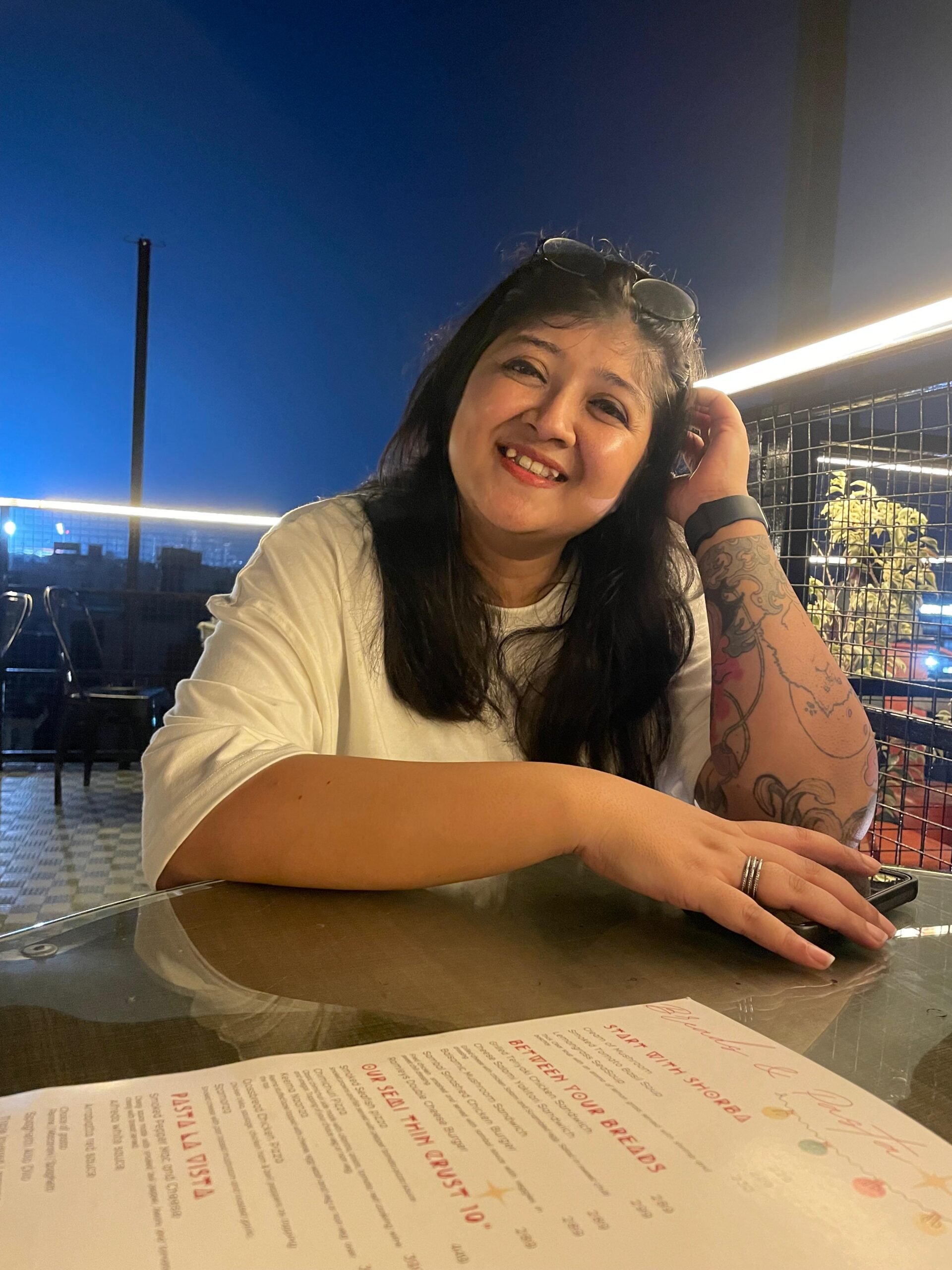
Lubdhak Biswas is a musician, entrepreneur and a tattoo artist based out of Kolkata (India).
He documents underground culture at the crossroads of tattooing and music.
His work focuses on craft, tools, ethics and the real working realities of creative industries.