Some artists use music to escape reality. Others use it to confront it.
We live in an incredibly noisy culture, constantly bombarded by digital expectations and polished personas. We curate our lives online, filtering out the messy, complicated parts to present a perfectly digestible image to the public. But deep down, there is a craving for something real. We want to hear the unvarnished truth about our lived experiences, our political frustrations, and our cultural roots. We want an emotional release that only raw, unfiltered art can provide.
Underground hip-hop culture was built exactly for this purpose. It was never meant to be a polished commercial product; it was a loud, defiant documentation of what it actually means to exist in the margins. It is a space where personal expression pushes against public reaction, demanding that the listener confront the reality of the streets, the mind, and the society we live in.
Through the journey of one of Mumbai’s most compelling independent voices, we can explore how authentic living and truth-telling survive in a rapidly commercializing world.
The Person Behind the Persona
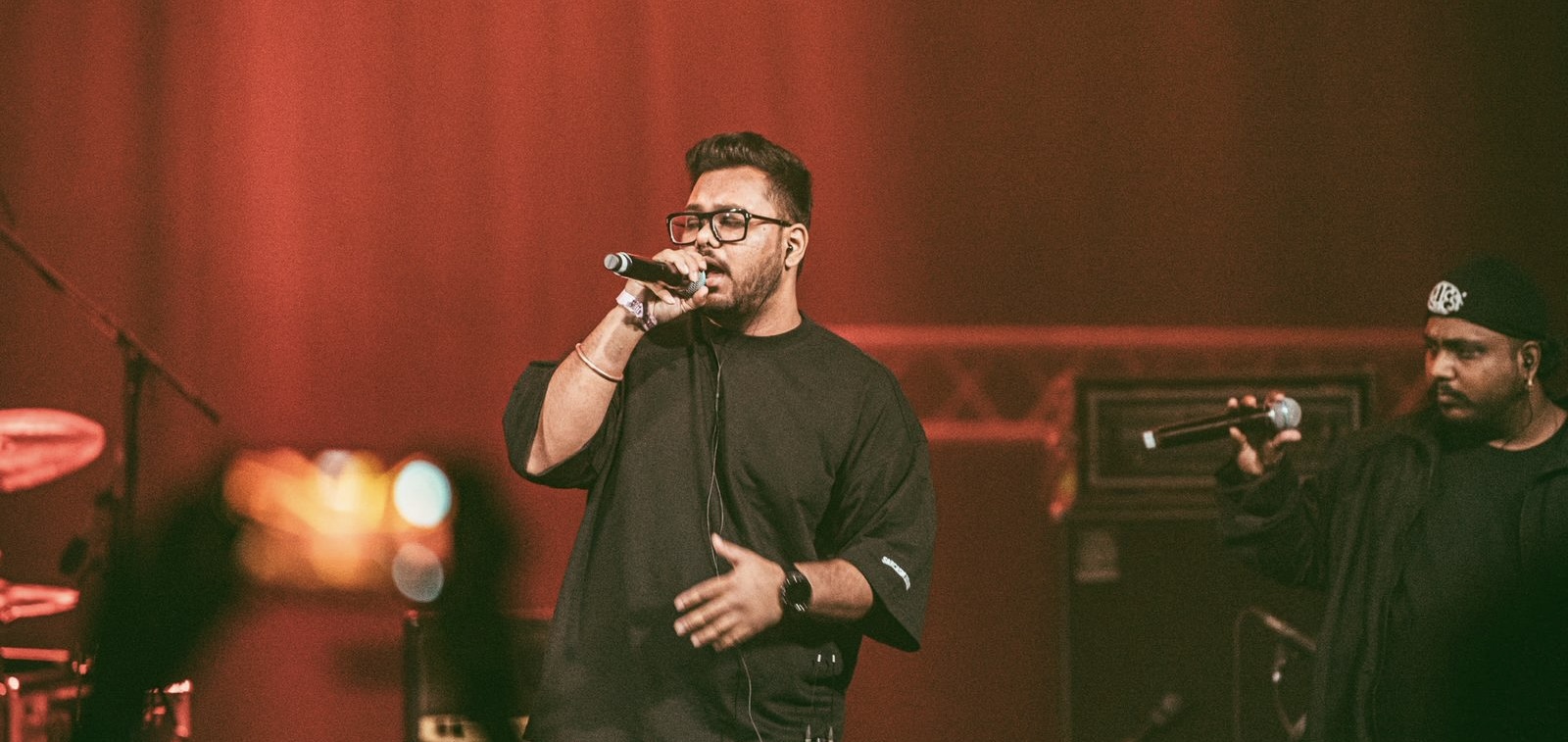
We often assume that an artist’s public persona is their entire identity. We see the aggression on stage, the sharp lyrics, and the intense energy, and we assume that is who they are twenty-four hours a day. But for Maharya, a multilingual rapper known for his work with the Swadesi movement, the reality is far more grounded.
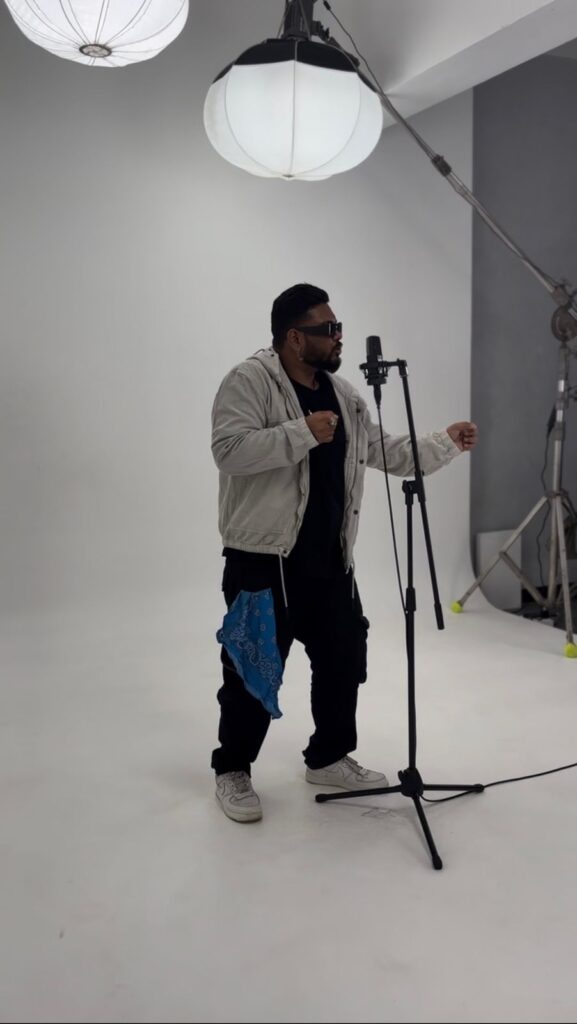
“Maharya is basically a normal guy named Yash Mahida, and there’s no mic, no beat, no audience, and he’s a simple guy, who likes making music, and he’s a chill guy with his family, friends.”
Artists often separate identity and performance less than audiences assume. The man making the music is simply navigating his own life, processing the exact same daily struggles we all face.

Consistency Beyond Releases
In the age of social media, we are told that if we are not constantly publishing content, we are falling behind. This creates immense pressure to churn out work just to stay relevant. But true creativity is not always visible publicly.
For Maharya, the dedication to his craft happens quietly in the background. “for me, everything has to be perfect to drop any music, like everything should be perfect.” Yet, this patience does not mean he is standing still. The need to create is a deeply ingrained biological drive.
“if there’s a day that goes by when I don’t write, or I don’t think of any new sound I feel very restless. I feel anxious, I feel a little depressed. So every day I write 4 or 5 lines or sometimes a verse.”
Experimentation as Survival
Many creatives find something that works and then repeat it endlessly, terrified of alienating their audience. But playing it safe ultimately kills the creative spirit. Artists must evolve to avoid becoming repetitive versions of themselves.
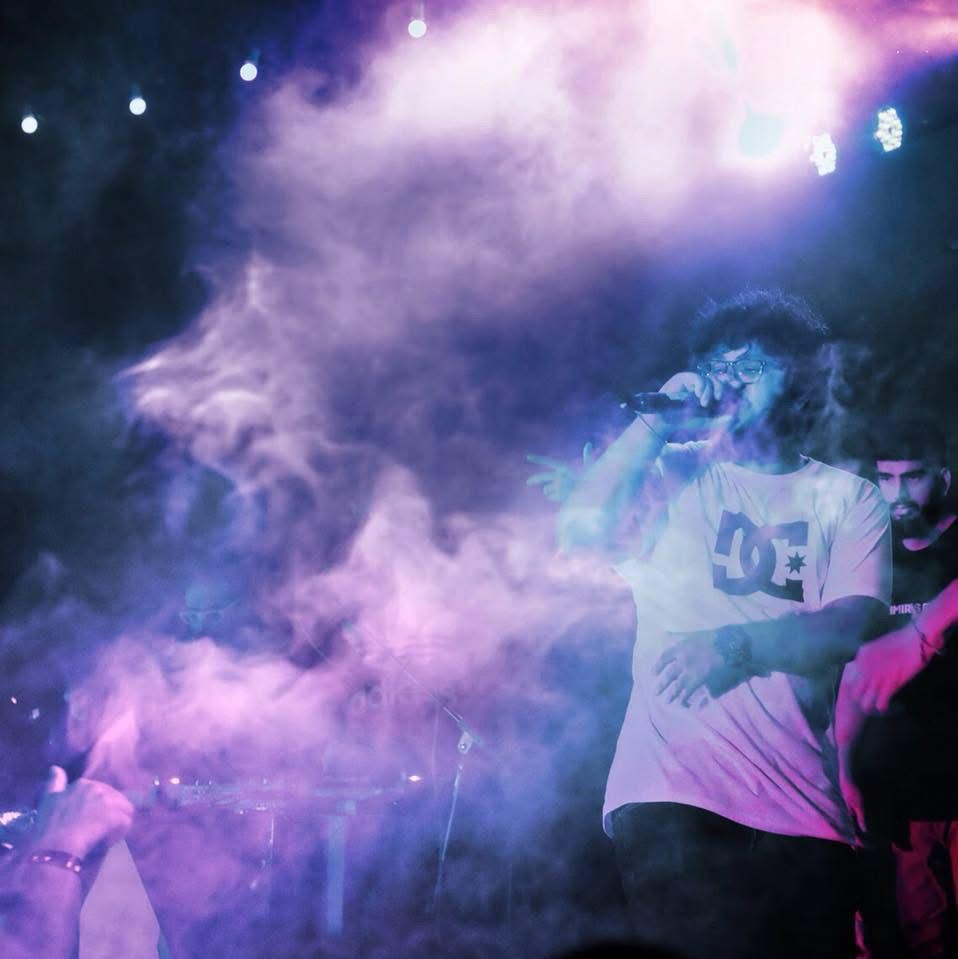
Refusing to be boxed in, Maharya constantly pushes his own boundaries to explore new sonic landscapes.
“I like experimenting more. I’m playing with different sounds,, and now I’m coming up with a new album named “Industry Hai khaufnaak”.” This upcoming project represents a conscious shift in vocabulary and style, proving that finding your authentic voice often means having the courage to change it.
Writing as Emotional Release
We spend so much time holding onto our stress, swallowing our anger rather than confronting it. Music, long before it becomes entertainment, serves as a profound form of therapy.
Instead of letting negative experiences fester, writing offers a way to expel them from the mind.
As Maharya notes, “when I write about personal experience, I feel light, and when I make a track out of it, it releases the stress I have been holding inside”.
Political Rap as Ground-Level Reality
It is easy to view politics as a distant, abstract concept debated on television. But the strongest political art always begins from a place of deep personal impact. When society shifts, the tremor is felt in our own neighborhoods and homes.
Rather than writing from a place of lofty intellectualism, Maharya approaches societal issues through a highly relatable lens. “I take it in a ground level. Like how it impacts me on a personal level and how it is going to affect others and our future generations.”
Language Beyond Barriers
We often worry that our specific cultural experiences will not translate to a broader audience. We hesitate to express our true selves, fearing we will be misunderstood. But raw emotion always travels faster than direct translation.
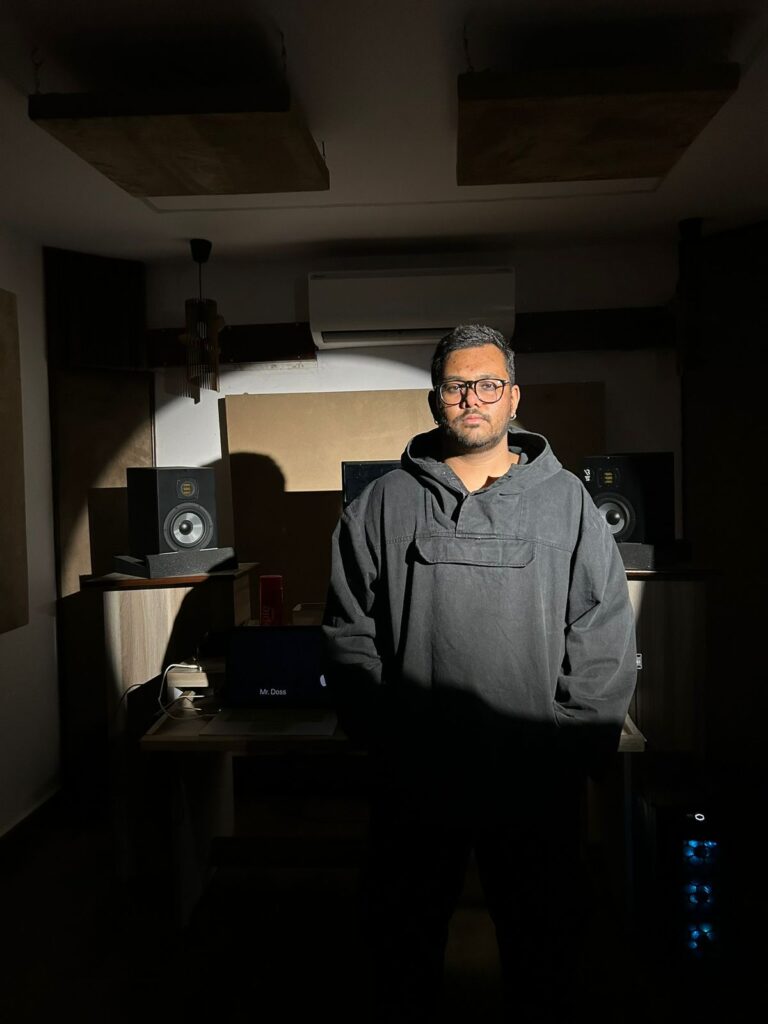
Rapping in Hindi, English, and Bengali, Maharya proves that authenticity bypasses linguistic borders entirely. “music has no language, bro.” Listeners can feel the conviction, the rhythm, and the pain in a performance, long before they decipher the exact definition of the words being spoken.
Truth Without Boundaries
Speaking honestly in today’s hyper-sensitive environment feels like a massive risk. We constantly police our own thoughts, terrified of making others uncomfortable. But discomfort is frequently just a natural reaction to honesty, not a sign of aggression.
For Maharya, self-censorship is simply not an option. “Truth has no boundaries, I prefer facts, bro, like, no matter what happens, I will always tell the truth.”
Why Some Songs Stay Unreleased
We often think artists release everything they record. But behind the scenes, they are fiercely protective of the energy they put into the world. They curate their emotional identity just as strictly as their musical identity.
Sometimes, a song captures a moment of darkness that no longer reflects the artist’s present reality. Maharya has scrapped fully mastered tracks to protect his mental space. “any tracks which which have negative vibes or are sad I have scrapped most of them because I don’t want to portray myself as a sad boy”.
Learning Through Swadesi
Finding your true voice does not mean you have to do it alone. In fact, cultural identity often becomes much stronger through collaboration and community. Being part of the Swadesi movement allowed Maharya to dive deeper into traditional sounds and collaborative education.
It is a commitment to authenticity over westernized trends. They explore “what are our roots, and, How everyone is sticking to their own roots. No one should forget the roots. And we also do the same whenever we are jamming we try to, uh, make it more authentic, more Indianized”.
The Evolution of Mumbai Hip-Hop
The Indian rap scene did not happen overnight. Before the massive brand deals and mainstream movie adaptations, it was a gritty, DIY culture fighting for space.
“That time we would all come together for cyphers in Bandra with a boombox, and people would gather and say what are they doing, what are they mumbling, that time no one had the idea of what is rap. This was back in 2010,2011.”
Scenes grow into industries slowly and imperfectly. What started behind Lilawati Hospital at Ibar eventually exploded into the mainstream consciousness with Gully Boy. But with that massive growth came new challenges: fierce competition, artists chasing viral algorithms, and a sudden influx of labels dictating what the art should sound like. It takes immense personal grounding to navigate an underground culture once it steps into the blinding light of the mainstream.
Numbers, Streams, and Real Success
We are conditioned to measure our worth by metrics. Likes, views, followers, and bank balances seem to dictate who has value and who does not. But true success begins long before the scale ever tips.
If you create something honest, something that accurately reflects your internal reality, you have already won. “if you put out a song as well and if 10 people are also listening to it or 100 people are listening to it, it’s a success.”
What Maharya Represents Beyond Music
This journey through the evolving landscape of Indian rap is not just about music. It is a lens into how we navigate our own identities. Maharya represents the courage required to tell the truth, the dedication to remain fiercely independent, and the importance of holding onto your cultural roots.
He stands as a reminder that we do not have to cater to the noise. We can write our own stories, speak in our own languages, and refuse to compromise our emotional reality for the sake of public consumption.
Maybe real hip-hop was never about numbers.
Maybe it was always about saying something honest before the world was ready to hear it.
Follow Maharya on Instagram

Yohaan Joseph is a 23-year-old creative shaped by experiments and unconventional ideas. Each episode in his life is shaped by sheer enthusiasm. Though not a writer by profession, he is drawn to stories and the people who carry them. His journals in this magazine reflects a simple philosophy : the right question can reveal something extraordinary.