Few things feel as good as discovering a community.
A smaller number spend their lives building one.
There’s a particular kind of person who walks into an empty room and starts imagining who else could fill it. Not for the recognition. Not for the credit. Simply because they see the shape of something that doesn’t exist yet, and they understand, almost instinctively, that someone has to make the first move. Belonging, for them, isn’t something you find waiting at the door. It’s something you build from the ground up, often before anyone else realizes the foundation was being laid.
This is a story about that quieter form of creation. About what happens when a person stumbles into something that changes them, and then turns around to make sure others can find their way in too. It’s about subculture and survival, about identity and the slow work of carving out space where there was none.
Before Commitment, There Was Survival
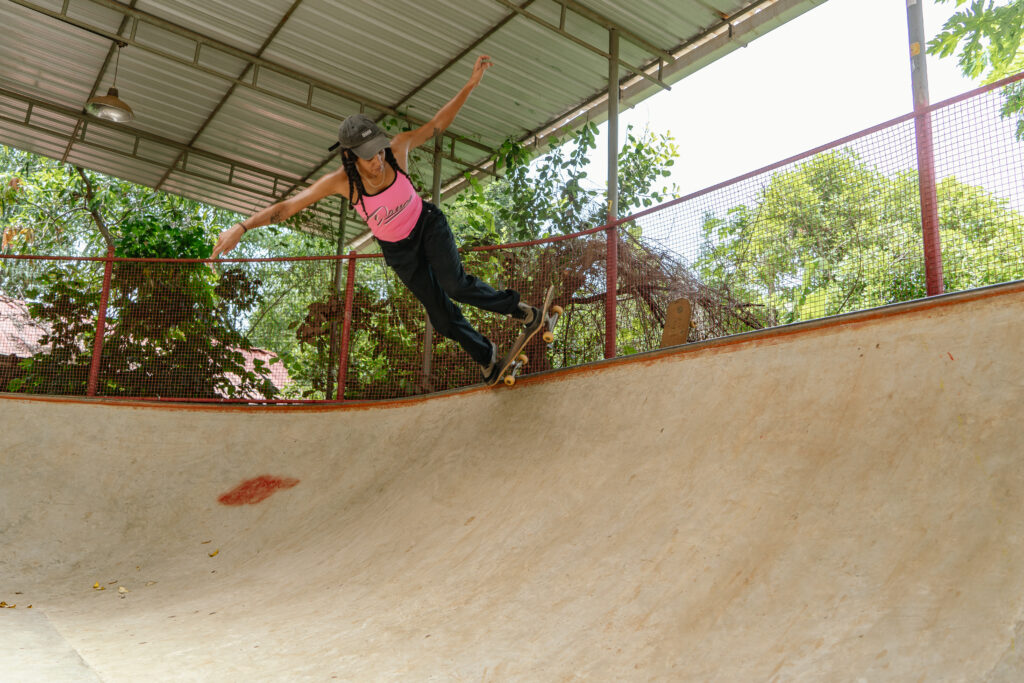
For some people, skateboarding arrives as something much deeper than a hobby. It doesn’t announce itself as a turning point. It just quietly becomes essential.
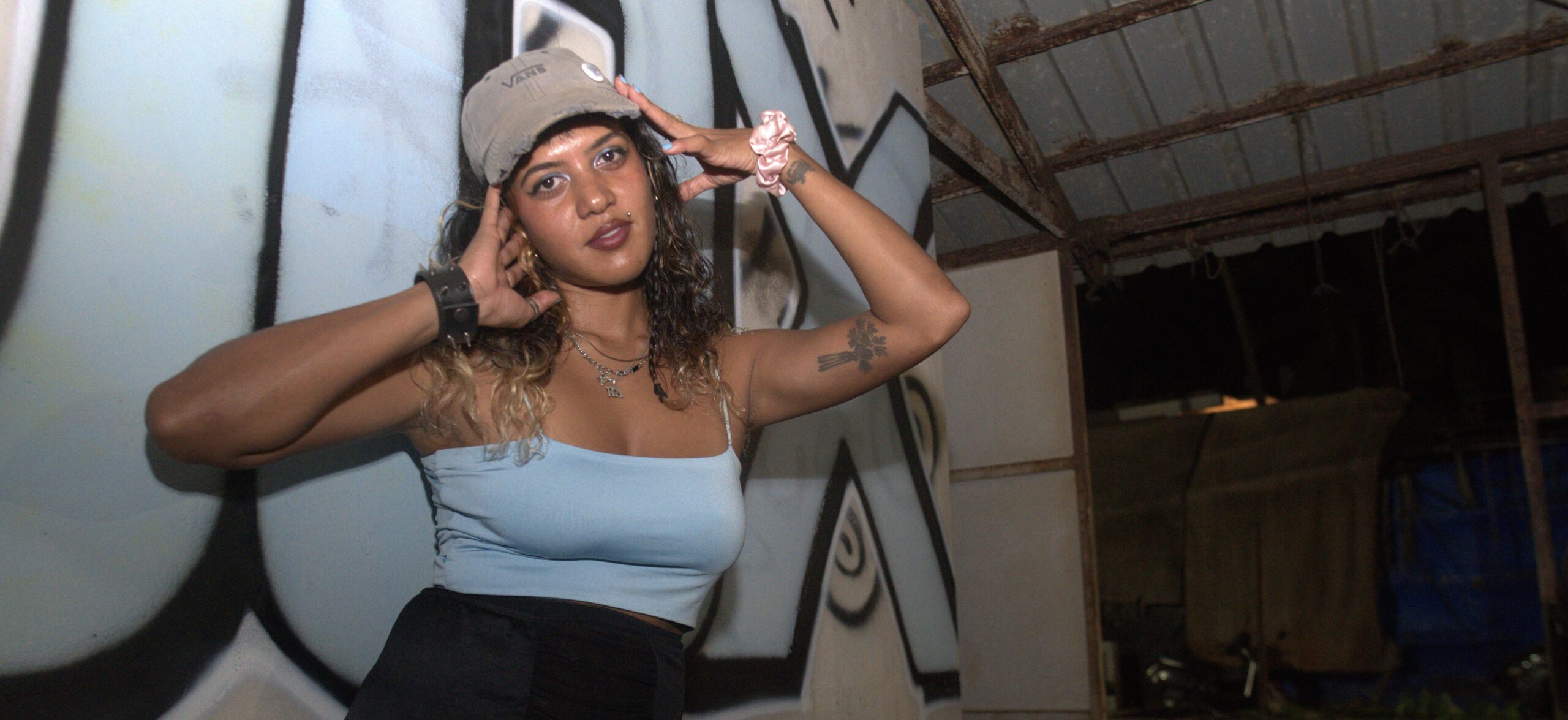
“Skateboarding was a tool for me to therapise myself in a way,” Atita Verghese says. The language here matters. Not a sport. Not a pastime. A tool. Something used to mend, to steady, to survive.
She doesn’t dress it up. “I fell in love with the feeling it gave me.” There’s no grand origin story, no dramatic awakening. There’s just a feeling, and the recognition that the feeling was worth holding onto.
When something enters your life during the hard years, it stops being optional. It becomes part of how you stay upright.
Finding Something To Hold Onto
Sometimes communities form because people are searching for somewhere to belong.
Bangalore gave Atita more than most cities in India could at the time, but it still left a particular kind of hunger in its young people. There was little to do that didn’t involve spending money, little room for the kind of self-expression that doesn’t fit neatly into consumption. For an entire generation of urban youth, the absence of subcultures felt like a quiet void.
“So it was very exciting to find something like skateboarding,” she says.
That excitement is easy to overlook if you’ve never needed it. But for someone looking for an outlet that didn’t ask anything except presence and persistence, skateboarding offered a doorway. A place to put your restlessness. A reason to show up.
Building Something In Its Infancy
Being early means helping create the rules.
When Atita found skateboarding, it wasn’t a fully formed world with established norms and well-worn paths. It was raw, unfinished, still deciding what it wanted to be.
“Everything was so fresh and in its formative years here,” she recalls.
There’s a specific thrill that comes with arriving at the beginning of something. You’re not inheriting a culture. You’re shaping it. Every choice carries weight because there’s no template to follow.
“It was really exciting to experience, be a part of and help pave,” she says. The word “pave” is telling. She wasn’t walking a road. She was laying it down.
The Cost Of Being A Skater In India
Passion often survives because of obstacles, not despite them.
The romance of skateboarding tends to gloss over the logistics. In India, the logistics were relentless. Streets clogged with traffic, debris, potholes. Spots that had to be hunted down and skated late at night when the chaos thinned. Hours of travel for a single session.
Atita borrows a line from a friend to capture it.
“You have to be really dedicated to skateboarding to be a skater in India.”
Dedication, in this context, isn’t a motivational poster. It’s an hour-long ride one way just to reach a spot worth skating. It’s the willingness to keep choosing something that the environment around you never made easy. The difficulty didn’t dilute the love. If anything, it concentrated it.
Becoming A Symbol Without Meaning To
Representation often begins before people realize they’re representing anyone.
Atita didn’t set out to stand for anything. She was simply doing what she loved, immersed in the feeling that had pulled her in to begin with.
“I never really thought about it like that myself,” she admits. The awareness came from outside. People began pointing it out, drawing comparisons, naming what she hadn’t named for herself.
But then she looked around and noticed something.
“I saw many new people getting involved but there were no women.”
That observation would change the direction of her work. Representation, it turns out, often starts as a simple act of noticing who isn’t in the room yet.
Why Girl Skate India Had To Exist
Communities grow when someone decides to solve a problem instead of simply noticing it.
The gap was obvious once she saw it. The question was what to do about it. Plenty of people register an absence and move on. Fewer feel the pull to fill it themselves.
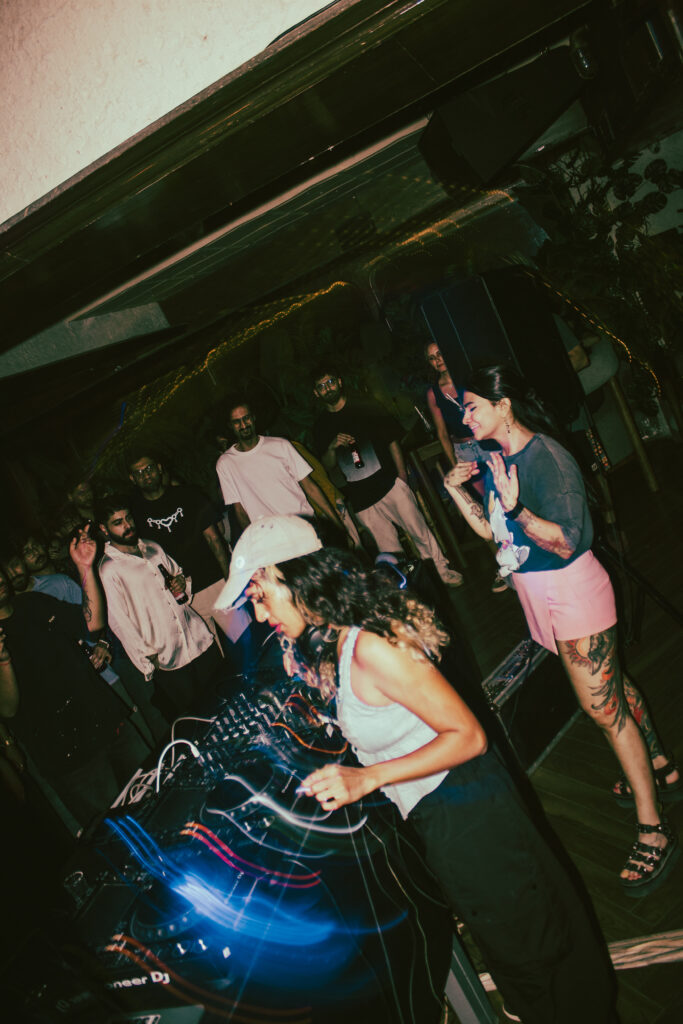
“I realised there was a gap that needed to be filled,” Atita says. And so she acted on it, not out of obligation but out of a genuine desire for company in the thing she loved.
“I wanted more girls in the scene,” she says, plainly. That was the heart of it. Girl Skate India wasn’t born from strategy. It was born from a wish for a fuller, more shared version of the world she’d already fallen for.
Creating Spaces Instead Of Occupying Them
Responsibility often begins with awareness.
There’s a difference between using a space and making one. Atita kept choosing the harder of the two.
“I believe when you notice a space that needs to be filled…” she begins, laying out a kind of personal ethic. The thought finishes with a quiet logic that’s hard to argue with.
“Because you noticed it.”
That’s the whole philosophy in three words. The act of seeing a gap, in her view, comes with a responsibility to address it. Awareness isn’t passive. It’s the first step toward building.
Teaching Beyond Tricks
Teaching changes the teacher too.
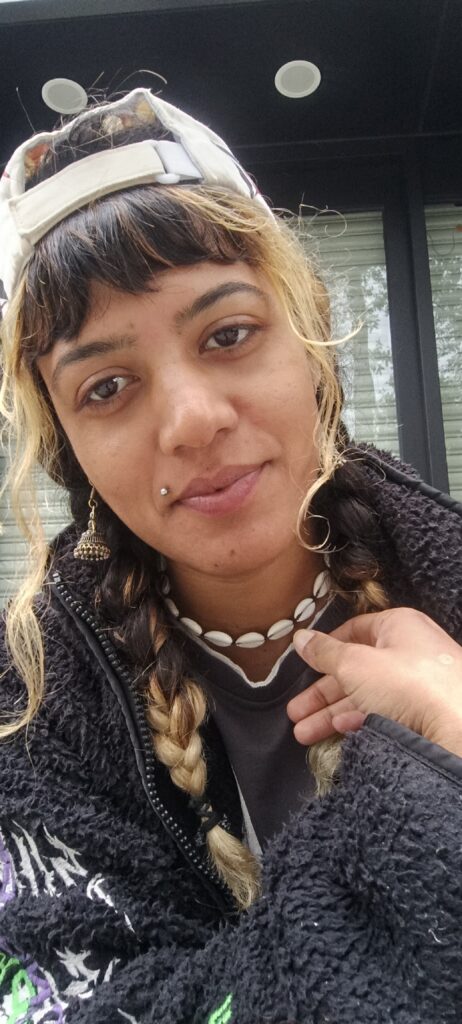
Atita has taught almost since she started skating herself, and she’s clear that the exchange runs in both directions. The lessons were never only about footwork and balance.
“It’s not just about tricks,” she says. So much of what happens on a board is tangled up with life experience, with patience, with learning how to fall and get back up.
And the learning isn’t one-sided. “My students are not the only students,” she says. Every session teaches her something too. The classroom, in her telling, has no fixed front of the room.
Passing On Culture
Every subculture survives through transmission.
A trick can be copied from a video. A culture has to be handed down by someone who lived it. Atita understands the difference, and she treats the latter as the more important inheritance.
“I also pass down knowledge of the culture and its essence,” she says. The essence, for her, lives in the values that surround the sport more than the sport itself.
She talks about camaraderie, about kindness, about encouraging young skaters to compete only with previous versions of themselves. These are the things that outlast any single trick, the connective tissue that keeps a community recognizable from one generation to the next.
Learning To Prioritize Yourself
Community building requires sustainability.
For years, Atita wore every hat at once. Organizer, teacher, builder, skater. The cost of doing it all became impossible to ignore.
“Organising tours and events on your own is dreadful and leads to burn out,” she says, with the honesty of someone who lived through it. The work she loved was also the work that drained her.
Something had to shift. “The last few years have been about me just prioritizing myself more,” she says. It’s a quiet but significant turn, the recognition that you can’t keep pouring from a vessel you never refill.
Redefining Success
The healthiest definitions of success are personal.
Ask Atita about success and she resists the usual scripts. There’s no checklist, no external scoreboard she’s measuring herself against.
“Success is when you’re doing what you want with your time and energy,” she says. It’s a definition rooted entirely in autonomy and contentment, indifferent to whether it makes sense to anyone else. Happiness, by her measure, is the whole point.
The Future She Wanted To See
Sometimes the future arrives quietly.
When asked what she hopes skateboarding in India becomes, Atita doesn’t reach for some far-off vision. She looks around and recognizes that much of it is already here.
“I think we’re already in that future,” she says. More girls on boards. More parks. More acceptance from local scenes that once had no room for them.
It’s not finished, and she knows it. There’s still work to do, still municipalities to convince and public spaces to reimagine. But the shape of what she hoped for is visible now, growing in the hands of people she helped bring in.
The most meaningful legacy is rarely what you achieve for yourself.
It’s what continues to exist after you no longer have to build it alone.
Follow Atita Verghese on Instagram
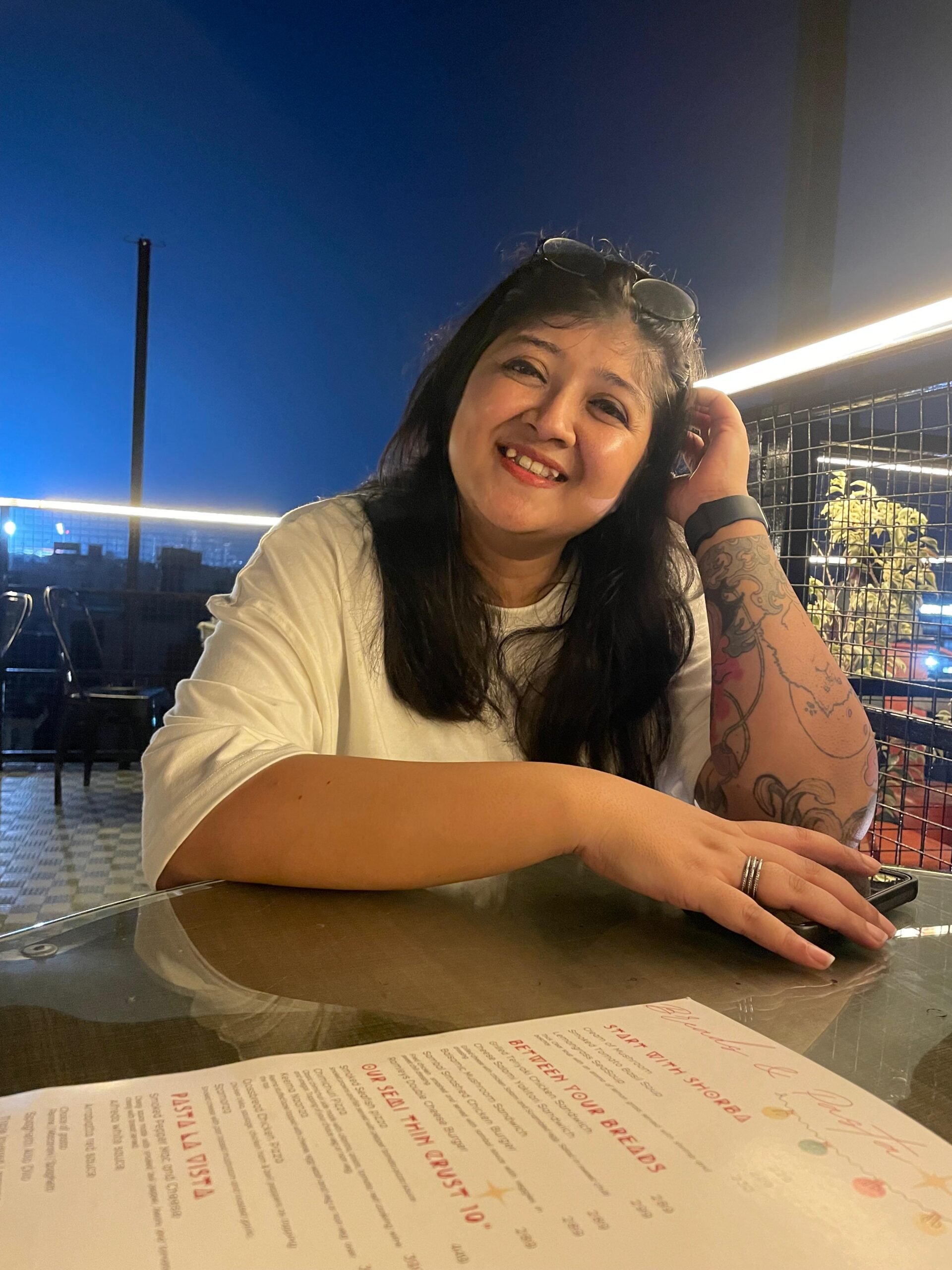
Oeshi B Lyndem is a visual artist, tattoo artist, graphic designer, and entrepreneur with a foundation in graffiti and street culture. Rooted in hands-on craft and making, her practice moves fluidly across illustration, street art, design, and experimental creative processes. With lineage from Shillong—often regarded as India’s rock capital—she carries a distinct cultural influence into her work. At Goofy Owl, she curates and leads the street and hip-hop culture segment through an intuitive, deeply creative, and entrepreneurial lens.