Some traditions disappear loudly. Others fade slowly through repetition, simplification, and loss of meaning. When cultural markers are stripped of their context and turned into easily consumable aesthetics, the roots that kept them alive begin to wither. In a hyper-curated landscape where everything can be borrowed and worn as a temporary identity, the act of preserving actual meaning requires profound intention.
We often look at ancient symbols and appreciate their visual weight without understanding the centuries of philosophy, survival, and storytelling baked into their lines. Art extends far beyond aesthetics; it carries the weight of history and the silent agreements made by the people who created it. When individuals take on the responsibility of translating these cultural systems into new mediums, they walk a very thin line between honoring a heritage and commodifying it.
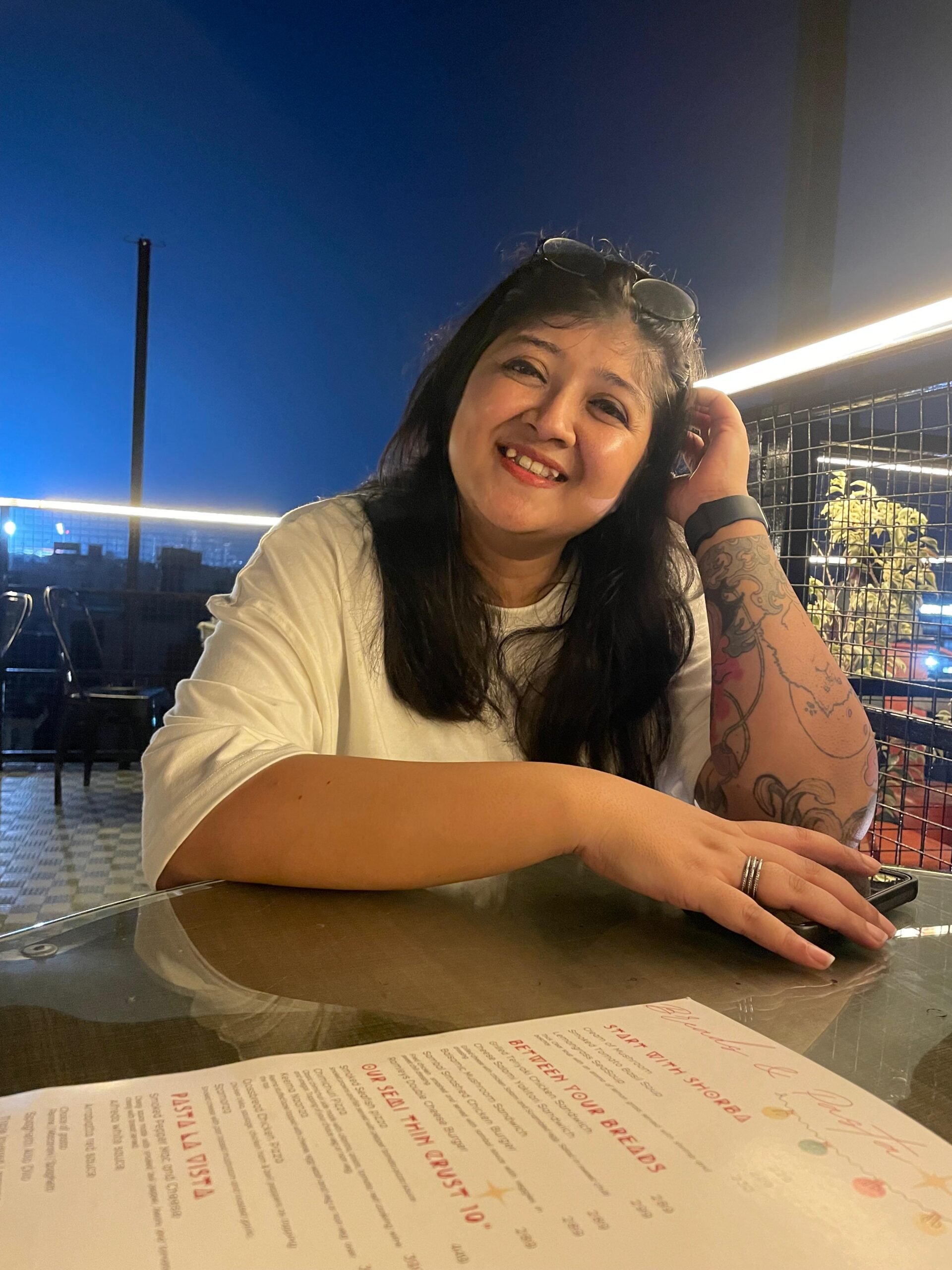
Certain traditions survive not by remaining completely static, but by adapting carefully through the hands of those who respect the boundaries of the craft. Yangdol Namgyal, a Sikkim-based tattoo artist, painter, and founder of Beyul Ink, understands this delicate balance intimately. Her work with Tibetan Buddhist, Himalayan, and Oriental traditions offers a grounded lens through which we can explore what it actually means to carry culture forward without diluting its soul.
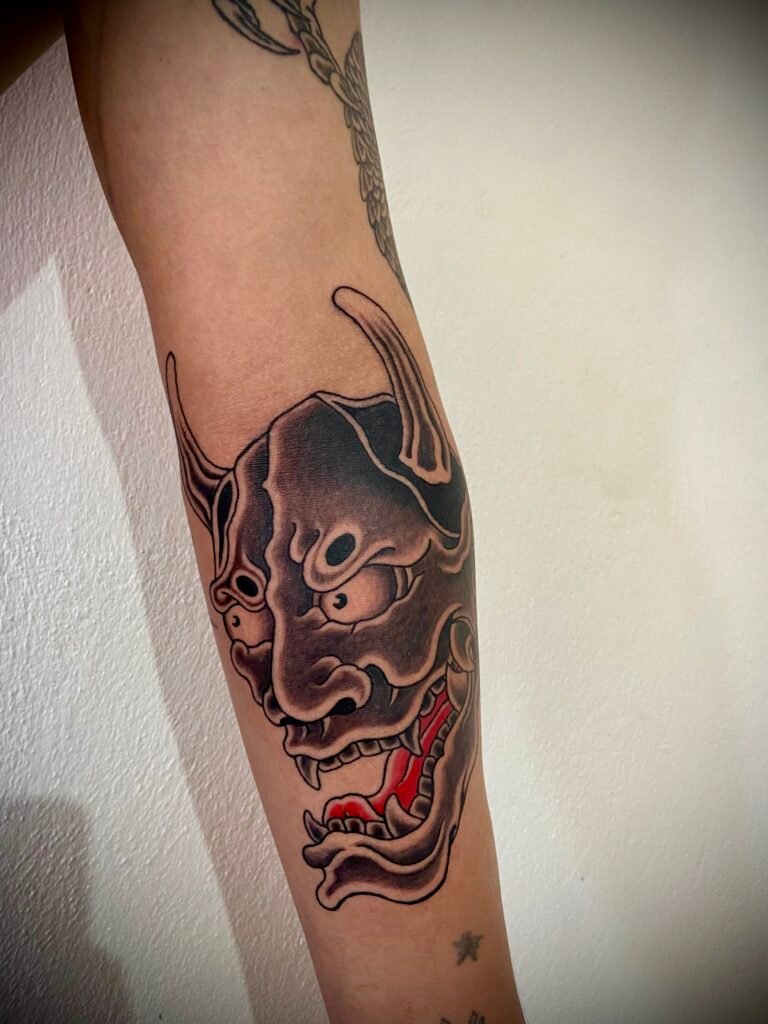
The Quiet Beginnings of a Craft
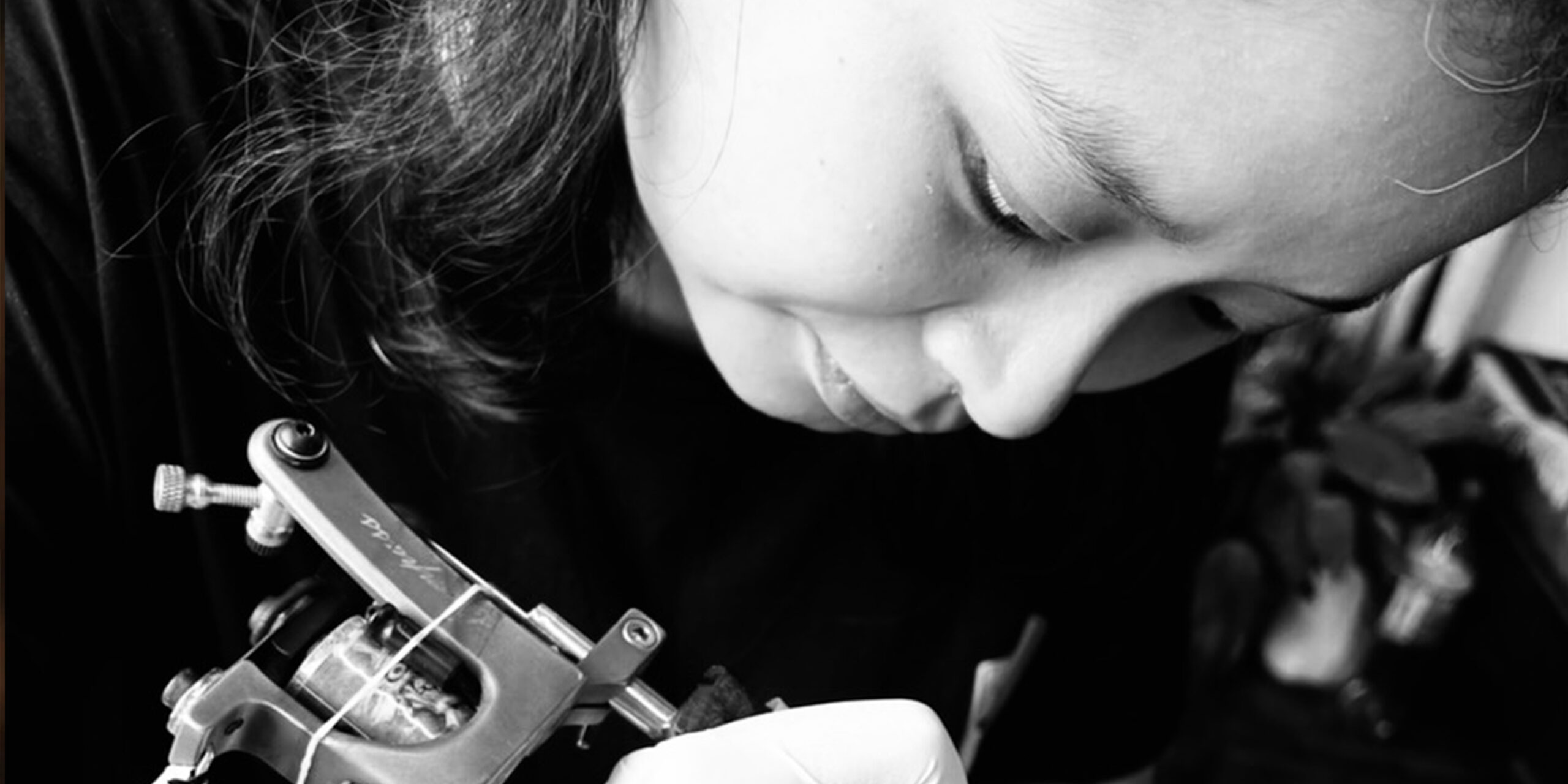
Creative identities often begin quietly before they become visible publicly. The early days of discovering a calling are rarely marked by grand declarations; they usually happen in the margins of everyday life. For Yangdol Namgyal, the introduction to her life’s work happened long before studio lights and social media presence.
“I started learning tattooing from my school’s art teacher – Mr. Gyaltsen Lama, at the time, I was about sixteen years old,” she shares.
These formative years laid a quiet foundation, proving that the urge to create often arrives long before the infrastructure to support it does.
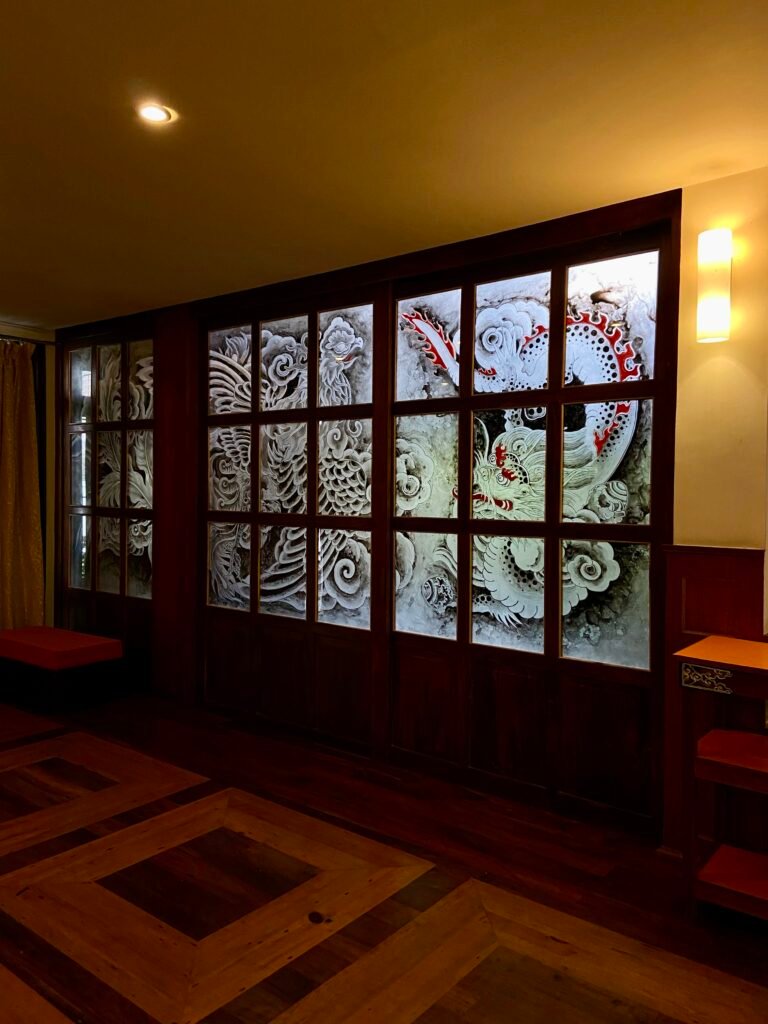
Commitment Born from Scarcity
Finding your authentic voice often means working with whatever is in front of you. When resources are limited, a unique kind of dedication is required to keep a practice alive.
“It was a time when artists had no proper access to tattoo equipment,” Yangdol recalls. This scarcity often creates a deeper commitment to the craft.
Without the convenience of modern, easily accessible tools, the act of learning becomes an exercise in pure devotion to the art form itself.
Returning After Resistance
Sometimes, the path to self-discovery is interrupted. Societal expectations and familial pressures can force a pause on our deepest passions. Some creative journeys require patience before they can fully exist.
Reflecting on her early years, Yangdol notes,
“However, I had to give up my practice for a long time as my parents were against tattooing at the time. It was only after my college that i started working under Mr. Anurag Pradhan at Ink Over Matter, Bangalore and learnt more extensively from him.” That period of waiting did not extinguish the spark; it simply held it in reserve until the time was right.
Understanding Over Aesthetics
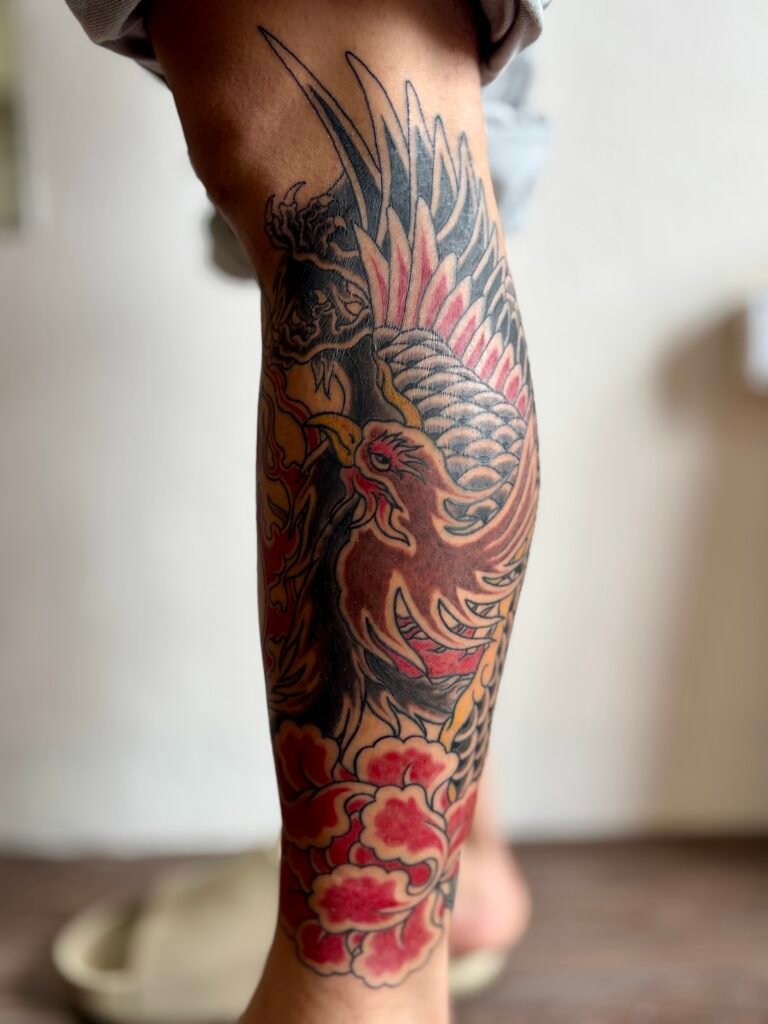
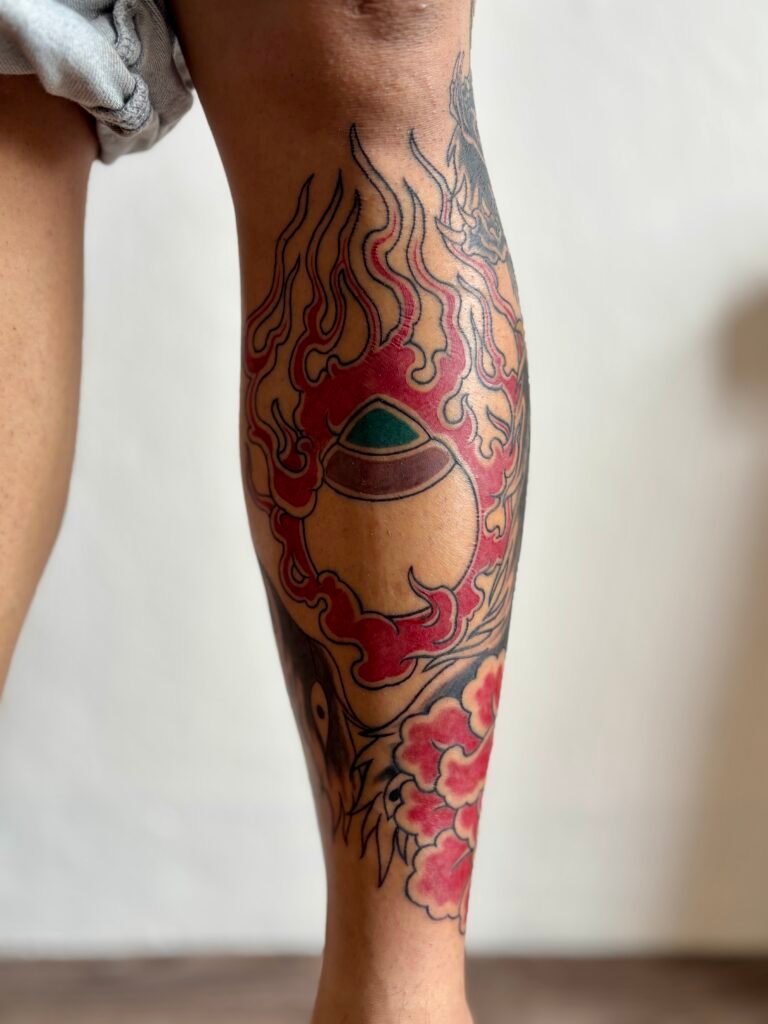
There is a vast difference between borrowing a visual language and actually understanding its cultural meaning. Many seek to wear symbols because they look profound, completely bypassing the lived philosophy behind the imagery. To translate heritage respectfully, one must be willing to become a lifelong student of the culture.
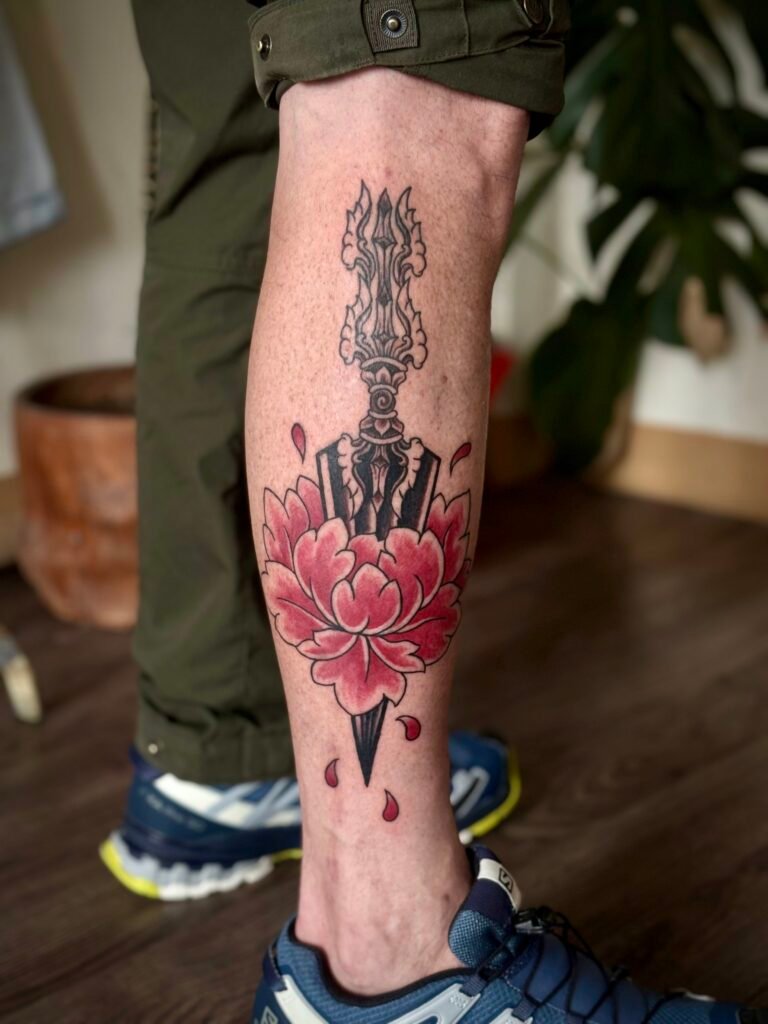
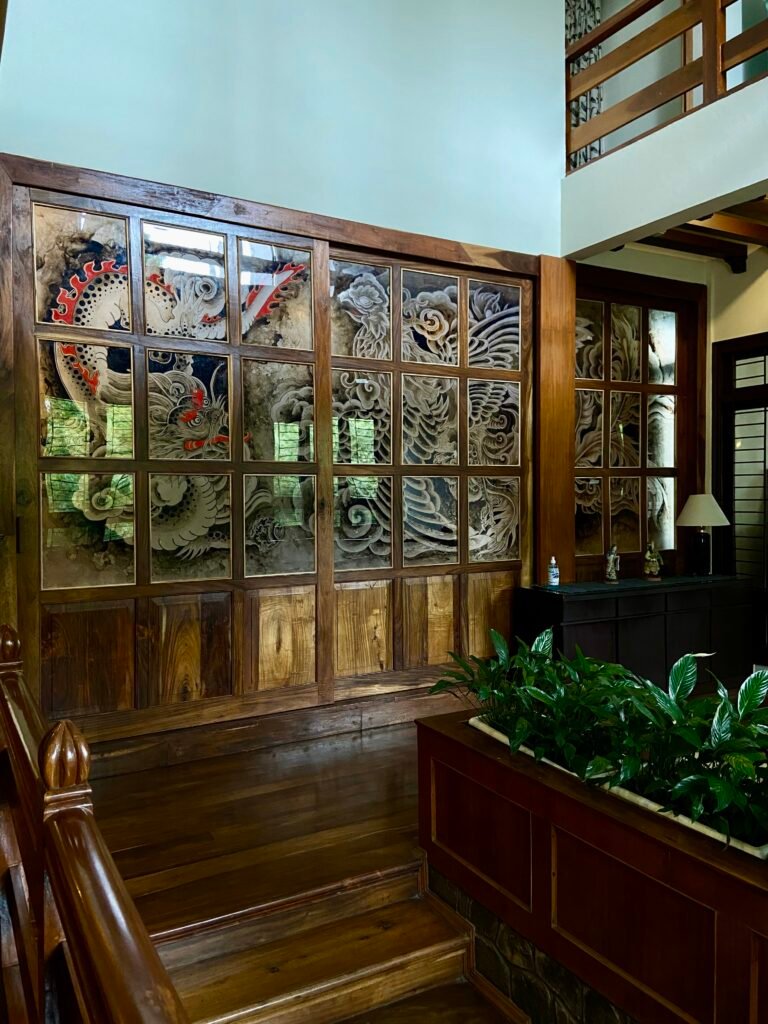
“It is important to study the history and the semiotic aspects of Tibetan art so that we gain respect for it and the humility to approach it and know what we are tattooing into a person’s skin, as Tibetan symbols are deeply meaningful, metaphorical, and not merely aesthetic,” Yangdol explains.
This rigorous internalization prevents sacred art from becoming just another empty trend.
Creation Rooted in Awareness
Art changes fundamentally when it becomes rooted in awareness instead of emotional projection. When a creator removes their ego and personal turmoil from the process, the work becomes a clear vessel.
Yangdol approaches her craft with a grounded spiritual discipline.
“To me, personally, the practise of tattooing and painting, is a part of my meditation practice where I connect to my pure awareness, and recognise my mind which is naturally free and uncontrived, so that my art becomes an expression of my mind’s true nature, it is not an expression of my emotions or pain, as I believe the bearer should not carry the energy of my emotional state, on their body.”
The Power of Restraint
Creative freedom sometimes requires restraint. True respect for a tradition means acknowledging that not everything is meant to be altered or placed wherever we please. Recognizing these boundaries is an act of cultural preservation.
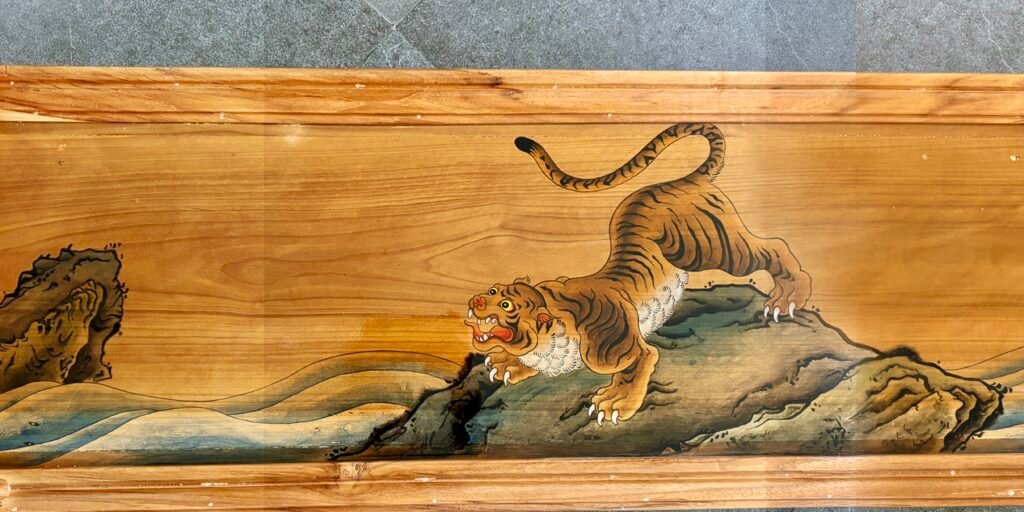
“I don’t tattoo designs of Buddhas or Bodhisattvas below the waist as it is deemed disrespectful in Sikkimese society by many people,” Yangdol states.
By holding this line, she ensures that the sacred nature of the imagery remains intact.
Navigating Stigma and Change
Traditions evolve slowly through dialogue, not rebellion alone. In many communities, tattooing carries a heavy historical stigma that cannot be erased overnight. Pushing a culture forward requires navigating these sensitivities with grace rather than blunt force.
“Tattooing in general is not seen as part of Tibetan Buddhist culture, and has been stigmatised for many generations. However, things are gradually changing as spiritual leaders like Dzongsar Jamyang Khyentse Rinpoche, have publicly made positive comments about tattooing,” she observes.
Change happens when respected voices within the system begin to see the value in new forms of expression.
Quiet Strength in Leadership
Being a pioneer often means carrying burdens that others never see. Strength is often carried quietly rather than announced loudly to the world. As one of the pioneering women running a studio in Sikkim, Yangdol navigates her reality with a calm resilience.
“…running a tattoo studio comes with other unseen struggles which I would not like to get into. I am quite fortunate to be able to live my life as an artist and this path has made me have gratitude and more love for my craft and i don’t let my past struggles define me..”
Intentional Creation and Collaboration
Artistic collaboration still requires boundaries and intention. When a person seeks a piece of culturally significant art, the process of designing it must be a careful negotiation between the wearer’s desires and the symbol’s integrity.
“It is a collaborative process between the client and me and We come to a meeting point most of the time or work on the design till we get to it,” Yangdol notes.
This dialogue ensures the final outcome respects both the individual and the heritage it draws from.
Adaptation Without Dilution
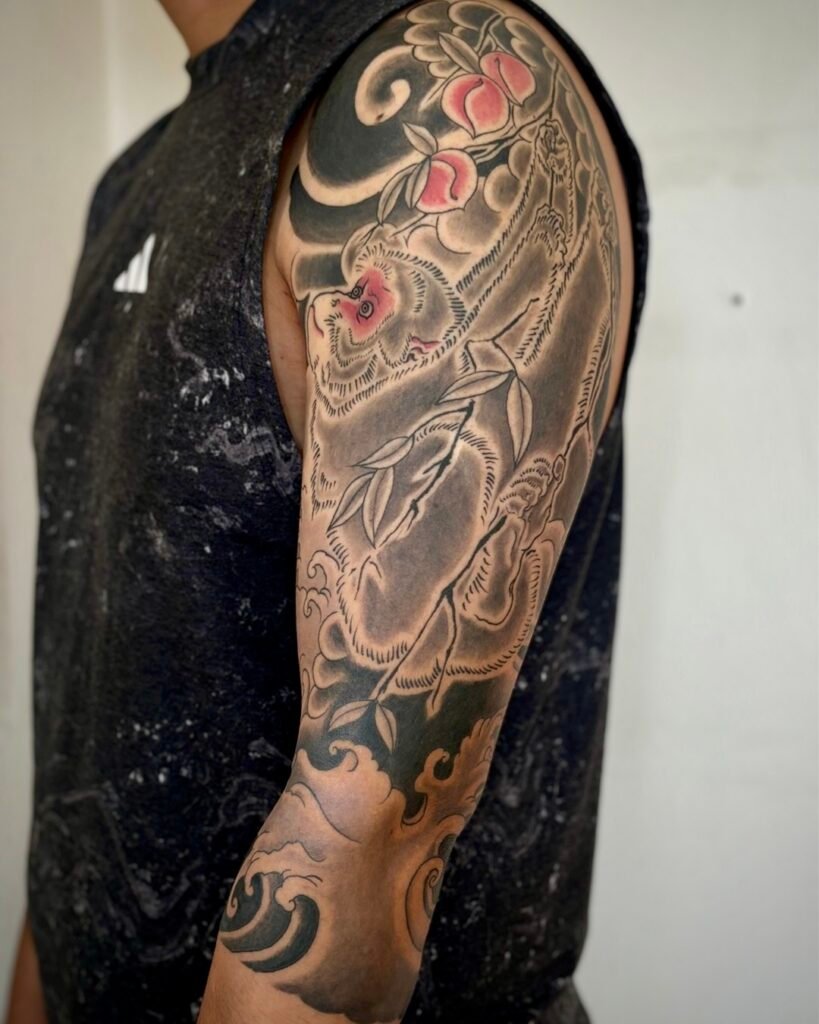
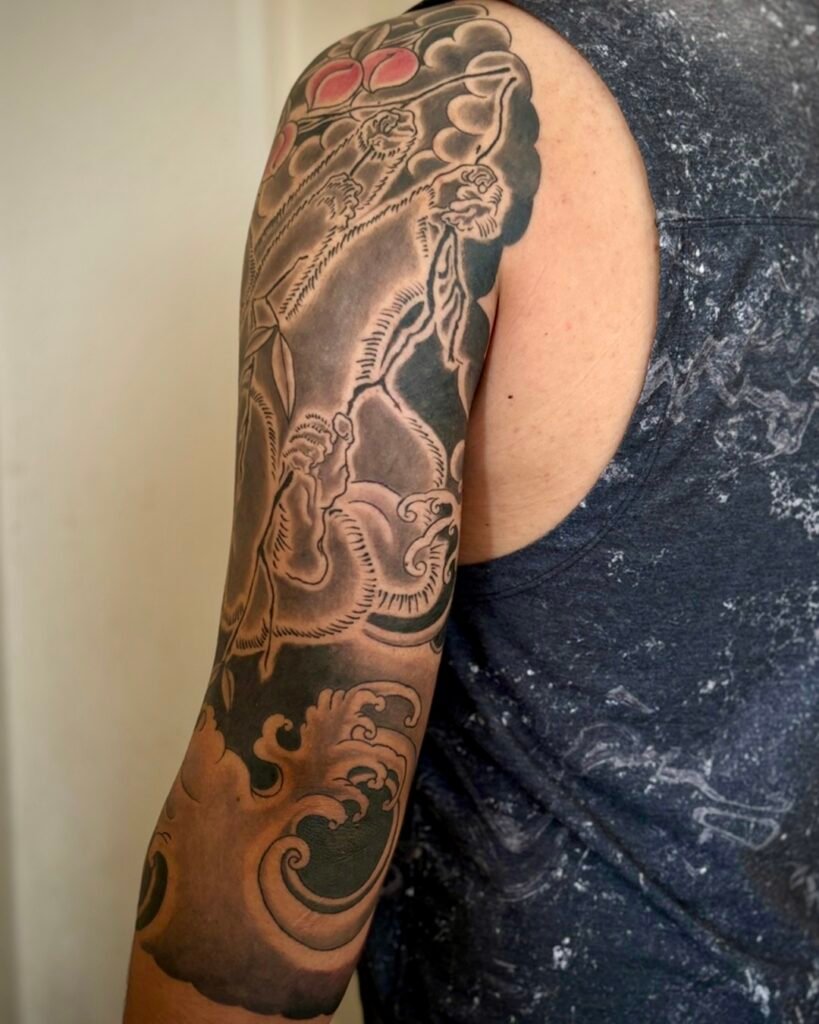
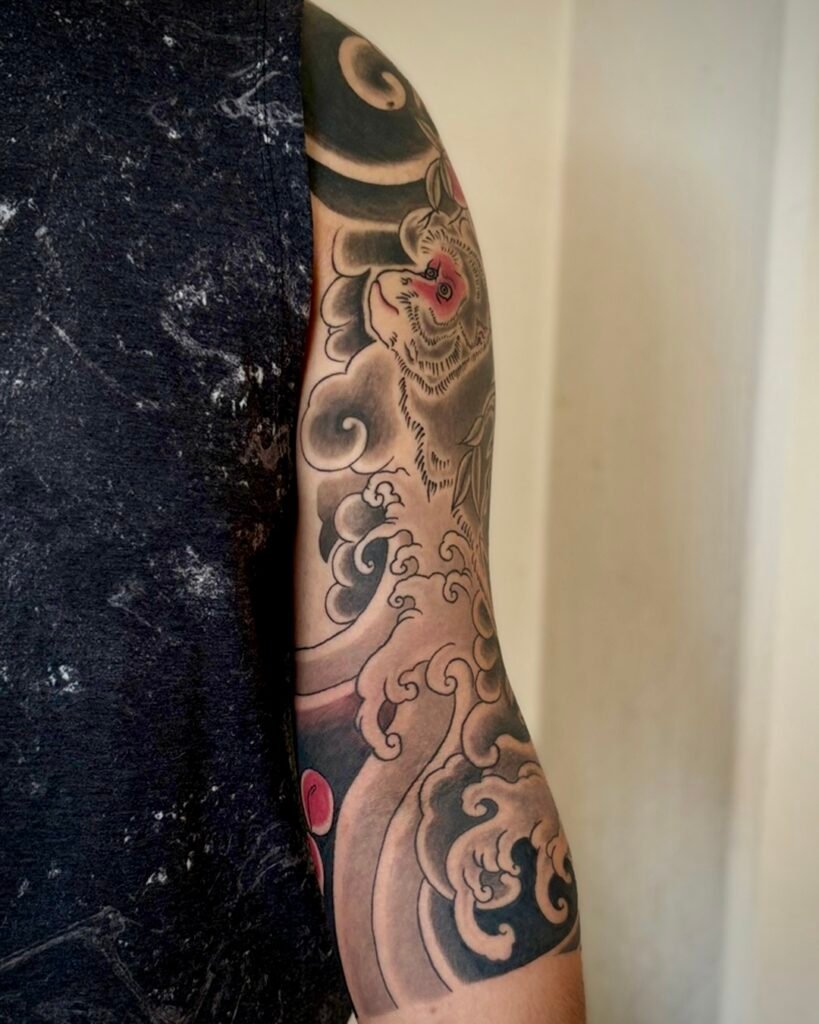
Culture survives when it adapts without losing its inherent meaning. By moving ancient art onto living canvas, the tradition breathes in a modern context. “The younger generation can wear their traditional art in a new medium, in their skin and stay rooted to their culture,” she says.
To prevent this from slipping into mass production, careful customization is required. Sacred symbolism loses its depth when turned into a replicated aesthetic commodity.
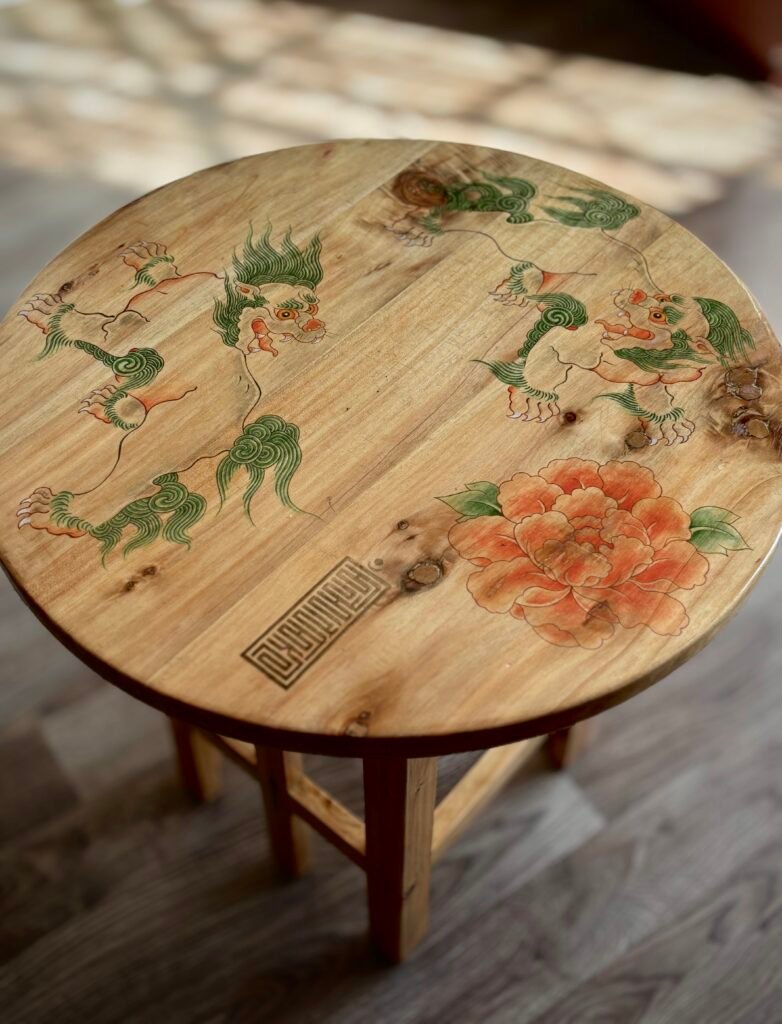
“To carry a cultural system forward without turning it into aesthetic commodity, I try not repeating the designs and I try to customise the designs according to the client’s needs.”
Instinct Over Strategy
The strongest artistic identities are often instinctive rather than strategic. They do not emerge from studying market trends; they grow out of a lifelong, quiet pull toward a specific visual and philosophical language.
“I was naturally drawn towards Tibetan and Oriental art ever since I was a kid and Buddhist philosophy has played a major positive role in my personal life,” Yangdol reflects. Staying rooted in this natural affinity naturally guards against homogenization.
Carrying Meaning Into New Forms
Symbols matter because of the intent carried behind them. When an individual leaves a studio with a permanent mark, they are carrying a piece of a larger story with them. The visual outcome is only a fraction of the exchange.
“Tibetan symbols can be powerful tools of transformation and help the viewer or the bearer in their spiritual journey, if done with the right intent,” Yangdol observes.
Maybe preservation was never about freezing culture in time. Maybe it was about carrying its meaning carefully into new forms.
Follow Yangdol on Instagram

Mishuk is a digital marketer by profession and a storyteller at heart. He crafts narratives through content marketing, blending strategy with culture. When he’s not building campaigns, you’ll find him immersed in music, martial arts, and all things creative. Yes he also designed the website you’re reading right now.