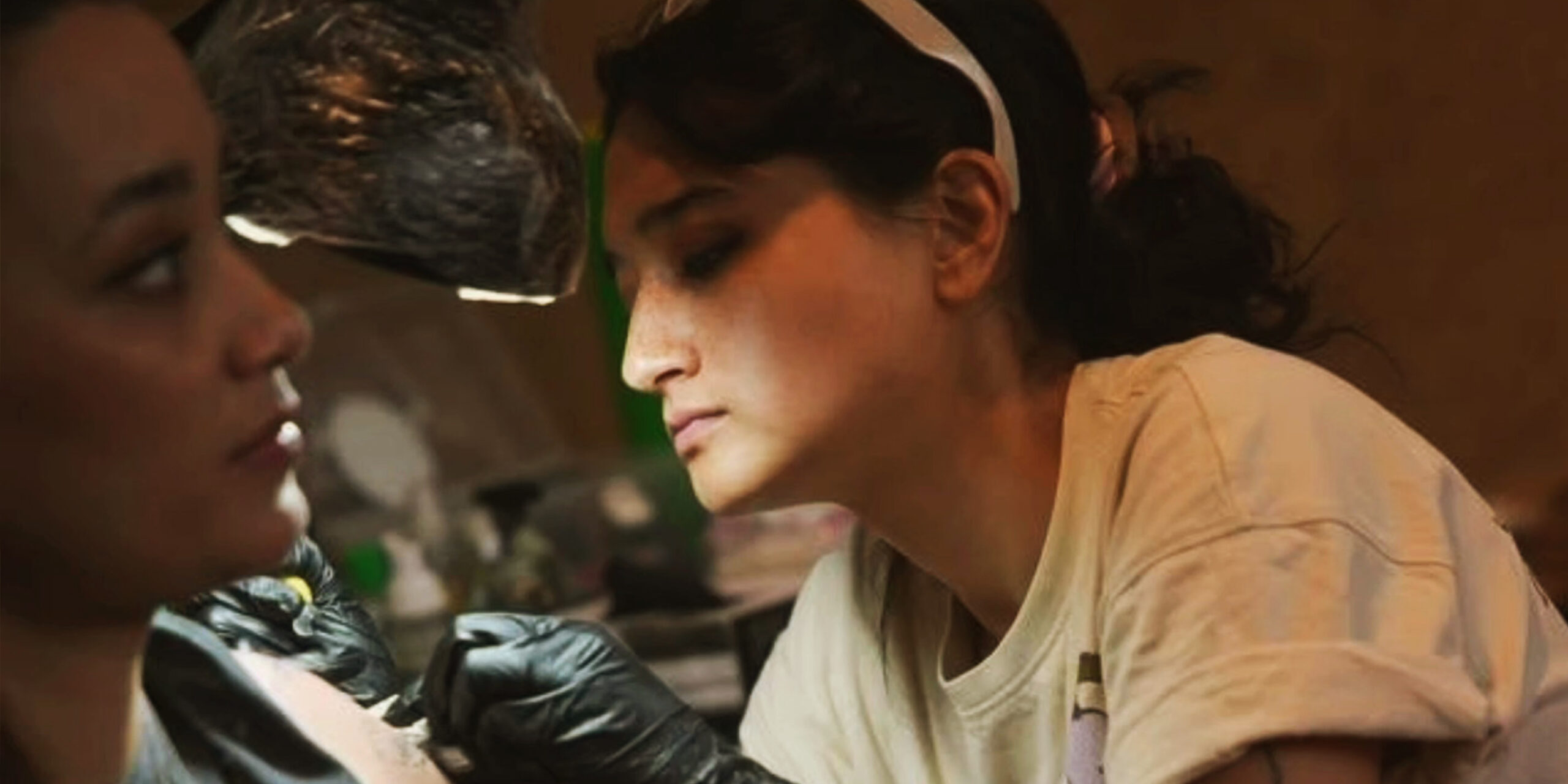
People rarely remember every visual detail of a room years later. What they remember is the feeling. The atmosphere. The emotional shift that happened while they were inside it.
We walk into certain spaces and immediately sense a shift in our own internal gravity. The lighting, the sounds, the texture of the walls, they all communicate something unspoken. Some environments stay with people long after they leave, embedding themselves in our memories not as images, but as moods. Creativity often moves beyond the medium itself, settling instead into the emotional energy that a space carries.
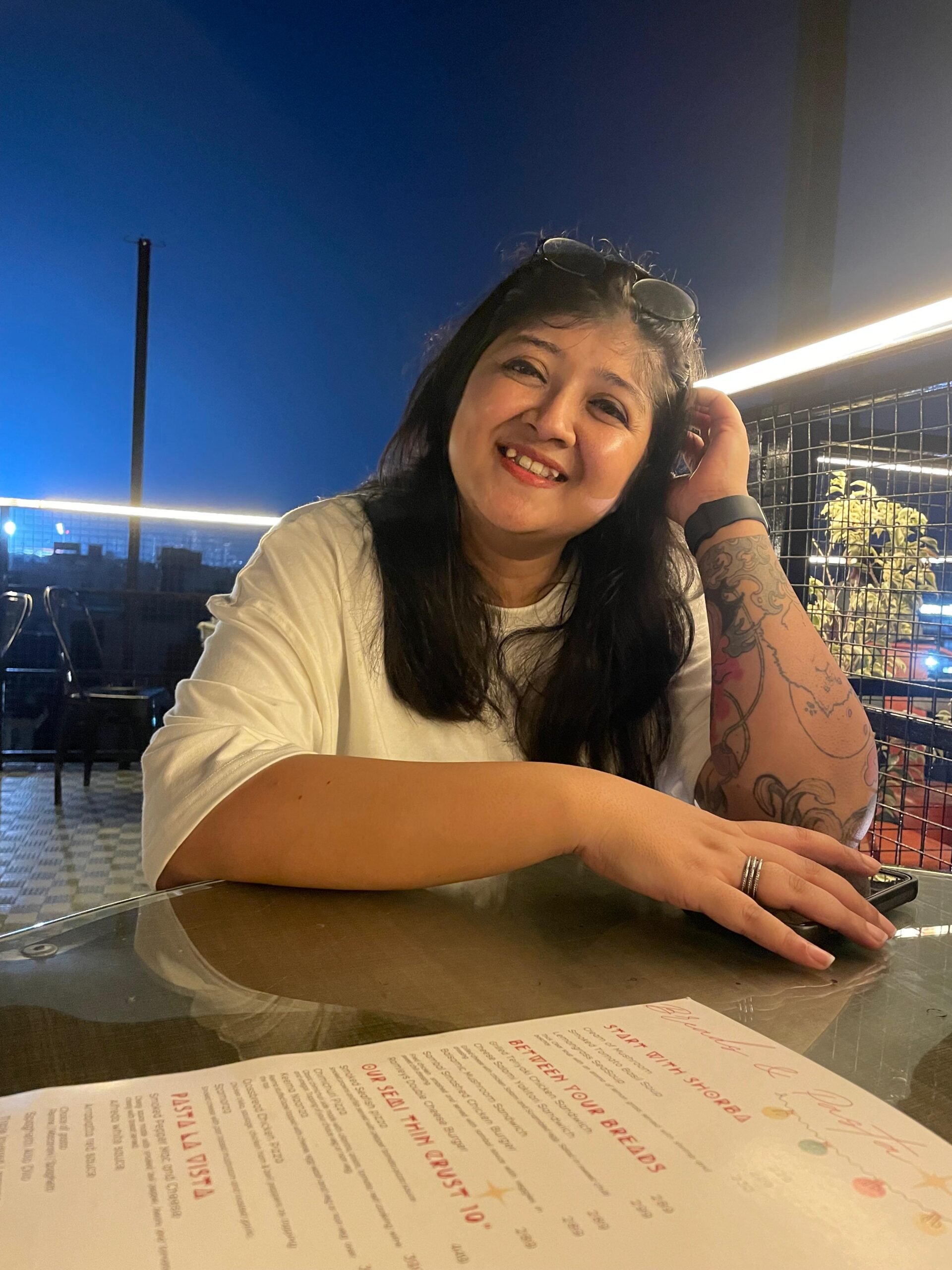
For Naisha Richmond, understanding this emotional energy has been a lifelong pursuit. Operating across tattooing, visual arts, and production design, Naisha serves as a compelling lens through which we can explore how atmosphere and human connection are truly built.
The Roots of Creative Identity
Creative identity often exists long before the medium becomes visible publicly. Before people knew her for her current work, Naisha was quietly building the foundation for her visual language.
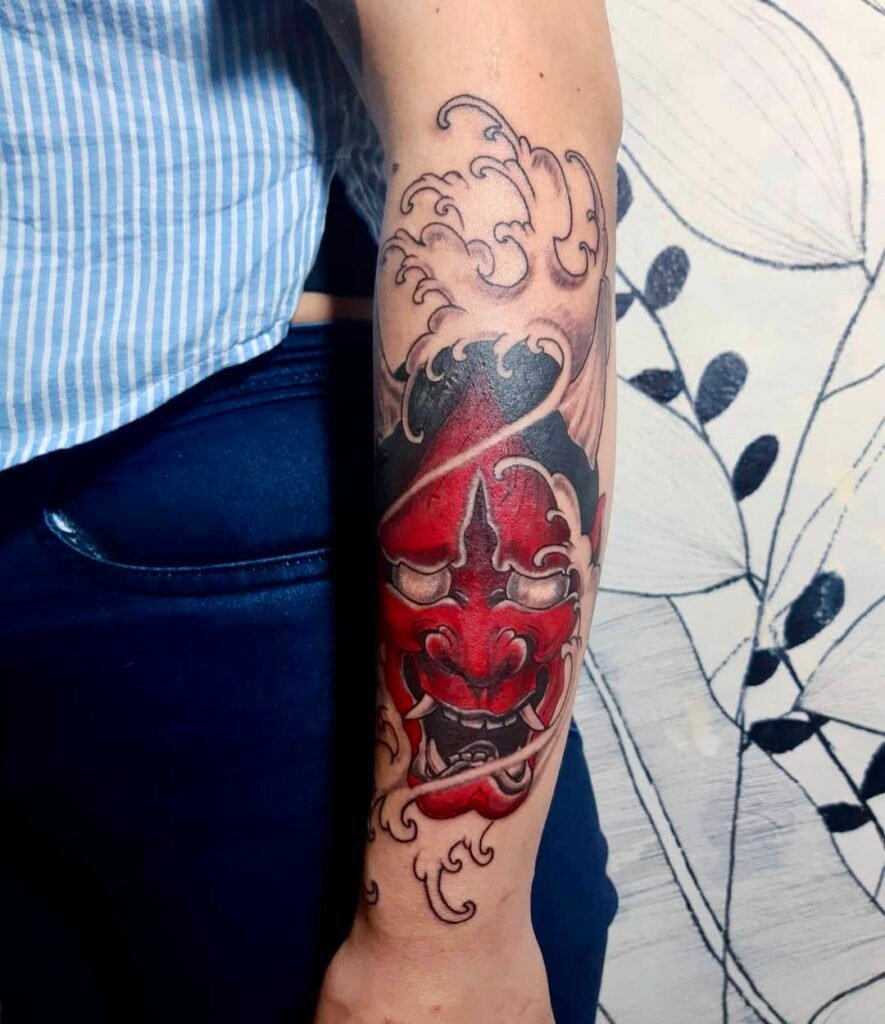
“I started as an artist, painting, sketching and working with installations,” she recalls.
The transition into her next phase was organic, sparked when a friend asked if she would be interested in an apprenticeship.
Tattooing as Emotional Work
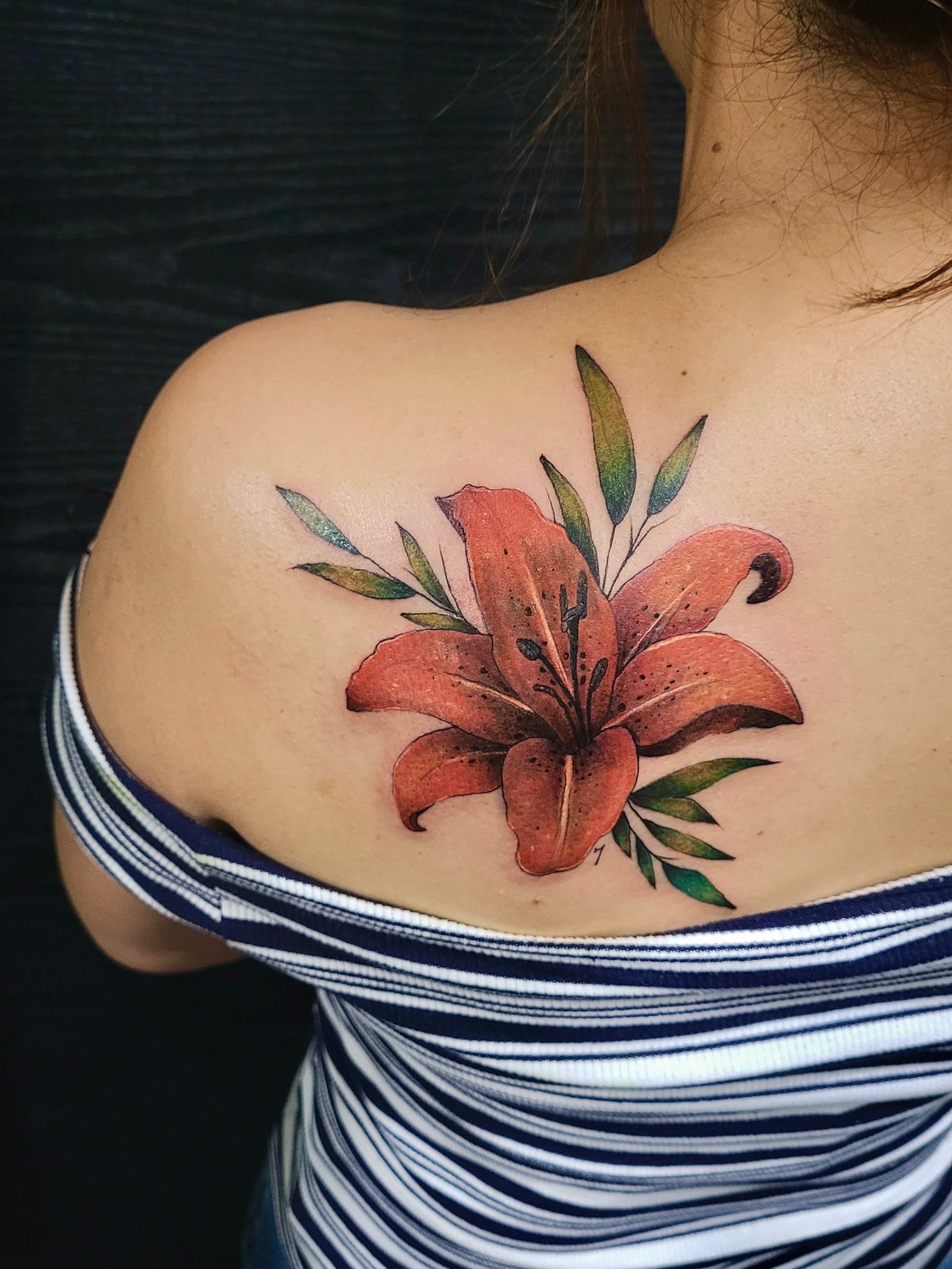
Working intimately with people requires a specific kind of emotional intelligence. Tattooing taught Naisha how to navigate these vulnerable spaces long before she began building larger experiences for crowds. The process of marking skin permanently is a heavy responsibility, and it shaped her understanding of what it means to connect with another person.
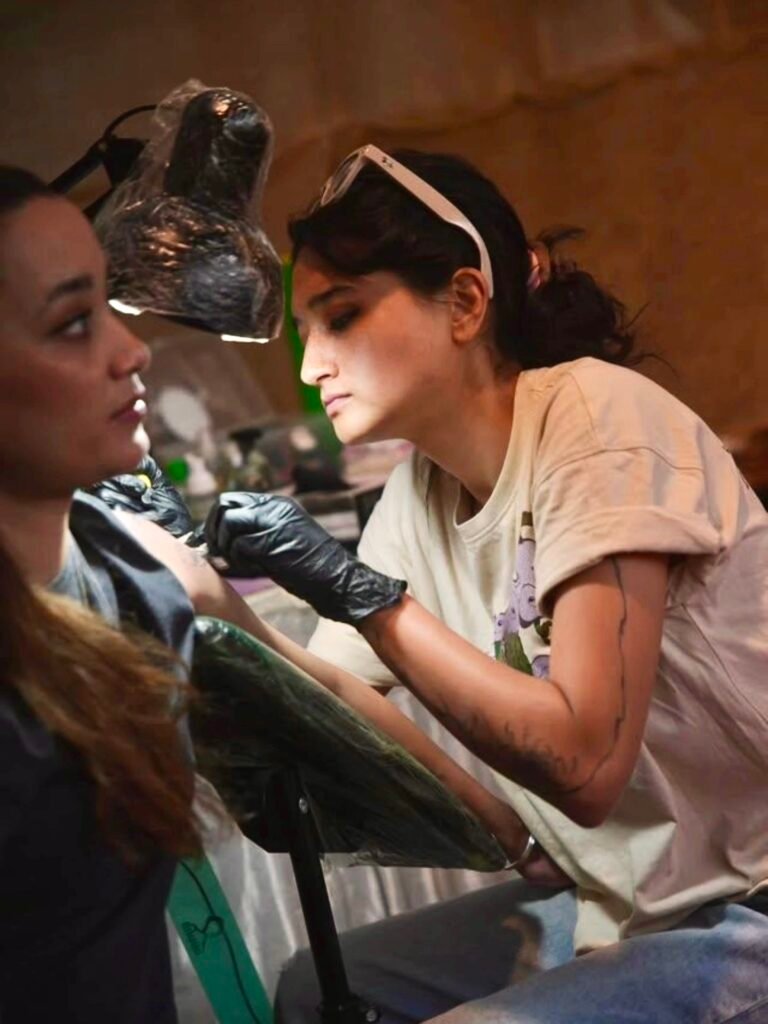
Through this craft, she realized that “tattooing is not just about ink, it’s about storytelling, identity, and creating experiences that people carry with them.”
When the Canvas Became Bigger
Over time, this intense focus on individual narrative began to scale. The emotional intention stayed the exact same even when the physical medium changed.
As she explains, her mindset “naturally expanded beyond skin into spaces, events, and creative direction.”
Instead of telling a story on one person’s arm, Naisha began telling stories that entire groups could walk through.
Why Atmosphere Matters
Atmosphere shapes emotion before people consciously realize it. When we step into a thoughtfully designed space, we don’t immediately analyze the structural choices. We simply feel the result of them.
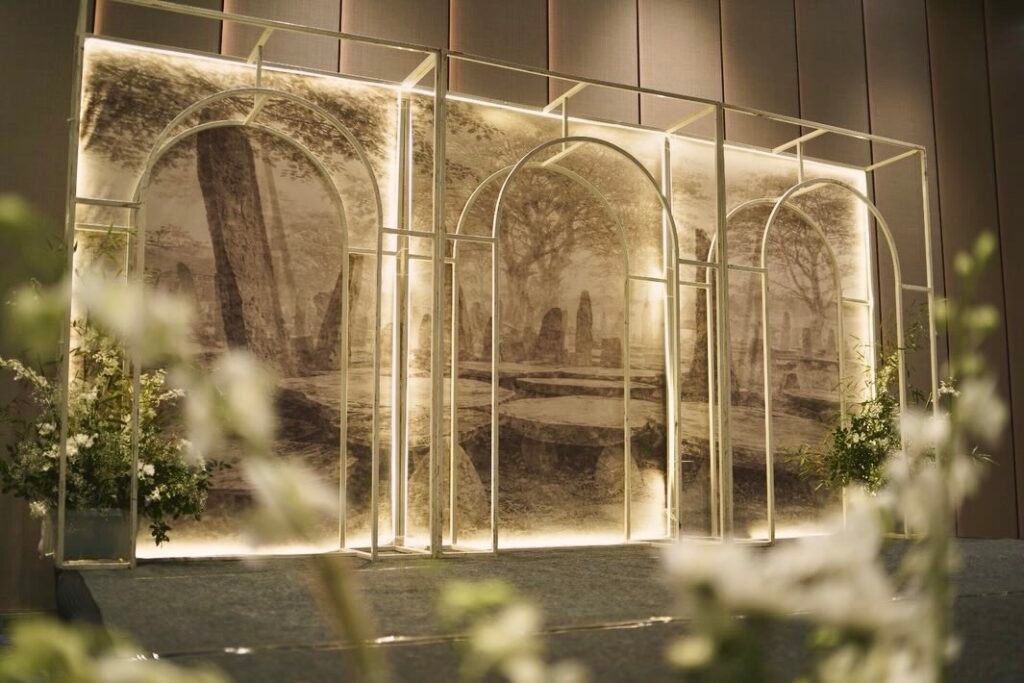
The artist aims to build “a space where lighting, textures, florals, music, structure, and emotion all come together to create a moment.” It is a delicate alchemy. When these elements harmonize, the environment itself becomes the artwork.
The Quiet Influence of City and Culture
Naisha is drawn to this collective experience, observing that “lighting, textures, florals, music, structure, and emotion all come together…” to create a singular, unified moment. It is about shaping an environment that hundreds of people can feel simultaneously.
Shillong’s Quiet Influence
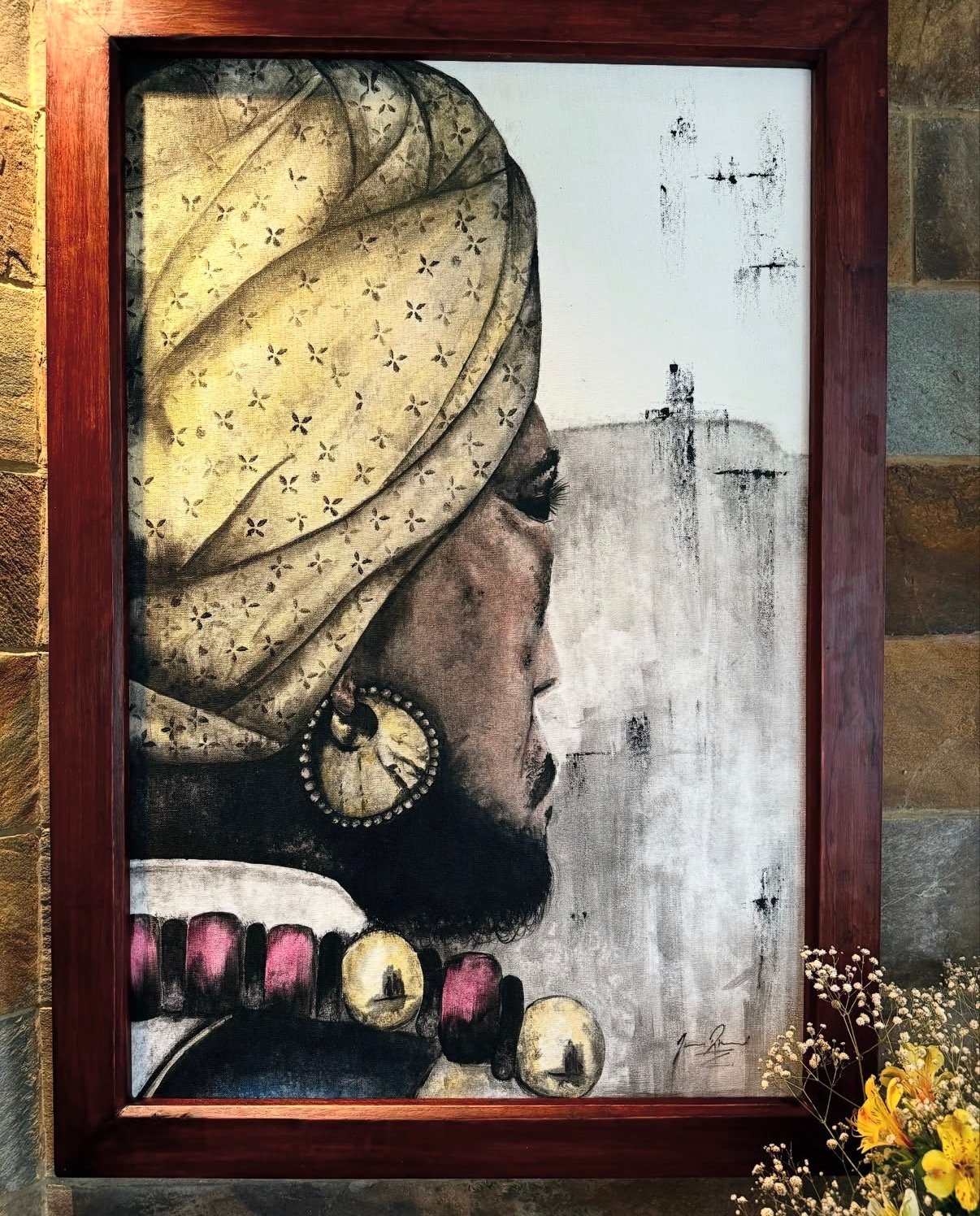
Cities shape our emotional aesthetics long before our artistic styles become intentional. Growing up in Meghalaya deeply informed Naisha’s visual taste. The environment naturally filters into her work, blending tradition with modern expression.
She notes that “There’s a certain softness and atmosphere in Shillong,” which quietly influences her choices through earthy palettes, layered storytelling, and organic materials. The close-knit communities and strong sense of unapologetic individuality gave her the confidence to trust her instincts and build work that feels personal instead of merely trendy.
Creating What Feels Meaningful
In an era obsessed with curating the perfect aesthetic for social media, creative living requires a deeper focus. Emotional memory outlives visual perfection every single time. Shillong taught Naisha to “create not just what looks beautiful, but what feels meaningful.”
Event Design Changed Her Understanding of Creativity
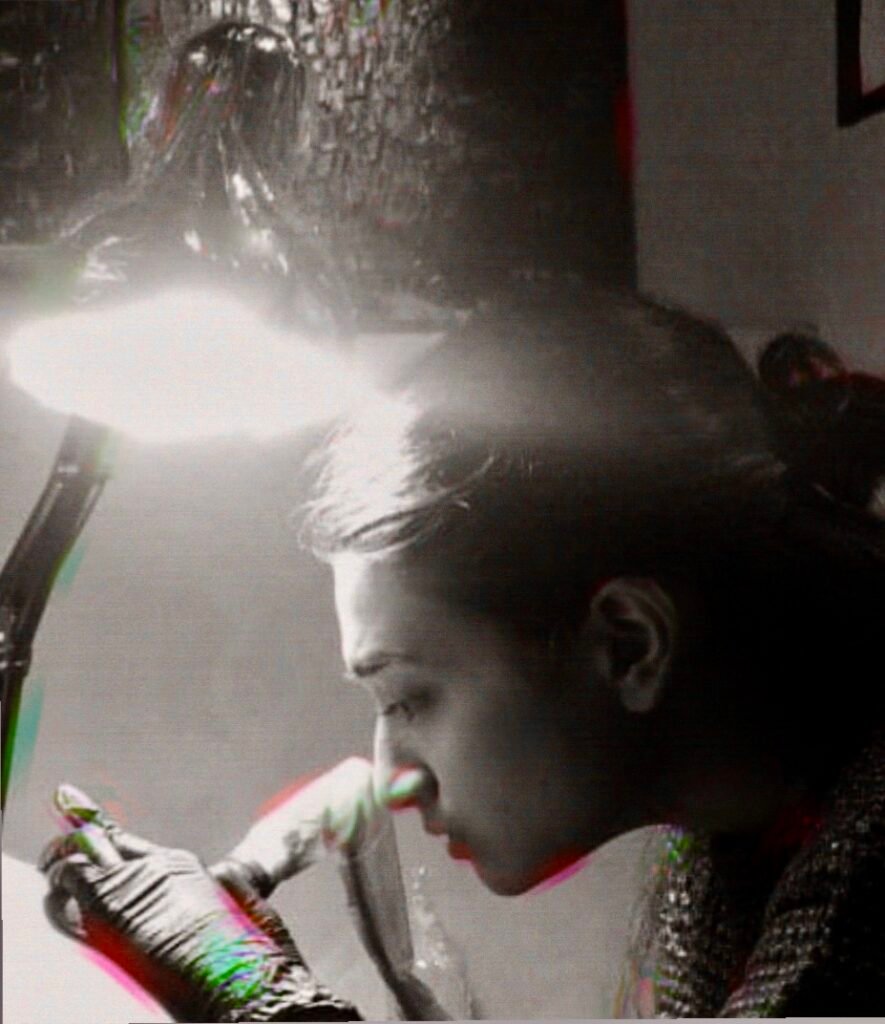
Transitioning from intimate one-on-one sessions to large-scale production design fundamentally alters how a person views their craft. Event design forced creativity to become psychological and experiential.
In tattooing, the focus is entirely on the body. But in her current work, “the canvas becomes the entire environment…” It dictates how people interact with each other, how they respond to sound, and how they move through a room.
Art and Execution Existing Together
Big creative ideas only survive when structure supports them. You can have a brilliant concept, but without logistical grounding, the experience completely falls apart.
Naisha quickly learned that she had to develop “discipline alongside imagination.” Taking something abstract and making it emotionally real for hundreds of people simultaneously requires rigorous organization.
Collaboration Changed the Process
We often romanticize the image of the solitary genius, but some forms of creativity depend entirely on collective energy. Working on large-scale environments requires trusting different craftspeople and solving problems in real time.
As Naisha discovered, “creativity is not always solitary…” It involves directing energy and bringing people together to create harmony among countless moving parts.
Shaping Collective Emotion
Spaces affect people emotionally the exact same way a beautiful piece of music or a compelling painting can. When an environment is orchestrated with intention, it has a profound impact on human connection.
“An immersive environment can shift the energy of an entire room,” Naisha observes. Seeing people respond to a space—feeling nostalgic, inspired, or fully present, solidified her belief in the power of shared experiences.

Learning to Position Creativity Professionally
Many individuals struggle to balance their artistic identity with the harsh realities of making a living. Artists fundamentally change how their work is valued when they change how they describe it.
Instead of letting people view her work as mere decoration, Naisha shifted the conversation.
“I started communicating that I create experiences, atmospheres, and emotional narratives,” she says.
This reframing helped collaborators understand that they were trusting her to shape how a moment would actually feel.
Business as Protection for Creativity
Structure protects artistic freedom instead of limiting it. To bring ambitious ideas to life consistently, vision alone is never enough. You need communication, leadership, and a solid foundation.
Naisha realized that “professionalism isn’t the opposite of creativity…” It is the very mechanism that allows creativity to exist sustainably and at a much higher level. Learning how to manage budgets and direct teams simply gave her the ability to protect her vision.
What She Wants People to Remember
At the end of the day, aesthetics get reinterpreted. Trends constantly change. But the emotional imprint matters more than aesthetics alone. When asked what she hopes endures from her work, Naisha is entirely clear.
“I’d want people to remember the feeling first.”
Maybe the most meaningful creative work was never about what people saw.
Maybe it was always about what they carried with them afterwards.
Follow Naisha Richmond on Instagram

Lubdhak Biswas is a musician, entrepreneur and a tattoo artist based out of Kolkata (India).
He documents underground culture at the crossroads of tattooing and music.
His work focuses on craft, tools, ethics and the real working realities of creative industries.