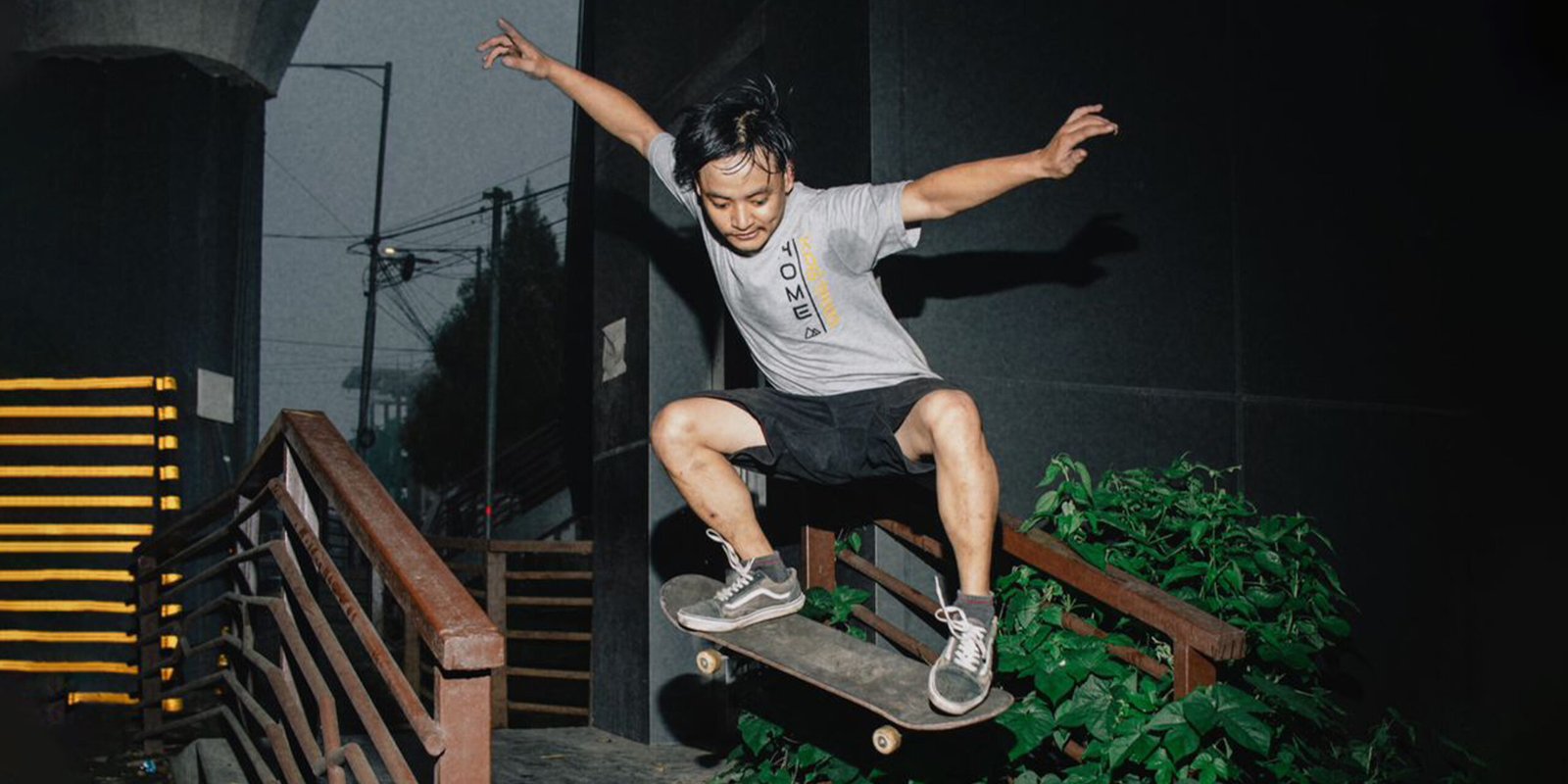
There are athletes who chase a sport. And then there are those who build something much larger around it. Ashish Rai is unmistakably the latter.
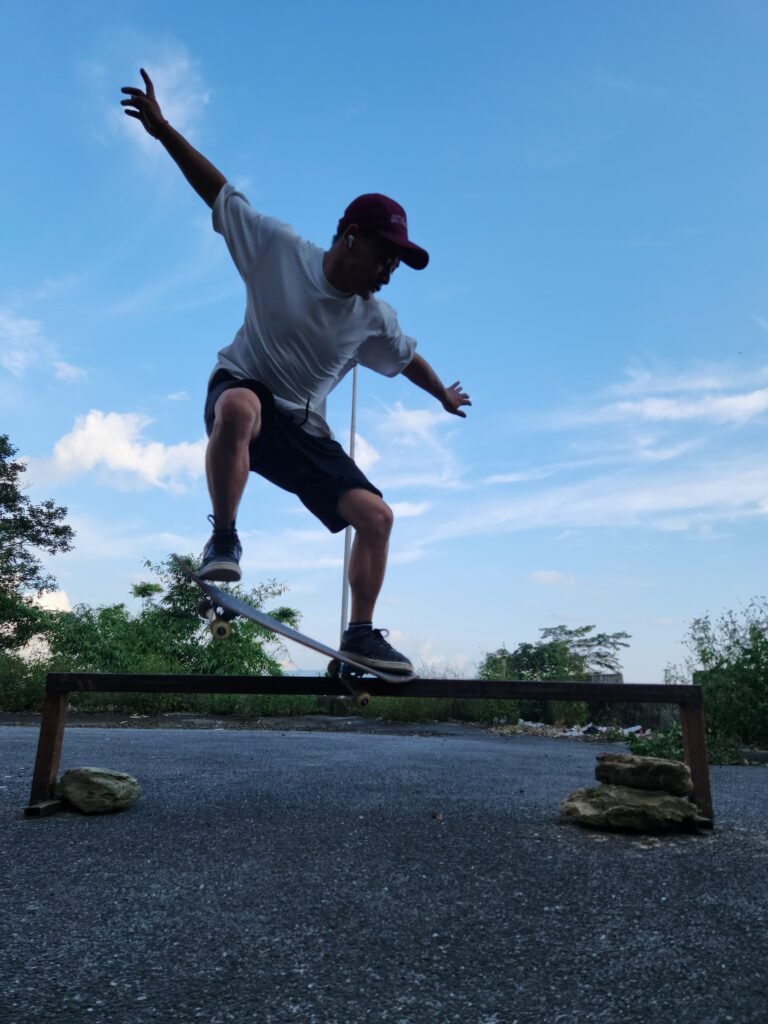
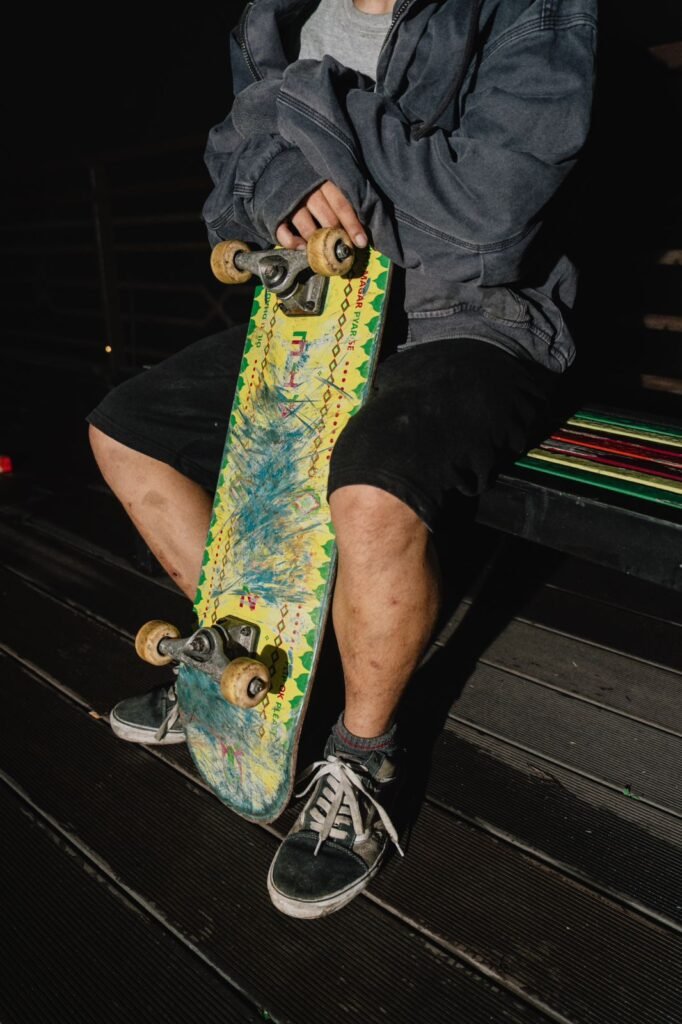
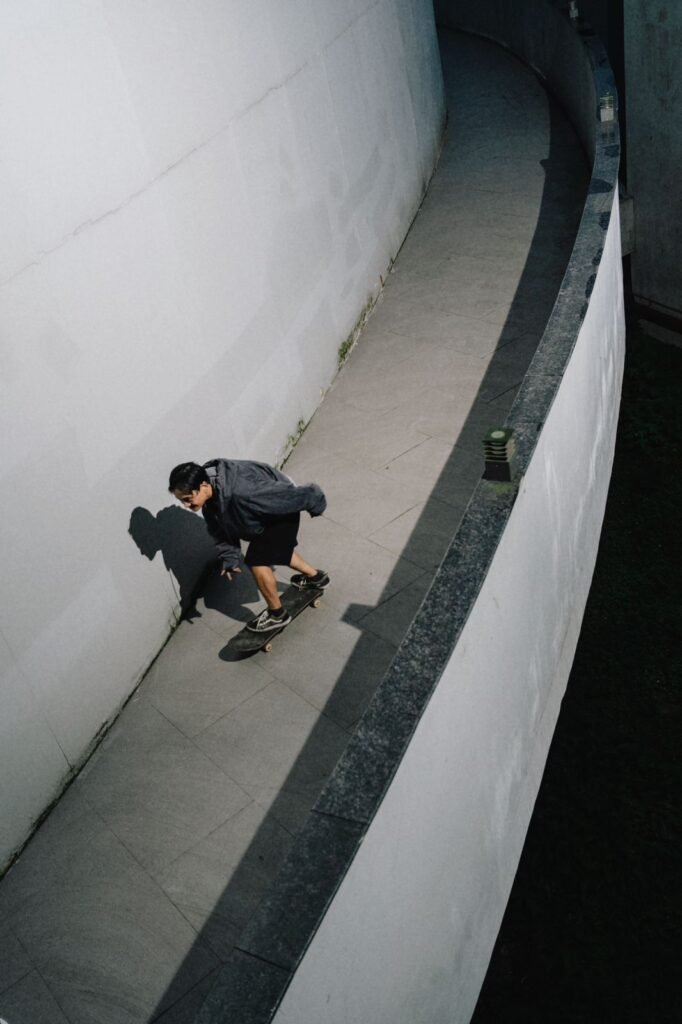
From Namchi, a small mountain town in Sikkim, Rai has spent years pushing street skateboarding into spaces where it did not previously exist. There were no skateparks when he started. No coaches. No established community waiting to welcome him in. What existed was a stretch of winding mountain road, a group of friends with a shared curiosity, and the kind of stubbornness that quietly reshapes culture over time.
His story is not a conventional sporting biography. It is something closer to an act of community creation. And while Rai has earned recognition for his riding, the more enduring part of his work may be what he has left behind for the skateboarders who come after him.
Learning to Skate Where the Roads Were the Only Rink
Namchi does not offer the infrastructure that most action sports take for granted. No purpose-built courses, no skating scenes to plug into, no mentors who had already mapped the path. When Rai first started skating, the sport existed on the margins of his town’s collective awareness.
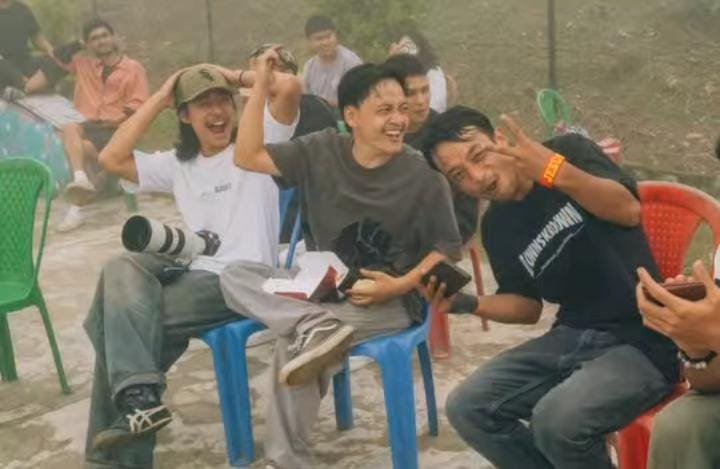
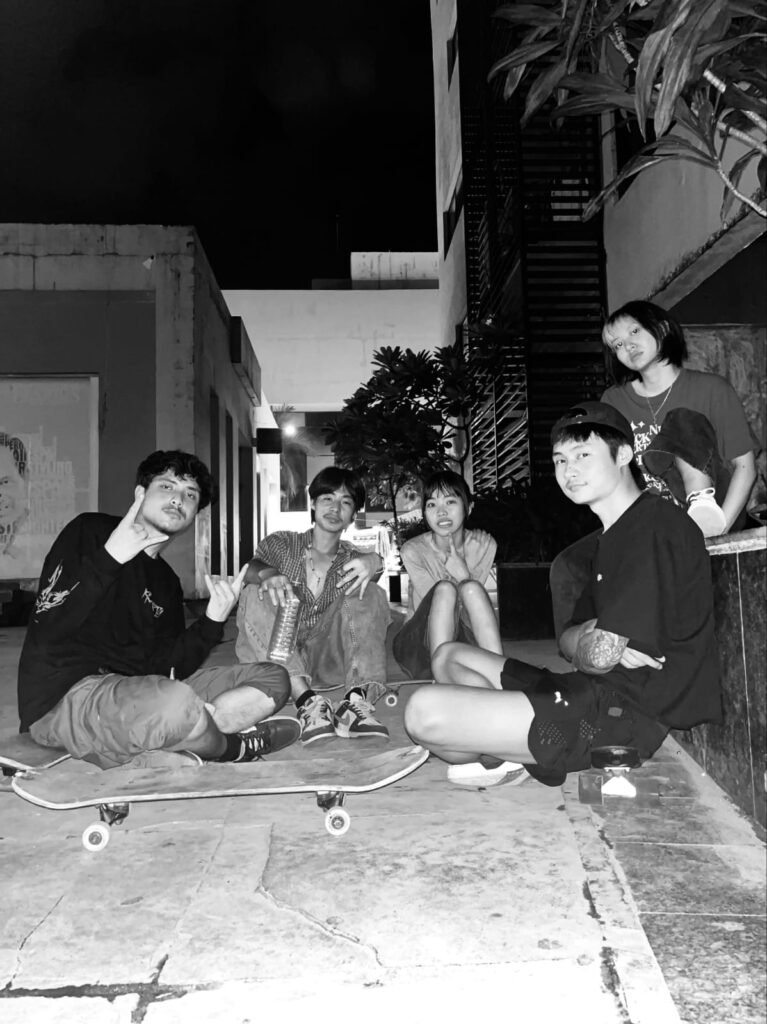
“I didn’t start with a big scene or a skate park back then in 2017,” he says. “We started with a few people in Namchi, when people thought we were just trying to break our legs. But for me, it was about freedom, friendship and building a community.”
What the mountains did offer, however, was something no skatepark can fully replicate: real terrain with real consequences. Skating on public roads in Sikkim taught Rai to read his environment with extraordinary precision. Every run demanded awareness, adaptability, and a clear understanding of what the road was likely to do next. That kind of education is slow, sometimes painful, and entirely impossible to shortcut.
Growing up surrounded by steep gradients and winding descents also shaped something deeper than technique. It gave Rai an outlook shaped by the landscape itself, one that values patience over urgency, observation over impulse, and resilience over any single result. Those qualities, developed on roads not designed for skating, would eventually define how he approached both competition and community.

Confidence as a Practice, Not a Destination
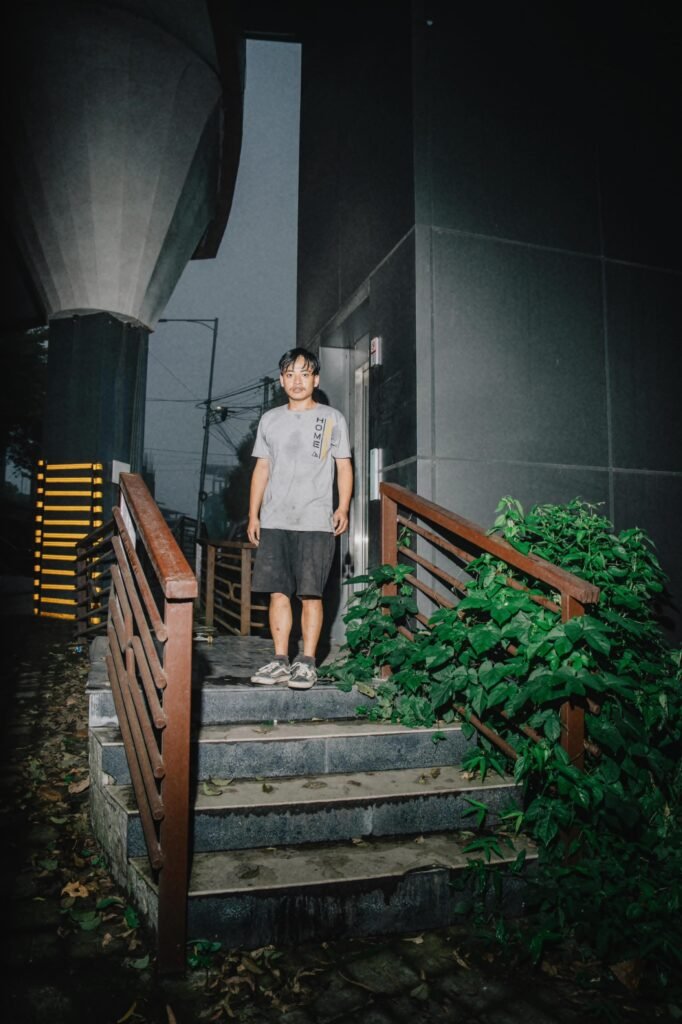
Ashish Rai’s approach to building confidence is grounded and methodical.
“You build confidence by starting small, practicing the basics, falling safely and celebrating the little wins, like standing steady, pushing clean, stopping with control,” he says. “Every run teaches you something.”
The skateboarders who progress fastest are rarely the most fearless. They are the most patient, the ones who understand that mastery is accumulated rather than claimed. This approach became central to how Rai eventually started coaching others. He does not teach riders to ignore fear. He teaches them to develop the skill base that makes fear manageable, until the confidence is real rather than performed.
Representing India on the International Stage
“Representing India on the international stage would be a milestone not just for us, but for everyone who’s been pushing skateboarding forward in our country,” he says. “It would show that talent can come from small towns too if the community stands together and honestly, India’s skateboarding scene is growing fast and has a bright future if we keep supporting each other.”
What those experiences revealed was simultaneously humbling and encouraging. The gap between India’s emerging scene and the world’s established skateboarding cultures was real. But so was the speed of Indian skateboarding’s growth. Ashish has a firm belief that extraordinary riders can emerge from the smallest towns when communities invest in one another seriously enough.
That belief is not abstract for Ashish. It is grounded in his own origin. If Namchi could produce a competitor capable of holding his own internationally, the argument for building grassroots culture in overlooked places becomes difficult to dismiss.
Filming as an Act of Cultural Preservation
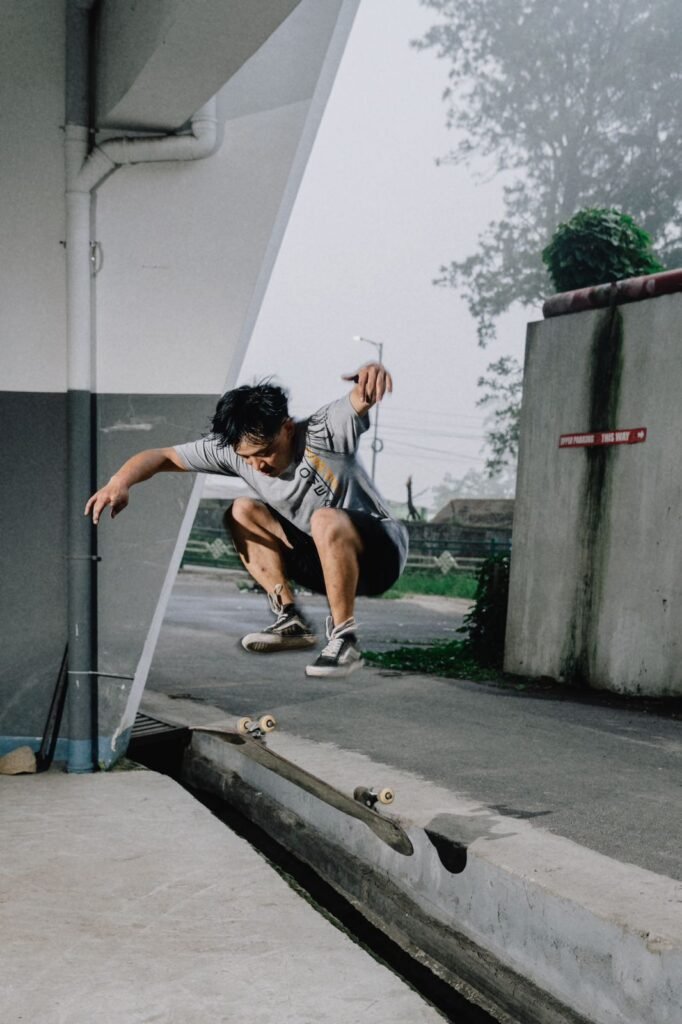
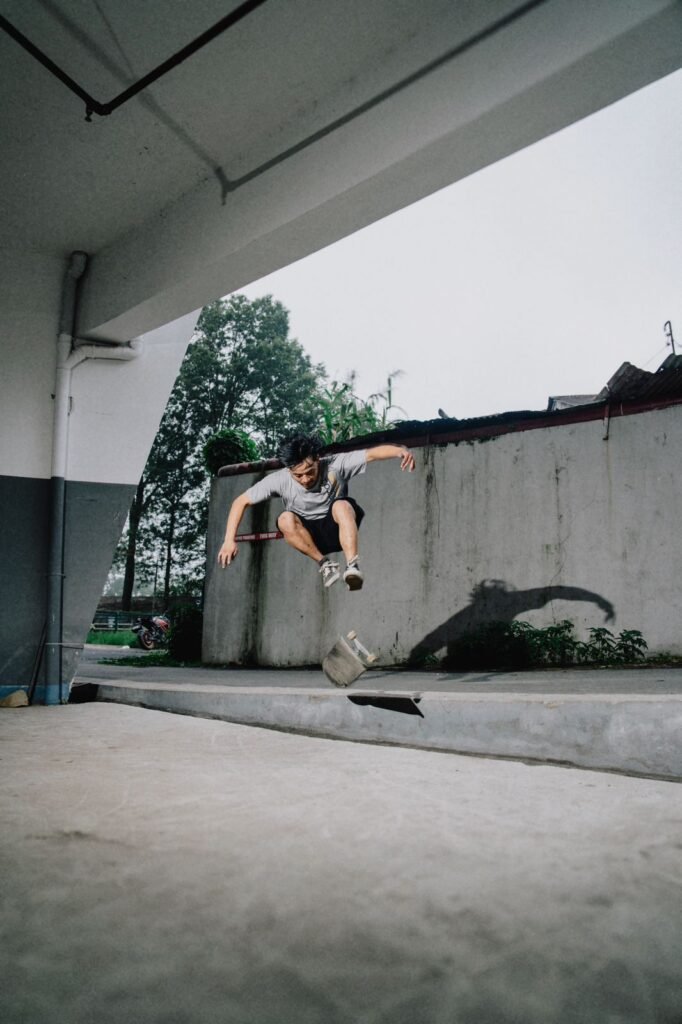
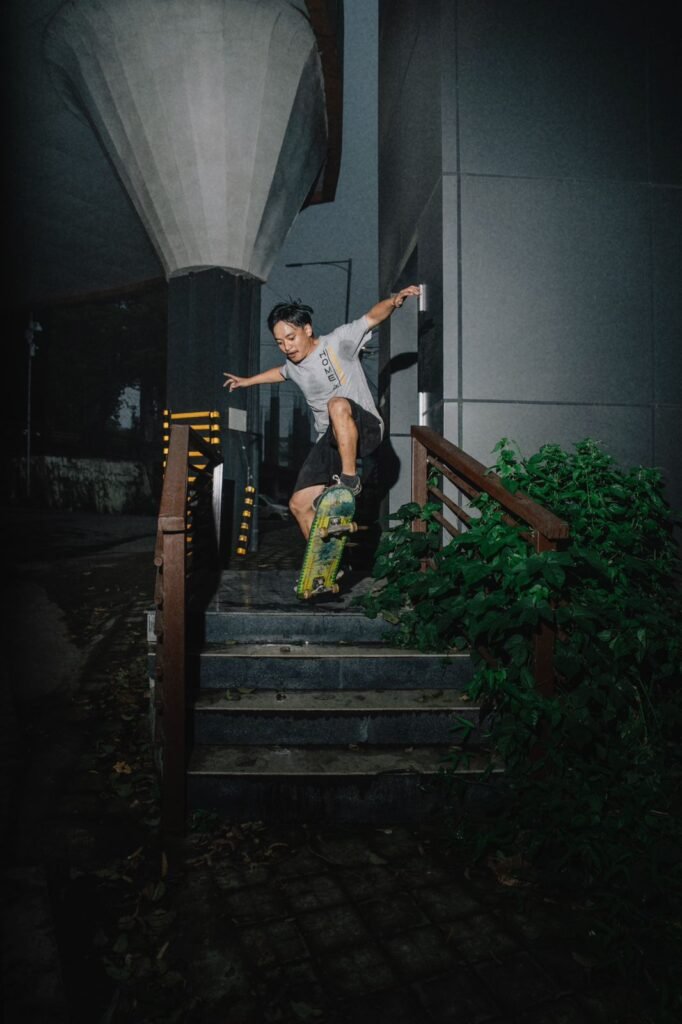
Alongside skating, Rai works as a filmmaker and storyteller, documenting the culture he has spent years helping to build. This is not a side project.
“Videos and stories can last beyond one skate session,” he says. “They can show people the heart of our scene, not just the tricks. It helps preserve our identity and inspires the next generation.”
For a scene as young as India’s skateboarding culture, that documentation is not nostalgic record-keeping. It is the foundation of a shared history that future skateboarders will be able to look back on and locate themselves within. Rai understands that the riders who come after him will not just inherit the sport. They will inherit a culture, or they will not, depending on whether anyone bothered to capture it while it was being built.
The People Who Shaped the Path
No one builds a scene alone. Rai is direct about the influence of his cousin Anurag Rai, who played a significant role in introducing and shaping his relationship with skateboarding.
“I was influenced by a lot of skaters online,” Rai says. “But when I started skateboarding, my cousin Anurag Rai was the biggest influence on me. I still admire the way he skates. His style and support motivated me to keep practicing.”
That early encouragement, the presence of someone who believed in the pursuit before it had produced any results, is exactly the kind of support that makes the difference between a passing interest and a lifelong commitment. Rai received that. He has made a point of passing it on.
“The most rewarding part of seeing someone fall in love with the sport for the first time is that I can still feel the same sense of happiness when I first started skateboarding or landed a trick for the first time,” he says.
Each new rider carries an echo of his own beginning, a reminder of what the sport felt like before competence, before competition, when it was simply an open door into something entirely new.
A Legacy Measured in Community
The most straightforward way to assess a skateboarder’s career is to count the podiums, the competition results, the clips that circulate online. By any of those measures, Ashish Rai has done well. But it is not really how he measures the work.
“Skateboarding isn’t only about the tricks,” he says. “It’s about the moments you create.”
What Rai is building in Sikkim and beyond is something that competition results cannot fully capture. It is a culture with its own stories, its own community rituals, its own capacity to welcome and develop the next generation of riders. The grassroots scene that barely existed when he first picked up a board is now a living thing, with its own momentum and its own future skateboarders who will one day build on what came before them.
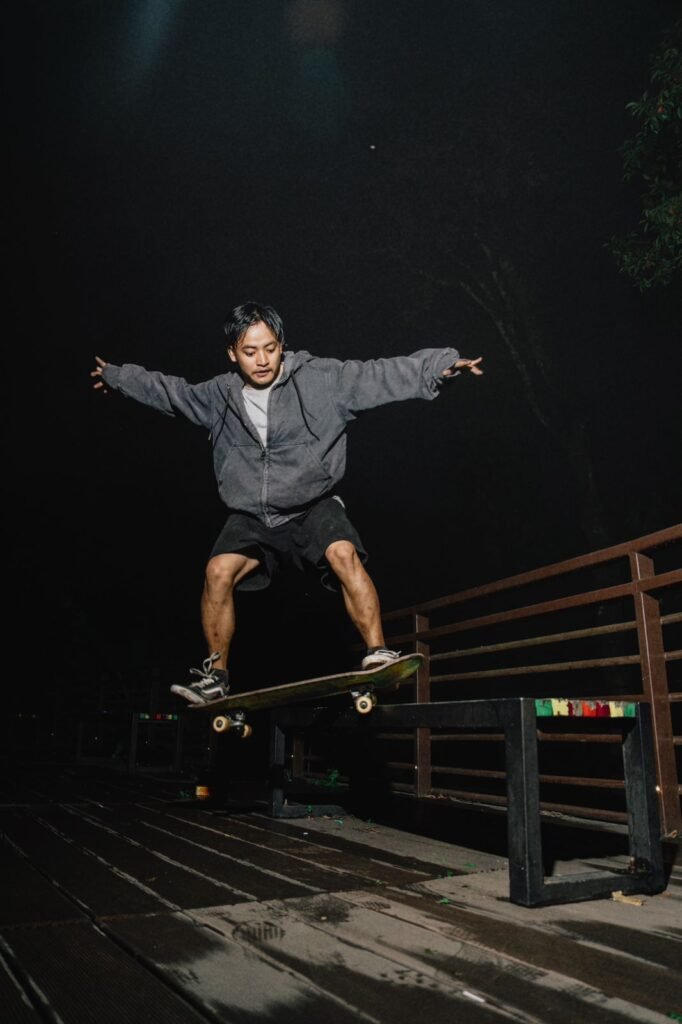
That trajectory did not happen automatically. It happened because someone decided to document it, teach it, compete within it, and care about it enough to invest in it long before the returns were obvious.
Ashish Rai knows what he started with: a mountain road, a few friends, and no certainty that any of it would become something larger. He also knows what he is leaving behind. Not just the runs he has completed or the competitions he has entered, but a community that is real, a culture that has roots, and a generation of skateboarders who will grow up knowing that the mountains they ride have already been claimed by someone who looked a great deal like them.
That, more than any result, is the legacy worth building toward.
Follow Ashish Rai on Instagram

Oeshi B Lyndem is a visual artist, tattoo artist, graphic designer, and entrepreneur with a foundation in graffiti and street culture. Rooted in hands-on craft and making, her practice moves fluidly across illustration, street art, design, and experimental creative processes. With lineage from Shillong—often regarded as India’s rock capital—she carries a distinct cultural influence into her work. At Goofy Owl, she curates and leads the street and hip-hop culture segment through an intuitive, deeply creative, and entrepreneurial lens.