Somewhere in Shillong, there is a pile of things nobody wants. Broken plastic. Old piping. Thermocol that once protected a television on its trip home. To most people it is clutter, something to bag up and forget. To Joshua Rayner, it looks a lot like raw material.
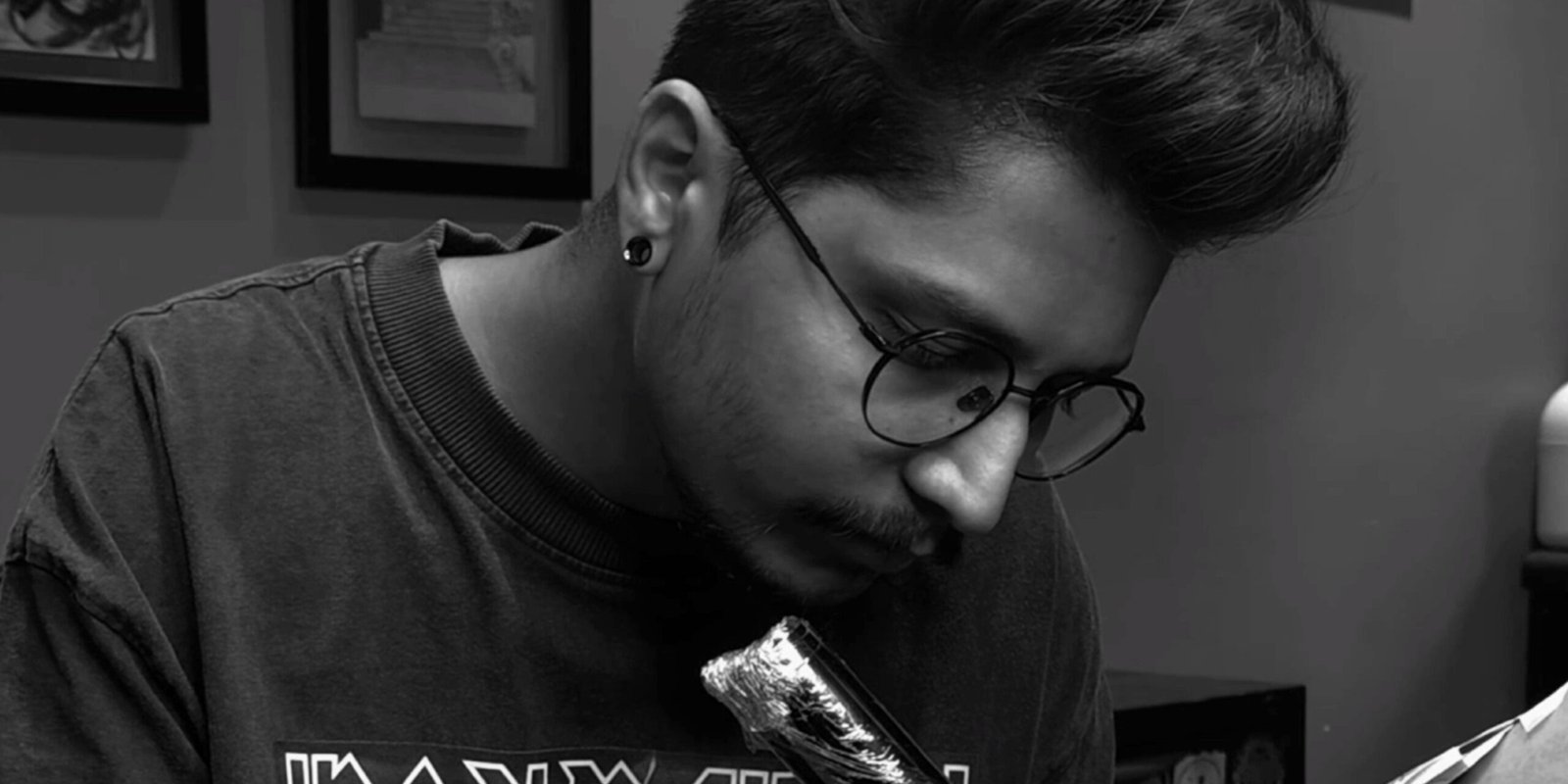
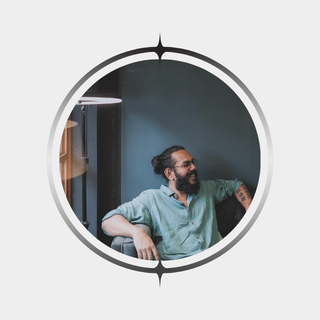
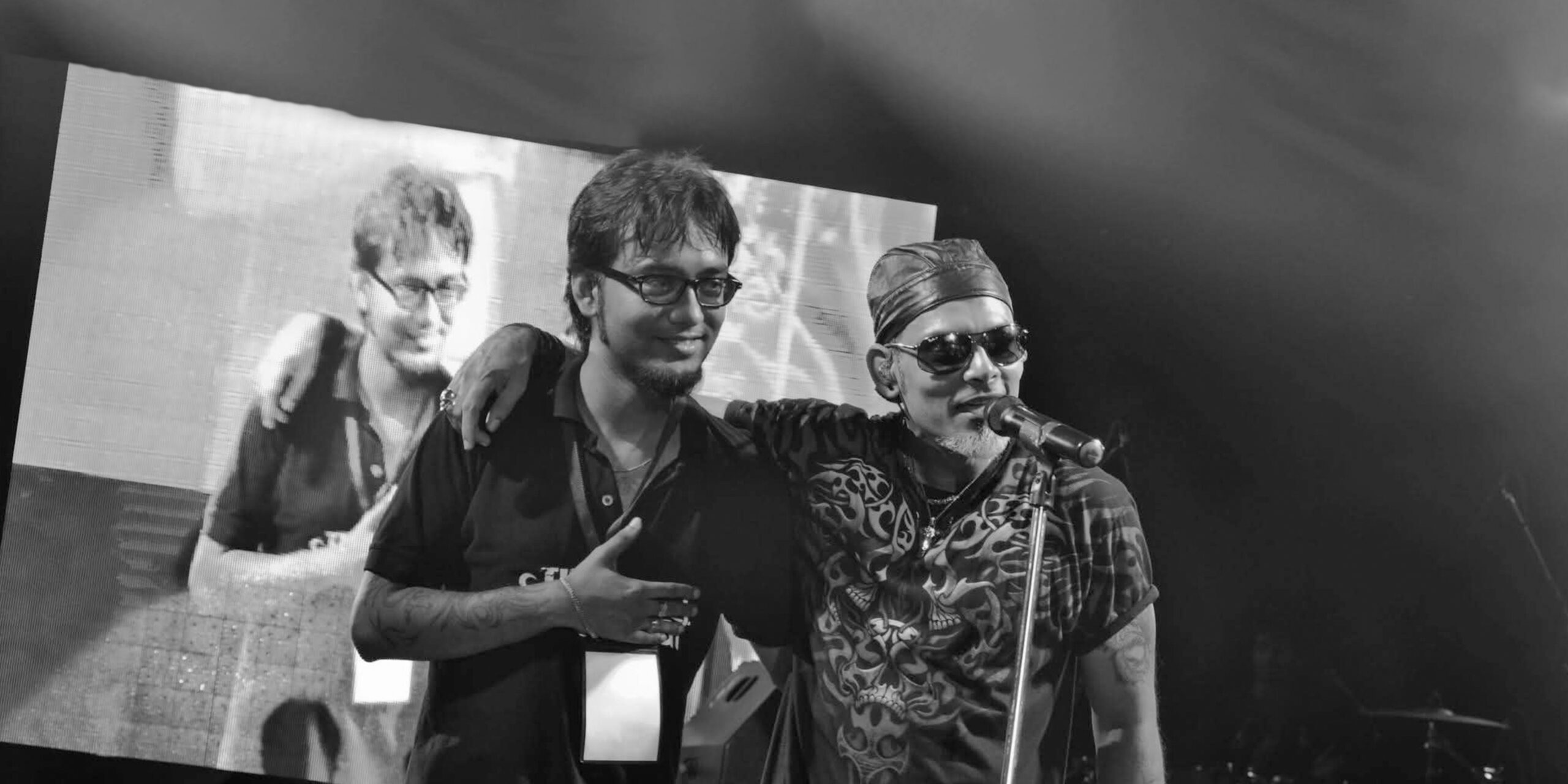
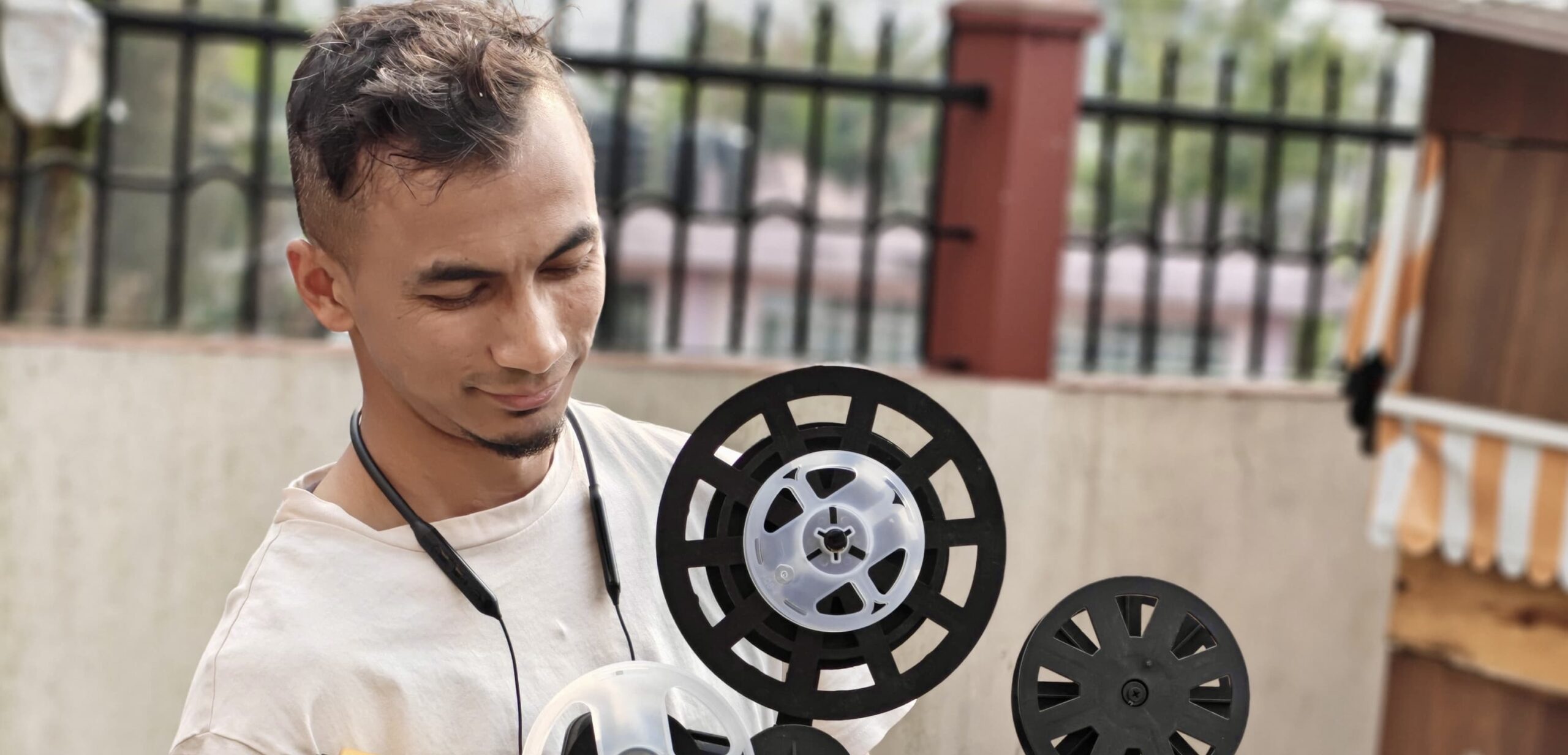
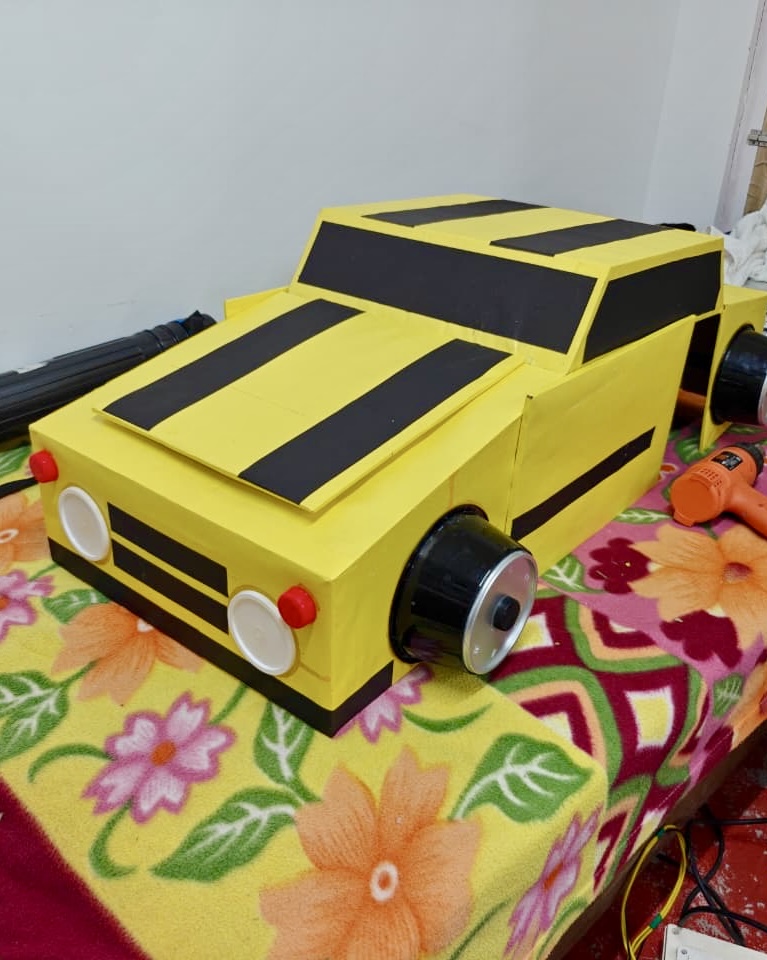
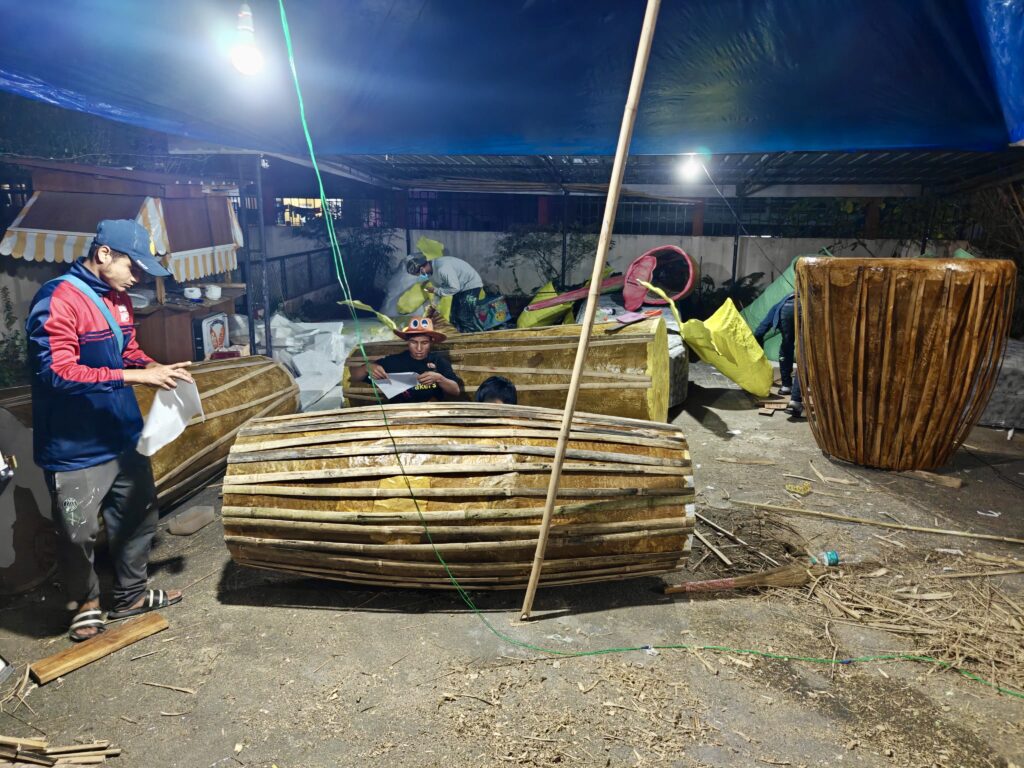
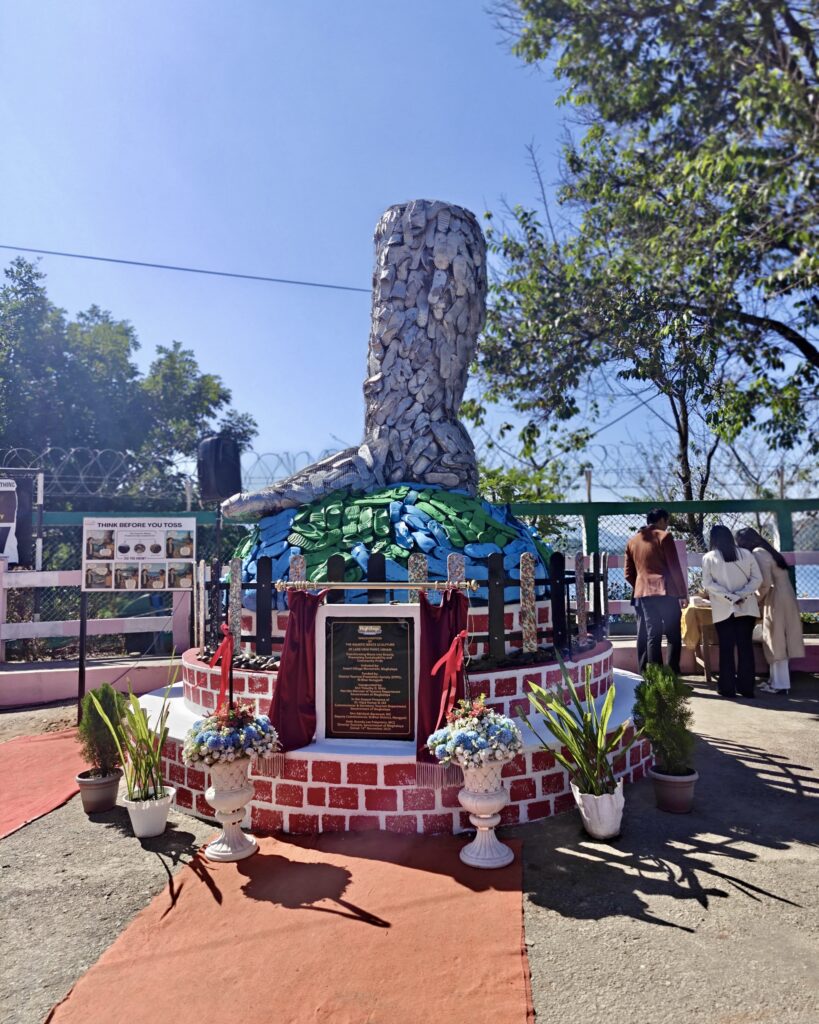
Joshua is a craftsman. He builds mascots, props, installations, and woodwork for clients ranging from private customers to government bodies. If you have attended an event in Shillong in recent years, there is a decent chance you have walked past something he made without knowing his name. That is the strange fate of the commissioned artist. The work is everywhere, and the person behind it often stays invisible.
He is honest about that part of his life. He is just as honest about the much bigger thing waiting behind it.
“Most of the time, since I take up commissions and projects from various clients including private and government based bodies. The first assumption would be that I am an artist for hire, which is what I essentially am when it comes to the need to make a proper living using my craft.”
There is no shame in that sentence and no apology either. Rent is real. Skills have to pay for themselves. But the next part of his answer is where the real Joshua shows up.
An Entire Universe Waiting to Be Unlocked
Plenty of creative people know this split. There is the work you do for others, and then there is the work that lives in your head, the stuff you think about while you are doing everything else. For Joshua, that second category is not a few side projects. It is a whole world.
“However, I would also like to say that I of course have greater plans and a vision of showcasing what I am truly capable of. The original and dare I say, incredible ideas that swirl around in my brain.”
“Dare I say, incredible.” It is a lovely little moment of confidence, slightly shy and completely sincere. He knows what he has in him. He just has not had the room to let it all out yet.
“I am beyond the things that I make for others. In fact, there is an entire universe waiting for me to unlock.”

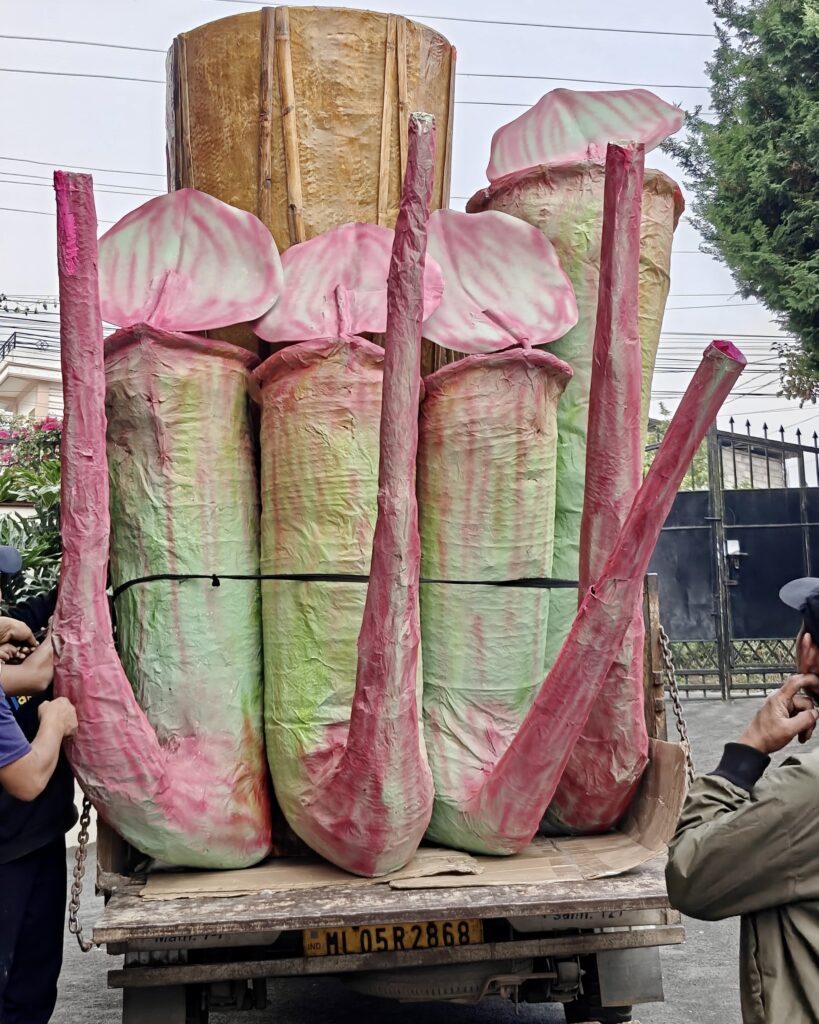
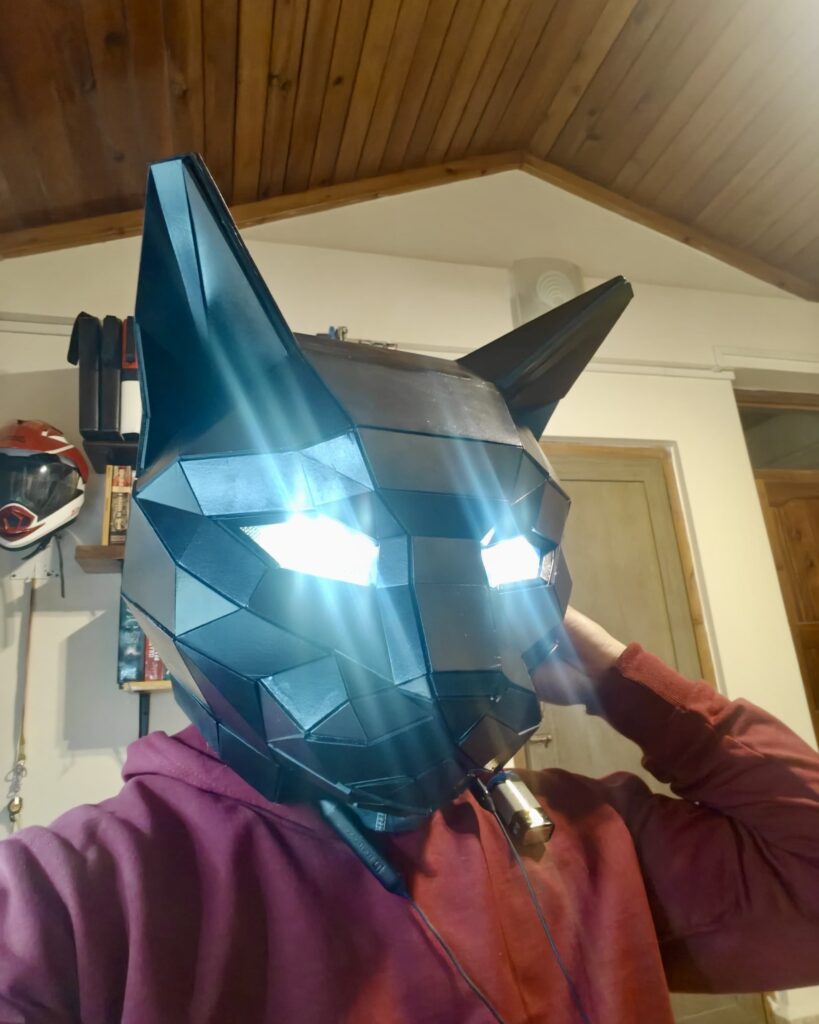
What makes that universe interesting is where he plans to get the materials to build it. Shillong, like so many growing cities, has a waste problem. Joshua does not look away from it. He looks straight at it and sees possibility.
“One point I’d like to highlight is that our city is also packed with garbage and discarded items. Toxic or otherwise.”
“And since I am also heavy into upcycle art. I long for the day that I would be able to have a proper space of my own to build and show case the potential upcyled art projects that I’m just itching to work on. Dragons, creative murals, Starships, giants, mecha etc you name it.”
Dragons. Starships. Giants. Mecha. Read that list again and picture it built from the things a city throws away. A dragon with scales cut from discarded plastic. A mech suit welded together from old pipes. It is a vision that is half environmental statement, half childhood dream, and all ambition.
“I’d build it all.”
Four words. No hedging. If you have ever had a dream that felt too big for the space you currently live in, you will understand exactly how much weight those four words carry.
The Kid Who Took Everything Apart
Most makers can point to the moment it started. For Joshua, it was less a moment and more a personality trait that showed up early and never left.
“Well, I suppose I’d always been somewhat of a tinkerer, even as a child. I loved making, disassembling and then putting things back together.”
Every family has one of these kids. The one who unscrews the remote control to see what is inside. The one who turns a cardboard box into a spaceship and a bottle cap into a steering wheel. Joshua was that kid, and the scrap heap at home was his first workshop.
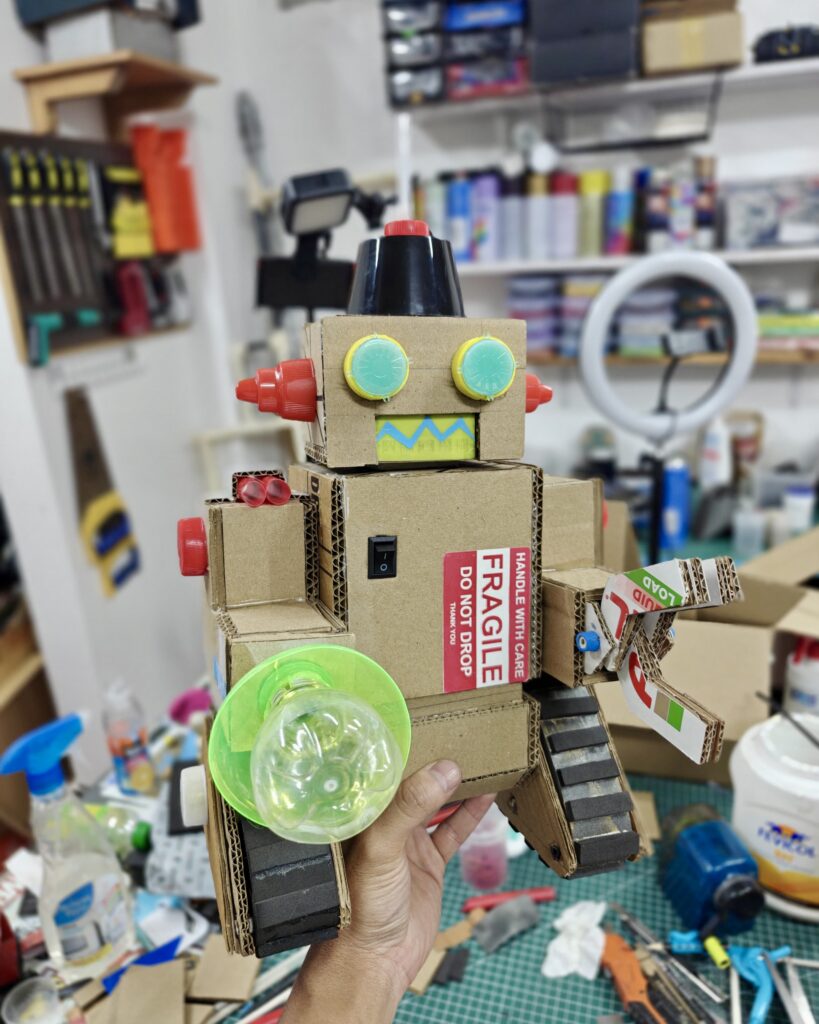
“I enjoyed looking at things like scraps at home (thermocol, piping, plastics etc) and trying to make something creative out of it. It did start from just mixing things in and making something interesting looking.”
Notice that the upcycling instinct was there from the very beginning. Long before it had a name, long before it was a cause, it was simply a boy looking at junk and wondering what it could become. The dragons he dreams about today are the grown-up version of that same curiosity.
Turning that curiosity into a living did not happen overnight. Nobody handed him a career. He built it the same way he builds everything, one piece at a time.
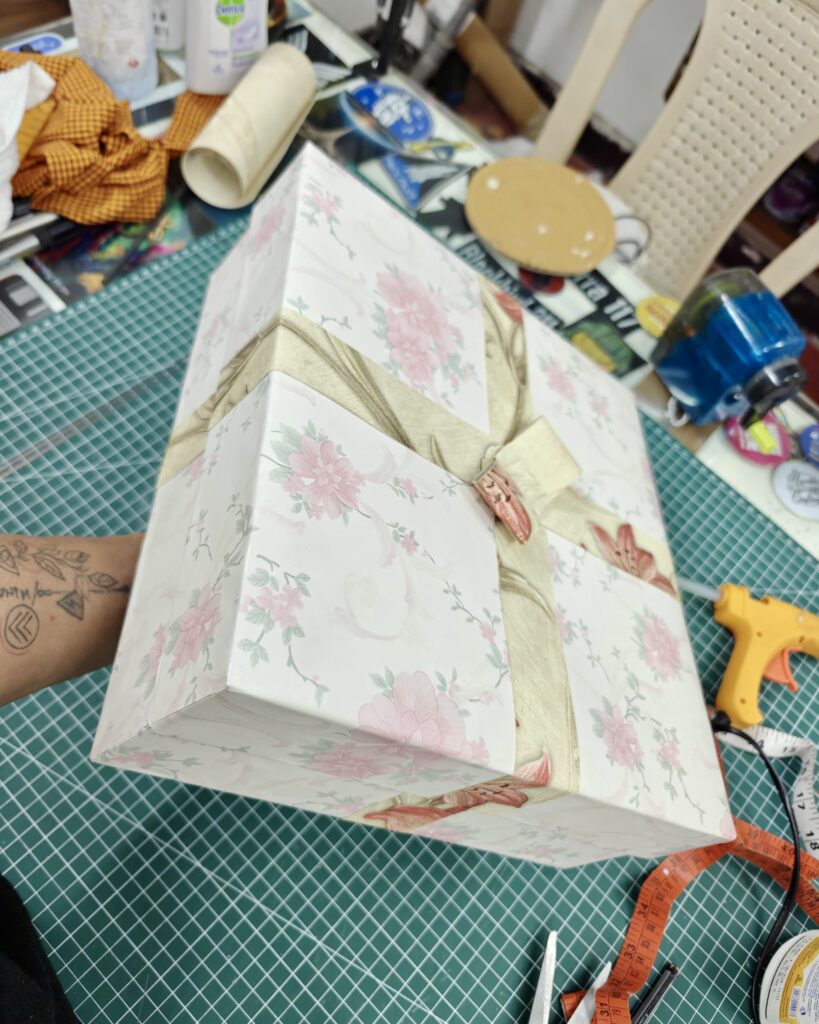
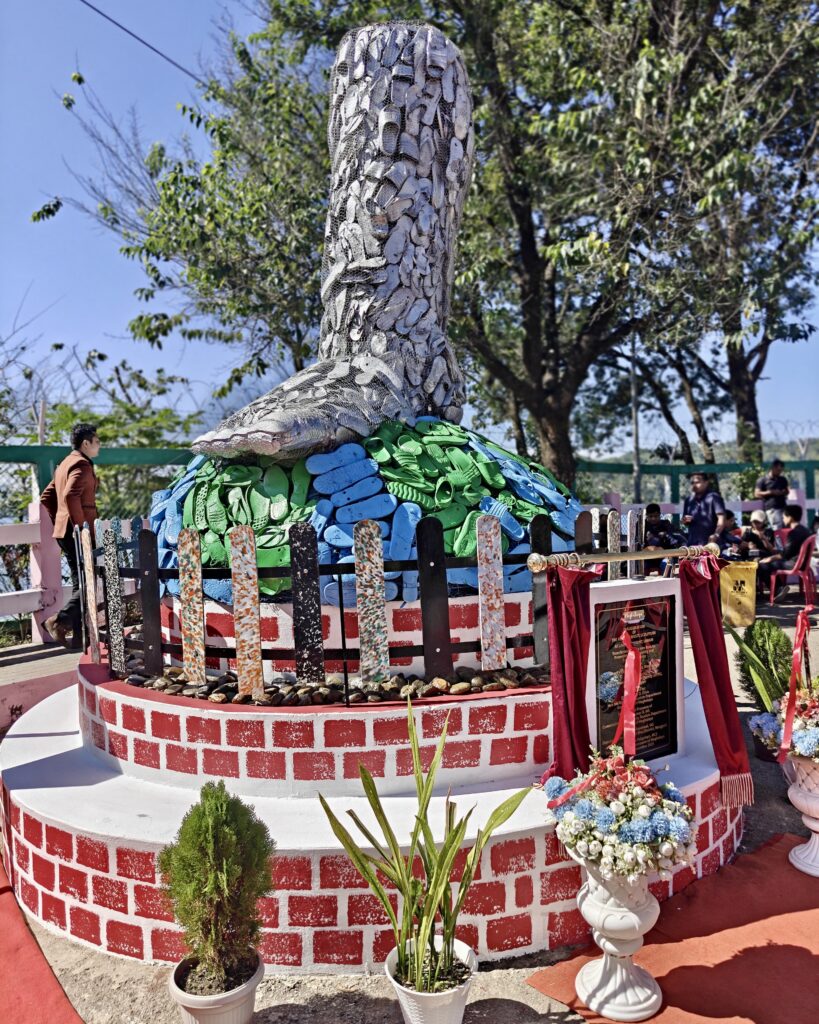
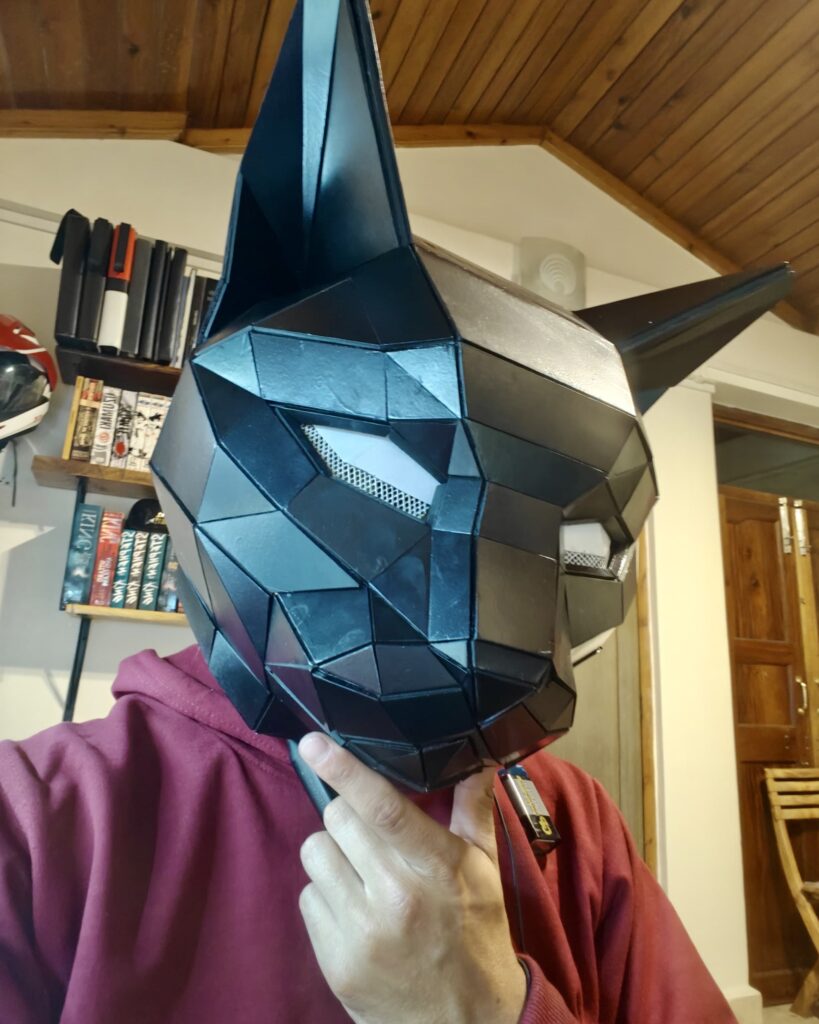
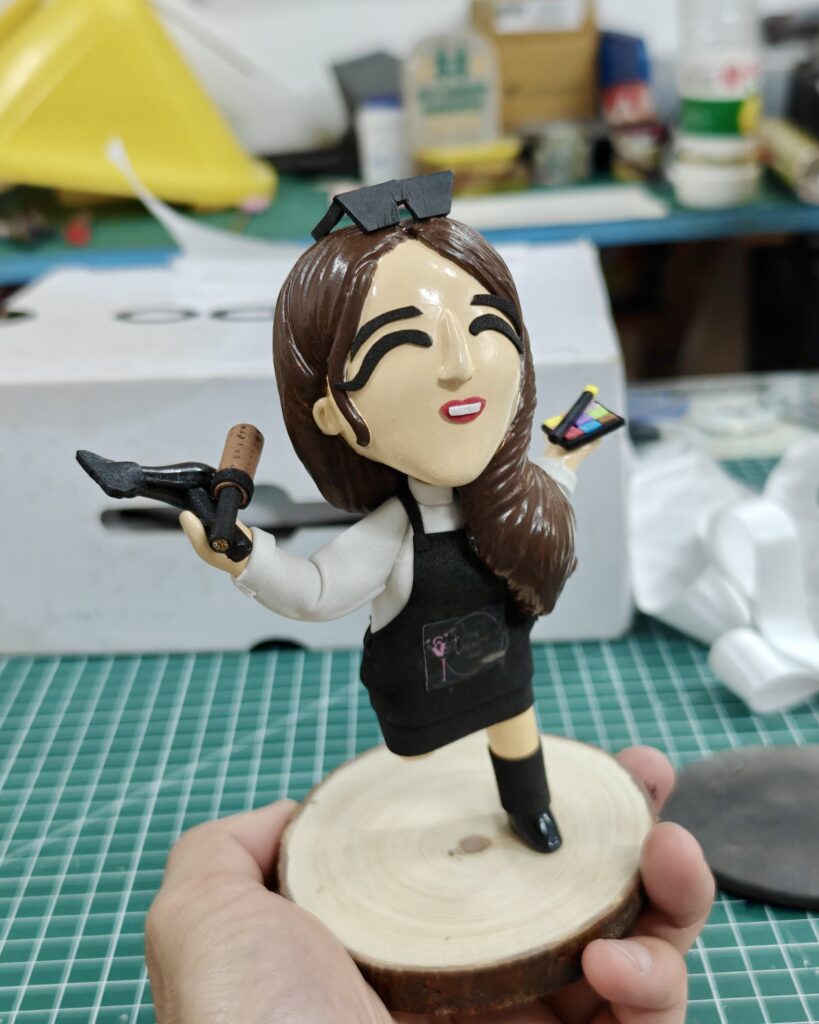
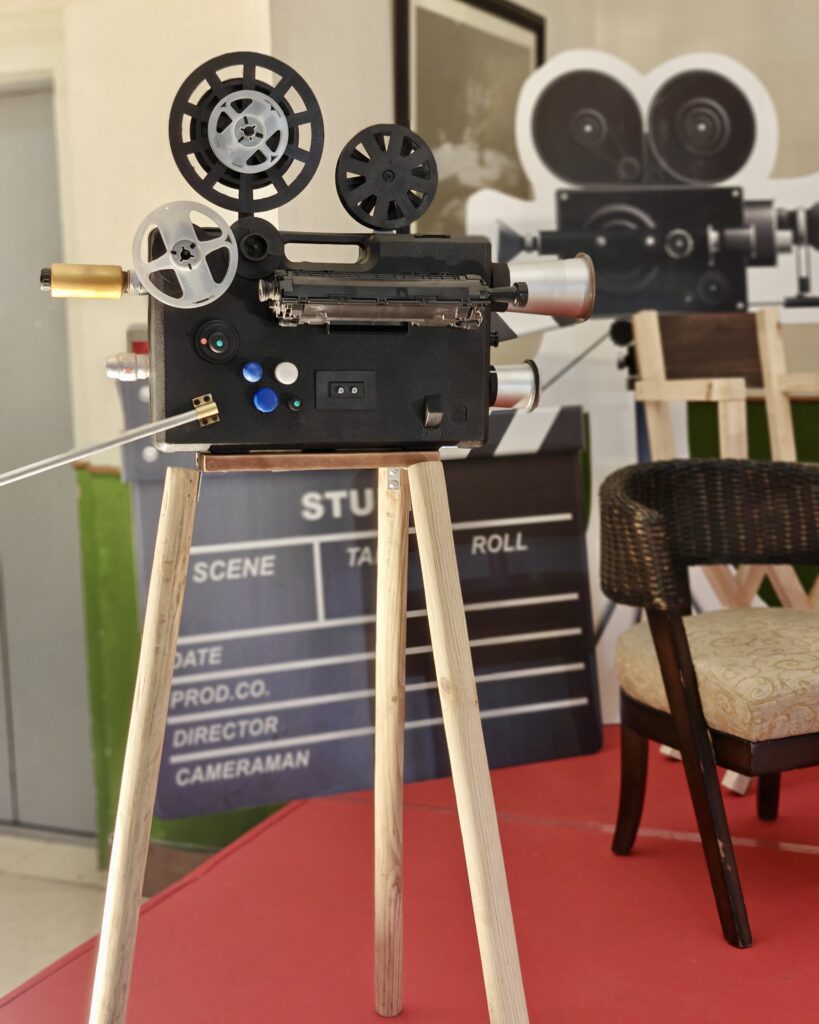
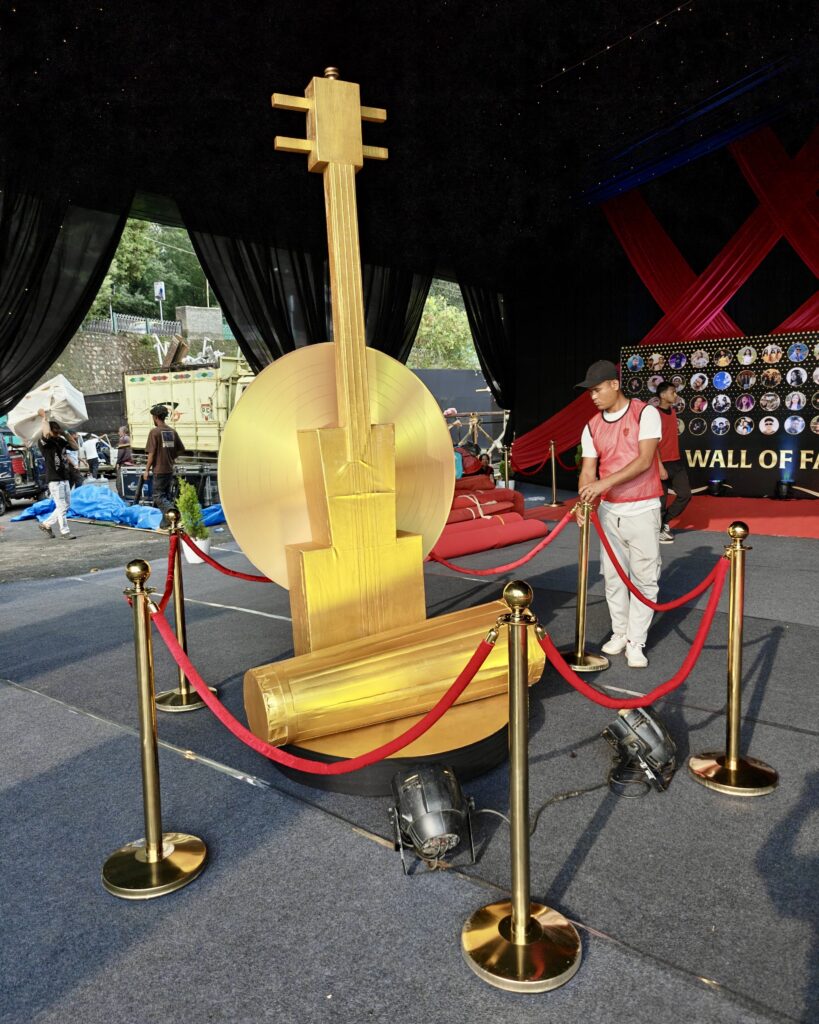
“And regarding the second part of the question. I think I gradually started realising that I had a knack for building things, whether small or big. But it was a gradual process, it snowballed from making moderate Arts and craft projects, i.e birthday props, cosplay costumes, fancy dresses etc. and then eventually I started working on more conceptual art installations, mascots and so on for different events around shillong.”
Birthday props to art installations. Fancy dress costumes to event mascots. That word “snowballed” is perfect. Small jobs led to bigger jobs. Each one taught him something that made the next one possible. There was no grand leap, just steady momentum.
“And I guess I’ve been here ever since. Still crafting. Still taking on various projects, each interesting and different in their own way. With a tinge of complexities that I’d need to over come.”
“Still crafting.” There is something quietly reassuring about that phrase. In a culture obsessed with overnight success and dramatic pivots, Joshua’s story is about simply continuing. Showing up. Doing the next thing.
Who’s in Charge of the Wood
There is a romantic idea about woodwork that floats around craft circles. The wood speaks to you. The grain tells you what it wants to become. You are simply there to listen.
Joshua does not really buy it, at least not when the project is his own.
“For Woodwork, if it’s something of a personal project then I feel it mostly depends on me and how I can utilise and shape the medium to create the end product. It’s really not so different from other material or mediums that I work with.”
It is a refreshingly practical answer. For him, wood is not a mystical partner. It is a medium, like plastic or foam or anything else on his workbench. The vision comes from the maker. The material is how the vision gets made real.
That does not mean he treats every plank the same. His respect for wood shows up in the details, in knowing what each type can handle and what it needs.
“But if you’re wondering about the types of wood that I’d work with well there are plenty types with different densities and different tools that I use for each.”
Different densities. Different tools. That is where the real knowledge lives. Not in poetic ideas about listening, but in the hard-won understanding of how a dense hardwood fights back against a blade that would glide through something softer. The intuition is real. It just sounds a lot more like experience than magic.
The Thing a Factory Can’t Copy
We live surrounded by things that were made by nobody in particular. Phone cases, furniture, decor, clothing, all of it rolling off production lines by the thousands. Most of it works fine. Very little of it means anything.
So why do people still seek out handmade work? Joshua answers by flipping the question around and imagining himself as the customer.
“If I were to place myself from the perspective of a customer approaching me for something they want made, then I suppose I would want them to surprise me with something unique to my craft and my art style.”
That is the key. You do not go to a craftsman for something you could buy anywhere. You go because you want their version of it. You want their hand in it, their choices, their style. You want to be surprised.
“Personally for me, it would feel more organic and rare to own something that was made by a particular artist. And that’s the novelty that no mass produced merchandise can recreate.”
Organic and rare. Those two words describe something a lot of us are quietly hungry for right now. In a world where everyone’s feed looks the same and every apartment seems to have the same lamp, owning something made by one specific person, for you, carries a kind of meaning that no algorithm can manufacture. It connects you to a real human being and their real story.
Every Project Is a New Puzzle
Ask Joshua whether a particular project changed the way he works, and he does not pick one. He picks all of them.
“Yes of course, there have been plenty actually. In fact, I believe that each project I take, whether big or small has given me a new experience that is gained. A new work around, a new tactic, a new skill.”
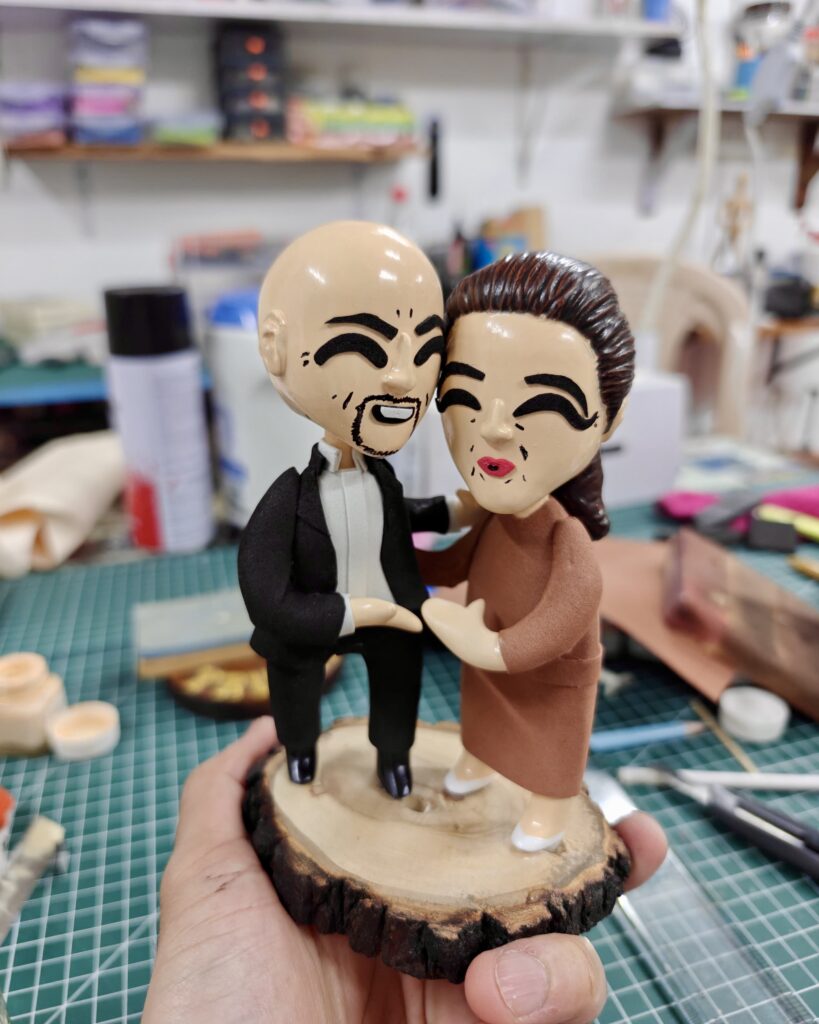
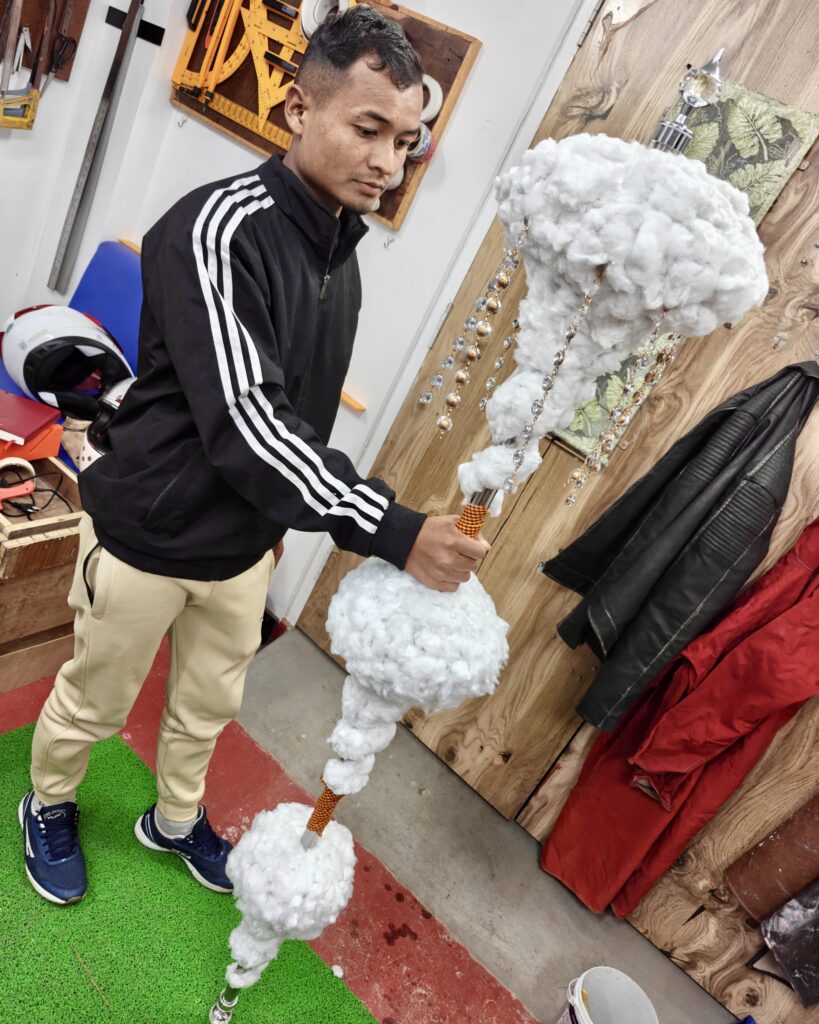
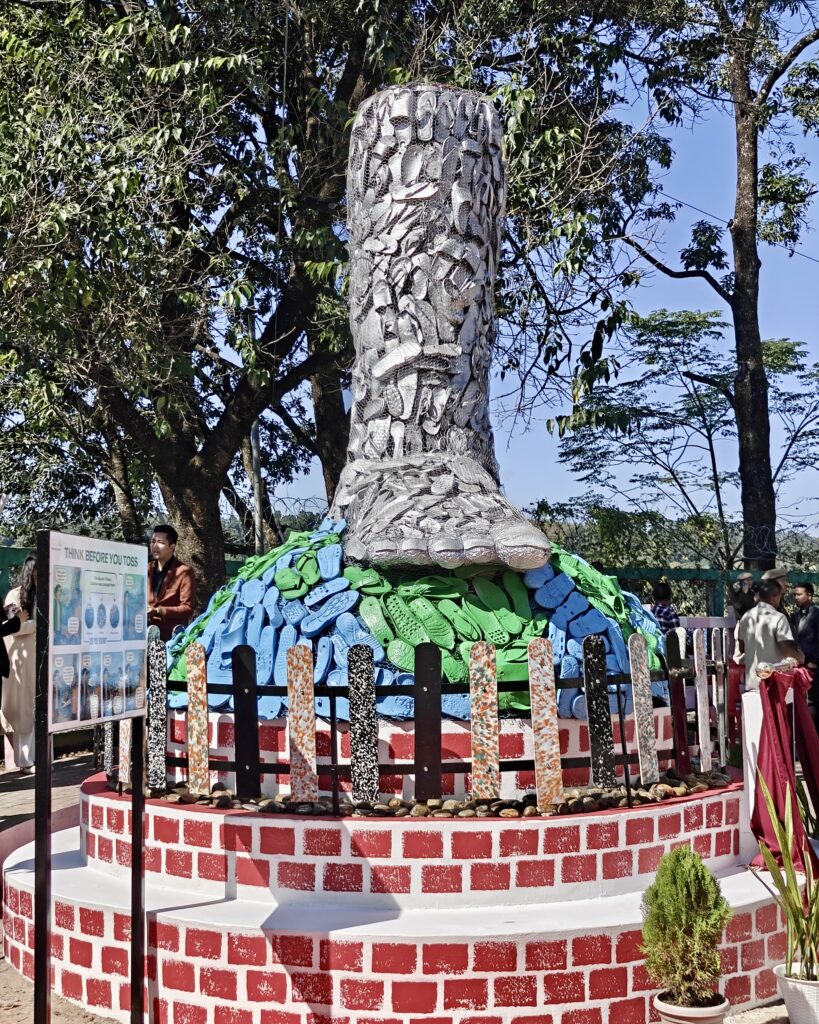
A new workaround. A new tactic. A new skill. That is the life of a self-made craftsman. There is no textbook for building a mascot for a local festival or a prop for a client with a very specific idea in their head. You learn by solving the problem in front of you, and then you carry that solution into the next one.
He credits his growth not to talent alone but to a willingness to get things wrong.
“But I feel I am as experienced as I am only because I am open to experimentation and facing trials and errors. It is daunting at the beginning of every new project because I feel there is always something tricky that will arise. But that is what makes it worth while and fun.”
“Daunting” is an honest word to use. Even after years of building, every new project still starts with a little bit of fear. Something will go wrong. Some part will not fit. Some material will behave in a way he did not expect. He knows this going in, and he goes in anyway, because the fear is part of the fun.
And then comes the payoff.
“I love the gratification I get about overcoming these hurdles. And in the end, I have gained more knowledge and understanding of how to deal with future projects of the same or similar sort.”
Anyone who has ever fixed something that seemed impossible knows that feeling. The rush of figuring it out. The quiet pride. For Joshua, that feeling is not a rare reward. It is the engine that keeps the whole practice running.
Sons of the Hills
Step away from the workbench and there is another side of Joshua’s life, one with engines, open roads, and a group of people he calls family.
“Sons of The Hills or SOTH as we call it in short, is a different topic from what I do professionally.”
He is careful to keep the two worlds separate. Craft is work. Riding is something else.
“That is the name of the re motorcycle club/association that I belong to. And it mostly falls on the leisure aspect of my life. However, I also take it just as seriously.”
Leisure, taken seriously. It is a nice way to describe something you love without needing it to be productive. Not everything has to be a side hustle. Some things are just yours.
“Firstly, I should say that I am also a motorcyclist, and I do enjoy going on rides here and there, whether it’s just offroading around the outskirts of our state or touring beyond it, I try to take part in club activities and rides whenever I can take time off from the daily grind and household responsibilities.”
That last bit is worth noticing. The daily grind. Household responsibilities. Joshua is not a rider with endless free time. He carves out the rides when he can, the way so many of us steal moments for the things that keep us sane. Anyone juggling bills, family, and work while trying to hold onto something that feels like freedom will recognize that balancing act.
What the road gives back is bigger than the miles.
“I should say that I love being a part of this motorcycling community. Motorcycling has given me a more broader view of the world around me. Meeting different people from several walks of life.”
A broader view of the world. Riding does that. It pulls you out of your usual circles and drops you into conversations at roadside stops and campfires with people you would never otherwise meet. For Joshua, the deepest of those connections have come from closer to home.
“Especially those from fellow north eastern states. We share a more intimate understanding of each other. They’re incredible and extremely generous from the get go. And some of them I would come to identify as my fellow brothers and sisters.”
There is something tender about that answer. The Northeast is often overlooked in the wider Indian conversation, and the people who live there share experiences that outsiders rarely understand. On the road, that shared understanding becomes something more. Strangers turn generous from the first meeting. Fellow riders become brothers and sisters. Community, in this sense, is not a buzzword. It is the person who shares their food with you after a long day of riding through the hills.
Where the Craftsman Was Born
Cosplay is part of how people often describe Joshua, and he is quick to set the record straight.
“I will need to amend that first part of the question here. I used to be heavily active in the cosplay scene and community whennit was still in its infancy many years back. And that was before I officially identified myself as an specialised artisan today.”
That correction matters to him, and it is worth respecting. Cosplay was a chapter, not the whole book. Still, he is generous enough to look back on it.
“However, I will talk briefly about my experience from that time.”
“So again, I should say that I started with making cosplay costumes during my younger years. But it was only just a personal hobby of mine. I was much of nerd then and being a student, I still seemed to have had more leisure time on my hands.”
“I was much of nerd then.” It is a gentle, self-aware line, and there is real warmth in it. The student with time on his hands, building costumes for characters he loved, had no idea he was laying the foundation for a career. That is often how it goes. The hobbies we pursue purely for joy end up quietly teaching us who we are.
Joshua is clear about how much that hobby gave him.
“But I will give credit where credit is due, and it was because of my initial love for cosplaying that I was able to hone the crafting skills that I possess at present.”
“And although I’d already had developed a shining to getting creative when it came to making things, I do believe however that my interest in cosplay laid the foundational groundwork for evolving into the craftsman that I now am.”
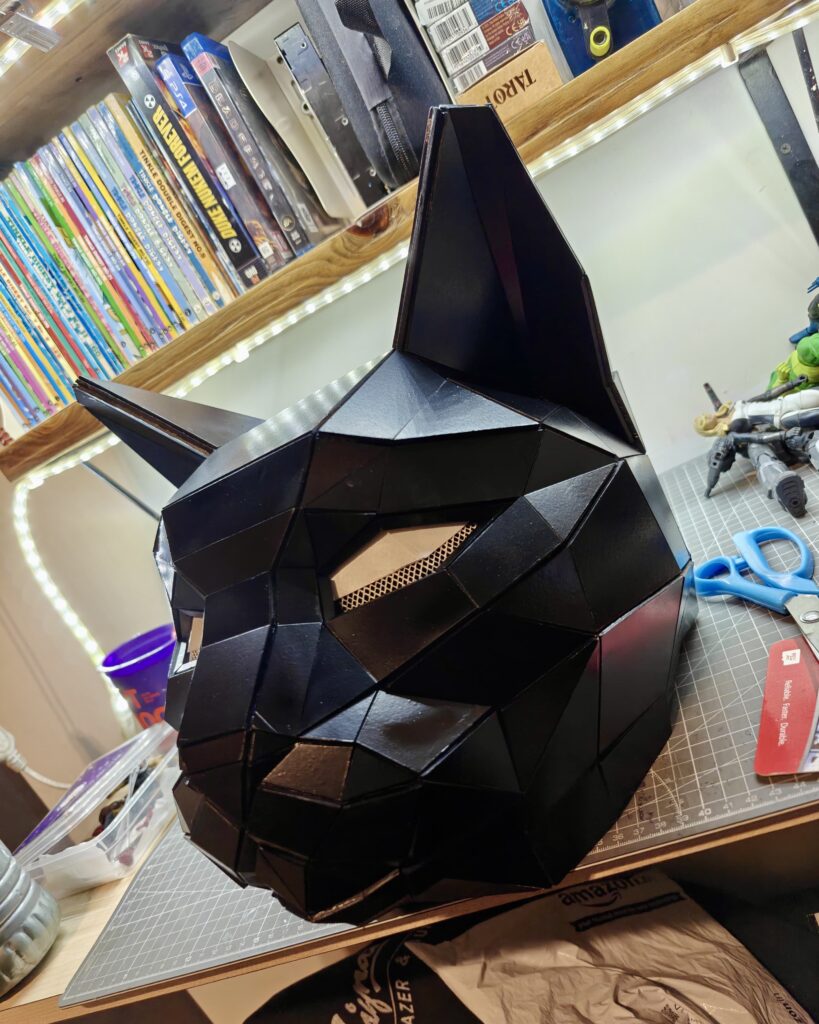
Foundational groundwork. Costumes taught him how to shape foam, how to make something wearable, how to turn a picture on a screen into an object in the real world. Every mascot and installation he builds today carries a little of that early education.
So why step away? His answer is simple, and it speaks to anyone who has ever outgrown a label.
“And if you’re wondering why I left it. Well my reasoning is rather simple. It was because I honestly wanted to be recognised as an Artist/Artisan. And I wanted to do more than just build costumes. I wanted to build several different things and touch on every artform that my skills would allow me.”
He did not leave because he stopped loving it. He left because he wanted more. He wanted to be seen fully, not as the guy who makes costumes, but as an artist with a much wider reach. Choosing to step out of a box you once loved is one of the bravest moves a creative person can make. It means trusting that there is something bigger on the other side.
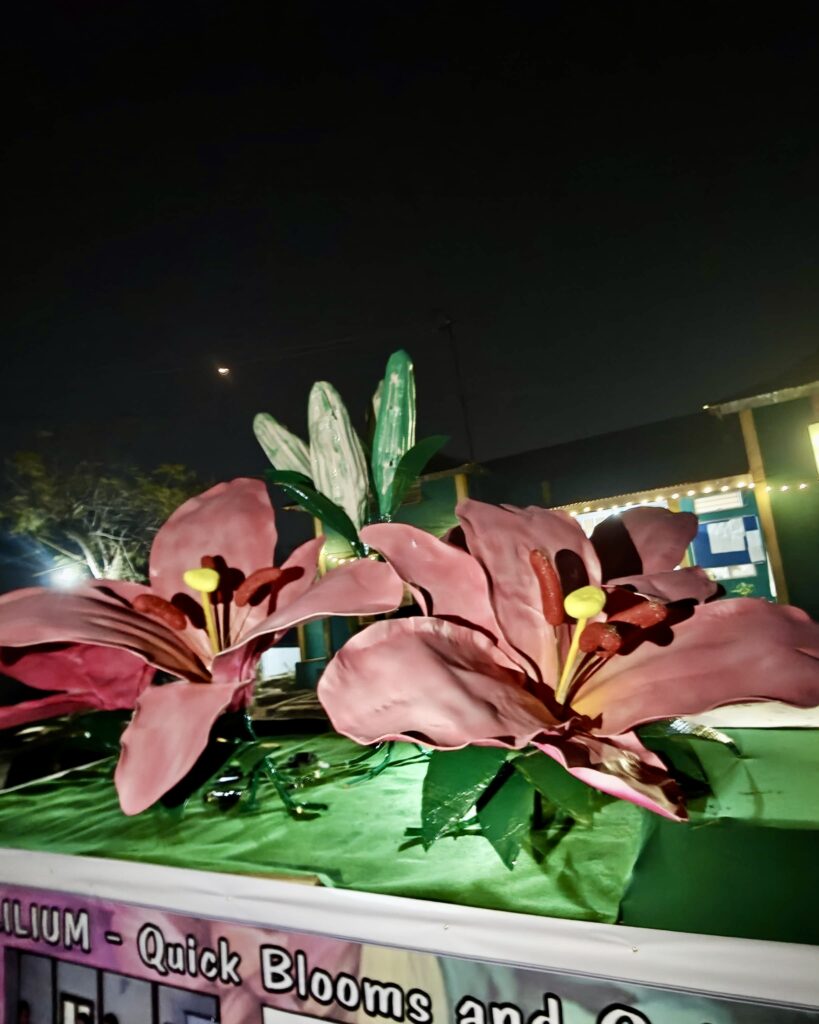
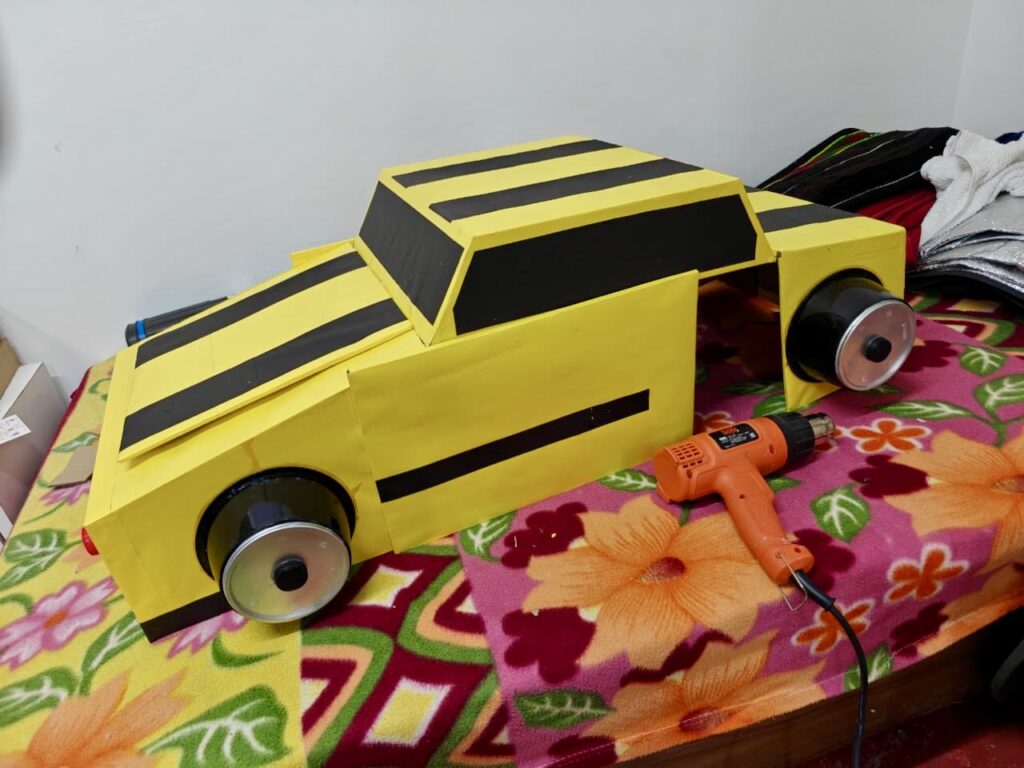
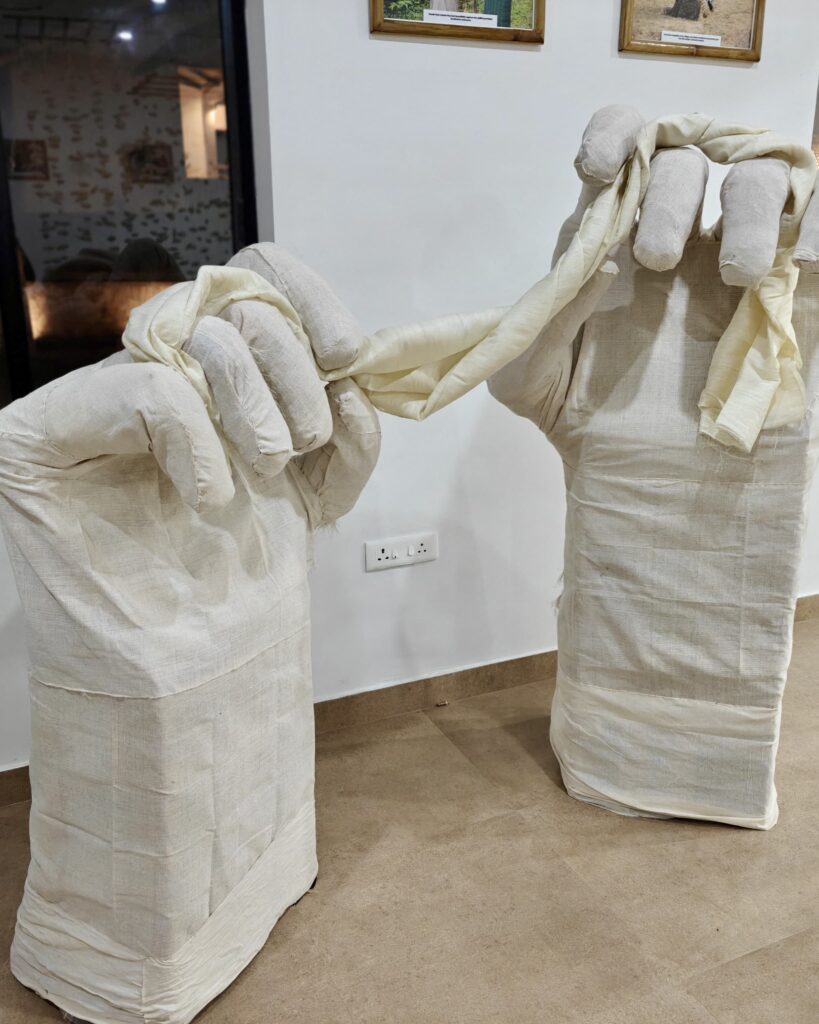

“And I am quite glad to say that I am doing just that or close to it.”
“Or close to it.” Even in a moment of pride, he stays honest. He is not finished growing. He is just glad to be on the way.
Nothing Is Ever Truly Finished
Spend long enough making things with your hands and you learn a few lessons that apply far beyond the workshop. Joshua’s begin with patience, which for him is not a choice so much as a requirement.
“When it comes to patience, I feel it is a virtue that you will naturally follow as it would be unwise and unsafe to try to speedwalk through it. I wouldn’t be able to even if i wanted to try.”
Unwise and unsafe. When you work with blades, heat, and heavy materials, rushing is not just bad for the art. It is bad for your fingers. Patience is built into the craft whether you like it or not.
“When I’m working on something. I make sure to pay attention to every little detail in order to not make too many errors. Now there is no such thing as true perfection, but we do endeavour to come close to it. Therefore alot of patience is required for this.”
He chases perfection while admitting it does not exist. That tension sits at the heart of almost every creative practice. You try to get as close as you can, knowing you never fully will. And then Joshua turns the whole idea on its head.
“I, on the other hand believe that perfection is subjective because perhaps it may be in the flaws and imperfections that true perfection lies.”
It is a beautiful thought, and a freeing one. Especially in a world of filtered photos and polished feeds, where everything is edited until the human traces disappear. The small wobble in a carved line. The slight asymmetry in a handmade piece. Those are the marks that prove a person was there. Maybe that is where the real beauty lives.
Then there is the question every maker struggles with. When is something done?
“And in regards to completion of a piece. I honestly feel that nothing is truly completed. Because there will always be room for addition or remodification. It’s unending really.”
“We stop and conclude the completion of the project only because we need to otherwise, I’ll always feel like I have more to add haha.”
That “haha” might be the most relatable moment in the whole conversation. Every artist, writer, and maker knows this feeling. The piece is never really done. You just reach a point where the deadline arrives or the client needs it or you have to let it go. If it were up to you, you would keep adding forever.
Still Building
Go back to that pile of scraps somewhere in Shillong. The thermocol, the piping, the plastic nobody wants.
A boy once looked at junk like that and saw something interesting. He took things apart and put them back together. He built costumes as a student with time on his hands. He built birthday props, then mascots, then installations. He learned every new trick by trying, failing, and figuring it out. He found a family on the road among riders from across the Northeast. He stepped out of a scene he loved because he wanted to be seen as something bigger.
Today he makes things for other people because that is how the bills get paid. But behind every commission, there is still that tinkerer, still looking at the city’s discarded things and imagining dragons, starships, giants, and mecha rising out of them. He just needs the space to build them.
Maybe that is the real lesson in Joshua’s work. Nothing is ever truly finished. Not a carving, not a costume, not a person. There is always room for addition. There is always more to unlock.
“I am beyond the things that I make for others. In fact, there is an entire universe waiting for me to unlock.”
The universe is waiting. Joshua is still building toward it.
Follow Joshua Rayner on Instagram
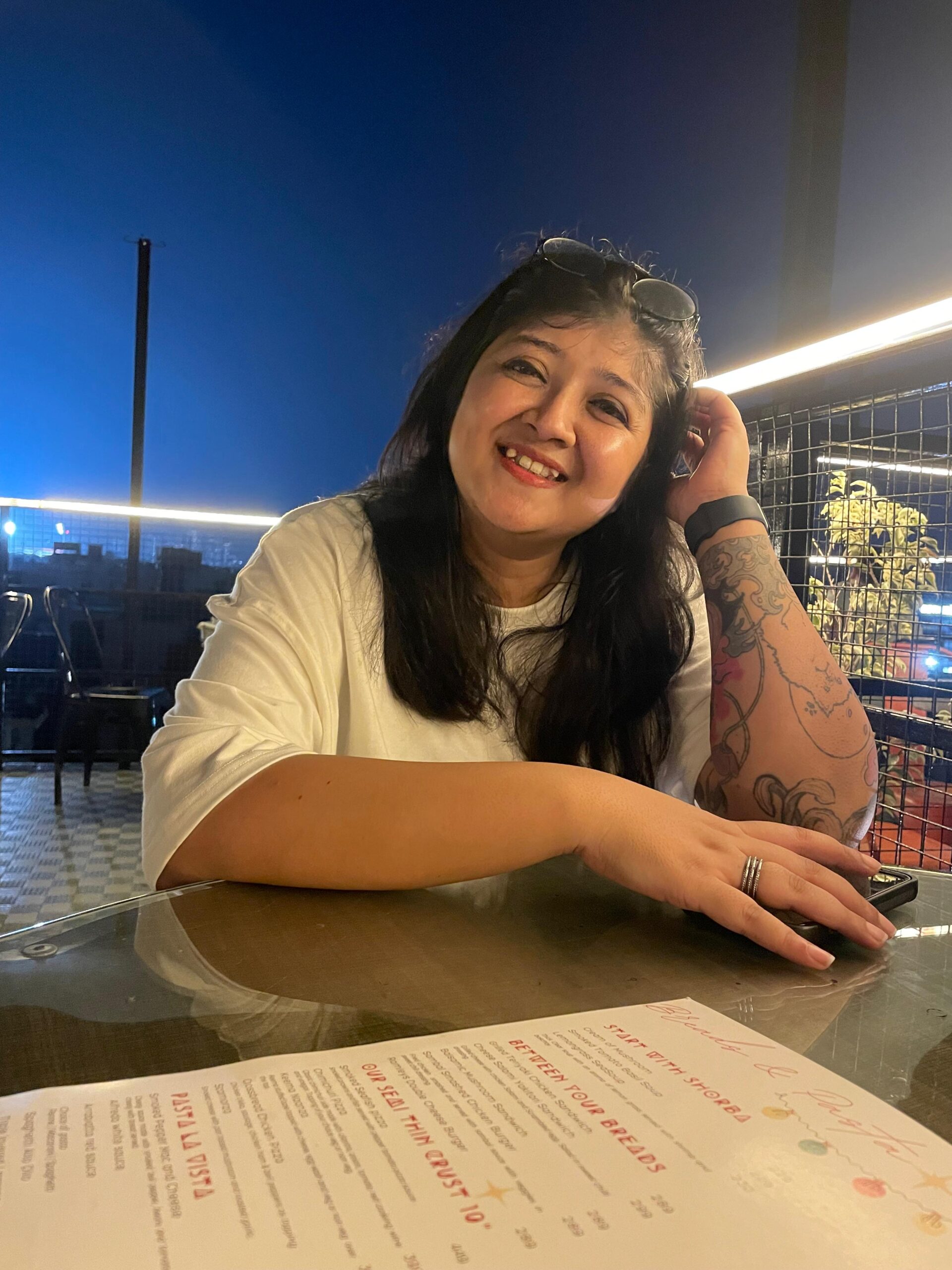
Oeshi B Lyndem is a visual artist, tattoo artist, graphic designer, and entrepreneur with a foundation in graffiti and street culture. Rooted in hands-on craft and making, her practice moves fluidly across illustration, street art, design, and experimental creative processes. With lineage from Shillong—often regarded as India’s rock capital—she carries a distinct cultural influence into her work. At Goofy Owl, she curates and leads the street and hip-hop culture segment through an intuitive, deeply creative, and entrepreneurial lens.