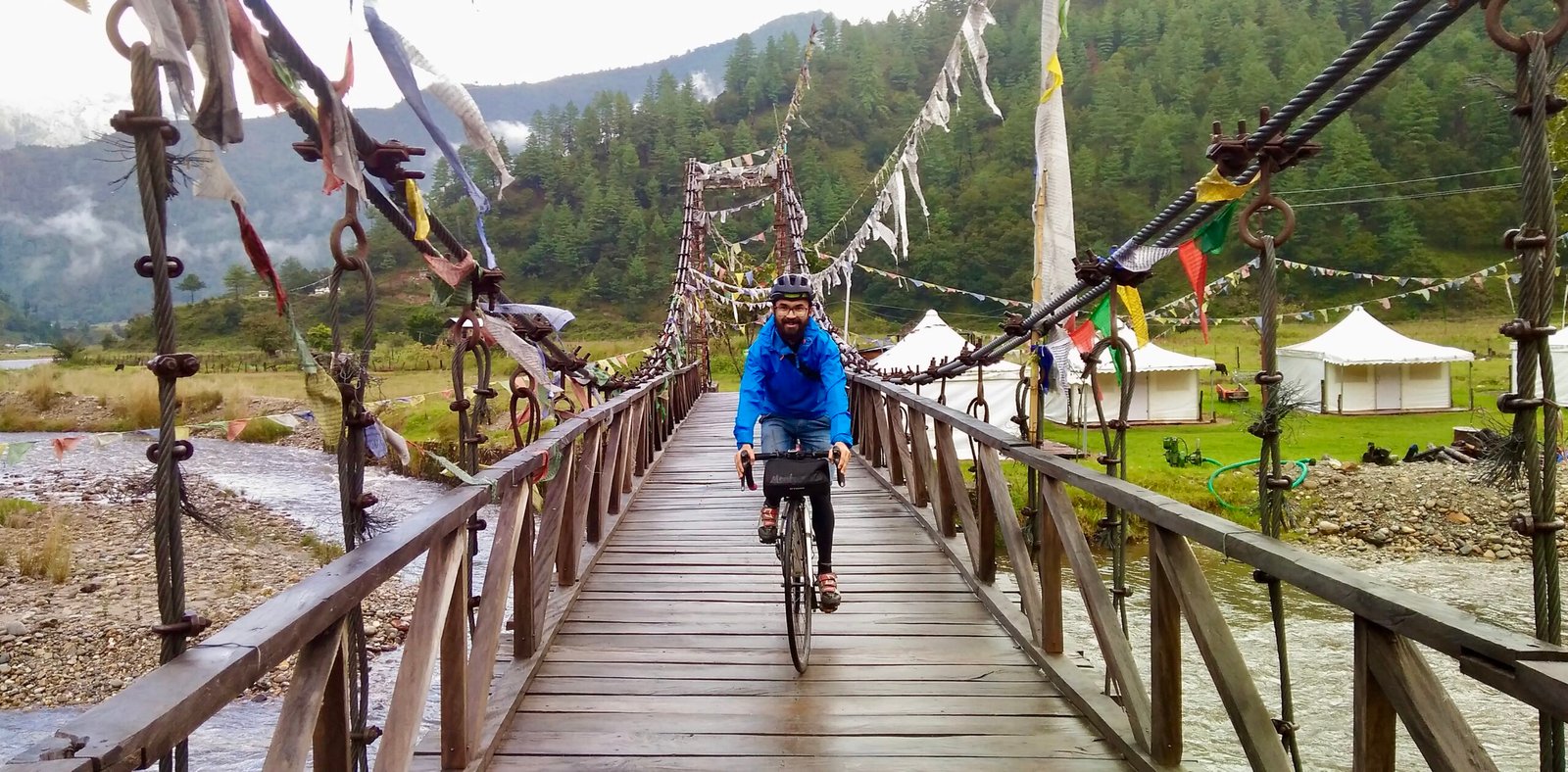
He didn’t start cycling because he loved it. He started because his hostel was far from his department and he was tired of walking six times a day. That was Delhi, 2005, beginning of his PhD, no plan, no romance about it. The passion arrived later, unannounced, and stuck around for eighteen years.
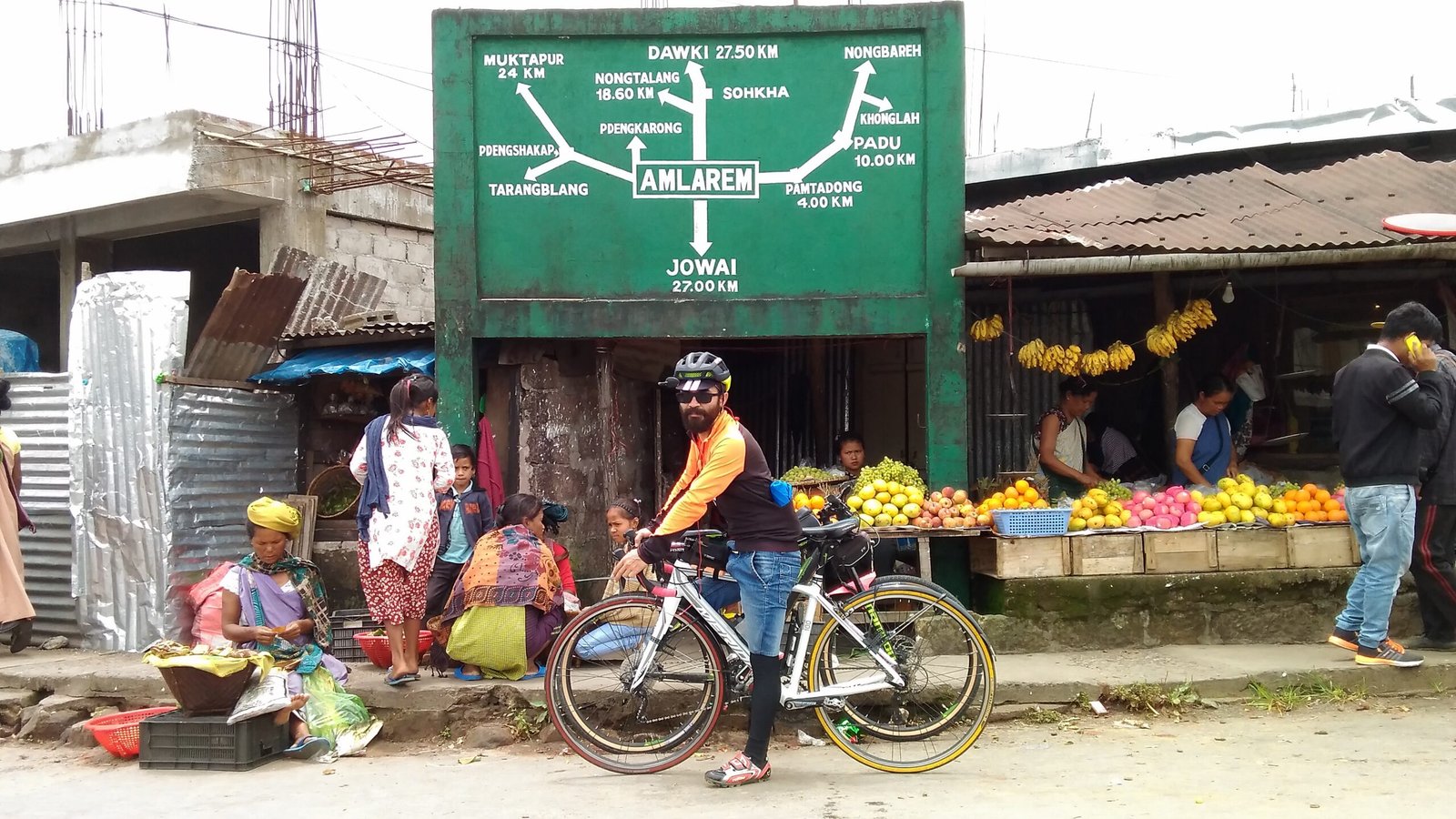
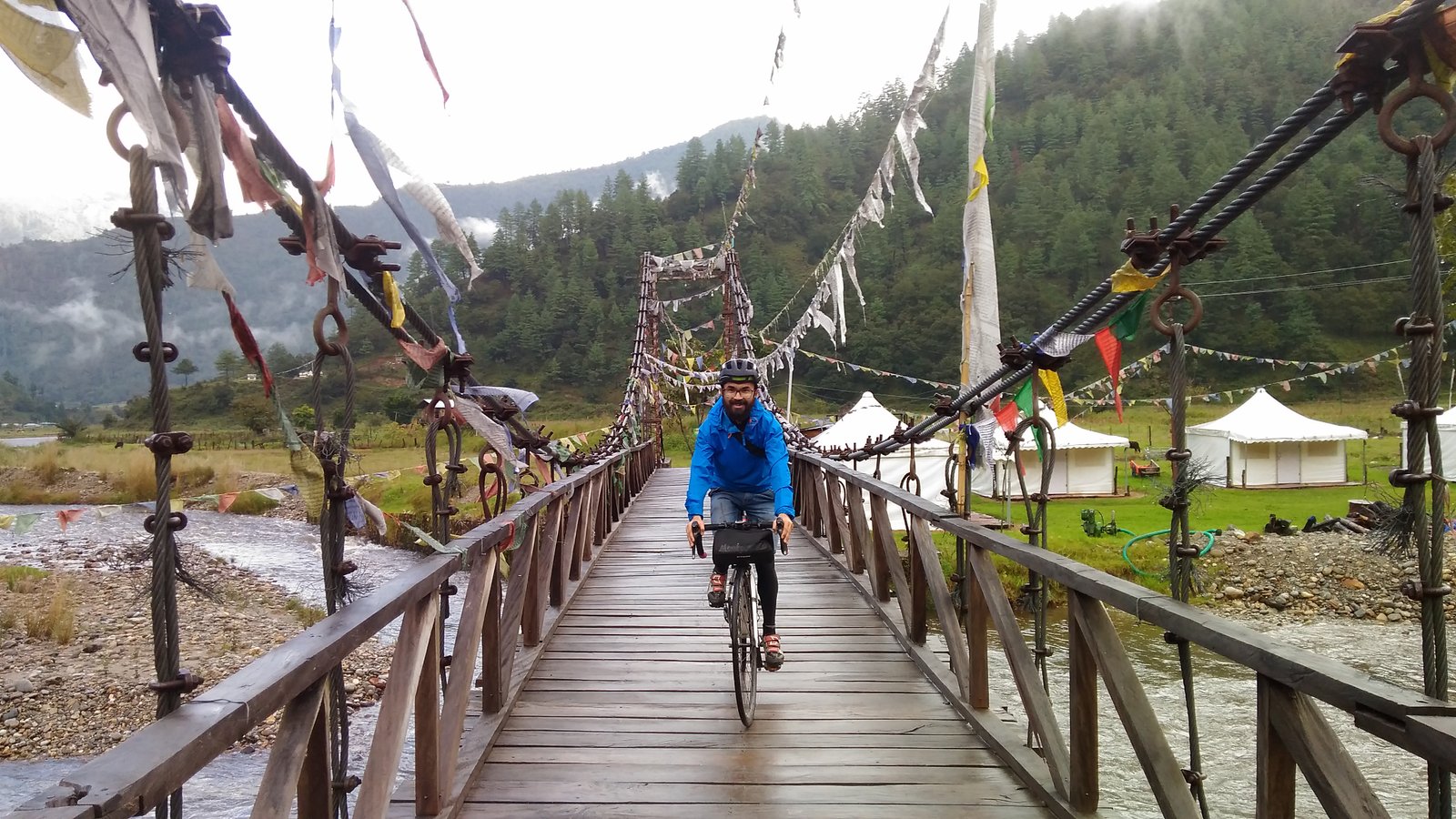
By the time it left, he’d ridden solo through Meghalaya, chased 8,000-metre cumulative elevation gains on a single-speed frame, and turned down a direct 10-kilometre commute in favour of a self-imposed 25–30 km detour, doing it every day, for no one but himself. He raced exactly twice. He hated it.
“I don’t find — it’s not for me to be defined by a set of rules. It’s not for me. I want freedom. I like freedom, so the freedom means the way I want it.”
That line is the whole piece, honestly. Everything else is just proof.
It Started With A Commute
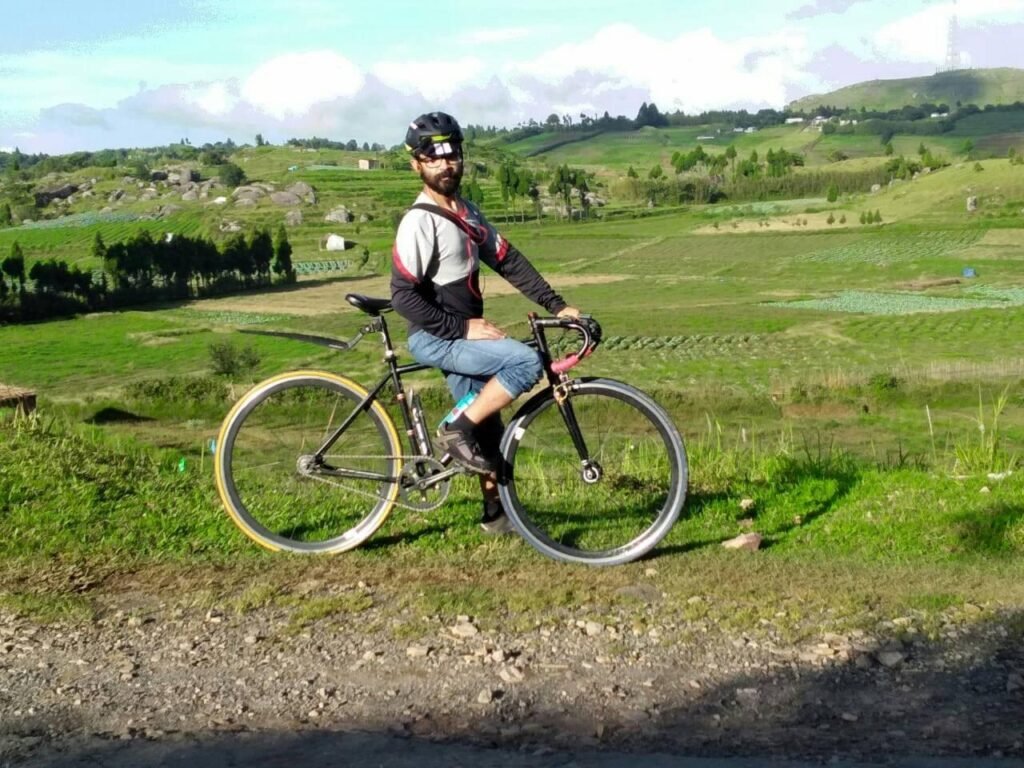
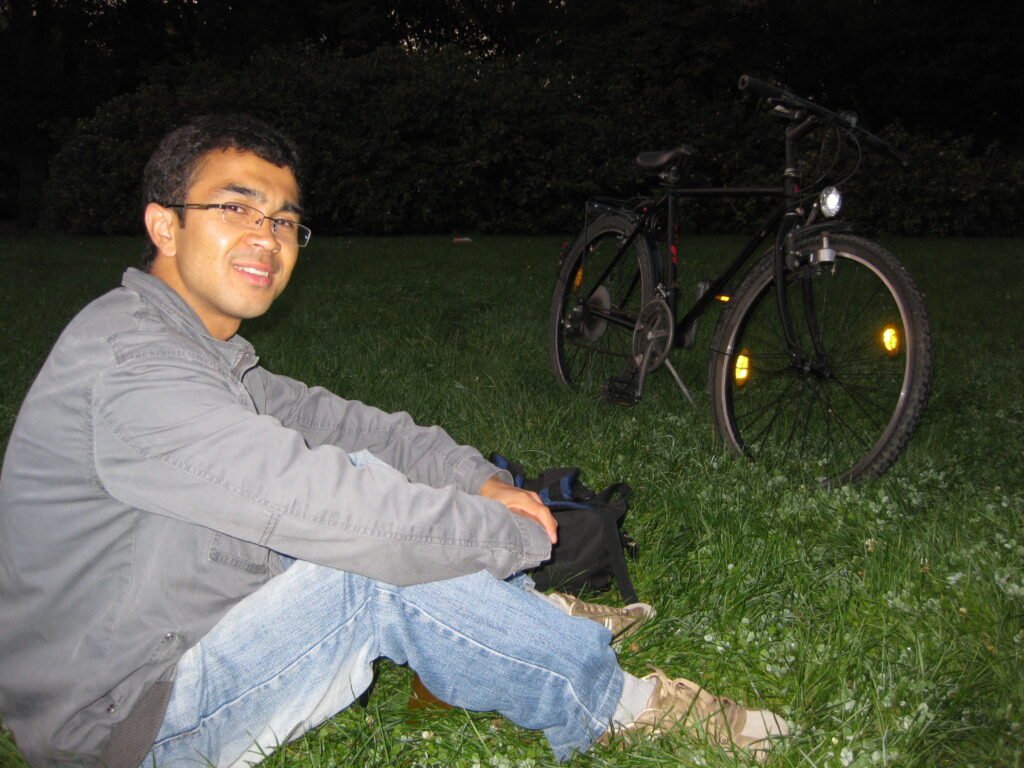
Soon after finishing his MSc program, he registered for PhD in 2005 and then extremely felt the need to get a bicycle. The hostel was far. The walk was long. He made it six times a day and eventually got tired of it. The bicycle was the obvious, practical fix.
There was no epiphany. No particular morning where the light hit the road a certain way and something shifted inside him. He needed to get somewhere faster, and two wheels were more efficient than two feet. That’s it. That’s the whole origin story.
The irony, of course, is that efficiency quickly stopped being the point. The man who bought a bicycle to save time would spend the next eighteen years finding new ways to use it as slowly, as deliberately, and as independently as possible.
The Long Way Was The Point
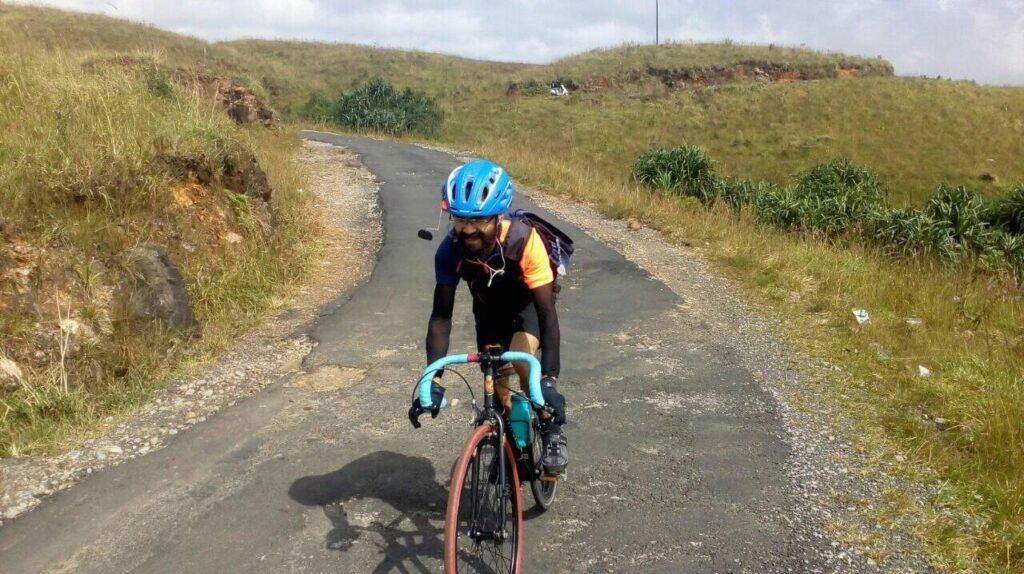
At some stage, and the source doesn’t give a precise date, because presumably he doesn’t think in those terms, getting from A to B stopped being the objective. A direct 10-kilometre commute became a 25–30 kilometre detour. Not occasionally. Every day. For no one.
This is where the story quietly departs from conventional cycling narratives. There was no race entry, no segment to beat, no community challenge to complete. The difficulty itself was the design. Efficiency had been replaced entirely by something else: the freedom to decide what the ride would be.
“I don’t find — it’s not for me to be defined by a set of rules. It’s not for me. I want freedom. I like freedom, so the freedom means the way I want it.”
That philosophy, stated directly, explains the long way round. The detour wasn’t self-punishment. It was self-determination.
A Machine That Wouldn’t Let Him Coast
For most of those eighteen years, he rode fixed-gear. On a fixed-gear bicycle, the pedals and the rear wheel remain mechanically connected at all times. There is no freewheel mechanism. If the wheel is moving, your legs are moving. Downhill, uphill, flat road: it makes no difference. You cannot simply stop pedalling and glide.
It is the setup track cyclists use in velodrome racing: a closed, controlled, timed, regulated environment. He took it the opposite direction. Onto open highways. Into North Sikkim with a multi-gear bicycle. Toward a lake at approximately 17,000 feet, before the army turned him back because of snow.
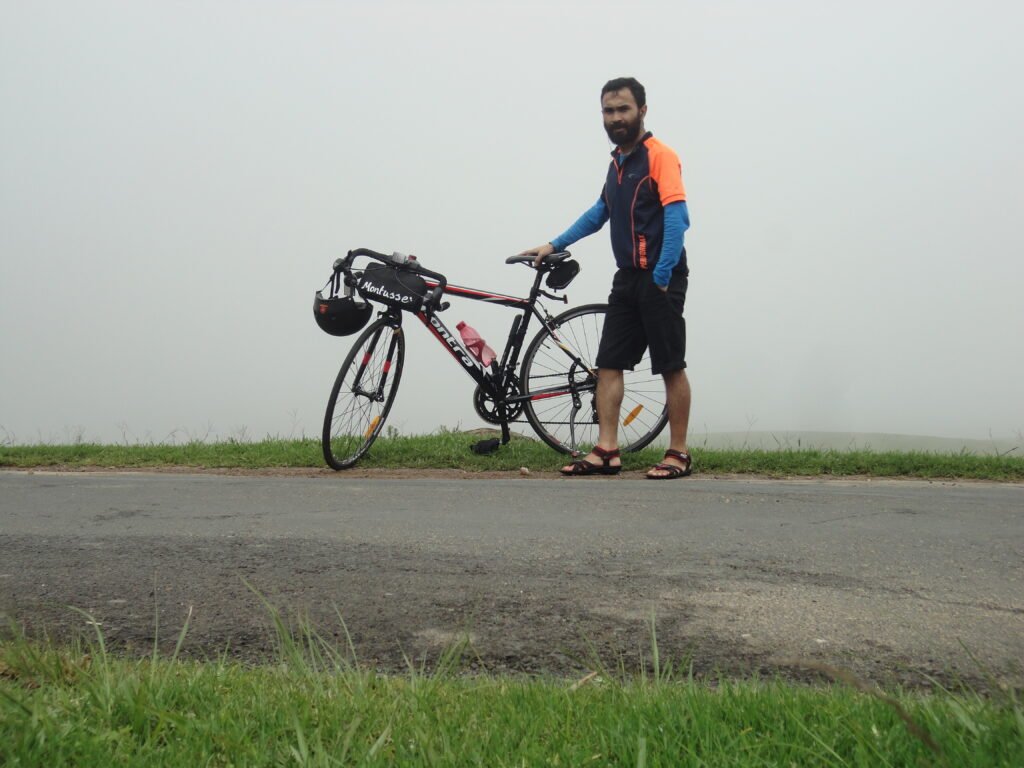
The metaphor is available if you want it: a machine that refuses to let you coast, ridden by a man who apparently never wanted to coast. But it is worth being careful not to push it too far. More concretely, it was simply the equipment he chose for journeys that had no spectators, no podium, and no finishing tape. His concerns on those roads were practical: distance, terrain, daylight, safety, finding somewhere to stay before dark. The gear supported the journey. The journey remained entirely his own.
He Raced Twice. He Hated It.
Organised competition entered his life exactly twice and made no impression worth repeating. Not because he lacked the physical capability, and not because he was afraid of losing. The source is clear on this. Racing conflicted with something more fundamental.
Rules, structured events, and externally defined goals required him to subordinate what he valued most about riding to a format designed by someone else. The distance was decided. The route was decided. The objective was decided. His role was simply to complete the task faster than the other people completing the same task.
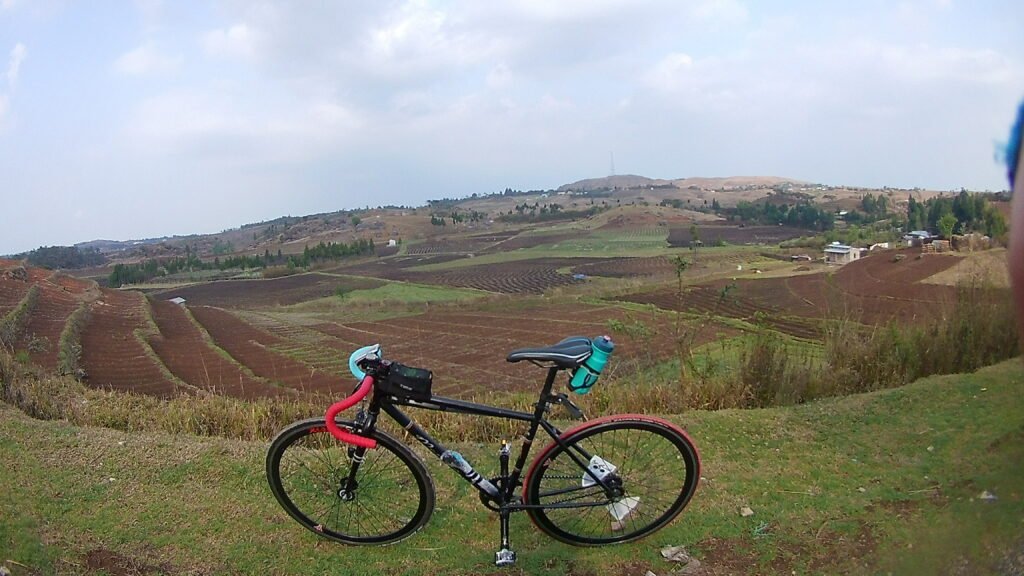
“I don’t find — it’s not for me to be defined by a set of rules. It’s not for me. I want freedom. I like freedom, so the freedom means the way I want it.”
Racing, for him, was the opposite of freedom. He tried it twice, confirmed this, and moved on.
Community Without Dependence
Here is where the story becomes more complicated, and more interesting. He co-founded a cycling club.
Eight members. Group rides around Shillong. A suicide-prevention awareness ride. A Christmas carol cycling tradition that ran for a few years and then quietly stopped. Community events, organised collectively, with social purpose. He was not a man who avoided people entirely or treated others as obstacles to his preferred solitude.
But there is a distinction he draws clearly, and it matters.
“In a group, I find it very difficult… I don’t find the freedom to enjoy in a group.”
The club existed. The group rides existed. He participated. But every serious trip, the multi-day journeys, the ones that required real planning and real physical commitment, he did alone. Group membership and group dependence are not the same thing. He understood the difference and lived accordingly. Community for the low-stakes stuff, solitude for anything that actually counted.
No Interest In Becoming An Ambassador
Being a well-known cyclist on a college campus carries its own quiet pressures. There were expectations: that he would promote cycling to students, that his passion would become a programme, a message, a mission. That he would transform what he did privately into something institutionally useful.
He declined.
“For me, it’s just a simple machine that I could use… it’s my hobby, it’s my passion.”
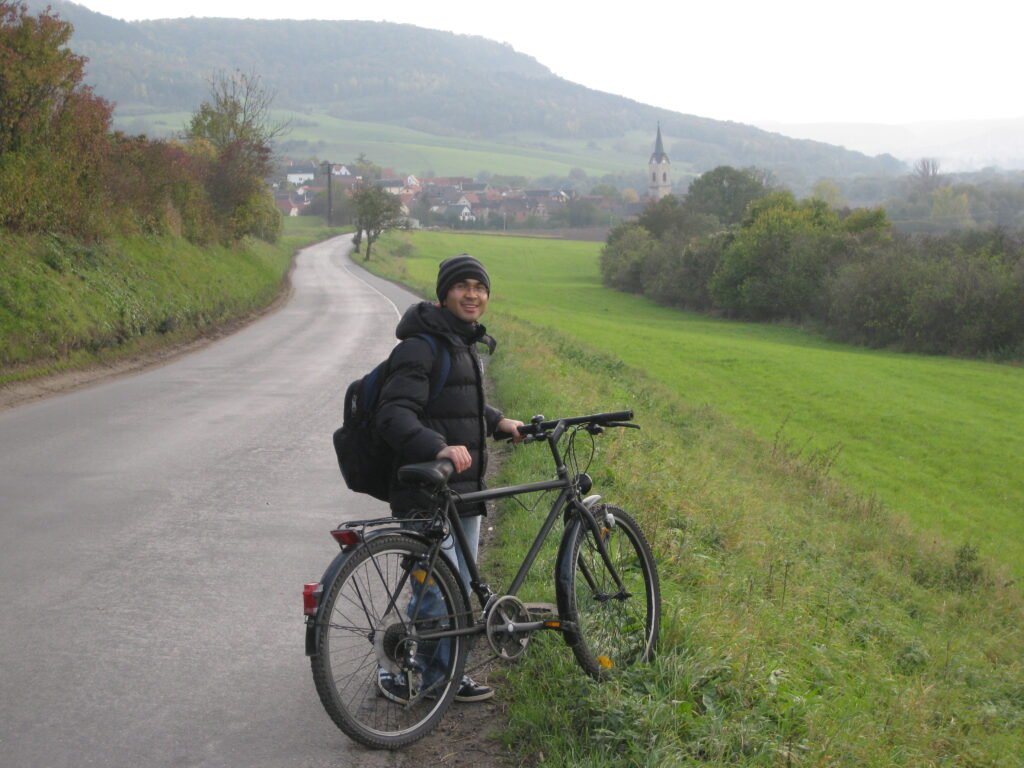
No manifesto. No movement. No audience to cultivate or brand to build. The bicycle was a machine. The riding was a hobby. The passion belonged to him. The college’s desire to make it something larger was, essentially, not his problem.
This is harder to hold onto than it sounds. The contemporary pressure to convert every personal passion into a platform, a content series, or a public identity is real and constant. Every interest is an opportunity. Every skill is a personal brand waiting to happen. He simply didn’t accept the premise. Cycling started with him and ended with him, and no institutional expectation changed that.
Discipline Without An Audience
He tracked his own distances. He trained without a coach. He planned each multi-day route down to the kilometre the night before riding it.
This level of structure might appear to contradict everything else about how he operated: the refusal of external rules, the discomfort with organised competition, the insistence on doing things his own way. But the contradiction dissolves quickly once you understand what the structure was actually for.
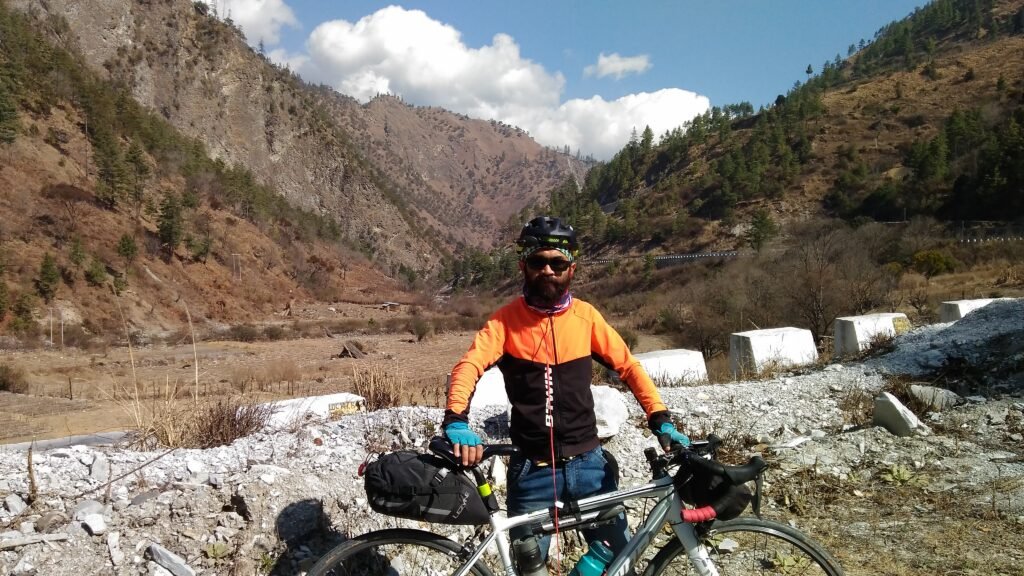
A man alone on a highway, surrounded by trucks, in variable conditions, on a route he has chosen himself, is responsible for his own safety. Full stop. Planning is not a constraint in that situation. Planning is what makes the freedom possible. If you have not calculated the distance to the nearest town with a guesthouse, you sleep on the road. If you have not thought through the terrain, you run out of daylight in the wrong place. The structure existed to protect the independence, not to limit it.
Structure in service of freedom, not the other way around. That distinction is worth sitting with for a while, because most people who talk about discipline are describing something imposed from outside — a coach’s programme, a training plan, a competitive calendar. His discipline was self-generated and entirely purposeful. Nobody gave it to him. Nobody was watching it. It was real anyway.
And Then The Passion Disappeared
After roughly sixteen years, it left. Not dramatically. No injury. No defining bad ride. No conflict with another person or institution. The passion simply stopped doing what it had always done.
He told his cycling friends. They told him to wait, saying a few months and it would come back. He kept riding for approximately two years, then stopped for good in 2023.
The cycling community tends to treat this kind of departure as tragedy, burnout, or failure. The source gives no reason to frame it that way. His friends believed the feeling would return. It didn’t. He accepted that.
“There are moments I feel — I need a company. But then I could manage myself… sometimes incidents that make me more vulnerable make me realize, okay, that is life.”
Walking away from something you once loved, when it stops serving you, requires the same independence as pursuing it in the first place. He built the practice himself. He ended it himself. The logic is consistent throughout.
Same Rider, Different Machine
He moved to motorcycling. Solo trips continued. The refusal to ride in a pack continued. The careful attention to routes and distances presumably continued.
The bicycle disappeared. Everything else remained.
“There are moments I feel — I need a company. But then I could manage myself… sometimes incidents that make me more vulnerable make me realize, okay, that is life.”
This is the detail that confirms cycling was never quite the point. The activity changed. The rider didn’t. What he had always valued was not the specific equipment or the specific discipline, but the autonomy that both allowed him to express. A different machine, the same terms.
Nobody Else Gets A Vote
This is a man capable of extraordinary, sustained, self-generated discipline. He rode fixed-gear bicycles on open highways into remote terrain. He planned multi-day routes alone, at night, for rides he would complete alone the next day. He maintained this practice for eighteen years without a coach, a team, a competitive structure, or an external reason.
He also co-founded a club, participated in community events, and acknowledges openly that solitude can make him vulnerable. He is not a symbol of heroic individualism with no edges. He notes, plainly, that there are moments when he needs company. He manages. He accepts that this is the nature of things.
What he never accepted was the idea that someone else should decide how his discipline was organised, what his passion should become, or when the appropriate time to stop had arrived.
He built it for himself. He rode it into North Sikkim and toward a lake at 17,000 feet and through eighteen years of mornings nobody else witnessed. And when it stopped giving him what it once had, he put it down without ceremony and found a different machine that offered the same terms.
Bicycle, motorcycle. Same rider, different machine. Nobody else gets a vote.
Follow Pyniarlang on Instagram
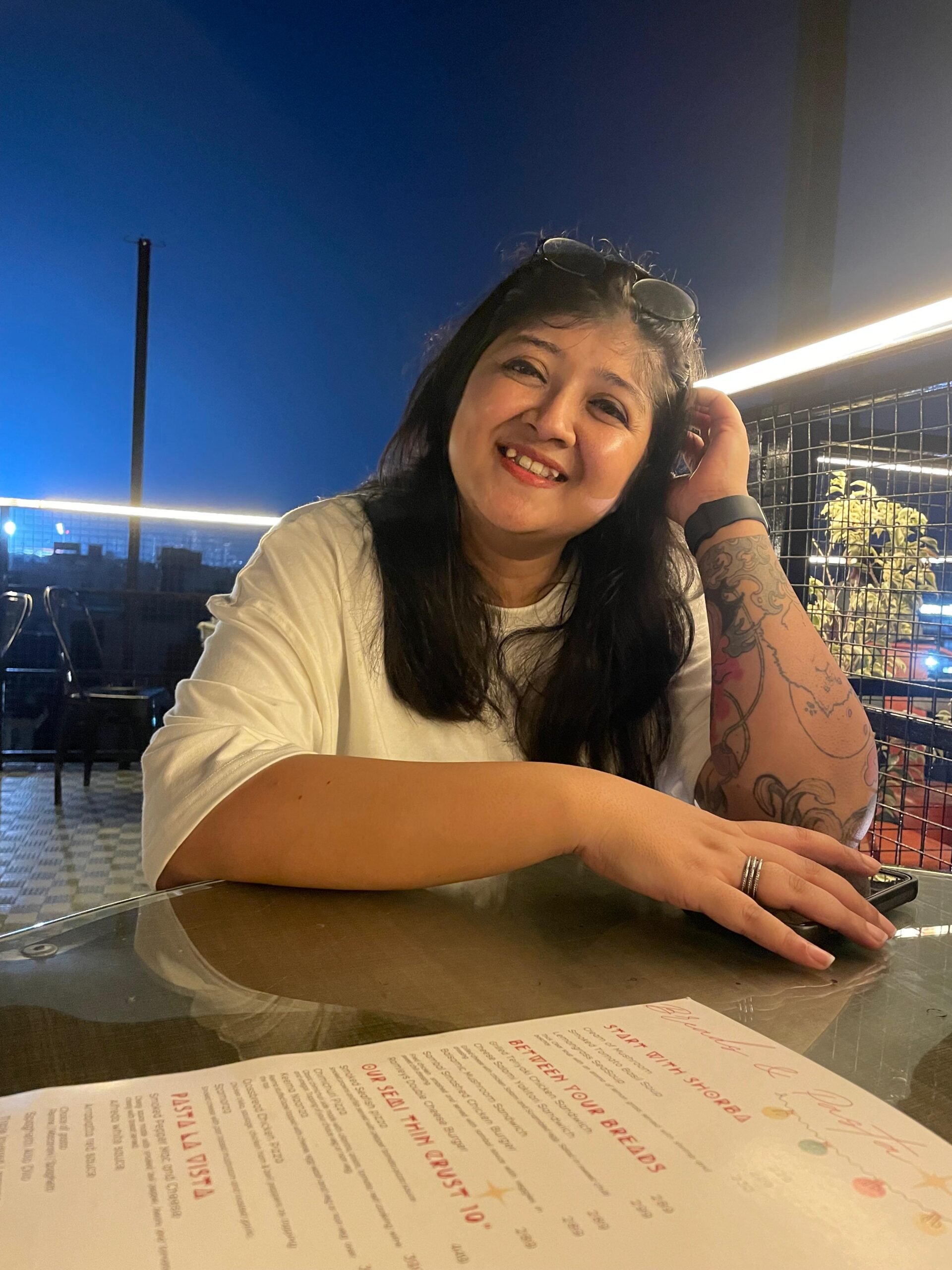
Oeshi B Lyndem is a visual artist, tattoo artist, graphic designer, and entrepreneur with a foundation in graffiti and street culture. Rooted in hands-on craft and making, her practice moves fluidly across illustration, street art, design, and experimental creative processes. With lineage from Shillong—often regarded as India’s rock capital—she carries a distinct cultural influence into her work. At Goofy Owl, she curates and leads the street and hip-hop culture segment through an intuitive, deeply creative, and entrepreneurial lens.