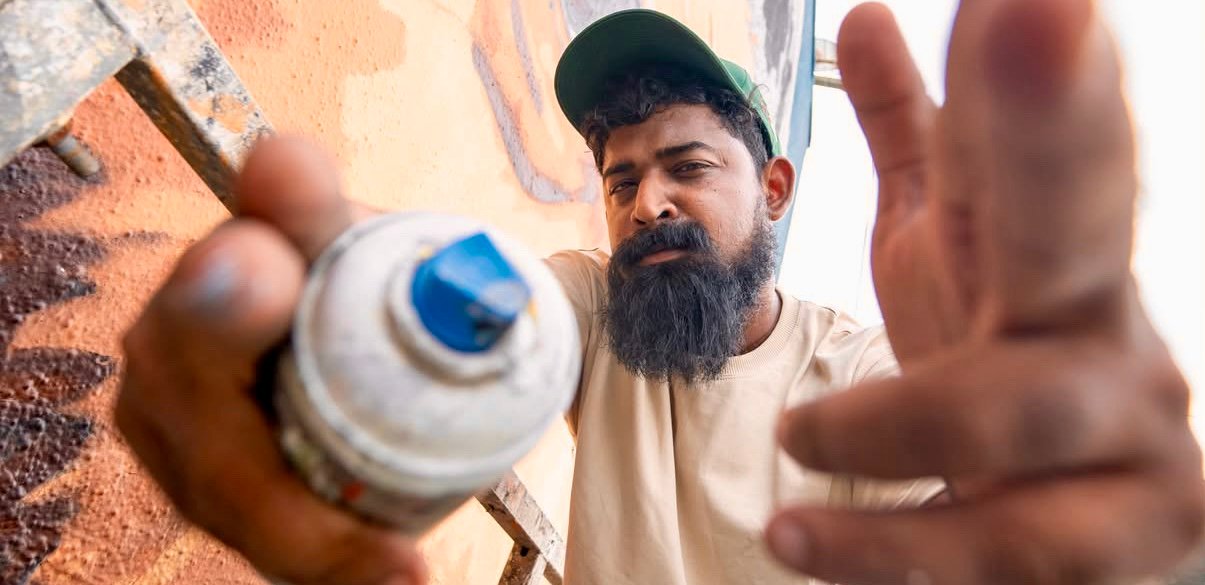
Some people sign their name. NME builds his identity with it.
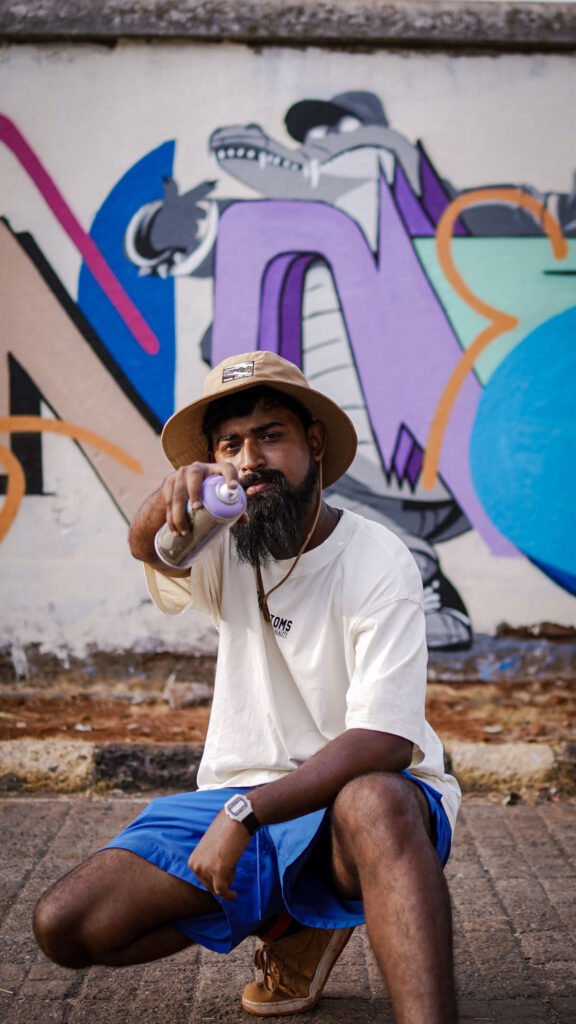
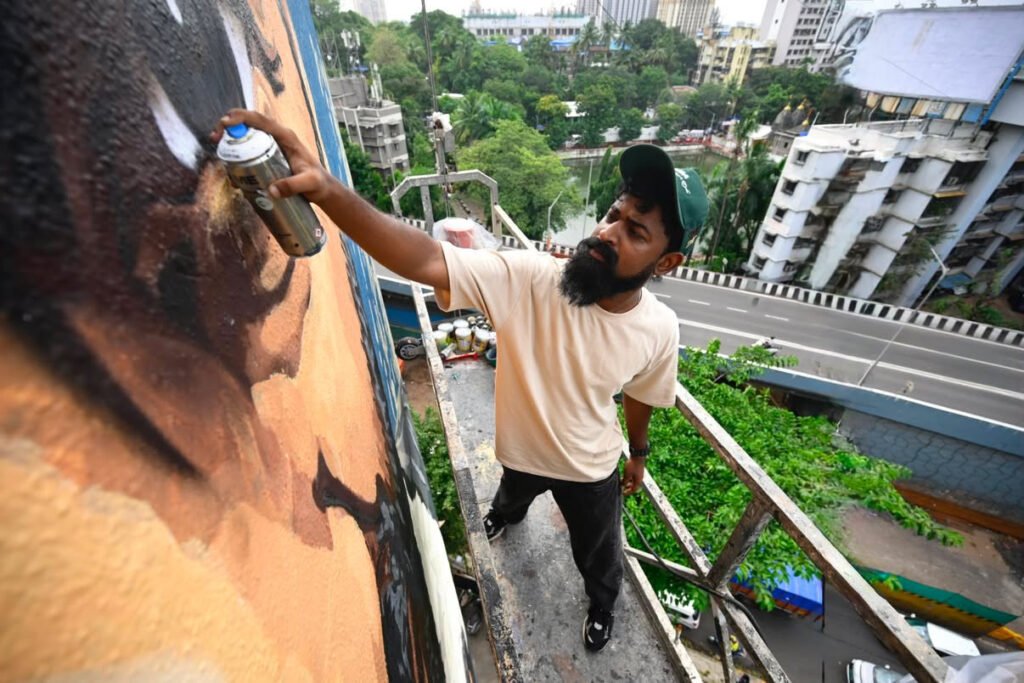
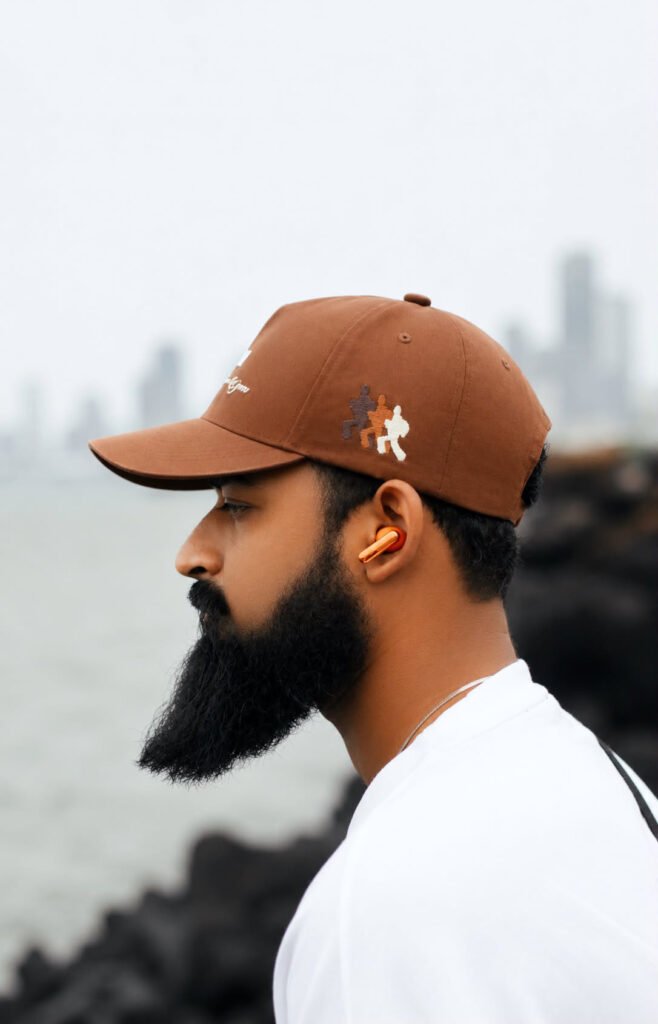
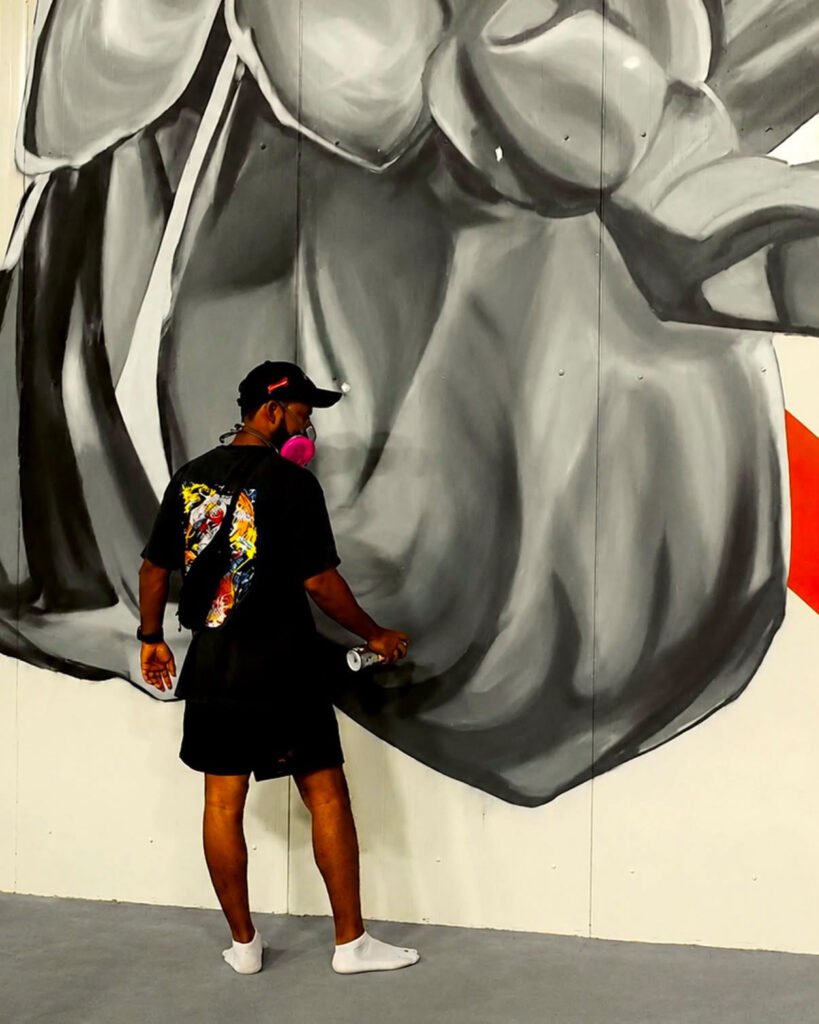
Siddhesh Vinod Sapte has been painting under the name NME since 2012, turning Mumbai’s walls into something personal. His practice covers raw street pieces, large-scale murals, calligraffiti, illustration, and commercial work, all rooted in old-school graffiti and hip-hop culture. He is not chasing aesthetics. He is chasing something far more specific: the feeling of existing, permanently, in a city that moves too fast to notice most of what it erases. But the thread that ties every piece together? That is harder to see and easier to feel.
“I’m not just painting walls, I’m building my identity through them. Every piece comes from discipline, obsession, and respect for the culture. My name carries my story, my struggles, my growth… everything I’ve lived through.”
“I Was Here”
There is a moment most serious graffiti writers can point to. The moment writing their name stopped being an act and started being a need. NME knows exactly when that hit him.
“At one point it stopped feeling like ‘art’ and started feeling personal. Like I was claiming space. Saying, ‘I was here.’ It felt raw and powerful… like leaving a piece of myself behind on every wall.”
That rawness is not a side effect. It is the whole point. For NME, every piece functions as a timestamp. Proof that he moved through a space, thought hard about it, and left something real behind. In a city like Mumbai, where walls get whitewashed and skylines shift constantly, that act carries genuine weight.
Culture Before Letters
Most people assume graffiti writers start with letters. NME started somewhere bigger.
“For me it was always the culture first. The letters came later. The rawness, the energy, the unspoken rules, the respect you earn over time that’s what pulled me in. Graffiti felt real. It wasn’t about permission, it was about expression and belonging to something deeper than just paint.”
Belonging to something deeper than just paint. That phrase does a lot of heavy lifting. It also explains why NME takes the distinction between street art and graffiti seriously. One is a visual category. The other is a whole culture with its own history, rules, and demands. Getting those two things mixed up is not a small mistake. It is a sign that someone has not done the work yet.
Before Anyone Was Watching
Before the murals and the recognition, there were years of nobody caring. NME does not dress this period up.
“Just grinding. No audience, no hype, no validation. Just me, paint, walls, and a lot of mistakes. Repeating things over and over, wasting paint, learning control, understanding letters slowly. Those days humble you. That’s where the real foundation gets built.”
Social media has made this part of an artist’s life nearly invisible. The polished reel gets shared. The wasted cans do not. But the foundation built during those quiet, anonymous years is precisely what everything else stands on. The discipline NME carries into every large-scale commission today was earned in moments no one photographed, on walls no one praised.
Graffiti Is a Language
This is where NME gets specific, and a little impatient.
“A lot of people think anything painted on a wall is graffiti, but it’s deeper than that. They don’t see the years behind the letters, the discipline, the respect system, the history, the lifestyle. Graffiti is a language. Every line, every style says something. And honestly, it’s not meant for everyone to fully understand.”
That last line is not arrogance. It is how languages work. Fluency takes time, immersion, and a willingness to learn on the culture’s terms rather than your own. You cannot walk in with a spray can and skip the grammar. NME is not interested in gatekeeping for its own sake. He is interested in people doing the reading before they start talking.
Growing Without Losing the Roots
NME’s travels and international collaborations have expanded his world considerably. But not every connection left a mark. The ones that did share something in common.
“The collaborations that stayed with me are the ones where there was genuine respect not just for the artwork, but for the culture behind it. Some projects showed me that graffiti can evolve and reach bigger spaces without losing its soul. They made me think bigger while still staying rooted in where I came from.”
Bigger scale. Same foundation. That balance is what separates artists who grow from artists who drift. NME has clearly thought about which one he wants to be.
When the Wall Pushes Back
Larger projects bring harder questions. NME does not avoid them. He welcomes the discomfort.
“Yeah, certain walls do that. When the scale is bigger or the expectation is different, you start questioning everything your style, your process, your message. But those moments are important. They push you to evolve instead of getting comfortable.”
Comfort, for NME, is not a goal. It is a warning sign. The artists who stop questioning themselves are usually the ones whose work starts to feel familiar in the worst way. He has no interest in going there.
Graffiti Meets the Brand World
As graffiti’s visual language has gone more mainstream, brands have come knocking. NME has a clear line on where he stands, and he draws it without hesitation.
“It’s a balance. I can work with brands, but I can’t fake the culture for a campaign. If there’s respect, creative freedom, and understanding of the art form, it works. But the moment it feels forced or disconnected from who I am, it loses meaning. Staying authentic always matters more.”
Staying authentic always matters more. Three words that carry the whole argument. But after everything NME has described, the years of grinding without validation, the cultural education absorbed slowly and seriously, the discipline built in silence, those three words do not feel like a slogan. They feel like a conclusion he arrived at the hard way.
The Takeaway
NME’s story is not a shortcut guide to making it as an artist. It is a long, honest reminder that the real work happens before anyone is paying attention. That culture earns respect rather than demanding it. That a name written with enough intention, enough discipline, and enough genuine feeling becomes something far larger than itself.
The walls do not ask for universal approval. They make a record. They say, clearly and permanently, “I was here.”
And for NME, that has always been enough.
Follow NME on Instgram
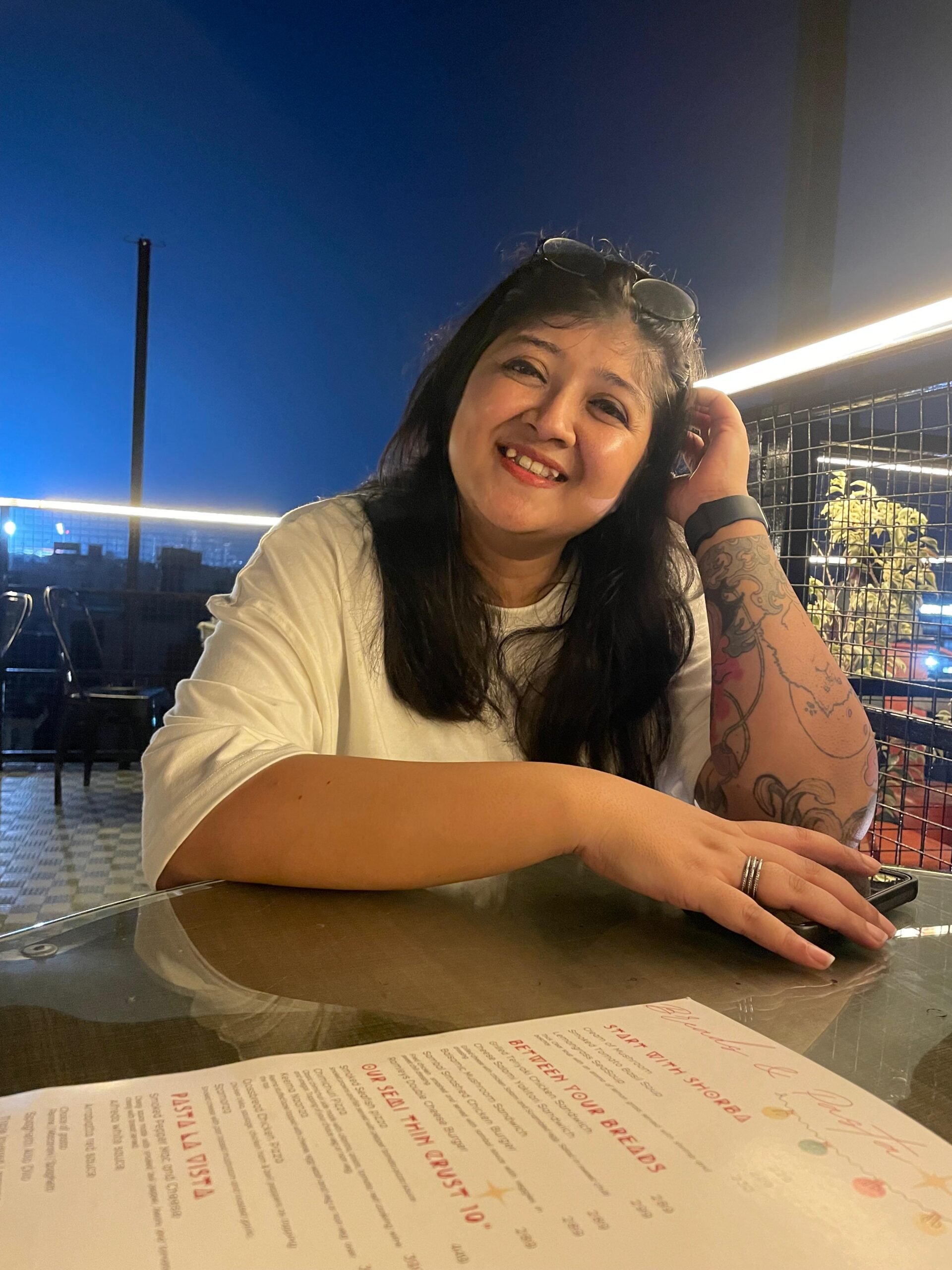
Oeshi B Lyndem is a visual artist, tattoo artist, graphic designer, and entrepreneur with a foundation in graffiti and street culture. Rooted in hands-on craft and making, her practice moves fluidly across illustration, street art, design, and experimental creative processes. With lineage from Shillong—often regarded as India’s rock capital—she carries a distinct cultural influence into her work. At Goofy Owl, she curates and leads the street and hip-hop culture segment through an intuitive, deeply creative, and entrepreneurial lens.