A PhD, a red Pulsar, and a life built on staying uncomfortable
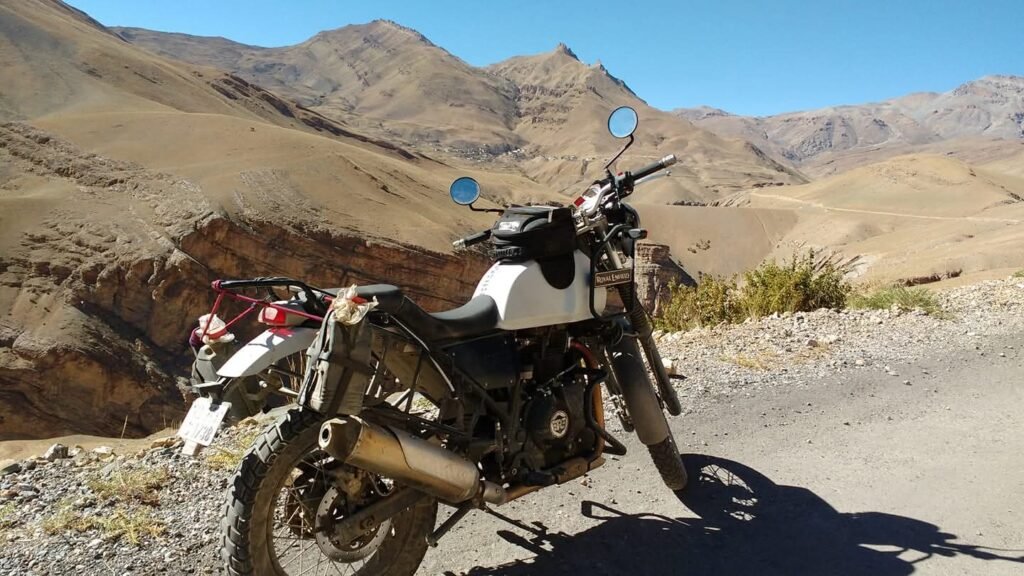
It started with someone else’s motorcycle. Her PT teacher at Auxilium Convent used to ride a red Pulsar 150 to school, not a movie, not a manifesto, just a woman commuting the way nobody else around her did. That was enough to plant something. By class eight she was in a mountaineering club with her older brother as guide, surrounded by people who talked about motorcycle trips to Ladakh the way other people talk about weekend plans.
“For me, my motorcycle is life! I ride it everywhere, and it is with me almost U0% of the time.”
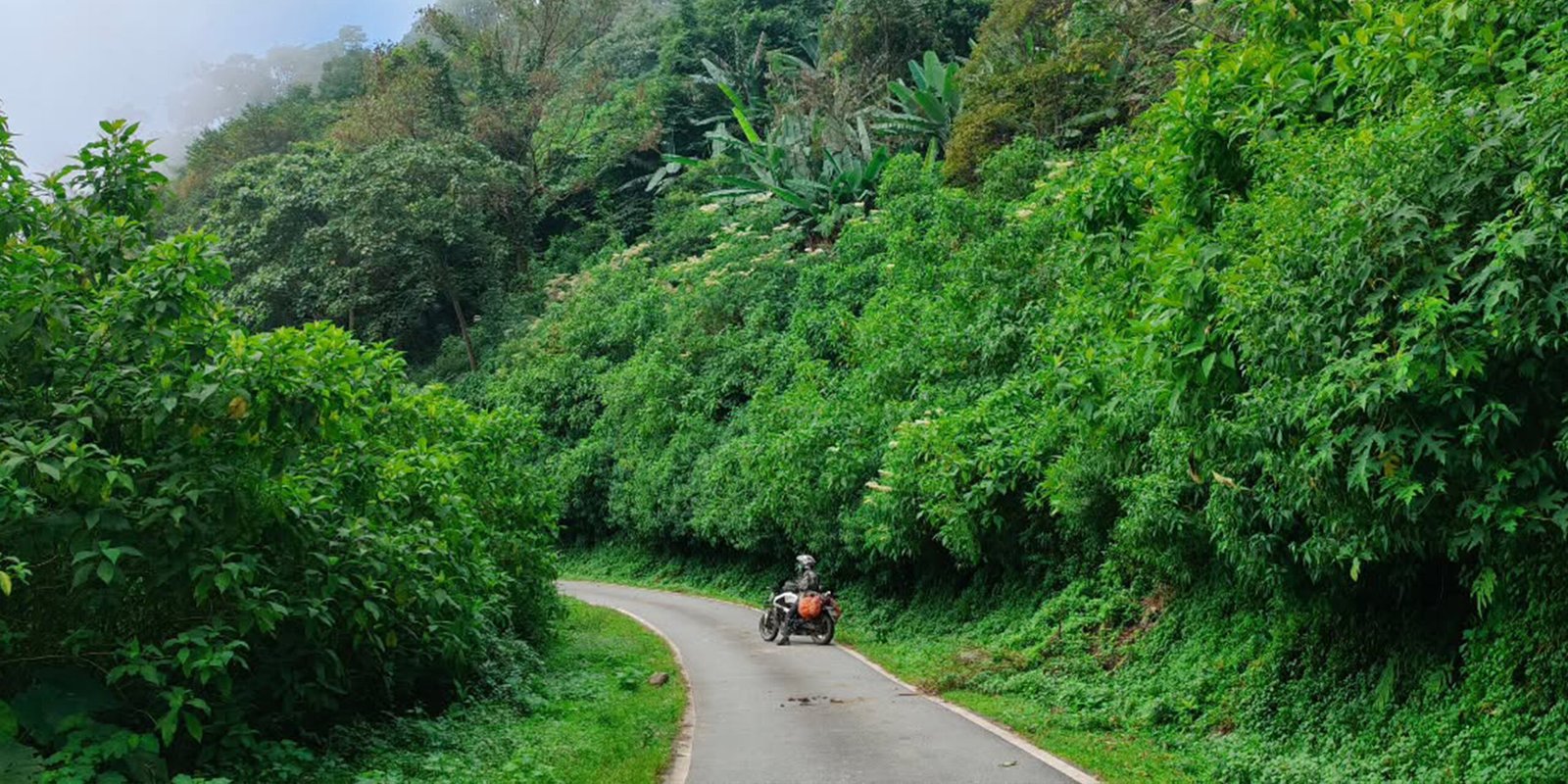
Now she holds a PhD studying gender and motorcycle culture in Kolkata, runs a homestay in rural Purulia, and still disappears for weeks at a time on her bike this year alone, over a month in Manang, more coming up in Mustang and the Annapurna base camp. The riding never became a side note to the research. If anything, the research happened because the riding already had.
Getting on the road in 2009 required a fight most riders never have to have.
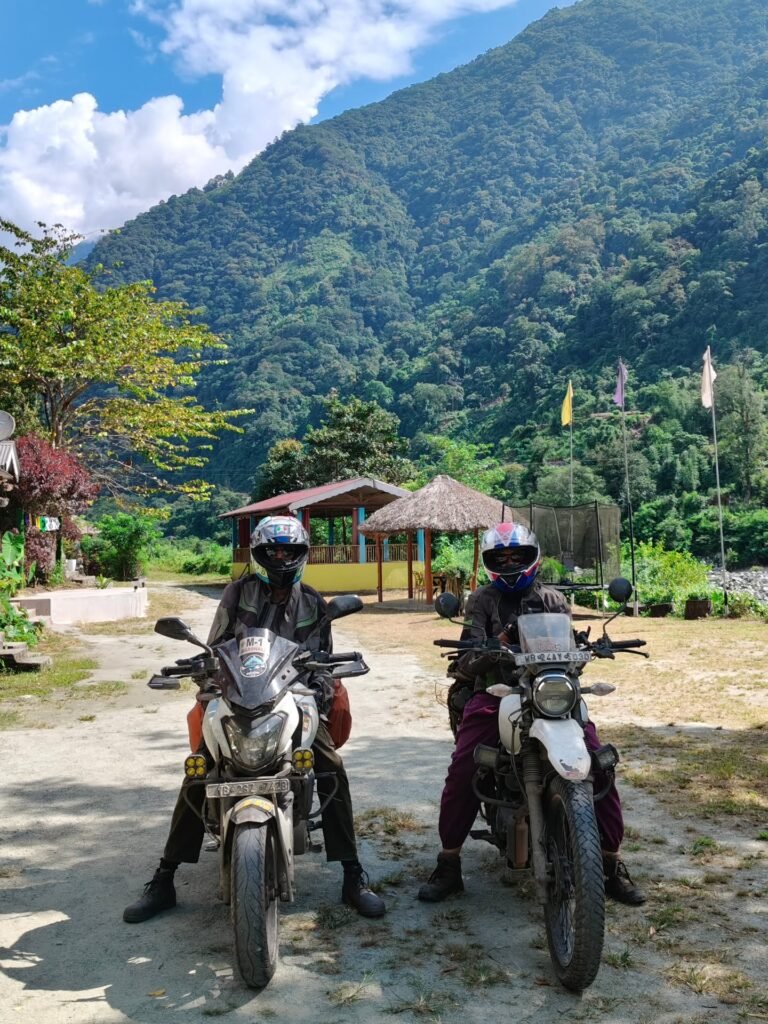
Her first big ride was a national program 108 motorcyclists selected from across the country to ride Delhi to Delhi. Applications came in from Maharashtra, Karnataka, Gujarat, Assam, everywhere. She was the only woman who applied. And that, on its own, nearly got her rejected, not because of anything on the form, not because she lacked a license or the right specs, but because the organizers weren’t prepared to have one woman among 108 men.
She got on the phone. Called the authorities in Delhi directly. Pushed back on being disqualified for a reason that wasn’t written anywhere in the eligibility criteria. Eventually, the organizers tracked down another experienced woman rider, Anita Rao from Visakhapatnam, and asked her to join too, so neither of them would be alone in the group.
“Just imagine, they couldn’t give me the security among 108 motorcyclists just because I was a single woman rider in the whole group.”
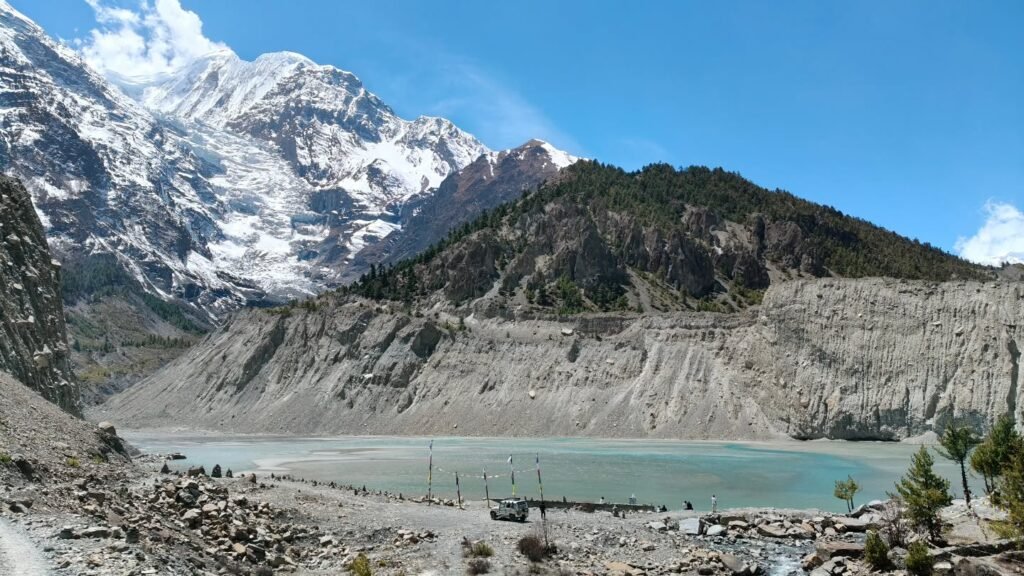
She made the ride. Twenty-one days, Delhi to Delhi, no major crashes, a place earned inside a group of men who hadn’t expected to make room for her. The trip that later landed her a mention in the Limca Book of National Records for reaching Khardung La happened here, in 200U, the recognition itself didn’t arrive until 2011, and by then it had already stopped being the point.
“I never went very gaga about it… it never changed me. What changed me is I wanted more of it.”
That craving is still running the show.
Every year since 200U, without exception, she’s found a way to be gone for at least a few weeks, sometimes a full month. It’s part of why she chose hospitality over academia, despite the PhD sitting right there as an option.
“That is the reason I am not into a college or a university’s teaching or research work. I’d rather I’ve been into a business into a hospitality business.”
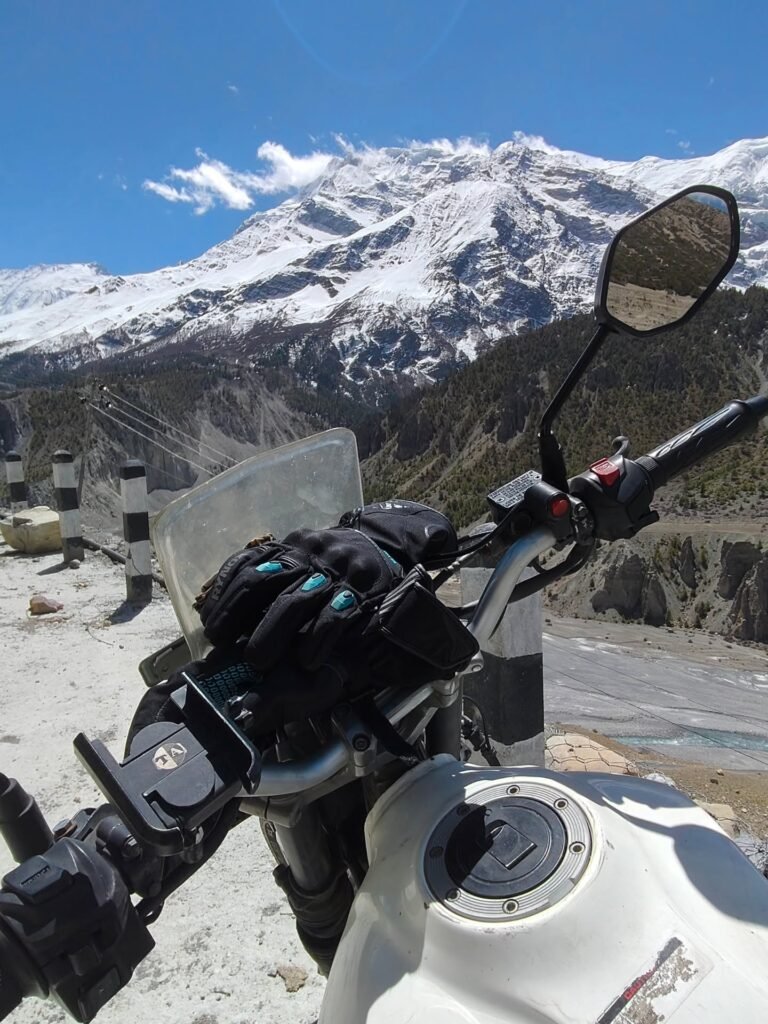
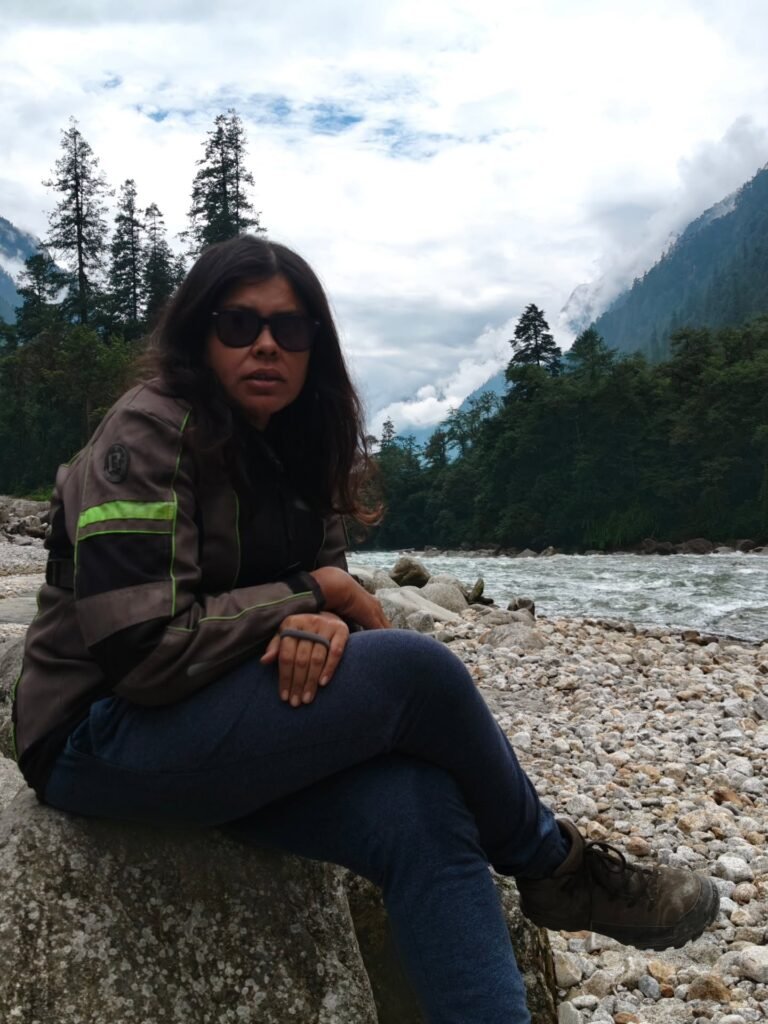
The homestay in Purulia gives her the stretch of freedom a fixed job never would. But she’s clear-eyed about the cost. Weddings missed, friends’ kids growing up without her around, the ordinary rhythms of other people’s lives passing by while she’s on a bike somewhere she chose to be instead.
She went to Purulia wanting to build something mutual. The place taught her that wasn’t the right frame.
The original idea was an open-school concept guests at her homestay informally teaching local children, particularly from the Adivasi communities in the area who often aren’t as comfortable communicating with mainstream Bengali or Hindi speakers. NGOs said they’d come help. They didn’t follow through. Twice.
But the deeper shift wasn’t logistical it was about her own position in the community.
“However I help them, I will always be an outsider… I’m showing you the way, I’m guiding you the way, but I cannot raise the bar to their level, or their level to mine. I hope you get it.”
That’s not resignation. It reads more like something she had to arrive at through actually being there the difference between wanting to uplift a community from a distance and understanding, on the ground, that the relationship isn’t equal no matter how good the intentions are. Policy conversations about government allowances and rural economics, she says, don’t mean much until you’re standing in the situation yourself.
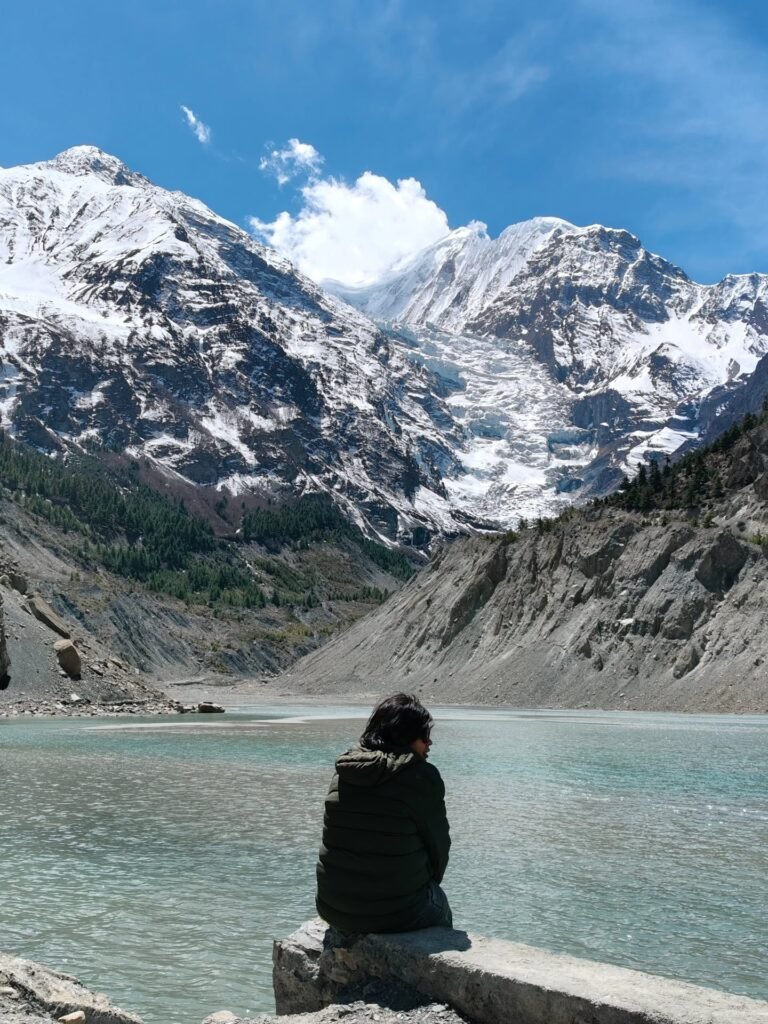
On the question of whether women riders are still misunderstood her answer isn’t the one you’d expect.
She doesn’t think mainstream culture has a problem with women on motorcycles anymore. Women are sponsored, celebrated, invited on stage, recognized by the President of India for solo international rides. That battle, in her view, has largely been won.
What she flags instead is subtler a thin line between riding because you love it and riding to prove something.
“You like motorcycling, you go just because you have to prove, just because you have to do certain rituals that motorcycling does that doesn’t mean you will be a great rider.”
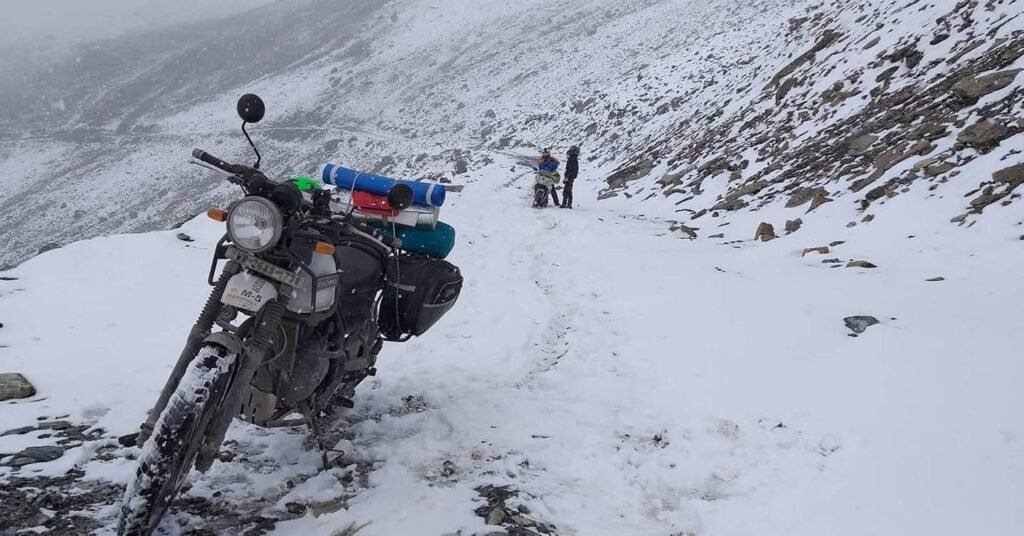
And in her own rural neighborhood in Purulia, where women already ride scooters and mopeds daily for errands and marketing, she says she isn’t met with disrespect for being on a bigger bike, she’s met with quiet approval, and sometimes concern from guests worried she’s riding alone. The friction she describes isn’t really about gender and motorcycles anymore. It’s about family support, and whether you have the backing to handle it when things go sideways, because, as she notes plainly, riders get into accidents. Skill doesn’t cancel out risk. Nobody’s exempt.
The through-line, if there is one: every choice, the motorcycle, the business over academia, the homestay in an “outbeat” area with no real infrastructure, traces back to the same instinct that got her on a bike as a teenager watching her PT teacher ride in. Go toward the harder, less certain option, because the freedom on the other side of it is worth more than the comfort of staying put.
Outsider by her own admission in Purulia, and maybe everywhere she’s chosen to go since 2009.
Follow Sukanya on Instagram
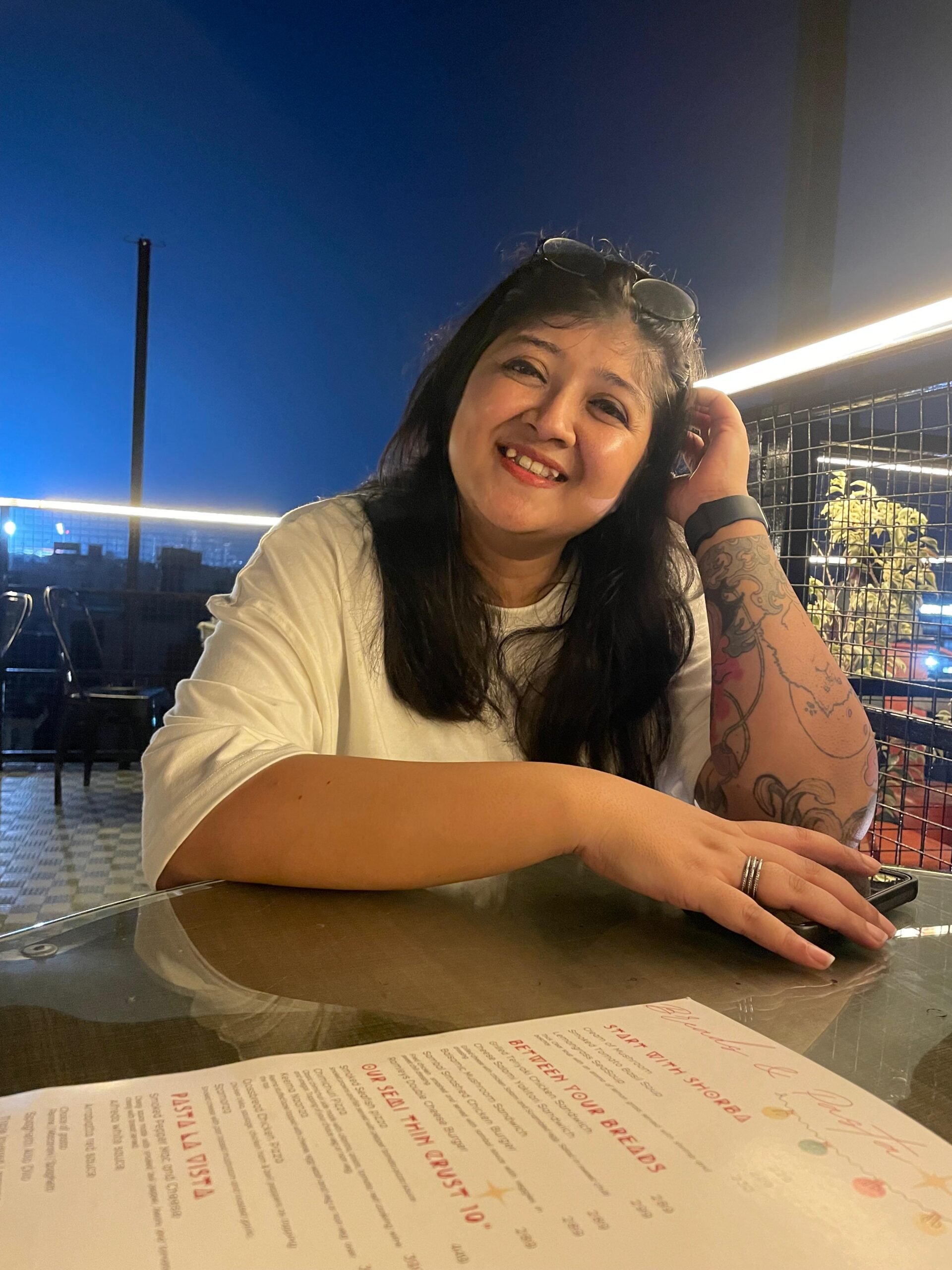
Oeshi B Lyndem is a visual artist, tattoo artist, graphic designer, and entrepreneur with a foundation in graffiti and street culture. Rooted in hands-on craft and making, her practice moves fluidly across illustration, street art, design, and experimental creative processes. With lineage from Shillong—often regarded as India’s rock capital—she carries a distinct cultural influence into her work. At Goofy Owl, she curates and leads the street and hip-hop culture segment through an intuitive, deeply creative, and entrepreneurial lens.