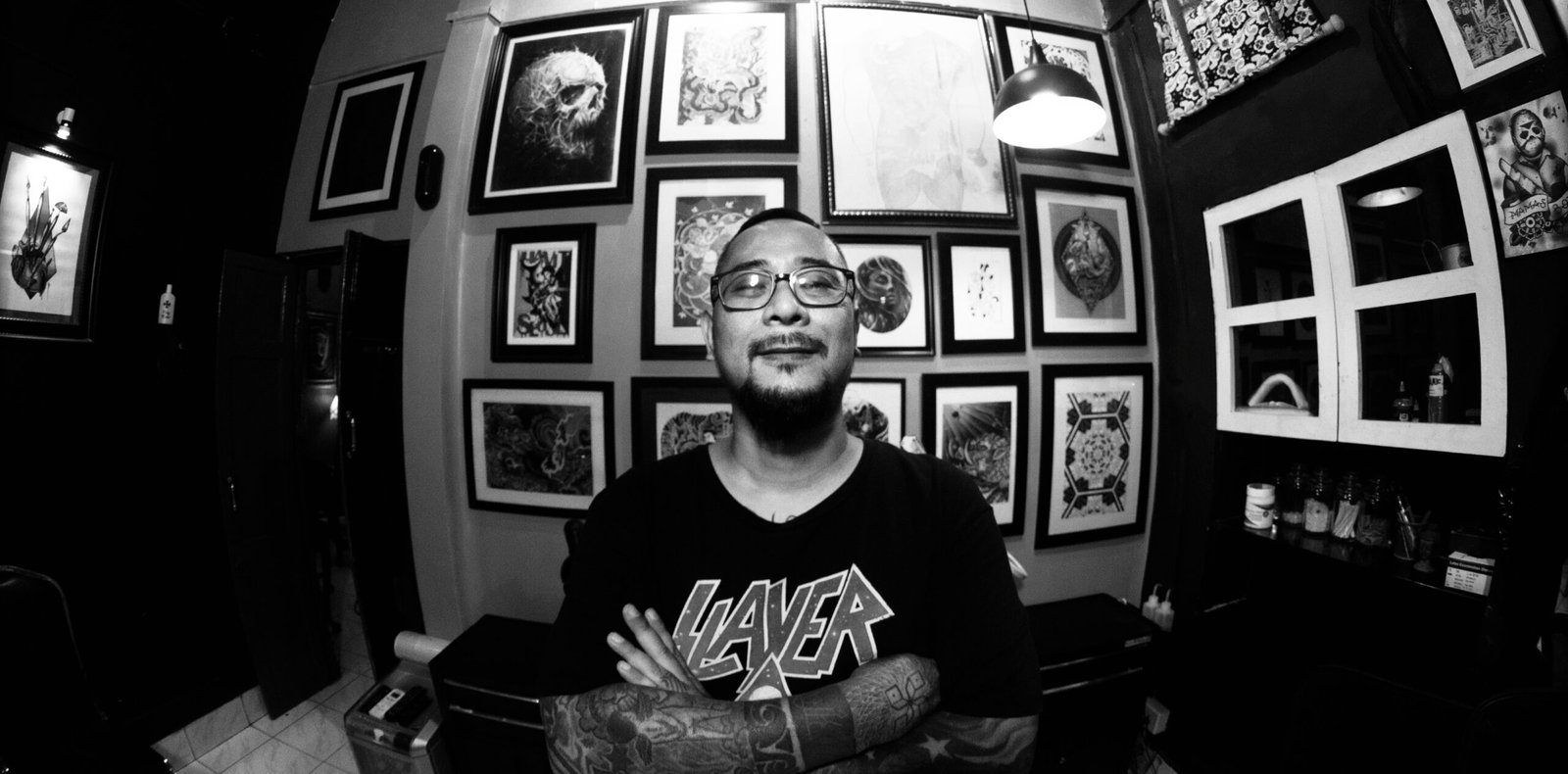
In 2009, Sid Thapa opened the doors to Calcutta Ink and set something in motion that Kolkata’s creative scene is still feeling today. Over 17 years, he built far more than a studio. He created a space where artists could belong, mentored countless talents for free, and helped shape an entire city’s tattoo culture through generosity, integrity, and an unshakeable belief in the power of community.
Some people build businesses. Others build homes for dreams. Sid did the second.
For more than 17 years, Calcutta Ink has stood as one of Kolkata’s most respected tattoo studios. It has welcomed artists and clients from around the world. But what most people miss is the kind of person it took to build it — and the quiet, deliberate choices that have kept it standing.
Sid is something rare: an enabler, a mentor, and a keeper of space for talent to grow. His story is about art, yes. But it’s also about what happens when you decide to lift others instead of just yourself.
This is the story of the quiet force behind Kolkata’s tattoo scene, and the lessons it holds for anyone chasing a dream of their own.
From the Mountains of Darjeeling to the Streets of Kolkata
Sid was born in Kolkata but spent his school years in Darjeeling. In 2007, he returned to the city to begin his professional life. He missed the mountains deeply. Still, Kolkata felt like the place where he was meant to build something of his own.
Art had always been part of him. He sketched and doodled from childhood, even while working overnight shifts in IT. That job paid the bills. More importantly, it gave him the room to start Calcutta Ink on the side.
But IT was never the dream. As Sid puts it, his real goal was “to create a space where art could thrive, a studio that reflected creativity, individuality, and could help uplift fellow artists.”
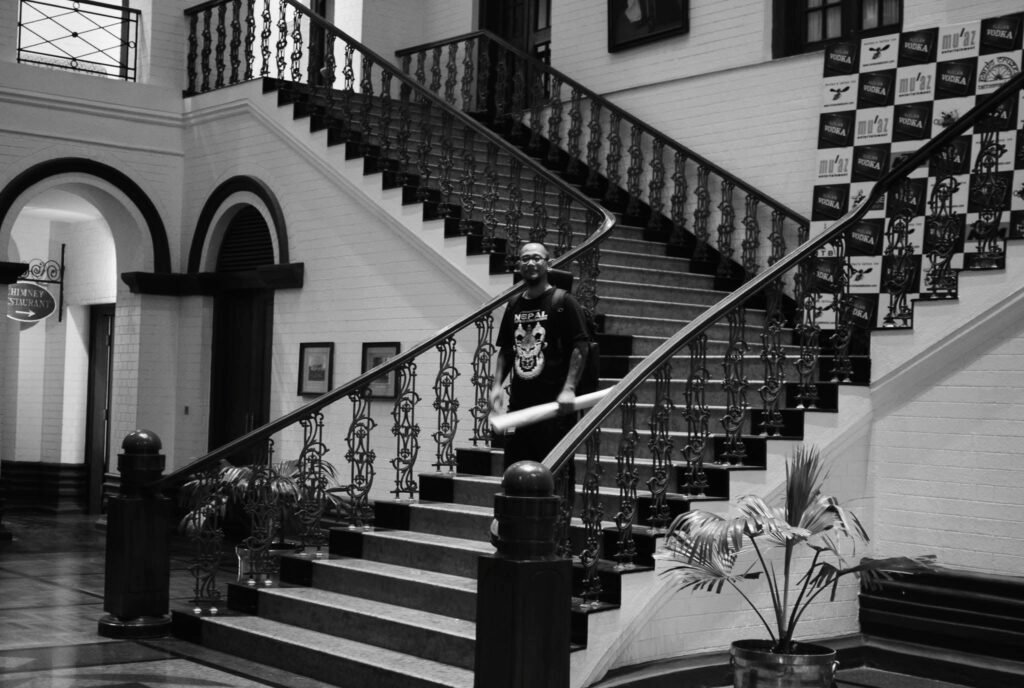
His path into tattooing began with a single tattoo from a close friend, a self-taught artist who had even built his own tattoo machine. Watching that raw passion changed everything. India’s early tattoo artists learned without tutorials, formal training, or quality equipment. That spirit showed Sid how beautiful the craft was, and how badly the community needed dedicated studios and real resources.
When Calcutta Ink opened in 2009, tattooing in Kolkata was still mostly a freelance profession. Artists worked from homes, salons, or wherever they could find space. Sid saw a gap and filled it: a professional studio where both artists and clients could feel at home.
The Philosophy Behind Mentoring Tattoo Artists for Free
This is where Sid’s story gets interesting.
Over the years, Calcutta Ink has trained and mentored a remarkable number of tattoo artists, often without charging them a rupee. So why give away something so valuable?
The answer comes from his mentor, Tshering teacher Sir Gyaltsen, who told him:
“Art is never for money. Pass it on to the one who truly deserves it.”
That lesson stuck. Thapa believes knowledge grows when it’s shared with the right people. So he became a guide, a challenger, and a source of encouragement, pushing young artists to become better versions of themselves.
He’s quick to reject the credit, though. “Their success belongs to them,” he says of the artists he’s mentored. Their dedication, discipline, and countless hours of practice made the difference. His role was simply to offer a platform and a push.
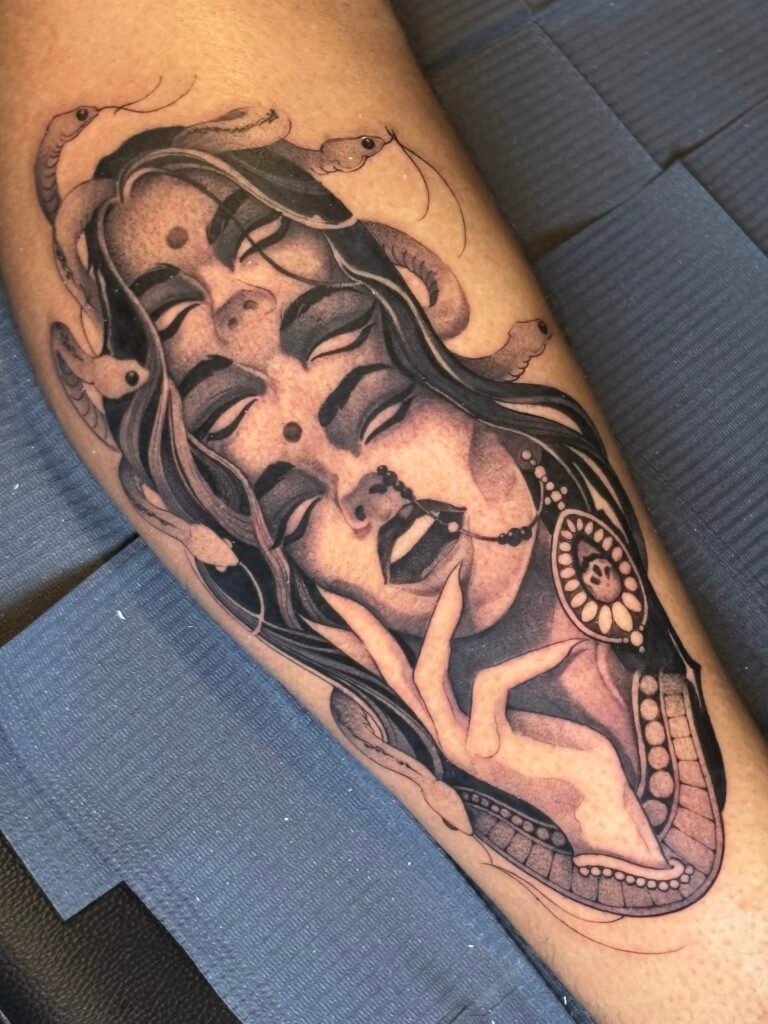
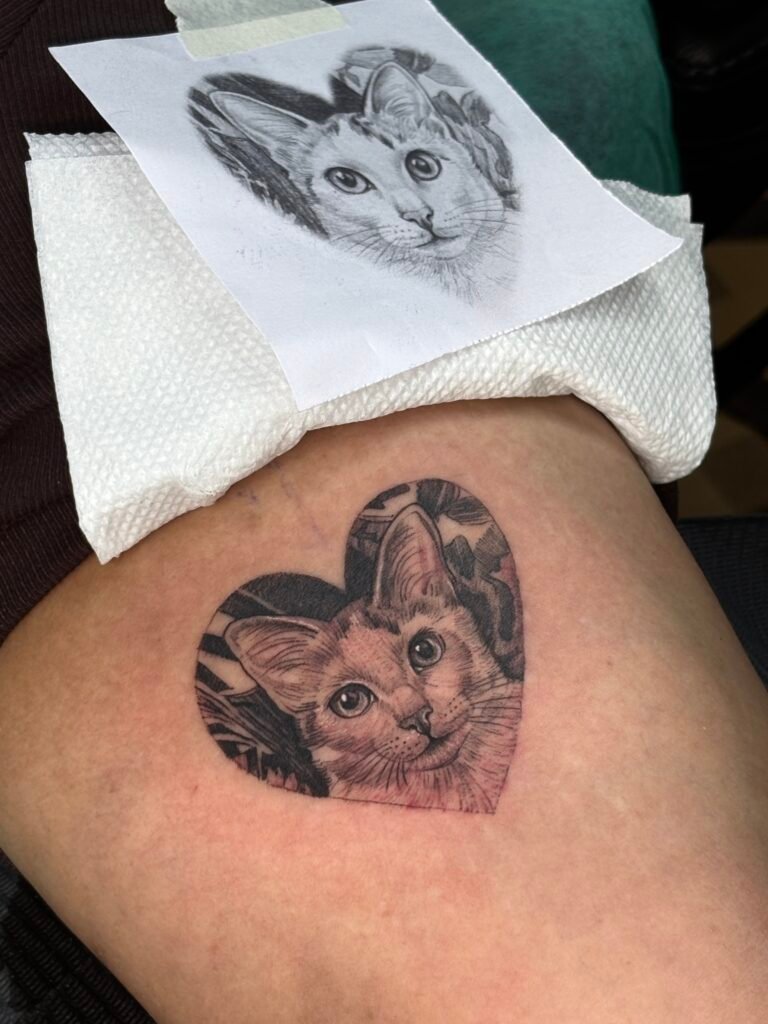
Image Credits: Dipjyoti Paul | Darshan Rai
Today, many of those artists have built successful careers and opened their own studios. For Sid, watching them grow is the most rewarding part of his journey, worth far more than any recognition.
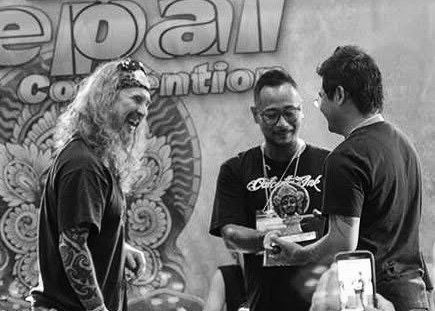
He’s careful to spread the credit wider, too. Kolkata’s thriving tattoo scene wasn’t the work of one person or one studio. Every studio that stayed committed during the early years helped lay the foundation. Sid points to one milestone in particular: the first Ink It Tattoo Convention in Kolkata, organized by his friend Pankaj and his team. That event, he believes, gave artists a space to connect, learn, and dream bigger together.
How Tattooing Has Changed Over the Last Two Decades
Sid has watched tattooing transform from a niche subculture into a widely accepted art form. The shift has been dramatic.
When he started, dedicated studios were rare. Quality equipment was hard to find. Formal learning resources barely existed. Today? Artists have better machines, better pigments, endless educational content, and the ability to connect with peers worldwide.
Clients have evolved too. They’re far more informed than they were 20 years ago. They research styles, study artists carefully, and want meaningful custom work instead of catalogue designs. Thapa sees this as a hugely positive shift. But not every change gets his full applause.
Sid Thapa’s Take on AI in Tattoo Art
AI is powerful, Thapa acknowledges, but many young artists lean on it too early. Drawing, observing, making mistakes, and developing your own visual language are essential parts of becoming an artist. If AI replaces that process instead of supporting it, individuality suffers.
As Thapa says, “A tattoo should carry the artist’s voice, not just the output of a prompt.”
Hygiene Standards in Tattooing Still Have Room to Grow
There’s one area he’d still like to see improve: hygiene and contamination control. His stance is firm.
“Beautiful tattoos mean very little if health and safety are compromised.”
Sterilisation, cross-contamination prevention, and professional standards should never be optional. As the industry grows, Thapa hopes technical skill and hygiene keep evolving side by side.
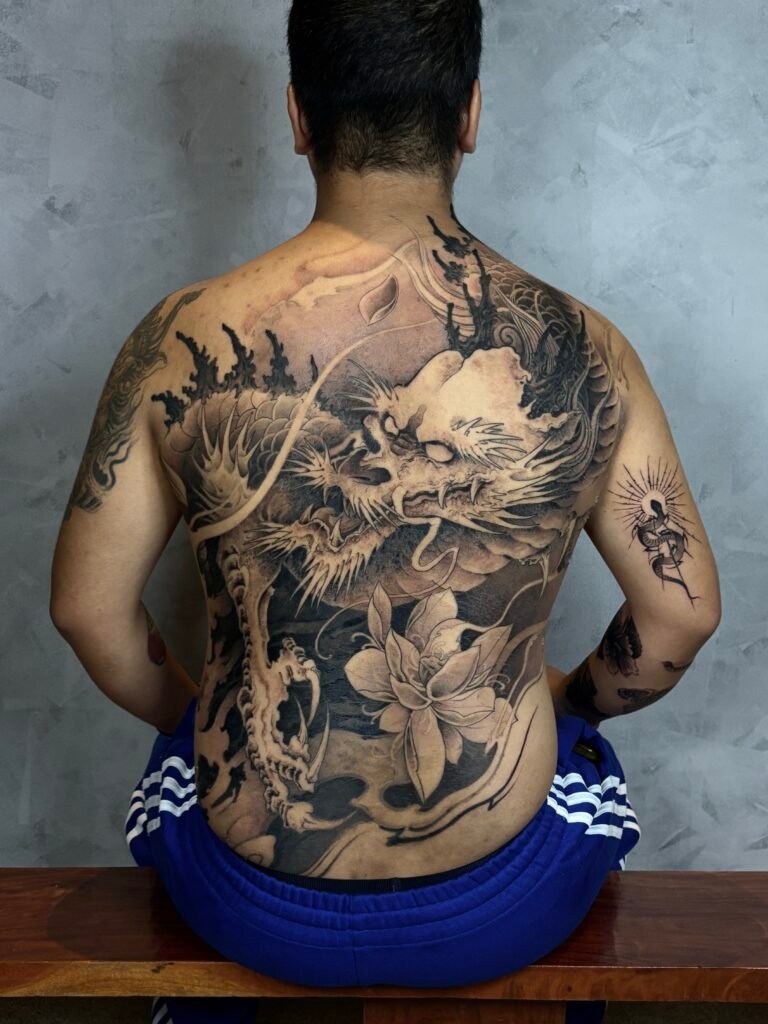

Image Credits: Dipjyoti Paul | Darshan Rai
The Real Skills It Takes to Run a Tattoo Studio
Running a studio for 15-plus years takes far more than artistic skill. Ask Thapa what separates studios that last from those that don’t, and his answers have very little to do with technique.
The first lesson, he’ll tell you, has nothing to do with art: be a good human being. Skills can be taught, but integrity and humility can’t be faked. How you treat people will define your journey far more than any award or follower count ever will.
After that, learn to listen to your own heart. Trends will come and go, but your voice is what gives the work meaning. From there, build your fundamentals the right way: learn to draw, study composition, master your technique, and spend real time with the history of tattooing. None of that can be skipped.
Patience matters just as much. Everyone wants to arrive quickly, but tattooing isn’t a race. The work that lasts is built through years of practice, discipline, and honest mistakes. And through all of it, stay rooted. Respect the craft, respect your clients, and respect the artists who walked this path before you.
That philosophy shows up clearly in how he talks about running the business. He’s never wanted to be a businessman who happens to tattoo. As he puts it, “I’d rather be an artist who learns how to run a business.”
For Thapa, art isn’t just what he does. It’s what he protects. He believes that when you keep that at the center of everything, the rest of it (the business, the reputation, the longevity) has a way of taking care of itself.
The Legacy Sid Wants to Leave Behind
So how does Sid Thapa want to be remembered? Through the tattoos created under his roof? The artists he mentored? The studio he built?
None of those, actually.
“I’d like to be remembered as a good human being,” he says. “Someone who treated people with kindness, compassion, humility, and love.”
His reasoning is beautiful in its simplicity. Tattoos fade with time. Studios change. New generations of artists will keep redefining the craft. But values last longer than ink. The way we encourage others, the respect we show, and the love we share outlive everything else.
If he leaves the community “kinder, more generous, and more connected” than he found it, that’s the legacy he’d be most proud of.
The Lessons Sid Thapa’s Story Leaves Behind
Sid never set out to be famous. He set out to build a space where art could breathe and artists could grow. Fifteen years later, Calcutta Ink stands as proof that generosity and integrity can outlast any trend.
His journey holds a lesson for anyone chasing a dream, whether you’re an artist, a creator, or someone still searching for your path. Success isn’t just about what you build for yourself. It’s about who you lift along the way.
Want to find your own authentic voice? Start by asking what you’d give away for free, and who you’d choose to bring with you.
Follow Sid Thapa on Instagram
Lubdhak Biswas is a musician, entrepreneur and a tattoo artist based out of Kolkata (India).
He documents underground culture at the crossroads of tattooing and music.
His work focuses on craft, tools, ethics and the real working realities of creative industries.