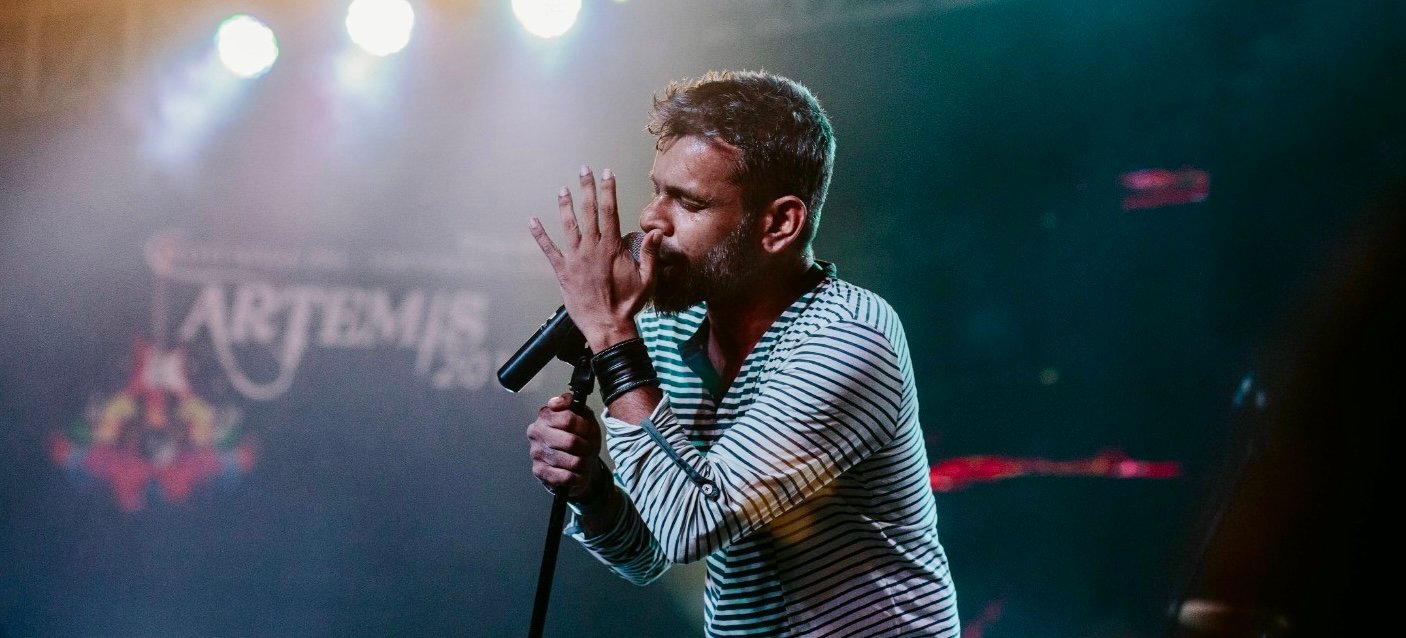
Some people find their thing by accident. Ameeth found his when life quietly redirected him.
A back injury cut his athletic career short before it had a real chance to begin. So he picked up his brother’s guitar, an instrument that had been floating around the house his whole life, and just like that, the unexpected turn became the whole point.
Music was never foreign to Ameeth. It was practically in the walls. His parents, both now well into their seventies and eighties, still sing. His brother is an accomplished vocalist who landed a lead role in a stage production of Jesus Christ Superstar and fronted a cover band called Molotov Cocktail. So when Ameeth picked up that guitar after his injury, he wasn’t stepping into unfamiliar territory. He was stepping into something that had surrounded him his entire life. The instrument was just waiting for him to make it his own.
That accidental beginning turned into Junkyard Groove, the Chennai band that just quietly hit its 20th anniversary. Twenty years. Think about how many things in your life have lasted two decades. Now think about doing it in a scene that kept trying to move on without you.
When the Label Dropped the Ball, He Dropped the Album Online
Here is where the story gets deliciously chaotic.
Early on, the band scored a label deal so good it sounds fake. They lived in Dubai for six months, fully funded, recording their debut in a real studio, playing live as a full band. Then came 2008. The financial crisis swallowed the label whole, and it folded before the album ever came out. Worse, the label refused to hand back the master recordings.

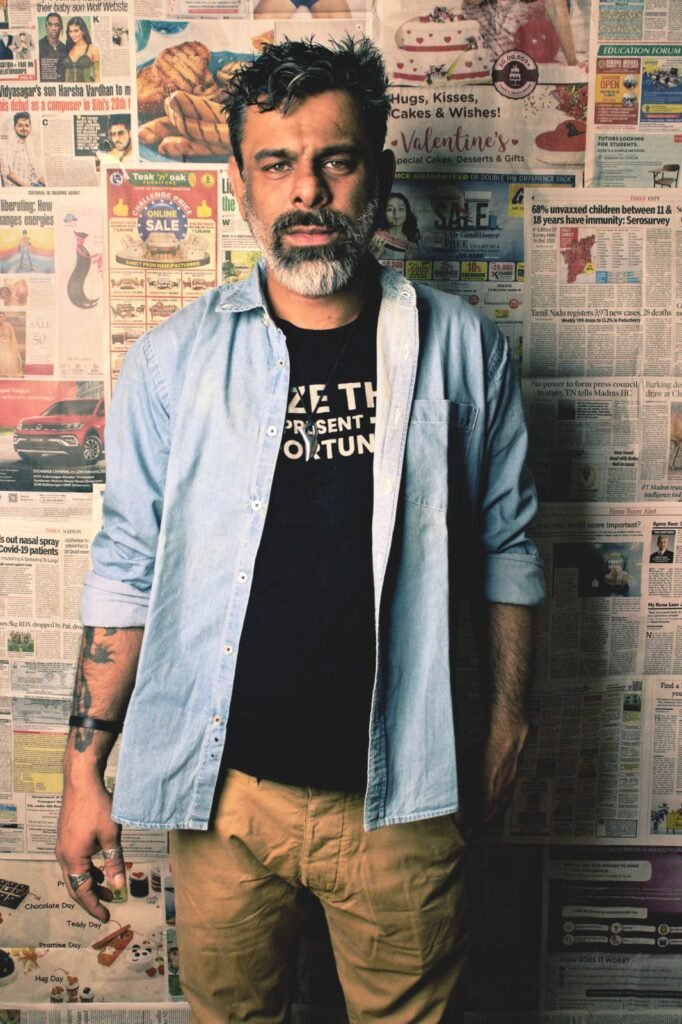

So Ameeth did the most punk thing imaginable. He took them anyway. Then he put the entire album online for free download.
No label. No marketing budget. Barely any social media. The record just spread on its own, passed hand to hand by people who actually cared. It is the kind of move that feels obvious now and felt outrageous then. When the system fails you, you become the system.
Built Different. Sounds Different. Impossible to Copy.
Ameeth is very clear about one thing. Junkyard Groove has a fingerprint. A sonic identity you cannot fake or clone. He puts it in the best possible company.
“There are no bands like Rage Against the Machine. You can’t copy them, because the moment you copy them, everybody knows that’s Rage Against the Machine.”
That is the goal. To sound so much like yourself that imitation instantly gives itself away. And for the record, he wants you to know Chennai has its own rock scene, thank you very much. People keep mistaking them for a Bangalore band, and he is politely, firmly over it.
When it comes to frontmen he admires, Ameeth does not hesitate. Vishal Dadlani sits near the top of that list, not just as a favorite performer, but as a genuine friend. The contrast between them is hard to miss: Vishal brings a fierce, aggressive energy, the kind that hits you in the
chest, while Ameeth leans into something warmer and more chilled-out, a presence that pulls the room in rather than pushes it back. Two completely different approaches to the same job, and Ameeth has nothing but respect for it.
Why He Will Never Let a Click Track Touch His Stage
If you have ever watched a band play to a backing track and felt something go slightly flat inside you, Ameeth gets it. His live philosophy is all adrenaline, all feel, all human mess in the best way.
“We can’t play with click tracks properly. When I’m playing live, energy starts running. You put a computer in between that, everybody’s f**ed.”*
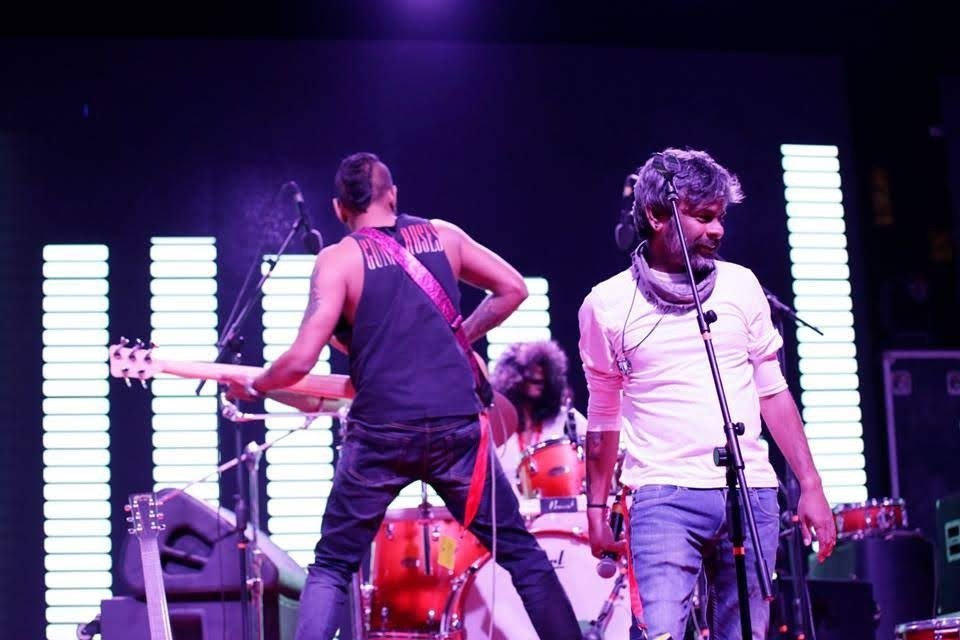
He is not here to shame the bands who love their programmed sets. He just knows what makes him come alive on stage, and it is the loose, unpredictable, anything-could-happen energy of real people reacting to a real room. A sound engineer once joked they come from the Stone Age because their live setup is so minimal. One cable, an iPad, done. Turns out simplicity is its own flex.
He Heard One AI Track and Had Thoughts. A Lot of Thoughts.
You want a hot take? Ameeth has one, and he means every word.
“The moment I hear AI, I know it is AI. It does not have a conscience. That is where that creativity doesn’t come. Nobody will think of a death metal band with an acoustic rock band.”
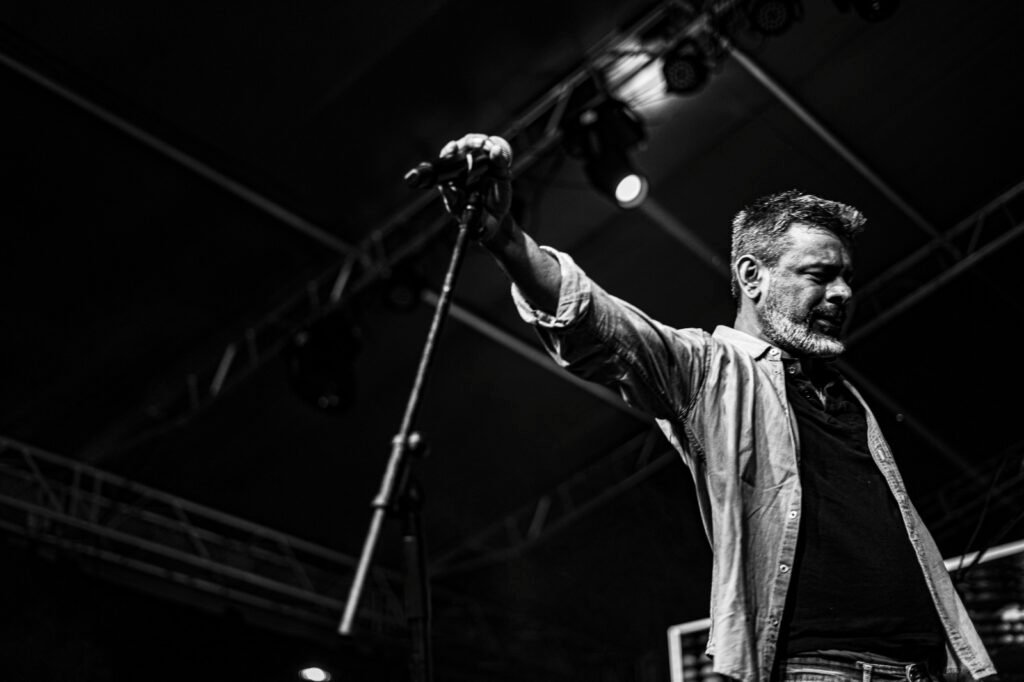
His point cuts deep. Creativity comes from the weird, illogical, conscience-driven choices a machine would never make. He even took a paid gig once, blending a client’s AI-generated backing track with real instrumentation and hours of manual editing. The finished song still got rejected by three distributors over AI content policies. The irony was not lost on him.
To be fair, he is not anti-inspiration. He borrows constantly and says so proudly.
“Getting inspired is not a bad thing. I get inspired a shitload. I got the idea from there, but I change the whole idea into mine.”
That is the whole difference right there. Inspiration transforms. Imitation just copies.
The DIY Era: 85 Songs, Every Hat Worn, No Days Off
For years, Ameeth was the label, the distributor, the engineer, the songwriter, the guy programming drums at home, and the person shooting and editing his own music videos on a shoestring budget. He taught himself camera work and color correction from scratch. He is currently eyeing a compact camera setup so he can make simple videos out of a friend’s home studio.
Around 85 released songs later, with four acoustic EPs still in the pipeline, he is finally letting new management in to help the band hit more cities. Not because turnout is guaranteed, but because the fanbase is there and it is time to go find them again.
And what is next for him personally? Two new solo projects. One orchestral and cinematic, one experimental and chilled-out, both entirely separate from the band that made his name.
Still Here, Still Himself, Still Not Done
If you take one thing from Ameeth, let it be this. He never went commercial. While peers dove into Bollywood, Tamil, and Malayalam film music, he stayed independent, which probably cost him mainstream fame and definitely kept him free.
“We never went commercial. Everybody’s gone into the industry, Hindi, Tamil, or Malayalam. We were first at a lot of things.”
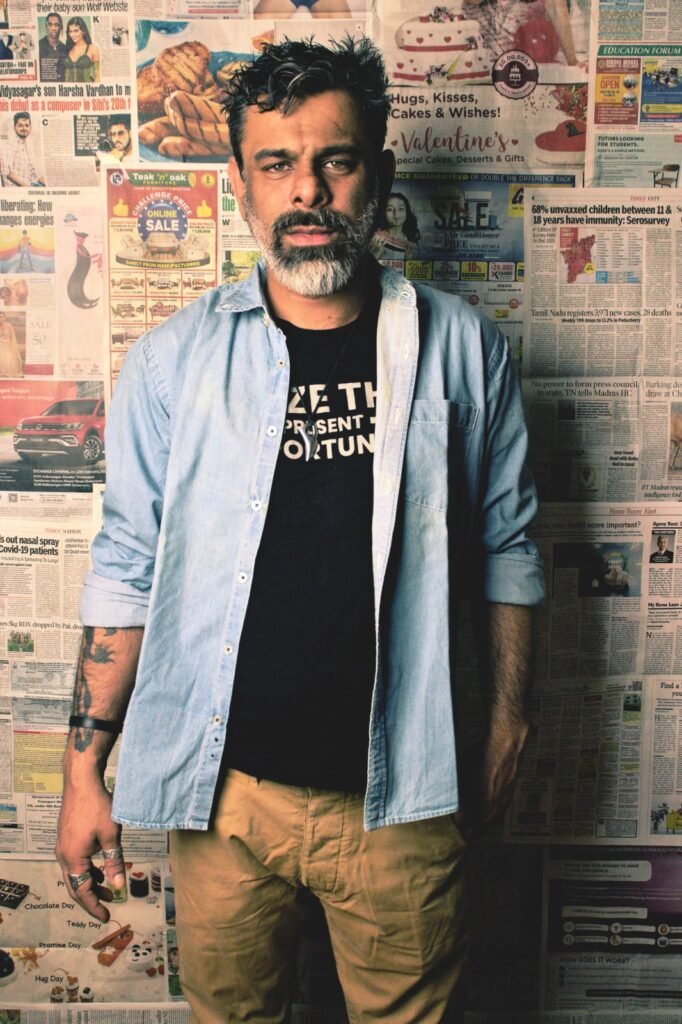
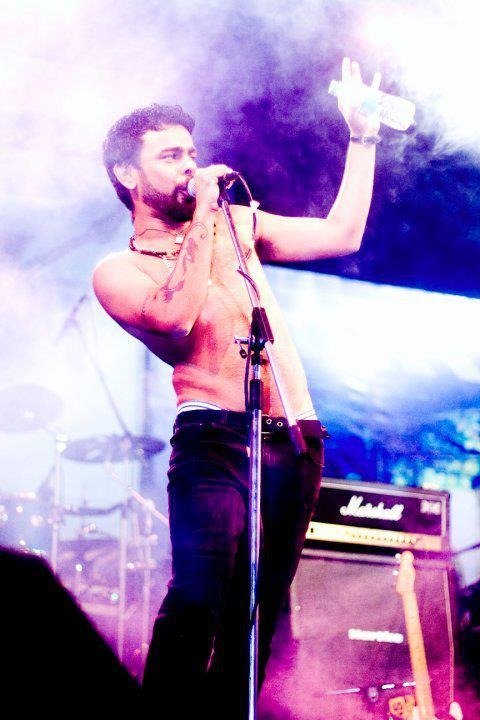

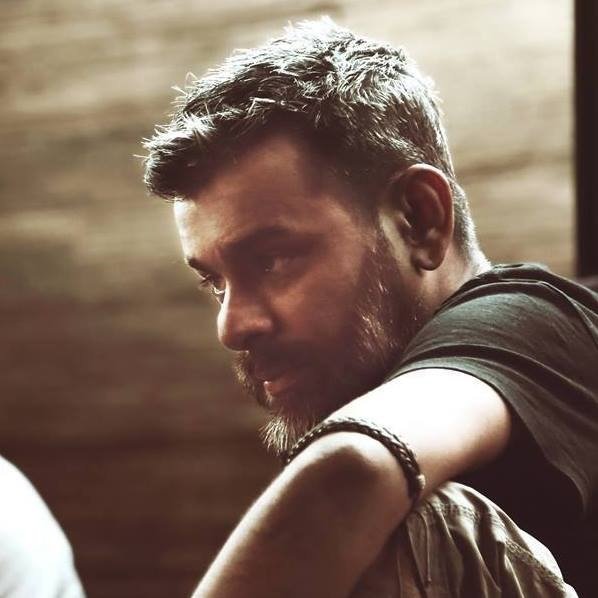
Twenty years in, the man shows no signs of slowing, quitting, or selling out. His commitment reads less like a career plan and more like a promise.
“Unless there’s a world-ending earthquake or I die. Only two options. Even then I’ll take two bandmates and hit it and say, come on boys, let’s do some music.”
Honestly? We should all find one thing we love that much. Ameeth found his by accident, held onto it through a financial crash, a label betrayal, lineup drama, and an entire industry pressuring him to become something else. He stayed himself the whole time.
That is the real lesson hiding in all of this. Authenticity is not a vibe you post about. It is a choice you keep making for twenty years straight, even when nobody is guaranteed to show up.
Follow Ameeth on Instagram

Lubdhak Biswas is a musician, entrepreneur and a tattoo artist based out of Kolkata (India).
He documents underground culture at the crossroads of tattooing and music.
His work focuses on craft, tools, ethics and the real working realities of creative industries.