
Most bands do not end because they fail musically. They end because life gets in the way. Money tightens, egos inflate, time disappears, and responsibilities pile up. Creative collectives often collapse under the weight of sheer survival. Finding a group of individuals willing to work on a shared ambition is difficult. Keeping them together for decades is almost impossible.
Longevity remains the ultimate test of any creative project. Anyone can capture a fleeting moment of cultural attention. Sustaining relevance over thirty years requires a completely different mechanism.
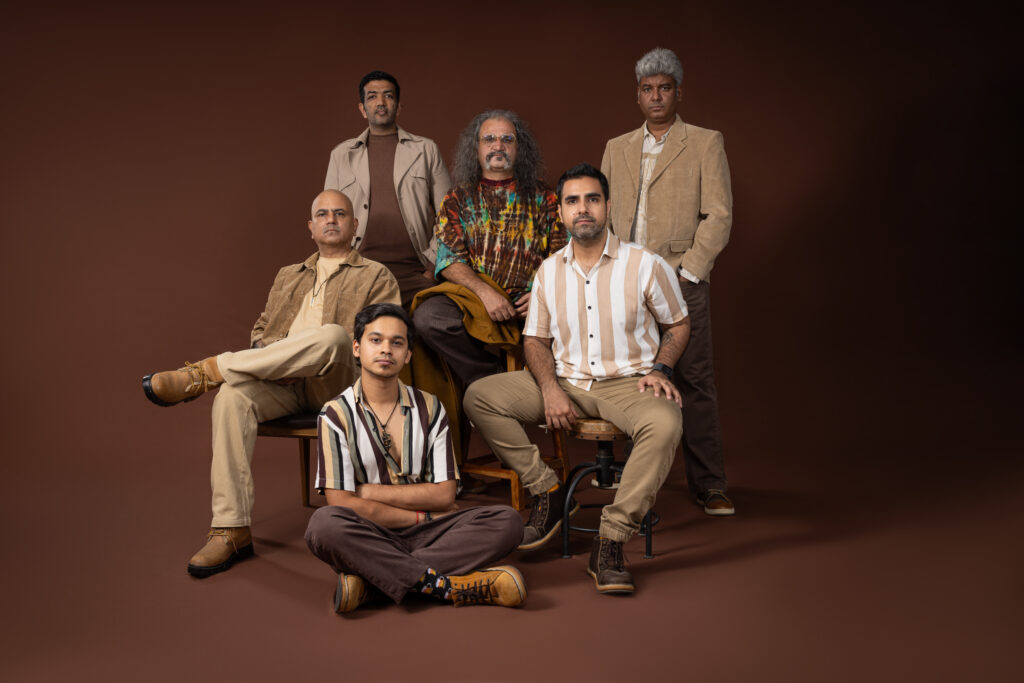
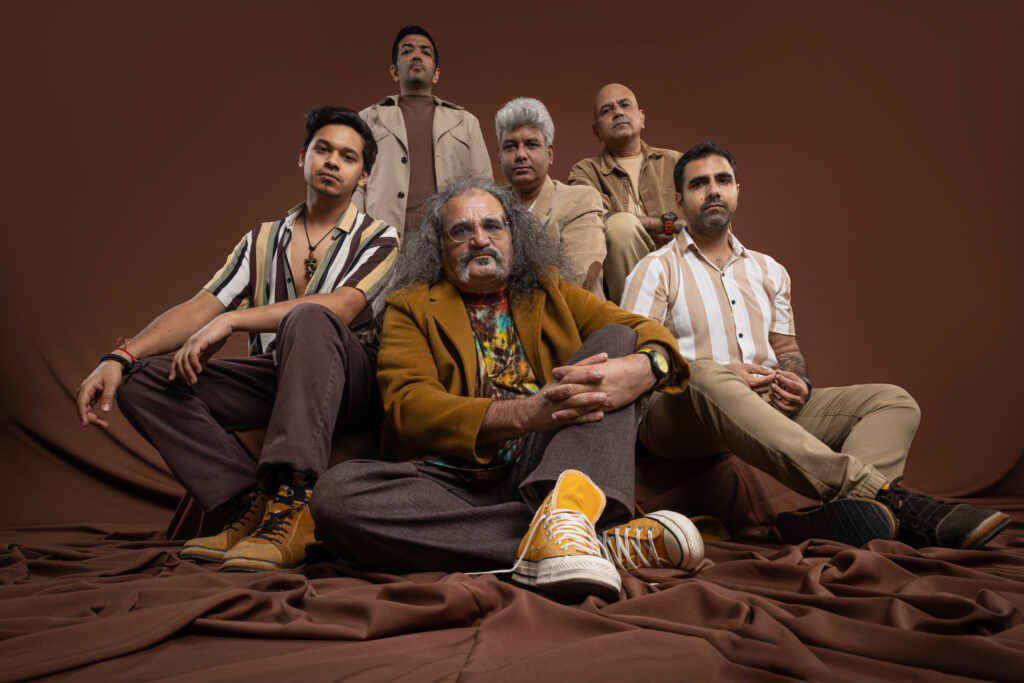
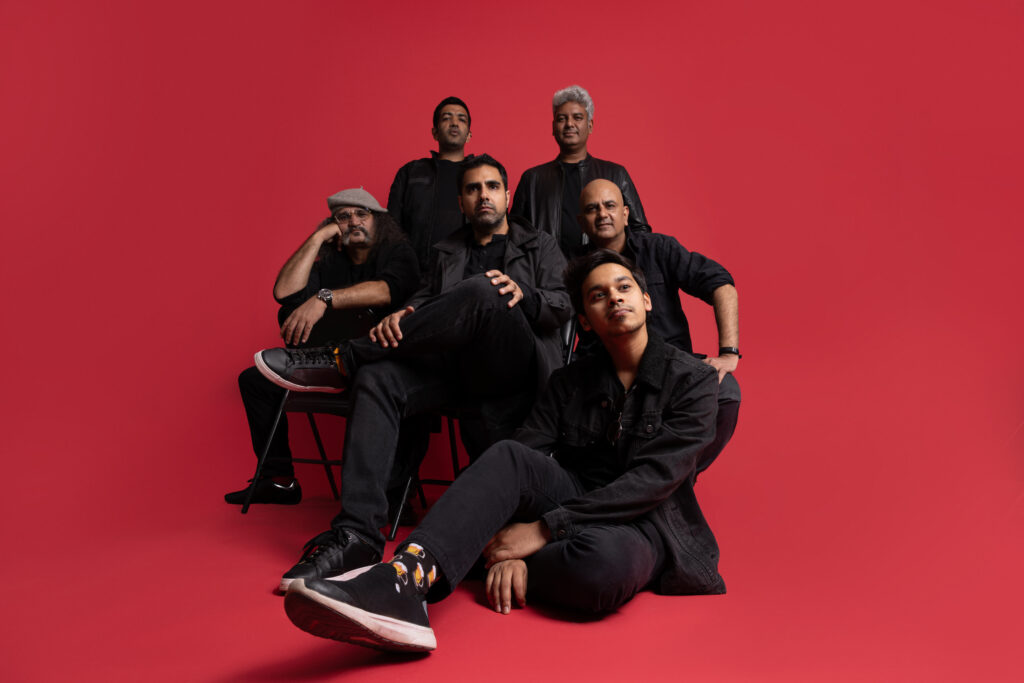
This brings us to Parikrama. For over three decades, the Indian rock group has navigated shifting cultural tides, changing technologies, and profound personal losses. We sat down with founder and keyboardist Subir Malik to understand the quiet mechanics of this endurance. Their story reveals that lasting creativity has very little to do with chasing industry approval. It is built on rigid boundaries, human connection, and a refusal to compromise on core identity.
Escaping the Weight of an Institution
When a collective survives for thirty years, observers rush to label them as pillars of a genre. The artists themselves usually view things differently. Carrying the weight of a heavy legacy can easily stifle actual growth.
Malik understands this intimately. “A lot of people has given us a lot of mantles to carry but frankly speaking we have never thought about it those terms,” he explains. “We started as a group of young kids for our love of rock’n’roll and we still are those bunch of young kids.”
Maintaining that youthful curiosity is crucial. If you view yourself as a finished product, you stop absorbing new ideas. The band survived by constantly welcoming evolution.
As Malik notes, “Being open is imperative for growth.”
The Invisible System Behind the Music
Creativity needs structure to survive. If everyone in a collective tries to do everything, the entire machine slows down. Early on, the band recognized the distinct non-musical strengths of each member. They divided the labor based on natural aptitude.
Some members handled visual design and editing, while others focused purely on songwriting. Malik took charge of the broader vision, marketing, and finances. This clear division of labor removed internal friction.
Malik points out, “Instead of hiring people from outside and paying them a lot of money, we could end up doing a lot of things within the band, following all different spectrums.” That quiet operational structure allowed the creative work to flourish without distraction.
The Decision That Saved the Band
Perhaps the most radical choice the band made happened in their earliest days. They decided they would never rely on their original music to pay their bills.
In 1991, they looked at the landscape and accepted a harsh truth.
Malik explains that they realized “You cannot make a living singing rock and roll in English in India, you know, for all your life.”
This realization was a gift. By securing their financial stability through other avenues (like studio work, teaching, or separate businesses), they protected their art from commercial compromise.
They refused to pivot to mainstream pop when it was highly lucrative in the late nineties. Because their rent was paid through other means, they never had to dilute their sound. Malik states proudly, “Parikrama still is a hobby for us.” That hobbyist mindset is exactly what kept the passion pure and the pressure low.
Free Distribution Long Before the Streaming Era
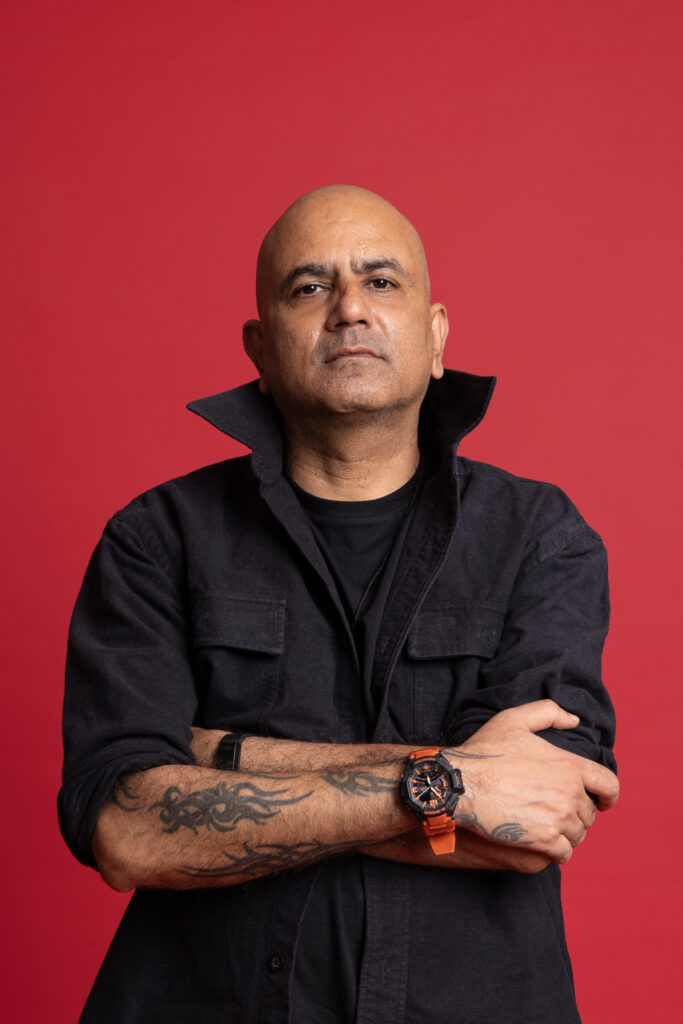
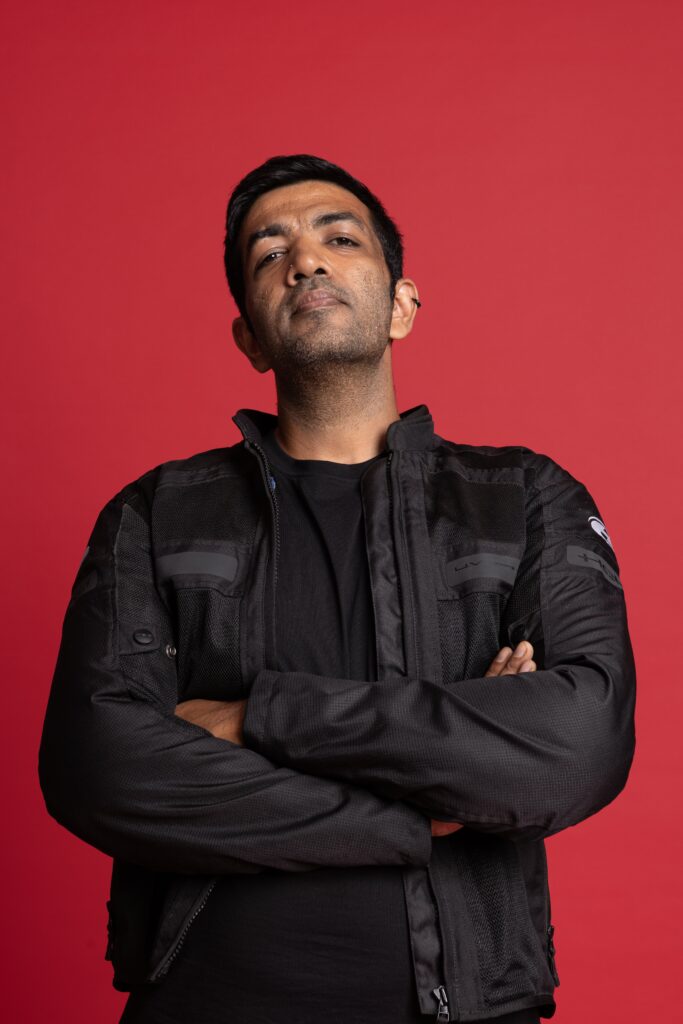
Today, giving away music for free to build a fanbase is the standard digital strategy. Decades ago, it was unheard of. Physical albums were the primary metric of success, but the band rejected that model entirely.
Instead of chasing a traditional record deal, they recorded live shows onto cassettes and CDs. They handed these out for free at college festivals and encouraged fans to duplicate them. The goal was connection, not immediate profit. Free music led to larger crowds, which led to more live bookings. Looking back at this strategy, Malik observes,
“We probably are the first band in the world to develop what Spotify and all are doing today in terms of distribution of music.”
Choosing the Stage Over the Studio
That distribution strategy worked perfectly with their natural preference as musicians. They always thrived on the raw energy of live performance rather than the sterile environment of a recording booth. The studio felt restrictive.
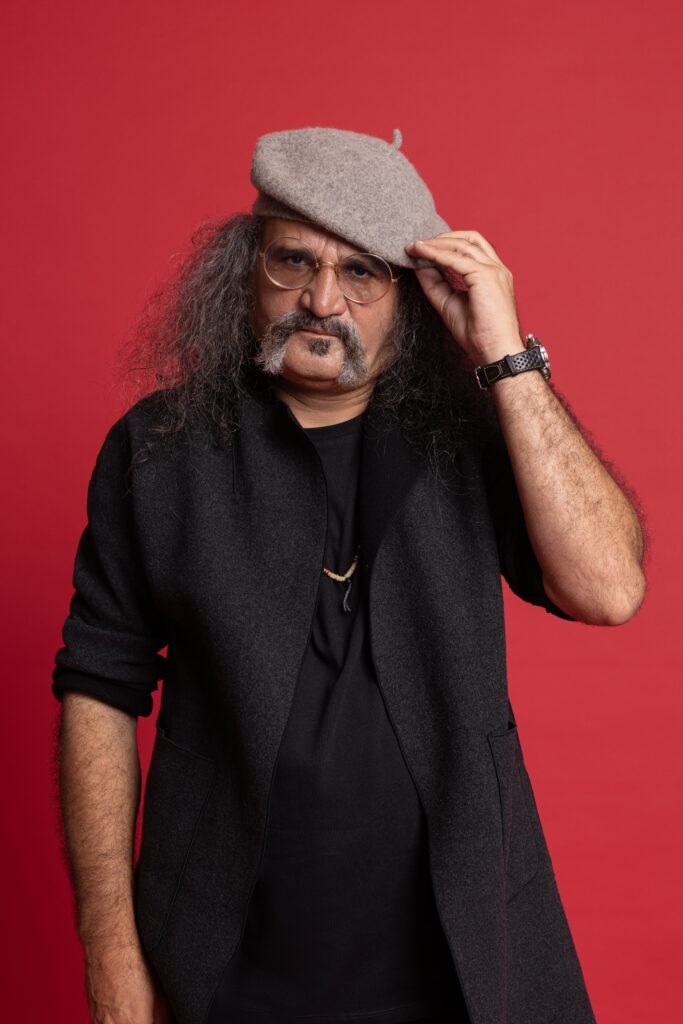


“We hated the studio. We still hate it,” Malik admits.
By focusing intensely on live shows, they built a direct, unfiltered relationship with their audience. They did not need the music industry to validate their existence because the crowd standing in front of them provided all the validation they required.
Finding Balance When Everything Breaks
Longevity guarantees eventual heartbreak. The passing of founding member and guitarist Sonam Sherpa was a devastating blow to the collective. Sherpa was a central creative force and a beloved friend. The loss forced the group to confront the fragile nature of their existence.
In the aftermath of the tragedy, giving up would have been the easiest option. However, honoring Sherpa meant continuing the work he loved so deeply. Malik remembers rallying the group with a clear message: “Pull your socks up. We cannot let go of what Sonam wanted to waste.” Grief eventually transformed into a profound motivation to keep the music alive.
The Shift from Time Abundance to Technological Efficiency
The environment in which artists create has drastically changed. In the early nineties, time felt endless. Malik recalls a period where
“We could just be in a music room for 3 days, not even go home in winter or take a bath for three days just because we wanted to write a song.”
Today, adult responsibilities and family commitments have entirely eliminated that kind of sprawling time. Fortunately, modern technology bridges the gap. A guitar riff played at a soundcheck can be recorded on a phone, sent in a group chat, and built into a full song remotely. The method of collaboration has shifted, but the underlying commitment remains exactly the same.
The Disappearance and Resurgence of Rock
Cultural trends move in unpredictable cycles. For a long period, live rock music seemed to vanish from Indian college festivals, replaced heavily by electronic acts and Bollywood nights.
“All rock bands everywhere suddenly just disappeared,” Malik recalls.
It was a bleak era for the genre. Yet, the band simply waited out the drought. They adapted by playing corporate shows and developing new live concepts. Their patience paid off. Today, the scene is experiencing a massive resurgence, with thousands of young bands emerging across the country playing in various languages. True cultural movements never really die. They simply go quiet while preparing for their next chapter.
The Rule of Eighty Percent Humanity
When a group stays together for decades, technical skill becomes secondary to basic human decency. Talent can easily be derailed by arrogance.
When replacing members or adding new players, the band follows a strict internal philosophy. Malik explains the criteria clearly. He notes that a new player must fit a specific mold:
“he should be an 80% good human being, and even if it’s a 40% player, no problem, you know, we’ll work on him and he will become an 80% player one day very soon with us.”
A toxic personality will destroy a group from the inside within months, regardless of how beautifully they play their instrument. Character protects the collective.
Humility as a Long-Term Strategy
Success is often the most dangerous point in a creative journey. When crowds grow and praise becomes constant, artists easily lose their grounding. Ego replaces curiosity.
The band recognized this trap early on. Malik warns that “The moment it starts getting to your head is what we call ‘the beginning of the end.'” Staying humble is not just a moral choice. It is a highly effective survival strategy. Remembering that the fans build the platform keeps an artist focused on the actual work instead of the surrounding noise.
Discipline Creates Decades
We live in an era obsessed with viral spikes and overnight fame. We are taught to optimize for immediate attention, often sacrificing our authentic voice in the process. The story of Parikrama offers a refreshing counter-narrative.
Trends create moments, but discipline creates decades. By protecting their creative freedom from financial pressure, prioritizing human connection over ego, and embracing change without losing their core identity, they built something that actually lasts. If you want to build a life around your passion, the formula is clear. Stop worrying about how the industry operates, and start focusing on the actual work.
Pic Courtesy – Yeashu Yuvraj
Follow Parikrama on Instagram

Lubdhak Biswas is a musician, entrepreneur and a tattoo artist based out of Kolkata (India).
He documents underground culture at the crossroads of tattooing and music.
His work focuses on craft, tools, ethics and the real working realities of creative industries.