Tattoos are permanent. It sounds like the most obvious statement in the world, yet in the rush of excitement; that “I need this right now” energy—we often forget the weight of forever.
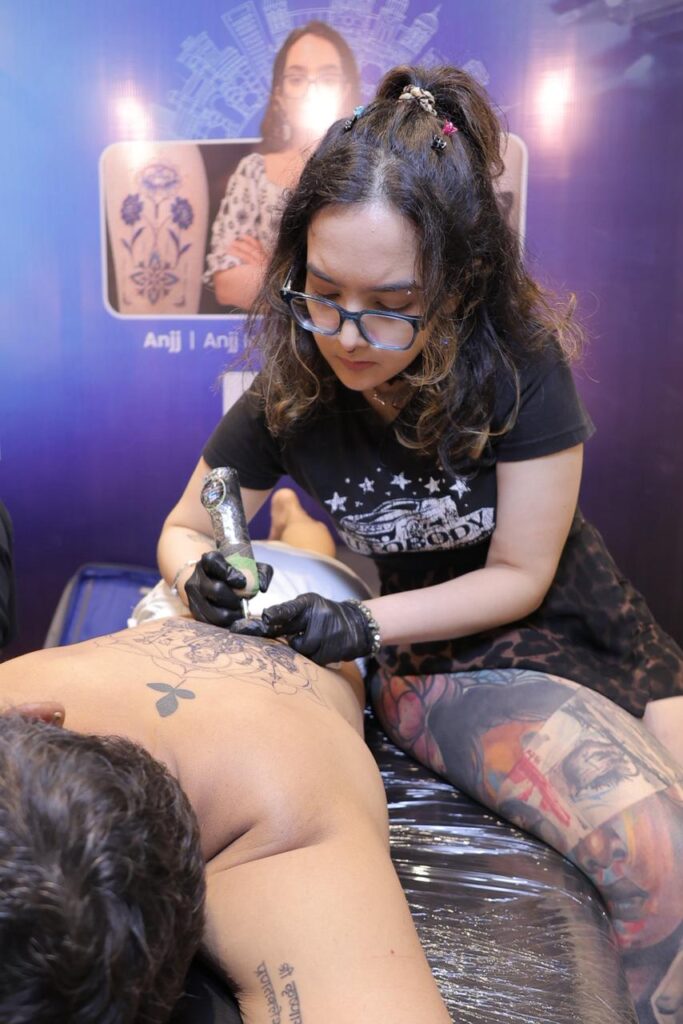
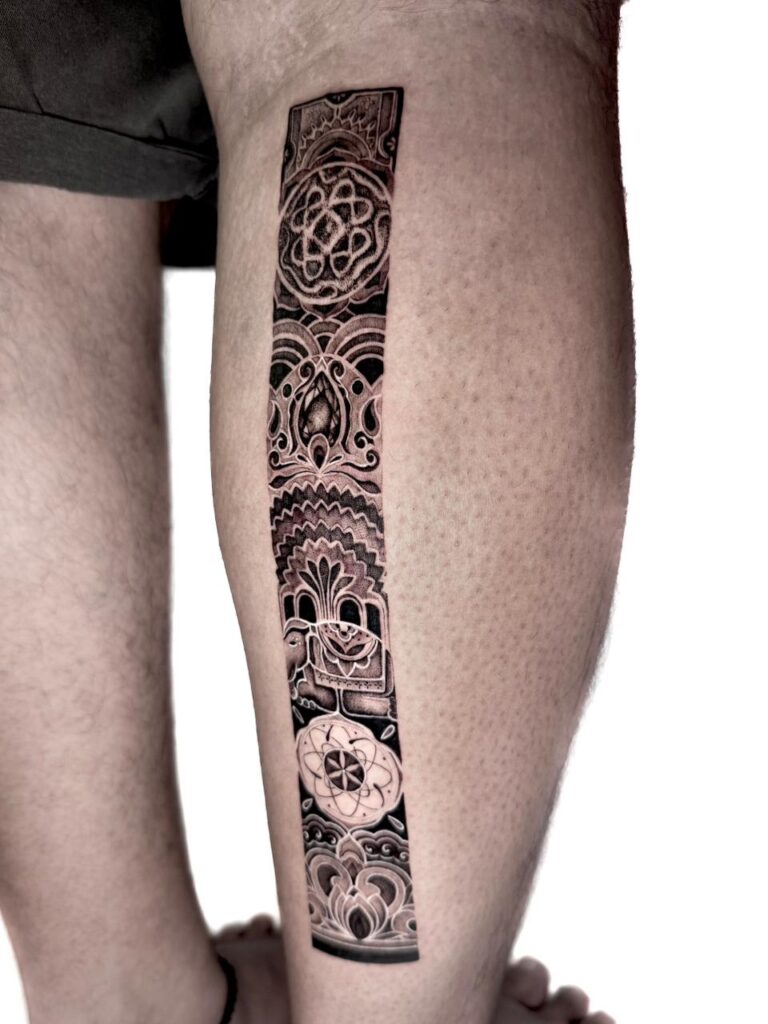
For Anjj, a tattoo artist who cut her teeth in India before refining her craft internationally, that permanence isn’t just a fact; it’s a philosophy.
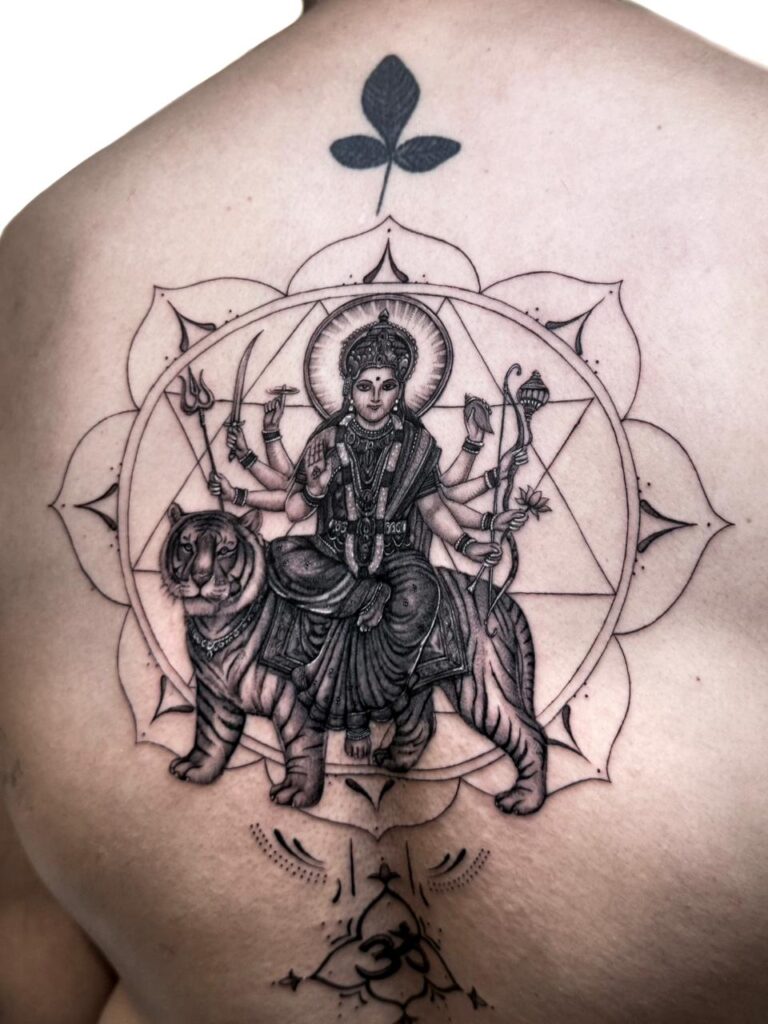
“This is something a person will carry on their body for the rest of their life,” she says.
That single realization changes everything. It slows you down. It makes you question whether a design will age like fine wine or fade into a regretful blur.
Anjj isn’t just in the business of putting ink on skin. She’s in the business of holding space and navigating vulnerability. Taking pointers from her psychology and expressive art background , Anjj is building a studio in Bandra that prioritizes the human being as much as the art.
The Discipline of “No”
We live in a culture that glorifies the hustle, the “say yes to everything” mindset. But Anjj’s early training taught her a different kind of discipline: the integrity of knowing your limits.
“I was taught not to take on projects that I can’t execute well,” she explains. “I would rather decline a tattoo than deliver something subpar that someone has to live with forever.”
This isn’t about lack of skill; it’s about an abundance of respect. It takes courage to turn down money because you know you aren’t the right fit for a piece. It requires a level of honesty that is rare in any industry, let alone one as competitive as tattooing. For Anjj, this honesty is the foundation of trust. If she says yes, you know she’s fully committed.
Bringing International Standards Home
After training in India, Anjj spent time working in Canada, an experience that fundamentally shifted her perspective on what a tattoo studio could be.
In some Indian studios, the process can feel disjointed. You talk to a manager, someone else draws the design, and a third person tattoos you. It’s efficient, sure, but is it personal?
“In Canada, the relationship started with the artist, not the establishment,” Anjj recalls. Clients researched portfolios, chose their artist, and that same artist guided them from the first hello to the final wipe down. “There’s a continuity and trust that you simply can’t replicate otherwise.”
She brought this experience back home, along with rigorous hygiene protocols. In a country where tattoo regulations are still catching up, Anjj decided to set her own bar. Single-use materials, strict sterilization, and clear communication protocols aren’t just “nice to haves”—they are non-negotiables.
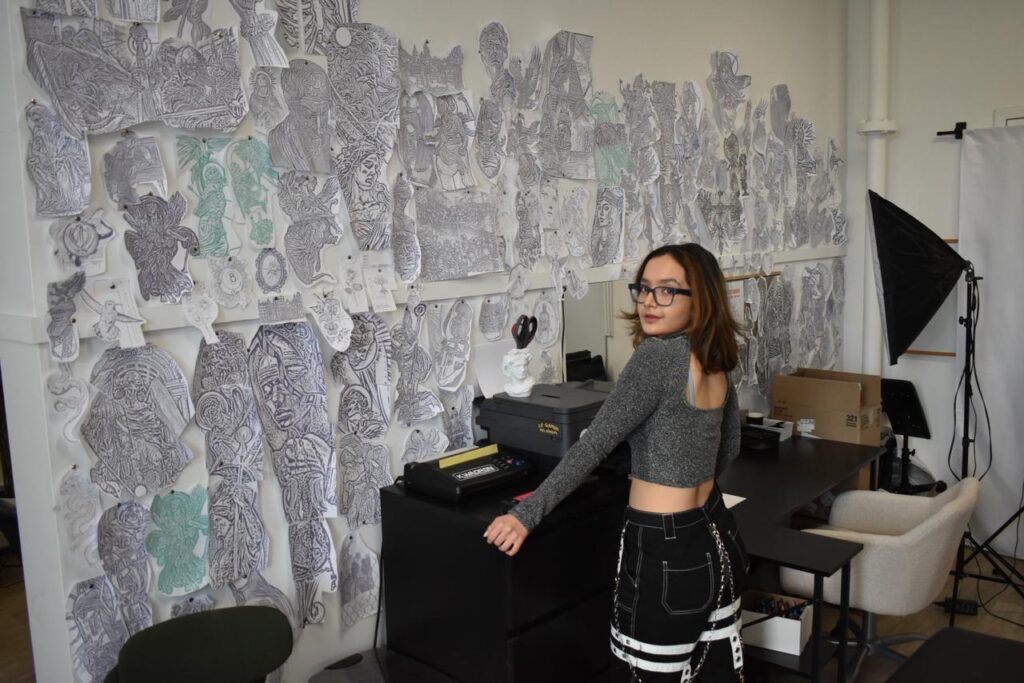
“Safety isn’t something you compromise on depending on where you are,” she asserts.
The Hybrid Model: Spontaneity Meets Sanctuary
When Anjj opened her studio in Bandra, she faced a choice: go fully appointment-only (the gold standard for privacy) or stay open to walk-ins (the heart of tattoo culture)?
She chose both.
“I genuinely love the idea of a fully appointment-only studio,” she admits. There is magic in uninterrupted focus. But she also knows that Indian tattoo culture is still evolving. Many people are curious but intimidated. They need a place where they can just be; ask questions, look around, and get comfortable without the pressure of a booked slot.
Her hybrid model is a delicate balancing act. Walk-ins are welcome to explore and consult, but once a tattoo session begins, the energy shifts. The studio becomes a sanctuary.
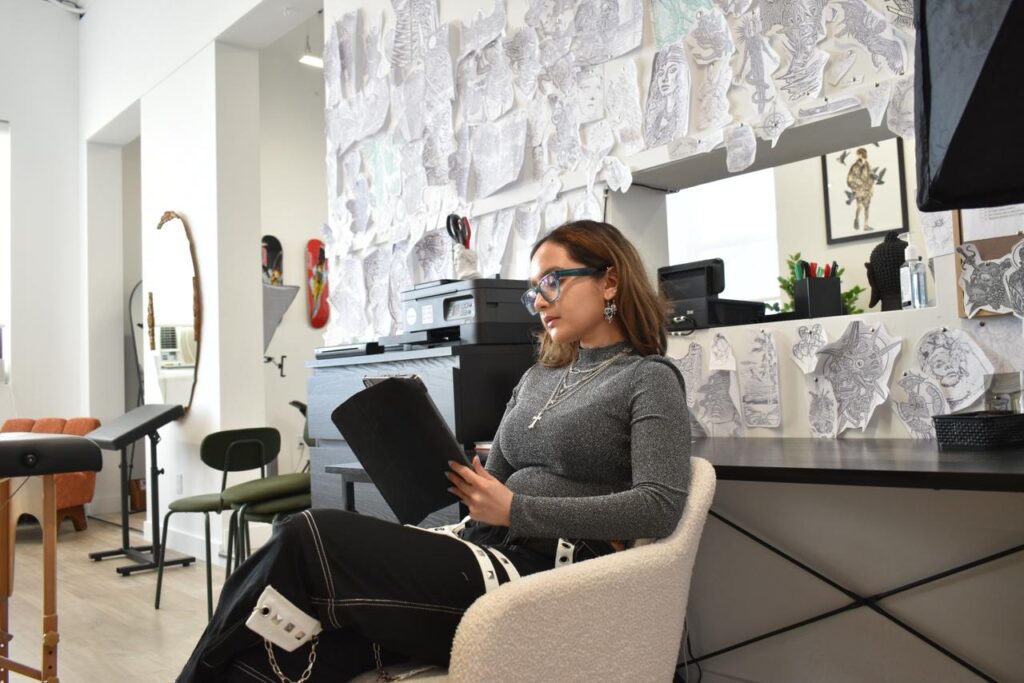
“I become more focused towards the tattoo… It’s almost as if a boundary forms around the person being tattooed,” she describes. “The outside world fades away.”
This approach allows for spontaneity without sacrificing intimacy. It meets people where they are, whether they are impulsive first-timers or seasoned collectors looking for a serious custom piece. “Spontaneity doesn’t have to mean chaos; it just needs structure.” She concludes.
The First Six Months: A Crash Course in Ownership
Any creative who has turned entrepreneur knows the struggle: how do you stay an artist when you have to be the CEO, the janitor, and the social media manager all at once?
“I definitely underestimated how many roles you suddenly have to step into,” Anjj laughs. The first six months were a whirlwind of setting up systems, managing inventory, and learning to switch gears instantly.
One minute you’re calculating supply costs; the next, you need to be deeply present and emotionally available for a client who is about to get meaningful artwork on their body. “Learning to switch between logistical thinking and creative flow… was a real adjustment.”
But this trial by fire deepened her respect for the craft. She realized that building a studio isn’t just about renting a space; it’s about creating an ecosystem where people feel taken care of.
A Vision for the Future: Trust Over Trends
If you strip away the aesthetics and the style, what is left? For Anjj, the answer is simple: Trust.
“Tattoos often mark transitions in people’s lives,” she notes. Anjj wants her studio to be a safe container for all of it. A safe space where grief and joy can be shared.
Her vision for the next five years isn’t about dominating the market or following the latest micro-trend. It’s about changing the perception of tattooing in India. She wants to move the needle from transactional services to collaborative experiences.
“Not everyone who walks in needs to leave with a tattoo that day,” she says wisely. “Sometimes being heard, guided, or reassured is just as important.”
In a world that is constantly trying to sell us the next big thing, Anjj is offering something different: a pause. A moment to reflect. And a promise that if you do choose to mark your body, it will be done with the reverence it deserves.
Follow Anjj on Instagram
Mishuk is a digital marketer by profession and a storyteller at heart. He crafts narratives through content marketing, blending strategy with culture. When he’s not building campaigns, you’ll find him immersed in music, martial arts, and all things creative. Yes he also designed the website you’re reading right now.