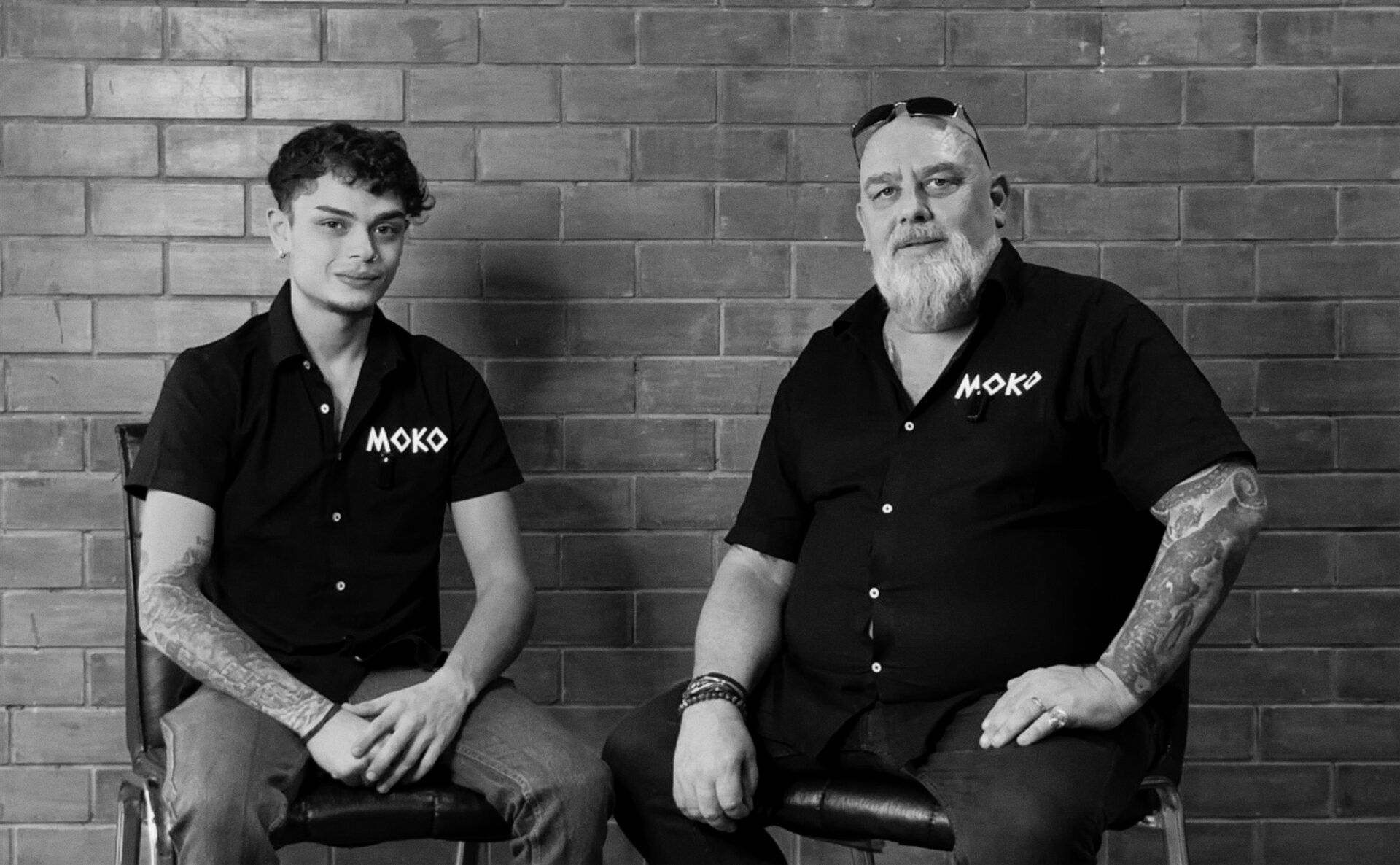
Most people think finding your “true calling” happens in a flash of lightning. You wake up one day, the clouds part, and suddenly you know exactly who you’re meant to be. But for Stan Berlin, the path to becoming a key figure in India’s tattoo industry wasn’t a lightning strike. It was a slow burn that started with construction sites, took a detour through decades of ignoring tattoos, and finally landed in a pot of healing balm made by his wife.
If you’re sitting there wondering how a construction veteran ends up launching a tattoo aftercare brand, you’re not alone. It’s a pivot that screams reinvention—the kind of drastic life change many of us dream about while staring at our laptops on a Tuesday afternoon.
Stan’s story isn’t just about business; it’s about shedding old skins (literally and figuratively) and finding relevance in a culture-driven space where he was once an outsider.
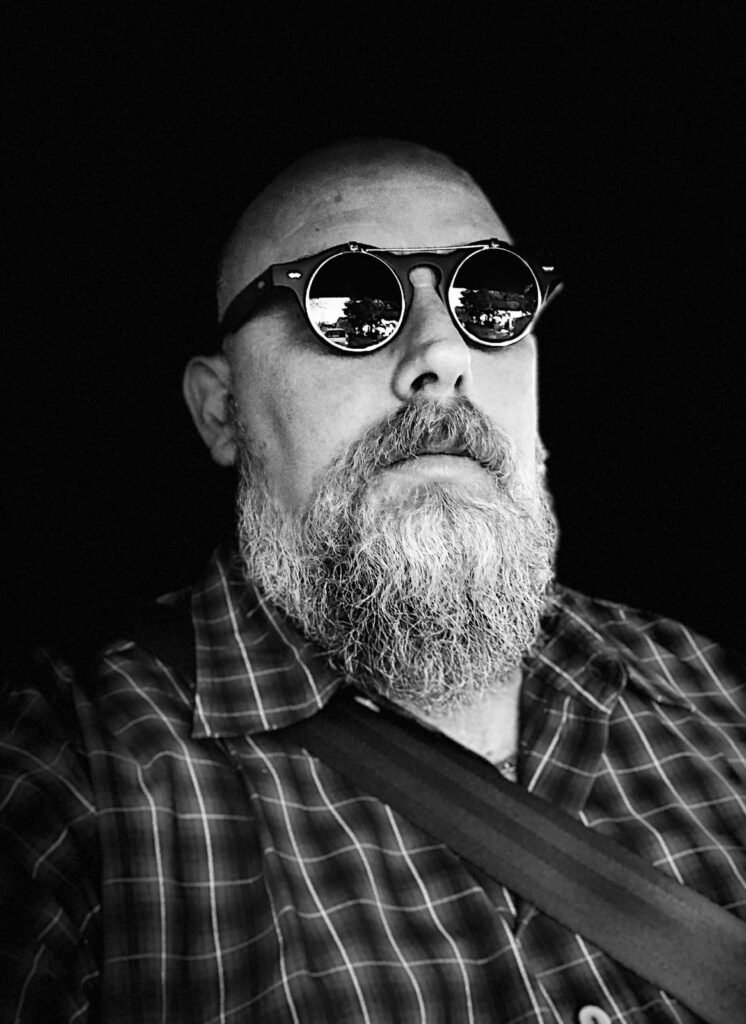
The Expat Brat Who Built Landmarks
Before ink ever touched his skin as a business, Stan lived a life built on concrete and steel.
“I grew up as an expat brat,” Stan recalls. His professional life kicked off in 1988 at the tender age of 18. He threw himself into the construction industry, traveling the globe to build landmarks.
For decades, his world was defined by rigid structures: time, quality, cost, and delivery. There was no room for “vibes” or artistic interpretation in construction. You promised a building, you delivered a building.
“This background would have given me the foundation for time, quality, cost and delivering what is promised,” Stan explains. Surprisingly, this rigid discipline became his superpower in the fluid, often chaotic world of tattoos. When he launched his brand, MOKO, he didn’t bring an artist’s temperament; he brought a builder’s reliability. Manufacture a quality product. Keep it cost-effective. Deliver what you promised.
Sometimes, the most “creative” thing you can do is actually just be reliable in a flaky world.
The 15-Year Tattoo Hiatus
Stan wasn’t a stranger to tattoos, but he wasn’t exactly a devotee either. His first ink experience happened in the early 90s—a test of courage more than an artistic statement.
“I wanted to see if I had the courage and internal strength to sit through a tattoo,” he says. For 15 years, he collected ink fairly regularly. And then? He stopped. Cold turkey. He was done with the needle.
Fast forward to 2022. The world had just emerged from the haze of Covid. Stan’s son walked through the door with his first tattoo. Stan, who hadn’t stepped foot in a studio for over a decade, was floored.
“I was shocked at the quality of the work,” he admits. The industry had evolved. The scratches and murky lines of the 90s were gone, replaced by high-definition artistry. That spark of curiosity reignited. He met his son’s artist, got talking, and impulsively decided to cover up his old, poorly done tattoos.
But there was a catch. As Stan aged, his body changed. He had become diabetic, and healing wasn’t as simple as it used to be. Enter the real MVP of this story: his wife. She concocted a special healing balm for him. It worked so well that they looked at each other and thought, Why aren’t we sharing this?
That was the birth of Moko Butter. And just like that, after two and a half years, Stan hasn’t touched a construction site since.
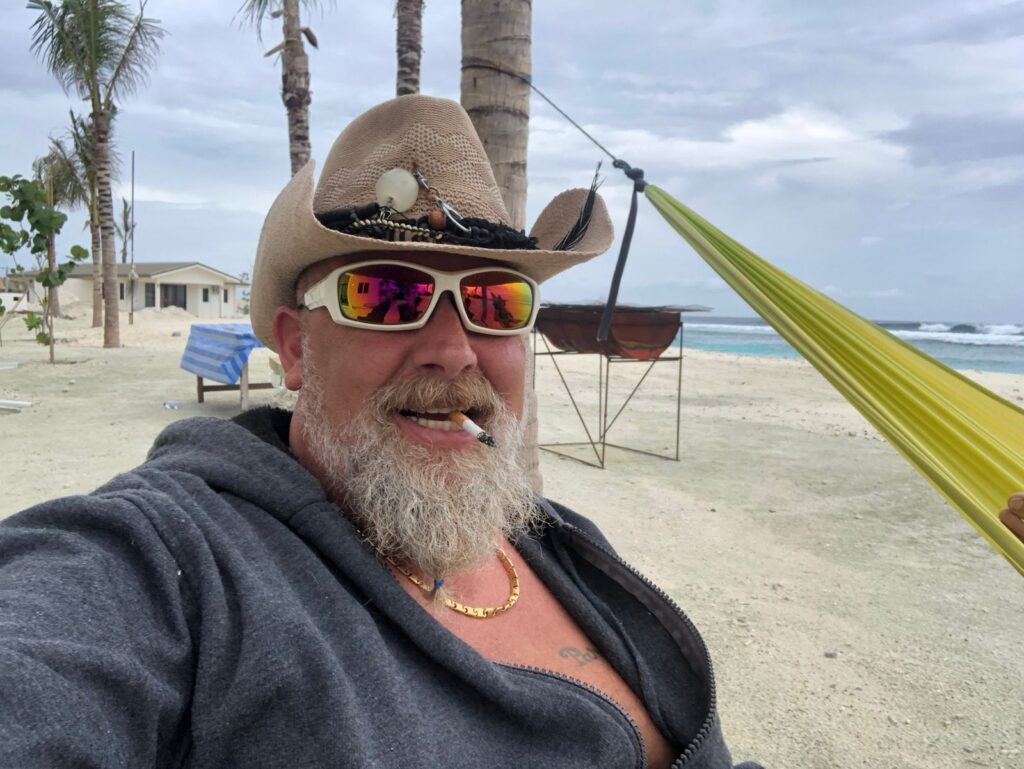
Reinventing the Self: The Salesman Who Doesn’t Sell
Making the jump from construction—a world of hard hats and blueprints—to the tattoo industry—a world of expression and counter-culture—is a massive identity shift. How do you deal with the imposter syndrome? How do you fit in?
For Stan, the hardest internal shift wasn’t about trying to be “cool.” It was realizing he didn’t have to sell anything; he just had to share what worked.
“I never thought of myself as a salesman,” Stan reflects. “But when you have a product you believe in, it’s not like selling, it’s offering something you have to the community who needs and appreciates it.”
This is a lesson for anyone currently feeling out of place in their career. Authenticity isn’t about changing who you are to fit a new mold. It’s about finding where your genuine value meets a real need. The tattoo community embraced him not because he tried to be an artist, but because he solved a problem they all faced: healing.
The Indian Tattoo Scene: Genius Without a Global Stage
Stan has spent the last few years on the ground, visiting studios from high-end boutiques to tiny shops tucked under staircases. His observation? India is sitting on a goldmine of talent.
“The creativity is unmatched,” Stan asserts. “India has some of the best tattoo artists in the world.”
The problem isn’t skill; it’s visibility. The international radar hasn’t fully picked up the signal coming from India yet. But Stan sees the tide turning as more artists travel to conventions and showcase their work globally.
However, talent alone doesn’t build an industry. Stan points out a critical gap holding the scene back: Regulation.
“Lack of regulation and standards keep the Indian tattoo industry held back right now,” he notes. It’s not about policing art; it’s about basic safety. Certification, hygiene audits, and standardized equipment are the boring but necessary steps to legitimate the industry. MOKO is tackling this head-on in 2026 with hygiene manuals and independent audits.
The “Aftercare is Optional” Trap
If you have tattoos, you know the drill. You spend thousands on the art, sit in pain for hours, and then… maybe throw some coconut oil on it and hope for the best?
In India, aftercare is often treated as an upsell rather than a necessity. Stan believes the root cause is a mix of cost perception and awareness.
“The thought process of ‘My customers cannot afford the additional cost of aftercare’ needs to be eliminated,” Stan argues. He shares a story of a studio owner operating under a staircase, serving working-class clients. The artist told him, “My customers are investing into themselves. This month a tattoo, next month a new shirt… why would they not want the best out of their investment?”
It’s a powerful reframe. A tattoo isn’t just a purchase; it’s an investment in your identity. Why ruin the ROI by cheaping out on the healing process?
The good news? The “canvas” (that’s you, the client) is getting smarter. Four years ago, only 10% of clients asked about aftercare. Today, Stan sees that number hitting 50-60%. We are learning to take care of the art we wear.
The Sun: The Silent Ink Killer
Stan has lived a life under the sun, both on construction sites and as a scuba diving instructor. He used to avoid sunscreen to protect the ocean, but his tattoos paid the price.
“Exposure to the sun is the biggest mistake you can make,” he warns.
Seeing the damage on his own skin led him to develop an ink-friendly, reef-safe sunscreen. Ironically, it’s one of their slowest-selling products. It highlights a strange disconnect in tattoo culture: we obsess over the needle, but we forget the sun is fading our story every single day.
The Future is Collaborative
So, where is this all going? Can India become a hub for innovation, or will we just consume global trends?
Stan is optimistic but realistic. “I hope to see more international exposure to the products and for India to grab a bigger piece of the pie,” he says.
The key to this shift isn’t competition; it’s collaboration. It’s about established players educating the public rather than fighting over scraps. “We are never offended when we come across a customer who is working with a competitor’s product,” Stan says with the confidence of someone who knows there’s enough room for everyone. “We are happy that they are on the right path.”
Stan Berlin’s journey from building skyscrapers to saving skin proves one thing: it’s never too late to pivot. You can leave a 30-year career, cover up your old mistakes with new art, and find a community that values what you bring to the table.
Sometimes, you just need to trust the healing process.
A former pop culture journalist, Meghdeepa Choudhury is now a B2B content editor. She has written for platforms like Sportskeeda, Nicki Swift, and EssentiallySports, covering all things entertainment. Based in Kolkata, she brings a sharp editorial eye shaped by over four years of professional writing and editing experience. An avid animal lover, she rescues and fosters animals and currently shares her home with eight fur babies, with dreams of opening a shelter of her own.