Every city has a voice, but it often takes someone fearless to shout it loud enough for everyone to hear. For Zake, a Mumbai-based graffiti artist, that voice is painted loud and proud in vibrant hues across walls. His story is one rooted in rebellion, creativity, and the raw rhythm of hip-hop, set against the bustling and chaotic urban backdrop of Mumbai.
The Birth of Zake
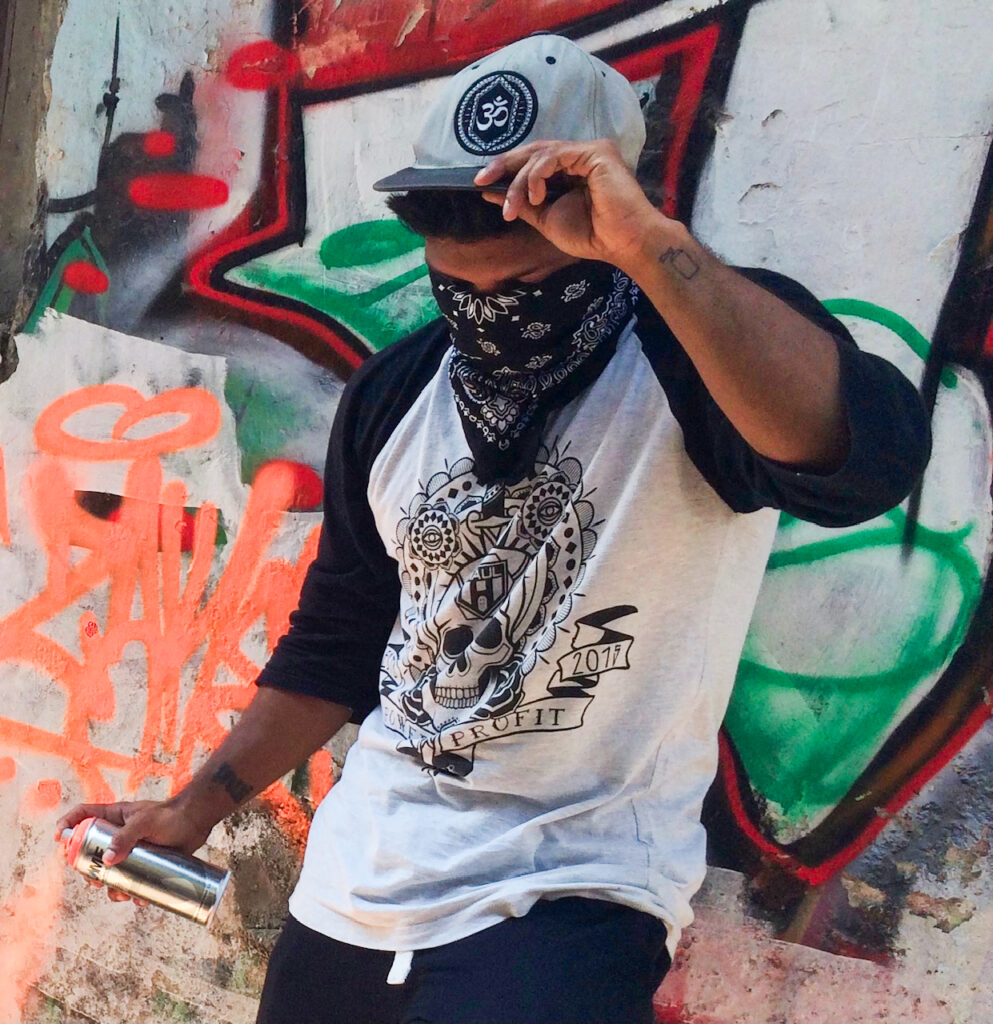
Every graffiti artist knows their mark isn’t just a name—it’s an identity. Zake’s tag, inspired by the cartoon Jake the American Dragon, started with a simple tweak. By replacing “J” with “Z”—a letter he always thought was “cool”—Zake gave life to a persona that would eventually dominate Mumbai’s walls.
“I just started writing it everywhere,” Zake says, recalling how his playful scrawls slowly turned into something more permanent. What began as a simple signature became a symbol of persistence—an unapologetic claim to space in a landscape already saturated with noise.
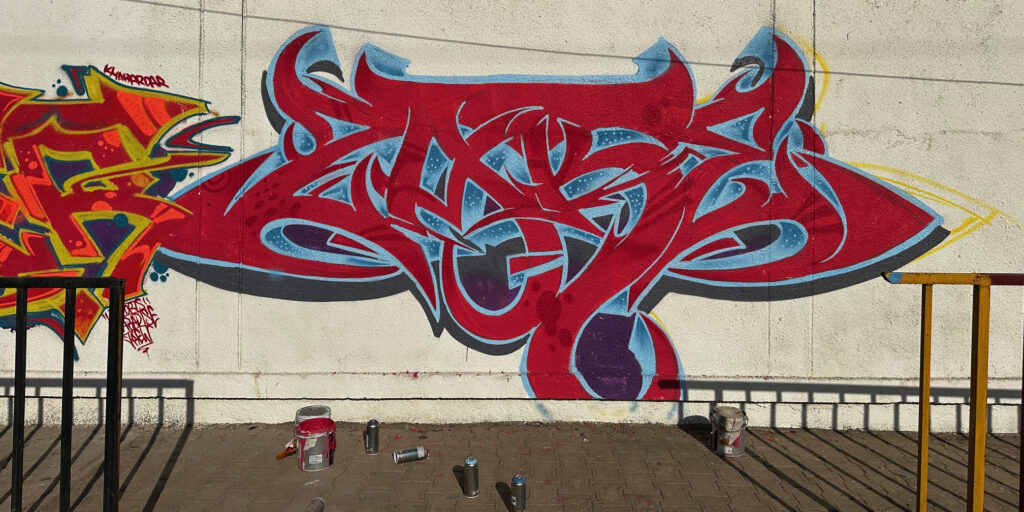
Mumbai as a Muse
The streets of Mumbai are more than a backdrop for Zake—they’re an active collaborator in his work. For him, graffiti is deeply tied to the city’s frantic energy and advertising-saturated skyline.
“This city shaped me completely,” he says. “I think I felt responsible to add my name to this landscape—to take the liberty to balance the chaos.” Graffiti became his way of engaging with the vibrant visual language of Mumbai, an artist taking his stand amidst towering billboards and crammed streets.
The First Strokes of Freedom
Every career begins somewhere. For Zake, that moment came during Ambedkar Jayanti, when he painted his first stencil—a boy sitting down. But carrying and using a stencil proved tedious and risky, pushing him toward the unrestrained fluidity of freehand graffiti.
“That’s when I decided I wanted to go freehand,” he laughs. “It takes a lot of unnecessary effort to carry a stencil, and it just doesn’t feel the same.” Freehand painting offered Zake the artistic freedom he had been searching for, marking the true start of his path.
Art or Vandalism?
Graffiti walks a fine line between artistic expression and vandalism. For Zake, the thrill of illegality is part of its allure. “Graffiti writers take pride in the illegal aspect of it,” he admits, though the cultural perception in India is nuanced. “Some people accept it, and some don’t.”
Dealing with confrontation from bystanders and authorities is part of the job. “It’s about how you fight back,” he says, with a tone of defiance that embodies the spirit of graffiti. For Zake, every painted wall is a win in the battle for creative freedom.
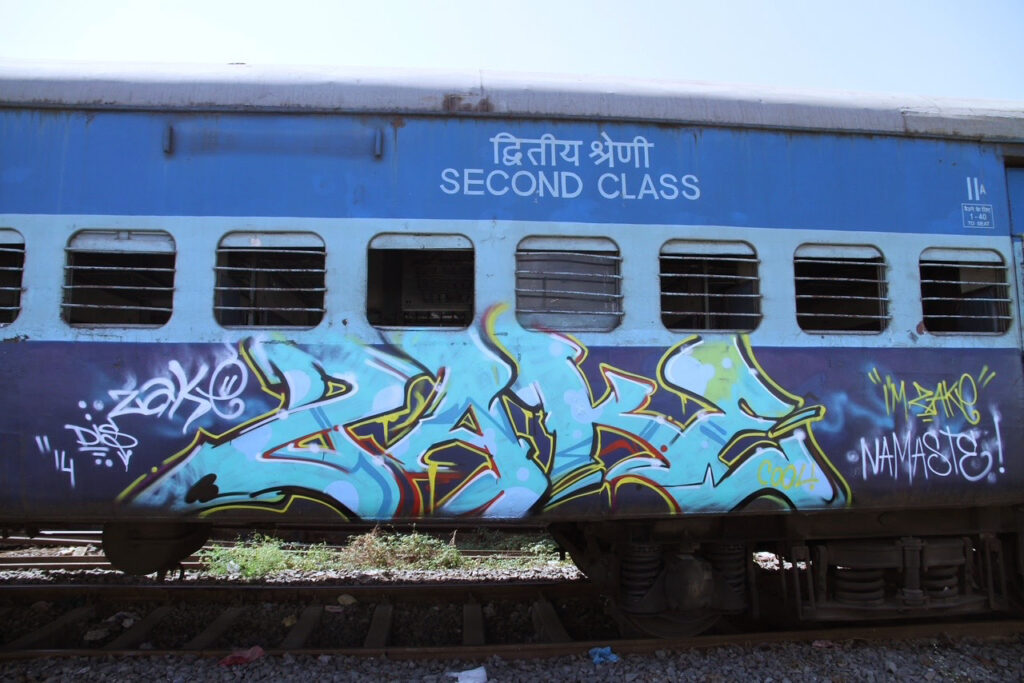
Fighting with Walls and Colors
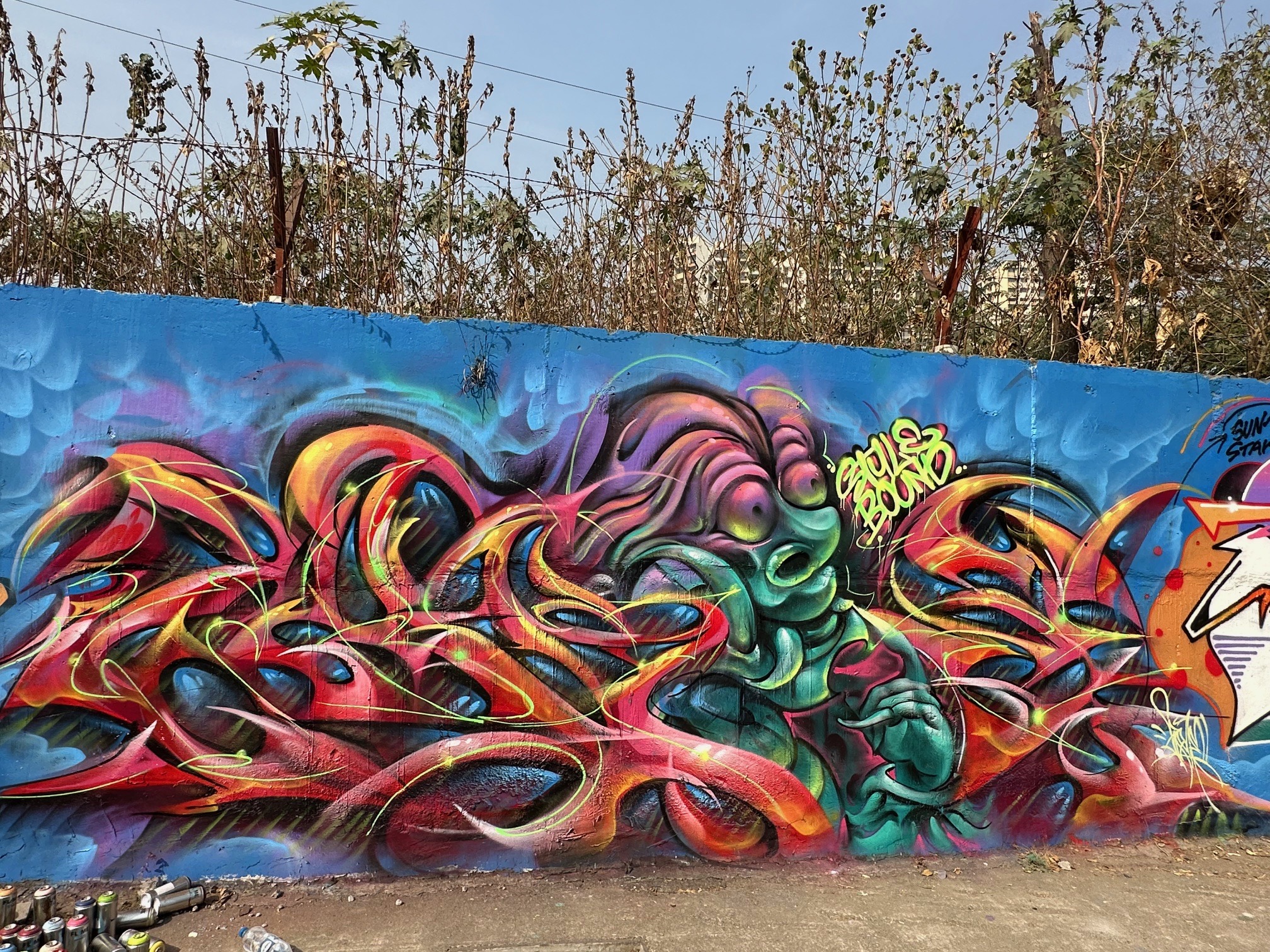
When it comes to inspiration, Zake’s process is a balance of instinct and intent. “I fight with the wall,” he says. “Sometimes it’s a conscious decision, other times it’s just a rant or a happy outcry.”
His visual language reflects the rhythm of the streets—raw energy translated into vivid colors and bold forms. It’s a style born from flow, a deliberate spontaneity that mirrors the city’s ceaseless motion. “Everything out there inspires me,” he explains, proof that even chaos has its own rhythm.
Freedom in the Process
For Zake, freedom isn’t just the message—it’s the medium. “To me, freedom is losing yourself in the process of art,” he shares. It’s about breaking barriers, erasing boundaries, and transcending the rules that limit creativity. Graffiti, for him, is more than just a statement; it’s liberation.
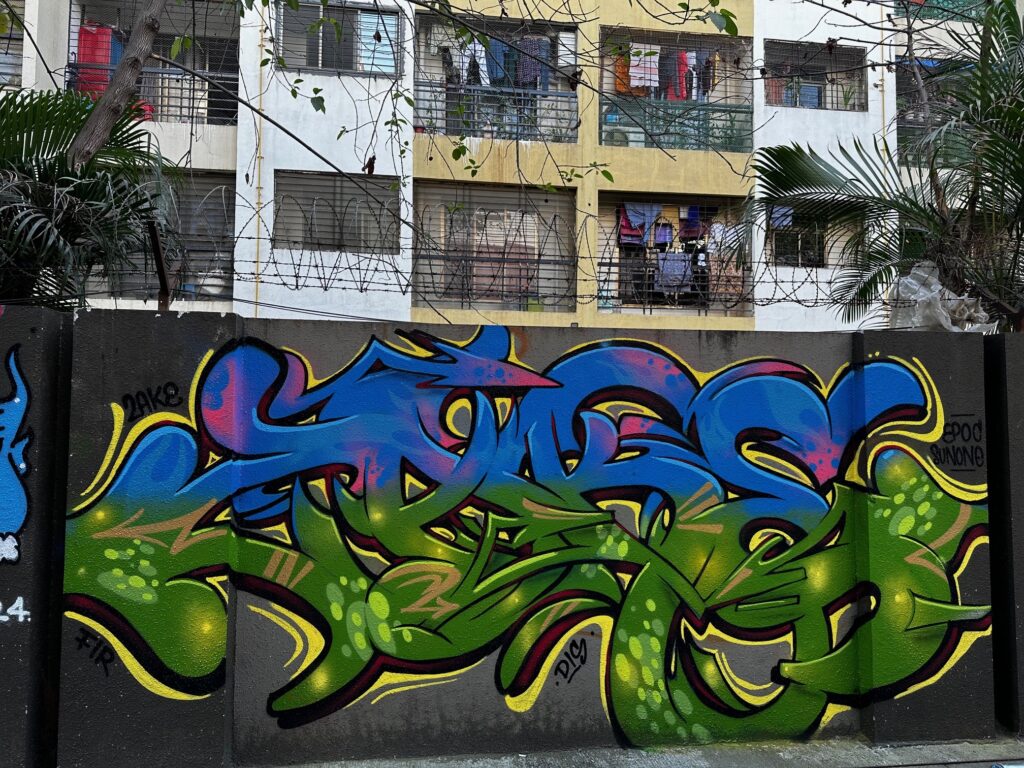
Graffiti in Transition
When asked about his contribution to India’s street art scene, Zake downplays his impact, revealing a surprising humility. “I don’t follow the street art scene much, and I haven’t contributed anything,” he declares. Instead, Zake sees himself not as a revolutionary but as a “graffiti writer soon to be transitioning into a commercial artist.”
Even so, his passion for graffiti hasn’t waned. Collaborations with other artists and crews continue to fuel his creative evolution. “It’s fun—a challenge on the wall,” he says. “We learn new techniques from each other, because everyone moves differently.”
The Temporary Nature of Street Art
Street art’s impermanence is both its beauty and its curse. For Zake, losing a piece to new paint or police intervention is a habit he’s had to come to terms with. “It’s a habit now,” he says nonchalantly. “The only thing that matters is getting a photo of the piece.” Even in loss, the ephemeral nature of graffiti adds to its rebellious spirit and fleeting impact.
The Hip-Hop Connection
Graffiti is one of the four pillars of hip-hop culture, and that connection isn’t lost on Zake. “Hip-hop influenced me from childhood,” he says. “It’s what got me into graffiti.” Whether it’s the beats, the breakdancing, or the larger ethos of hustle, hip-hop framed Zake’s artistic mindset, teaching him how to paint outside the lines of convention.
Dreaming of Airplane Walls
Asked where he’d paint with no boundaries, Zake doesn’t hesitate. “It’s probably no fun if there are no rules or limits to break,” he says with a chuckle. But barring restrictions, he dreams of painting an airplane. “I’d probably just write my name,” he adds, a reminder that sometimes simplicity speaks volumes.
Advice to Young Artists
For Zake, the best advice is simple and direct: “Get up and do it. If the student is ready, the teacher will appear.” There’s no magic formula for success—just grit, passion, and action. “You don’t need to learn how to have fun, do you?” he quips, summing up the carefree ethos that fuels his work.
A Legacy Written on Walls
Zake’s story is one of transformation—a kid inspired by cartoons and hip-hop, who turned his name into a signature on the walls of Mumbai. His work is a testament to the power of rebellion and the beauty of impermanence. For Zake, graffiti isn’t just about leaving a mark—it’s about telling the city’s story in colors too bold to be ignored. And in doing so, he’s woven himself into the very fabric of Mumbai’s streetscape, one wall at a time.
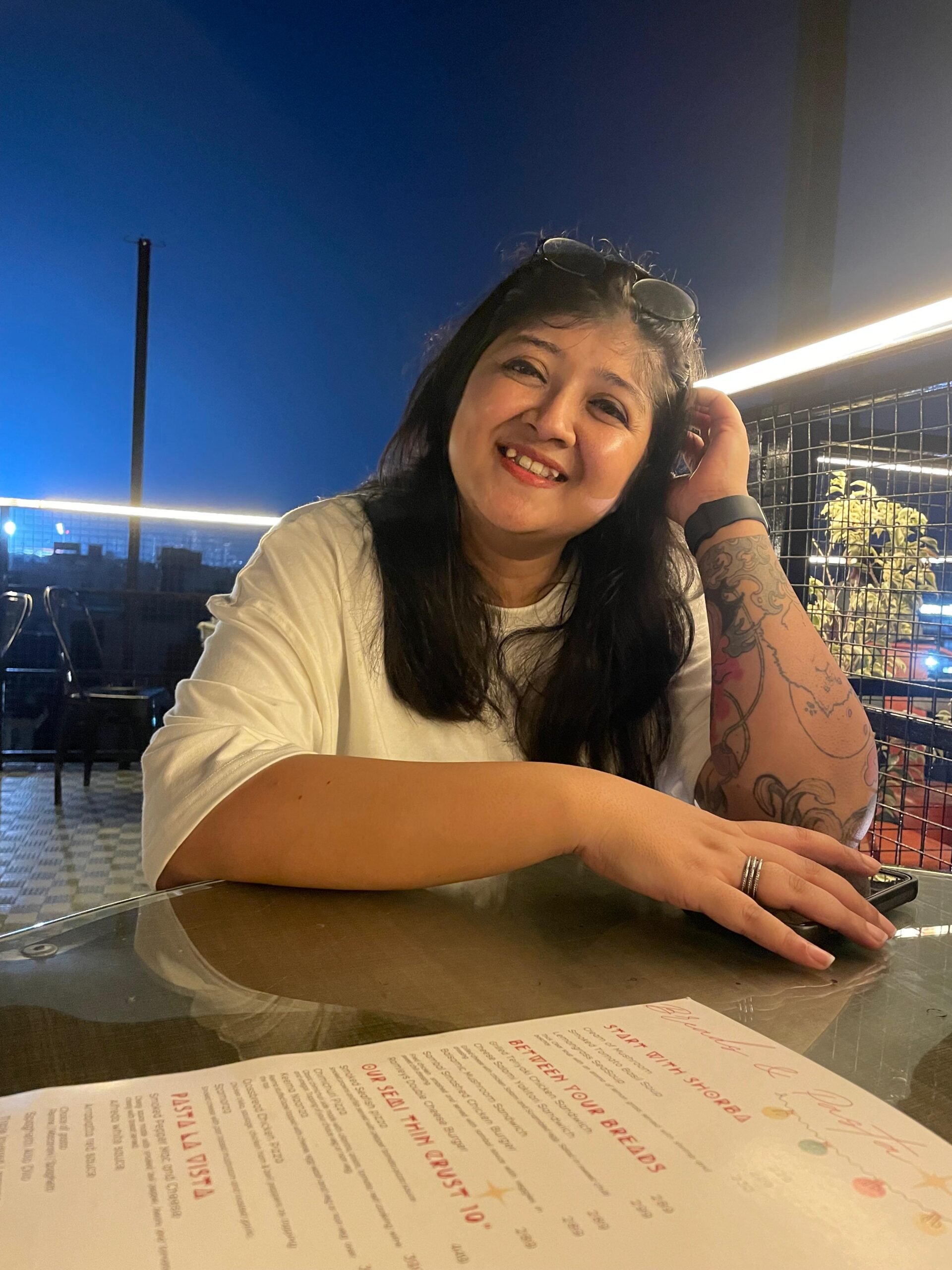
Oeshi B Lyndem is a former graffiti and visual artist, now working as a tattoo artist and graphic designer.
Rooted in craft and hands-on making, she moves fluidly between illustration, street art, design and experimental creative processes.
With lineage from Shillong, often known as India’s rock capital, she brings a strong cultural backbone to her work.
At Goofy Owl, she curates and leads the street and hip-hop culture segment through an intuitive, deeply creative and entrepreneurial lens.