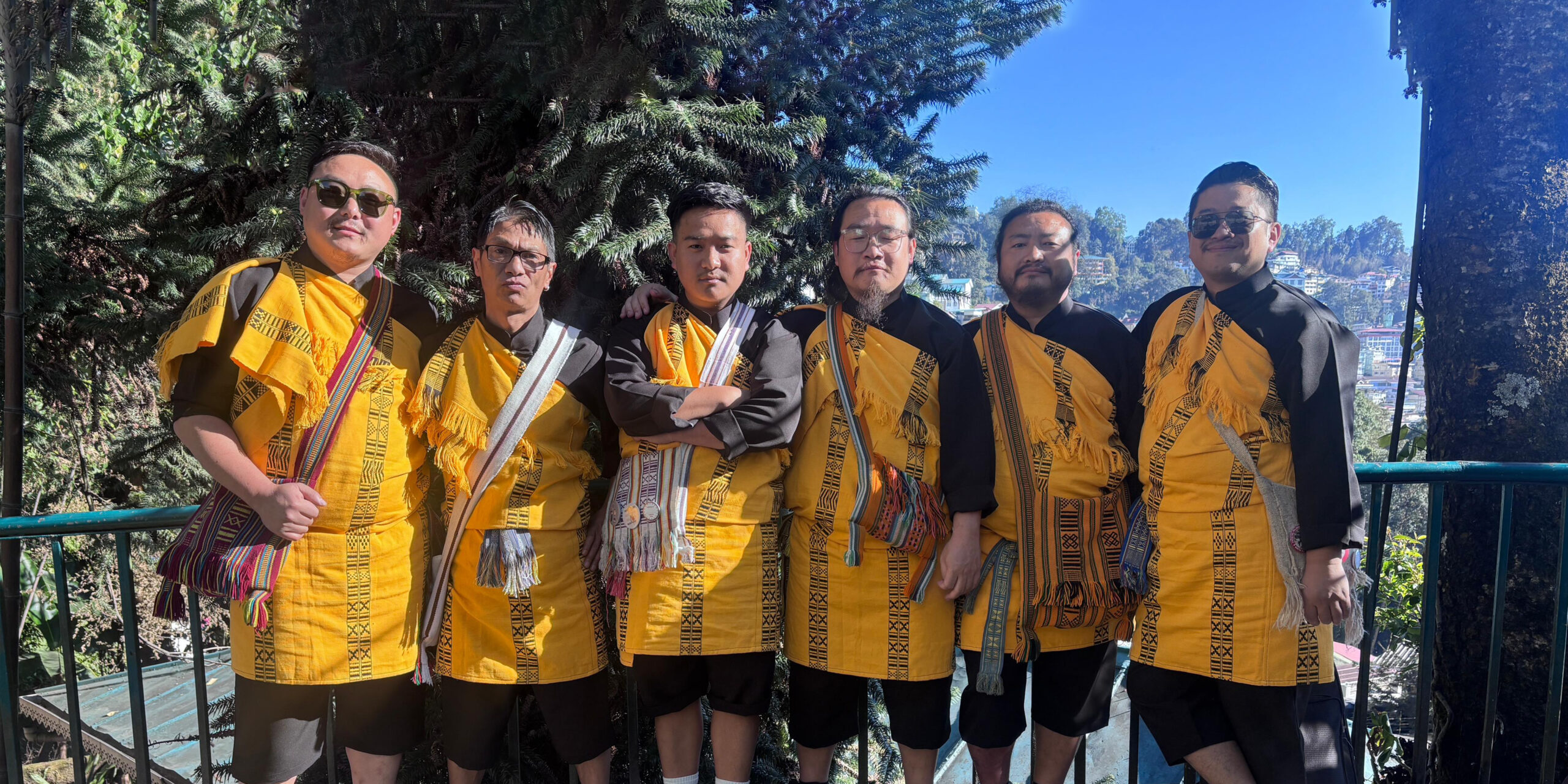
In a world that chases the new, the viral, and the trending, what does it mean to look back? For the members of Sofiyum, it means looking inward. It means finding a purpose so deep and so tied to identity that it drowns out the noise of the mainstream.
Before they were a band, they were individual artists, performing their own music. But a quiet realization began to take hold: their culture, the ancient Lepcha heritage of Sikkim, was fading from the stage. “Our representation with our Lepcha folk music was very minimal or rare,” they recall. This shared concern became a calling.
In 2011, they came together to form Sofiyum. The mission was simple but monumental: to conserve and uplift their endangered language and culture through the power of song. Their journey is a powerful reminder that sometimes, the most radical act is not to invent something new, but to refuse to let something beautiful die.
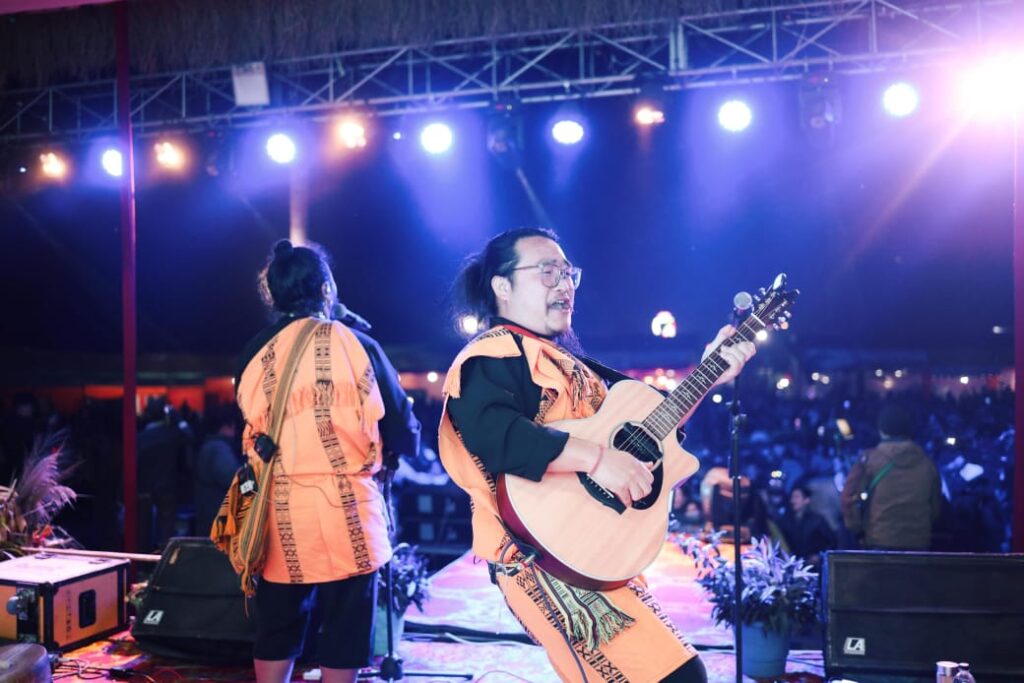
The Art of Preservation
How do you modernize a tradition without erasing its soul? This is the delicate balance Sofiyum navigates with every note they play. For them, it’s not about reinventing the wheel; it’s about honoring the original blueprint.
“We never change the original melody and lyric of existing folk songs,” they state firmly. “These folk songs reflect who we are, how our forefathers lived, what challenges that they’ve faced.” These aren’t just songs; they are oral histories, vessels of cultural memory. To change them would be to rewrite the past.
But this doesn’t mean their music is static. When composing their own original songs, they have more freedom. They decorate their new creations with Lepcha folk notes and traditional elements, ensuring that even their new work feels rooted in the same soil. The presentation can be fresh and interesting, but the essence remains untouched.
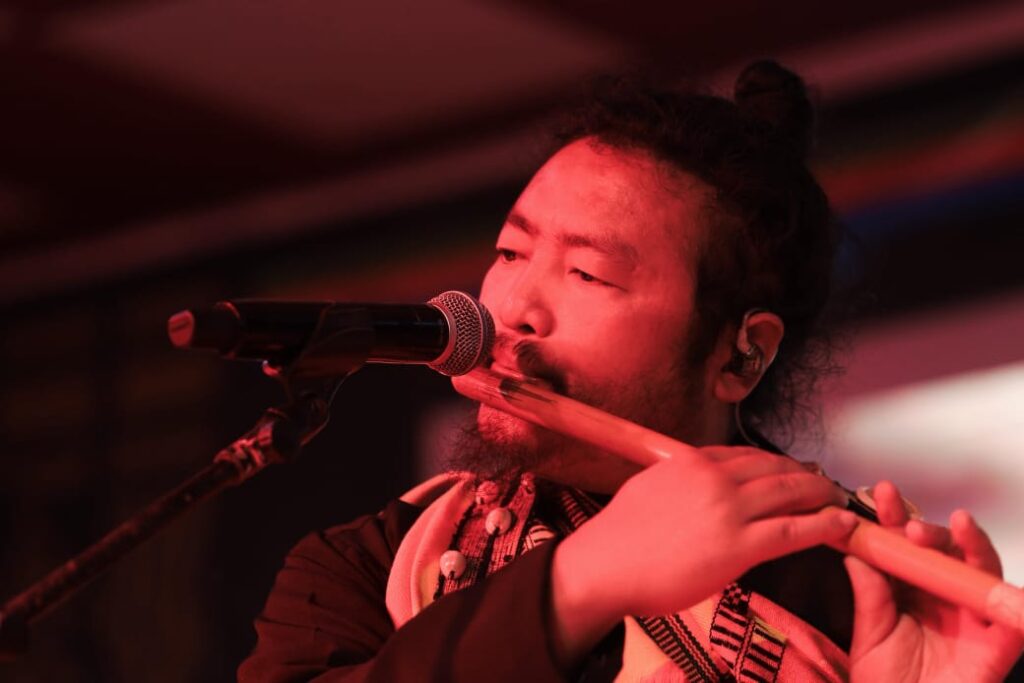
Finding a Path Through Rejection
Every artist’s journey is paved with moments of doubt and rejection. For one of Sofiyum’s founding members, a “no” from a radio station became the most pivotal “yes” of his career.
“I feel that not being able to broadcast my solo music album from All India Radio, Gangtok,” he reflects, was a blessing in disguise. The station’s advice was simple: go and learn from the master. They pointed him to Padmashree Mrs. Hildamit Lepcha, a revered figure in Lepcha folk music.
That introduction changed everything. “She now is my Guru,” he says. “From then on, there was no turning back.” The rejection didn’t close a door; it opened a gate to the very heart of the tradition he wanted to preserve. It was a lesson in humility and a reminder that true growth often begins where our own plans end.
The Universal Language of Music
Singing exclusively in the Lepcha language comes with its own set of challenges. In a world dominated by English and Hindi music, finding an audience for a regional, endangered language is an uphill battle.
“The challenges that we faced was to find right audiences and its limitations,” the band admits. But over time, they discovered a profound truth: music speaks a language of its own.
“As time goes by, it also made us realize that the language of music is very powerful and loved by all, no matter what caste or creed you belong from.” People who couldn’t understand a single word still felt the emotion, the rhythm, and the soul of the songs. They were connecting not through linguistics, but through a shared human experience. This realization broke down the barriers they feared and proved that authenticity resonates universally.
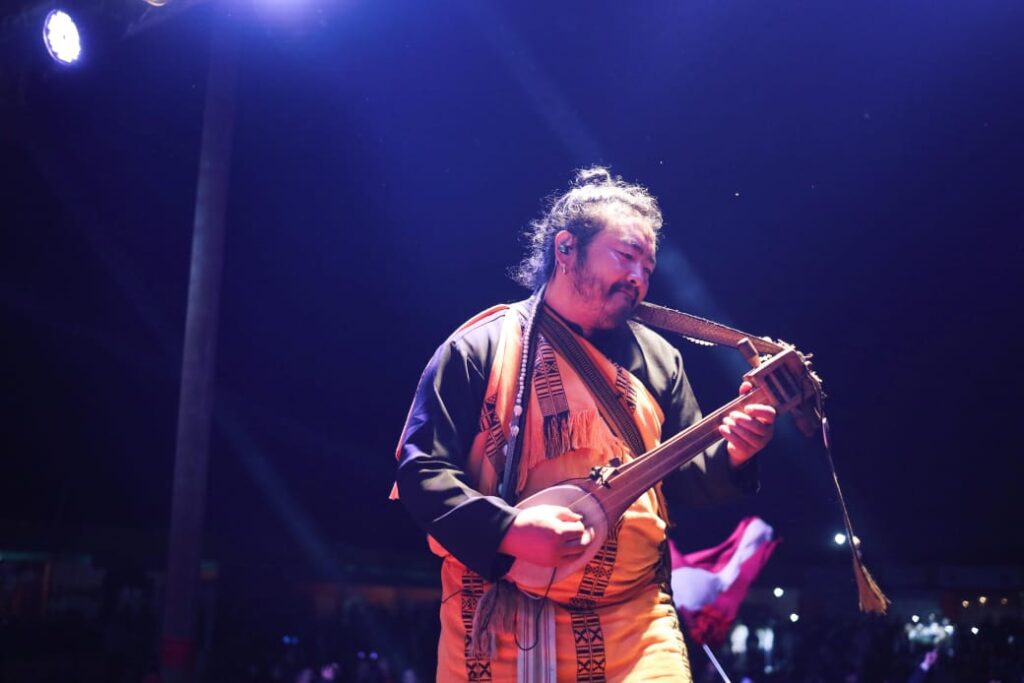
Inspiring a New Generation
Perhaps the greatest measure of Sofiyum’s success isn’t the stages they’ve played, but the movement they’ve sparked. For years, they were one of the few voices carrying the torch for Lepcha music. Today, they are no longer alone.
“These days, I am pleased to say that there are many Lepcha bands formed by the youngsters of our community,” they share with pride. These new bands are performing across the state and the country, creating their own sounds while honoring their roots.
The most humbling moments come when these young artists approach them. “When these young artists approach us and tell us that we are their inspiration, that’s when it makes us feel that yes, indeed we have impacted these youngsters.” They didn’t just save songs; they inspired a generation to pick up their instruments and continue the story.
Dreams for the Future
The journey is far from over. The band dreams of collaborating with an orchestra, imagining their folk melodies swelling with the grandeur of classical arrangements. On a more personal level, there’s a dream of building a cultural center—a place to pass on the knowledge of instrument making, playing, and folk singing to the next generation.
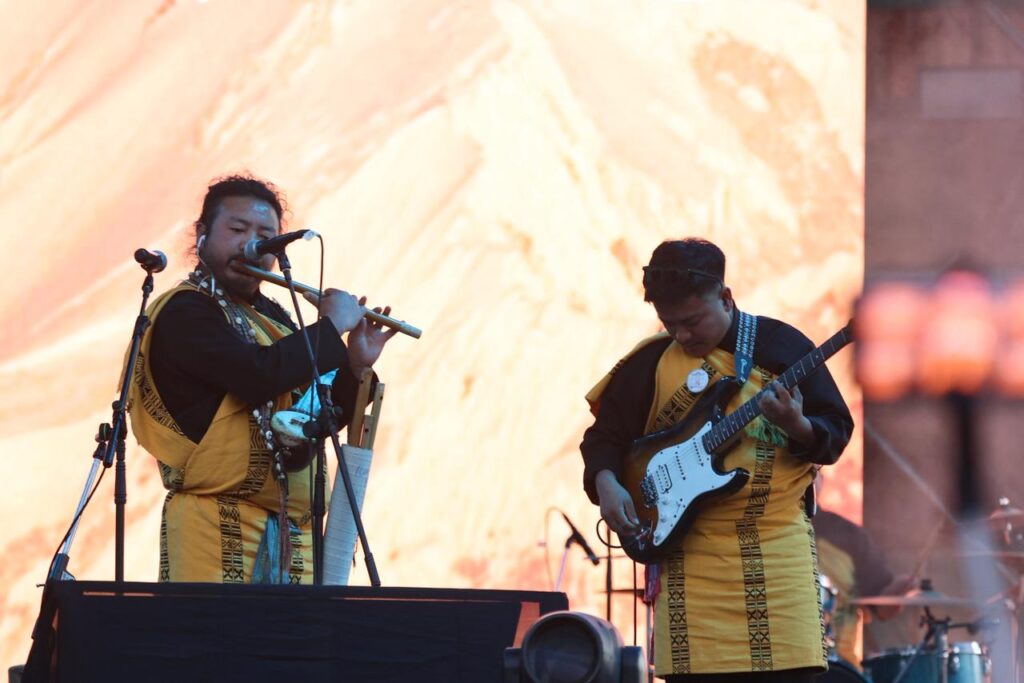
Sofiyum’s story is a testament to the power of staying true to your roots in a world that constantly asks you to change. They are more than just a band; they are cultural custodians, educators, and a source of inspiration. They remind us that our heritage is not a museum piece to be admired from a distance, but a living, breathing thing that needs to be sung, played, and shared to survive.

Lubdhak Biswas is a tattoo artist, entrepreneur and a musician based out of Kolkata (India).
He documents underground culture at the crossroads of tattooing and music.
His work focuses on craft, tools, ethics and the real working realities of creative industries.