We live in a world obsessed with the “final reveal.” We scroll through Instagram, double-tapping perfectly healed tattoos, filtered to high heaven, and think, that’s the goal. We rarely see the shaky hands, the blown-out lines, or the years of quiet panic that came before the masterpiece.
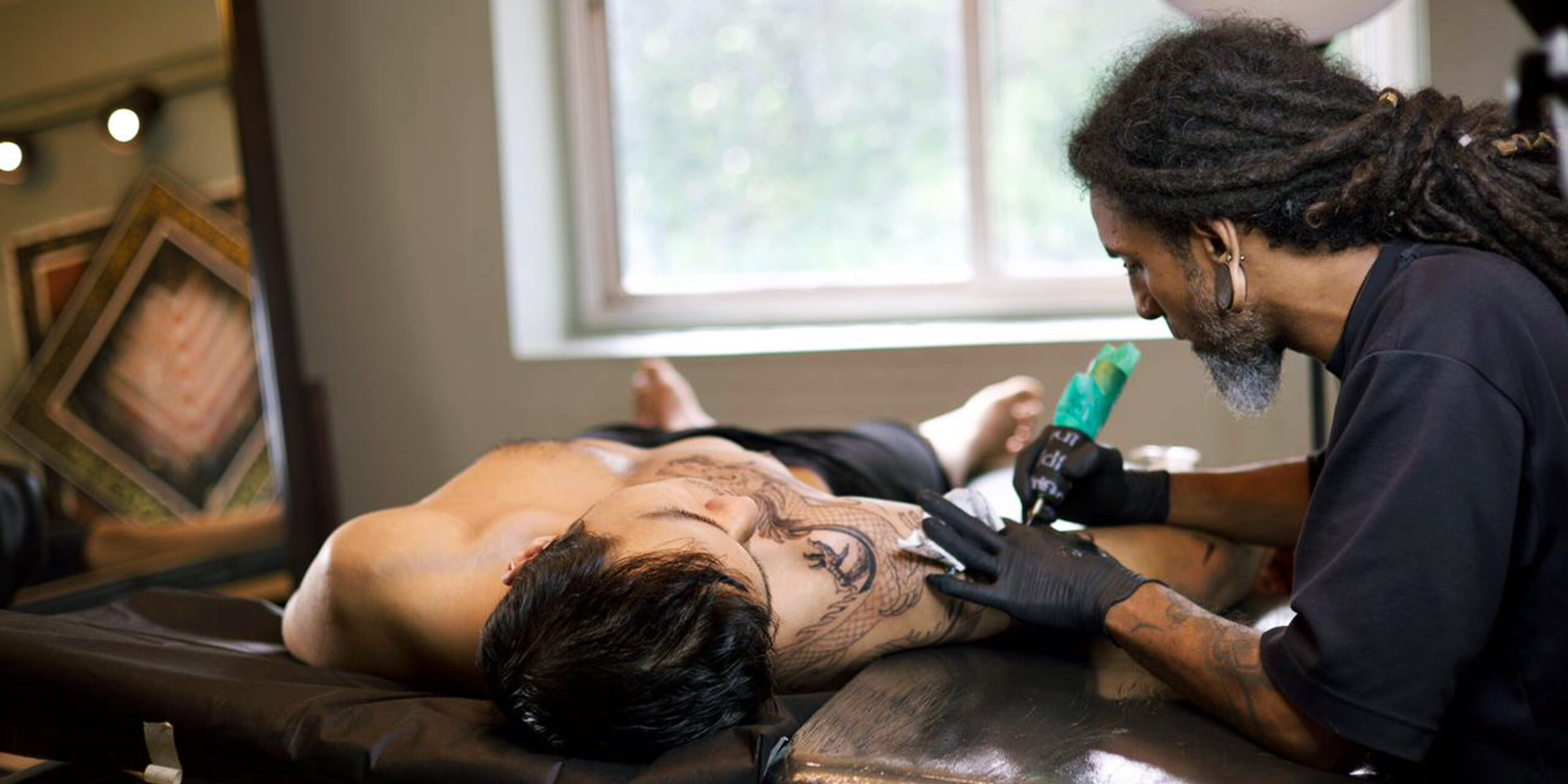
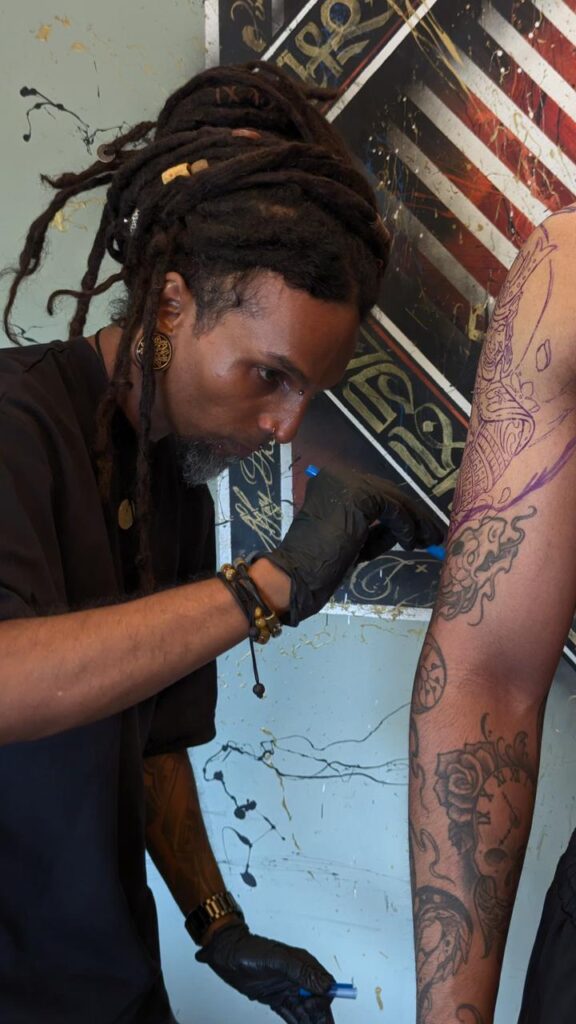
Duncan Viegas, co-founder of Inkfidel and one of India’s most respected tattoo artists, isn’t interested in the curated highlight reel. He’s interested in the truth. His journey from a “heavy-handed” rookie to a reference point for upcoming artists is a masterclass in shedding ego and embracing the grind.
If you’ve ever felt like an imposter in your own creative life, Duncan’s story is the reality check you didn’t know you needed.
The Heavy Hand of a Beginner
Before he was known for his fluid, custom designs, Duncan was known for something far less flattering: pain.
“I remember my teacher questioning how I’d ever become a tattoo artist given how bad my lines were,” Duncan admits. His natural instinct was to press hard, too hard. He was heavy-handed with a pencil, and that muscle memory transferred disastrously to the tattoo machine.
He had to relearn how to touch. He had to intentionally lighten his pressure, which initially led to the opposite problem—ink falling out during the healing process because it wasn’t deep enough. It was a messy, frustrating phase of touch-ups and self-doubt.
But he didn’t quit. He found his groove not by faking it, but by obsessively correcting his own mechanics. It wasn’t about “finding his style” yet; it was about respecting the skin enough to learn how to mark it properly.
When You Become the Reference Point
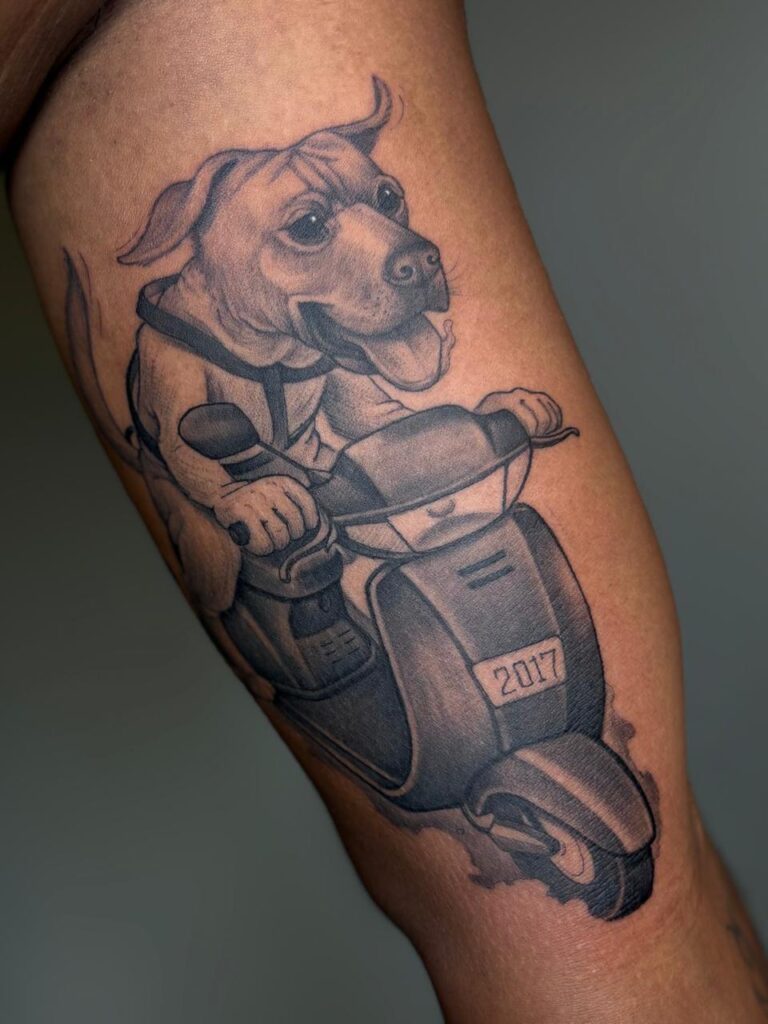
There is a strange moment in every artist’s career when they stop looking up for inspiration and realize others are looking at them. For Duncan, this realization didn’t come with a trophy or a viral post. It came when he saw his designs being copied.
“I guess I never actually considered the magnitude of shouldering such responsibility,” he says. The idea of being a “reference point” makes him uncomfortable. Why? Because like anyone chasing authenticity, he still struggles. He has days where he doesn’t want to draw. He has bouts of creative block.
Duncan’s response to this pressure is refreshingly grounded: Keep working.
“I think the only thing I can keep doing is to keep on doing what I’ve always done, which is to try and draw as often as possible… even on days I don’t want to,” he shares. He doesn’t tattoo to be an influencer; he tattoos to make the client happy. That humility is his armor against the ego trap.
The Analytical Art of Flow
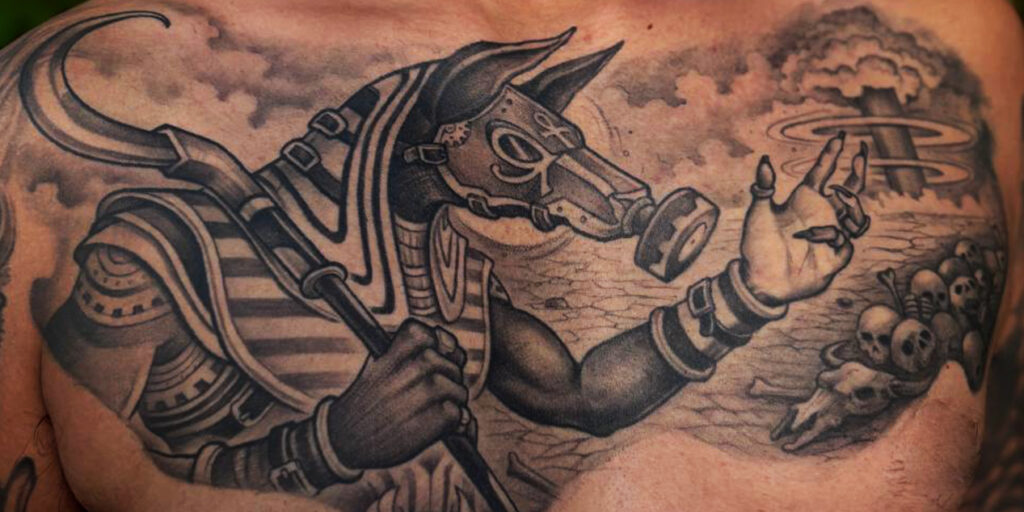
We often romanticize creativity as purely instinctive, a lightning bolt of genius. But Duncan reveals that the best work is often painfully analytical.
“Understanding how each person’s body shape works, and designing a tattoo to fit and flow with the natural curves… is painfully analytical for me,” he explains.
“I grew up in a time when we didn’t have quick access to the internet,” he mentioned. The natural flow of work was jogging down the memory lane and it became the instinct. Over the years he has inculcated the habit of using references, rejecting the arrogant notion that an artist should just “know” how to draw everything from memory. He studies his subjects to understand why they look the way they do. “It’s learning the rules like a pro so you can break them like an artist,” he notes.
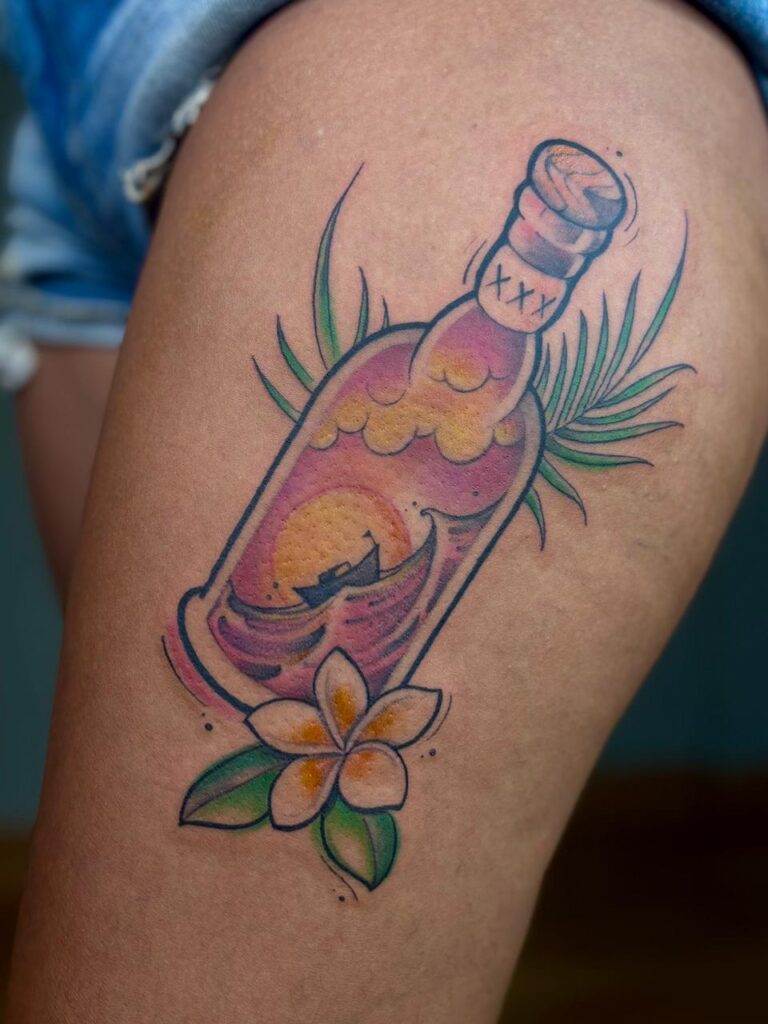
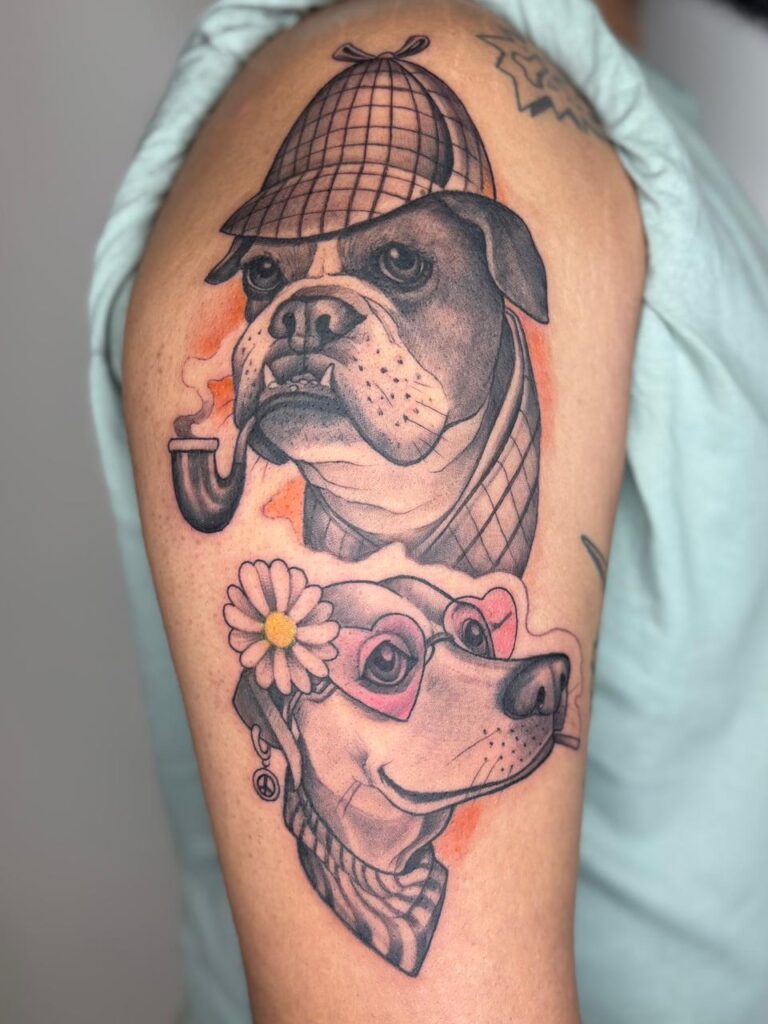
Once the analysis is done, the instinct takes over. But without that initial, rigorous study, the flow is just guesswork. He warns against “autopilot mode,” a dangerous state where comfort leads to stagnation. For Duncan, the moment you think you know everything is the moment you stop growing.
The Human Element in an AI World
We are staring down the barrel of an AI revolution. Soon, machines will be able to render perfect tattoo designs in seconds. Does this scare Duncan? No, but it clarifies what actually matters.
“The human aspect… communicating and fully understanding what the client wants… is lost if artists allow technology to get in the driver’s seat,” he argues.
For Duncan, tattooing is spiritual. It’s an exchange of energy. A machine can deposit ink, but it cannot hold space for a client’s grief, joy, or transformation. That connection is the soul of the industry, and it’s the one thing technology can’t replicate.
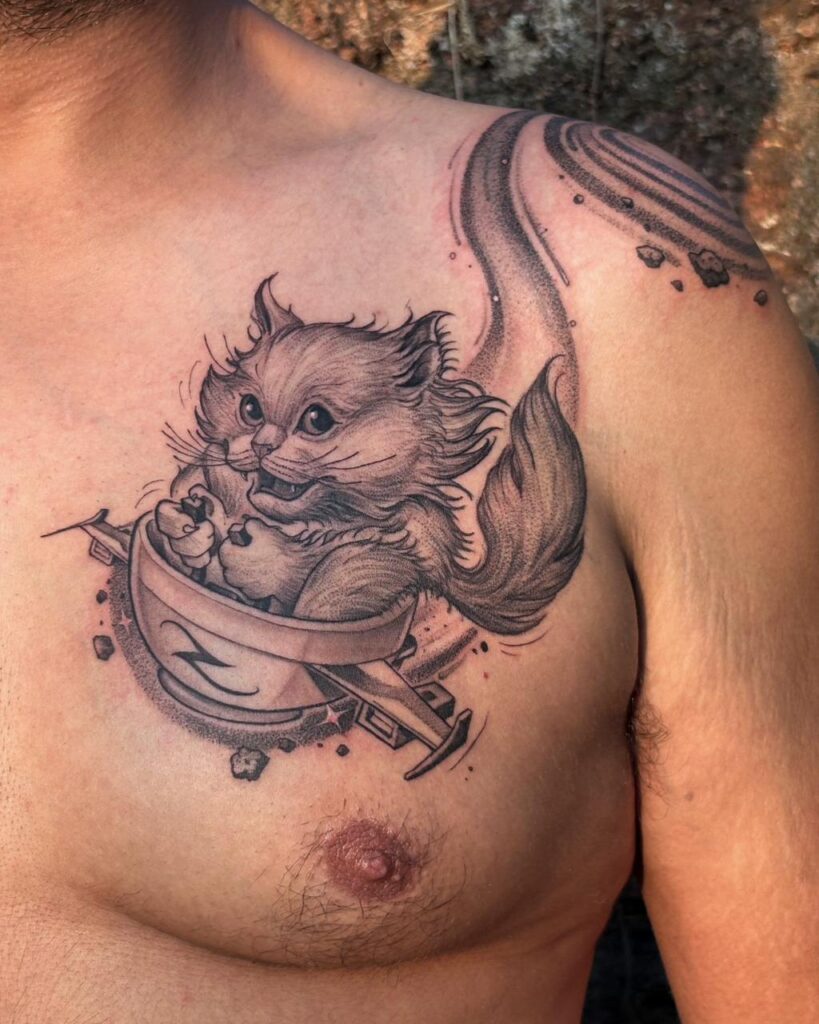
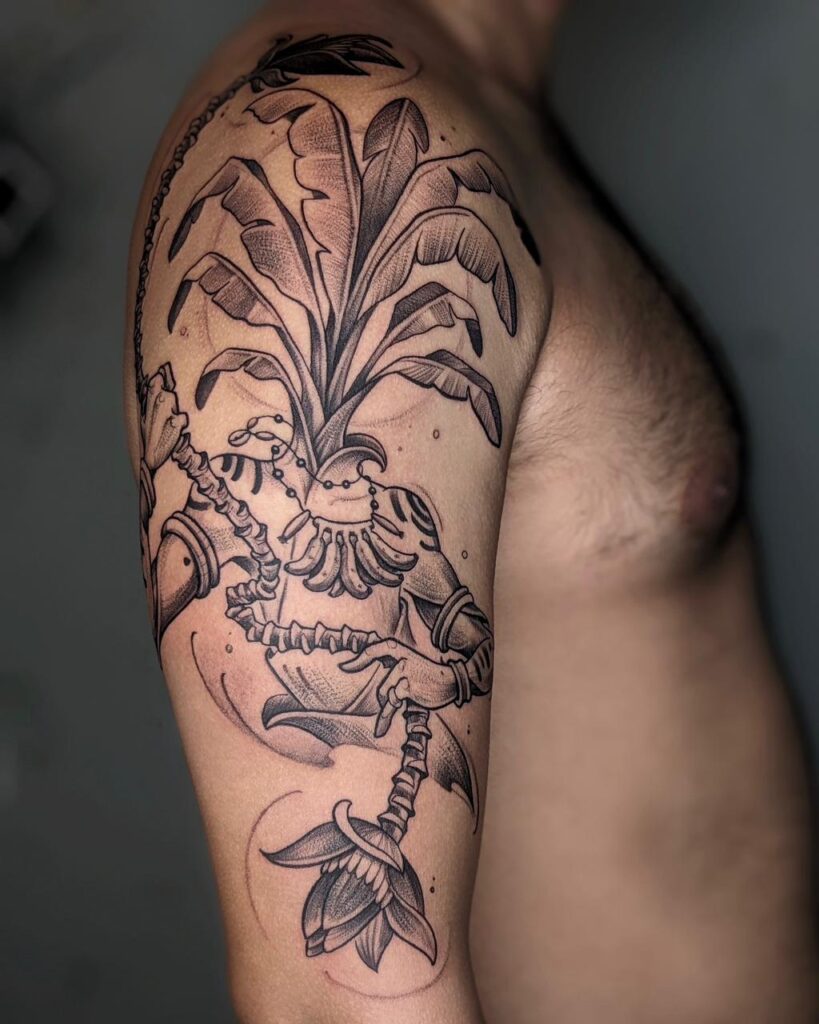
Redefining “Style” for the Next Generation
If you scroll through TikTok or Instagram, you’ll see young artists desperate to brand themselves. They want a “signature style” before they’ve even mastered a straight line.
Duncan sees this rush as a trap. “They’re so desperate to have a style almost immediately that they will execute a tattoo badly and then call it a style,” he observes.
His advice? Let it be a slow burn.
Don’t force a style. Master the fundamentals first. Let your artistic voice emerge naturally over time. “It’s cool if your style 15 years from now looks nothing like what you were doing at the beginning,” he says. “That’s growth.”
Three Principles for the Long Haul
Duncan’s advice for apprentices isn’t about needle depth or voltage. It’s about character. If he had to pass down three non-negotiable principles, they would be:
- Radical Honesty: If you can’t do it, say so. If a design will look bad in five years, tell the client. Integrity builds a career; quick cash destroys it.
- Don’t Be a Copycat: Ripping off designs is a disservice to the craft. If you must use someone else’s art, have the decency to ask—and the humility to accept “no.”
- Get a Life Outside the Studio: Burnout is real. “Do something else from time to time that you enjoy,” Duncan urges. Read, cook, dance, drive. You need to live a life to have something to put into your art.
In a culture that demands instant gratification and filtered perfection, Duncan Viegas stands for something slower, deeper, and infinitely more real. He reminds us that the goal isn’t to be famous—it’s to be good.
Lubdhak Biswas is a tattoo artist, entrepreneur and a musician based out of Kolkata (India).
He documents underground culture at the crossroads of tattooing and music.
His work focuses on craft, tools, ethics and the real working realities of creative industries.