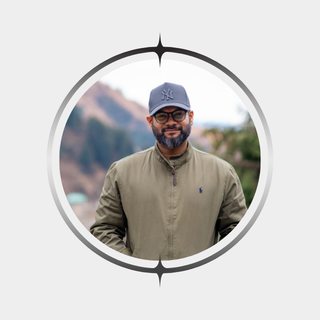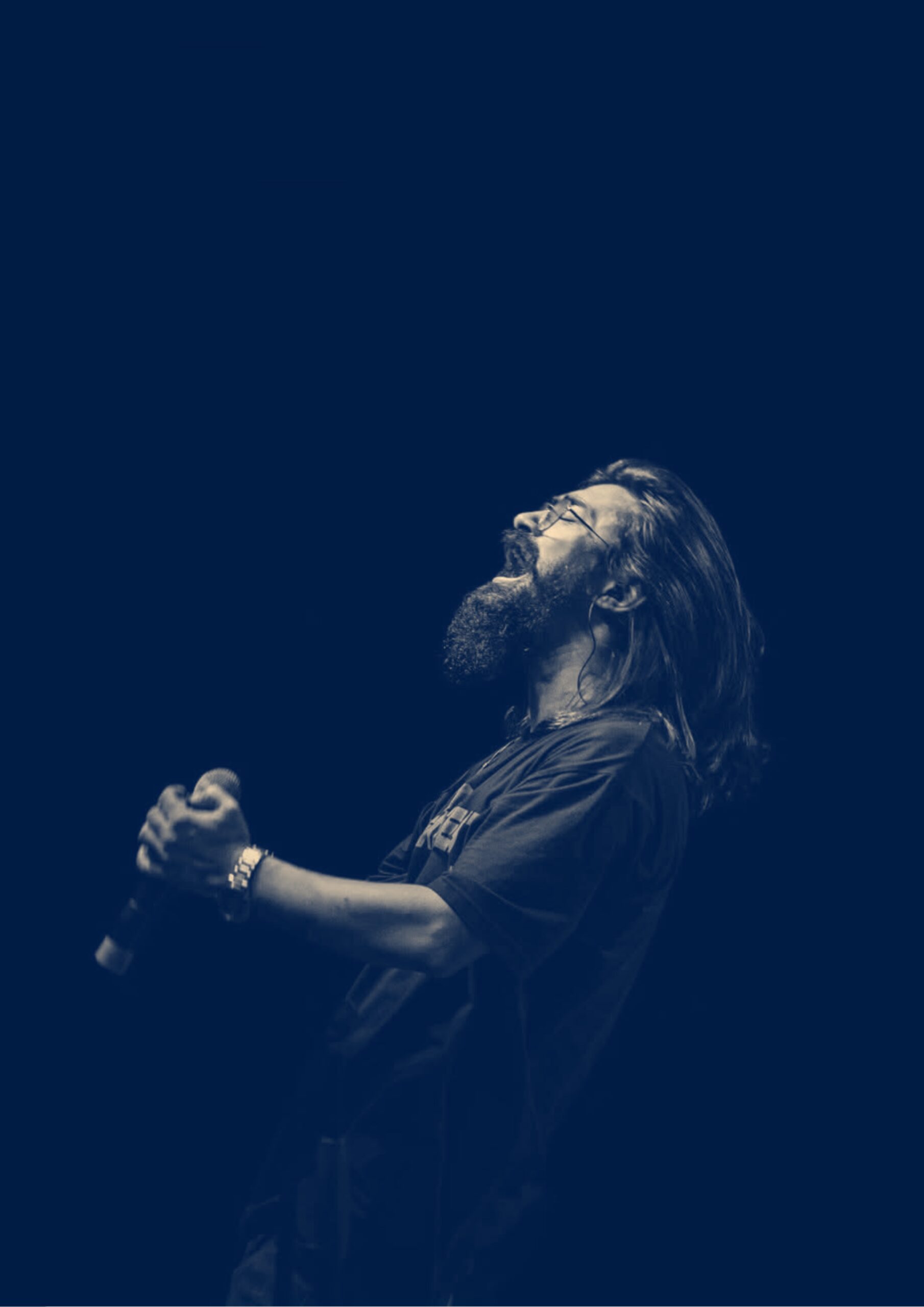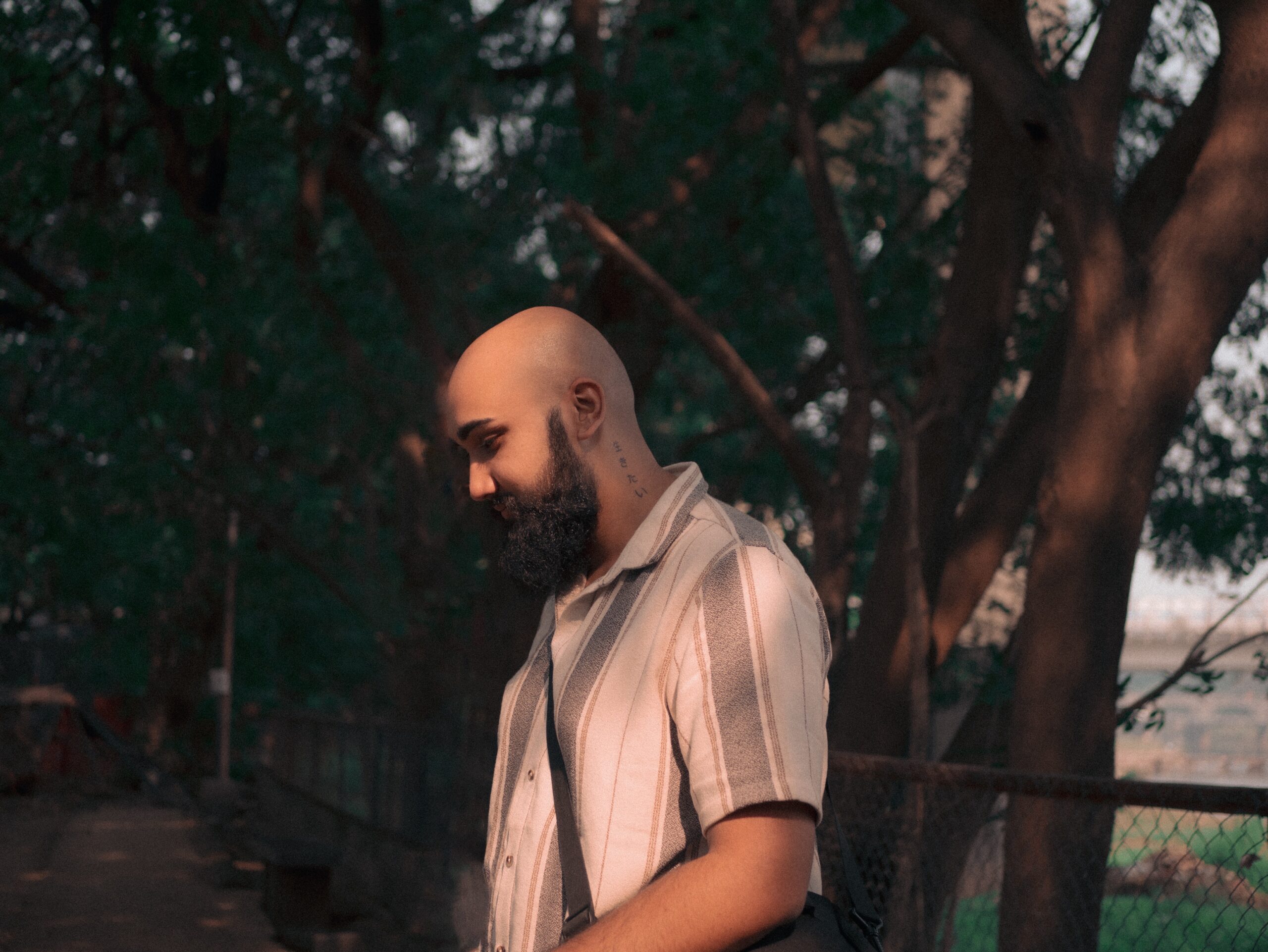
The world of video editing is often described as the final rewrite—the moment where visuals, sound, and rhythm come together to craft a story that resonates. For Rohan Bhattacharya, a video editor with a knack for weaving emotions through edits, the craft is both a discipline and a dance. Recently, Rohan took on the task of shaping a music video for a budding Marathi rapper—a project that tested his creative instincts, technical skills, and storytelling finesse. Here’s a closer look into his editing room, his mindset, and what makes him tick.
The Project That Took Him By Surprise
Rohan didn’t know what to expect when he first received the raw footage for the music video. Marathi isn’t a language he’s fluent in, and his client, still new to filmmaking, brought an ambitious vision inspired by high-budget productions. The rushes were a mixed bag—overflowing with energy but scattered in execution.
“My first reaction? Overwhelmed,” Rohan admits, laughing as he revisits those initial moments of doubt. But as he sifted through the footage, he began to see the potential lurking beneath its imperfections. “What’s exciting about editing is that it levels the playing field; you’re handed raw material, and it’s your job to find the diamonds in the rough.”
With the rapper’s narrative vision gently guiding him, along with translated lyrics and cultural cues picked up from living in Pune for two years, Rohan began crafting the visual rhythm. Step one was syncing the performance takes to the track—a technical yet creatively liberating process. From there, hours of watching, selecting, and experimenting culminated in a rough cut that balanced storytelling and style.
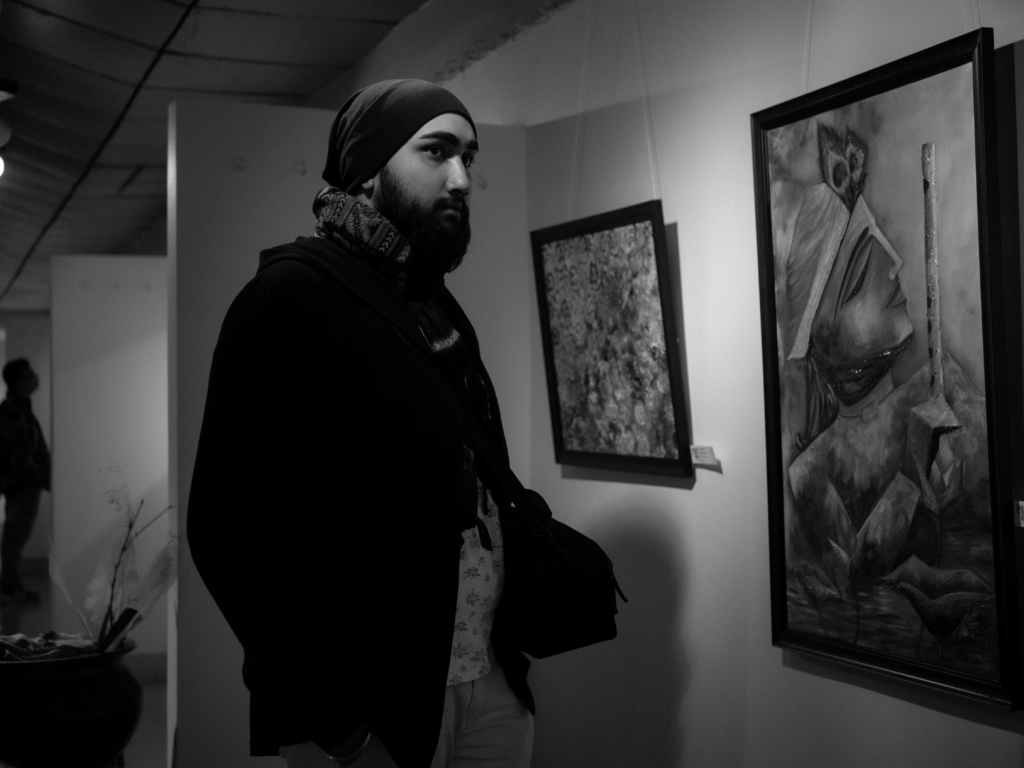
Editing as a Balancing Act
For Rohan, video editing is as much about mathematics as it is about emotion. “Walter Pater once said, ‘All art aspires to the condition of music,’ and that resonates with me deeply. Editing is rhythm. It’s finding patterns that feel both natural and surprising.”
When it comes to music videos, the rhythm often takes precedence. Beats, lyrics, and small musical accents shape every cut. But it isn’t just about syncing perfectly to the beat—it’s about knowing when not to. “Sometimes, going off-beat creates tension, which resolves beautifully when you finally land on rhythm again.”
Rohan credits this intuitive-meets-structured approach to his time at the Film and Television Institute of India (FTII). At the prestigious Pune institution, he learned that film grammar provides guidelines, not hard boundaries. “FTII taught me how to tune my instincts. Some projects call for polished precision, others demand rule-breaking. The edit chooses its grammar.”
Editing Freeform vs. Editing Frameworks
When asked about the difference between editing a music video and cutting narrative content like films or documentaries, Rohan takes on a reflective tone. “With music videos, there are fewer rules, and I love that freedom. You’re serving the music, the mood, and the audience’s gut feeling first—it’s almost primal.”
That said, freeform edits don’t mean chaos. A great music video, in Rohan’s eyes, still carries a visual motif or a thread of storytelling that ties it all together. On the other hand, longer formats like documentaries demand an editor to become a detective. “You’re seeking the truth buried beneath hours of footage. That process requires patience and a completely different kind of discipline.”
One common thread uniting both forms of editing is empathy—for the characters, the visuals, and the imagined audience. “Whether it’s a two-minute video or a fifty-minute film, you’re connecting threads to create an emotional crescendo that feels earned.”
Handling Challenges Hidden in the Rushes
Every editor has war stories about challenging projects, and for Rohan, the Marathi music video became a lesson in problem-solving. Continuity issues? Check. Missing pre-roll and post-roll? Check. Unclear blocking and drifted focus? Check. “You name it, I’ve had to fix it in post. But if the audience doesn’t notice, then I’ve done my job.”
Rohan emphasizes the importance of clear communication between DOPs and editors during pre-production and shooting. “A planned shoot saves so much time. Simple things like leaving enough lead-in and lead-out in takes or marking slates properly can make or break the edit process.”
For directors, Rohan offers an open invitation to collaborate early on. “Editors aren’t just technicians; we’re storytellers. Bring us in before the shoot, and we can flag common pitfalls, create efficiencies, and add insights that could even elevate the shoot itself.”
Magic in the Cut
Despite the chaos, Rohan finds joy in the invisible artistry of video editing. “A large part of the final emotion you feel watching a music video comes from the cut,” he explains. Whether it’s creating flow in a disorganized sequence or amplifying an emotional beat, the editor’s presence is in every frame.
One particularly bold experiment cemented Rohan’s reputation for risk-taking. “Once, I intentionally went off-script by cutting a sequence completely out of sync with the beat. It confused people at first, but when we dropped back into rhythm, the payoff was incredible. The edit can evoke almost physical reactions—when you feel it, you know you’ve done something right.”
The Role of Color and Sound
While Rohan is quick to acknowledge that color grading is typically the domain of DOPs and colorists, he sees it as a natural extension of a film’s visual language. “Good grading enhances what was already planned—it’s the final polish on the cinematographer’s work with light.”
Sound, however, becomes deeply intertwined with editing, especially in music videos. “It’s the spine of the cut. Whether it’s a bass drop or an ambient detail, sound guides your pacing, and, in turn, your visual rhythm.”
A Thoughtful Approach to Art
When asked what he wishes more young artists understood about editing, Rohan responds with a quote from filmmaker Robert Bresson. “‘Bring together things that have not yet been brought together.’ This is editing in its essence.”
To Rohan, editing isn’t about flashy software or trendy plug-ins. “The tools are secondary. What matters is your ability to create meaning, to discover something new by juxtaposing unexpected elements.” With every project, Rohan aims to approach the edit table like a blank canvas—an opportunity to play, innovate, and deepen his understanding of the craft.
What’s Next for Rohan
For now, Rohan continues to explore the intersection of storytelling and rhythm. Every cut teaches him something new, and every project leaves him hungrier for the next. “Whether it’s a music video, a short film, or even a corporate ad, the essence is the same—to make something truthful, compelling, and resonant.”
Working with a Marathi rapper may have taken Rohan out of his comfort zone, but that’s exactly where he thrives. “The challenge keeps it interesting. Editing is a dance, and I think I’m just starting to hear the music.”
For aspiring editors and filmmakers, Rohan leaves us with one piece of advice to live by—“Stay curious, stay playful, and trust your instincts. The edit table is yours to shape.”
From performances on screen to performances in the cut, Rohan Bhattacharya proves that the editor’s art is as invisible as it is indelible.

Lubdhak Biswas is a tattoo artist, entrepreneur and a musician based out of Kolkata (India).
He documents underground culture at the crossroads of tattooing and music.
His work focuses on craft, tools, ethics and the real working realities of creative industries.