It started with a cough.
Then came the night sweats. The loss of appetite. The weight falling off so fast it felt like watching a time-lapse of my own disappearance. I dropped to 33 kilos. My BMI was 11.4. I was fading in front of my own eyes.
And deep down, in that quiet, terrified part of my soul, I already knew.
I had seen this before. I had watched my father die from XDR-TB in 2013. I had seen a friend battle it. For both of them, the ending was the same.
So I made a dangerous decision. I told myself, If I don’t get tested, then it’s not real.
I wasn’t afraid of TB. I was afraid of dying.
The morning my mother finally insisted on testing, I stood in front of the mirror. The reflection was a stranger. Skin peeling. Veins popping out. Bones sharp and defined. I looked like someone who had already given up on themselves.
Two weeks later, the results confirmed my deepest fear: Modified Category IV MDR-TB.
My first thought wasn’t about the fight ahead. It was a single, chilling sentence: My countdown starts now.
The Fight for Someone Else
The doctor told my family I had two months to live.
They made a choice. They didn’t tell me. They chose hope instead.
The first six months of treatment were brutal. Fourteen to sixteen pills in a single hour, every day. Painful injections. Ethambutol burning my throat. Rifampicin making me vomit up everything I tried to swallow. My left lung collapsed. On my birthday, while other patients were being discharged, I was moved to an isolation ward.
In the middle of that profound darkness, one night my mother sat by my bed and whispered something that would change the course of my life.
“If only I could take your pain away… you wouldn’t be suffering like this.”
She had already lost her husband to this disease. I could not let her bury her daughter too.
In that moment, I made a decision. A promise. If I could not find the strength to fight for myself, I would fight for her. That was my turning point. I had found a reason to endure the unendurable.
Redefining Strength in the Quiet Moments
Before TB, my definition of strength was tied to achievement. Productivity. Hustle. Keeping up with everyone else in the race of life.
During TB, strength became something else entirely. It became quiet. Internal. Unseen.
Strength was swallowing pills that made me want to curl up and die.
Strength was isolating myself, not from shame, but to protect my fragile mental health from the looks of pity.
Strength was surviving the psychological trauma of being told you are on a countdown to death.
It became the daily endurance of numbness in my feet, a parting gift from the disease called axonal neuropathy that I still live with today. It was watching my friends celebrate new degrees, new jobs, new marriages, while I was learning how to breathe with one lung. How to walk again.
Strength was no longer about appearing powerful to the outside world. It was about refusing to disappear from it.
The Moment Survival Became Purpose
Two years later, my mother and I walked into the doctor’s office for a follow-up. He looked at me, then looked again, and froze. He recognized me. I was the girl he had given two months to live.
“Bravo,” he said, his voice filled with genuine shock. “You fought a battle many in your condition could never make it through.”
I turned to look at my mother. And for the first time in years, she smiled. Not the tired, forced smile she had worn like armor through all the fear, but a real one. The kind that starts in the eyes and lights up a whole face.
In that moment, I realized something powerful: My healing wasn’t mine alone. My healing healed her too.
When she passed away in 2018, I felt completely lost. I questioned the purpose of my survival. Why did I make it through something so devastating, only to lose the person I fought for? But through the grief, an understanding began to bloom. If I survived something that was meant to take me, then my life had to mean something bigger than just me.
That’s when survival finally turned into purpose.
Reclaiming Identity, One Dish at a Time
TB takes so much from you, but the most insidious thing it steals is your identity. You stop being a daughter, a friend, a creative. You become “the patient.”
After years of being defined by illness, I needed to reclaim who I was. I needed to build something.
Riosk Food Craft, my cloud kitchen, wasn’t just a business. It was an act of reclamation. It was me, screaming into the void that I was still here.
I am still creative.
I can still build.
I can still lead.
Through indigenous-rooted food, I found my grounding again. I found joy in creating, in nourishing, in leading. It reminded me that even with one lung and permanent nerve damage, I am capable of making something meaningful. Riosk rebuilt my confidence in a way that medicine never could.
Why Silence Protects Stigma
The stigma surrounding TB almost silenced me forever. I isolated myself because I couldn’t handle the whispers, the pity, the fear from relatives and even friends. Misdiagnosis delayed my treatment. The financial strain crippled my household. TB doesn’t just attack the lungs; it attacks your dignity.
I realized that my silence was protecting the very stigma that was trying to suffocate me. So, I chose to speak.
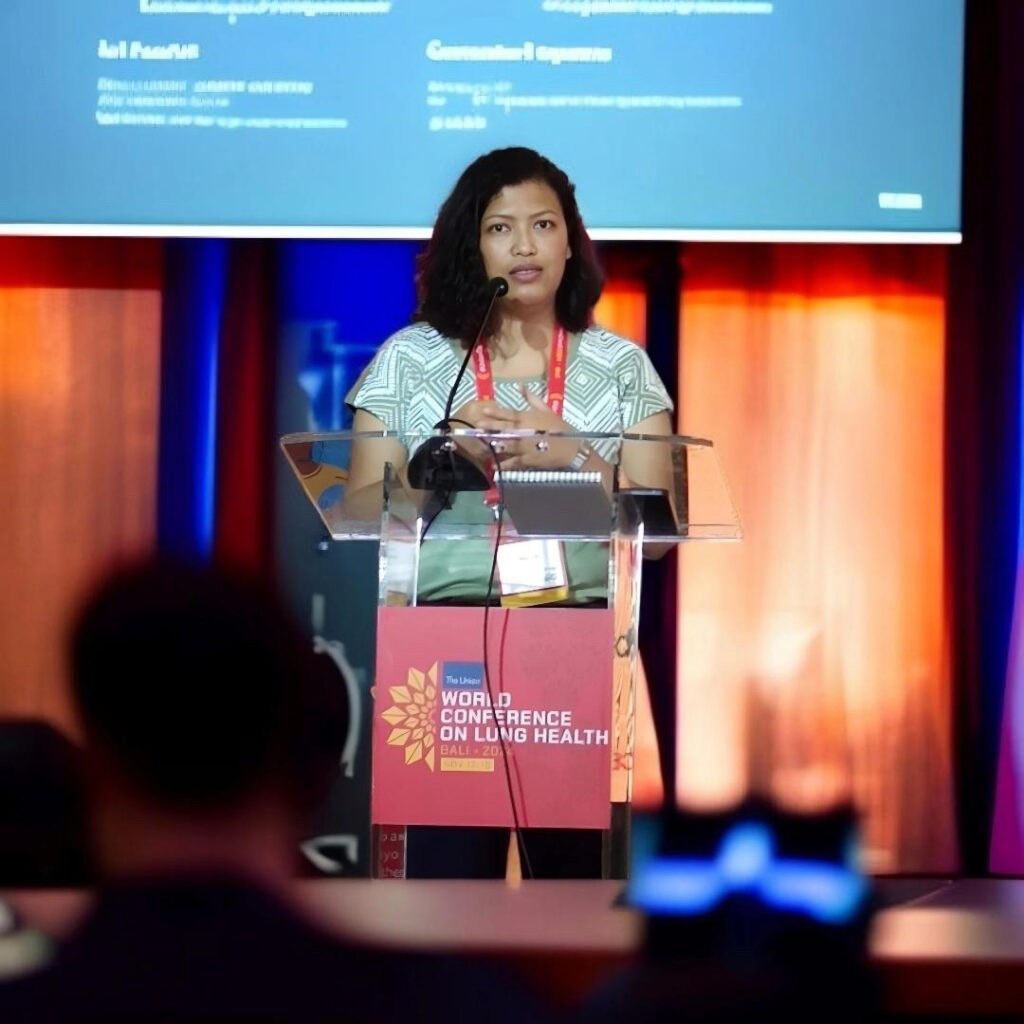
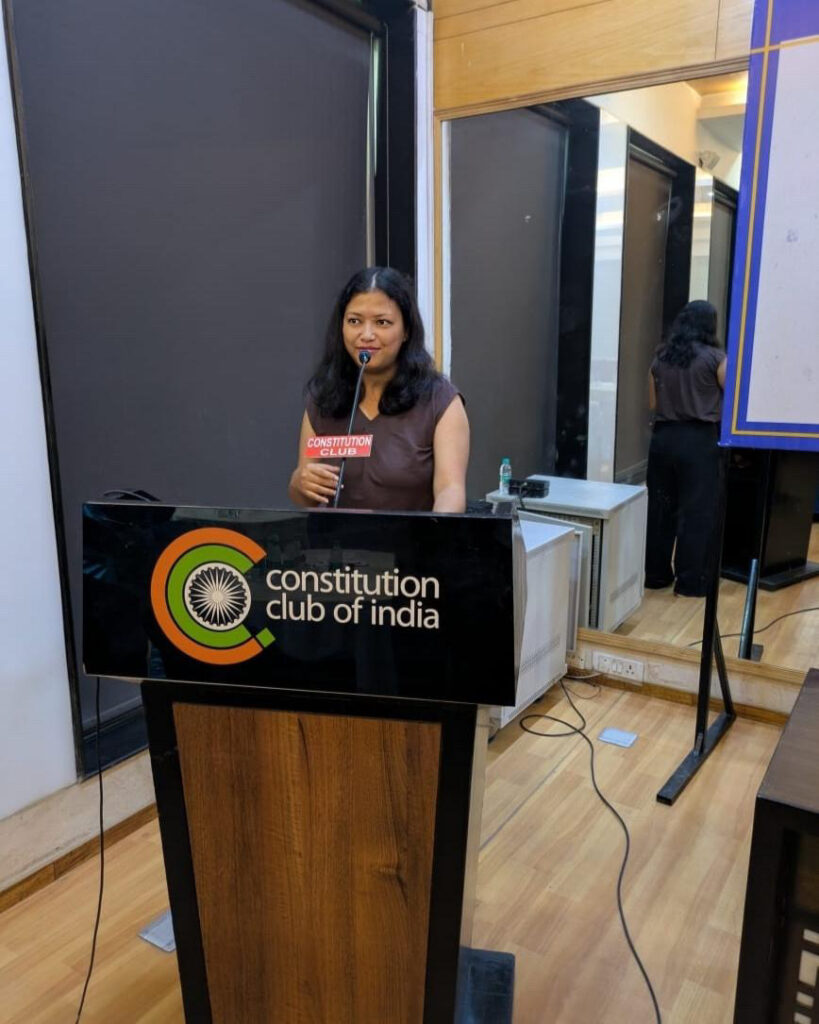
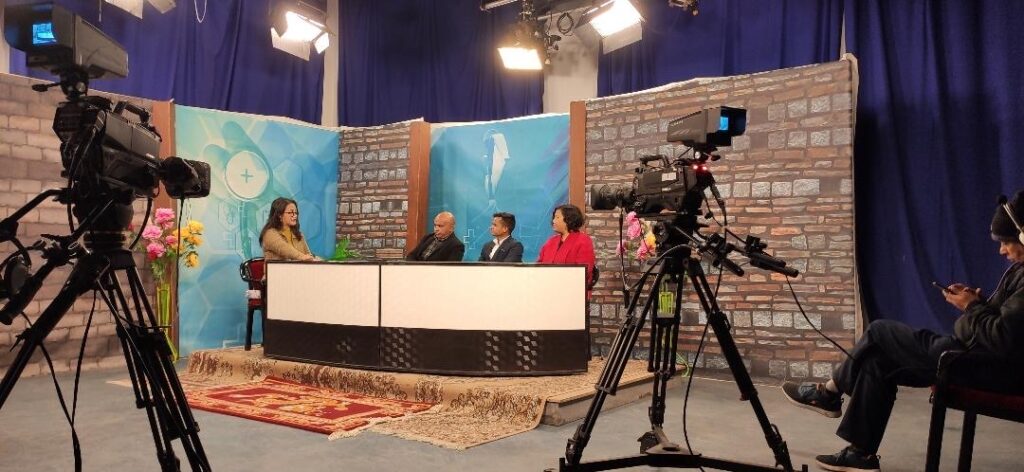
Today, as a TB Champion and Advocate, I work to amplify the voices of survivors. Because TB elimination is not just a medical issue; it’s social, emotional, and systemic. If survivors do not speak up and share their lived experiences, policies will never fully address the real-world horrors of this disease.
The most damaging misconception is that TB is a “poor person’s disease,” or that it happens to someone who is careless. A bacteria does not discriminate. And recovery is not always visible. Many of us live with collapsed lungs, chronic pain, and psychological trauma long after the treatment ends.
TB is curable. But for the healing to be complete, dignity must also be restored.
A Word for Those in the Fight
If you are reading this right now, fighting your own invisible battle, I want you to hear this one truth: You are not weak for struggling.
I have felt stuck. I have watched the world move forward, collecting degrees, celebrating promotions, and building families, while I was rebuilding my body from 33 kilos.
But survival is not falling behind. Survival is strength in its rawest, most honest form.
If you are fighting something that no one else can see, please know this: Your slow healing still counts. Your small improvements matter. And even if you don’t see it yet, your story may one day become someone else’s reason to keep going.
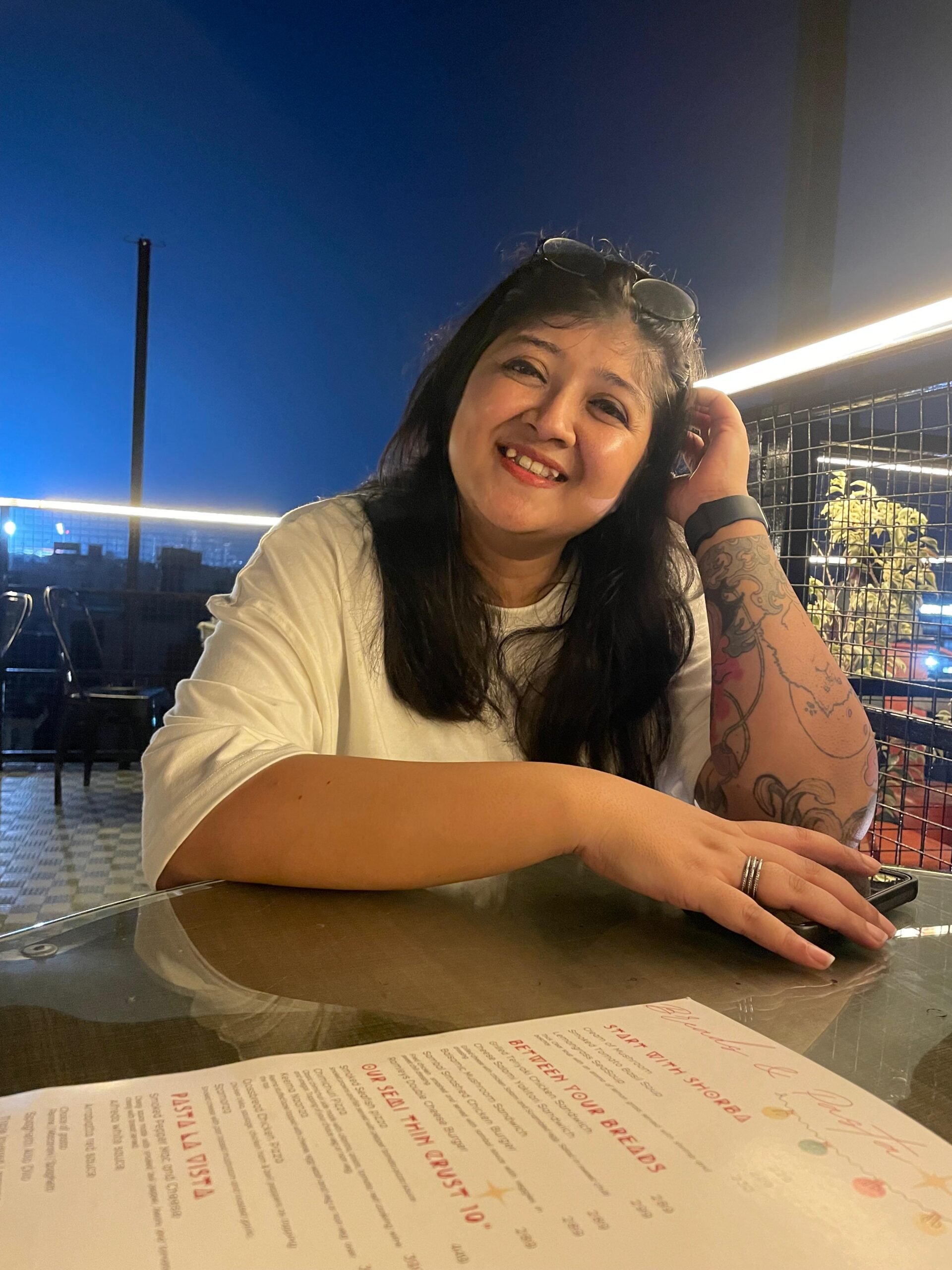
Oeshi B Lyndem is a former graffiti and visual artist, now working as a tattoo artist and graphic designer.
Rooted in craft and hands-on making, she moves fluidly between illustration, street art, design and experimental creative processes.
With lineage from Shillong, often known as India’s rock capital, she brings a strong cultural backbone to her work.
At Goofy Owl, she curates and leads the street and hip-hop culture segment through an intuitive, deeply creative and entrepreneurial lens.