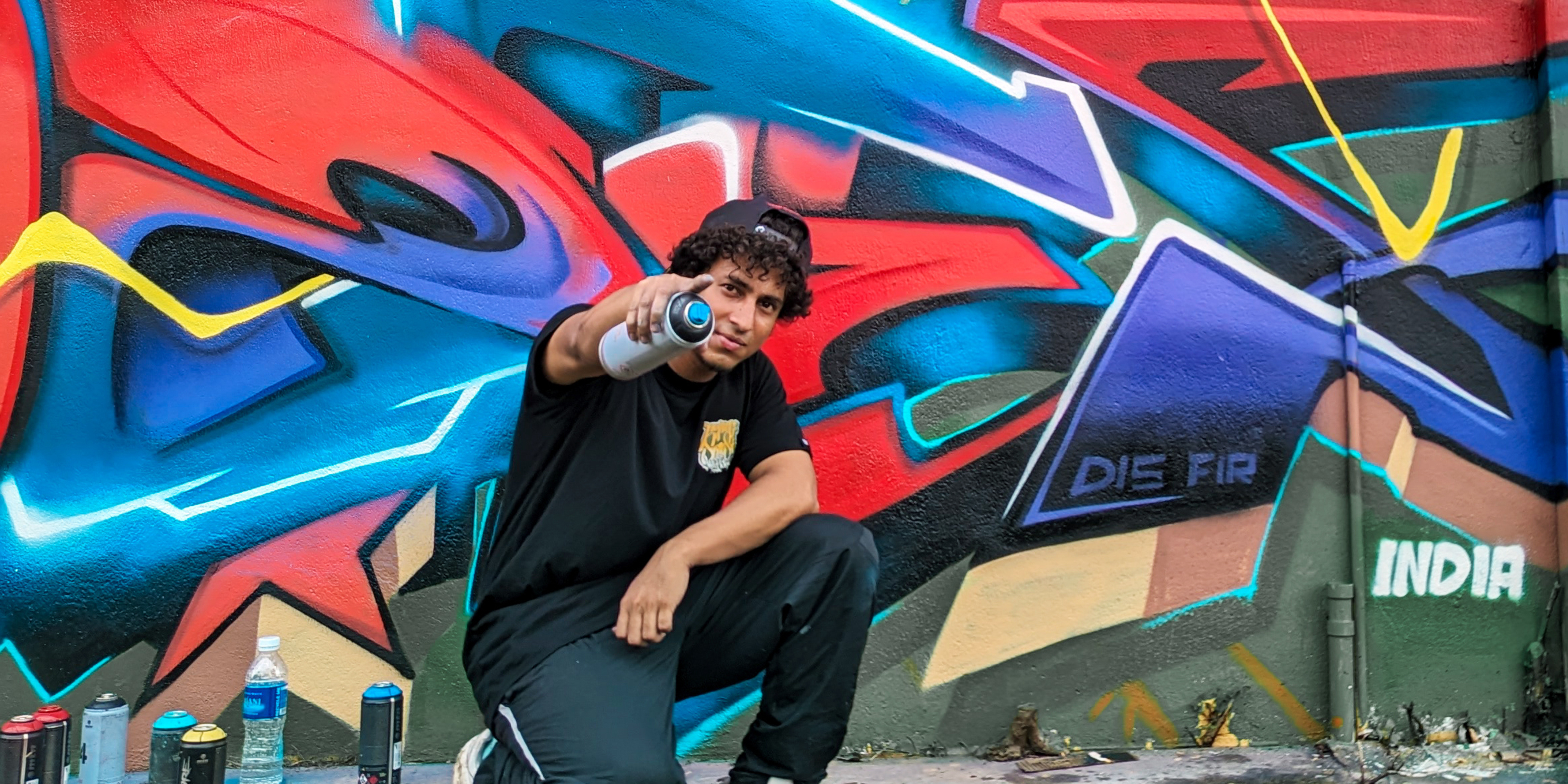
Graffiti is a selfish, yet selfless art form. You put your heart and soul onto a wall that isn’t yours, knowing it could be gone tomorrow. Spit on, painted over, forgotten. For Mooze, one of Mumbai’s most recognizable graffiti writers, this paradox isn’t a deterrent; it’s the entire point. His work is a conversation with the city he loves, a splash of color in the gray, a moment of pause for the millions rushing by.
His journey began not with a grand artistic vision, but with a teenage thought during Ganpati Visarjan in 2012. “I thought everyone might be busy with the visargan,” he recalls. “So today is a good day to go and do graffiti.” Armed with a spray can and a torch, he and a friend headed to the train tracks in Virar. As a container train slowed right beside him, his friend cheekily asked the driver for feedback. Mooze was terrified. But the next day, he went back to finish the piece.
That was the first time Mooze put his name up. It was the beginning of a conversation that would span the length of Mumbai’s lifeline: the local train network.
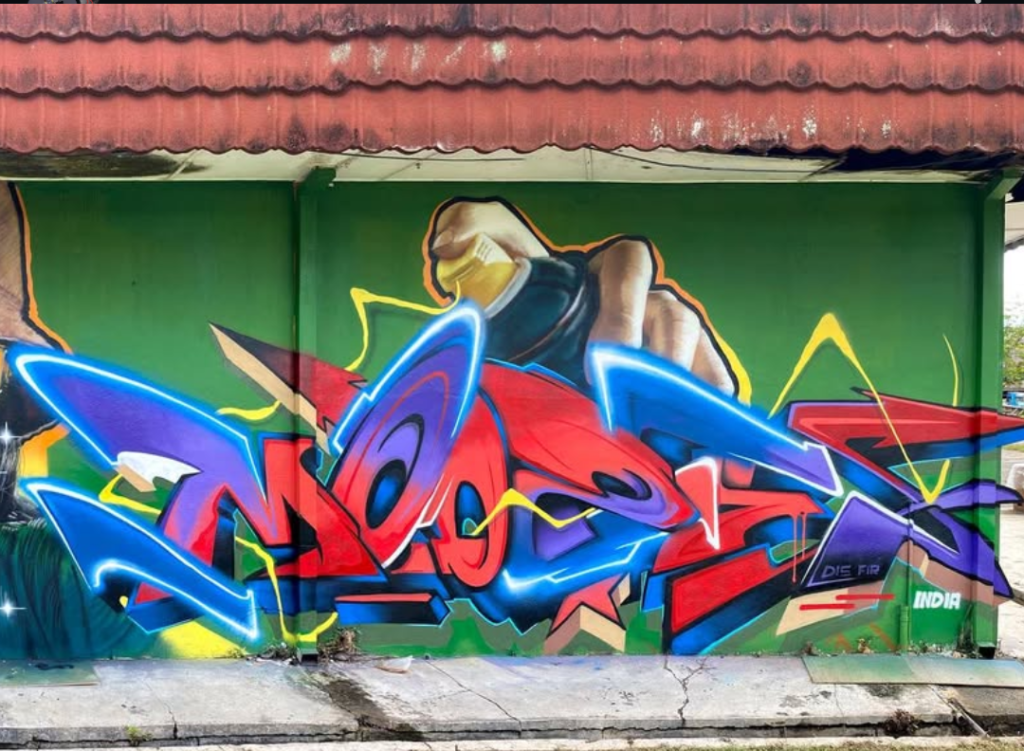
Finding a Name, Finding a Voice
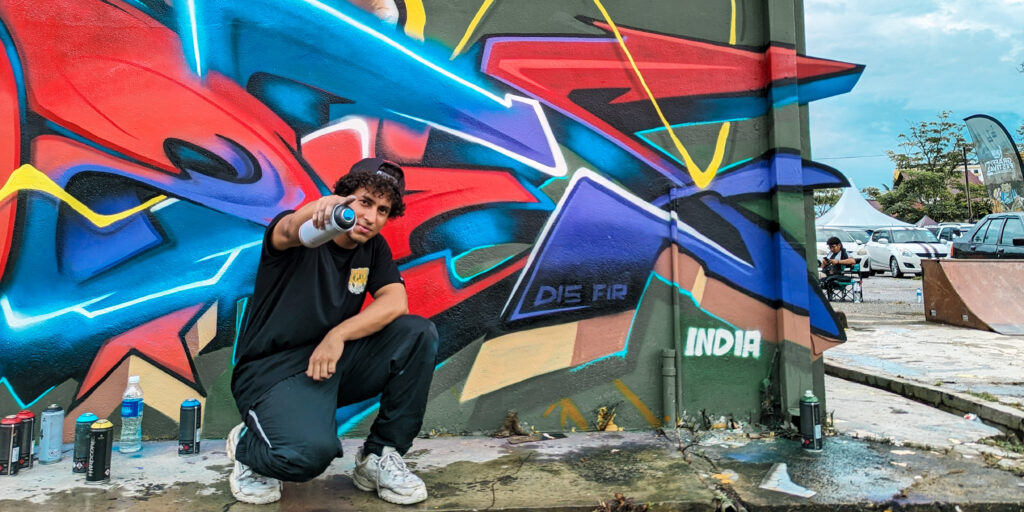
Before he was Mooze the writer, he was Moose the dancer. As part of a hip-hop crew called Insane Crew, he was obsessed with the character Moose from the Step Up movie series. “I used to copy that guy,” he laughs, “in dressing sense, in dancing style, everything.” When he discovered that graffiti required a cool name, a tag, the choice was obvious. He replaced the ‘S’ with a ‘Z,’ and Mooze was born. The name, rooted in movement and rhythm, grew with him as he transitioned from dance to the visual art of writing.

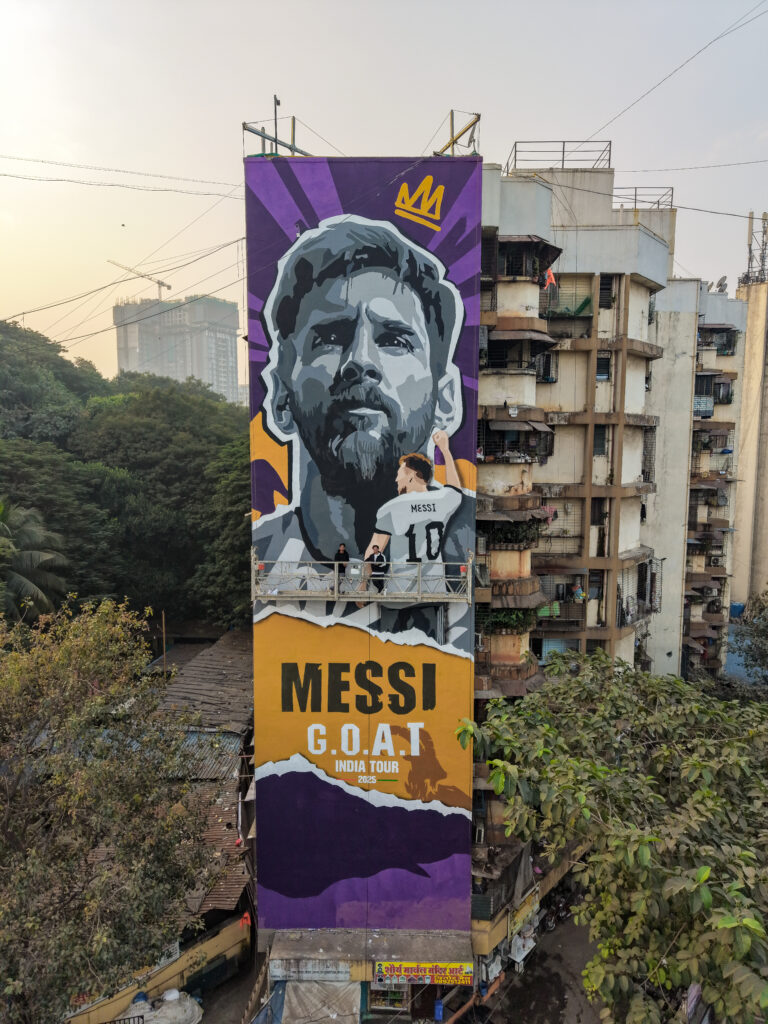
His early days were spent painting the track walls between every station from Vashi to Panvel. The goal was simple: get his name up. “Seeing your name everywhere is a different kind of feeling,” he explains. It gives you an identity. It sparks a curiosity in passersby: Who is behind this name?
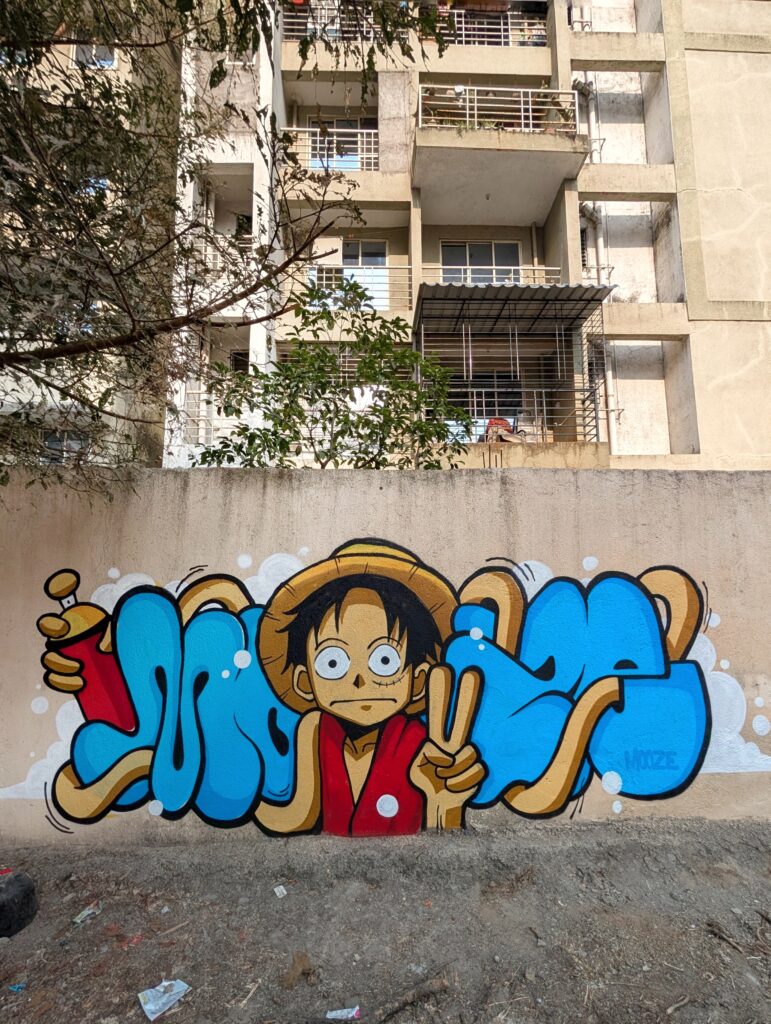
To make his pieces more attractive, he would often replace one of the ‘O’s in his name with the face of a cartoon character he loved. While he enjoyed illustration, letters remained at the core. Painting characters on the street was hectic; painting letters was pure fun. Letters were about identity. A character is an image, but a name is a declaration.
The Rhythm of the Rails
Mumbai moves fast, and its lifeline, the local train, is the ultimate gallery. “By traveling by train, you get the most visible spots, you get most of the eyeballs on your artwork,” Mooze says. The trackside walls became his favorite canvas. The sheer volume of daily commuters meant his work was in constant dialogue with the city’s populace.
But this conversation isn’t always welcome. Graffiti comes with risk. In India, however, the lines are blurrier than in Western countries. “People are really not aware about graffiti,” he notes. Passersby often ask if he’s being paid. When he explains he’s doing it for the love of it, they either think he’s foolish or lying.
The risk depends on the spot. A high-profile wall might attract the police, but an abandoned one often goes unnoticed. Mooze has found that a calm explanation can often de-escalate situations. This unique environment has led many international artists to call India a “writer’s paradise,” where the possibility of painting is vast and often welcomed.
From Small Pieces to a Martian Manhunter
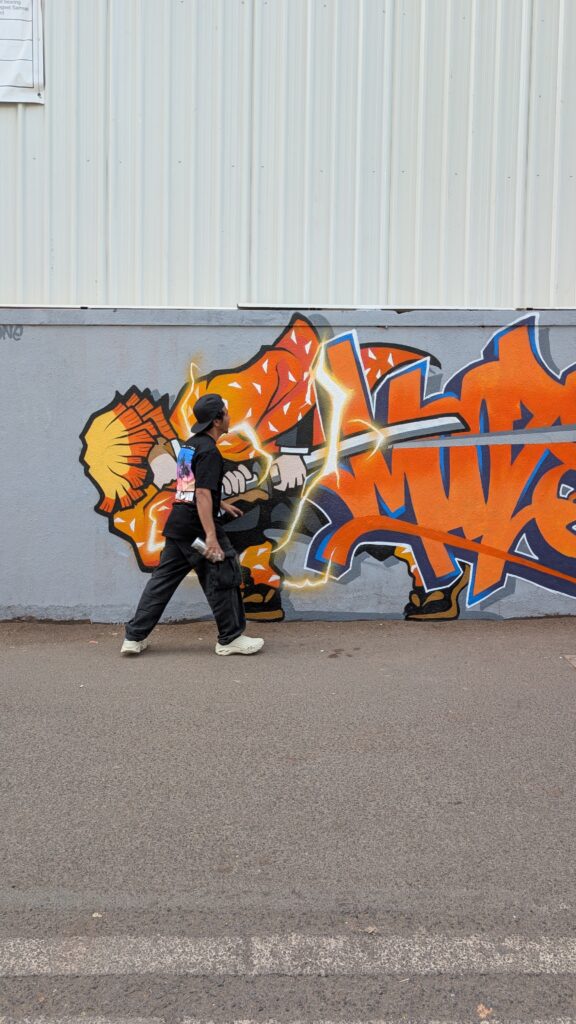
Progress in an art form that is inherently temporary isn’t measured in preserved canvases. It’s measured in satisfaction and personal growth. For Mooze, a major turning point came when he painted a 25-foot-high Martian Manhunter. “Before that, I had never approached something that big,” he admits. The success of that massive piece gave him the confidence to push his skills further, tackling a hyper-realistic 3D turtle in Vashi next. Those projects taught him new techniques for handling spray paint, creating fades and blends that he then incorporated back into his letter-based pieces.
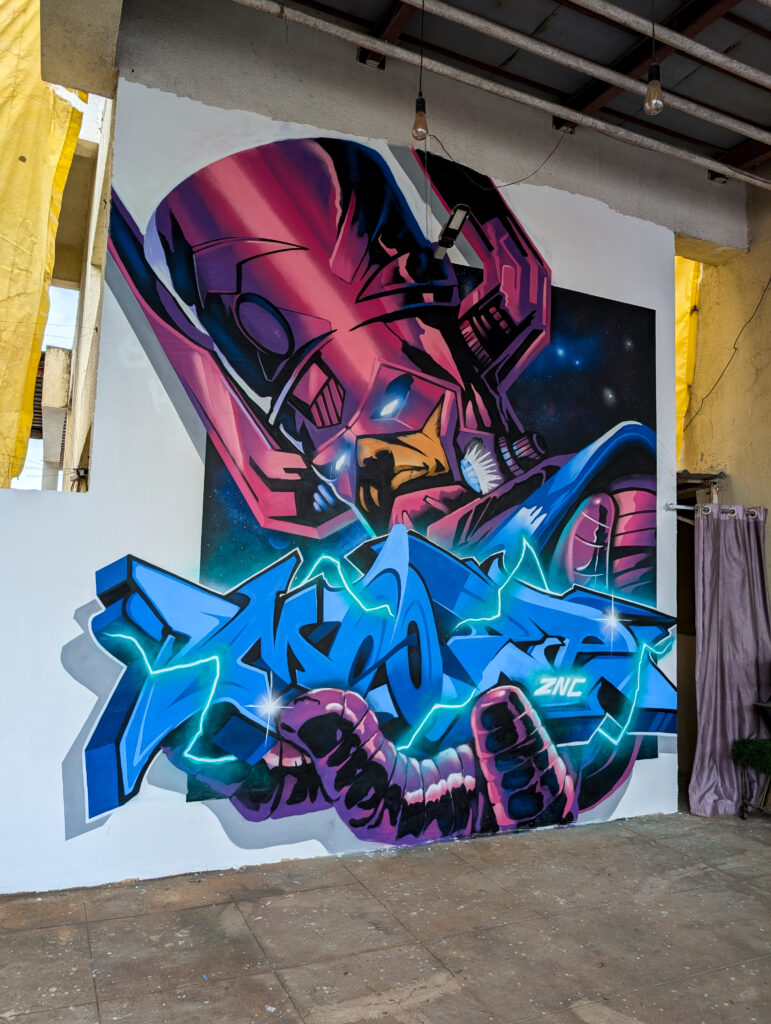
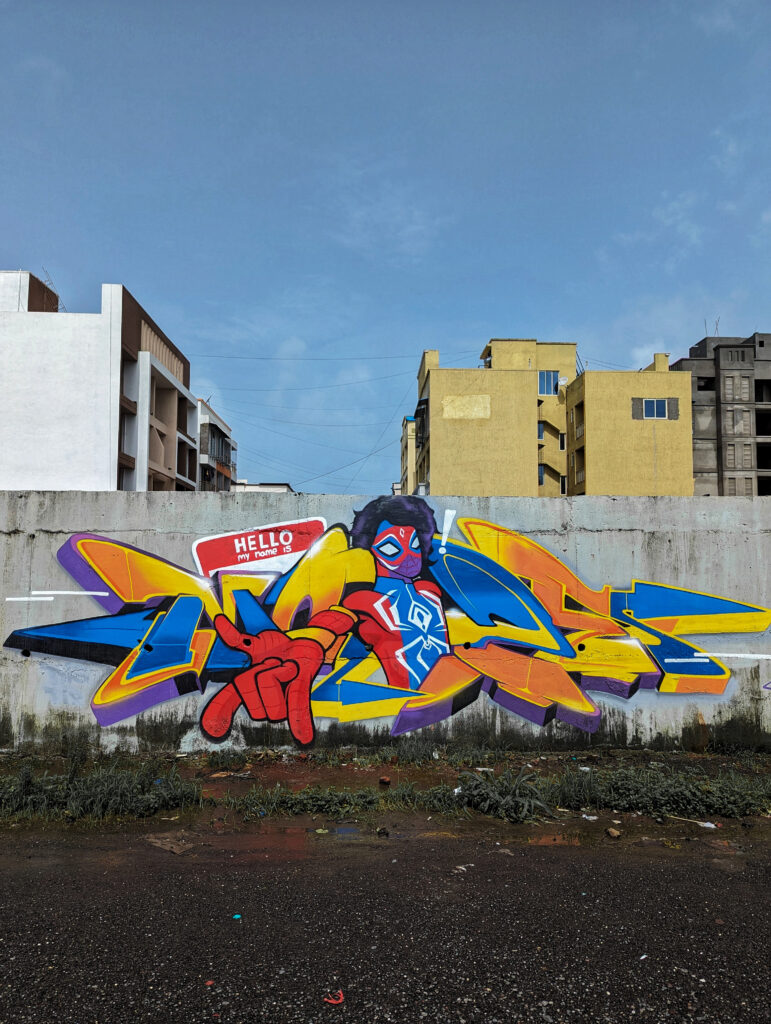
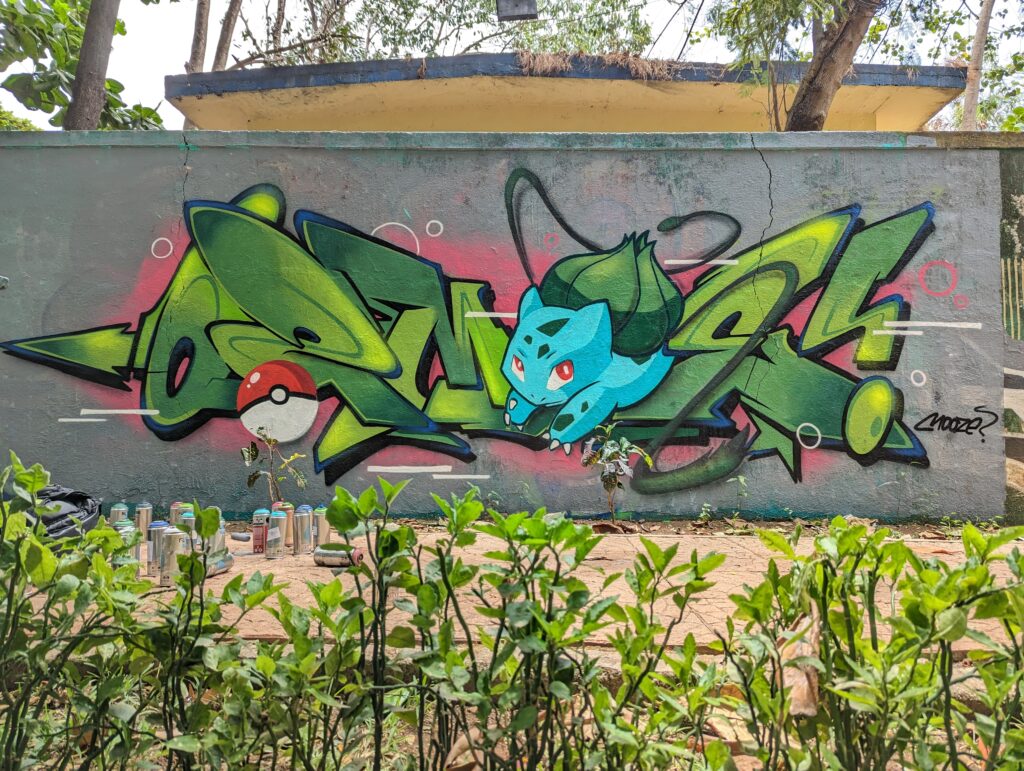
The ultimate test, however, came one night when he and his crew set out to paint their first train panel. At 3 AM on the tracks, they saw flashlights approaching. “We straight away ran into the bushes,” he remembers. “I was so scared and I could really feel what that adrenaline feel is about.” They eventually had to abandon the piece and flee. That night changed his perspective. It was a chaotic mix of thrill, fear, and the intense focus required to create under pressure.
A Selfless Act in a Selfish World
Graffiti is an act of leaving your mark, yet it requires you to let go of it almost immediately. “You have to leave that artwork over there, and you don’t know what the next minute of that artwork is going to be,” Mooze reflects. That acceptance of destruction is central to the culture.
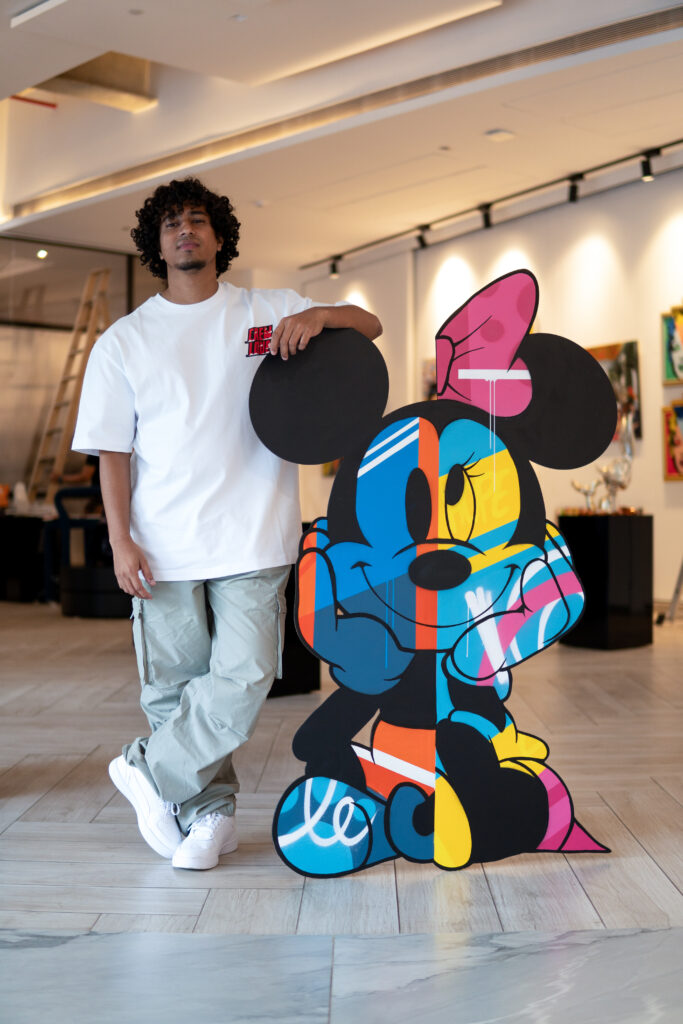
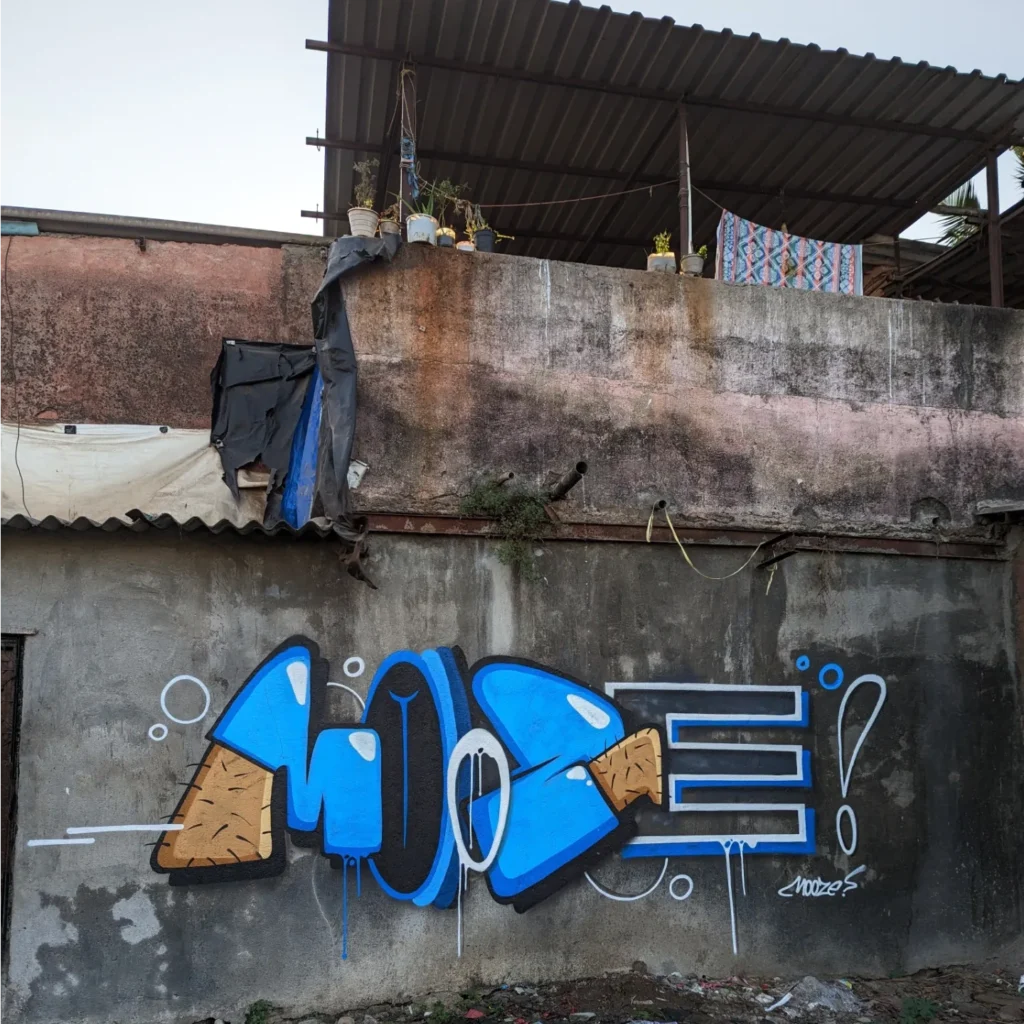
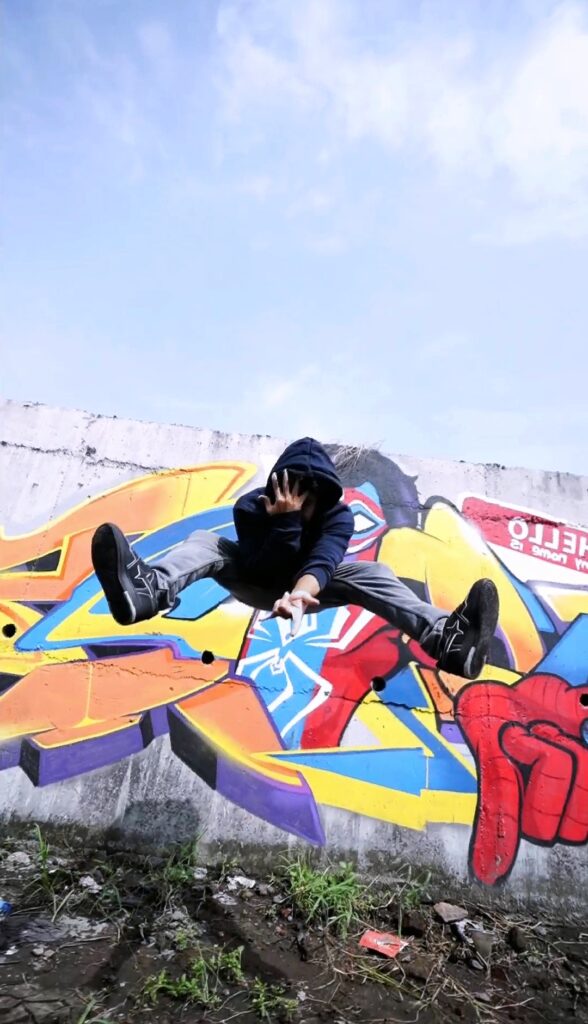
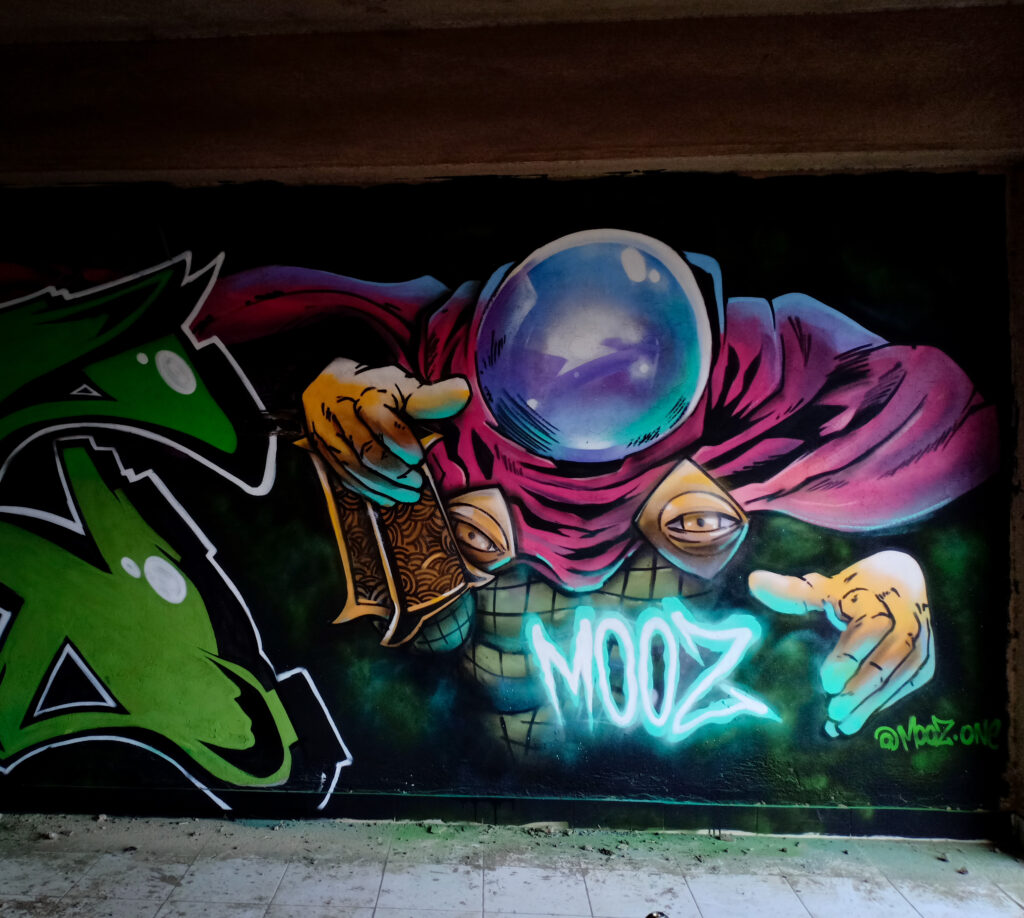
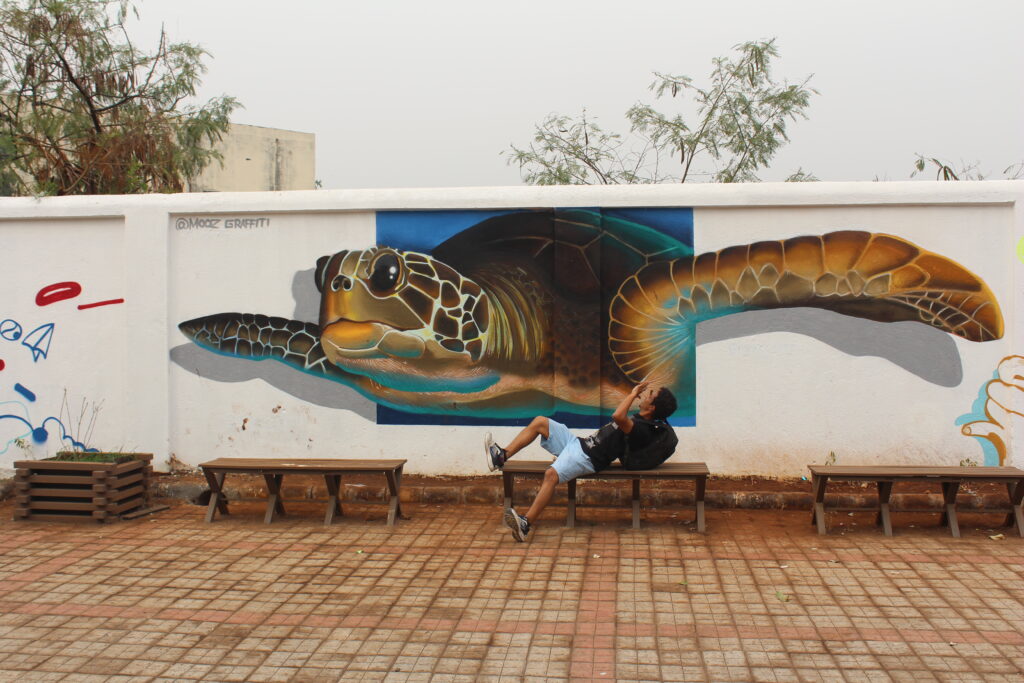
He sees his work as a way to connect with like-minded people. When he paints a character from a beloved fandom, people travel to that spot specifically to take a picture. His art becomes an attraction, a landmark. The colorful spot in the gray city “makes you stop and you suddenly stop thinking about all your problems.”
This journey from a kid with no clear ambition to a respected artist has been transformative. He recalls a teacher in his architecture program who once mocked him, telling him he should join the BMC to paint street walls. Five years later, that same teacher proudly introduced him to a jury, celebrating his success and the fact that he was paying his own college fees with money earned from his art.
Mooze’s story is a testament to following a passion, even when no one else understands it. He started painting because he loved it, not for money or fame. That love is what fuels him to keep the conversation with Mumbai going, one colorful piece at a time.
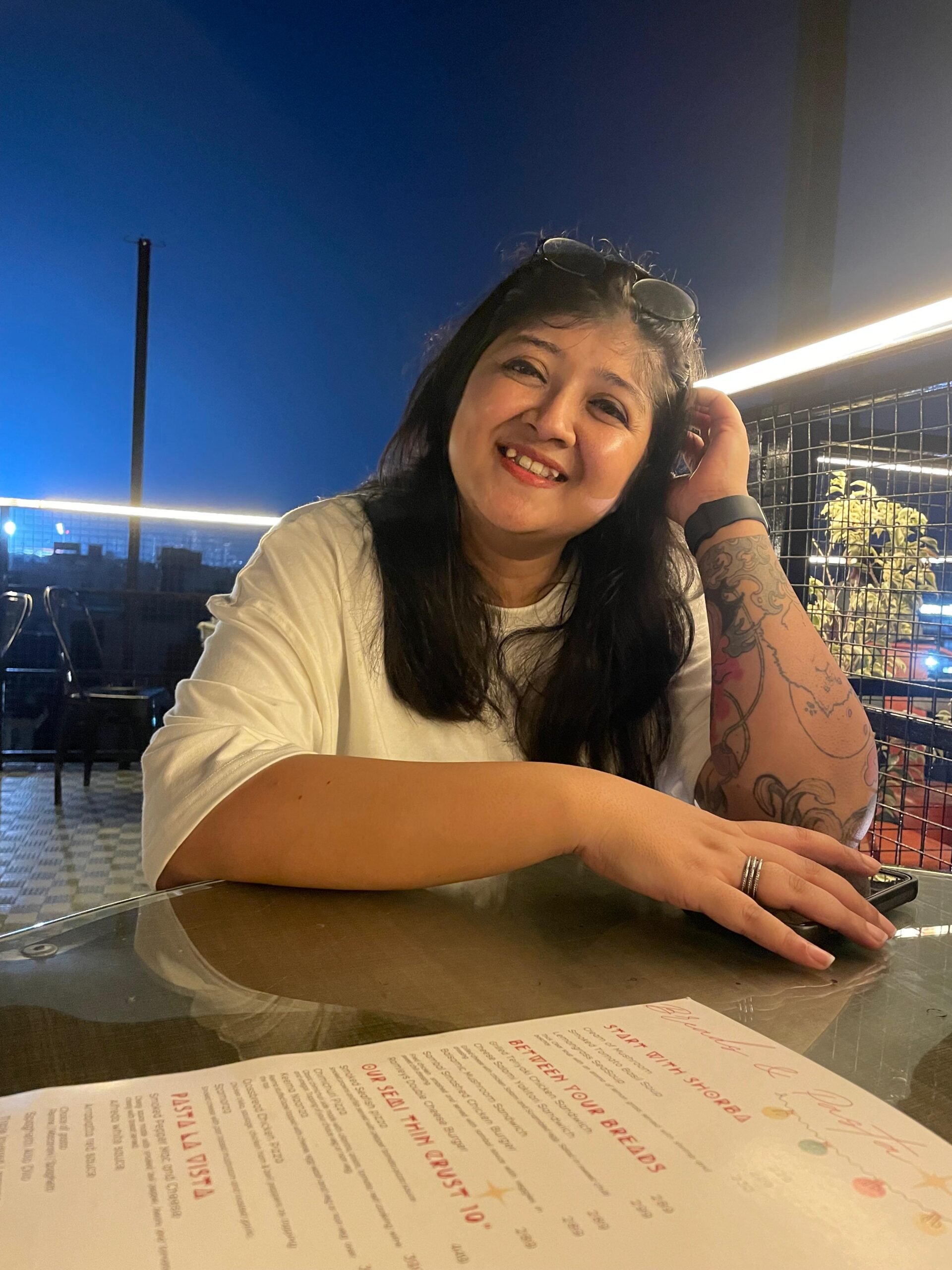
Oeshi B Lyndem is a former graffiti and visual artist, now working as a tattoo artist and graphic designer.
Rooted in craft and hands-on making, she moves fluidly between illustration, street art, design and experimental creative processes.
With lineage from Shillong, often known as India’s rock capital, she brings a strong cultural backbone to her work.
At Goofy Owl, she curates and leads the street and hip-hop culture segment through an intuitive, deeply creative and entrepreneurial lens.