We live in an era where everyone is watching everyone else. We curate our feeds, polish our personas, and constantly wonder if we’re “doing it right.” It’s exhausting. We crave something real—a signal in the static that tells us it’s okay to just be.
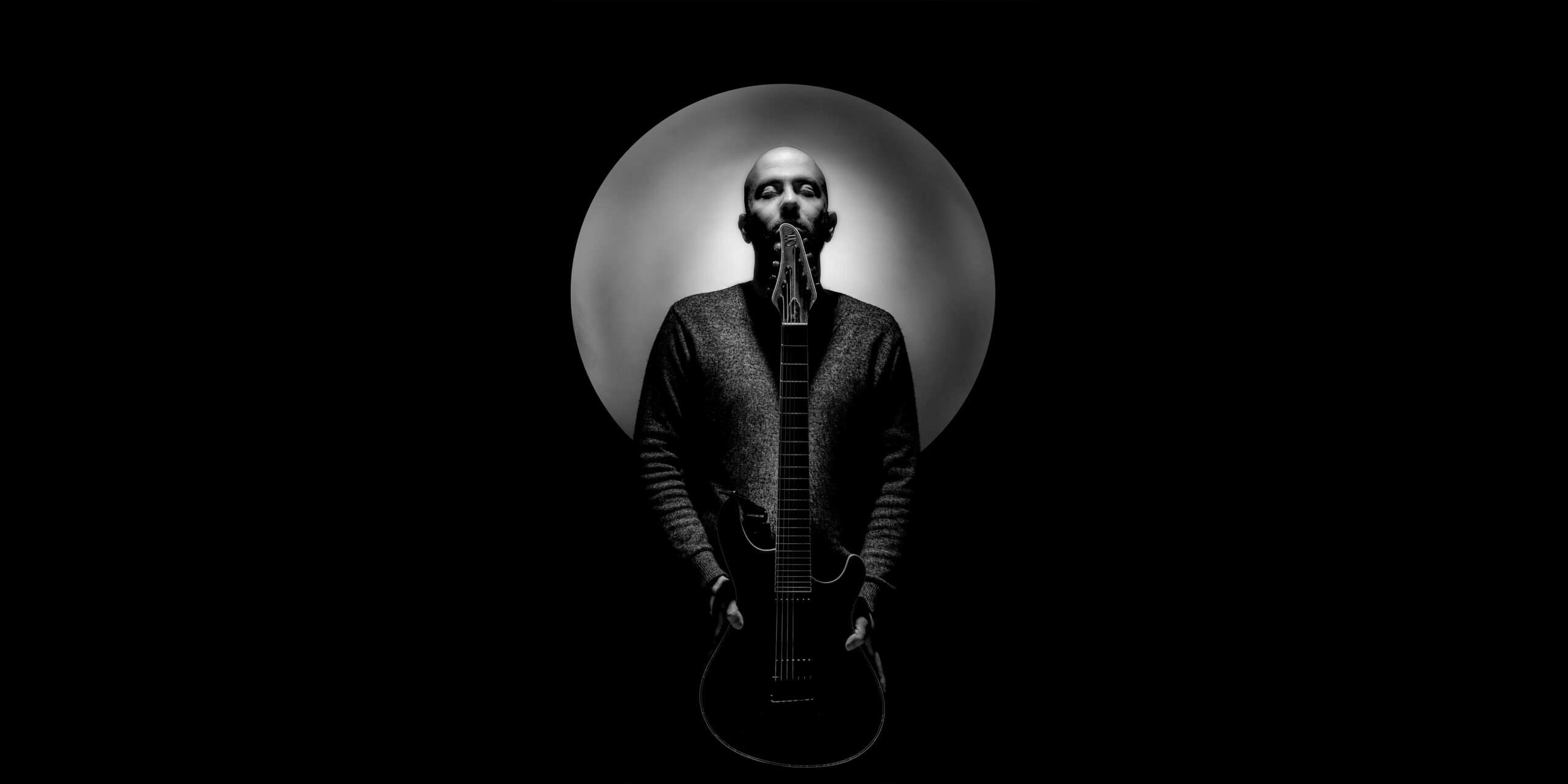
This is exactly why the story of Keshav Dhar resonates so deeply.
What started as a bedroom passion project in the late 2000s didn’t just evolve into a band; it became a global progressive metal phenomenon. But if you ask, the founder of Skyharbor, Keshav Dhar, about the master plan behind this meteoric rise, his answer is refreshingly human: there wasn’t one. It was about timing, community, and, most importantly, the radical act of radical honesty.
If you’ve ever felt the pressure to conform to a trend or struggled with “Imposter Syndrome” while pursuing your creative dreams, Skyharbor’s journey offers a roadmap for navigating the chaos with your soul intact.


Image Credits: Naman Sariya, Akshat Nauriyal
The “Happy Accident” of Going Viral
Before Instagram reels and TikTok trends dictated the music industry, there was a quiet revolution happening on forums and MySpace. It was a burgeoning scene of young, self-producing artists who were rewriting the rules of metal from their bedrooms.
“Honestly, the timing of it was such that it kind of just happened to fall into place on its own,” Keshav reflects. He wasn’t trying to build an empire; he was just making noise.
This was the era of bands like Periphery, Tesseract, and Cloudkicker. They weren’t competing; they were inspiring one another across oceans. “I guess it was quite similar to how the grunge or nu-metal scenes developed in the 90s, centered around a distinct musical style, except this was happening over the internet globally,” he explains.
For millennials and Gen Z creators today, there’s a lesson here. We often stress about “building a brand” before we’ve even built the art. Skyharbor reminds us that the best communities aren’t manufactured—they grow organically around shared passion. You don’t need a marketing strategy to find your tribe; you just need to put your work out there.

The Secret Sauce? Radical Honesty
Skyharbor is recognized from India to the US for a sound that feels distinct and ethereal. But what makes it stick? Why do listeners from completely different cultures connect with these complex rhythms and atmospheric melodies?
Keshav’s philosophy is simple, yet terrifyingly difficult to practice: You have to stop caring if people listen.
“I believe that you need to have something interesting to say, lyrically or musically, and you have to express it with pure honesty and just not give a fuck about whether or not anyone will care or listen,” he says.
This hits home for anyone navigating the identity crisis of the modern age. We are conditioned to seek validation—likes, shares, comments. But Keshav argues that letting go of that expectation is the only way to unlock true authenticity.
“It is much easier said than done, because we all want to be heard and appreciated,” he admits. “But for me, I believe that letting go of that expectation completely is what allows you to write music and express yourself in the most authentic way.”
In a saturated world, trying to be “trendy” is a trap. Trends fade. Honesty is timeless. It’s the only thing that cuts through the noise.
Collaboration Over Ego
One of the most remarkable aspects of Skyharbor’s early days was the involvement of heavyweights like Daniel Tompkins (Tesseract) and guitar legend Marty Friedman. How does a bedroom producer from India snag such collaborations?
Again, no PR agents. No slick networking. Just connection.
“Completely by chance,” Keshav says. “I just happened to get emails from both of them saying that they liked what they heard on my MySpace profile… Honestly, I would have had no clue how to reach them anyway.”
This spirit of collaboration has defined Keshav’s career. Today, he balances his own music with producing for others, a role he finds liberating. Why? because it forces him to check his ego at the door.
“When working with others, I am much less personally invested… which is not to say that I don’t care about the project, but I don’t really have any ego as such in those scenarios,” he explains. This detachment is freeing. It silences the overthinking—the “biggest hurdle” for songwriters.
There is profound freedom in being a vehicle for someone else’s vision. It reminds us that creativity isn’t always about us. Sometimes, it’s about facilitating a moment for someone else.
Evolution Is Not a Straight Line
From the atmospheric layers of Blinding White Noise to the intricate textures of Sunshine Dust, Skyharbor’s sound has never stayed stagnant. For Keshav, albums are like chapters in a diary. Once they are written, the language of that specific time is complete, and it’s time to learn a new one.
“An album is such a big labor of love… by the time we were done with each album we really felt like we had said everything we wanted to say with that ‘language’,” he notes.
But growth is messy. It’s non-linear. He reveals that the title track for Sunshine Dust actually started as a demo for the previous album, Guiding Lights. It didn’t fit then. It wasn’t ready.
“Eventually, by the time we refined it into what it became, the sound of that next album had taken its own shape.”
This is a comforting thought for anyone feeling stuck in their personal growth. Just because an idea or a version of yourself doesn’t fit right now doesn’t mean it won’t be the centerpiece of your life later. We are constantly repurposing our past to build our future.
The Producer’s Mindset: Organization Fuels Creativity
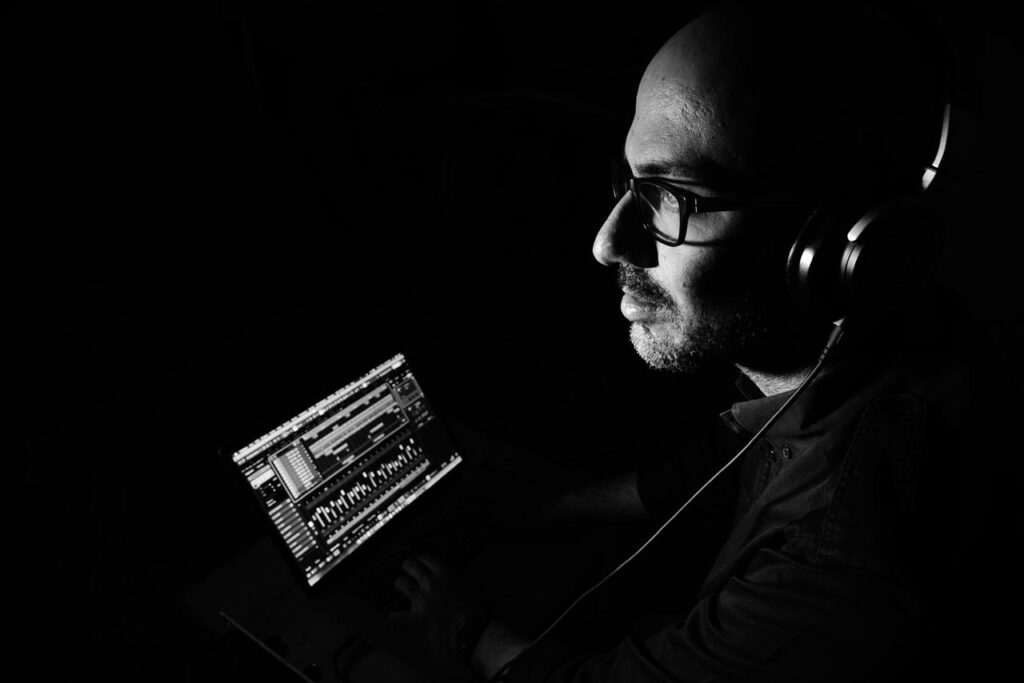
As Keshav has transitioned into a full-time producer and mixer—scoring for film and TV and working with independent artists—he has developed a workflow that might surprise those who view creativity as pure chaos.
He is meticulously organized.
“I ensure that before I even begin to listen to anything properly, I spend a good amount of time purely doing organizational and cleanup tasks,” he describes. He color-codes tracks. He re-labels files. He sets up routing stems before playing a single note.
Why? Because technical friction kills the creative flow.
“Once I really get into the creative side… my mind is racing at a hundred miles an hour and I don’t want to waste any time with technical issues later. If I have an idea, I want to instantly execute it.”
For the modern creative, this is a masterclass in discipline. Structure doesn’t stifle creativity; it supports it. By clearing the clutter first, you create a playground where your mind is free to run wild without tripping over cables—literal or metaphorical.
Finding Your Frequency
Skyharbor’s story is more than a biography of a band; it’s a case study in trusting your gut. Whether it’s embracing the “under the radar” status of prog metal as a long-term strength or finding joy in the “imperfections” of a live take, Keshav’s approach is about finding value in the genuine.
“The only way to really make a mark and cut through all the noise is to take risks and be yourself,” he asserts. “I don’t mean forcefully trying to be different for the sake of it, just have something meaningful to say with your art.”
In a world telling you to be louder, faster, and more viral, Skyharbor dares you to be quieter, deeper, and more honest. That’s a frequency worth tuning into.
Thumbnail Image Credit: Yeashu Yuvraj

Lubdhak Biswas is a tattoo artist, entrepreneur and a musician based out of Kolkata (India).
He documents underground culture at the crossroads of tattooing and music.
His work focuses on craft, tools, ethics and the real working realities of creative industries.