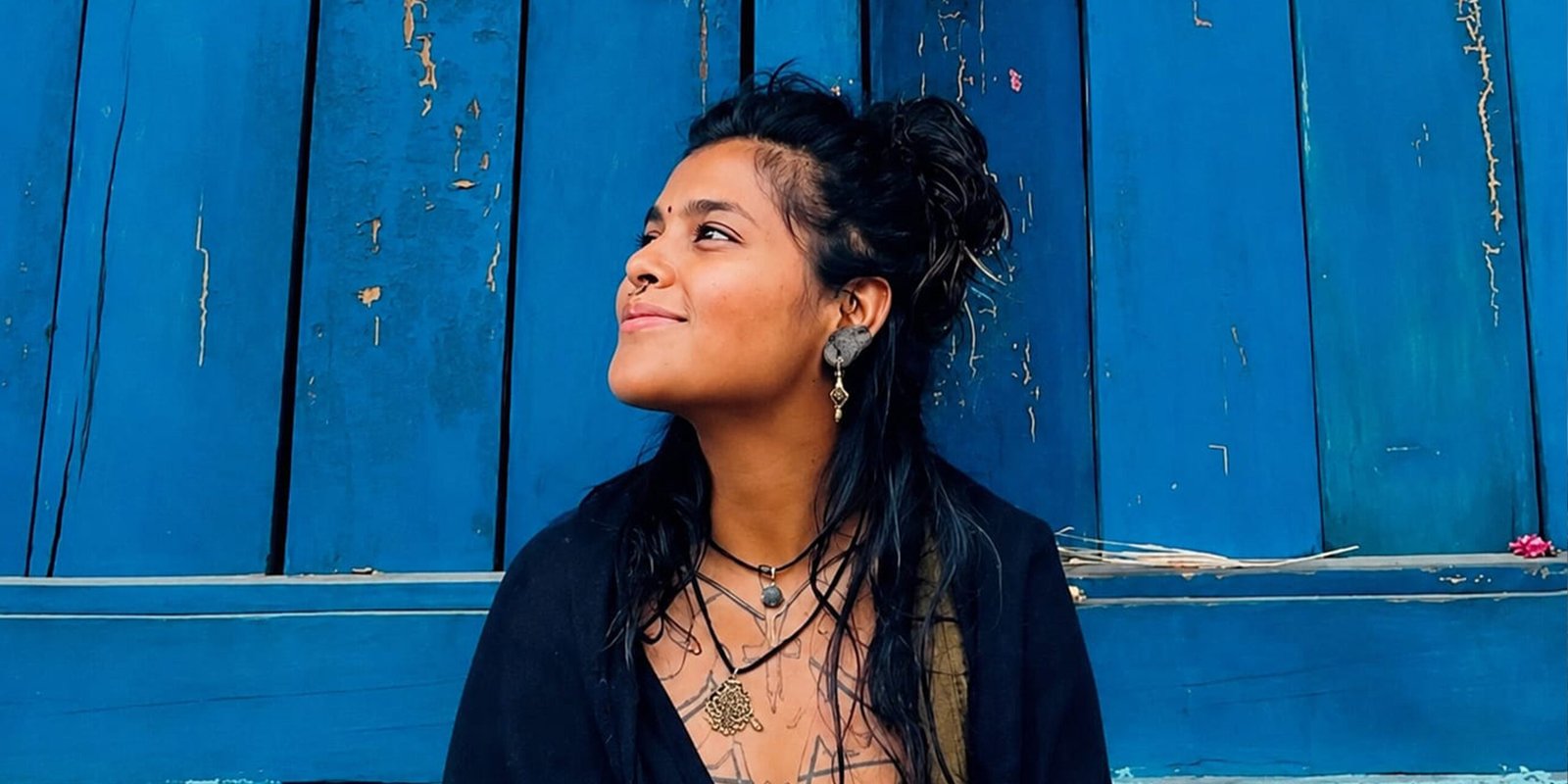
Some tattoos begin long before the needle touches skin. They begin in conversation, in silence, in the careful act of listening to another person’s story. They begin in smoke-cleared rooms and shared meditations, in tarot cards laid on an altar, in the deliberate slowing of breath. For hand poke artist Fohat, this is not metaphor. It is method.
“My role is not just to create art, but to hold space for transformation, so every person leaves with something that resonates far beyond the skin.”
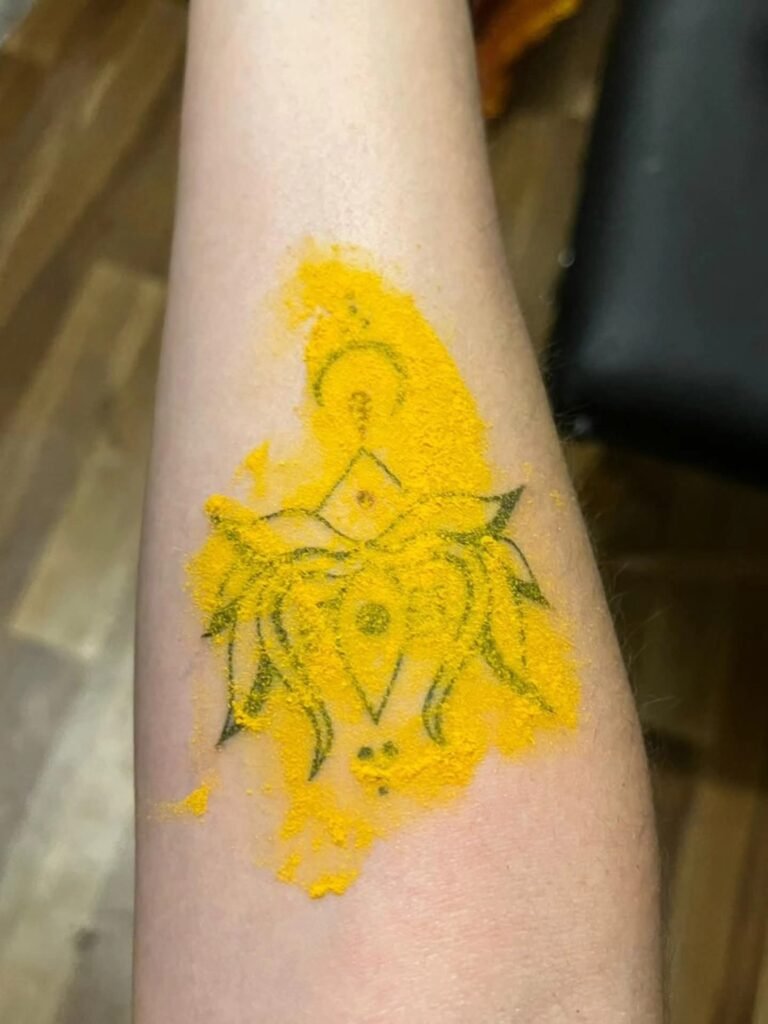
That conviction shapes everything Fohat does, from the way she prepares a space to the symbols she selects, from the rhythm of each intentional dot to the turmeric she applies when the work is complete. Her practice sits at an unusual crossroads: part craft, part ceremony, part philosophy of living. To understand it fully, you need to go back to the beginning, to a young woman restless with the feeling that the conventional life had nothing real to offer her.
Searching For Something More Real
Fohat grew up surrounded by one of the world’s oldest living cities and its ceaseless, sacred noise. Even as a child, she gravitated towards drawing and creating, always aware that something within her resisted the prescribed path of degrees, careers, and ordinary ambition.
She studied fashion, hoping creativity might find its footing there. It did not.
“I was searching for something more real, more grounded, and more meaningful,” she says.
Fashion felt manufactured to her, driven by trends rather than truth. The distance between what she was making and what she actually believed widened until it became impossible to ignore.
Travel offered an opening. Moving slowly through the world, she began to sense a different kind of life was possible.
“That search eventually led me to tattooing, as I started traveling and everything slowly began to make sense.”
The discovery was not immediate or dramatic. It arrived gradually, the way most genuine realisations do.
When Tattooing Became A Way Of Understanding Life
The early years of tattooing were shaped by the conventions of the industry.
“What began as a way to express myself through art slowly became my way of understanding people, energy, and life itself,” Fohat reflects.
Being an empath, she found that tattooing gave her another dimension through which to connect with people and their emotions, a quality the medium rewarded in ways that fashion never could.
The transformation deepened as his own life shifted.
“Only when I started traveling and realized life is far beyond what we live and has a higher purpose, did I understand that tattoos must also carry deeper meanings.”
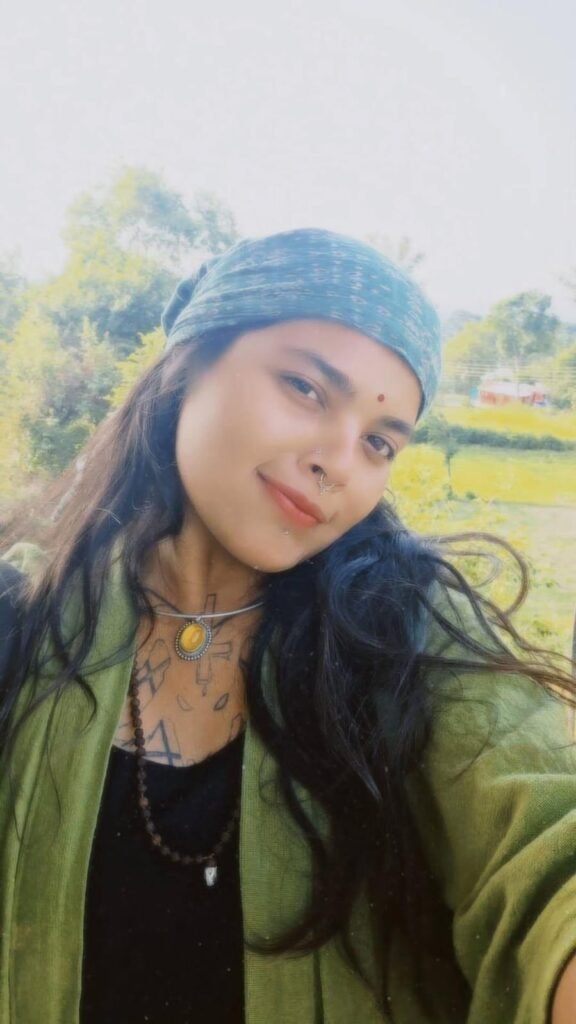
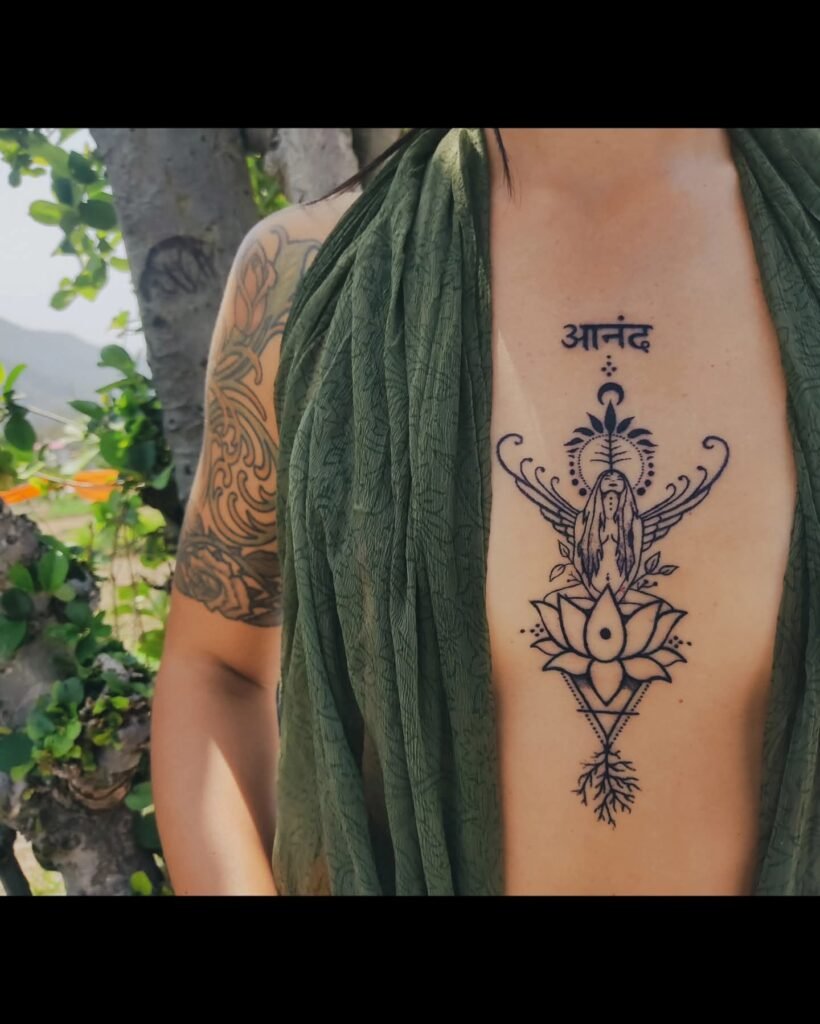
The permanence of the work began to feel significant in ways it had not before.
“I now believe a tattoo is not only something the body wears; it becomes part of your memory, your energy, and your life journey.”
The body carries it. The nervous system remembers it. The mind builds a relationship with it that can last a lifetime. That understanding changed not only what Fohat made, but why.
Choosing Hand Poke Over Machines
The shift from machine to hand poke came through direct experience.
“My tattooing journey started with a machine, and the moment I poked myself for the very first time, I realized this was the missing gap I had been looking for.”
Something in that first act of hand poking revealed itself as fundamental, a slowing down that the machine could not replicate.
“When I was hand-poking, I found myself calmer and more patient,” she says.

The change was not purely technical. It was temperamental, perhaps even philosophical.
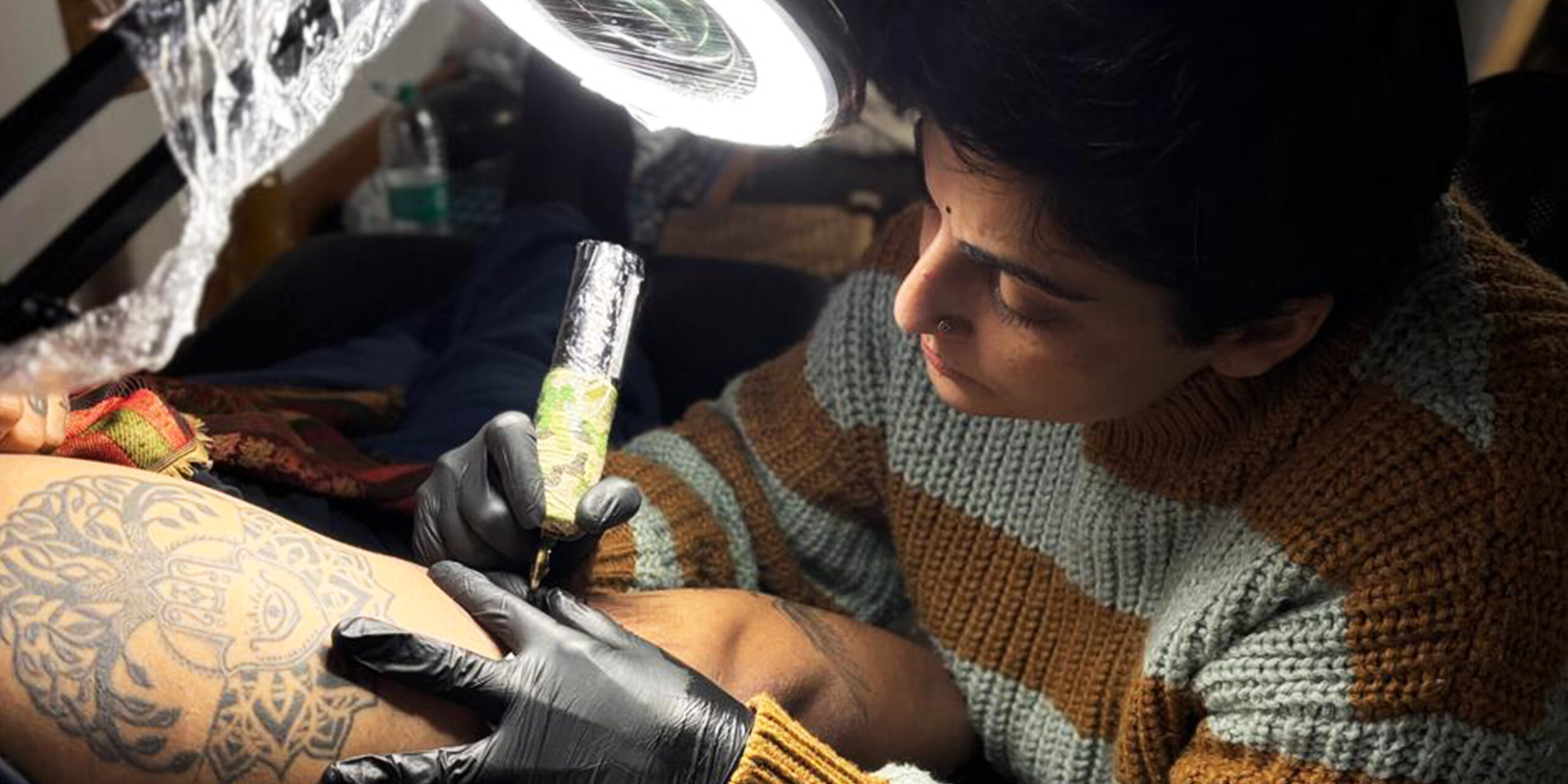
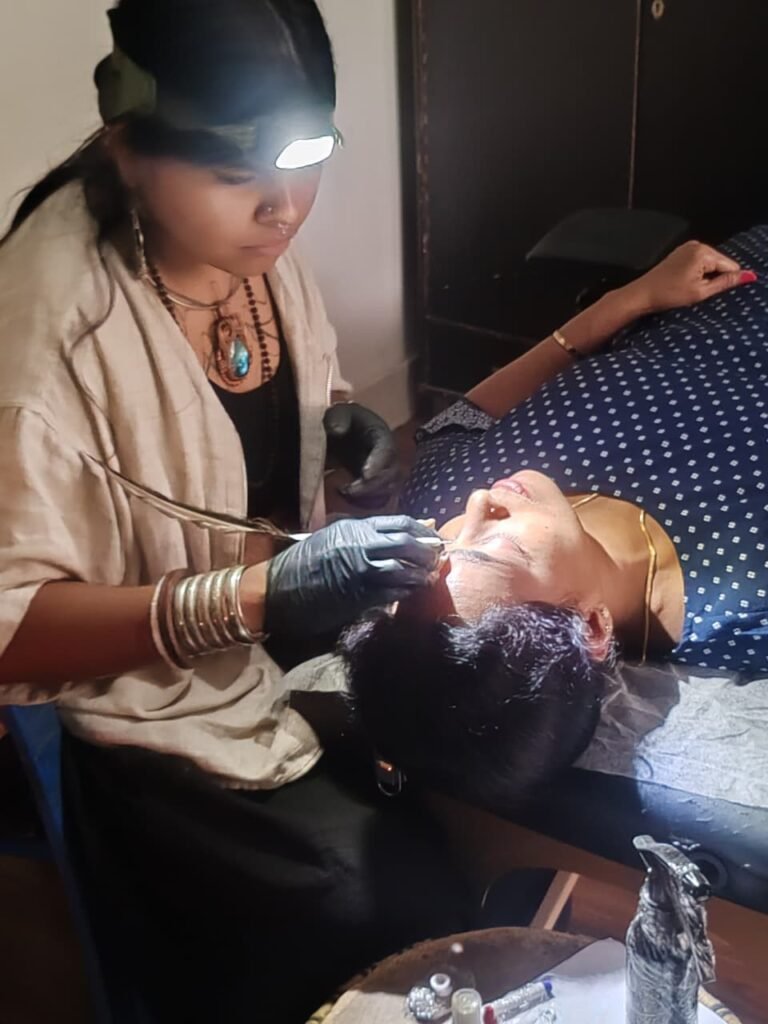
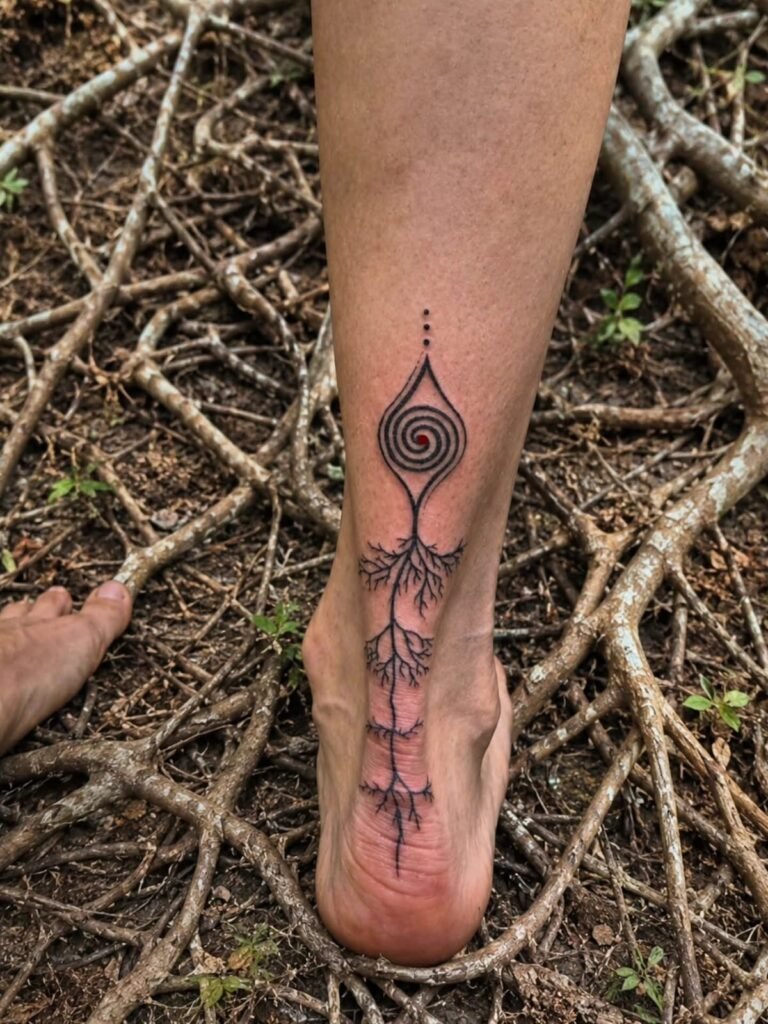
“So, hand poke does give me its slowness, simplicity, and presence. It felt more human to me. Every dot is placed intentionally by hand, so there is no rush or disconnect between the artist, the client, and the process.”
The intimacy that hand poke makes possible is central to her practice.
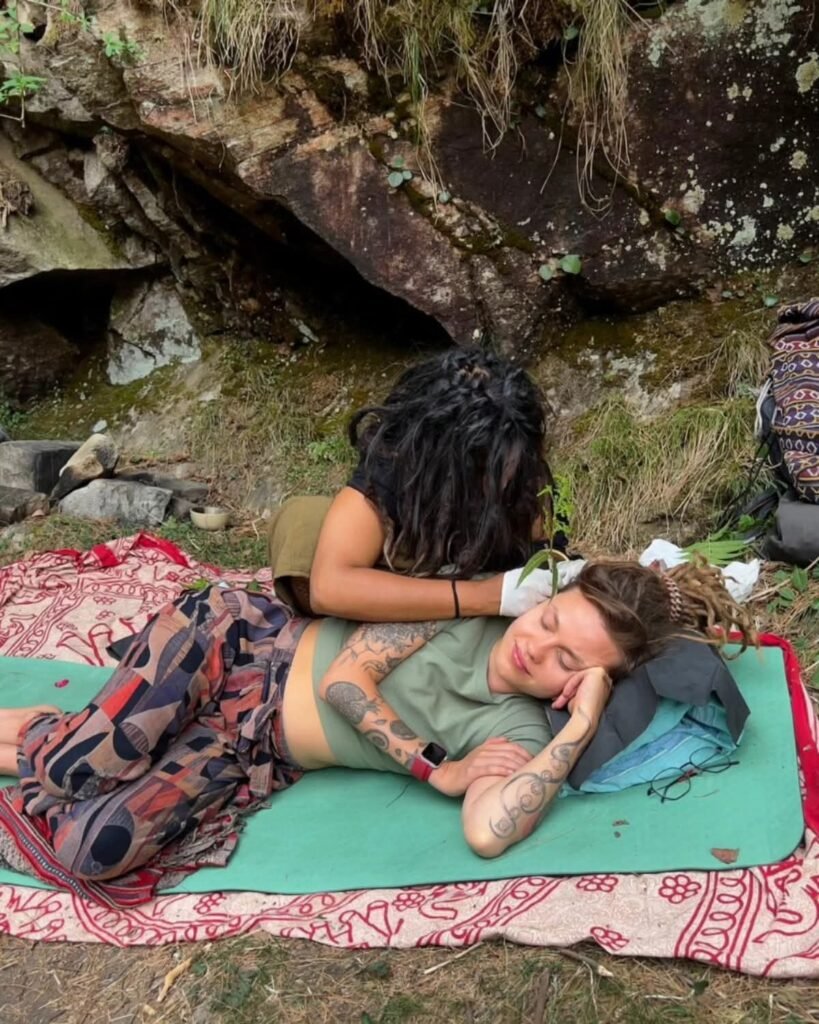
“Hand poke allows me to be completely present with every tattoo. I can feel every breath, every pause, and every emotional shift during the session.”
Many of her clients fall asleep during sessions, a small but telling detail about the environment she creates.
She is careful not to frame the choice as a judgement on other methods.
“I don’t see hand poke as being better than machine tattooing—they are simply different languages.” But for her, the language of hand poke speaks directly to who he is. “There is no machine separating my presence from the person sitting in front of me. That slowness creates space.”
More Than Symbols
“I begin every piece with the person, not the design.” Before a single line is drawn, there is listening. There are questions about what chapter of life someone is in, what intention they want to carry forward, what they are moving through.
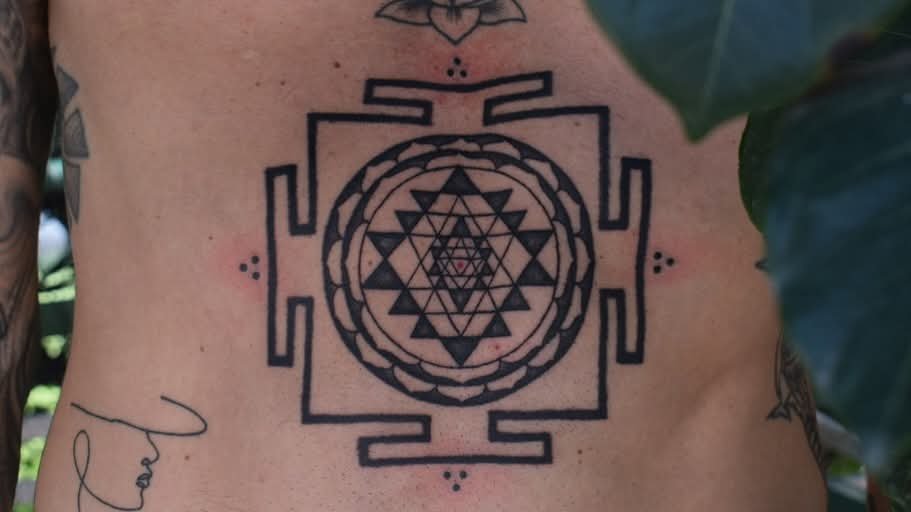
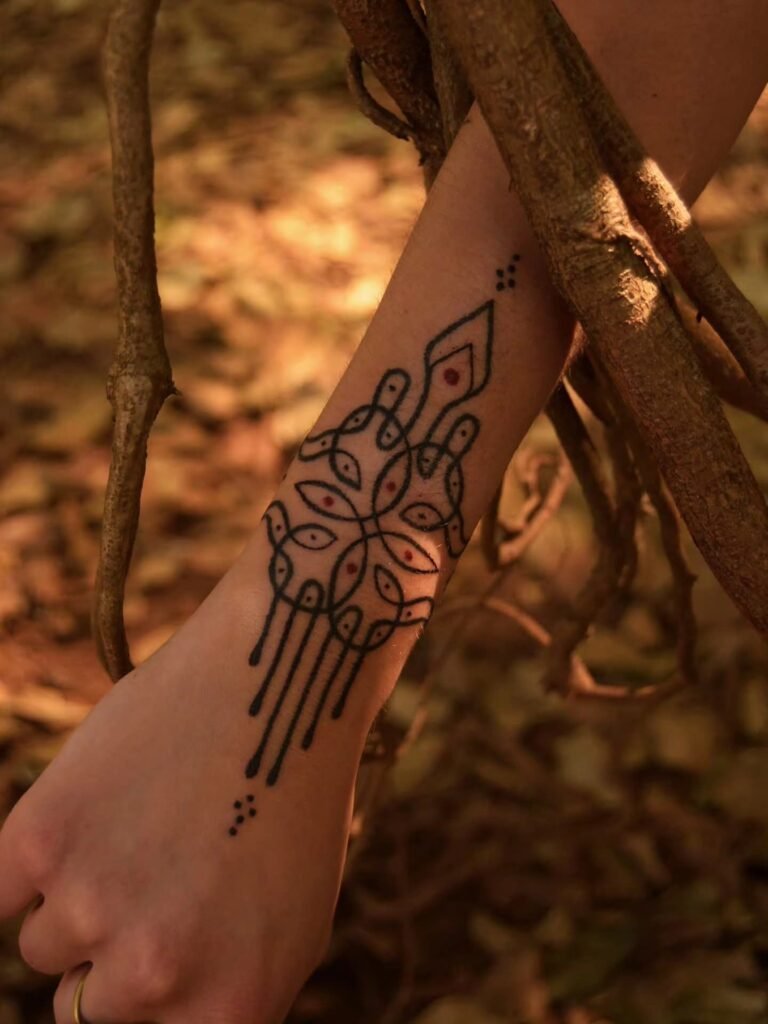
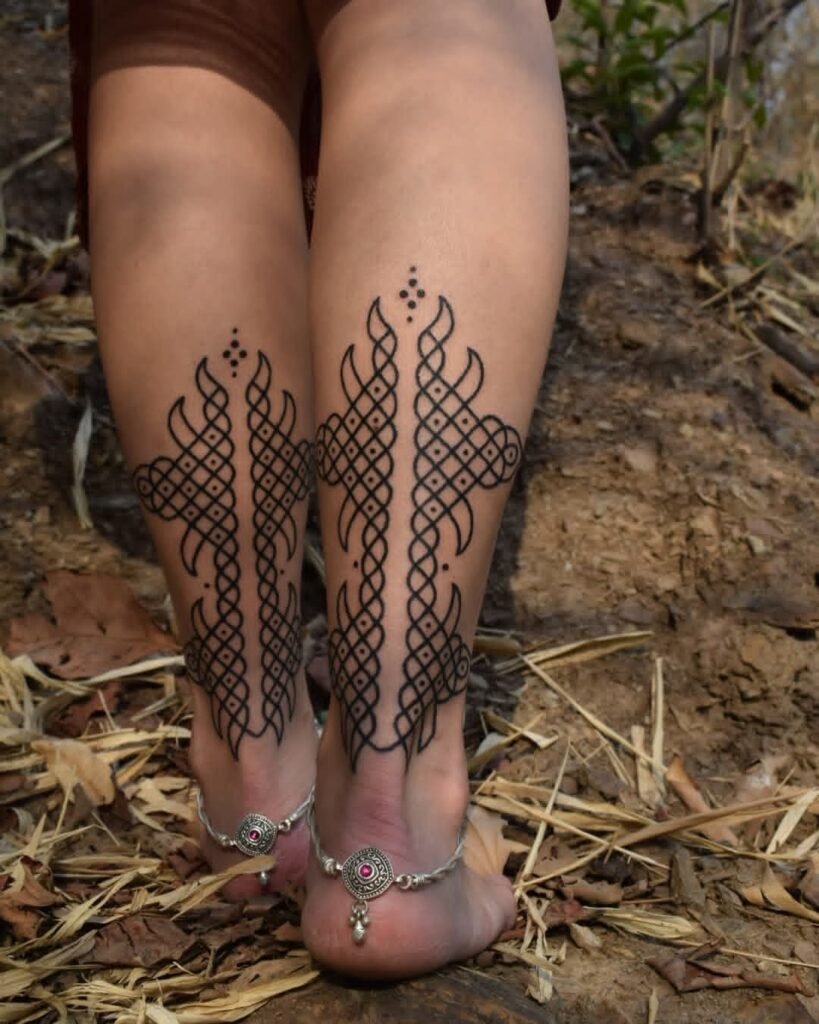
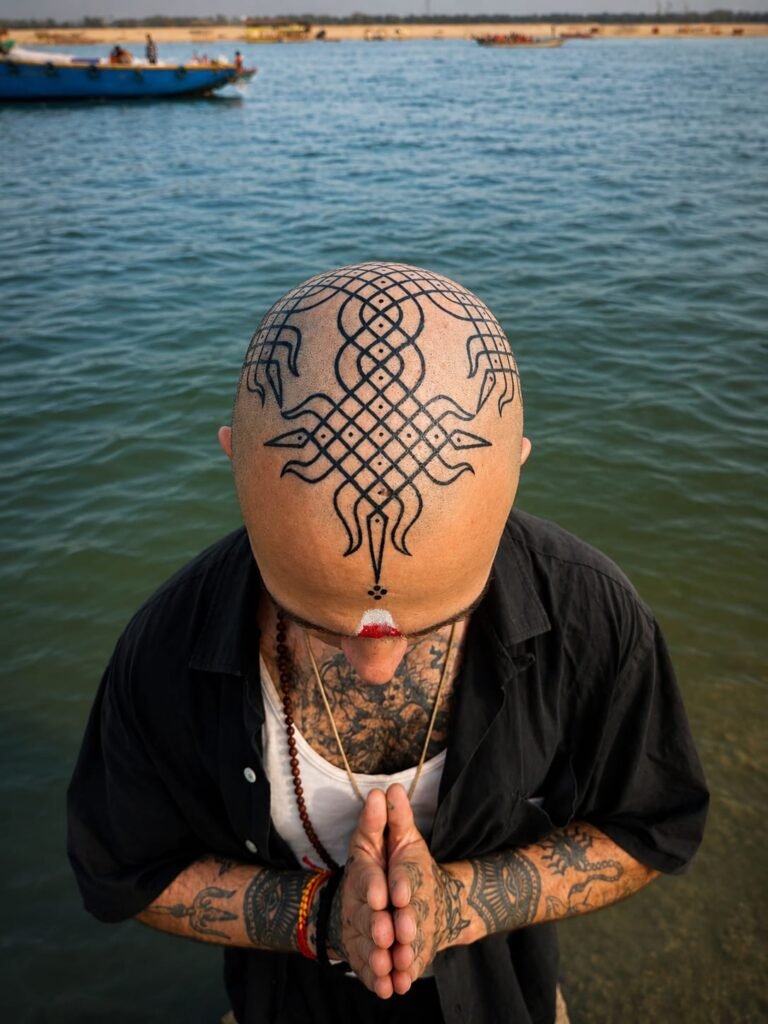
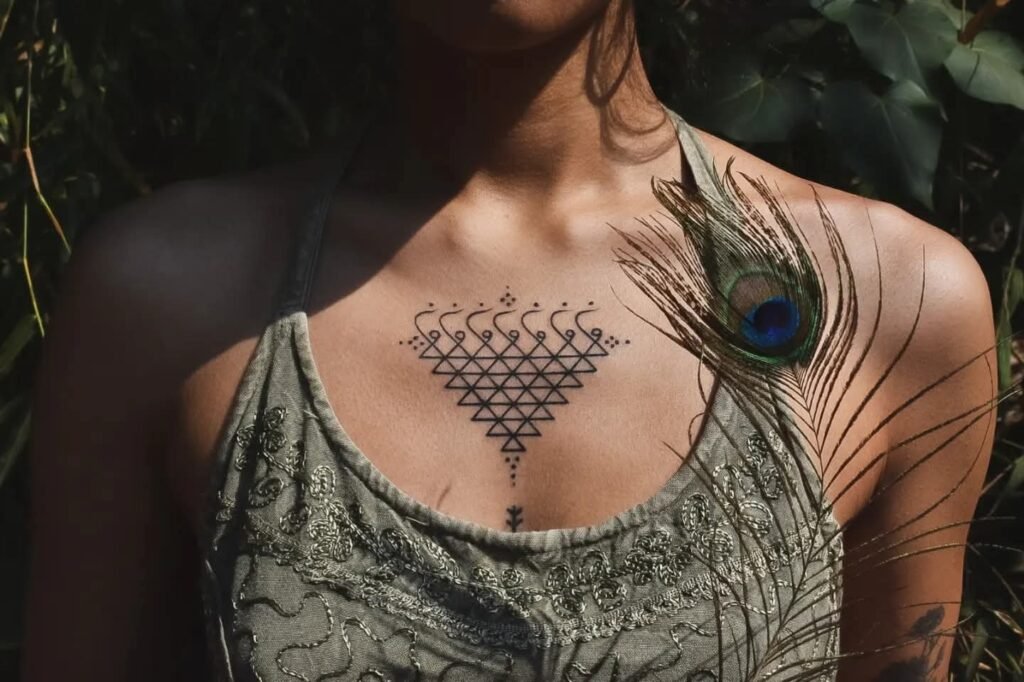
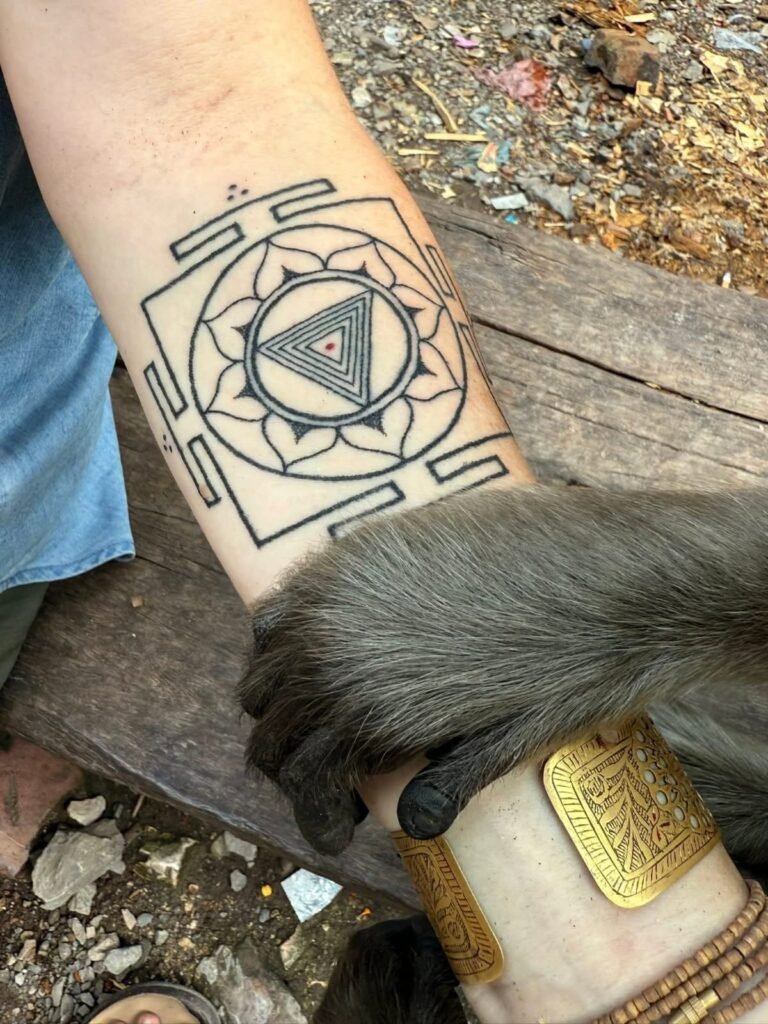
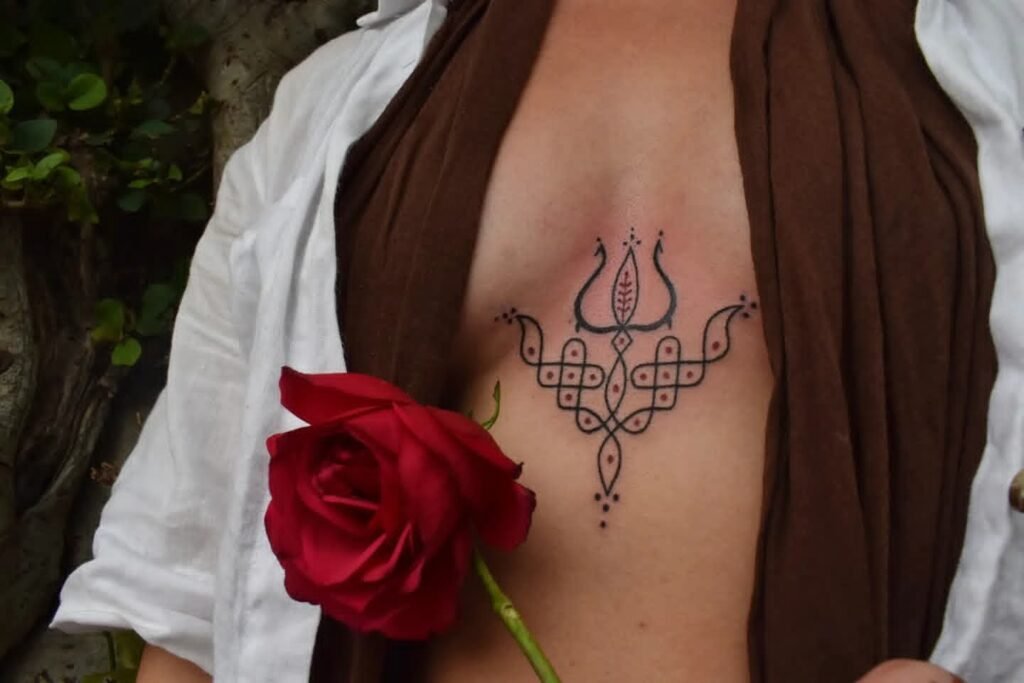
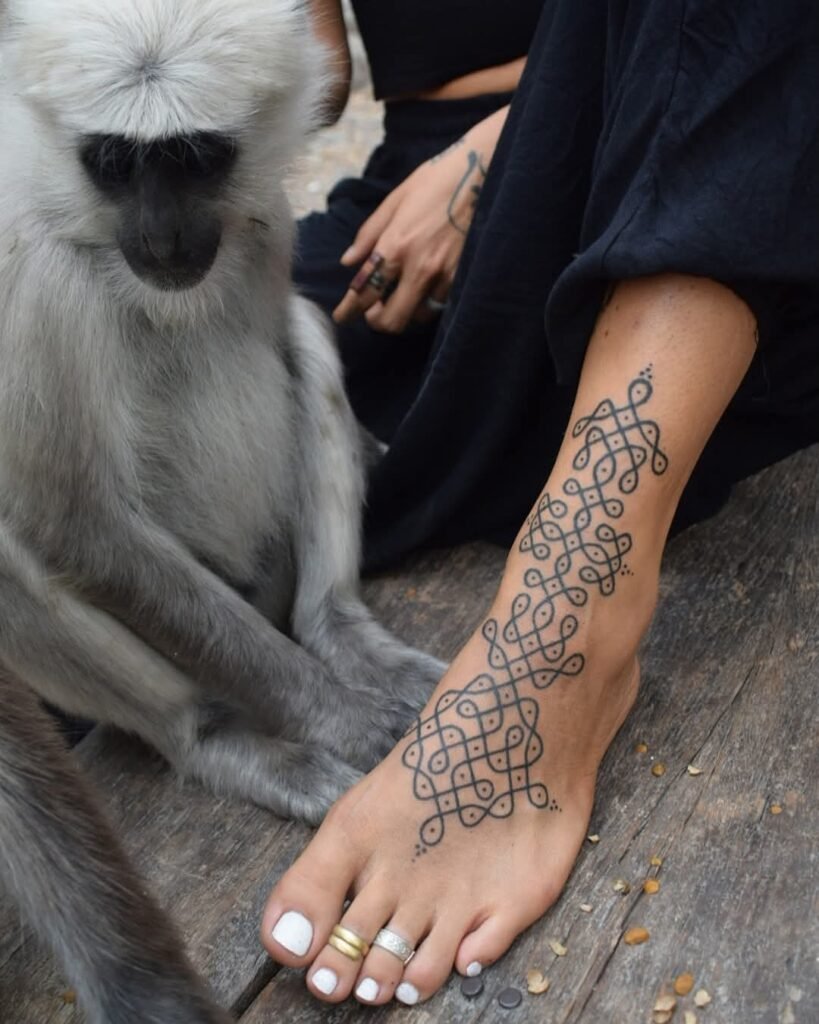
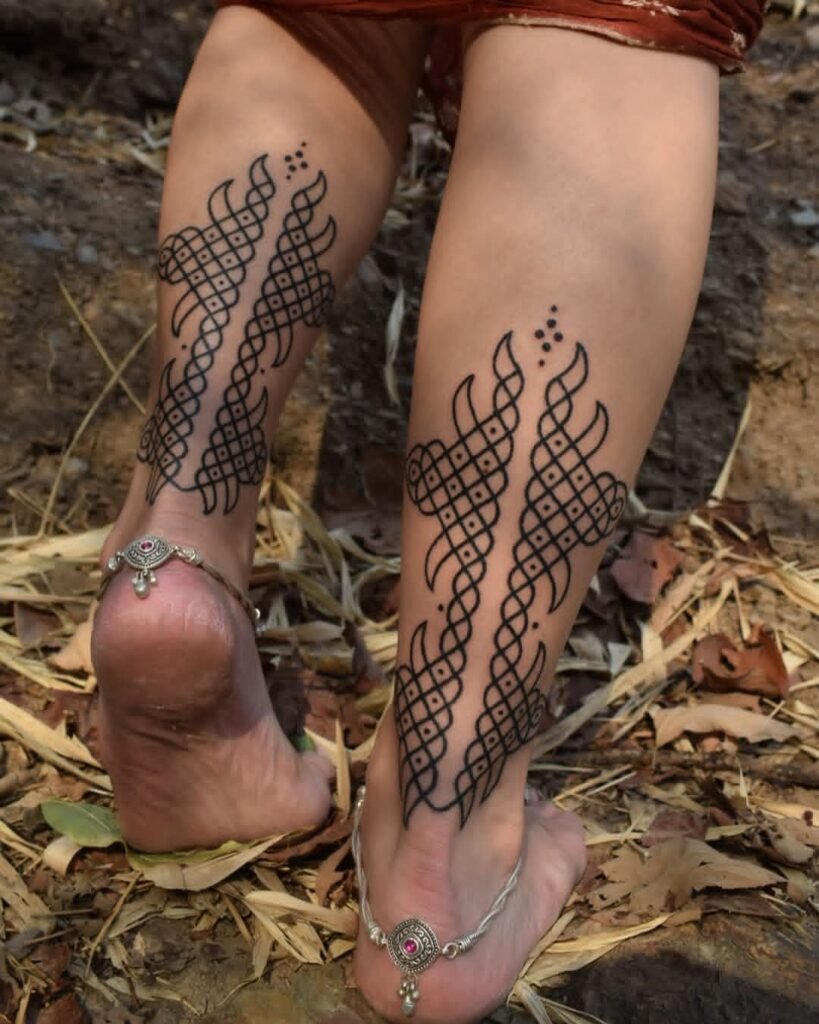
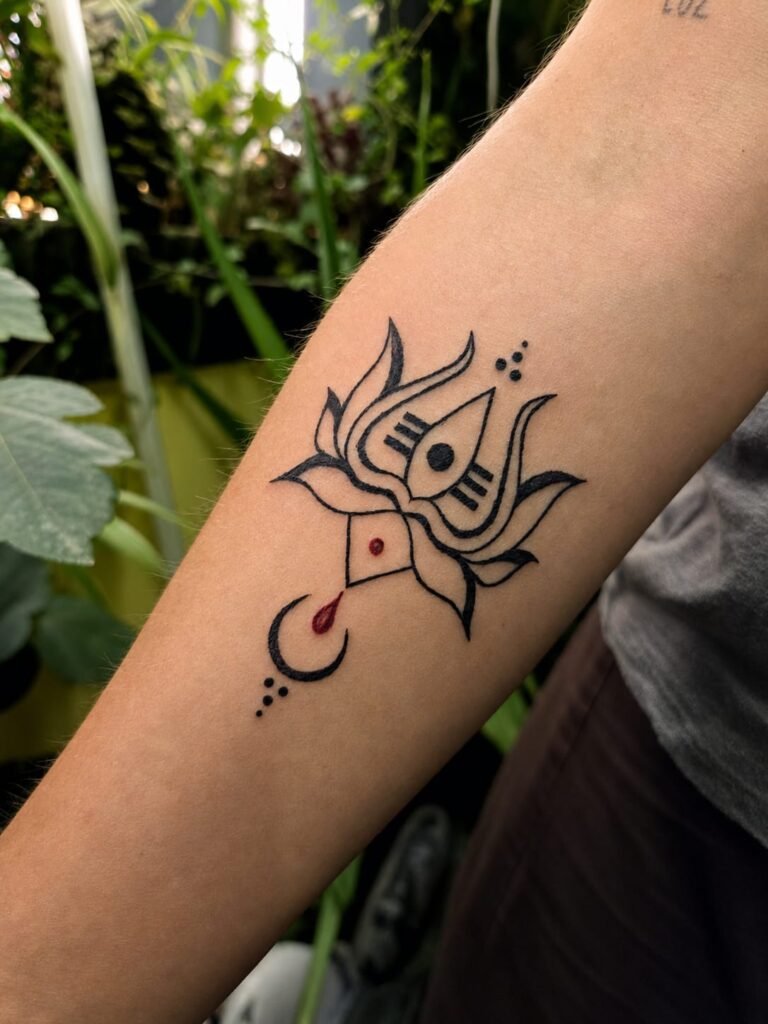
Her visual language draws from Indian tribal art, kolam patterns, sacred geometry, yantras, ancient symbols, and spiritual traditions. None of these are decorative choices. Each carries philosophical weight.
“Sacred geometry reflects the harmony and intelligence of nature.” Yantras function differently again. “Yantras are meditative maps that represent different states of consciousness and divine energies, which is also why I never repeat a tattoo once I’ve done it for someone.”
The commitment to uniqueness is not a commercial proposition. It follows from her belief that symbols, properly understood, belong to the person who receives them.
“I don’t believe in forcing symbols onto people—I believe the right symbols reveal themselves when there is enough presence and clarity.”
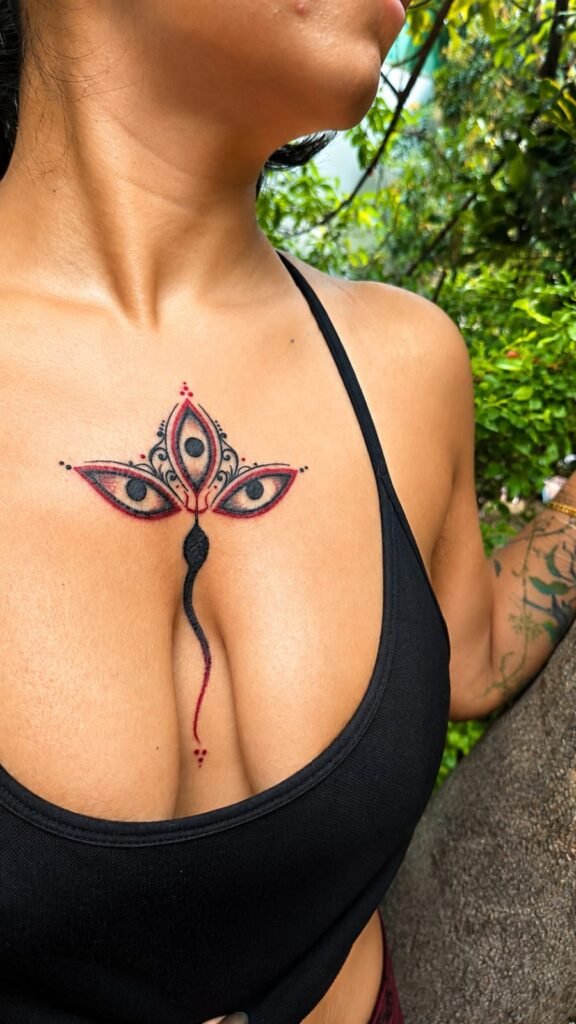
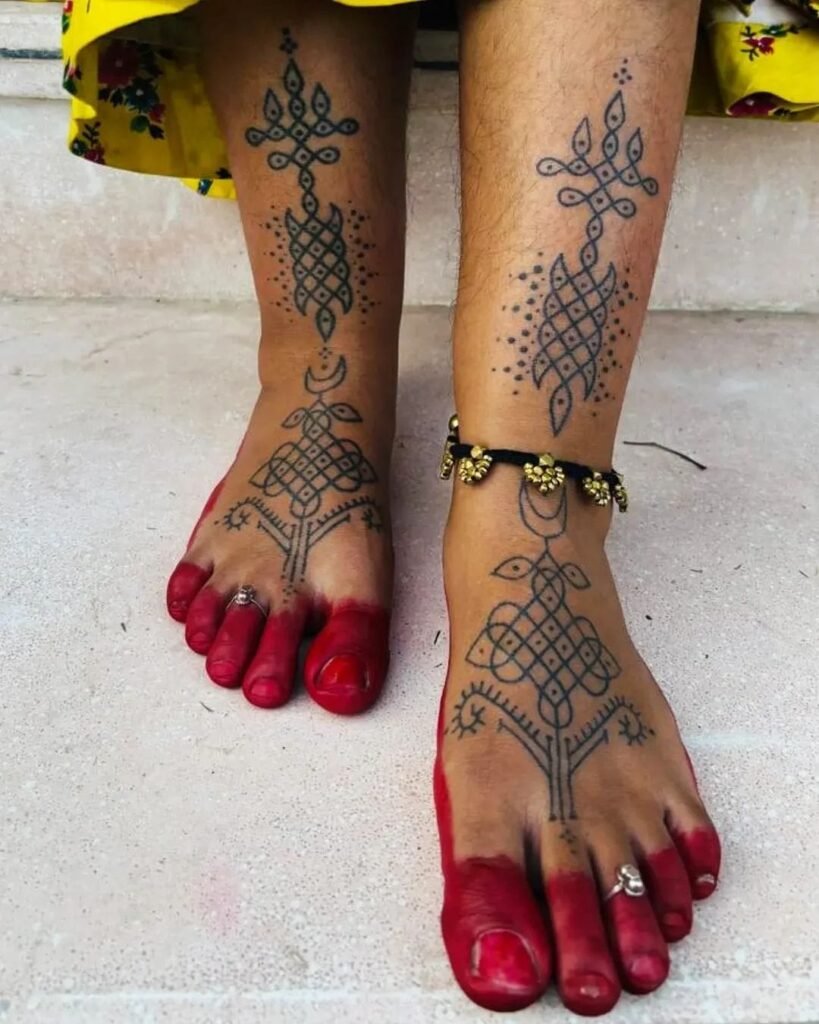
“For me, creating a custom piece is never about imposing my style onto someone. It is about listening deeply, understanding their journey, and translating that into symbols that feel timeless, intentional, and alive.”
Every tattoo, she says, functions as a personal reminder.
“I think of every tattoo is like a personal reminder to them of their intention every time they see it.”
The Ceremony Before The Tattoo
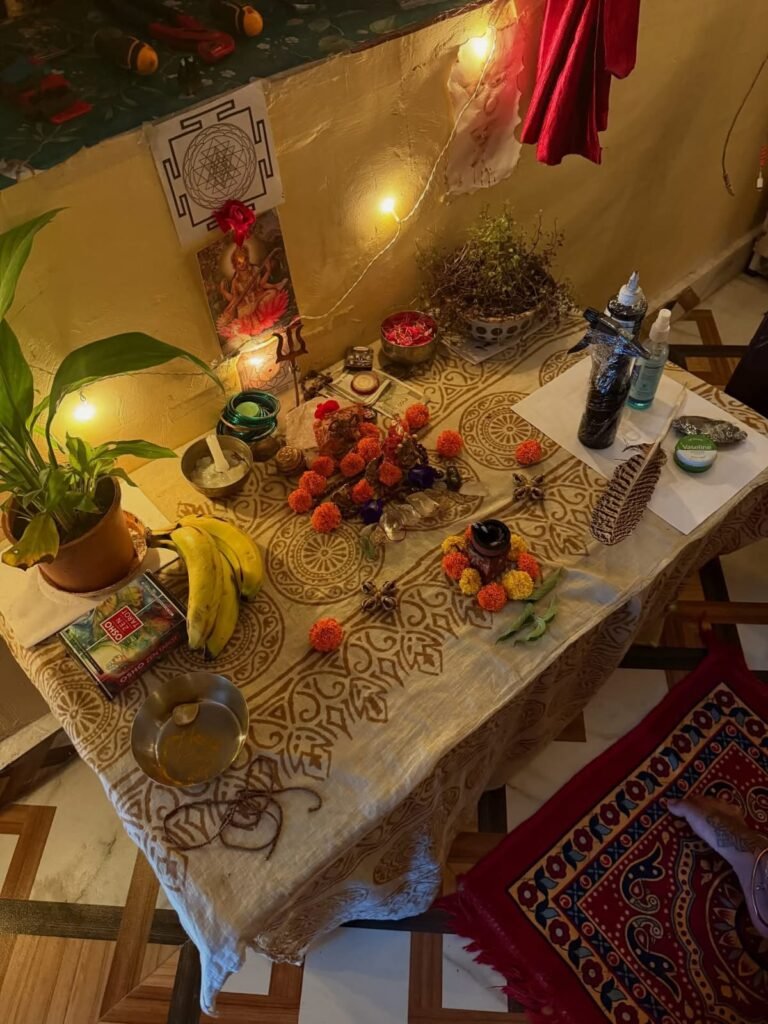
Before a tattoo session begins, Fohat prepares. The space is cleansed. Client and artist sit together at her altar. Tarot cards are drawn. If the design involves a deity or mantra, meditation and chanting follow. These are not theatrical gestures.
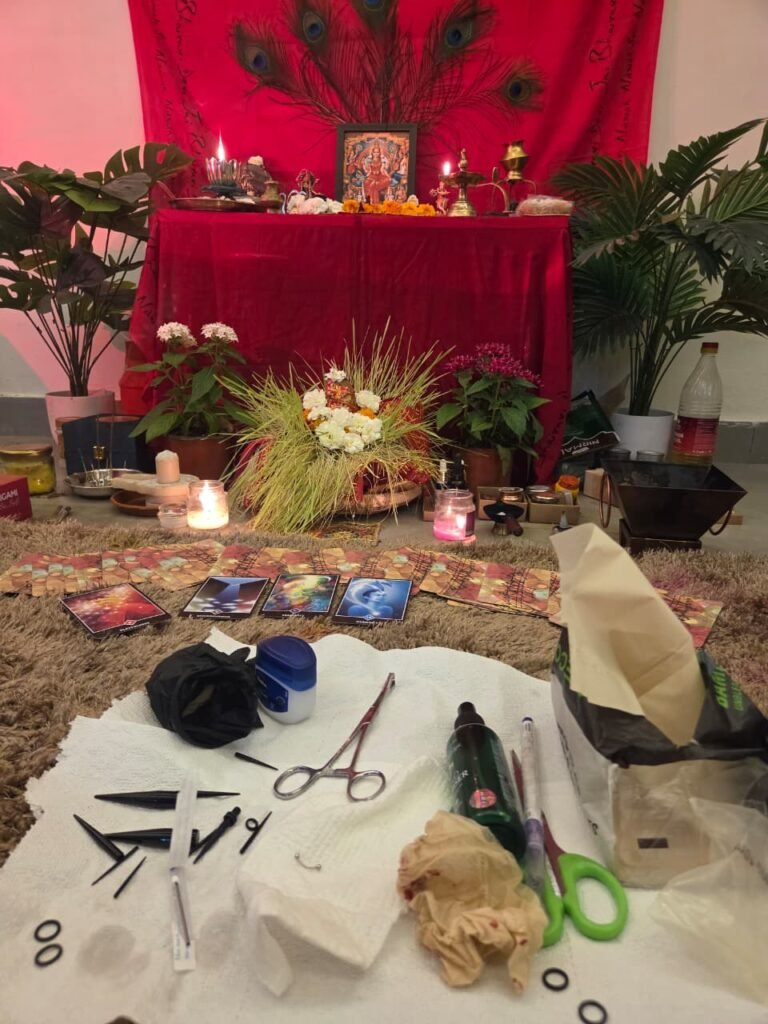
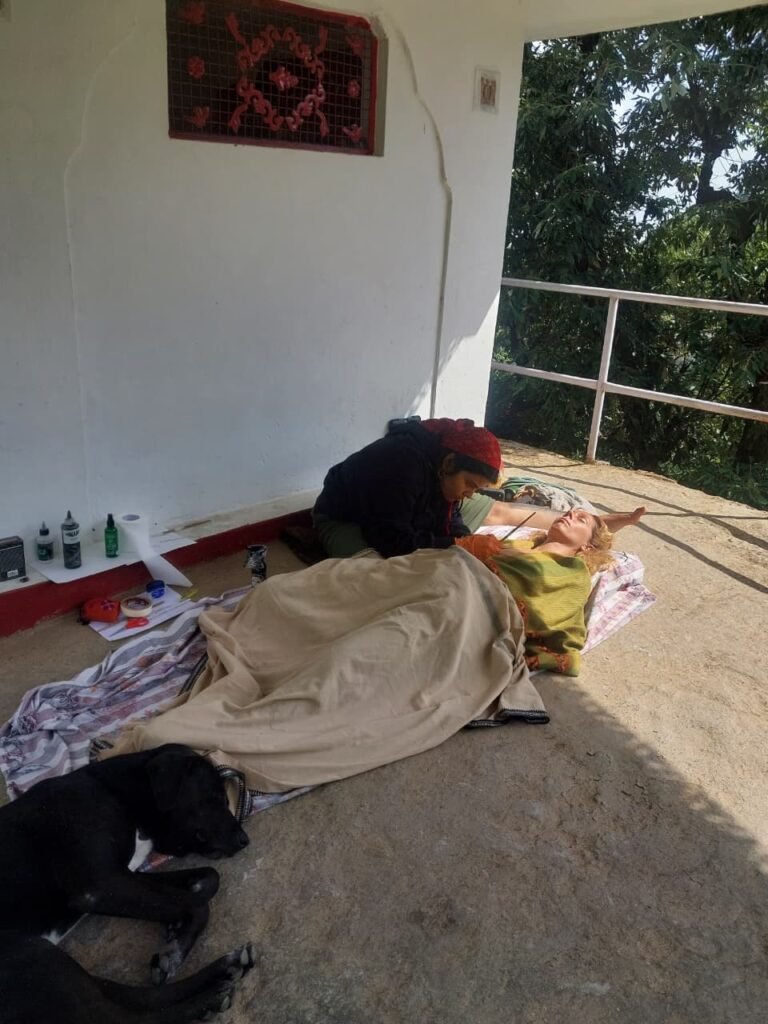
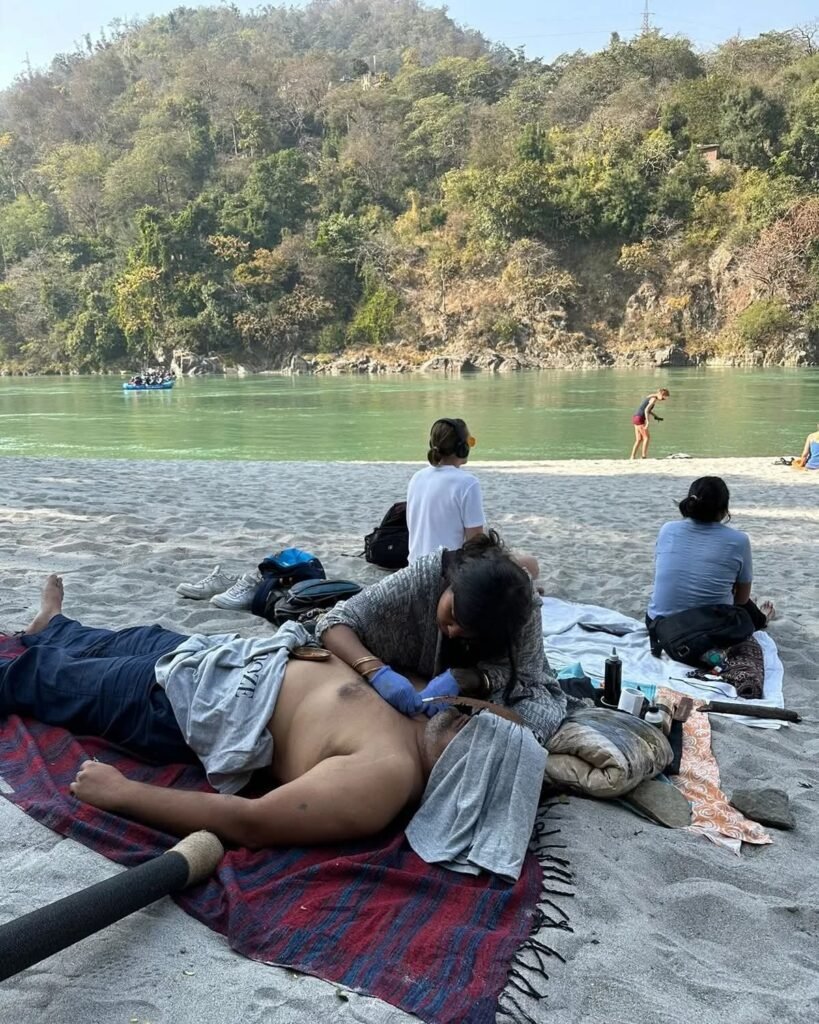
“These rituals aren’t just performances. They’re simply an extension of how I live.” Each step is part of a larger commitment to approaching permanent work with full awareness. “If someone is going to carry a mark for the rest of their life, I believe it deserves a conscious beginning.”
She describes the intention embedded in this preparation with particular clarity.
“I want the mind to become ‘SHANT’ before something permanent is created.” The word itself carries weight, a Sanskrit term for stillness and the quieting of noise that ordinarily accompanies our days.
“By the time the first dot touches the skin, the tattoo has already begun long before the ink enters the body.”
Healing Through Presence
For Fohat, healing is not a side effect of the work. It is the work. She does not operate from a fixed studio space, and that is not incidental. The absence of a permanent address keeps her practice fluid, intimate, and anchored entirely in the person in front of her rather than the institution around her. Every session becomes its own contained world.
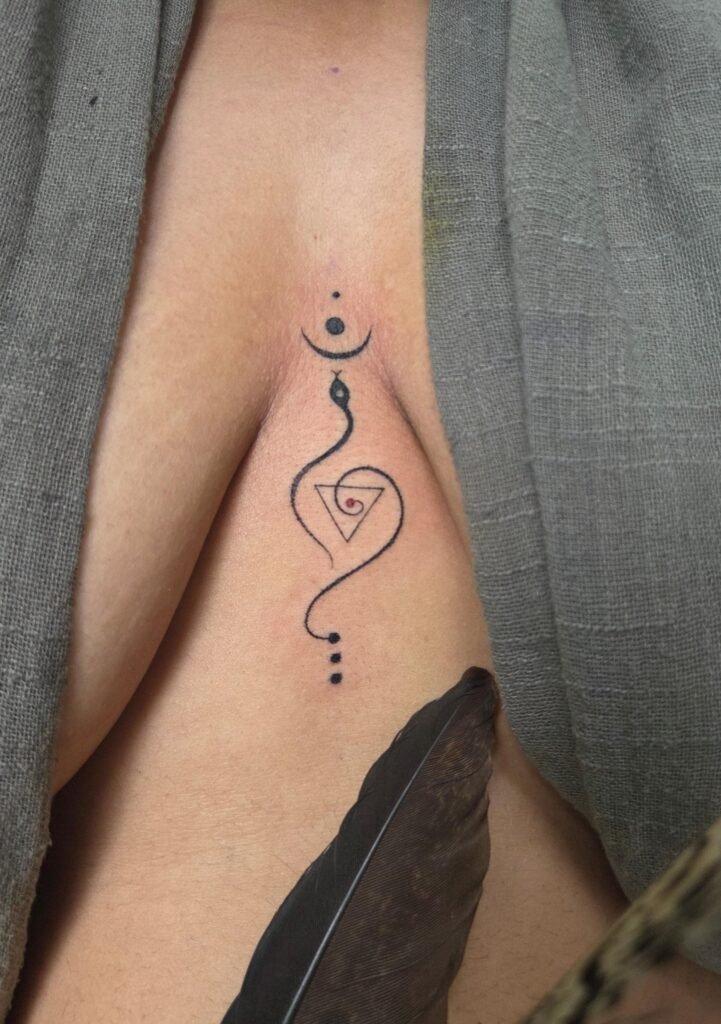
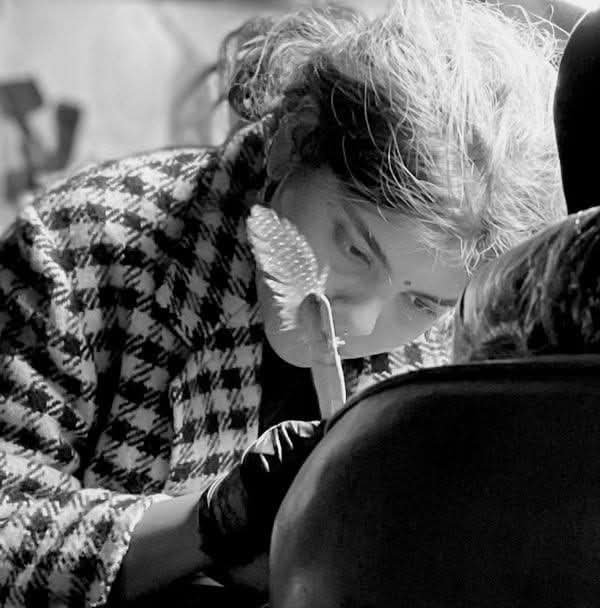
Equally central to her philosophy is the belief that no two people should ever carry the same mark. She never repeats a design. Once a symbol has been given to someone, it belongs to them.
“I believe one ink can belong to one body only.” – Fohat
This commitment shapes how she understands healing through tattooing. A design that exists only once, created for one specific person at one specific moment in their life, carries a different weight than something replicated from a flash sheet or repeated across a portfolio. It tells the person receiving it that their story was worth that singular attention. That recognition, quiet as it may seem, can be its own form of repair.
Follow Fohat on Instagram
Mishuk is a digital marketer by profession and a storyteller at heart. He crafts narratives through content marketing, blending strategy with culture. When he’s not building campaigns, you’ll find him immersed in music, martial arts, and all things creative. Yes he also designed the website you’re reading right now.