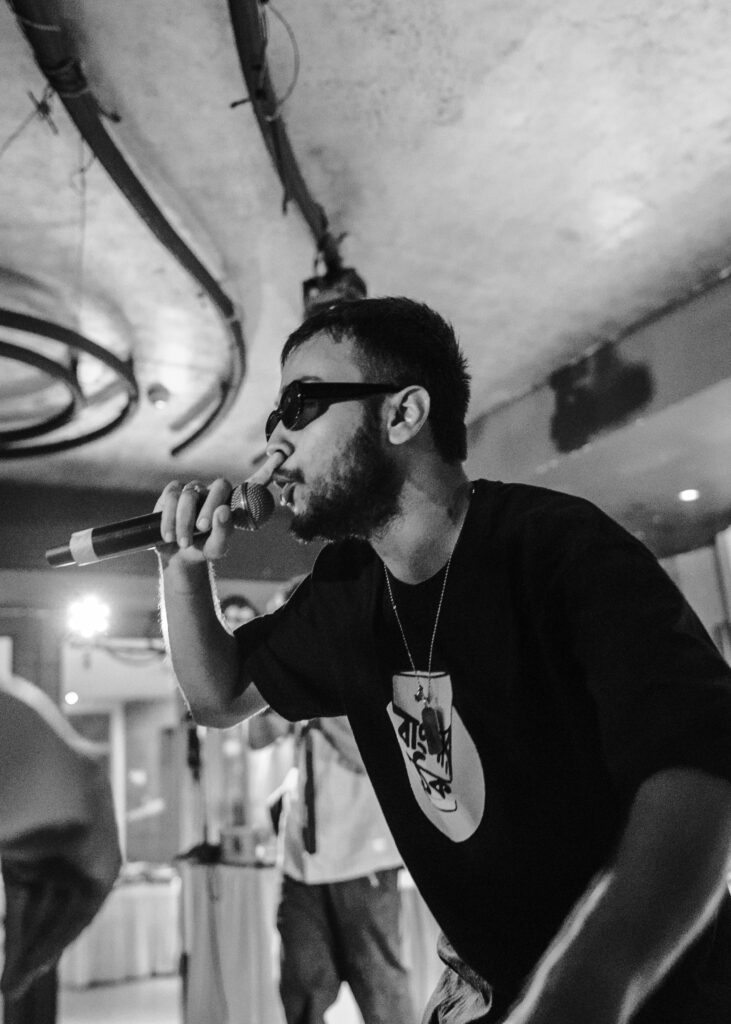
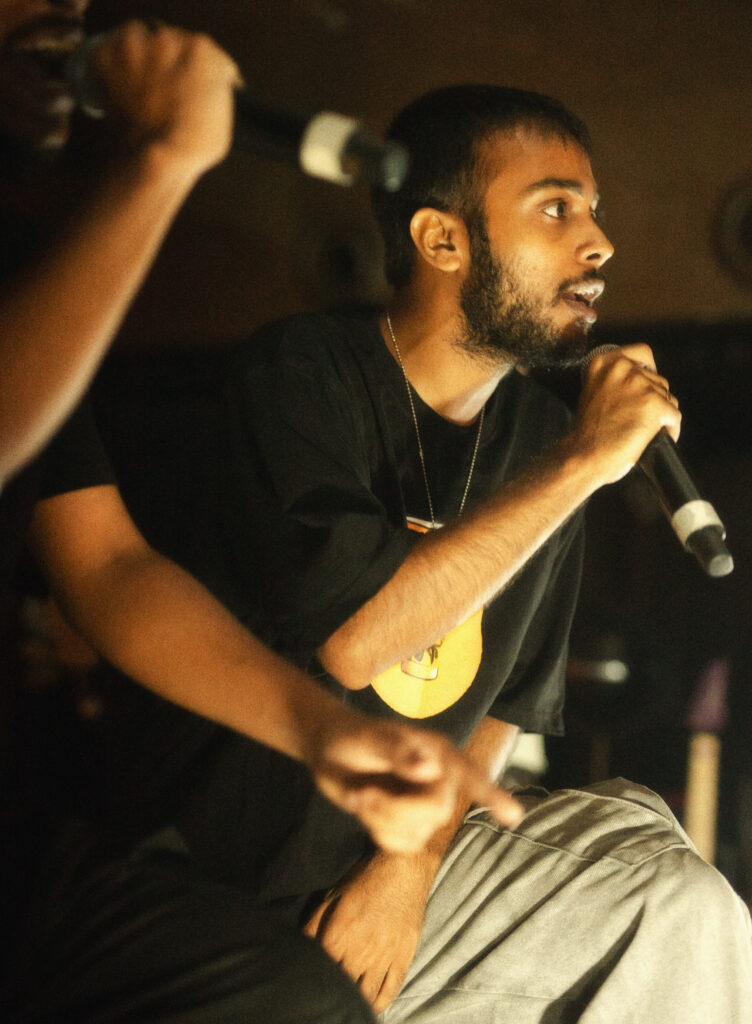
From a kid scribbling lyrics in Kolkata to a full-time music producer shaping a new sound, Cizzy’s story is a powerful anthem of perseverance, authenticity, and creative evolution. His journey explores the raw, unfiltered path of an artist navigating the challenges of self-doubt, financial struggles, and the constant pressure to define oneself. For anyone feeling lost in their own creative pursuit, Cizzy’s experience is a reminder that the most authentic voice often emerges from the deepest struggles.
From Mike Shinoda to Bangla Rap
Cizzy’s entry into the world of hip-hop wasn’t a straight line; it was a discovery that began with rock music. Growing up, he was captivated by Linkin Park, specifically Mike Shinoda’s seamless blend of rap and rock. He’d listen to Power FM in Kolkata, frantically trying to write down every word Mike rapped in hits like “In the End” and “Numb.”
“I started as a songwriter, mimicking Mike,” Cizzy recalls. “I was writing in English, just trying to capture that energy.” This early fascination gradually led him to other hip-hop giants like Eminem, whose verse on an Akon song he heard on the radio sparked his curiosity long before he knew the artist’s name. In an era before easy internet access, the FM radio was his gateway to a world of sound, introducing him to legends like Lil Wayne and Jay-Z.
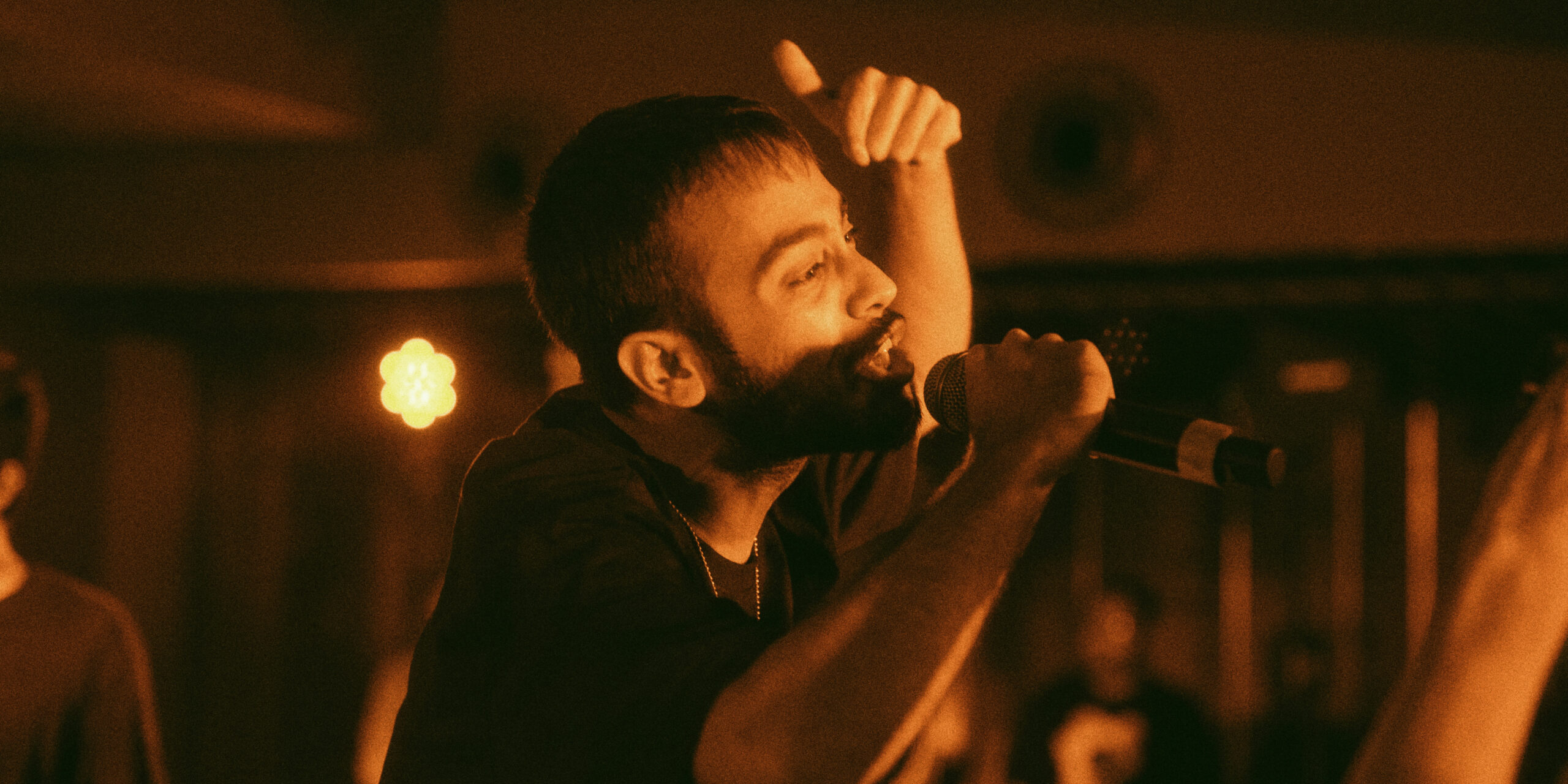
The real turning point, however, came during his college years. While performing with a rock band at various fests, he started freestyling in his mother tongue, Bengali. The reaction was immediate and profound. “People would resonate even more,” he says. This connection was a revelation. It pushed him to start writing in Bangla, a decision that not only made his music more accessible but also set him on a path to find his own unique lane.
At the time, he wasn’t aware of the existing Bangla rap scene in Bangladesh. His own style was born from a different perspective—a middle-class Kolkata kid telling his own stories. This shift from English to Bangla was the key that unlocked a deeper connection with his audience and, ultimately, with himself.
The Ups and Downs of an Artist’s Life
The journey has been anything but easy. In the early days, the Kolkata rap scene was virtually nonexistent. An introverted kid making music in his room, Cizzy eventually found his tribe through online platforms like Facebook and Orkut. He formed a crew called Agenda Alliance, performing and making music, but the path forward was still unclear.
After college, he moved to Noida for a job, but the corporate life couldn’t hold him. He soon relocated to Bombay, immersing himself in music production and even appearing on reality shows that helped him gain a following. Yet, the financial struggle, a familiar story for many independent artists, was a constant pressure.
“Support from family obviously is a concern… it all comes down to money,” Cizzy admits. Convincing his parents that music could be a viable career required tangible achievements. He felt the weight of needing to prove himself, not just to his family, but to himself.
Thankfully, the universe had his back. His music began reaching audiences he never imagined, from South Indian films to the popular game Free Fire. He even produced music for Bengali TV serials. These successes provided the validation he needed to keep going.
A critical moment arrived in 2020. After his father passed away, Cizzy faced a crossroads. “I had to commit to something,” he shares. “I couldn’t be on both boats.” He had to choose between the stability of a full-time job and the uncertain, passionate pursuit of music. He chose music. Leaving his last job, he went all-in, and thankfully, it worked.
Building a Sound for the World
Today, Cizzy’s mission extends beyond just making music. He is on a quest to establish a unique “Bangla hip-hop sound.” This isn’t about language; it’s about a distinct sonic identity that represents his culture and experiences.
“Even a Korean guy can make Bangla hip-hop in their language, but when you hear it, you’ll know what sound they were going for,” he explains. He draws parallels to how drill music is associated with Chicago or Afrobeats with its African origins. He envisions a future where the sound he is building is globally recognizable.
This goal taps into his core identity as a music producer. While people know him as a rapper, production is his first love and the foundation of his artistic vision. To support this dream, he produces pop music and writes for other artists, a practical hustle that allows him the freedom to innovate within his own genre.
A Message of Resilience and Unlearning
For anyone feeling overwhelmed on their own path, Cizzy’s advice is simple: don’t give up. “If you are confident in what you do and you know that you can be the absolute best… you have to stick to it.”
He emphasizes the importance of finding a niche where you can outshine everyone else. For him, it was his writing and production. To stay ahead, he constantly evolves. “That’s one way to eliminate competition,” he says with a smile, “keep changing your style!” This relentless drive to innovate keeps him in a lane of his own.
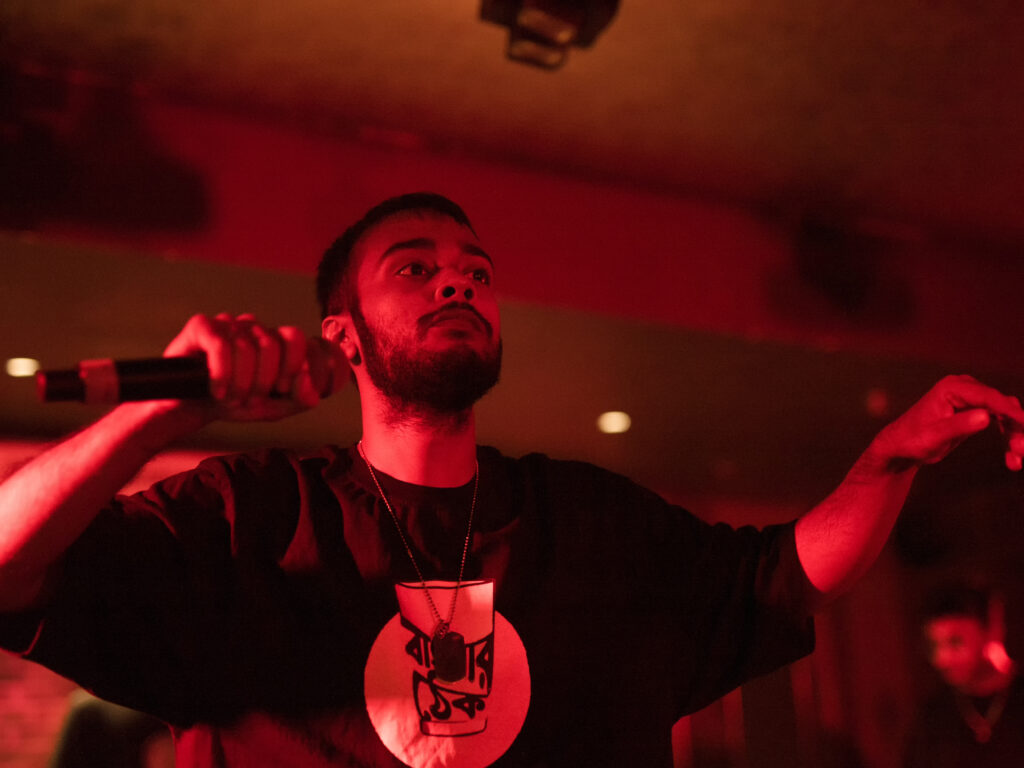
But perhaps his most profound insight is about the necessity of unlearning. “The most important job as a human being is to constantly keep learning and unlearning,” he states. In a world, and a genre, that is continually re-examining its past, Cizzy believes it’s crucial to shed the outdated perspectives we grew up with. It’s a call for self-awareness and growth, a commitment to becoming not just a better artist, but a better person.
Cizzy’s story is a powerful testament to the journey of self-discovery. It’s about finding your voice, building your own sound, and having the courage to keep moving forward, no matter how much weight the world puts on your shoulders. It’s a rhythm of resilience that resonates far beyond the world of hip-hop.
Photo and Video Credits: James Suraj Barwa (Goofy Owl Team Member)
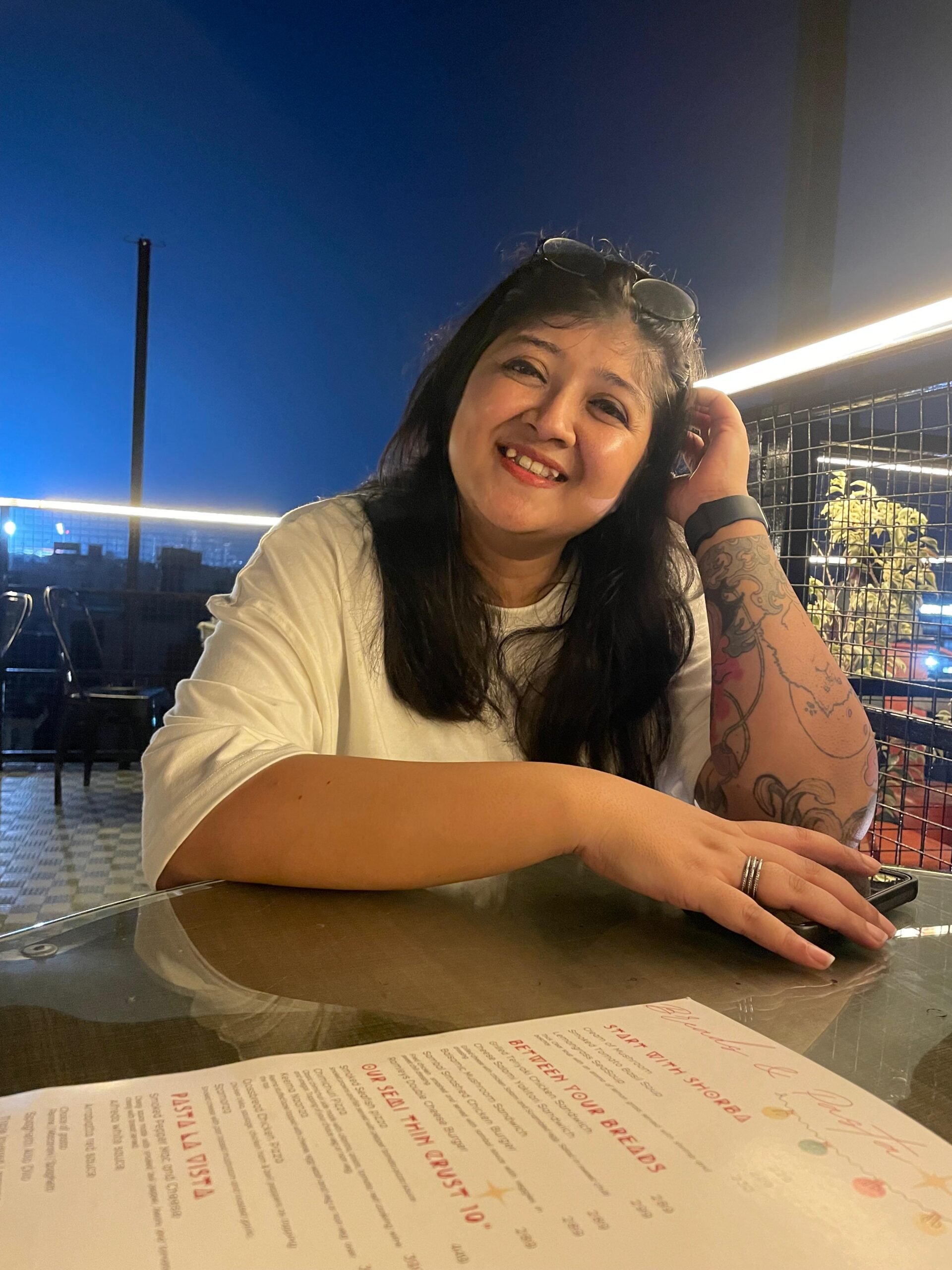
Oeshi B Lyndem is a former graffiti and visual artist, now working as a tattoo artist and graphic designer.
Rooted in craft and hands-on making, she moves fluidly between illustration, street art, design and experimental creative processes.
With lineage from Shillong, often known as India’s rock capital, she brings a strong cultural backbone to her work.
At Goofy Owl, she curates and leads the street and hip-hop culture segment through an intuitive, deeply creative and entrepreneurial lens.